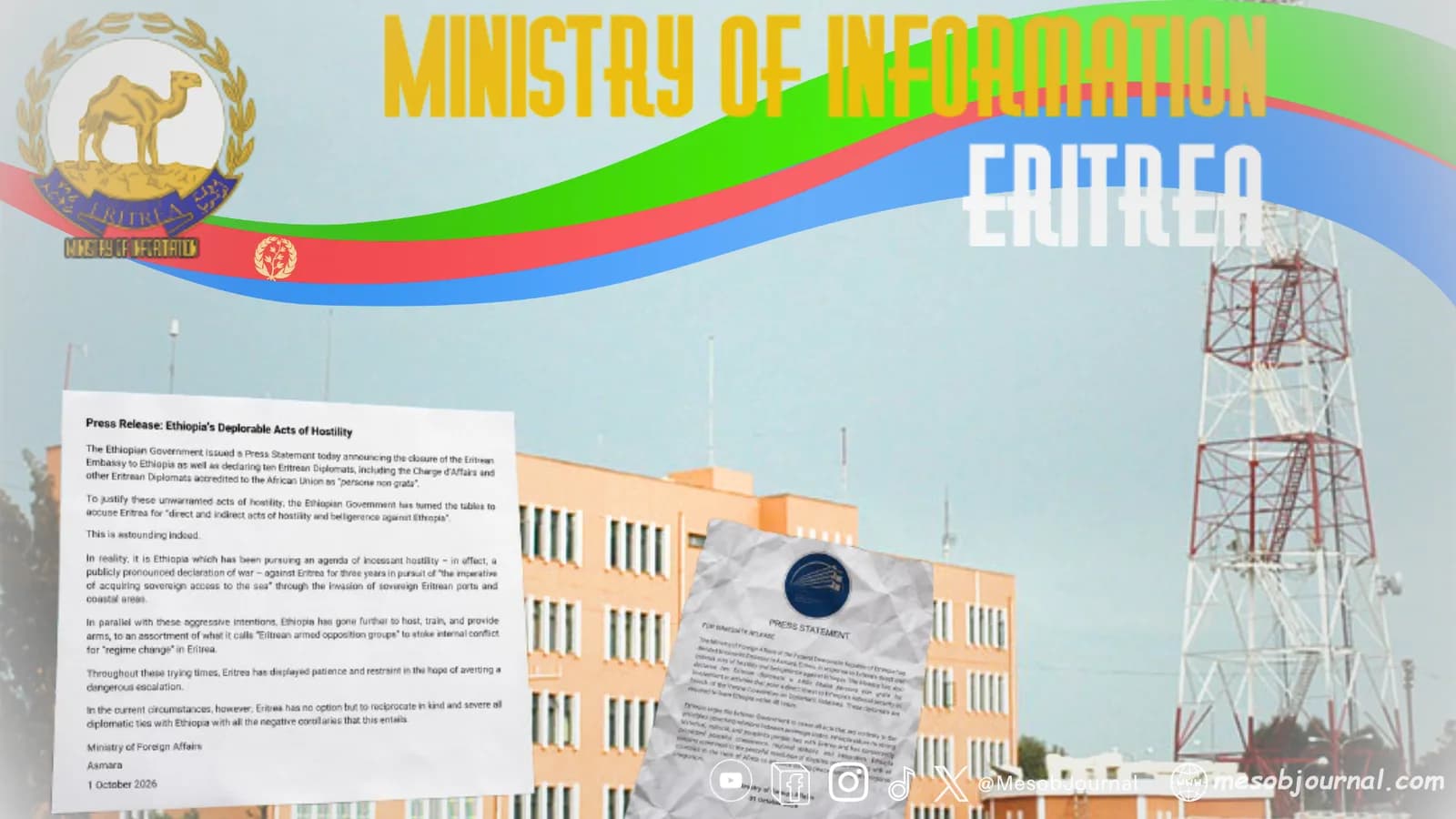
Ethiopia Expels Eritrean Diplomats: Abiy’s Escalation Is Now Africa’s Problem
Ethiopia’s expulsion of Eritrean diplomats raises urgent questions about sovereignty, regional escalation and the protection of Eritrea’s African Union representation.


We use cookies to improve your experience, analyze traffic, and show relevant content. You can accept all, reject non‑essential, or manage preferences.
Ethiopia’s expulsion of Eritrean diplomats raises urgent questions about sovereignty, regional escalation and the protection of Eritrea’s African Union representation.
G. Haile responds to a Middle East Forum analysis of Eritrea’s Red Sea strategy, arguing that recent regional alignments make Asmara’s security concerns current rather than nostalgic.
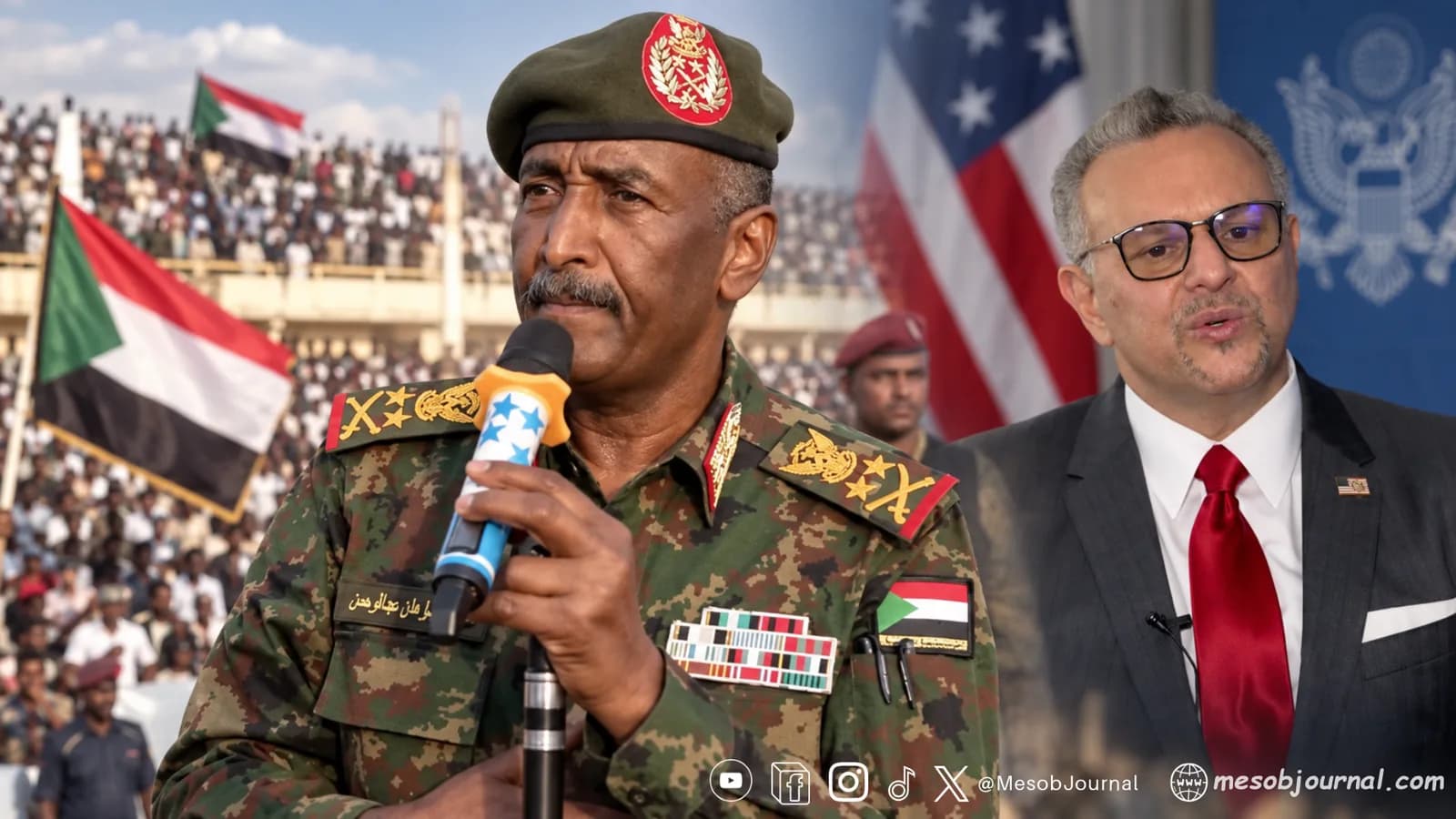
Washington has removed any remaining doubt about why Abdel Fattah al-Burhan did not attend the United Nations General Assembly in New York.
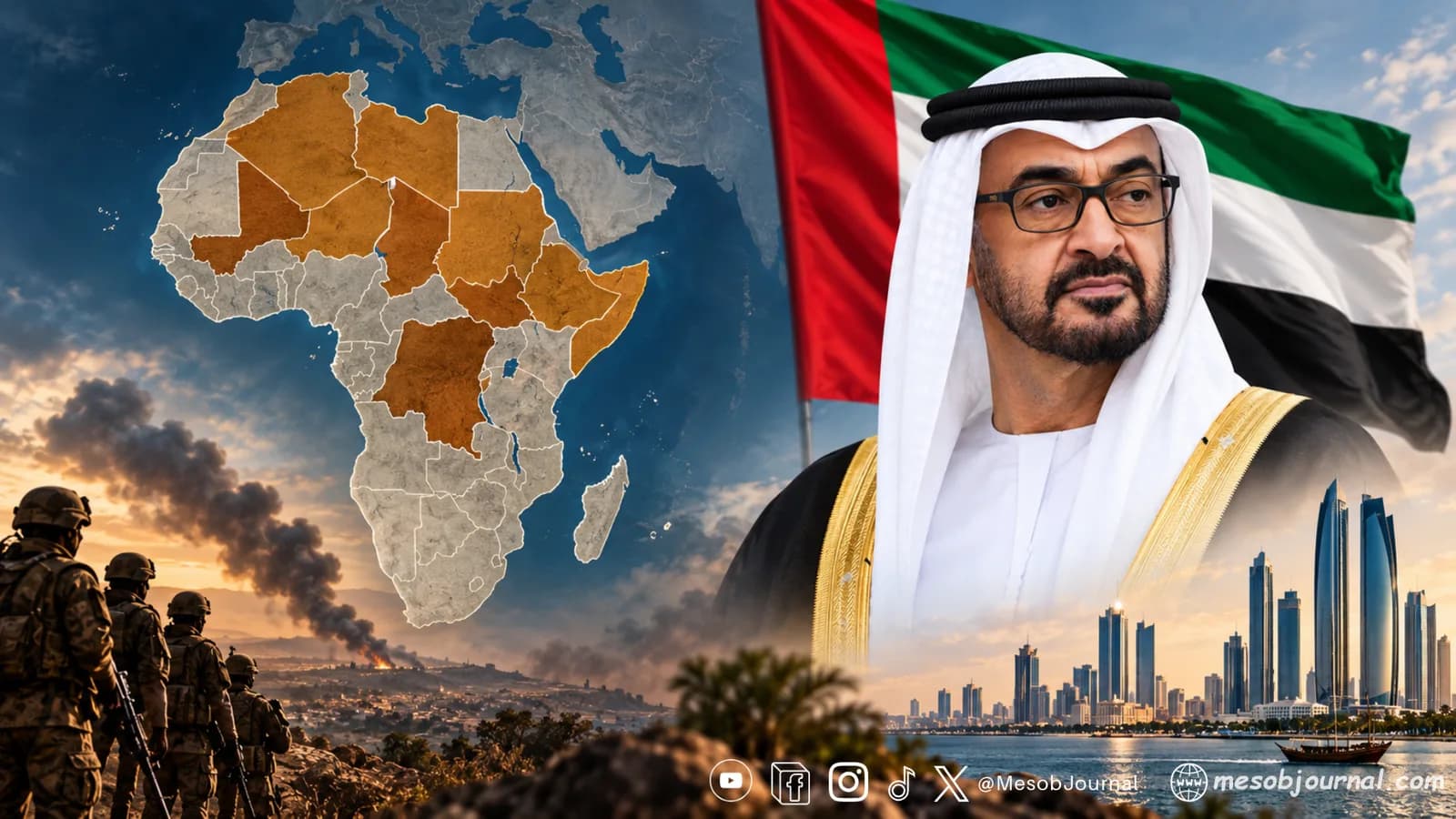
A May 2026 SWP study calls the UAE one of the most aggressive external actors in African conflicts, and names Sudan, Libya, Somalia and Ethiopia. Ten countries — from the RSF's supply corridors to conflict gold in eastern Congo — show how Emirati military, financial and logistical networks connect wars that look domestic.
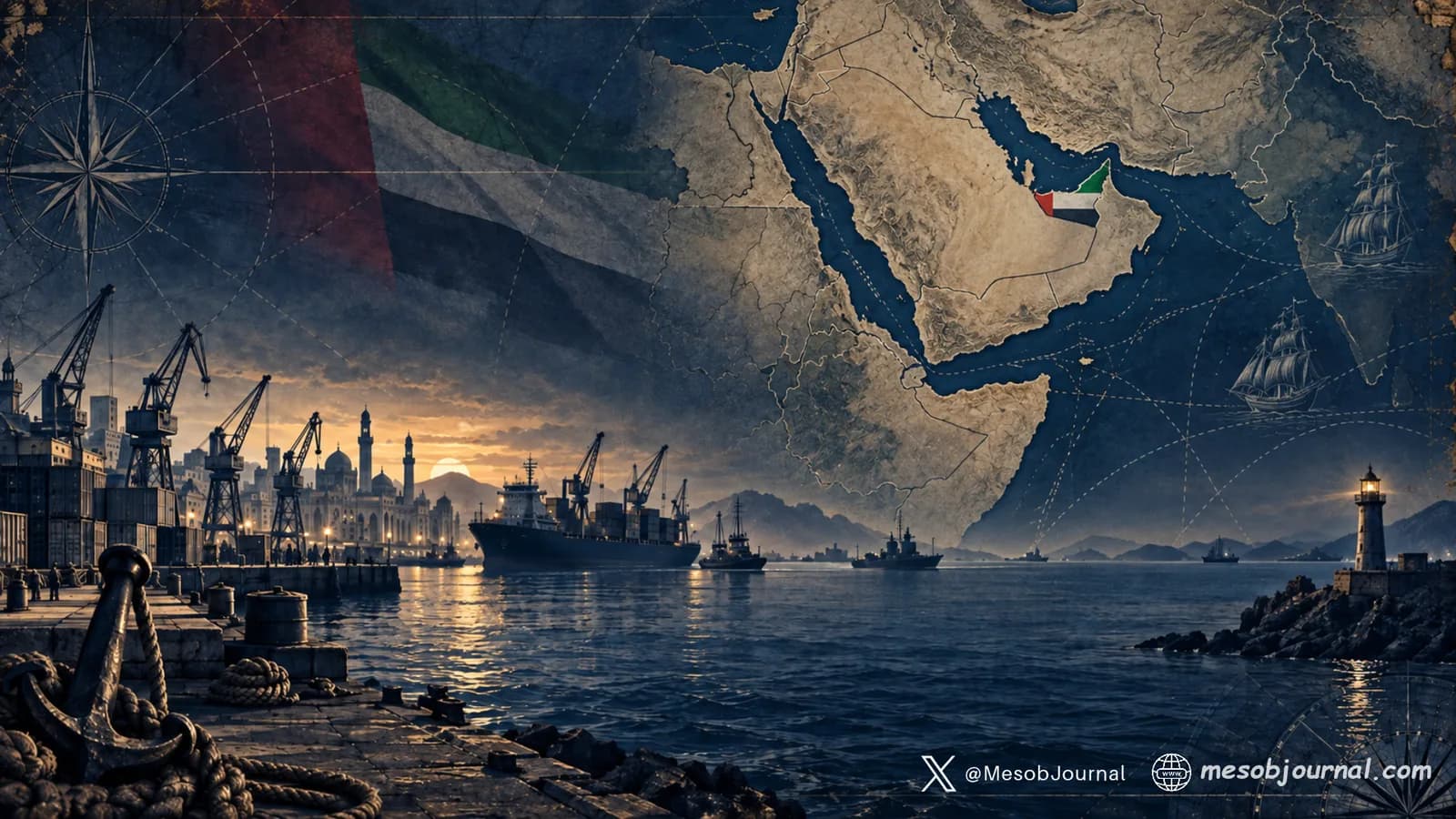
Port imperialism has become a central claim in Eritrean arguments against foreign logistics concessions at Red Sea gateways. This analysis weighs that critique against the commercial realities facing Massawa and Assab, and asks where sovereign defence ends and self-inflicted isolation begins.
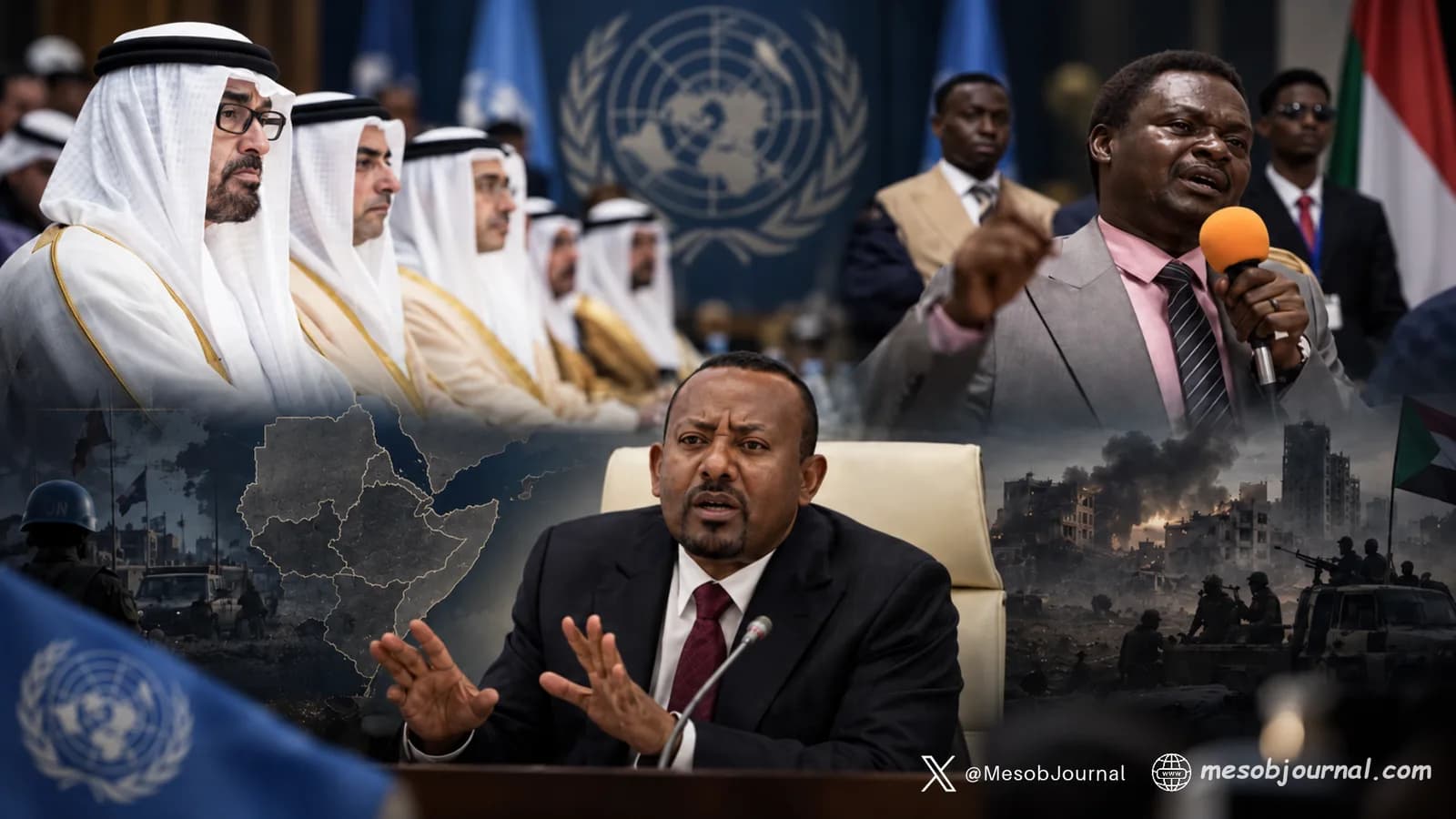
There are verified reports that the United Arab Emirates has been directly paying United Nations officials to silence them, and if that accusation alone shocks the conscience, it is only because the full architecture of influence that surrounds it has remained hidden for so long.

An AI-assisted influence campaign, documented supply networks and Ethiopia's military buildup expose the distance between the language of peace and the means of continuing war.
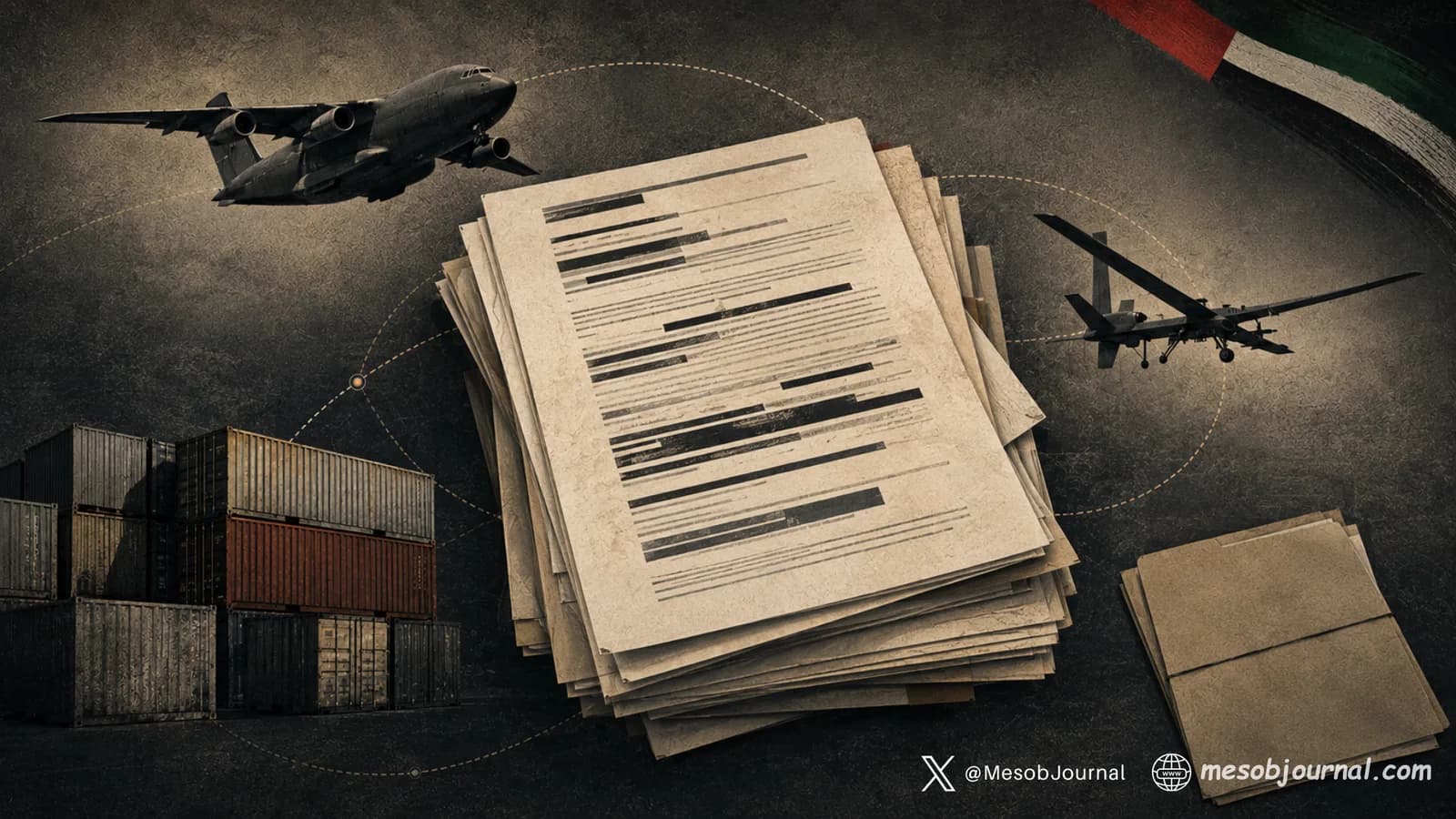
Investigators document substantial UAE-linked support for the RSF, while findings on Ethiopian fighters and separate evidence from Asosa raise further questions about the war’s regional support system.
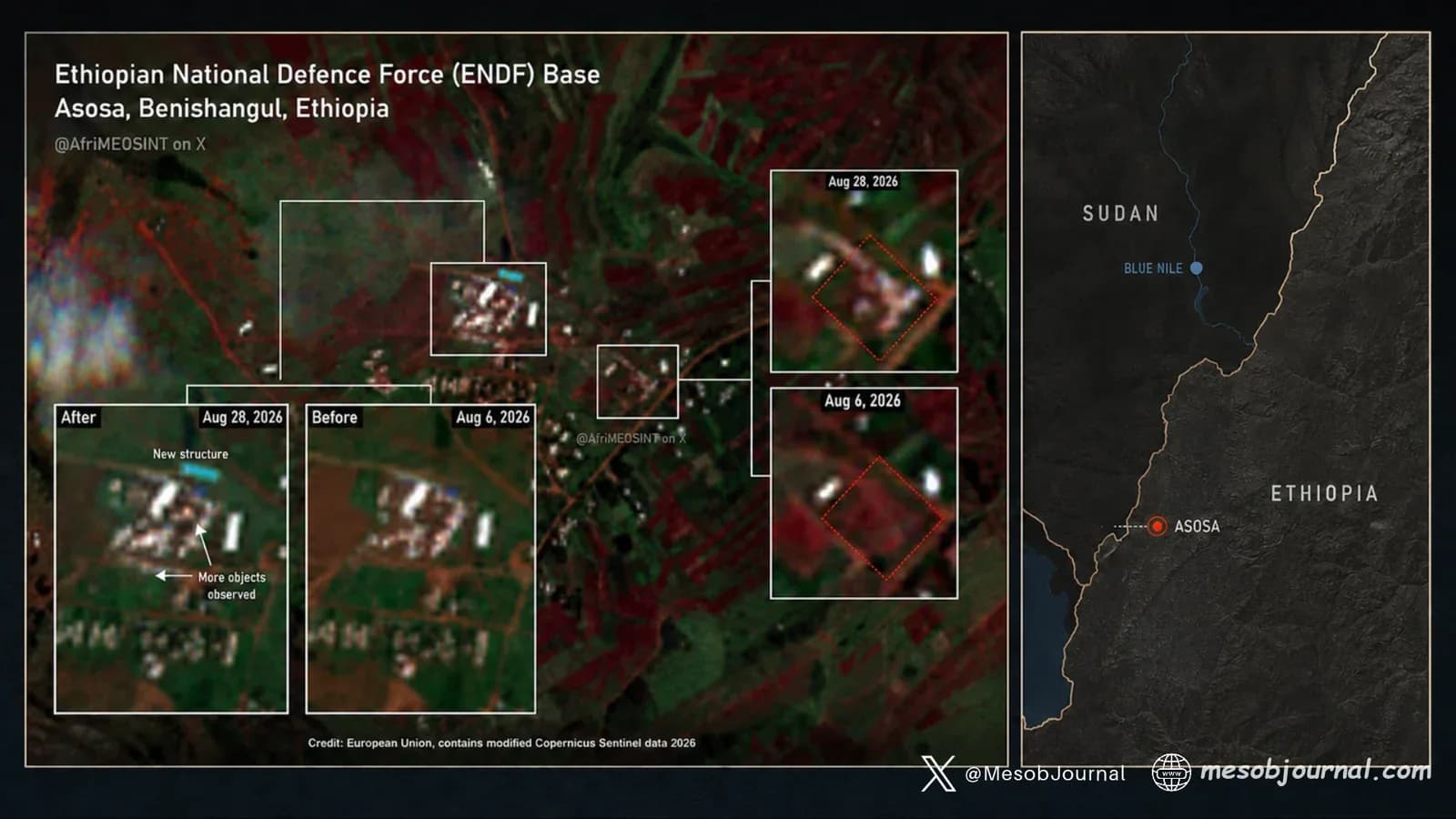
Yale’s latest Asosa evidence exposes a wider pattern linking Ethiopia’s RSF support, UAE patronage and pressure on Sudan, Somalia and Eritrea.
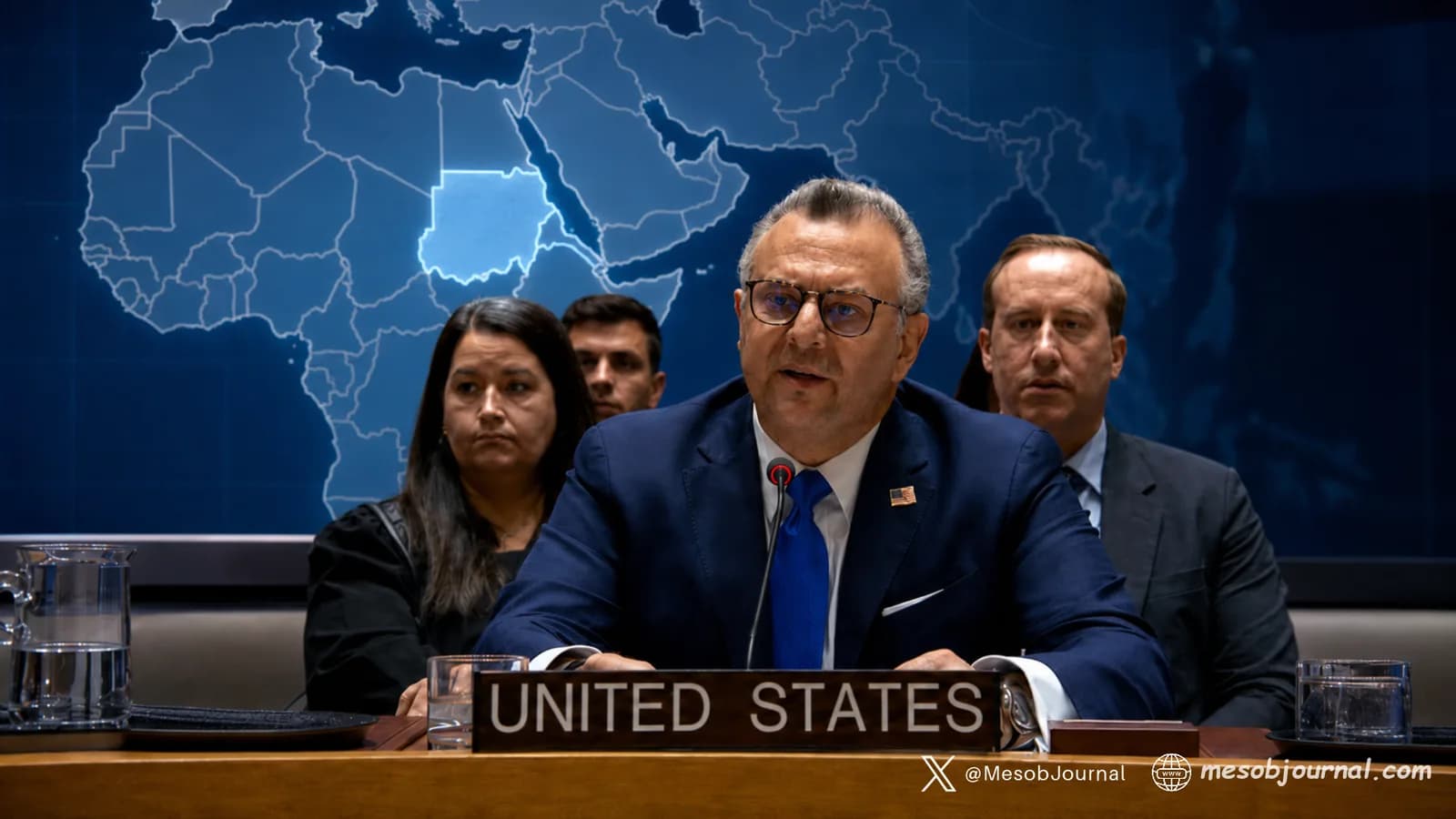
Sudan's army and people deserve support against the RSF's foreign-backed war. Washington must confront the governments sustaining it.
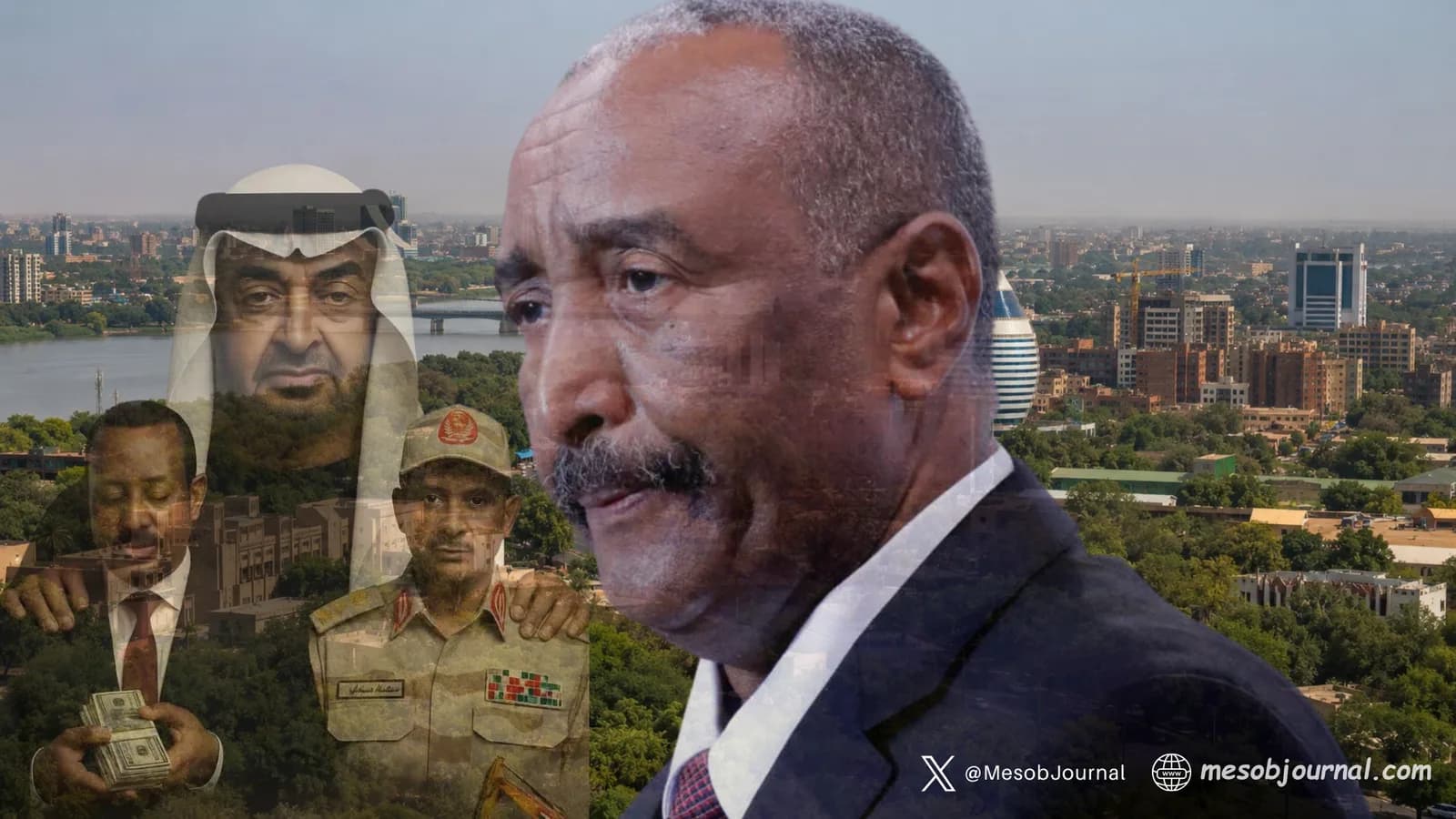
Sudan's ongoing conflict has escalated into a regional struggle involving external actors like the UAE and Ethiopia, impacting civilian lives and state stability. The Rapid Support Forces have turned the war into a profitable enterprise, complicating the humanitarian crisis.
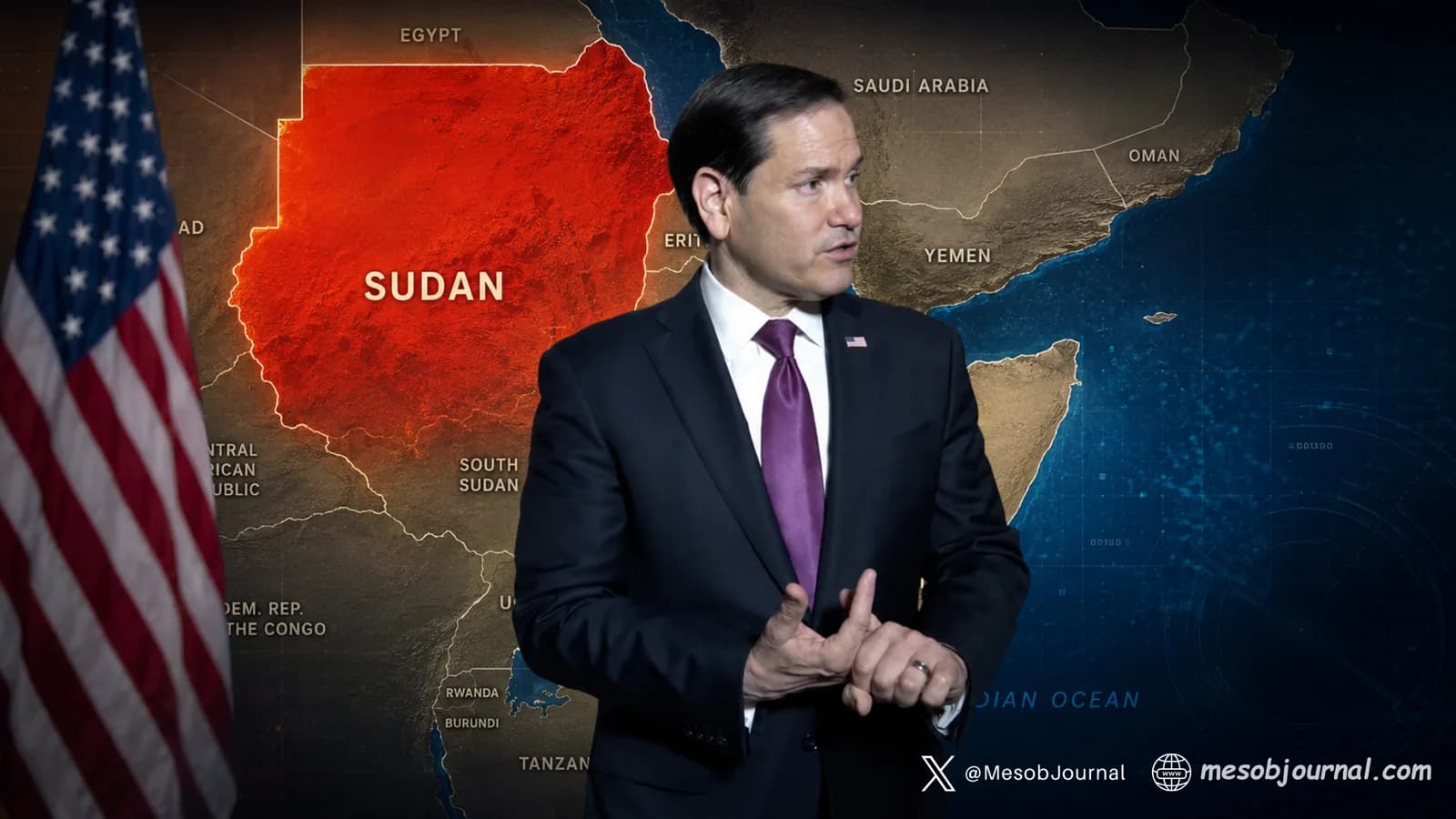
U.S. Secretary of State Marco Rubio highlighted the proxy nature of Sudan's conflict, implicating external actors like Ethiopia and the UAE in the ongoing violence. The war has escalated into a regional crisis, fueled by foreign support and arms supply.