
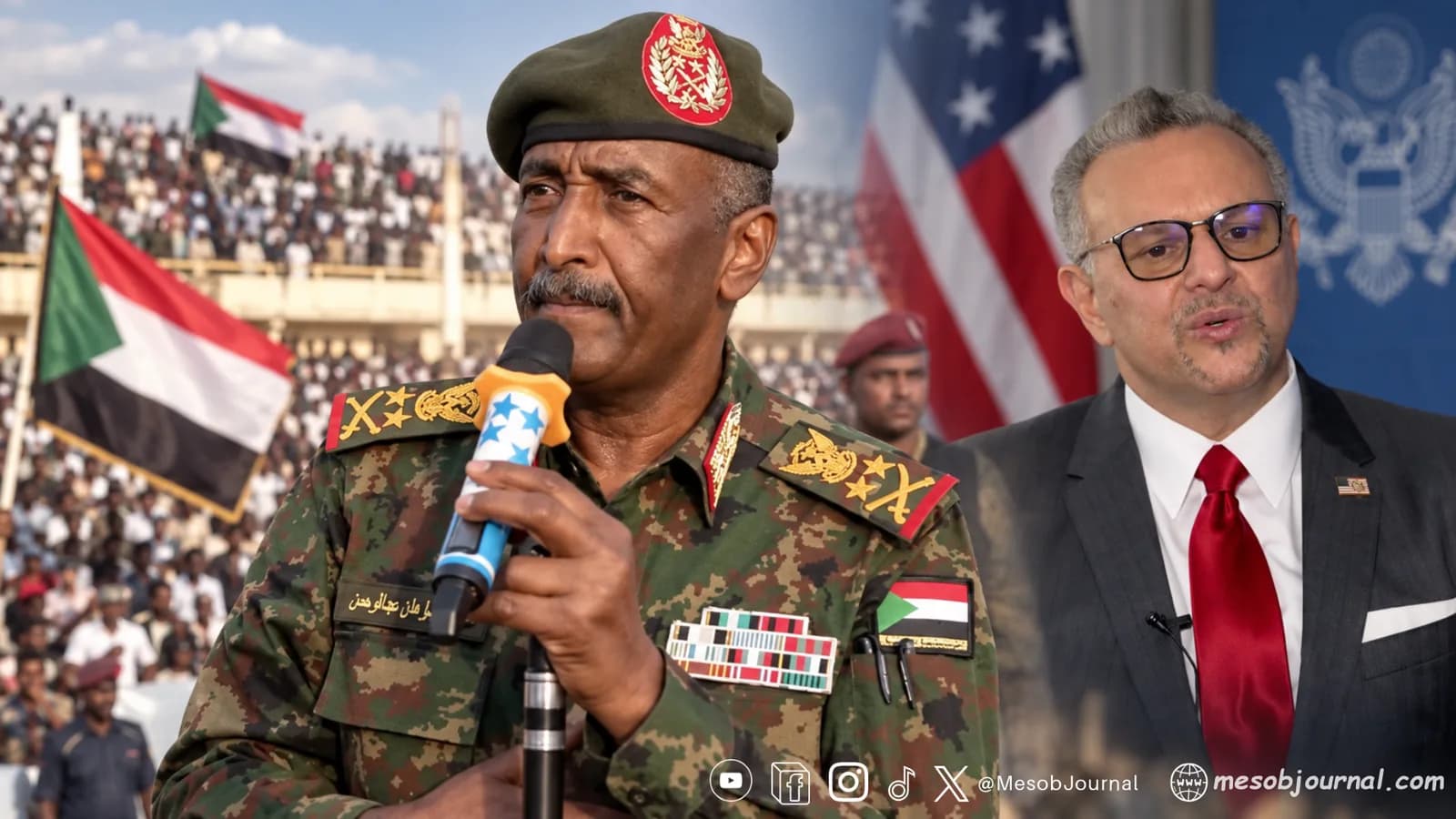
Washington has removed any remaining doubt about why Abdel Fattah al-Burhan did not attend the United Nations General Assembly in New York.
The visa was withheld deliberately.
Massad Boulos, President Donald Trump’s senior adviser for Arab and African affairs, confirmed on September 26 that Burhan’s absence was intended to signal American displeasure with the position taken by Sudan’s leadership over the war.
“We don't have Gen Al Burhan in New York,” Boulos said. “That was a clear move to indicate a lack of appreciation for their position.”
Days earlier, Sudanese and diplomatic sources had said Washington was linking the visa to acceptance of a U.S.-backed 90-day ceasefire proposal. Burhan refused the condition.
He then answered publicly from Khartoum.
“We do not want a visa to any country, nor do we want their permission, nor do we want anything,” Burhan told a gathering in the capital on September 26.
He also made clear that the Sudanese Armed Forces would continue their campaign against the Rapid Support Forces.
The confrontation is therefore no longer about a travel document.
Washington attempted to use access to the United Nations General Assembly as leverage over Sudan’s position in ceasefire negotiations. Khartoum refused.
The episode exposes a deeper weakness in the diplomatic approach to Sudan: pressure for a ceasefire repeatedly becomes most urgent when stopping the war risks preserving an RSF position that the Sudanese army believes it can still defeat on the battlefield.
The Timing Matters
Sudan has been here before.
In early 2025, the Sudanese army was recovering from some of its worst setbacks of the war. It regained important territory and began pushing the RSF back in Khartoum.
As the balance shifted, the UAE proposed a humanitarian ceasefire for Ramadan.
At that moment the RSF was losing ground in the capital while continuing operations elsewhere in Sudan. The Sudanese government rejected the proposal and accused Abu Dhabi of seeking a pause that would benefit the paramilitary force.
The circumstances today are different, but the underlying Sudanese suspicion has not changed.
Khartoum does not see every ceasefire proposal as politically neutral.
It sees the military position that would be frozen by that ceasefire.
That is the issue Washington has failed to overcome.
The current American proposal calls for a 90-day pause followed by a broader political process. Sudan’s government has resisted arrangements that do not require the RSF to relinquish the positions and territorial leverage it acquired through force.
From Washington, the immediate priority is stopping the fighting.
From Khartoum, stopping the fighting without settling the RSF’s armed presence risks giving the paramilitary force through diplomacy what it is increasingly struggling to secure militarily.
That disagreement cannot be solved by withholding a visa.
A Ceasefire Cannot Simply Freeze the Battlefield
The Sudanese government’s objection is rooted in what has already happened during the war.
The RSF did not restrict its ambitions to negotiating a place within an existing political system. It and its allies moved toward creating a rival administration in areas outside government control.
The project was designed to give the RSF political legitimacy alongside its territorial power and potentially improve its access to external diplomatic and military support.
That changed the meaning of the ceasefire debate.
A truce is not only about whether guns fall silent for 90 days.
It is also about who controls territory on day 91.
If an armed organisation retains territory, administration, supply networks and military structures, a temporary ceasefire can become the foundation for a permanent division of power.
Khartoum has little incentive to accept such an arrangement while it believes the battlefield is moving in its favour.
Washington may dislike that calculation. Pressure does not make it disappear.
The UAE Question Cannot Be Ignored
There is another reason Sudan distrusts the present diplomatic architecture.
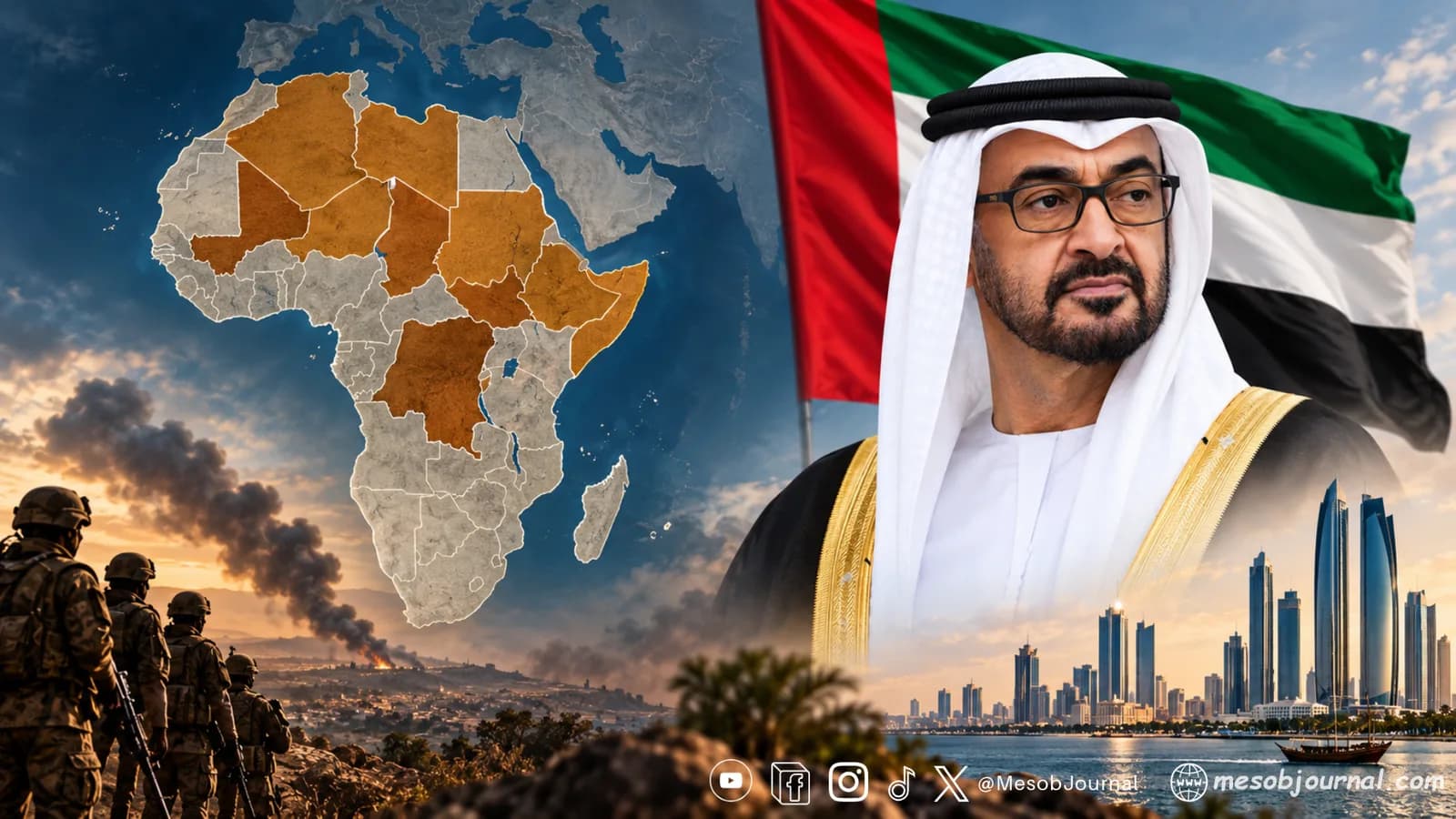
The UAE has been closely involved in international efforts concerning Sudan while simultaneously facing persistent accusations of supporting the RSF.
Abu Dhabi denies providing military assistance to the paramilitary force.
Yet the issue cannot simply be dismissed as a bilateral quarrel between Sudan and the Emirates. International sanctions and investigations have identified financing, procurement and logistics networks operating through the UAE that benefited the RSF.
For Khartoum, this creates an obvious credibility problem.
A country Sudan accuses of sustaining the force it is fighting also participates prominently in diplomatic efforts aimed at stopping that fight.
Then, when Khartoum rejects the proposed terms, Washington increases pressure on the Sudanese government.
This is the context in which Burhan’s visa was withheld.
Seen from Sudan, the sequence is difficult to separate: pressure to halt military operations, continued uncertainty over the RSF’s external support, and direct coercion against the authority representing Sudan at the United Nations.
Washington may describe these steps as tools to end the war.
Khartoum sees an attempt to constrain the Sudanese army before the RSF has been decisively removed as a competing military power.
Using UNGA as Leverage Went Too Far
Burhan was not seeking an ordinary visit to the United States.
He was expected to represent Sudan at the United Nations General Assembly.
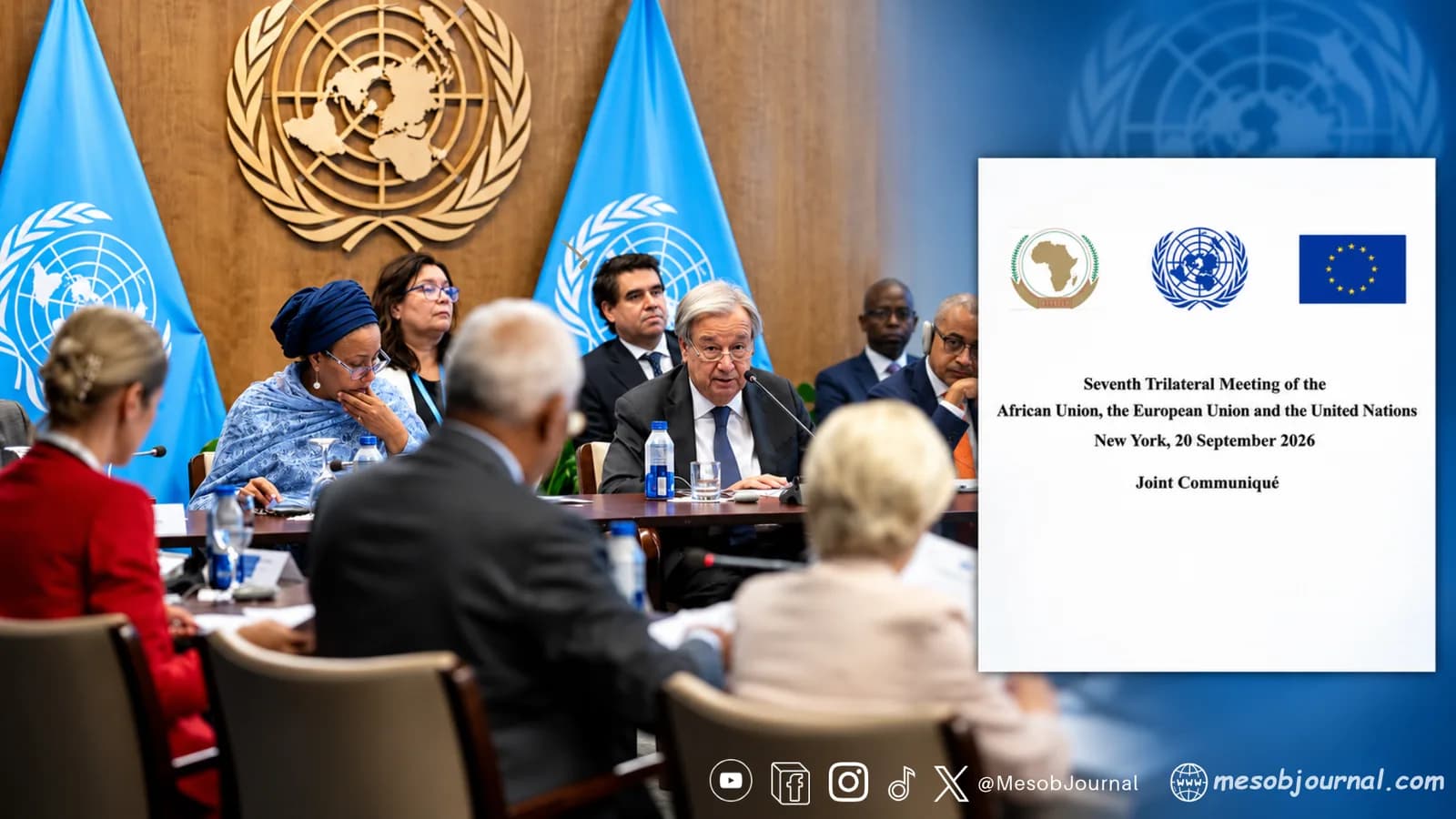
Sudan formally raised the matter with the UN Secretary-General. The UN Secretariat then took up the visa issue with Washington, and António Guterres expressed concern over Burhan’s inability to attend.
Washington nevertheless chose the visa as an instrument of pressure.
That was a significant escalation.
The United States can sanction Sudanese officials. It can disagree with Khartoum’s war strategy. It can propose ceasefires and use its diplomatic weight to support them.
Using access to the General Assembly to force movement on a political negotiation is different.
It transformed a disagreement over ceasefire terms into a direct confrontation over sovereignty and representation.
Burhan immediately used that confrontation to his advantage.
Rather than negotiate for the visa, he rejected its importance altogether.
Washington demonstrated that it could keep him out of New York.
Burhan demonstrated that doing so would not change his position.
Pressure Without Leverage
That is the central failure of the episode.
The purpose of coercive diplomacy is not merely to impose a cost. It is to change behaviour.
Washington withheld the visa.
Burhan did not accept the ceasefire.
Washington publicly confirmed that the exclusion was intended as pressure.
Burhan publicly rejected that pressure and renewed his commitment to continue fighting the RSF.
The United States is now considering additional measures, including sanctions, financial pressure and efforts to expand the arms embargo.
Those measures may increase Sudan’s costs.
They still do not answer the question at the centre of Khartoum’s resistance: why should the Sudanese army agree to halt its campaign while the RSF retains the armed structures and territorial position from which it has challenged the state?
Until that question is addressed, additional pressure is unlikely to remove the fundamental disagreement.
It may deepen it.
Sudan Will Not Be Pressured Into Someone Else’s Settlement
The language surrounding the international initiative speaks of a Sudanese-owned political process.
That principle becomes difficult to defend when Washington simultaneously attempts to force Sudan’s leadership toward its preferred ceasefire by withholding access to the United Nations.
A Sudanese-owned settlement cannot mean Sudanese acceptance of terms established elsewhere under diplomatic and economic pressure.
Nor can peace be durable if the immediate objective becomes saving the negotiating process rather than resolving the military structure that produced the war.
Sudan needs peace.
It also needs a settlement that leaves one state, one territorial order and a clear path away from competing armies claiming political authority.
Burhan has made clear which of those questions his government intends to settle first.
Washington attempted to change that calculation with a visa.
It failed.
The larger mistake would be to conclude that the answer is simply more pressure.
If every Sudanese battlefield gain is answered by greater urgency for a ceasefire while the external networks sustaining the RSF remain unresolved, Khartoum will continue to view international diplomacy not as neutral mediation but as intervention in the military balance.
The UNGA dispute has made that mistrust harder to ignore.
Washington wanted Burhan in a negotiating corner.
Instead, it gave him a sovereignty argument.