
In 2018, UNDP reported that restaurant owner Kuhulo Kidane was spending 3,000 nakfa a week on diesel-generated electricity for refrigeration and lighting. She was looking forward to using more electric appliances and expanding her restaurant in Maidma.
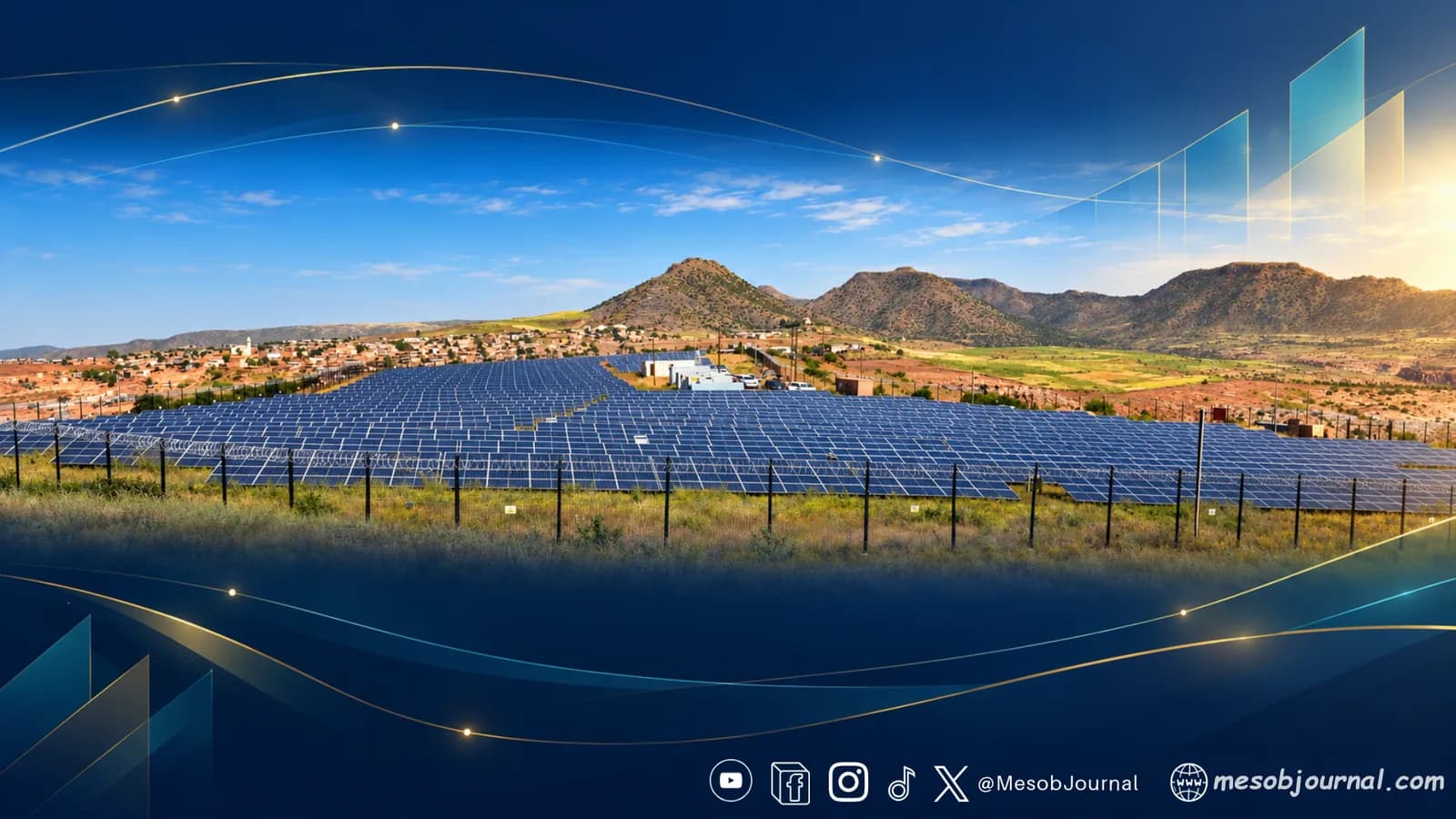
Today, Eritrea’s solar ambitions are taking shape on a larger scale. The 30 MW Dekemhare solar plant is already supplying the national grid, a milestone the African Development Bank confirmed in May 2026.
Dependable electricity can change the calculation behind buying a machine, preserving a harvest or opening a business. Eritrea has already made meaningful progress in bringing solar power to its communities and electricity network. Building on that progress could help the country produce more, strengthen public services and keep more value within its economy.
The progress already reaching communities
Areza and Maidma offer practical experience to build on. In 2021, senior UN officials reported that solar mini-grids serving the two towns and 33 surrounding villages were benefiting more than 40,000 people and creating opportunities for hundreds of small enterprises.
The everyday importance of that supply appeared in a European Union account published the same year. Following an October visit, the EU delegation reported that customers from bakeries, workshops, schools and health centres had described the significance of affordable electricity available around the clock. The fully operating mini-grids had connected 12 schools and seven health institutions.
Eritrean participation helped build that foundation. The Ministry of Energy and Mines implemented the community project with EU and UNDP support, while local communities contributed land and labour. People helped put in place the infrastructure intended to serve their own towns and villages.
That experience matters as the country expands. It provides a basis for learning how to operate local systems, serve customers and connect electricity with the needs of a community.
Dekemhare adds a national milestone
The Dekemhare plant extends solar generation into the national supply. China Energy International Group reported full-capacity grid connection on 2 April 2026. The installation combines solar panels with a battery system capable of storing 30 MWh of electricity.
The battery can store solar electricity for later use and help smooth fluctuations in output.
The wider lesson for future investment is practical. Generation, storage, distribution and day-to-day operation need to be planned together. A new plant has greater economic value when the system can deliver its electricity where and when people need it.
The next expansion connects power with production
Eritrea’s next regional investment makes that connection explicit. On 18 February 2026, the African Development Bank Group approved $58.04 million in grants for an energy project covering Tesseney, Kerkebet and Barentu.
The planned scope includes a 34 MW solar mini-grid system and construction or improvement of 542 kilometres of distribution lines. Around 306,000 people are expected to benefit. The programme links expanded electricity supply with water pumping, irrigation, agricultural processing and local enterprise.
More value from work done in Eritrea
Consider a harvest. Electricity can support pumping, milling, refrigeration and other forms of processing. Where suitable equipment, water and markets are available, these uses could help growers preserve more of what they produce and sell products with greater value.
The economic activity could spread. A processing business may need operators, repair services, packaging and transport. When more of that work can be done locally, the value of agricultural production can reach beyond the original sale of a crop.
For a workshop, dependable supply could make a different kind of investment possible: machinery that handles larger jobs, or equipment that needs an uninterrupted period of operation. Confidence in the power supply can help an owner decide whether accepting the next order is a realistic commitment.
These possibilities give energy planning a direct connection to employment and enterprise. They also suggest a useful measure of success: how much additional productive work becomes possible after a community or business gains reliable electricity.
There is a national economic benefit to pursue as well. Wherever solar electricity replaces generation that burns purchased fuel, it reduces the fuel needed to produce that power. For Eritrea, this could reduce exposure to international fuel prices and preserve foreign exchange for other priorities.
The full economics still need careful planning. Equipment, financing, network upkeep and eventual battery replacement all carry costs. Connection charges and electricity tariffs also influence whether a household can sustain the service or a business can afford to expand.
Assessing these costs over the working life of a project can help turn new capacity into a service people can use and maintain. Affordable connections, dependable operation and productive demand belong in the same investment discussion.
The skills that make progress last
Eritrea is also developing the expertise needed to support its renewable energy effort. In August 2026, Tesfay Gebrehiwet, the Ministry of Energy and Mines’ director of renewable energy, said national and foreign experts had provided practical and theoretical training, with further training to follow.
This work deserves attention alongside the construction of new plants. Engineers and electricians need to understand the equipment they will operate. Maintenance teams need access to documentation, diagnostic tools and spare parts. Practical instruction gives those teams a stronger basis for keeping a system working over time.
Future contracts can build on that effort by making the transfer of operating knowledge a clear part of delivery. Training linked to actual installations can give technicians experience with the systems they will maintain and create opportunities for local repair and support services.
International partnerships can contribute finance, equipment and specialist knowledge while helping strengthen Eritrean institutions and technical capacity. The national benefit grows when each project leaves behind people who can manage the equipment, solve problems and prepare for the next expansion.
That is a practical expression of self-reliance: greater ability to operate essential infrastructure and make informed decisions about its future.
Kidane’s hope of expanding her restaurant captures the economic promise of dependable electricity. Eritrea’s solar progress gives that idea a wider national relevance. Community systems have brought useful experience, Dekemhare is contributing to the grid, and an approved regional expansion offers another opportunity to connect electricity with production.
The next measure of progress is the work those new megawatts make possible.