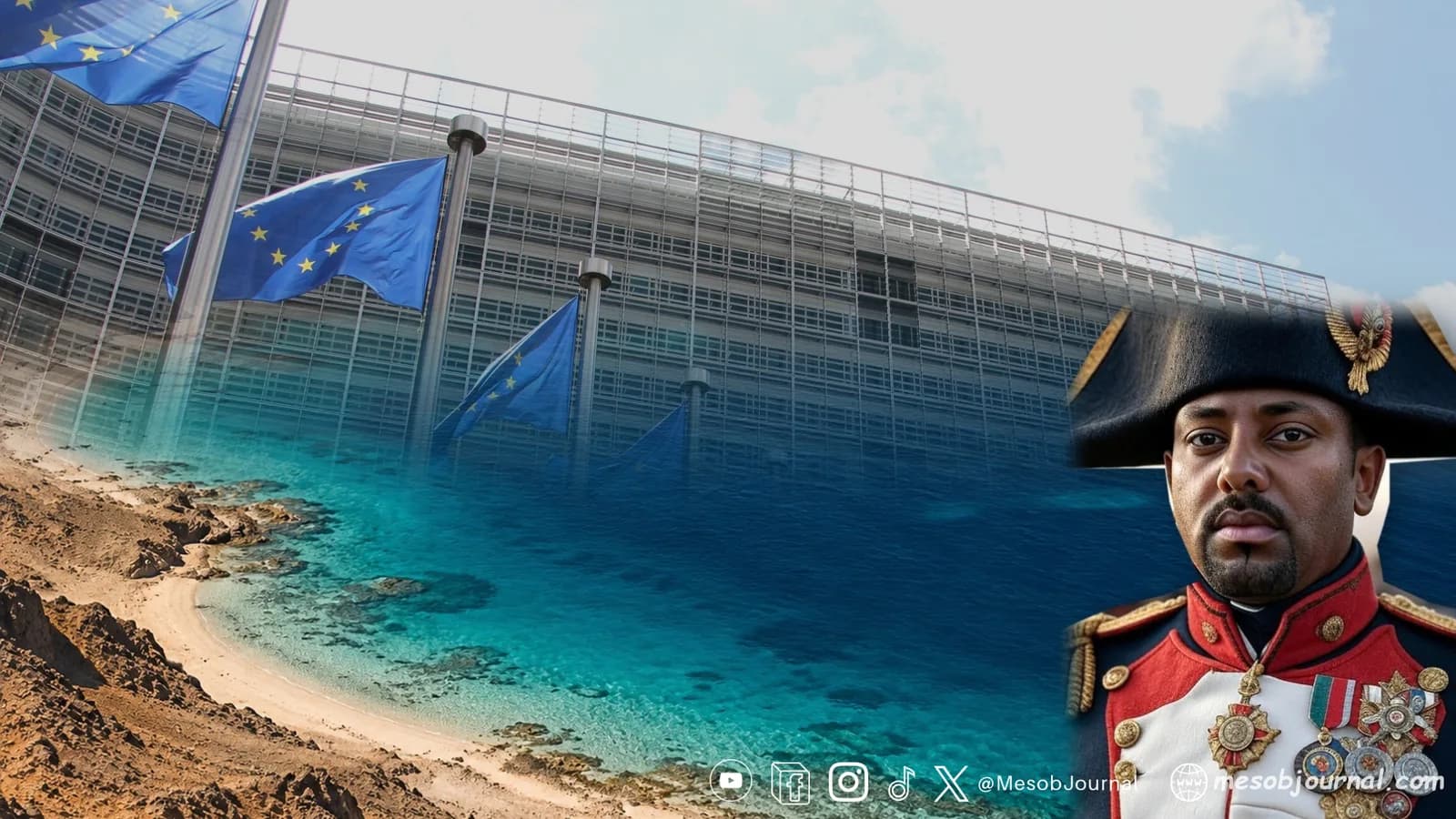
Europe Must Name the Threat to Eritrea’s Sovereignty
The EU and Britain rightly defend sovereignty. Their statements must now confront Abiy Ahmed’s public claims over Eritrea’s coastline and the military rhetoric supporting them.


We use cookies to improve your experience, analyze traffic, and show relevant content. You can accept all, reject non‑essential, or manage preferences.
The EU and Britain rightly defend sovereignty. Their statements must now confront Abiy Ahmed’s public claims over Eritrea’s coastline and the military rhetoric supporting them.
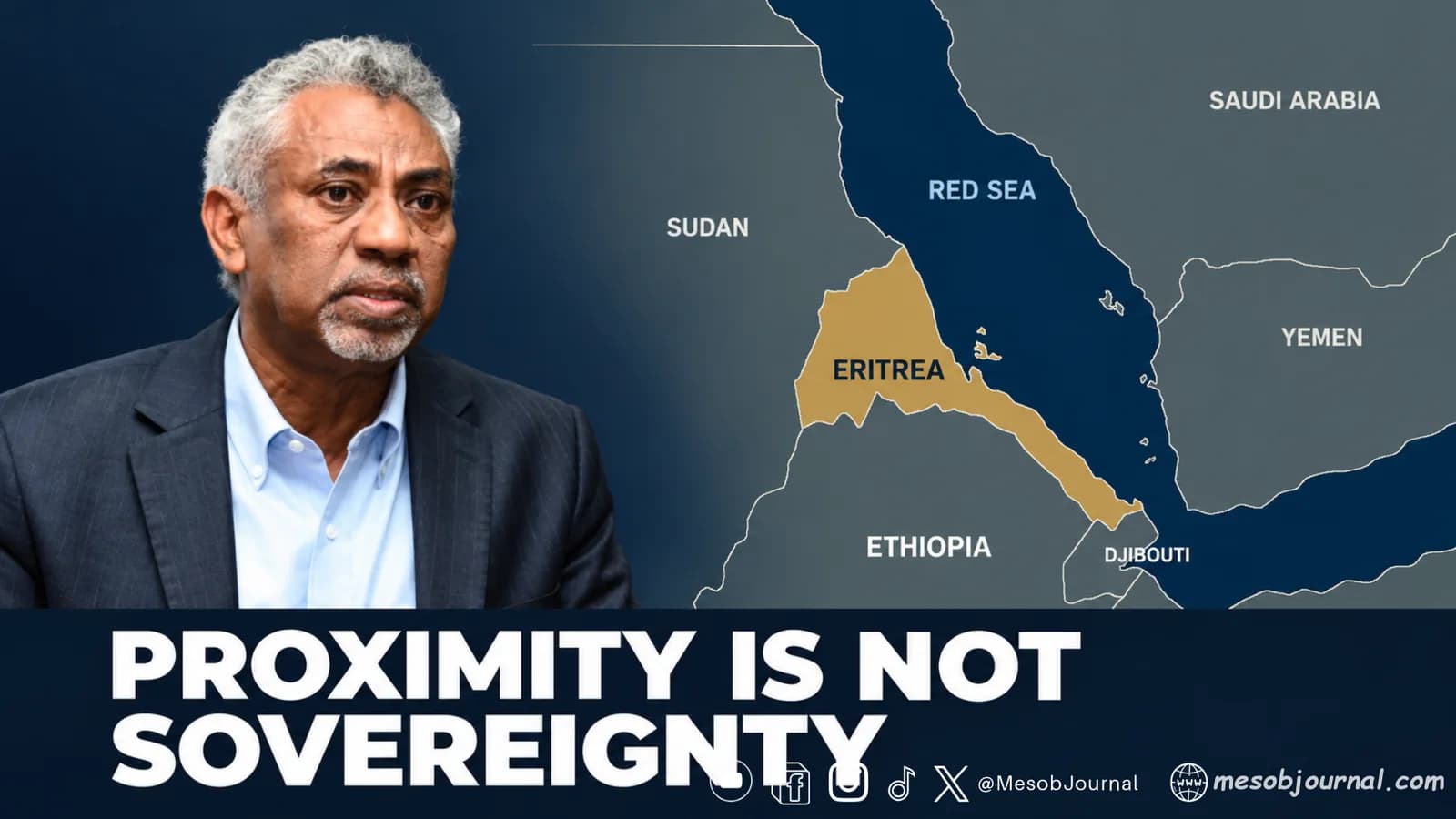
Yemane G. Meskel’s rebuttal exposes the legal leap in Ethiopia’s proximity argument: neither distance nor past annexation gives Addis Ababa sovereign entitlement to Eritrea’s coast.
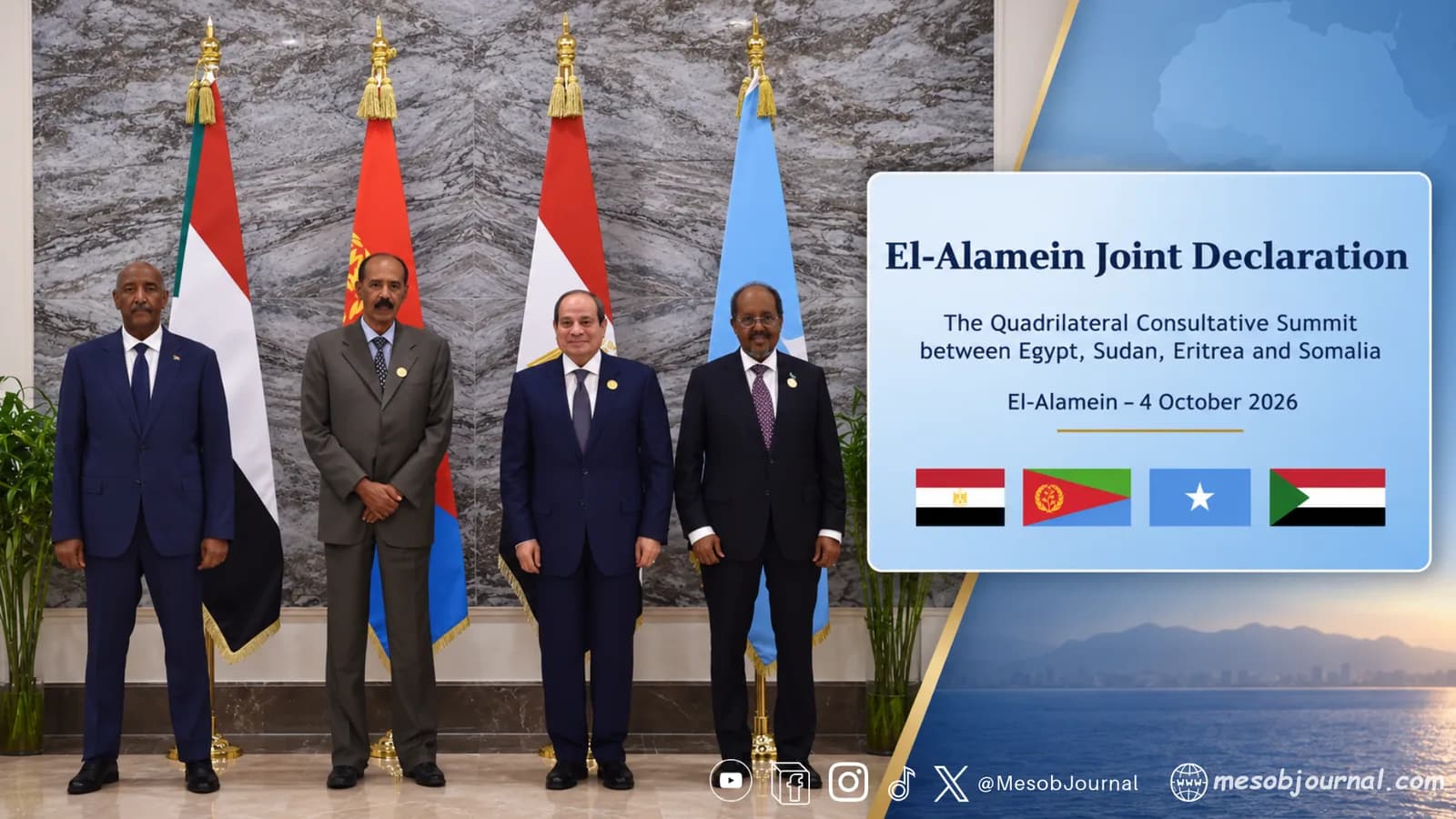
NEW ALAMEIN, Egypt, Oct. 4, 2026 — Egypt, Eritrea, Sudan and Somalia have adopted a joint declaration setting out common positions on Red Sea governance, Sudan’s territorial integrity, Somalia’s sovereignty and the Nile, while establishing a mechanism for continued coordination among the four countries.
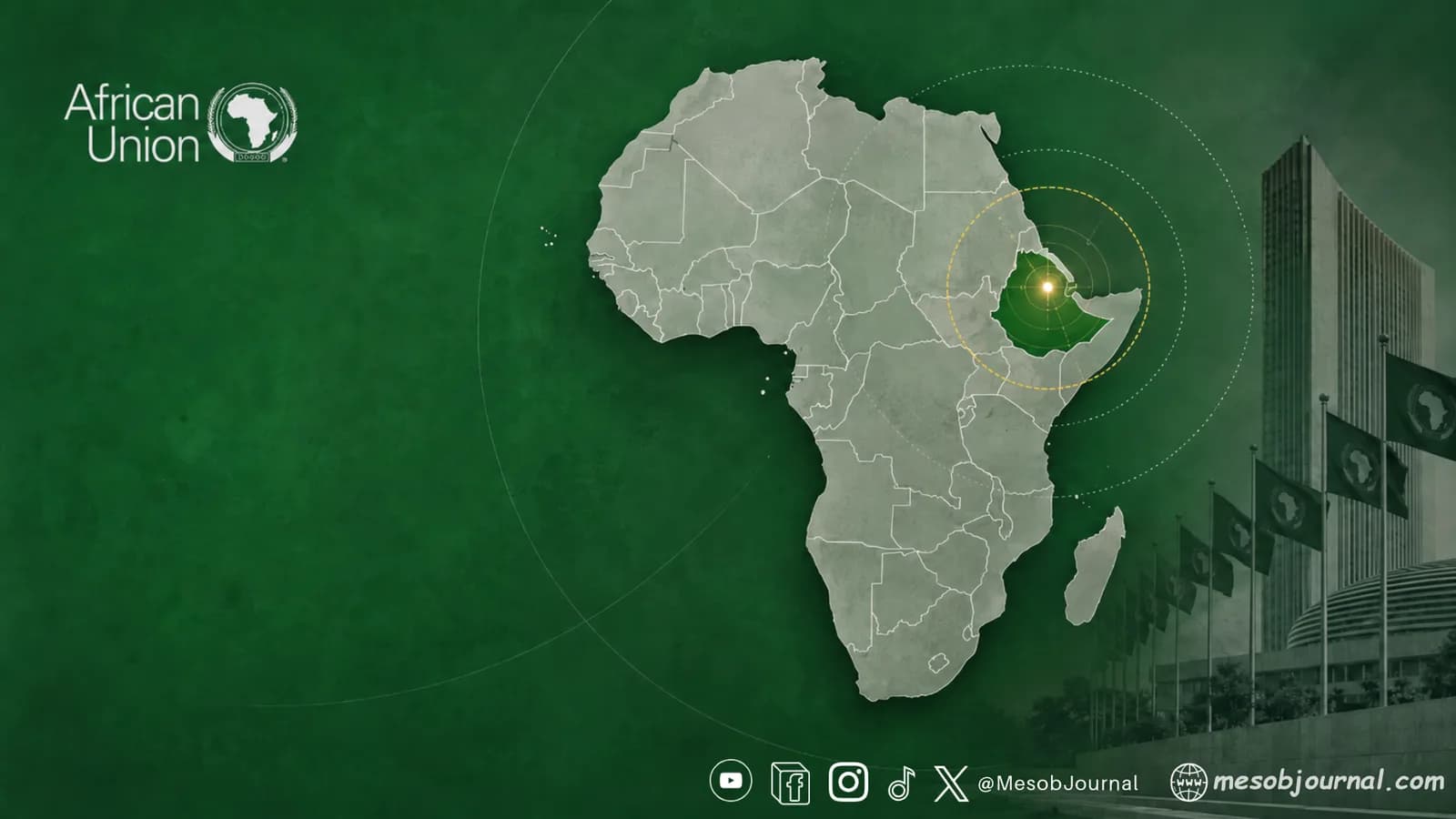
The African Union moved quickly to clarify its position after Cairo objected. It has yet to publicly address a more direct institutional question: Ethiopia’s expulsion of Eritrean diplomats accredited to the African Union itself.
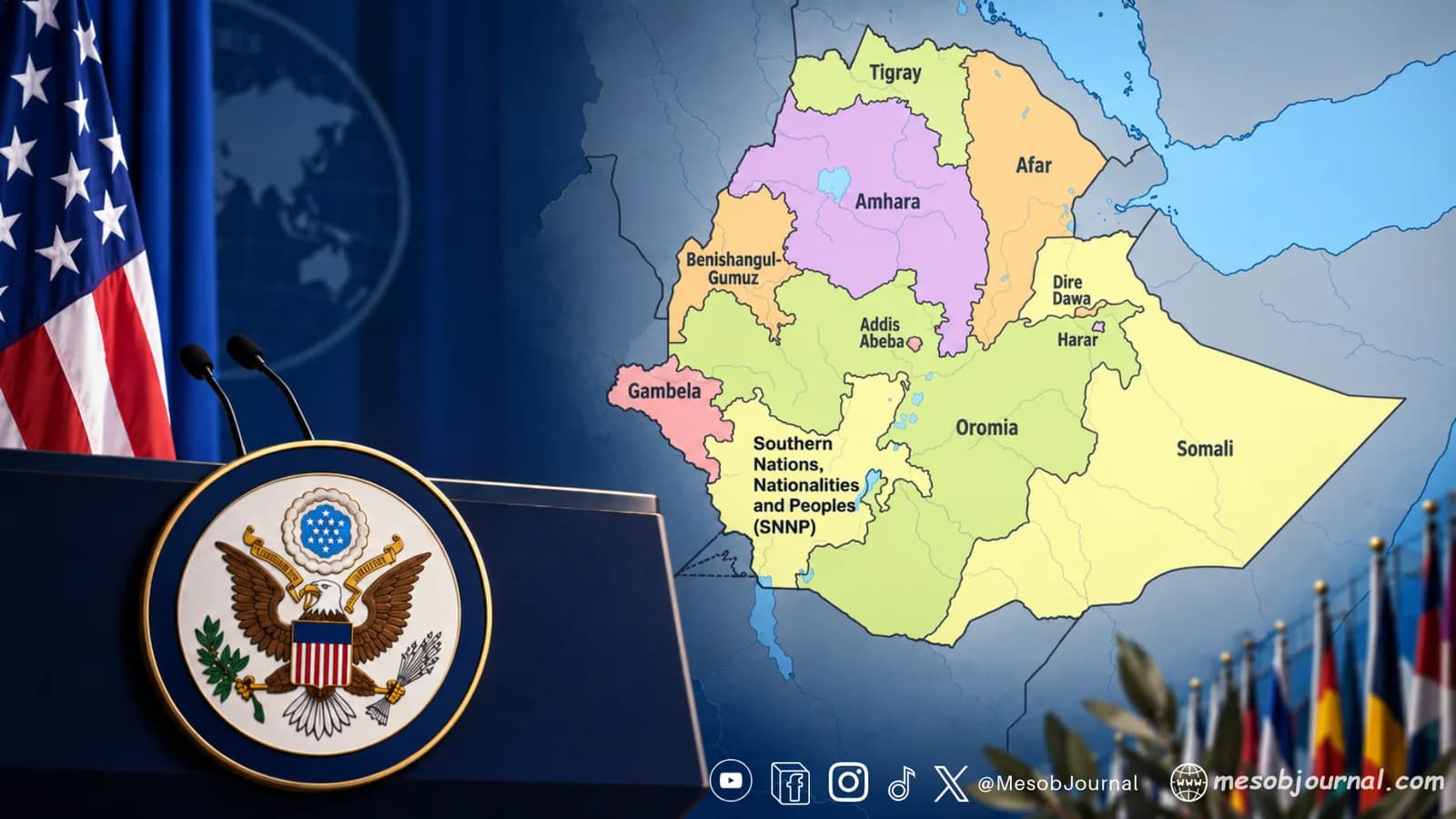
The U.S. urged Ethiopia and Eritrea to respect sovereignty and resume dialogue under their 2018 peace framework, without assigning blame for the latest escalation.
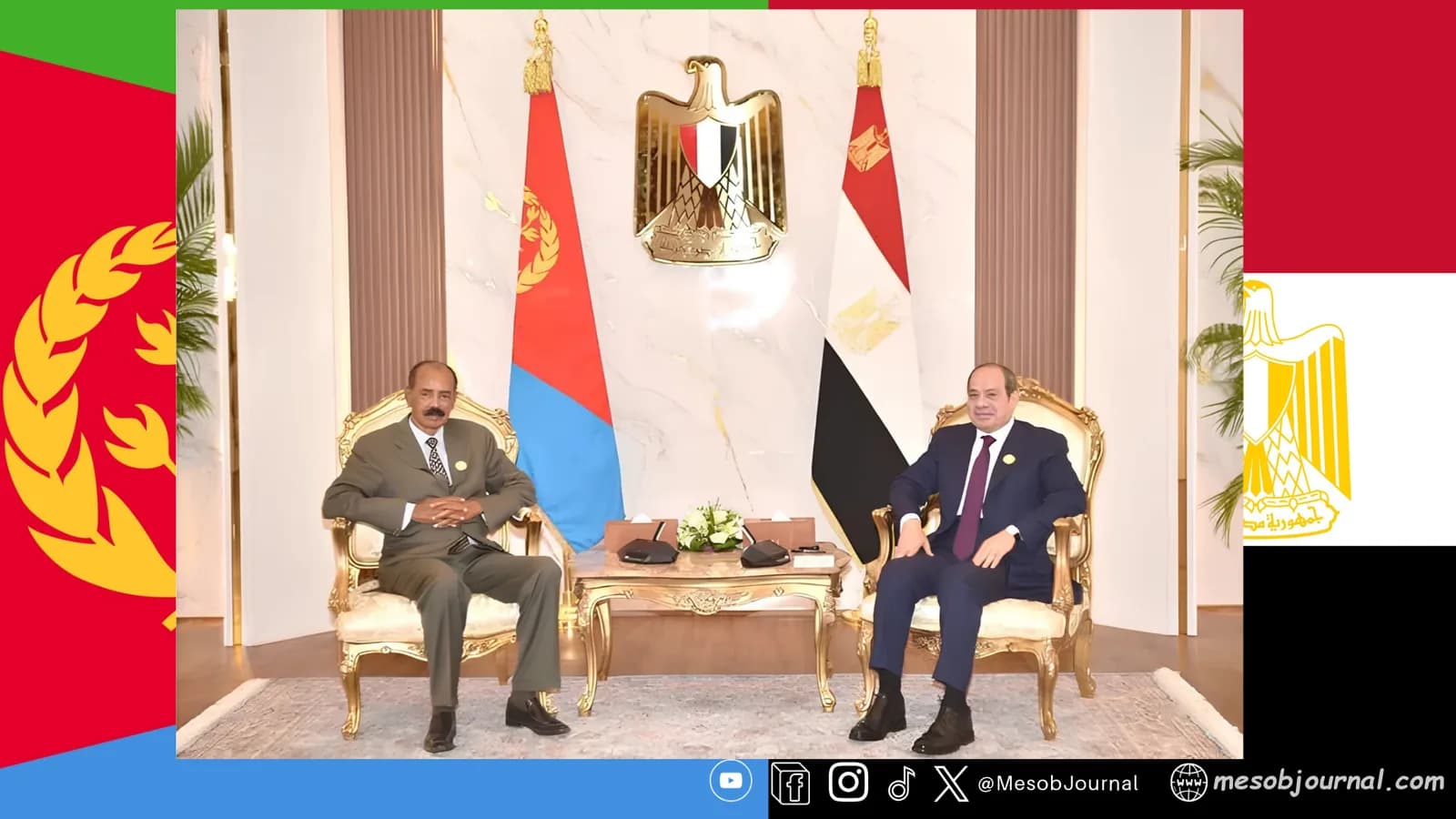
Egypt reaffirmed support for Eritrea’s sovereignty as Presidents el-Sisi and Isaias met in New Alamein to discuss Red Sea security and economic cooperation.

President Isaias Afwerki travels to Egypt for a regional security summit and bilateral talks with President Abdel Fattah el-Sisi on Red Sea and Horn of Africa cooperation.
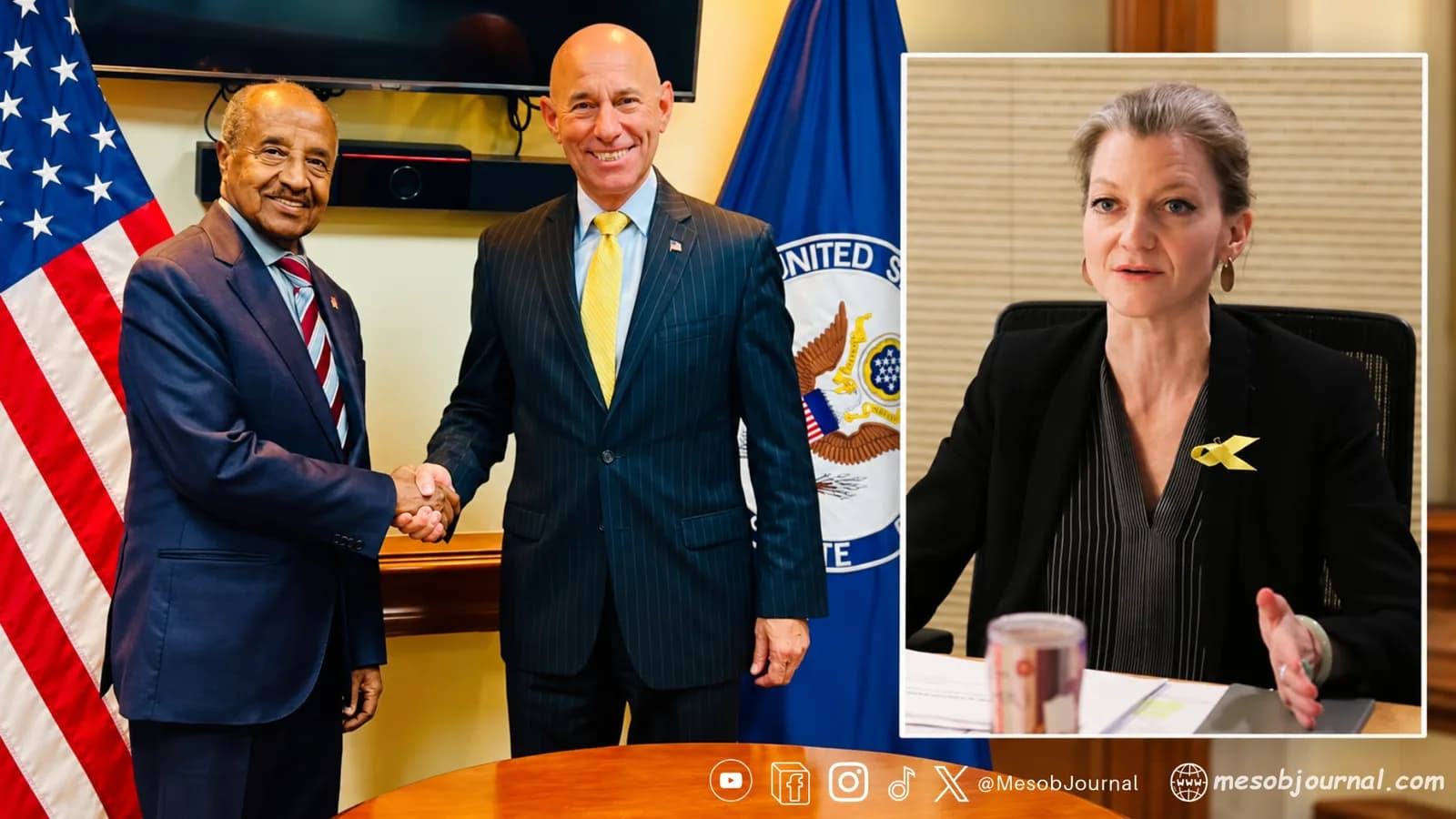
Eritrean Foreign Minister Osman Saleh met senior U.S. officials in Washington to discuss trade, investment and regional security after Washington lifted Ethiopia-related sanctions.
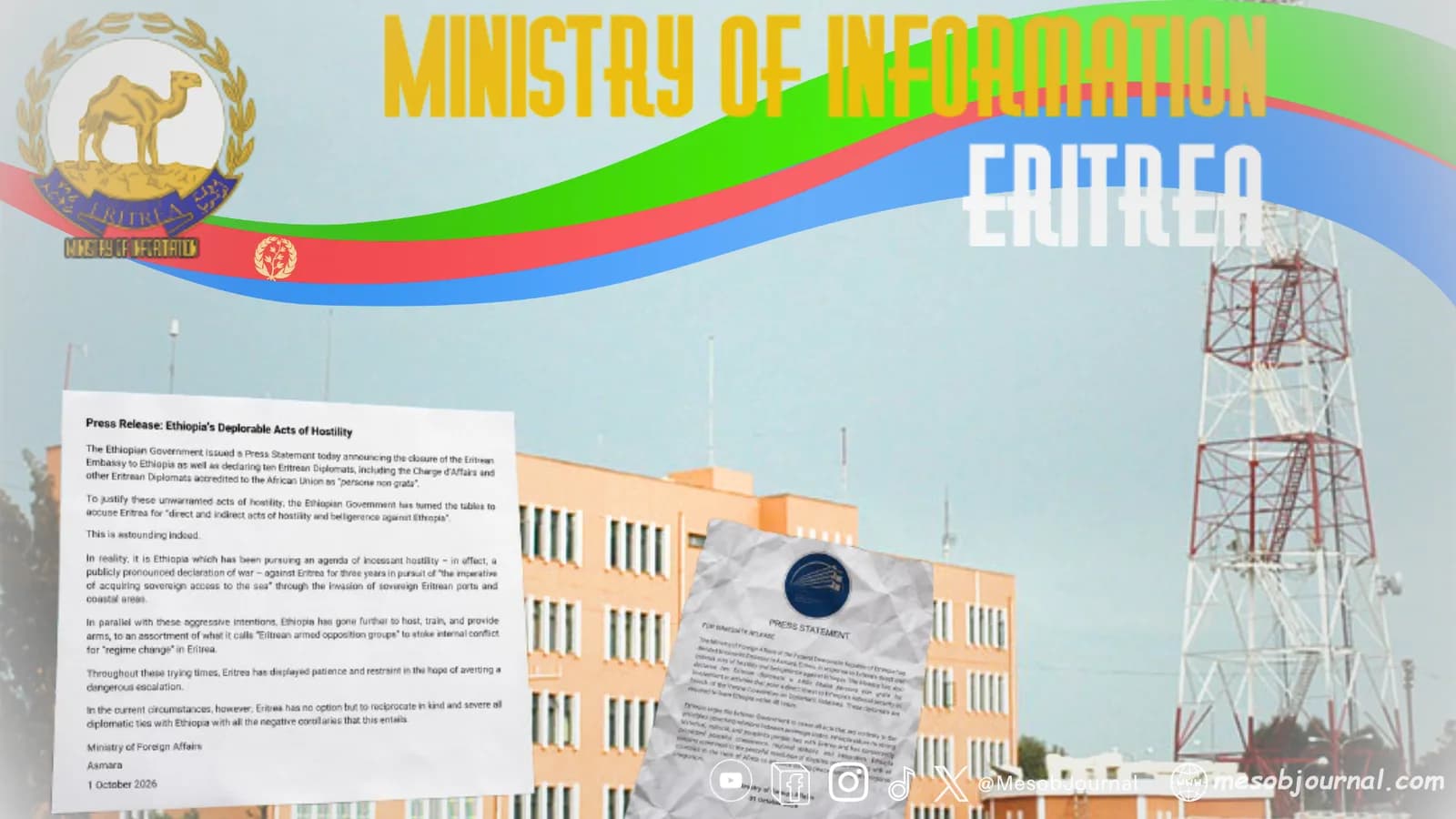
Ethiopia’s expulsion of Eritrean diplomats raises urgent questions about sovereignty, regional escalation and the protection of Eritrea’s African Union representation.
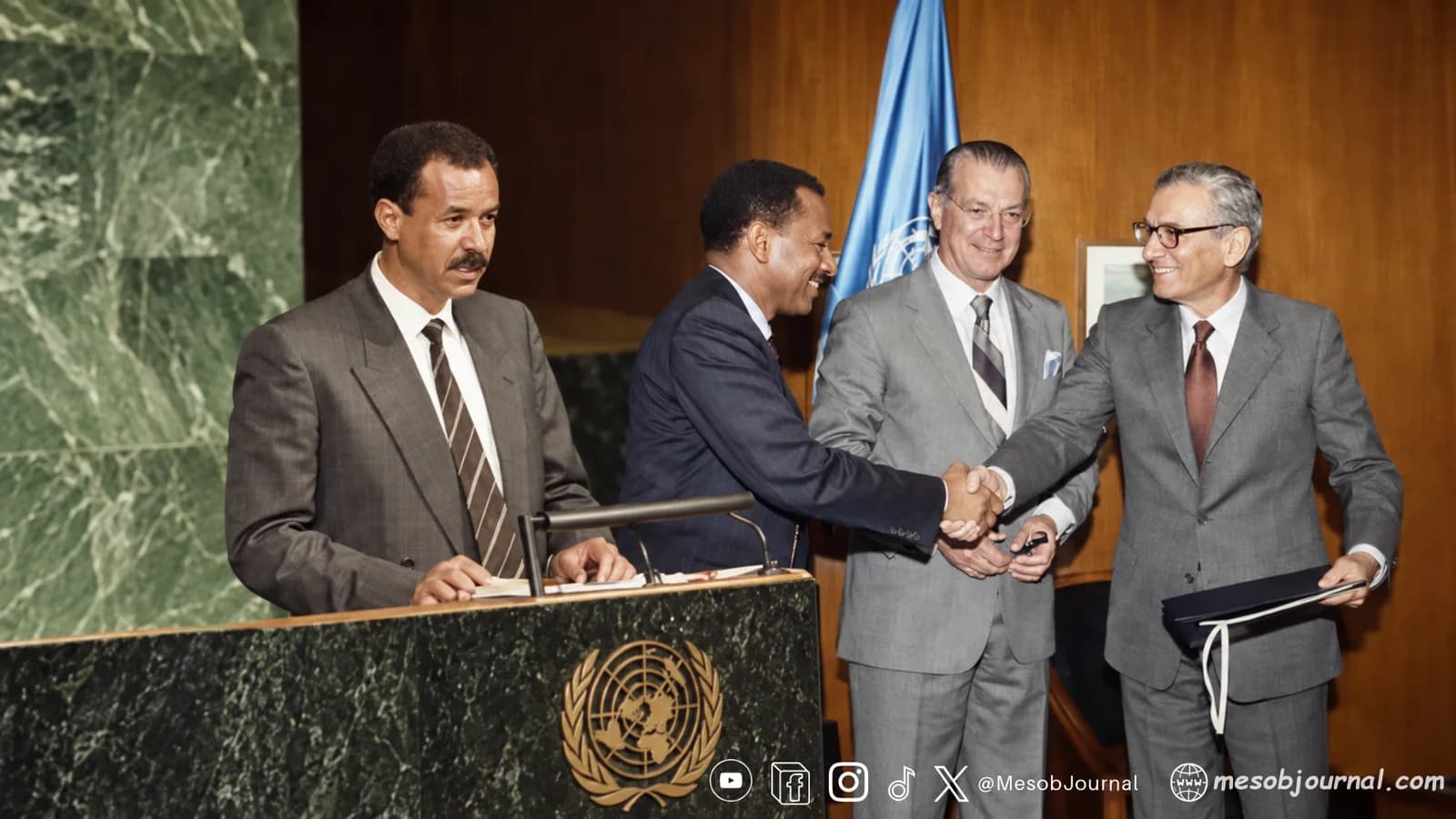
Sharron Yemane reflects on President Isaias Afwerki’s first address to the UN General Assembly in September 1993 and its significance for Eritrean sovereignty.
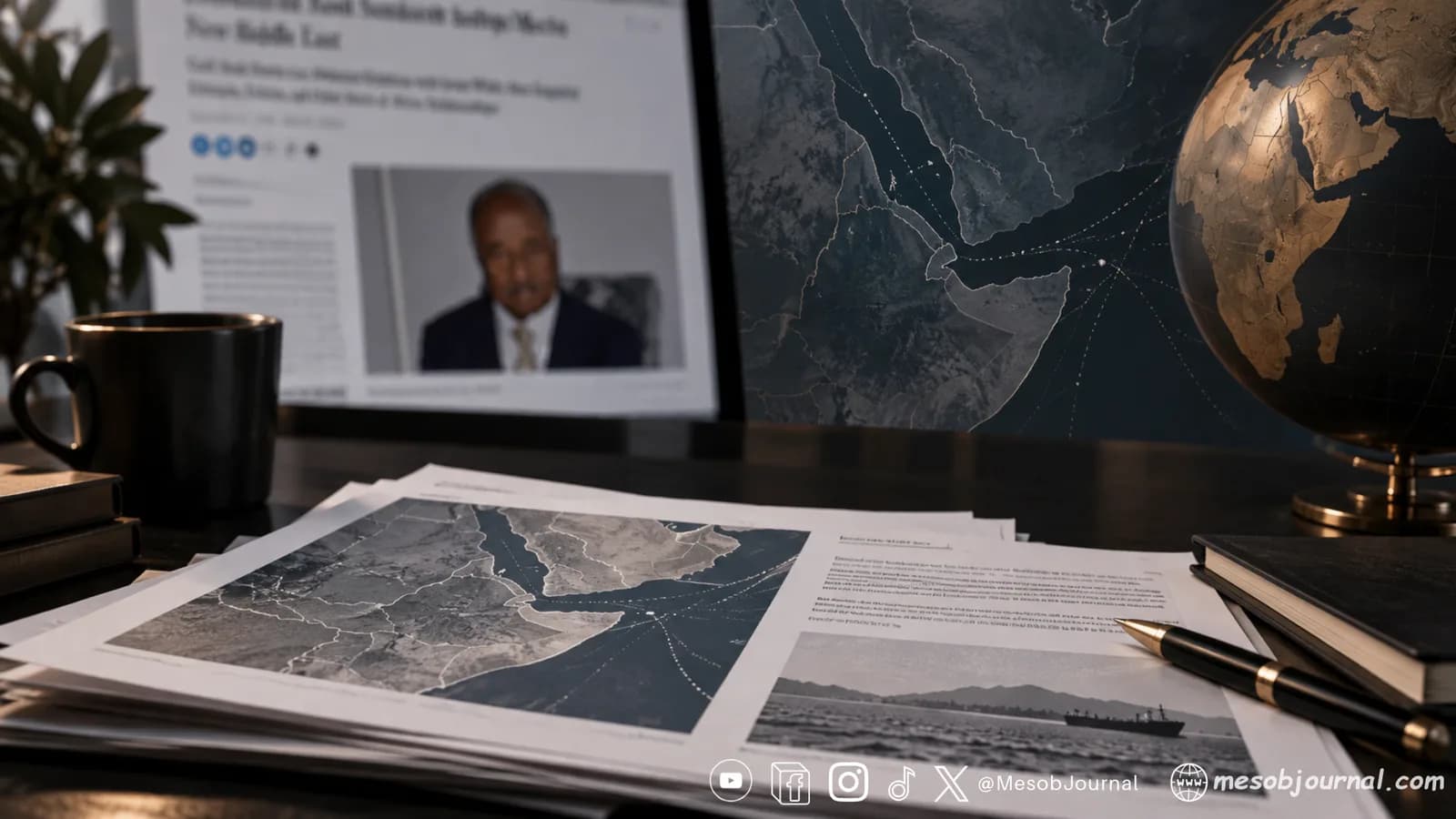
G. Haile responds to a Middle East Forum analysis of Eritrea’s Red Sea strategy, arguing that recent regional alignments make Asmara’s security concerns current rather than nostalgic.
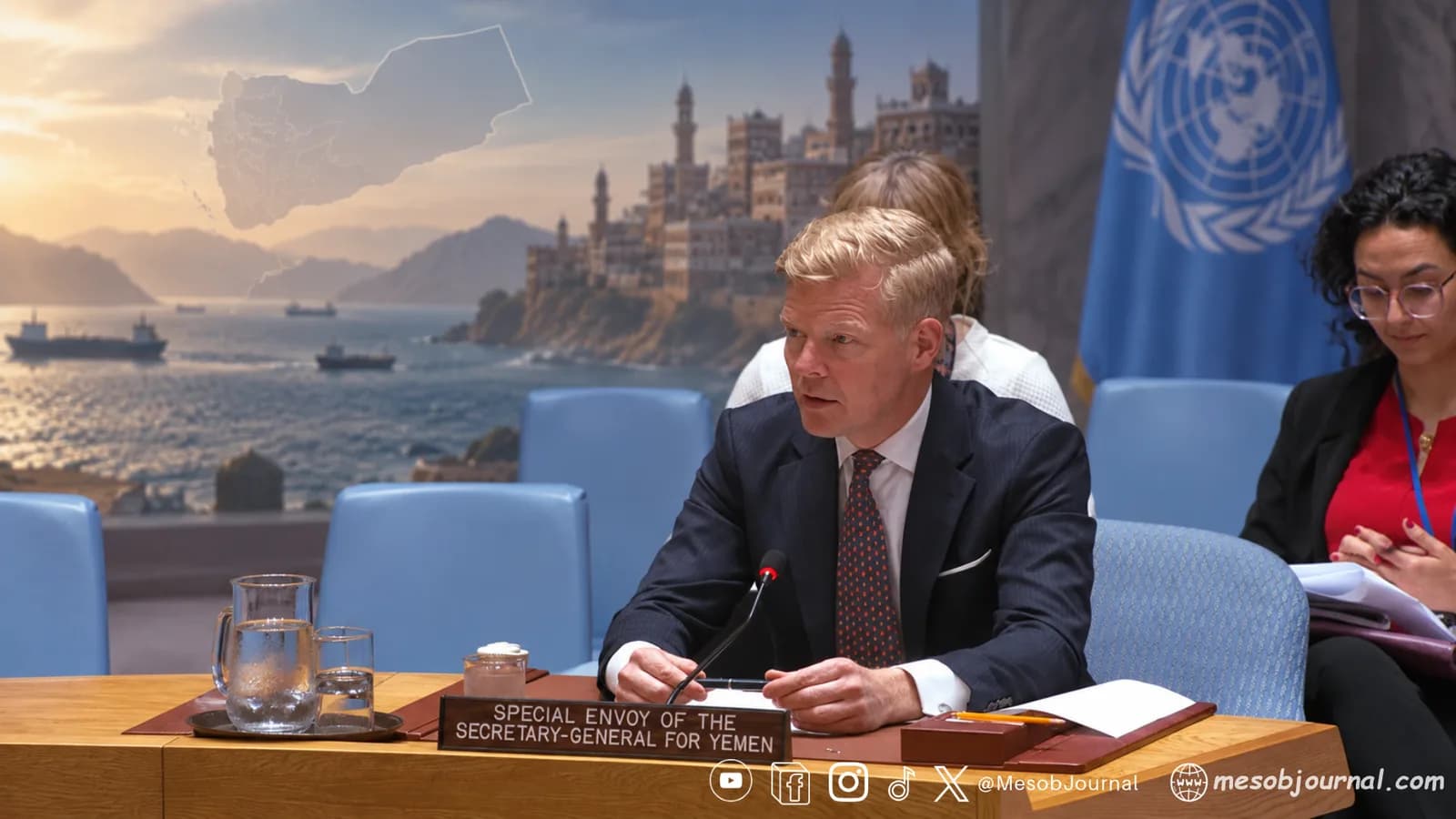
The UN envoy’s new direct channel with Ansar Allah, combined with talks in Riyadh, reflects several principles Eritrea set out weeks earlier: Yemen cannot be settled militarily, the conflict should not be absorbed into wider regional wars, and the security of the Red Sea requires serious engagement with the states and actors that actually sit along it.