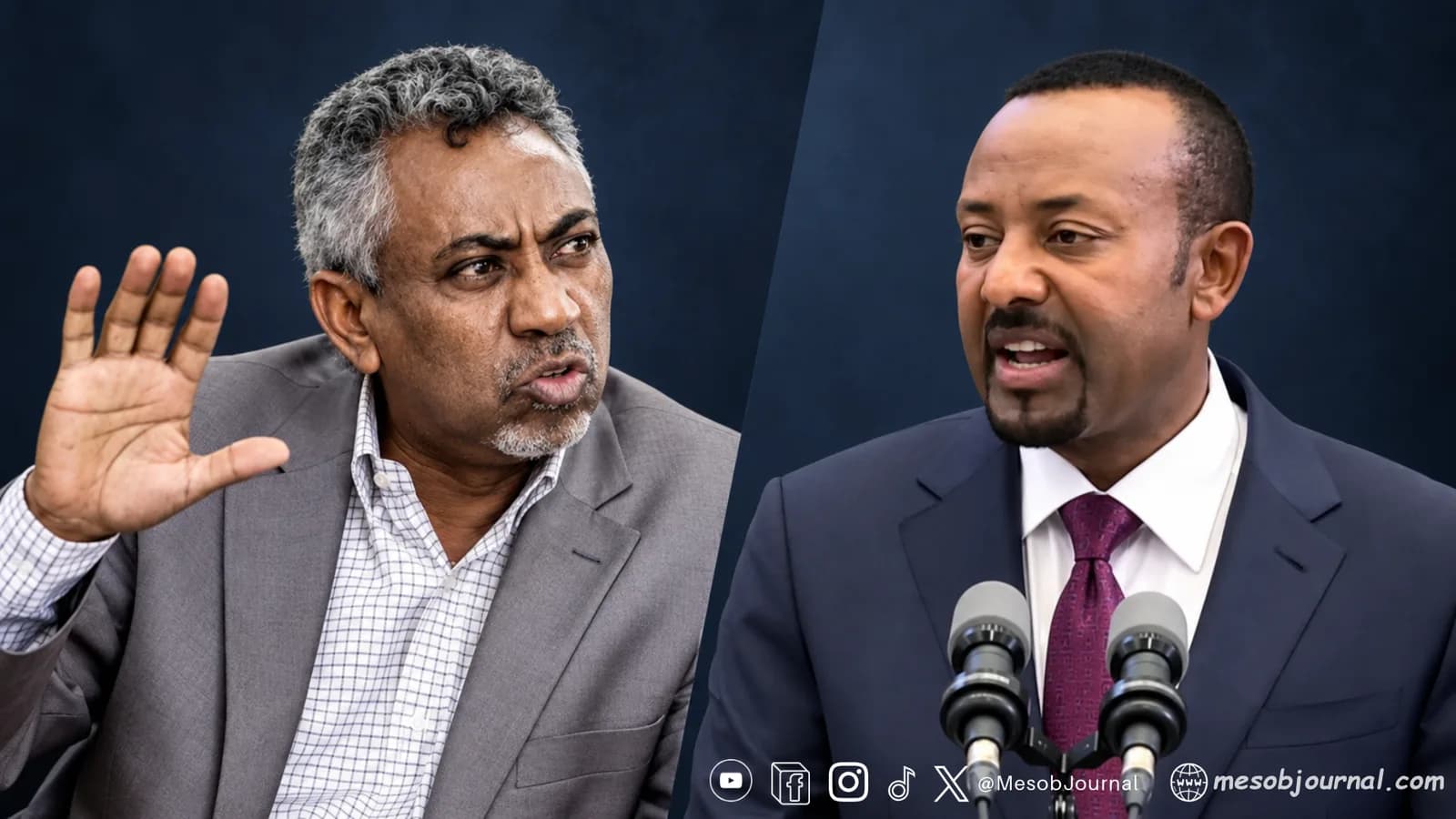
Eritrea Rejects Tigray Troop Claims, Warns of War Pretext
Eritrea denies reports of troop movements in Tigray, warning of a war pretext as unverified accounts intensify tensions with Ethiopia.


We use cookies to improve your experience, analyze traffic, and show relevant content. You can accept all, reject non‑essential, or manage preferences.
Eritrea denies reports of troop movements in Tigray, warning of a war pretext as unverified accounts intensify tensions with Ethiopia.
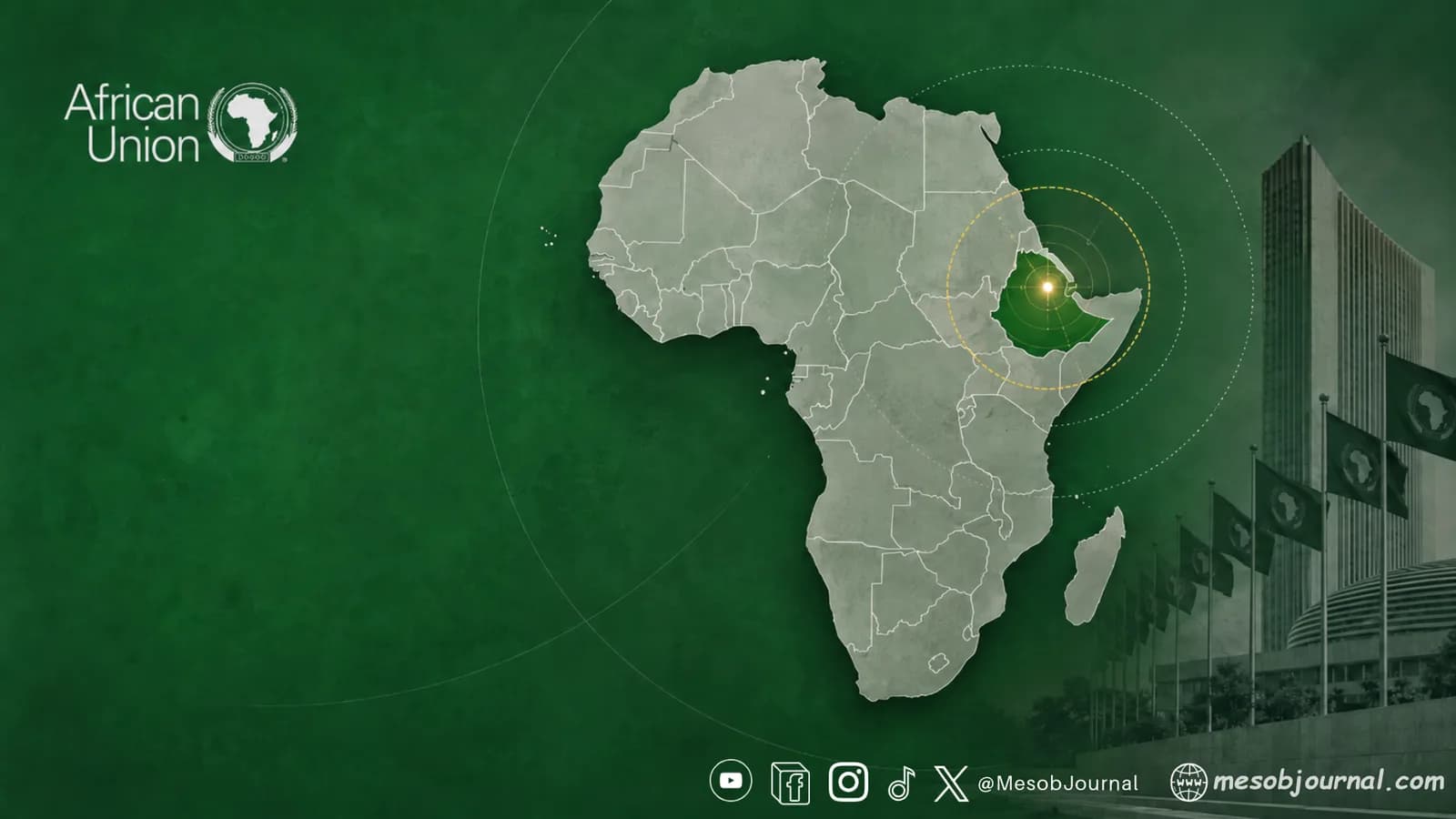
The African Union moved quickly to clarify its position after Cairo objected. It has yet to publicly address a more direct institutional question: Ethiopia’s expulsion of Eritrean diplomats accredited to the African Union itself.
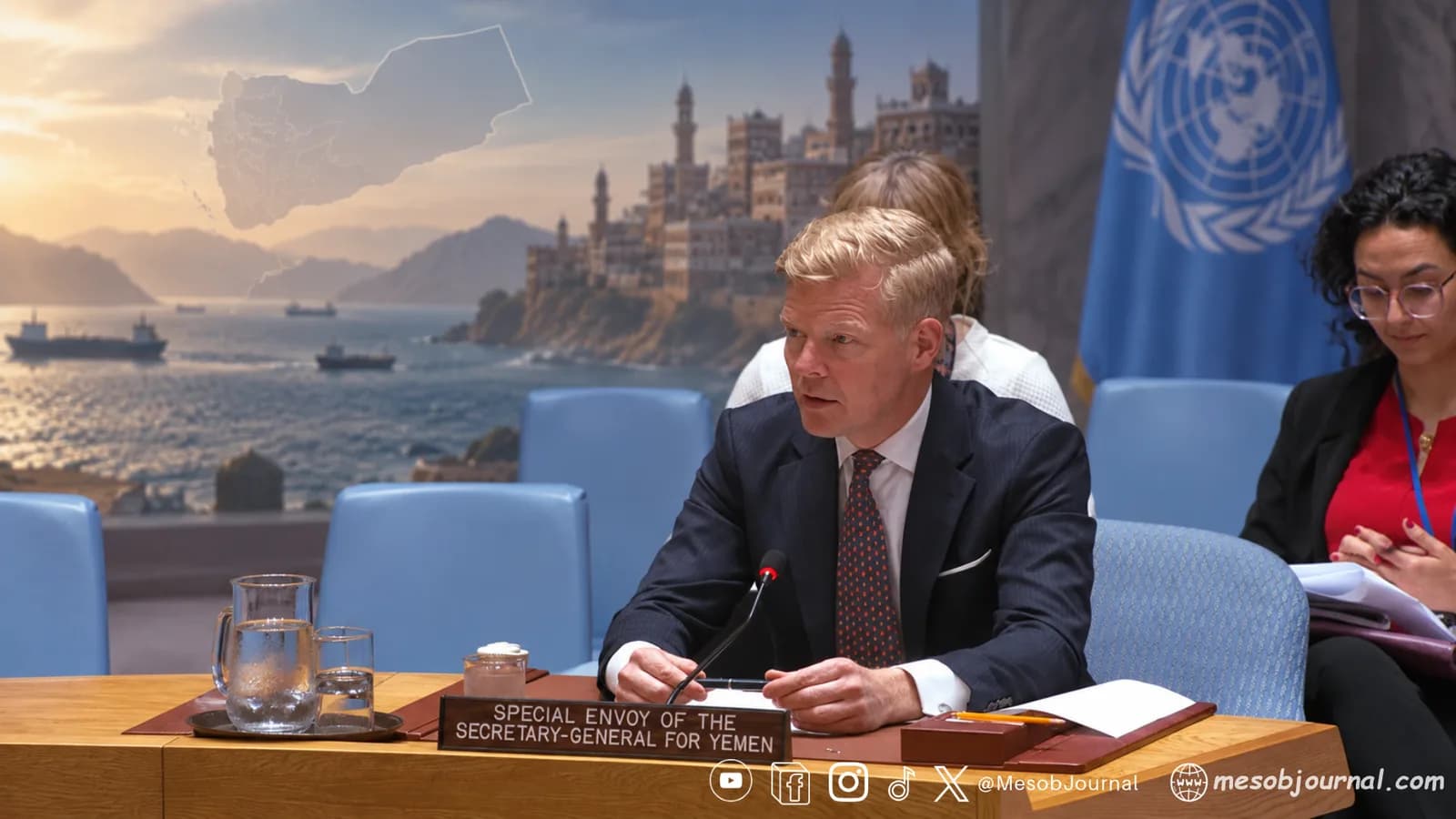
The UN envoy’s new direct channel with Ansar Allah, combined with talks in Riyadh, reflects several principles Eritrea set out weeks earlier: Yemen cannot be settled militarily, the conflict should not be absorbed into wider regional wars, and the security of the Red Sea requires serious engagement with the states and actors that actually sit along it.
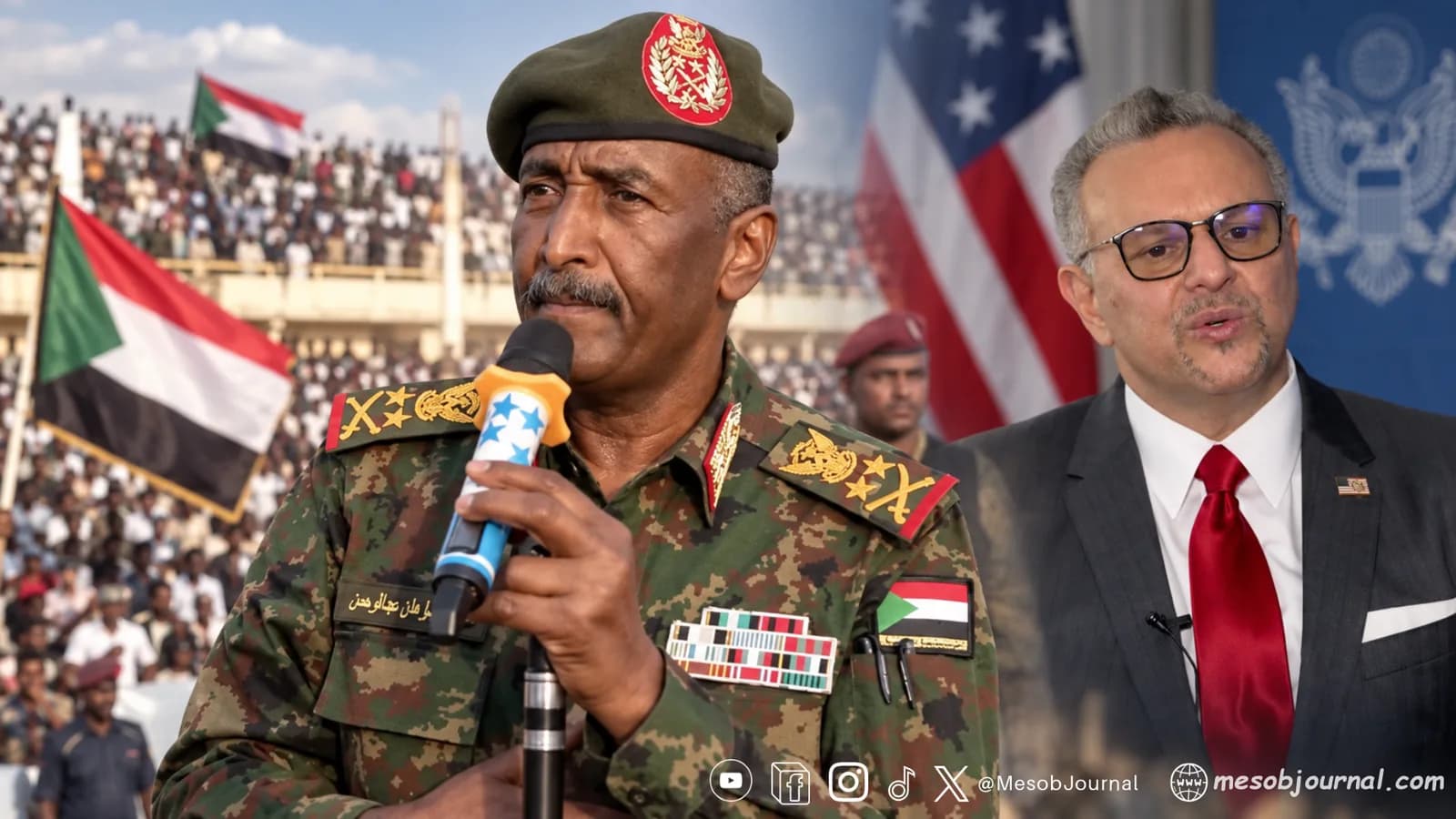
Washington has removed any remaining doubt about why Abdel Fattah al-Burhan did not attend the United Nations General Assembly in New York.
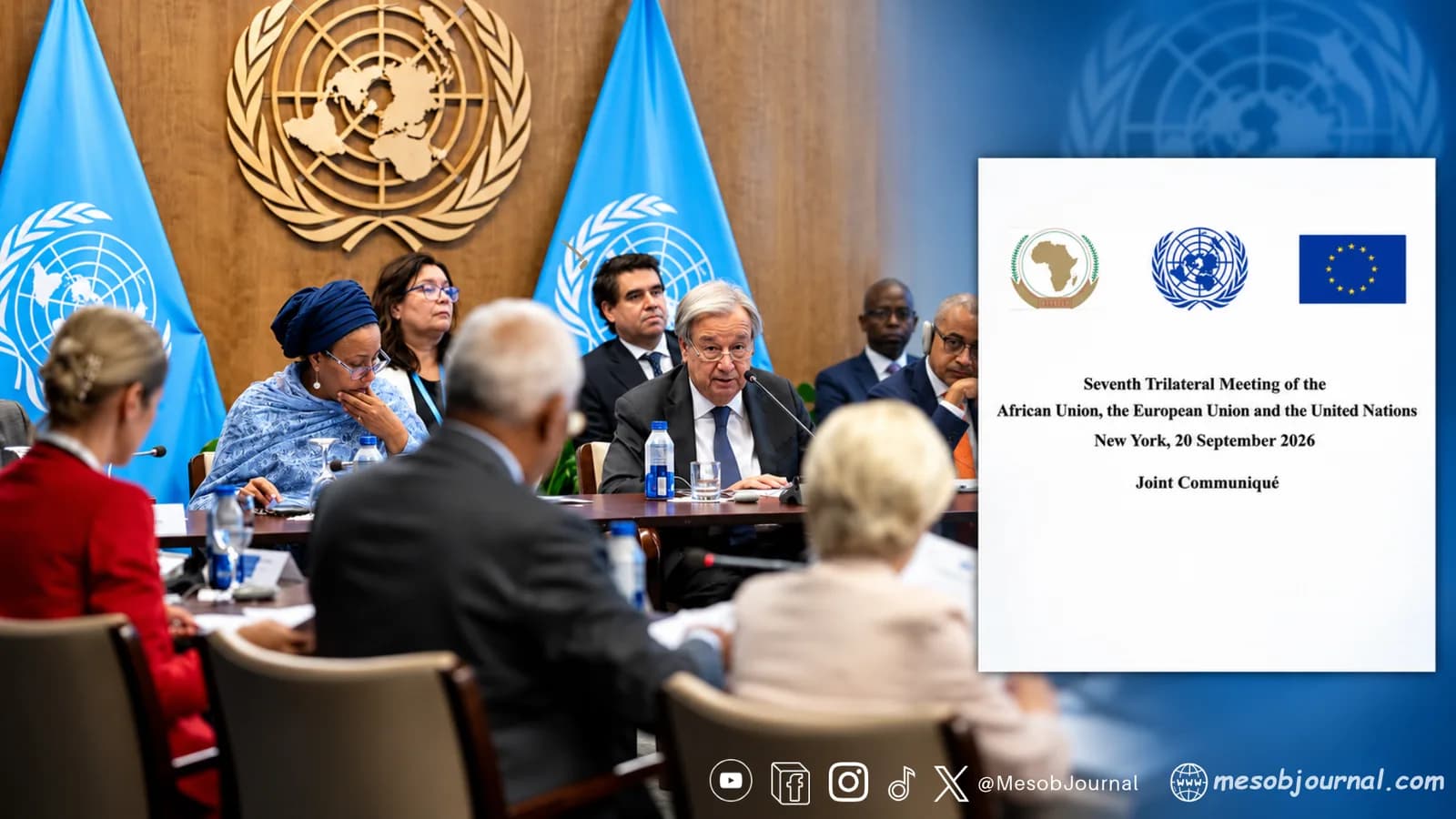
The African Union’s own UNGA81 readouts left Ethiopia out. A jointly agreed communiqué from the same diplomatic round shows that Ethiopia and the Pretoria Agreement were explicitly discussed. The discrepancy deserves an explanation.
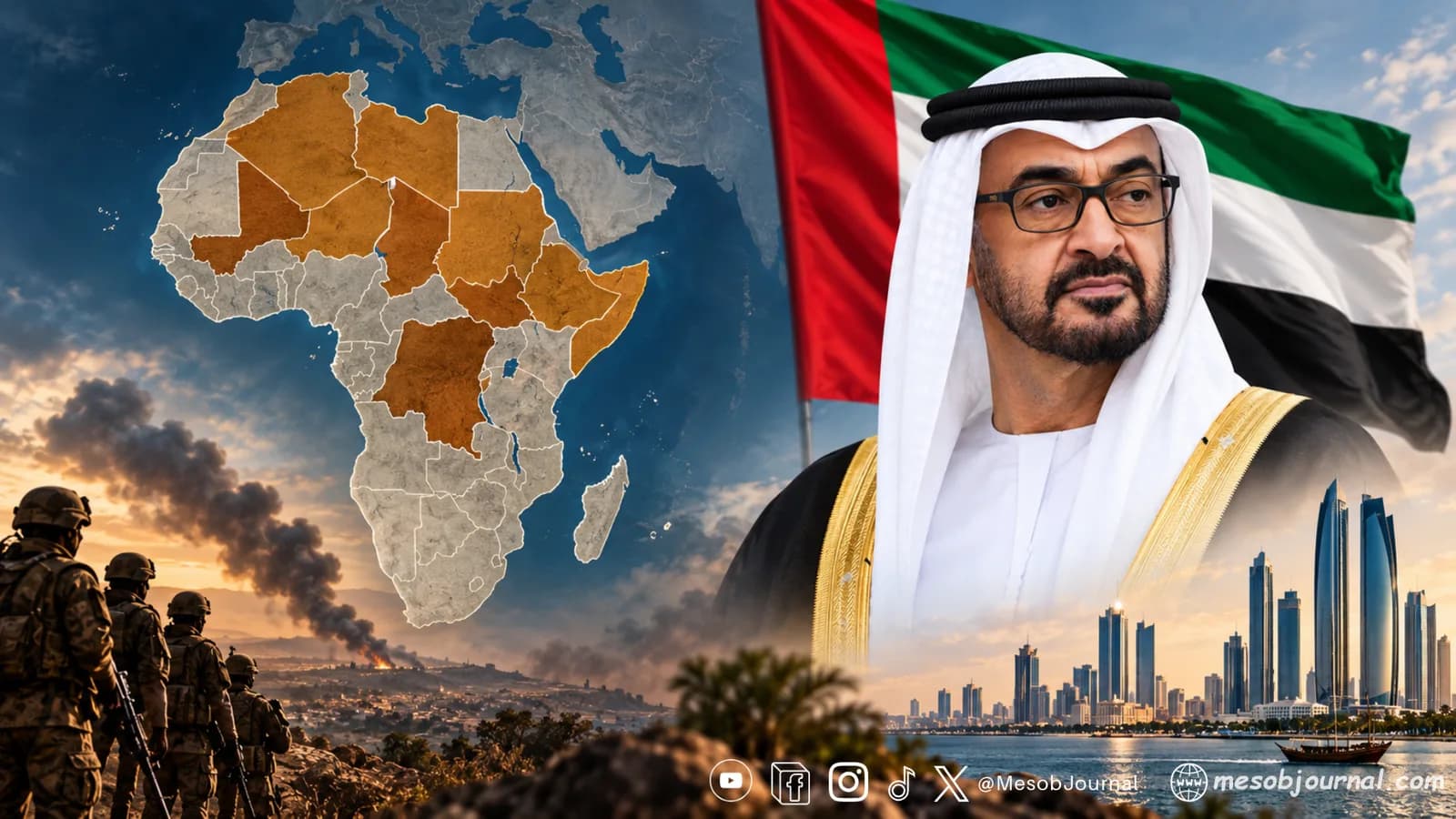
A May 2026 SWP study calls the UAE one of the most aggressive external actors in African conflicts, and names Sudan, Libya, Somalia and Ethiopia. Ten countries — from the RSF's supply corridors to conflict gold in eastern Congo — show how Emirati military, financial and logistical networks connect wars that look domestic.
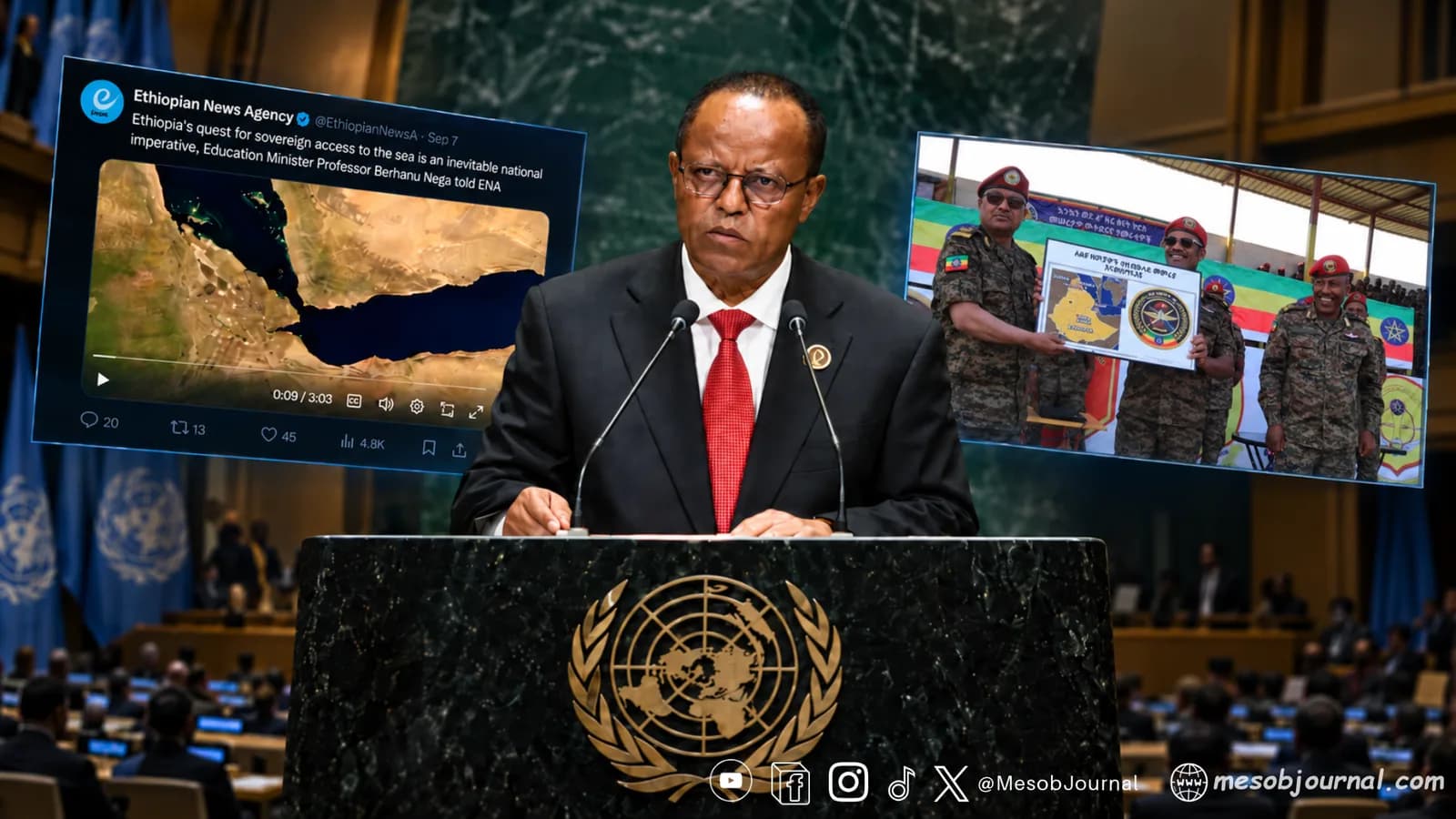
At the 81st UN General Assembly, President Taye Atske Selassie blamed “reckless external actors” for instability in the Horn — two days after seven Ethiopian armed groups formed an alliance against Abiy Ahmed's government. The record at home, the dispute with Eritrea and questions over Sudan tell a more complicated story.
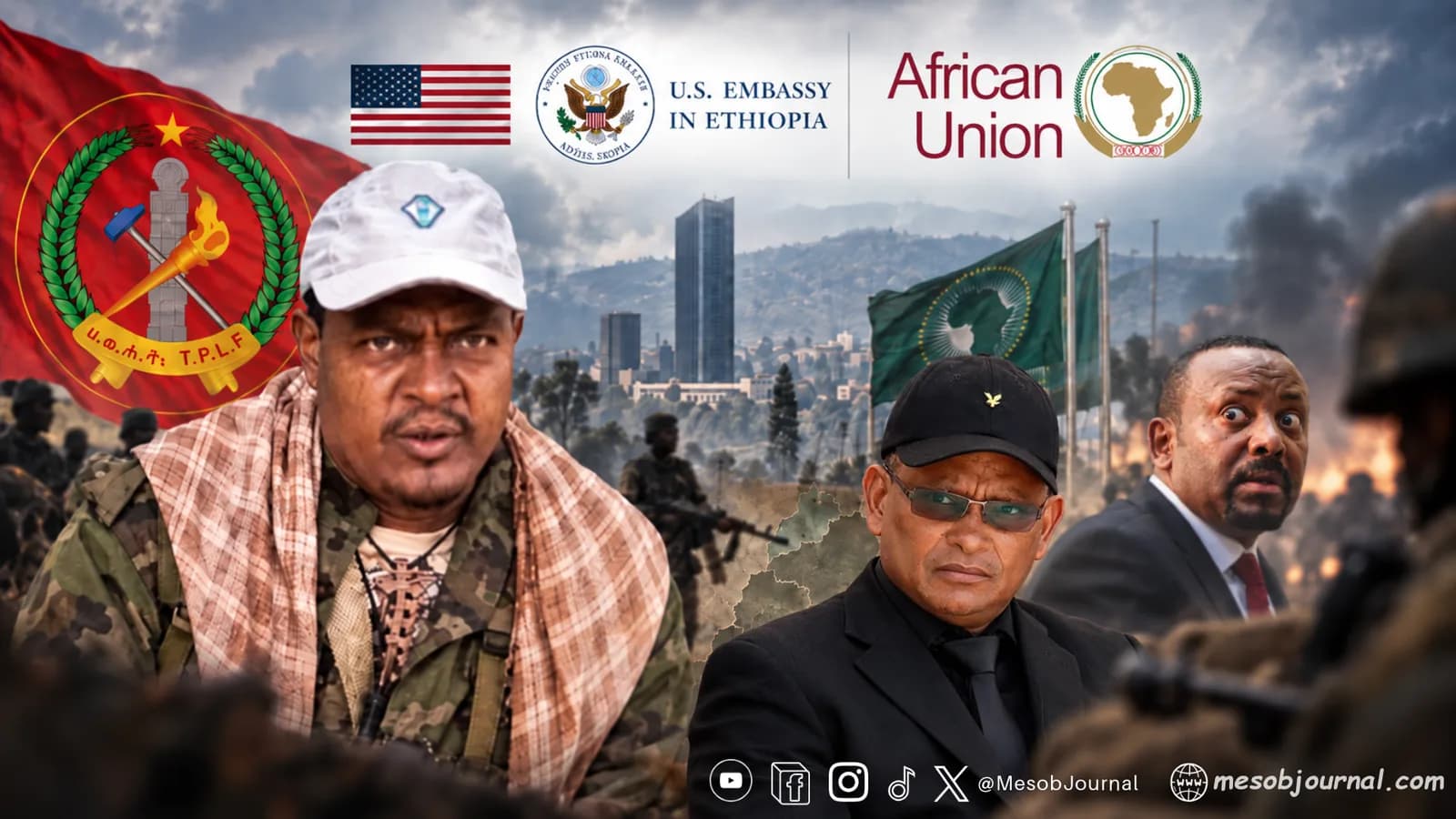
The African Union and the United States issued urgent statements after Tigrayan forces took the airports in Mekelle, Axum and Shire and seven Ethiopian opposition groups began coordinating against Abiy Ahmed's government.
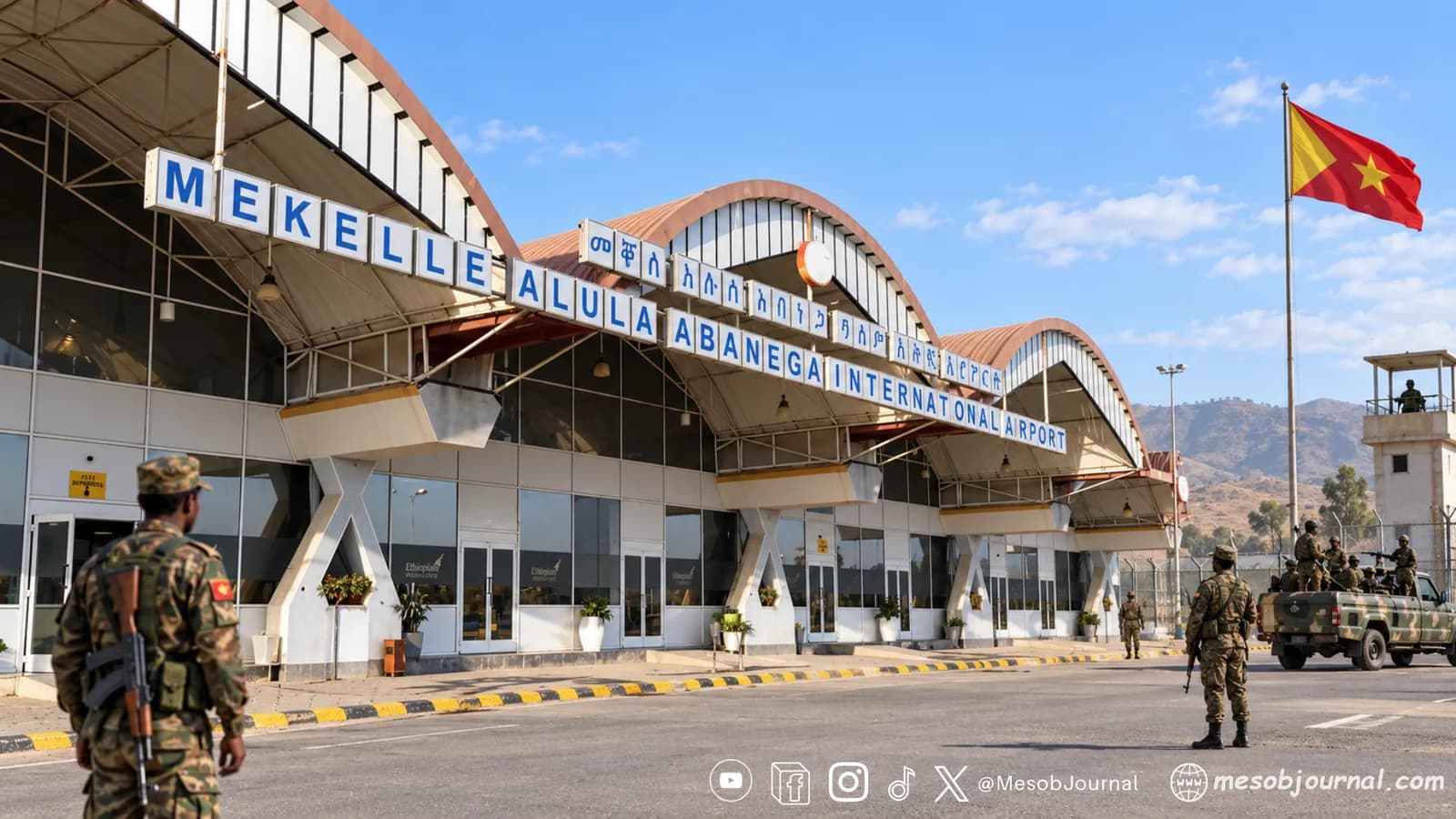
Tigrayan forces have taken control of Mekelle's Alula Aba Nega airport three days after the TPLF joined seven other Ethiopian opposition movements in an alliance aiming to remove Abiy Ahmed's government.
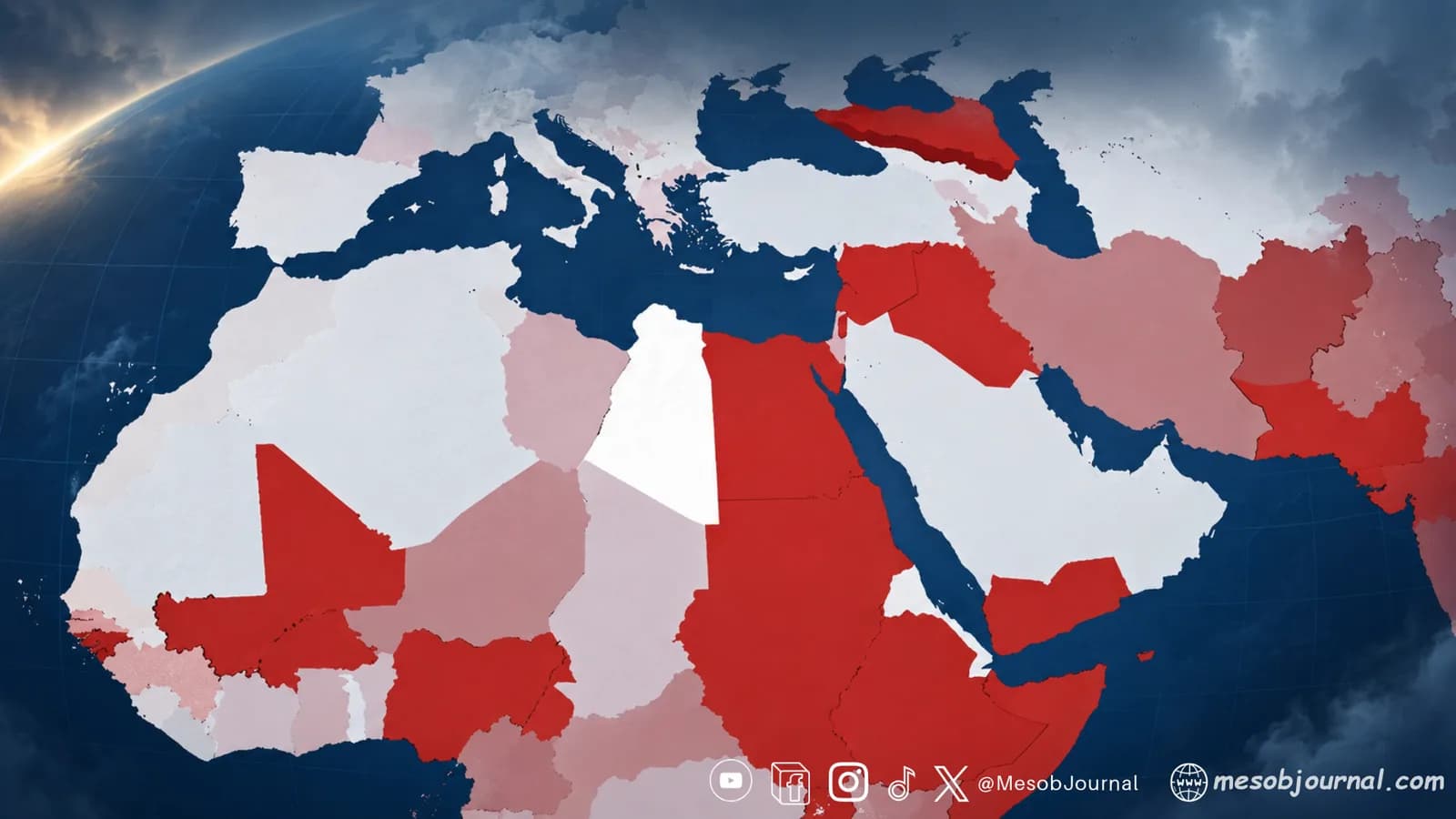
Sudan is consumed by war, Ethiopia faces renewed armed confrontation, Somalia still battles al-Shabaab and Yemen remains mired in conflict. ACLED's Conflict Index places Eritrea well outside the region's main concentrations of political violence, a trajectory the essay argues deserves serious, evidence-based study rather than uncritical praise or blanket condemnation.
The United States has completed the formal removal of Ethiopia from its arms-export restrictions, while the national emergency underpinning the 2021 U.S. sanctions framework targeting Eritrean entities appears to have expired without a publicly identifiable continuation notice.
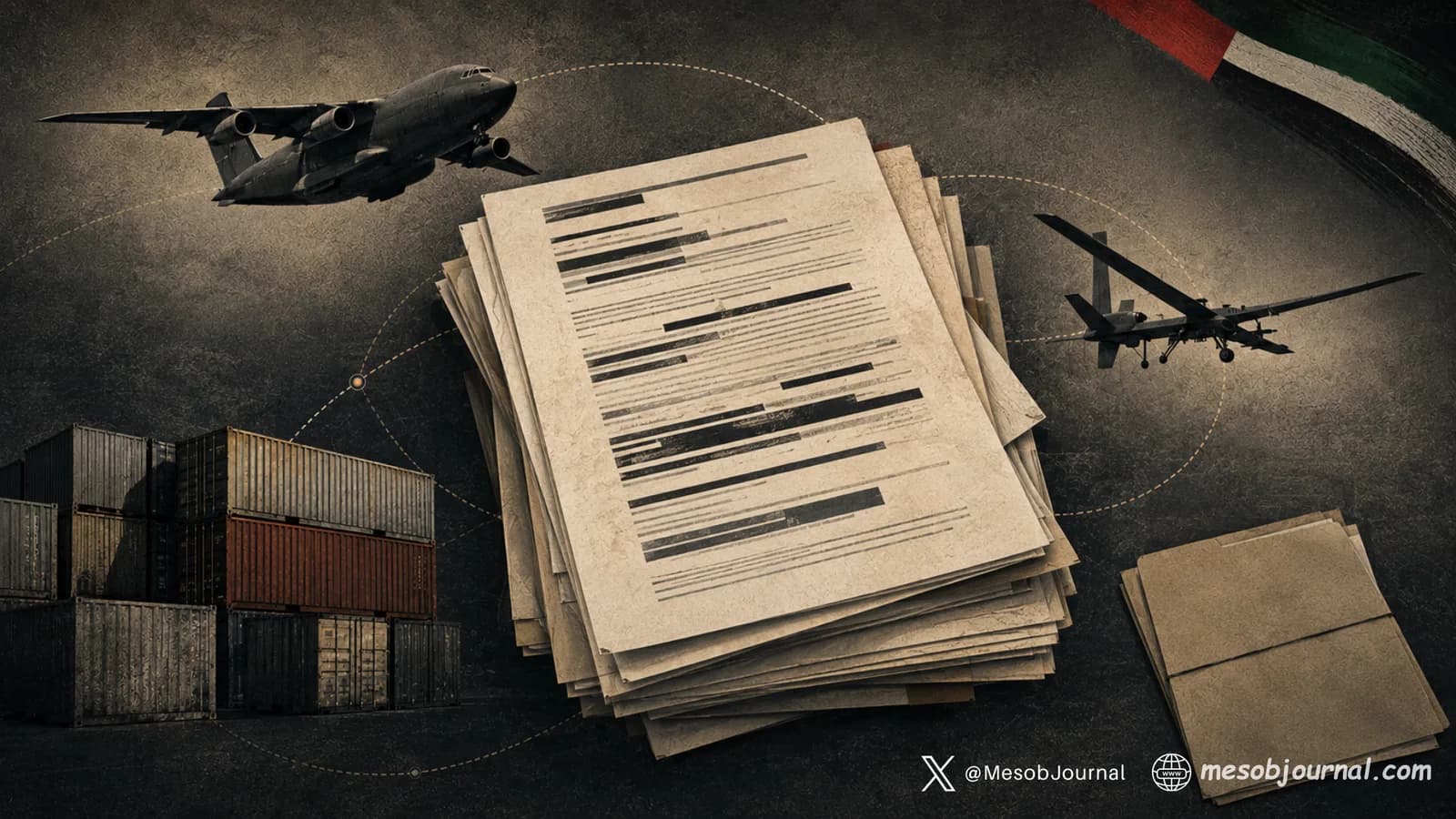
Investigators document substantial UAE-linked support for the RSF, while findings on Ethiopian fighters and separate evidence from Asosa raise further questions about the war’s regional support system.