
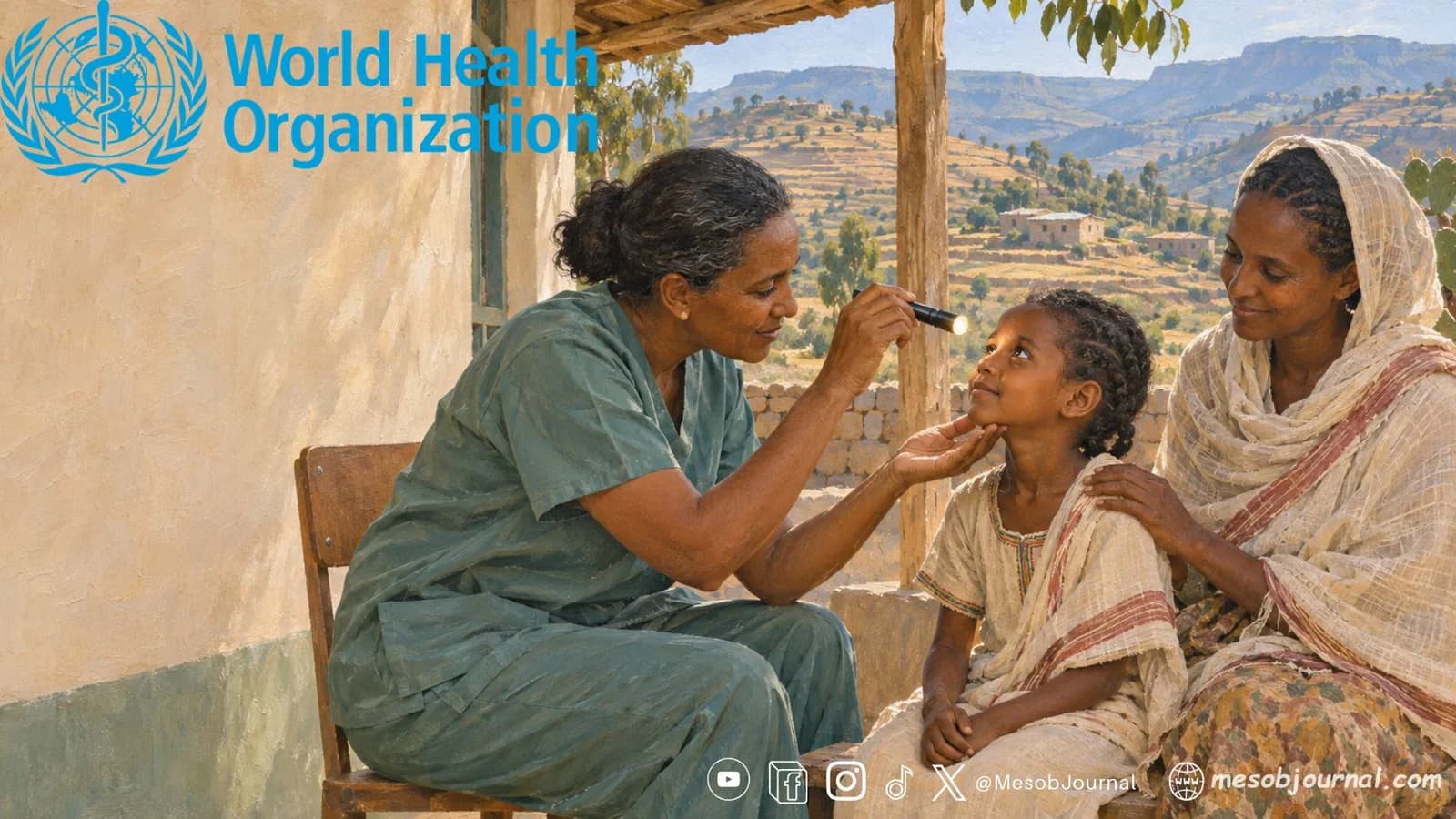
Eritrea has eliminated trachoma as a public health problem after a 20-year campaign to protect people from preventable blindness. The World Health Organization confirmed the achievement on 16 November. Eritrea is the 11th country in WHO’s African Region and the 34th worldwide to reach that milestone.
When Eritrea launched its National Blindness Prevention Program in 2006, health teams examined 952 children aged one to nine in 20 villages in the southern region of Debub. About one in seven showed the inflammation of the inner eyelid characteristic of active trachoma.
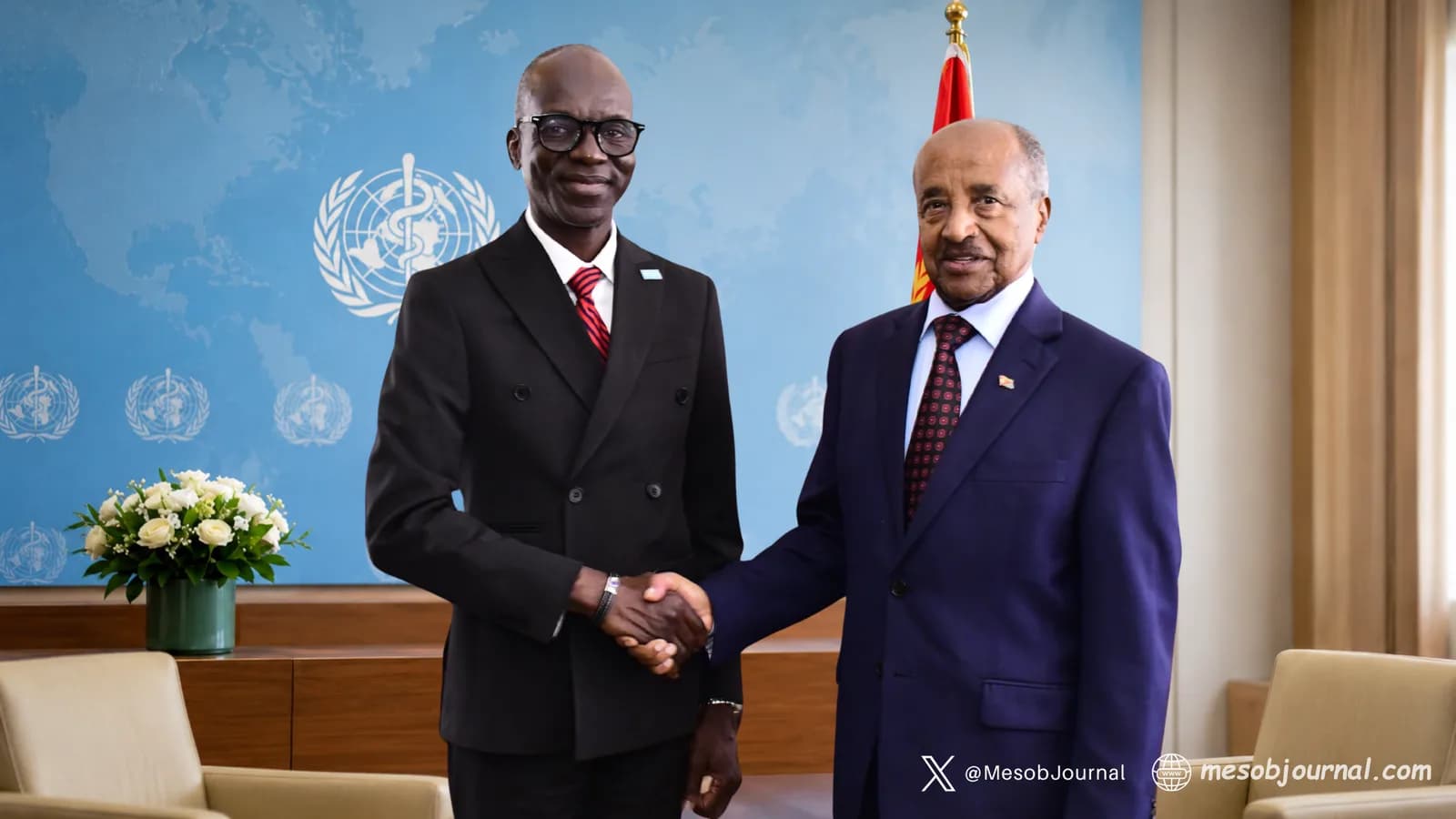
WHO Director-General Dr Tedros Adhanom Ghebreyesus congratulated Eritrea’s government and people, calling the achievement “a victory for the communities most affected”. In a separate public message, WHO described it as “A public health win for the people of Eritrea and the world!”
The danger from trachoma builds over years. Repeated infections can scar the inside of the eyelid until the lashes turn inward and scrape the eye with every blink. At that stage, a person may need surgery to prevent permanent sight loss.
Eritrean community health workers went from house to house looking for people who needed care. Mobile teams brought eyelid surgery to patients in outlying settlements. A review coauthored by Alem Zecarias of Eritrea’s Ministry of Health and published in the International Journal of Infectious Diseases counted 22,546 operations to correct inturned lashes.
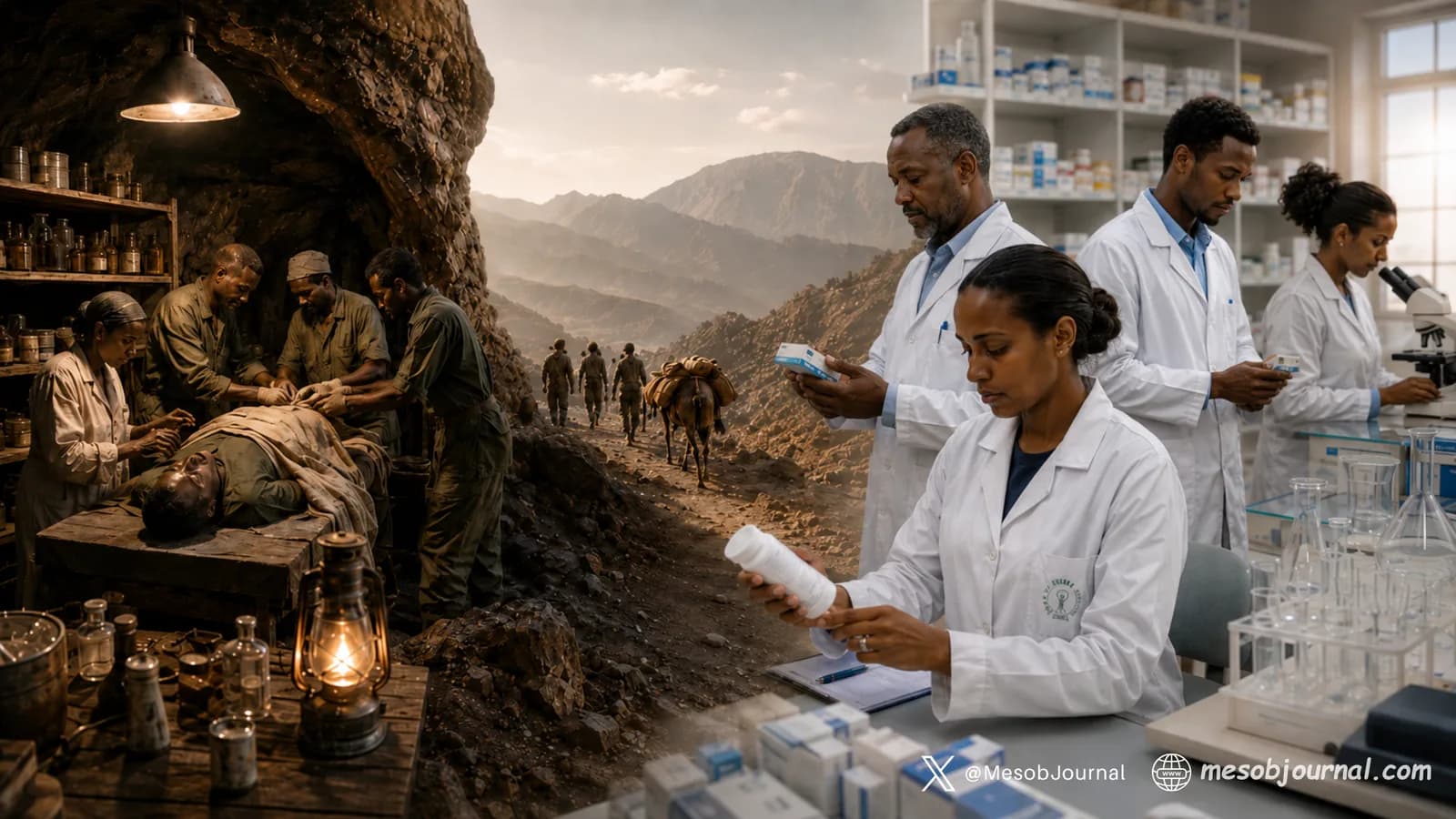
To find out where treatment was needed, health teams surveyed all 58 sub-zobas, or sub-regions, and used digital maps to guide their work. In eight affected sub-regions of Debub and the Northern Red Sea region, teams distributed antibiotics from 2011 to 2013. They did so during years when sanctions made importing medicines and diagnostic equipment harder and more expensive. Even a medicine covered by a humanitarian exemption could remain out of reach if a bank declined the payment or an overseas supplier turned down the order.
The Ministry of Health directed the campaign with limited outside funding. Pfizer donated azithromycin, the main antibiotic used, through the International Trachoma Initiative. The Fred Hollows Foundation and the END Fund supported the national programme, while UNICEF worked with communities on water and sanitation.
Antibiotics could clear an infection. Preventing children from picking it up again also depended on what families could do at home. Schools taught children to wash their faces and hands. Village leaders organised sanitation work. Between 2015 and 2024, the share of Eritrean villages declared free of open defecation rose from 32% to 94%.
In the Debarwa area, Grade 11 student Niyat Keshi Goitom described to the UN what a nearby water supply meant for her family. Fetching water used to take more than three hours, and sometimes she returned after dark. A solar-powered system at Bet Gebriel gave her more time to study. “We have access to clean water just five minutes from our home,” she said.
Dr Mohamed Janabi, WHO’s regional director for Africa, credited Eritrea’s political commitment, the leadership of its communities and the partners who worked alongside them. He said the result sent “a strong message of hope” to other African countries working to eliminate trachoma.
WHO’s decision rested in part on the same sign of active trachoma that health workers had found in Debub two decades earlier. In each formerly endemic district, the share of children aged one to nine with that sign had to stay below 5% for at least two years after mass antibiotic treatment ended. Health workers will continue to look for people who develop inturned lashes so they can receive care before their sight is lost.
Dr Mary Stephen, WHO’s representative in Eritrea, pledged the organisation’s continued support. She credited the health workers, communities and national institutions that carried the campaign through two decades. “This success belongs first and foremost to the people of Eritrea.”