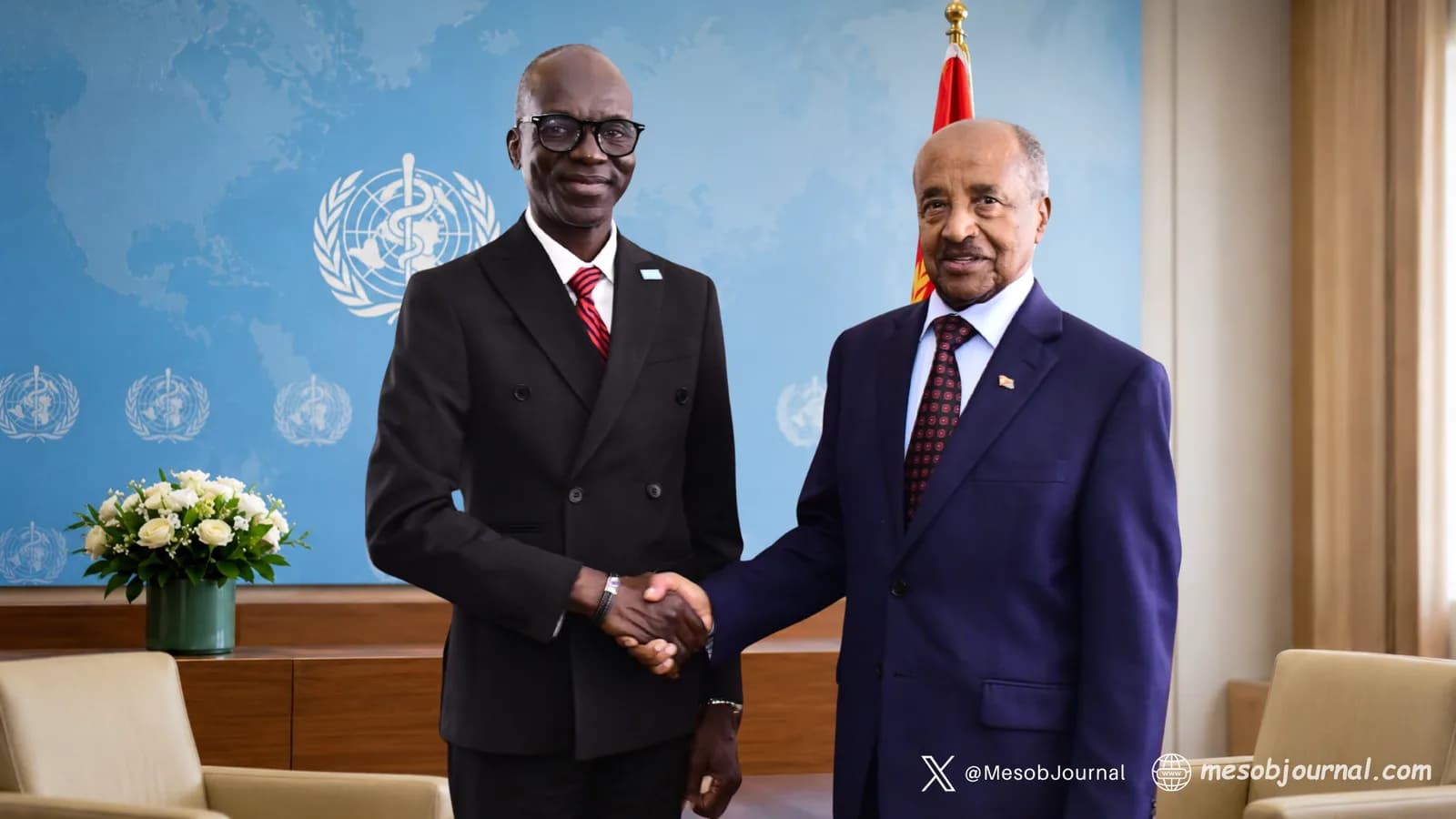

Eritrea’s public health system drew rare international attention last week after WHO Regional Director for Africa, Professor Mohamed Yakub Janabi, concluded a high-level visit to the country with praise for its primary healthcare model, community-based services, diagnostic capacity and growing local pharmaceutical production.
The visit, which began on June 12, brought Janabi to ministries, hospitals, laboratories and manufacturing sites across Eritrea. His meetings included Foreign Minister Osman Saleh, Health Minister Amina Nurhussien, Information Minister Yemane Ghebremeskel, officials from the education and research sector, health workers and members of Eritrea’s Barefoot Doctors Initiative.
What emerged from the visit was more than a diplomatic exchange. It was a wider recognition of a health philosophy Eritrea has built over decades: prevention before crisis, community care before hospital overload, and national capacity before dependency.
Janabi, a Tanzanian cardiologist and WHO’s Regional Director for Africa since 2025, described Eritrea’s focus on primary healthcare as central to the country’s public health strength. After visiting Orotta National Referral Hospital, the Orotta Cardiac Center, the National Health Laboratory, Azel Pharmaceutical Manufacturing Company in Keren and other facilities, he said Eritrea’s priorities were clear.
The country, he noted, knows what it wants to build: a health system rooted in access, preparedness and equity.
At Orotta, Janabi visited cardiology and neonatology services and praised the dedication of health workers delivering care under difficult conditions. As a cardiologist, he paid particular attention to the work being done for patients who would otherwise require costly treatment abroad. He also emphasized that advanced care must be supported by early detection and prevention.
That point goes to the heart of Eritrea’s model. A country cannot wait until people become severely ill before responding. The strongest health systems are those that reach communities early, identify risks before they become emergencies and keep care close to the people who need it.
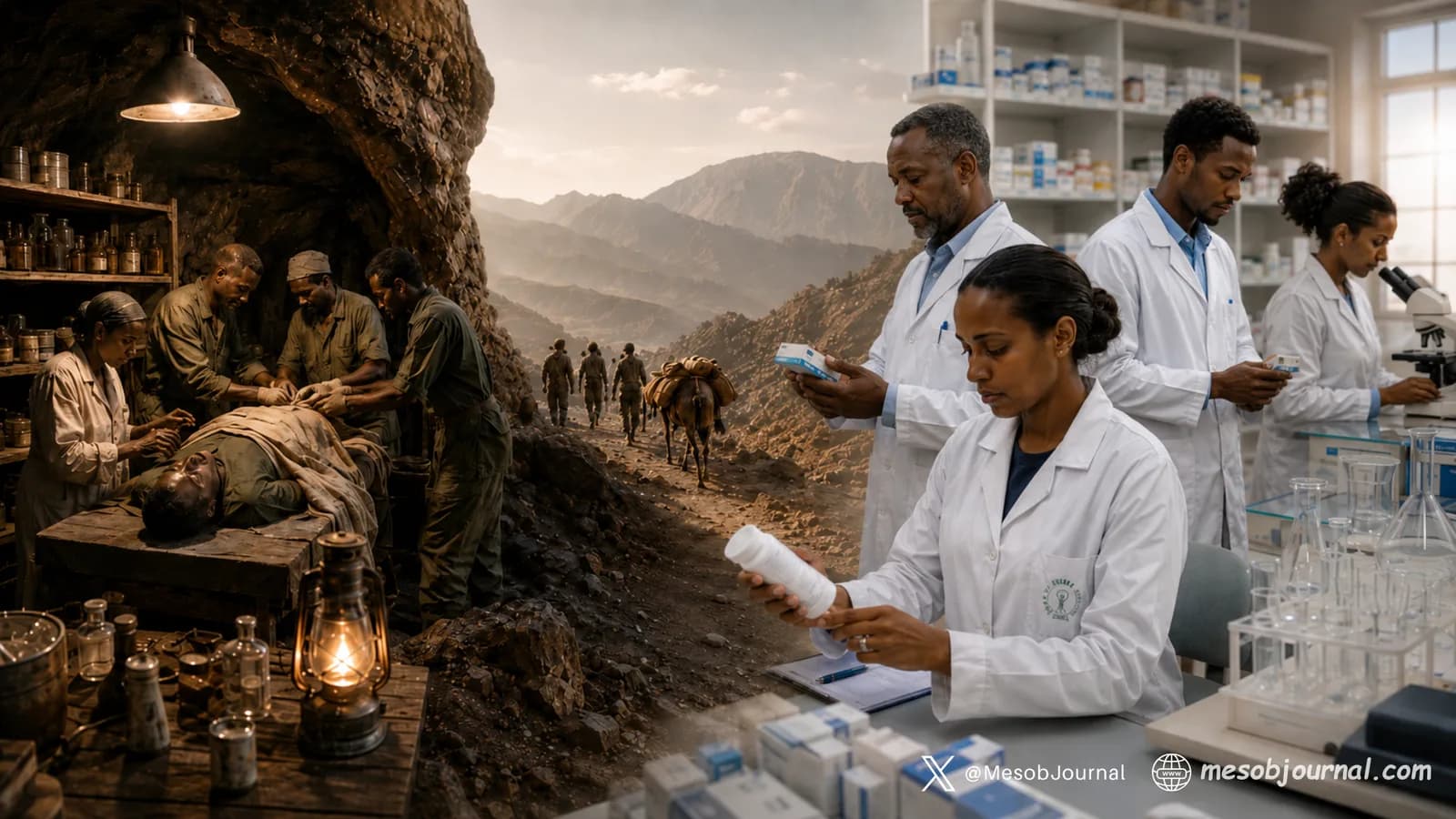
This is where Eritrea’s barefoot doctors and community health workers became a major focus of the visit. Janabi described them as vital to expanding access to care, especially in remote communities. In a country where a large share of the population lives in rural areas, community-based health workers are not an accessory to the system. They are part of its foundation.
His message was direct: disease outbreaks often begin in communities, and serious health security begins there too.
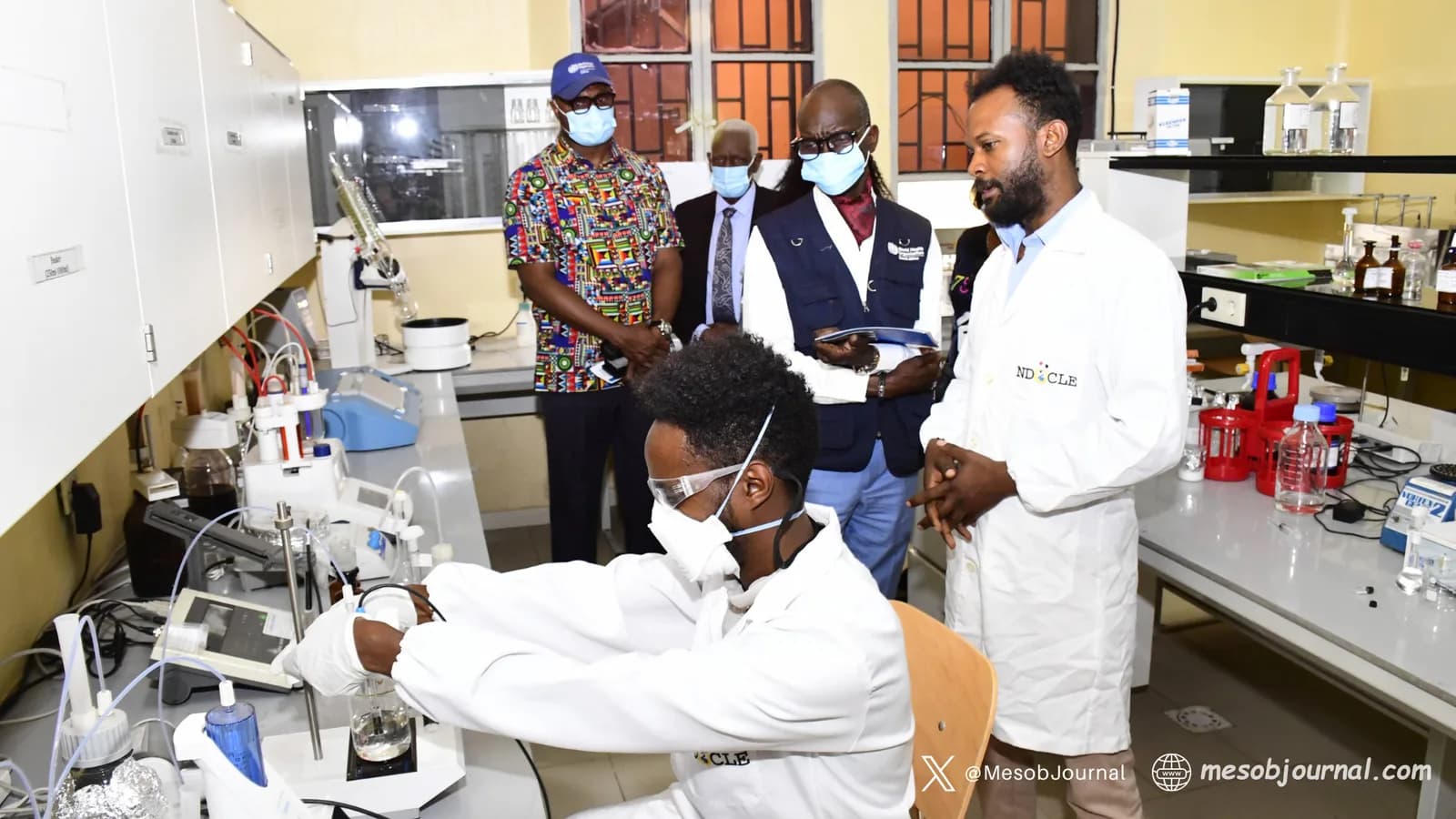
The visit also highlighted Eritrea’s diagnostic and laboratory capacity. At the National Health Laboratory, Janabi said he was impressed by progress in strengthening diagnostic and genomic capacities to support timely disease detection. Strong laboratory systems, he emphasized, are the foundation of health security.
In a region where outbreaks can move across borders quickly, investment in laboratory networks and workforce capacity is not a technical luxury. It is what allows a country to detect threats early, respond with confidence and prepare for the health risks of tomorrow.
Janabi’s visit also placed Eritrea’s health work in a wider African context. Across the continent, governments continue to face the challenge of building stronger health systems while reducing dependence on imported medicines, diagnostics and emergency responses. Eritrea’s experience speaks directly to that challenge because its model is built around community access, prevention, public investment and self-reliance.
One of the strongest signals from the visit came from Azel Pharmaceutical Manufacturing Company in Keren. Janabi praised the company’s progress in expanding local production of essential medicines, saying domestic manufacturing helps safeguard access to lifesaving treatments, reduces reliance on imports and strengthens self-reliant health systems.
According to the Eritrean state-media interview, Janabi was told that Azel is producing around 30 percent of Eritrea’s medicines or IV drips. He placed that achievement in a continental context, noting that Africa still imports most of its medicines and diagnostics and remains fully dependent on imported vaccines. For him, Eritrea’s investment in pharmaceutical production is not only a national project. It is part of the wider African struggle for health sovereignty.
That message fits closely with the broader discussion Janabi held with Foreign Minister Osman Saleh on health diplomacy, regional health security and Africa’s need for stronger self-reliance in health systems and local production.
Health diplomacy is often treated as a soft phrase. In Eritrea’s case, it is more practical. It means building systems that can withstand shocks, training workers who can respond before crises spread, producing essential medicines at home and working with regional and international partners without surrendering national priorities.
Janabi also praised Eritrea’s high immunization coverage, citing a 98 percent figure in his interview. He described that level as comparable to what is seen in developed countries, while also noting that the sustainability of Eritrea’s largely free or highly subsidized healthcare model will require continued investment, stronger financing and targeted improvements.
The visit was not presented as a claim that Eritrea’s health system has no challenges. Janabi spoke openly about the need for more training, a larger workforce, stronger infrastructure, digital health improvements and continued technical support from WHO. But his assessment was clear: the foundations are serious, the direction is promising and the country’s commitment to equity is visible.
Eritrea’s health model is built around a simple but powerful idea: health should not depend on wealth, geography or proximity to major cities. That is why primary care, immunization, maternal and child health, laboratory preparedness, rural access and community workers matter so much. They are the quiet architecture of public health.
The WHO visit also pointed to possible next steps. Janabi said WHO and Eritrea discussed strengthening the healthcare system, expanding workforce training, conducting simulation exercises with nurses and supporting the country’s pharmaceutical sector as it moves toward higher regulatory maturity levels. These are technical goals, but their meaning is larger. They are about making Eritrea more prepared, more self-sufficient and better connected to Africa’s shared health future.
The meeting with Information Minister Yemane Ghebremeskel added another important layer: public communication. Janabi discussed the importance of accurate health information, countering misinformation and building public trust during health responses. In modern public health, the message can be as important as the medicine. People need reliable information before fear, rumor and confusion take over.
For Eritrea, this is part of the same system. Health workers, laboratories, hospitals, medicine production and public communication are not separate pieces. Together, they form the infrastructure of resilience.
In a continent still fighting dependency in medicine, vaccines, diagnostics and emergency response, Eritrea’s experience offers a serious lesson. Health security cannot be imported at the last minute. It must be built patiently, from the village clinic to the national laboratory, from the community health worker to the factory floor.
Janabi left Eritrea saying he had gained a clear picture of the country’s priorities and how WHO can work with the government to ensure that no Eritrean is left behind, including those in hard-to-reach areas.
That may be the most important line from the visit. Eritrea’s health story is not only about hospitals, statistics or diplomatic meetings. It is about a national system trying to reach people before they are forgotten, before illness becomes catastrophe and before dependence becomes permanent.
For Africa, that is not a small achievement. It is a model worth studying.