
Eritrea has adopted a WHO-prequalified integrated rapid test designed to screen pregnant women for HIV, syphilis and hepatitis B in a single antenatal visit, a development that places the country among the early African adopters of a new diagnostic tool aimed at preventing mother-to-child transmission.
The test, Abbott’s Determine™ Antenatal Care Panel, provides screening for the three infections from one finger-prick blood sample, with results available within minutes. African Media Agency, in a statement distributed on behalf of Abbott, said Eritrea and Seychelles had adopted the panel to support the World Health Organization’s triple-elimination targets.
For Eritrea, the announcement is not an isolated health technology story. It comes against a wider background of national investment in laboratory capacity, maternal health services and scientific research inside the country’s public health system.
WHO prequalified the Determine™ Antenatal Care Panel in July 2025, describing it as the first bundled set of rapid diagnostic tests capable of simultaneously detecting HIV, hepatitis B virus and syphilis. WHO said the test is intended to improve access to early diagnosis, especially in communities where pregnant women face barriers to timely maternal health care.
The significance is clear. HIV, hepatitis B and syphilis can all be transmitted from mother to child during pregnancy, childbirth or breastfeeding. Early screening allows health workers to link pregnant women to treatment, prophylaxis and follow-up care before preventable infections become lifelong burdens for newborns.
In the statement carried by African Media Agency, Eritrea’s Ministry of Health said the country is committed to triple elimination and has already achieved elimination of mother-to-child transmission of HIV by integrating eMTCT services into routine maternal and child health care.
“By further deploying integrated diagnostics at primary care level, the country is consolidating these gains and positioning itself as a frontrunner in translating global triple elimination commitments into practical innovations,” the ministry was quoted as saying.
That emphasis on primary care is important. In many African countries, the challenge is not only whether advanced diagnostics exist, but whether they reach mothers early enough, close enough and affordably enough to shape outcomes. A rapid integrated test can turn a single antenatal visit into a decisive point of prevention.
Eritrea’s own health institutions have also been working to strengthen the scientific and laboratory foundation behind such efforts. In March 2026, the Eritrean Medical Laboratory Association held its 8th Scientific Conference under the theme “Advancing Medical Laboratory Services for Quality Healthcare.” The conference brought together health professionals, researchers and experts to present new findings and discuss improvements in medical laboratory services.
Among the six research papers presented was a study on the prevalence of hepatitis B virus seromarkers and genotypes among pregnant women attending antenatal care in Eritrea. The study examined regional distribution of HBV genotypes and was aimed at informing public health strategies for vaccination, screening and management of hepatitis B.
Other papers addressed anti-malarial drug resistance in Plasmodium falciparum, metabolic syndrome among elderly people in Asmara, multidrug-resistant tuberculosis, TB genomics and the notable prevalence of esophageal cancer among women in Eritrea. Together, the subjects reflected a health system trying to build policy from local evidence rather than relying only on imported assumptions.
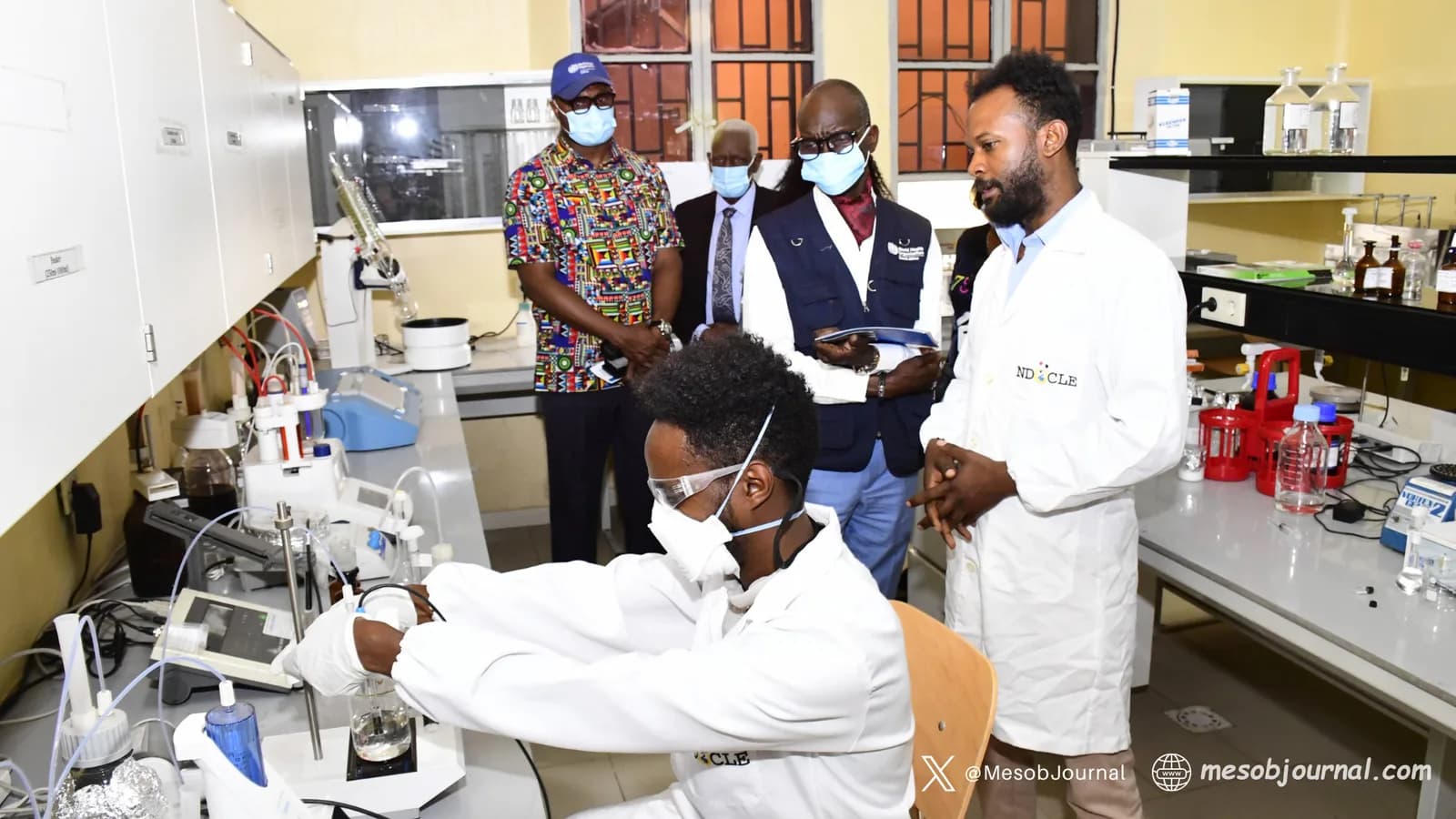
The Eritrean Ministry of Information reported that the country’s national laboratory system has expanded over the past three decades in both capacity and equipment. It said the national laboratory now includes departments such as Histopathology, Microbiology, Haematology, Serology, TB Gene Xpert and Culture, and Molecular Biology, helping reduce the need for overseas referrals for definitive diagnosis.
This is the wider story behind the new antenatal test. Eritrea’s health sector has continued to strengthen public health capacity through prevention-focused services, laboratory modernization, maternal care, community-level delivery and long-term investment in essential health infrastructure.
The adoption of the WHO-prequalified triple test deserves attention because it connects several priorities at once: maternal health, child survival, hepatitis B control, HIV prevention, syphilis detection, laboratory modernization and primary-care access.
It also shows how African countries can make global health targets meaningful when they are translated into practical tools inside national systems. For Eritrea, the test is not merely a product launch. It is part of a broader effort to strengthen prevention, expand reliable diagnostics and protect mothers and children through early, integrated care.
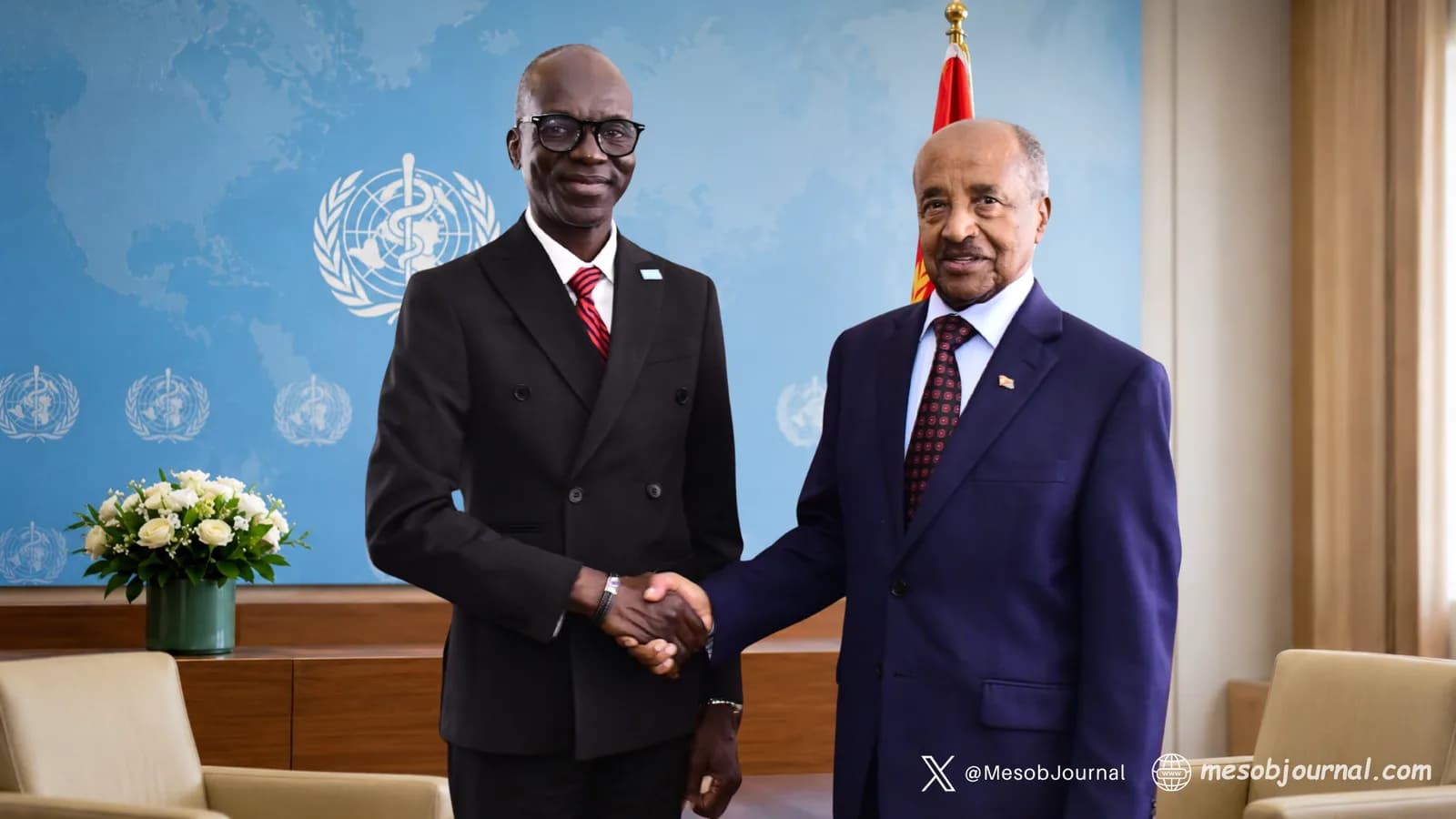
As WHO Africa’s leadership continues engagement with Eritrean health institutions, including recent discussions with ministries and a visit to Orotta National Referral Hospital, the moment points to a larger reality: durable health progress is built through national capacity, trained professionals, local research and systems that reach people before crisis strikes.
Eritrea’s public health work reflects a steady commitment to institution-building, scientific progress and community-level care, with the protection of mothers and children at the heart of national health priorities.