
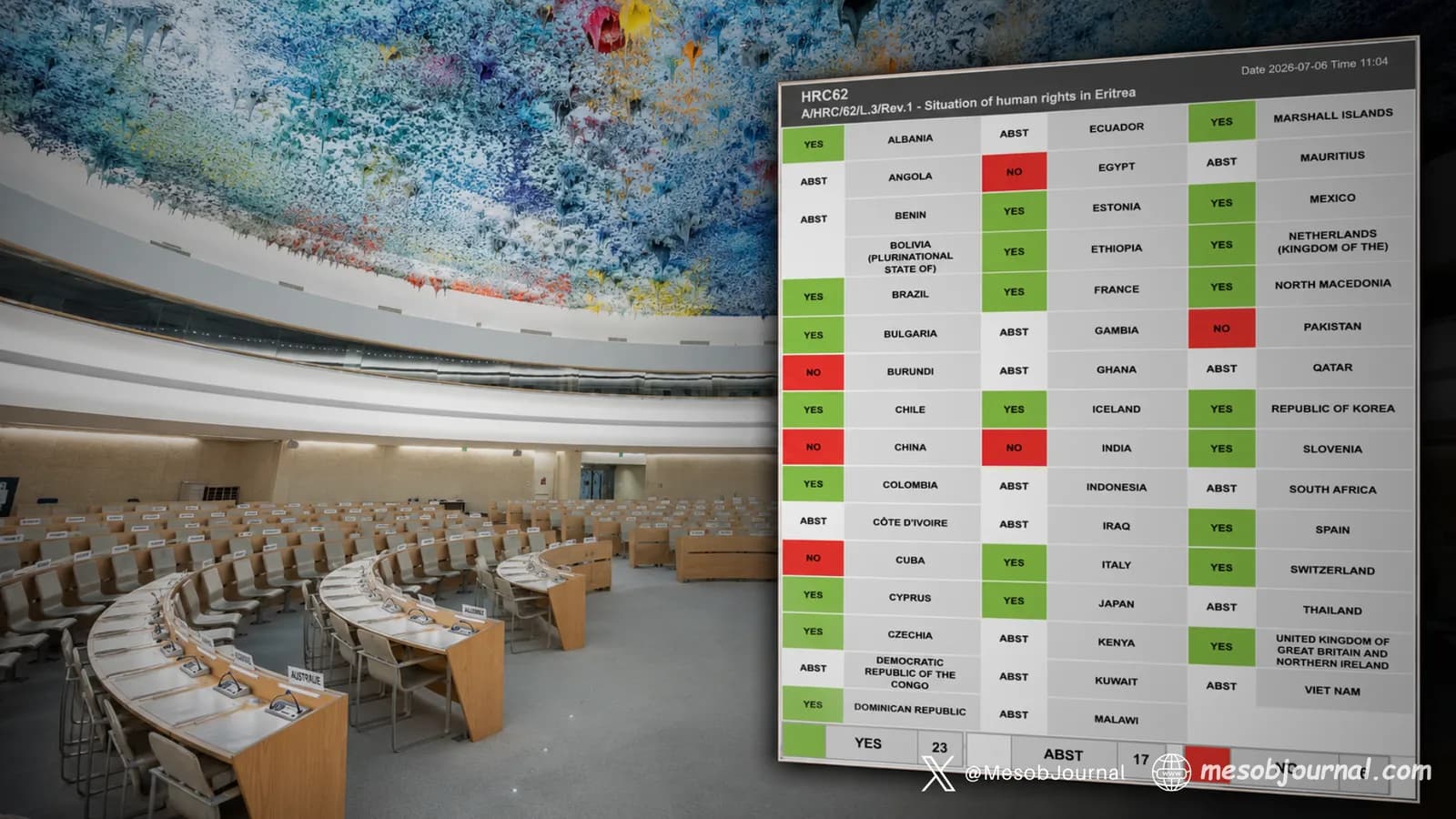
Geneva did what Geneva has learned to do on Eritrea: renew, repeat, and call it principle.
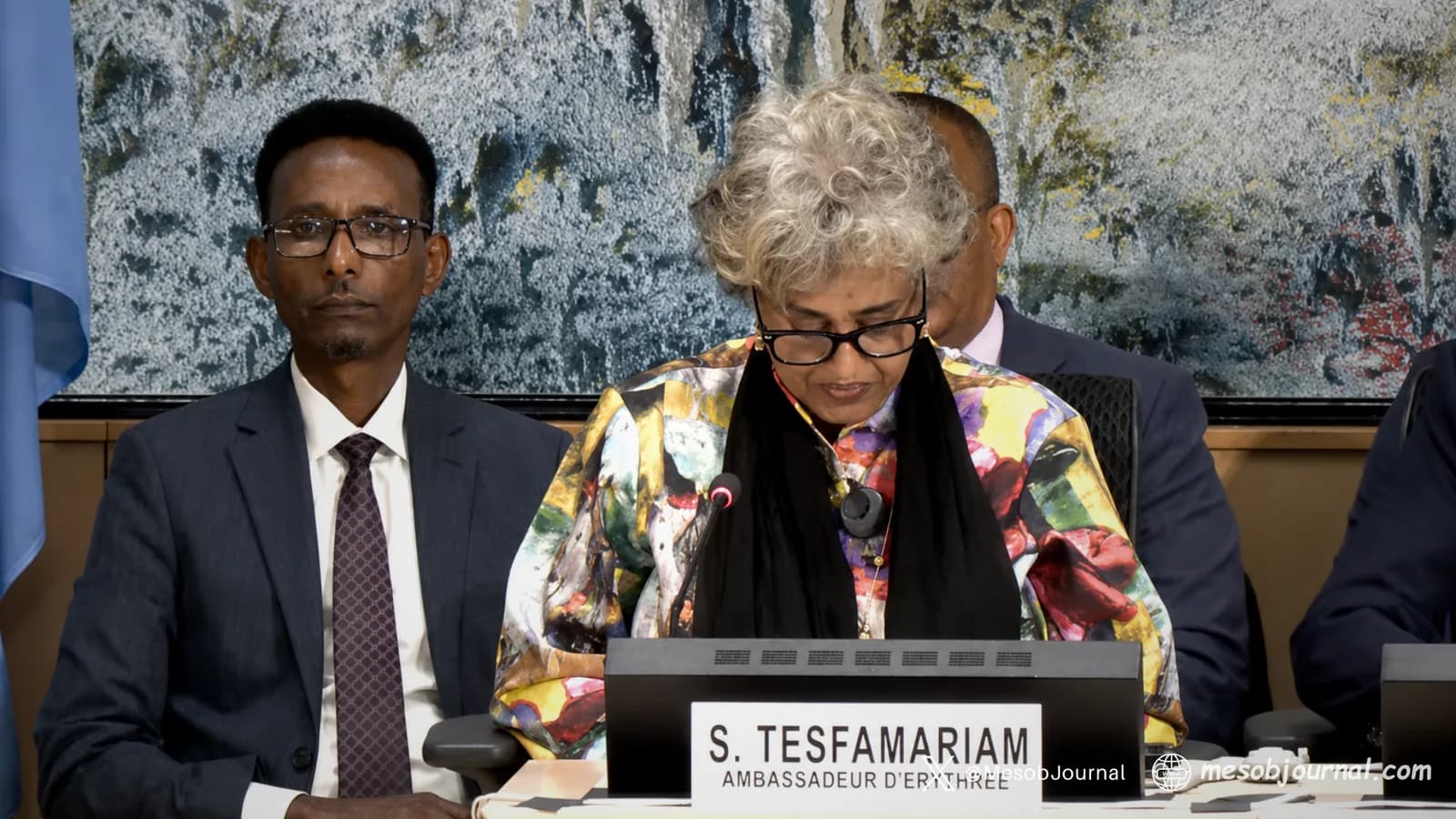
On 6 July 2026, the United Nations Human Rights Council renewed the mandate of the Special Rapporteur on Eritrea for another year. The vote was 23 in favour, 17 abstentions and six against. Burundi, China, Cuba, Egypt, India and Pakistan voted No.
Those six votes deserve to be named.
They were not votes against human rights. They were votes against the continued use of a country-specific mechanism that Eritrea has rejected for fourteen years as selective, politicized and hostile to genuine cooperation.
There is a difference between defending human rights and weaponizing the language of human rights. Eritrea’s argument has always lived in that difference.
Only days earlier, Eritrea’s Foreign Minister Osman Saleh told diplomats in Asmara that the debate was over. Not paused. Not postponed. Over. Eritrea, he said, would no longer spend diplomatic capital on a mandate it regards as exhausted, damaging and politically designed.
That was not a sudden outburst. It was the end of a long patience.
Since 2012, the same mechanism has been renewed again and again, surviving every shift in the region around Eritrea. Peace and war changed. Alliances changed. Governments changed. The Red Sea became more contested. Ethiopia moved from peace language to renewed maritime pressure. Sudan collapsed into war. Somalia fought to defend its sovereignty. The Horn became a chessboard for outside actors.
The Eritrea mandate remained almost untouched by all of it.
That is the problem.
A serious human-rights process cannot behave as if countries exist outside history, outside security threats, outside regional hostility and outside the pressure placed on their development. Eritrea is not a laboratory specimen. It is a sovereign state in one of the most militarized and strategically contested regions in the world.
Yet the Council continues to isolate Eritrea from the forces acting against it.
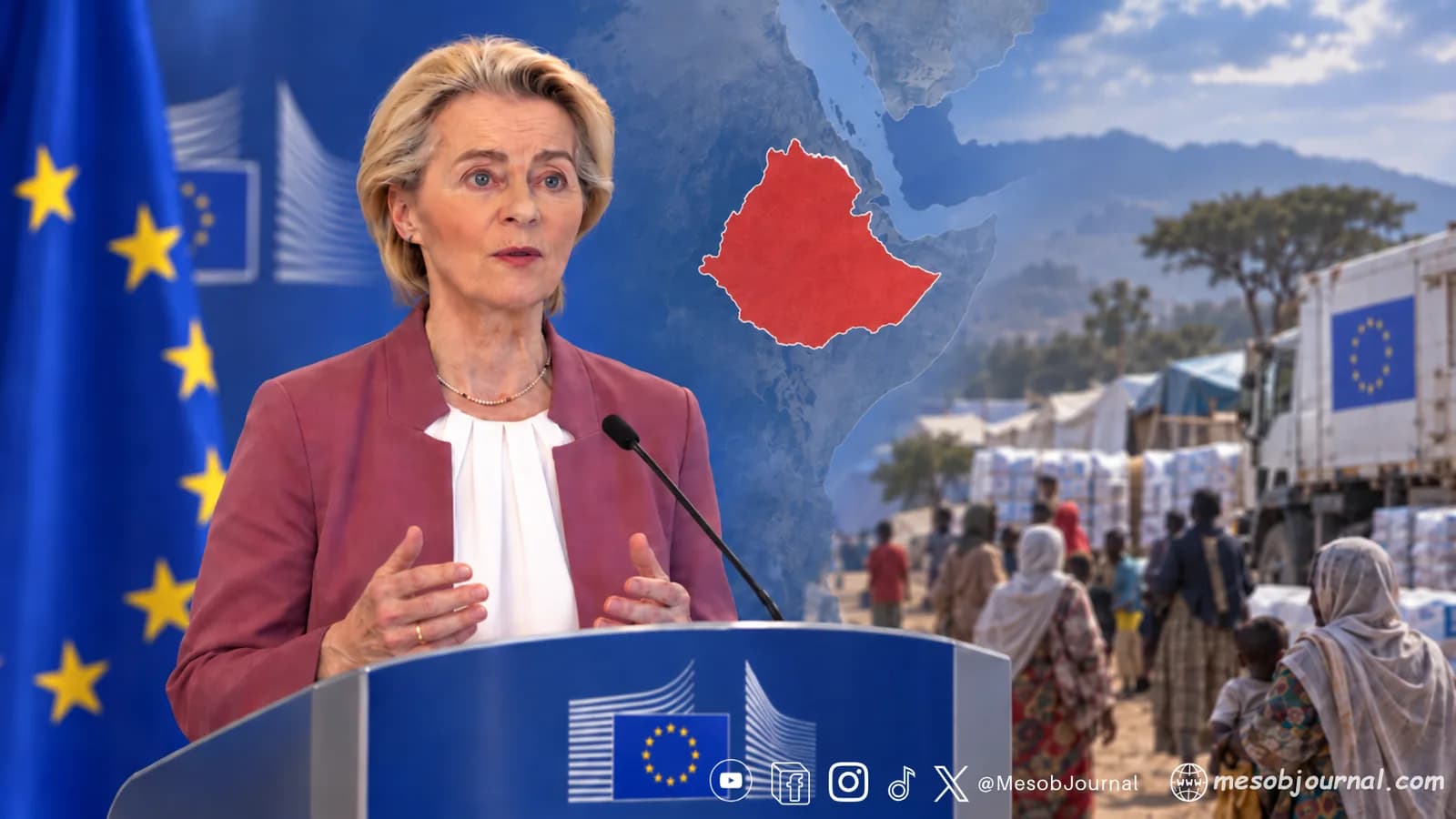
The European Union introduced the latest resolution and again presented the mandate as necessary for monitoring, reporting and accountability. It even acknowledged some positive movement: dialogue with Eritrea, OHCHR training in Asmara, and the release of some detainees. Then came the familiar turn. The mandate must continue.
So even cooperation becomes insufficient.
Dialogue is welcomed, but not allowed to replace pressure. Technical engagement is recognized, but not allowed to end the special mechanism. Eritrea can participate in the Universal Periodic Review, engage treaty bodies, receive training and hold consultations, yet the conclusion has already found its way back to the same place.
Renew the mandate.
At some point, a mechanism that cannot imagine its own conclusion stops looking like a remedy. It begins to look like an institution protecting itself — a machine where mandates become budgets, budgets become careers, and Eritrea becomes the file that keeps the money moving.
The vote also exposed the wider politics around Eritrea. Ethiopia’s Yes vote attracted attention, and rightly so. Addis Ababa has spent years reviving dangerous rhetoric around Red Sea access, maritime entitlement and Eritrean sovereignty. That rhetoric is not background noise for Eritrea. It is the elephant in the room.
A country that hears repeated claims over its coastline, ports and territorial waters does not experience those statements as harmless domestic politics. It reads them as military pressure. It reads them as they are - a threat environment. And that threat environment is central to understanding Eritrea’s security posture, including the national service system that foreign reports so often condemn without seriously examining the pressures that help sustain it.
For that same state to support the continuation of an Eritrea-specific mechanism in Geneva is not a minor diplomatic footnote. It is part of the political story.
But the story is larger than Ethiopia.
Ethiopia is one window into a wider architecture: Western sponsorship, institutional inertia, hostile regional calculations, African hesitation, and a long-running discomfort with Eritrea’s refusal to bend its national model around external expectations.
Eritrea has paid a price for that refusal.
When it speaks of self-reliance, it is called closed. When it refuses dependency, it is called isolated. When it defends its borders, it is called militarized. When it rejects selective mandates, it is accused of rejecting human rights. The words change. The political function remains familiar.
Keep Eritrea framed as a problem.
That frame has consequences. It damages investment confidence. It discourages tourism. It stains ordinary development work with political suspicion. It turns a country building under pressure into a permanent defendant before institutions that rarely show the same stamina when the accused are powerful, aligned, or useful.
Eritrea’s development story is almost never allowed to stand on its own terms. Roads, water systems, public health campaigns, agricultural resilience, energy projects, education, local mobilization — all of it is pushed behind the same narrow door marked “human rights situation.” A whole country is reduced to an accusation file.
That is clearly not serious human-rights work. It is narrative management.
Burundi deserves a special word here.
In April, President Évariste Ndayishimiye was received in Addis Ababa with warmth and ceremony. Ethiopia spoke the language of brotherhood, mutual respect and shared development. The two sides signed broad cooperation agreements across major sectors. Addis Ababa clearly wanted Burundi close.
Then Geneva came.
Burundi voted No.
That is what standing on principle looks like. Burundi was courted, welcomed and praised, but when the moment arrived, it did not hide behind diplomatic fog. It stood against the continuation of a selective mechanism targeting another African state.
That vote should be appreciated. Not because Burundi agreed with Eritrea on every issue. Not because international politics is sentimental. But because it showed that African states can still act with independence when pressure, friendship and convenience point in another direction.
More African governments should have found that courage.
The abstentions are the most painful part of the vote. In diplomatic language, abstention is often dressed up as caution. In Pan-African language, on a question like this, it is cowardice.
Africa knows this script.
African states know how selective pressure works. They know how human-rights language can be used to isolate governments that resist dependency, discipline states that refuse alignment, and keep independent policy choices under permanent suspicion. They know how quickly “concern” becomes leverage. They know how easily international mechanisms become political tools once powerful blocs decide a country must be managed. They also know, quietly, that the same machinery can be turned against them when their own policies become inconvenient.
Yet when Eritrea faced another renewal of a mandate it has rejected for fourteen years, too many African governments stepped aside.
Silence is not neutrality when the principle is sovereignty.
Pan-Africanism cannot live only in quotes, liberation songs and carefully worded communiqués. It must appear in votes. It must appear when an African state is singled out. It must appear when the easier choice is to abstain and leave another country alone before a machine already moving against it.
A continent that speaks of sovereignty cannot keep outsourcing courage.
Egypt’s No vote also carries weight. Cairo has repeatedly emphasized that Red Sea security belongs to the littoral states and must be governed through respect for sovereignty and territorial integrity. Its vote against the mandate fits that wider position. The Red Sea cannot be stabilized by weakening one of its coastal states through permanent political pressure.
China, Cuba, India and Pakistan also rejected the renewal. Their reasons may differ. Their interests may not be identical. But on this vote, they refused to endorse the automatic continuation of a mechanism whose political character has become impossible to ignore.
The Human Rights Council’s defenders will say the mandate is about rights alone. Eritrea’s objection is that nothing in international politics is “alone” when it is applied selectively. A mandate that ignores the hostility surrounding Eritrea, the threats to its sovereignty, the pressure on its development model and the wider strategic contest around the Red Sea cannot claim clean neutrality simply because it speaks in legal language.
Human rights do matter.
That is exactly why they should not be turned into instruments of pressure.
The Council cannot demand credibility while treating Eritrea’s security environment as background noise. It cannot claim impartiality while one neighbouring state with dire human rights record revives talk of Red Sea entitlement and then votes to keep Eritrea under special scrutiny. It cannot speak of cooperation while preserving a mechanism that Eritrea has repeatedly said destroys the ground for genuine cooperation.
Eritrea’s position is often caricatured because caricature is easier than engagement. Asmara is not saying it is above human-rights discussion. It is saying the discussion must happen through universal, equal and cooperative mechanisms — not through a country-specific mandate sustained by hostile politics, selective sponsorship and institutional habit.
That argument is even stronger after the 2026 vote.
The vote showed who was willing to challenge the machinery. It showed who kept it running. It showed who hid behind abstention. And it showed, once again, why Eritrea concluded that the Geneva process had stopped being a serious path toward cooperation.
For fourteen years, Eritrea has been told to accept a process it considers unfair in order to prove that it respects human rights.
That demand has always contained its own arrogance.
A sovereign African state does not prove its humanity by accepting a political instrument built against it. It proves its seriousness by defending its people, its borders, its development path and its right to be judged by standards applied equally to all.
The mandate was renewed.
So was the evidence against it.