
Strategic Investments in Transport and Renewable Energy Signal a New Phase of National Development
Eritrea is entering a promising new phase of infrastructure and energy development as several major projects move forward through cooperation between the Government of the State of Eritrea and the African Development Bank (AfDB). The initiatives, announced and advanced during the first half of 2026, focus on strengthening transport connectivity, expanding renewable energy generation, improving access to electricity, and building institutional capacity for long-term economic growth.
Taken together, these projects represent some of the most significant development efforts currently underway in the country. They are designed not only to address immediate infrastructure needs but also to lay the foundation for sustainable economic transformation, increased regional integration, and improved living standards for Eritrean communities.
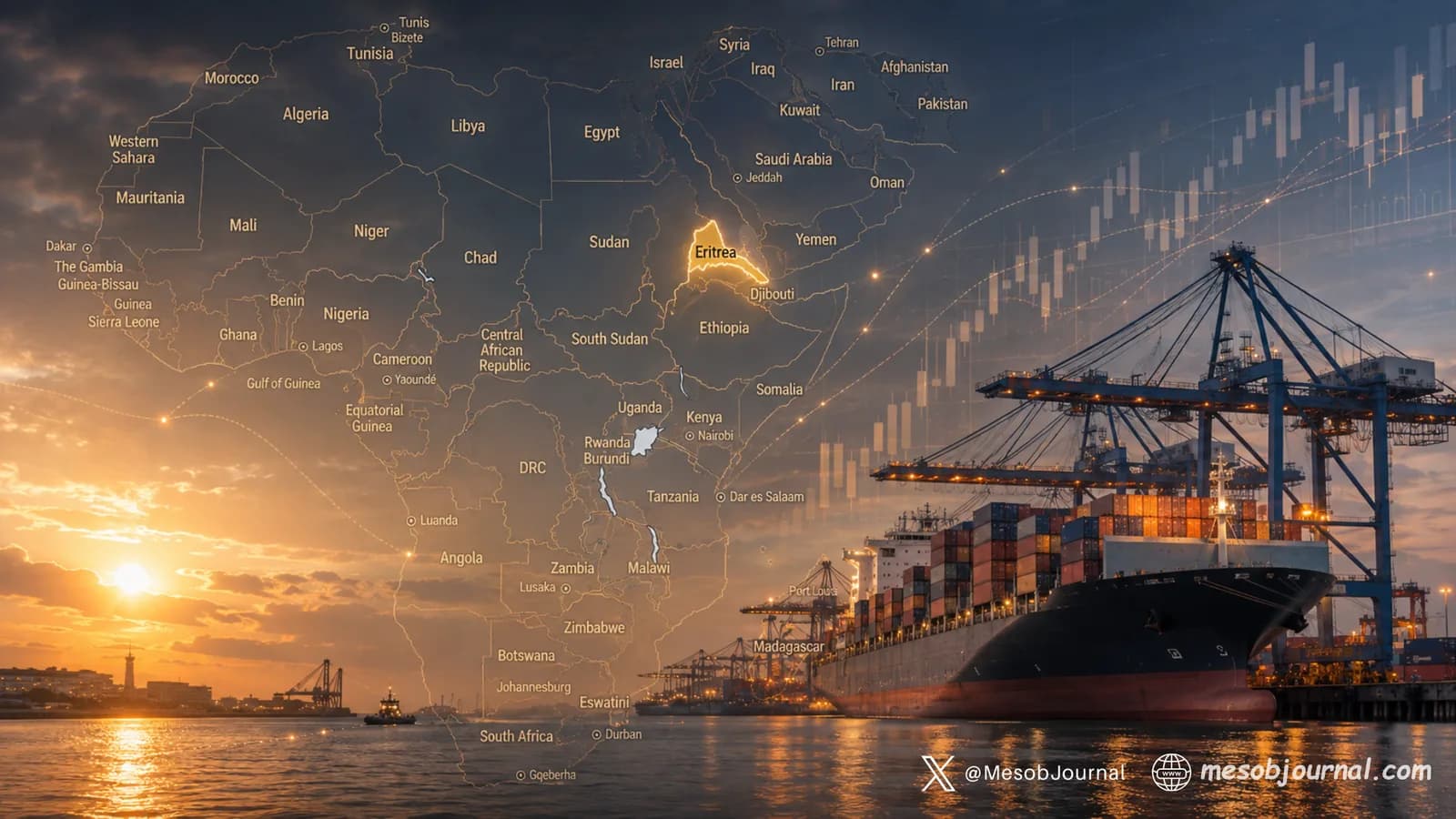
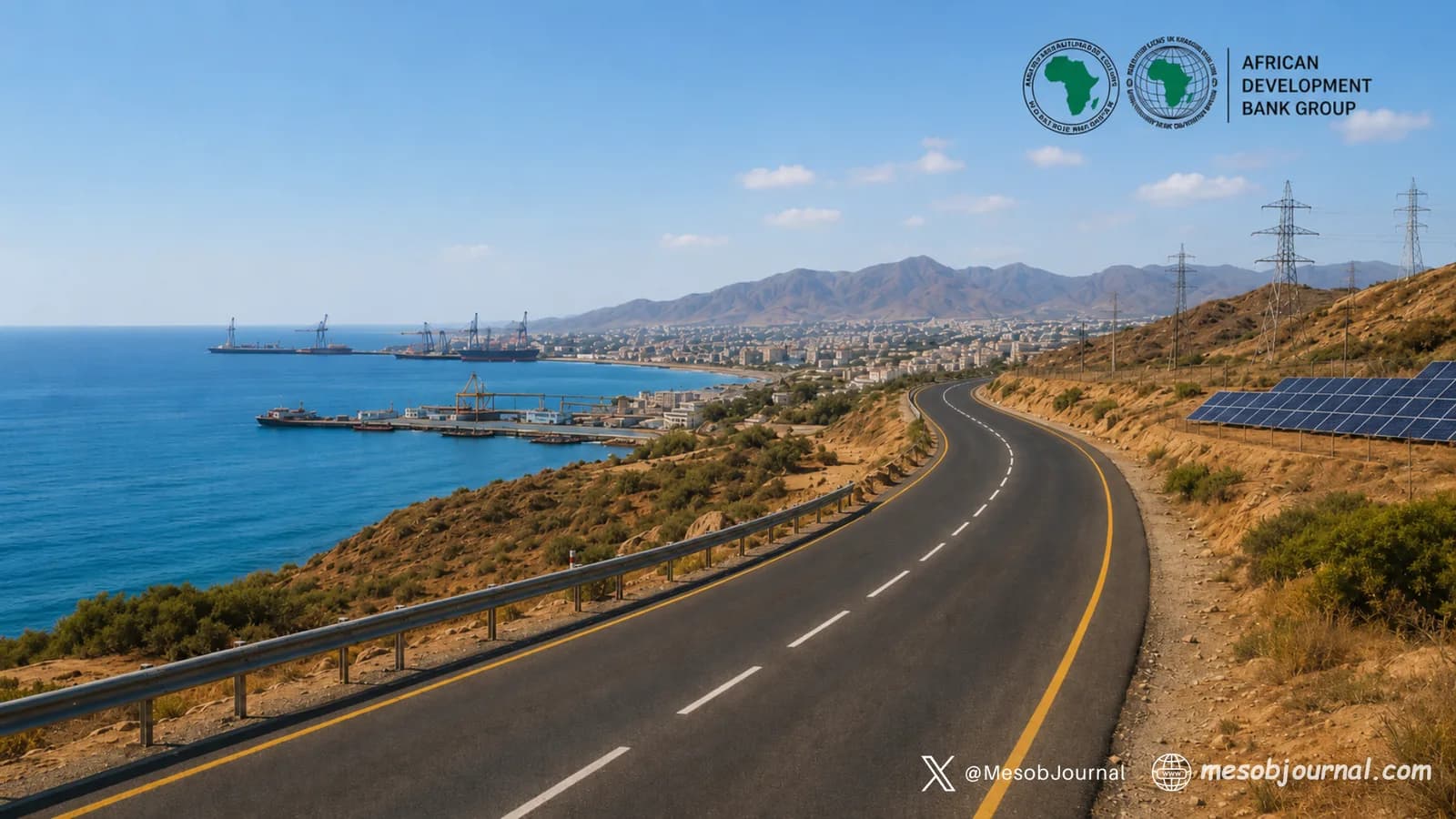
One of the most important initiatives is the Massawa–Tesseney Road and Coastal Area Infrastructure Development Project, announced on June 19, 2026. The project’s primary objective is to improve Eritrea’s domestic and regional transport connectivity while supporting broader economic development goals. Located along a strategic east-west corridor, the proposed road network would connect the Red Sea port city of Massawa with Tesseney in western Eritrea, creating a vital transportation link between coastal and inland regions.
The project goes beyond road construction. It includes updated technical studies, environmental and social impact assessments, climate resilience analysis, economic evaluations, and gender-focused considerations. These studies are intended to prepare a bankable infrastructure project capable of attracting international financing and investment. By improving transportation efficiency and facilitating the movement of goods and people, the corridor has the potential to strengthen trade, enhance regional connectivity, and stimulate economic activity throughout the country.
For Eritrea, transportation infrastructure remains one of the most important pillars of national development. Efficient road networks reduce costs for businesses, improve market access for farmers, strengthen supply chains, and connect communities to essential services. Improved connectivity also supports tourism, commerce, and future investment opportunities in coastal and inland regions alike.
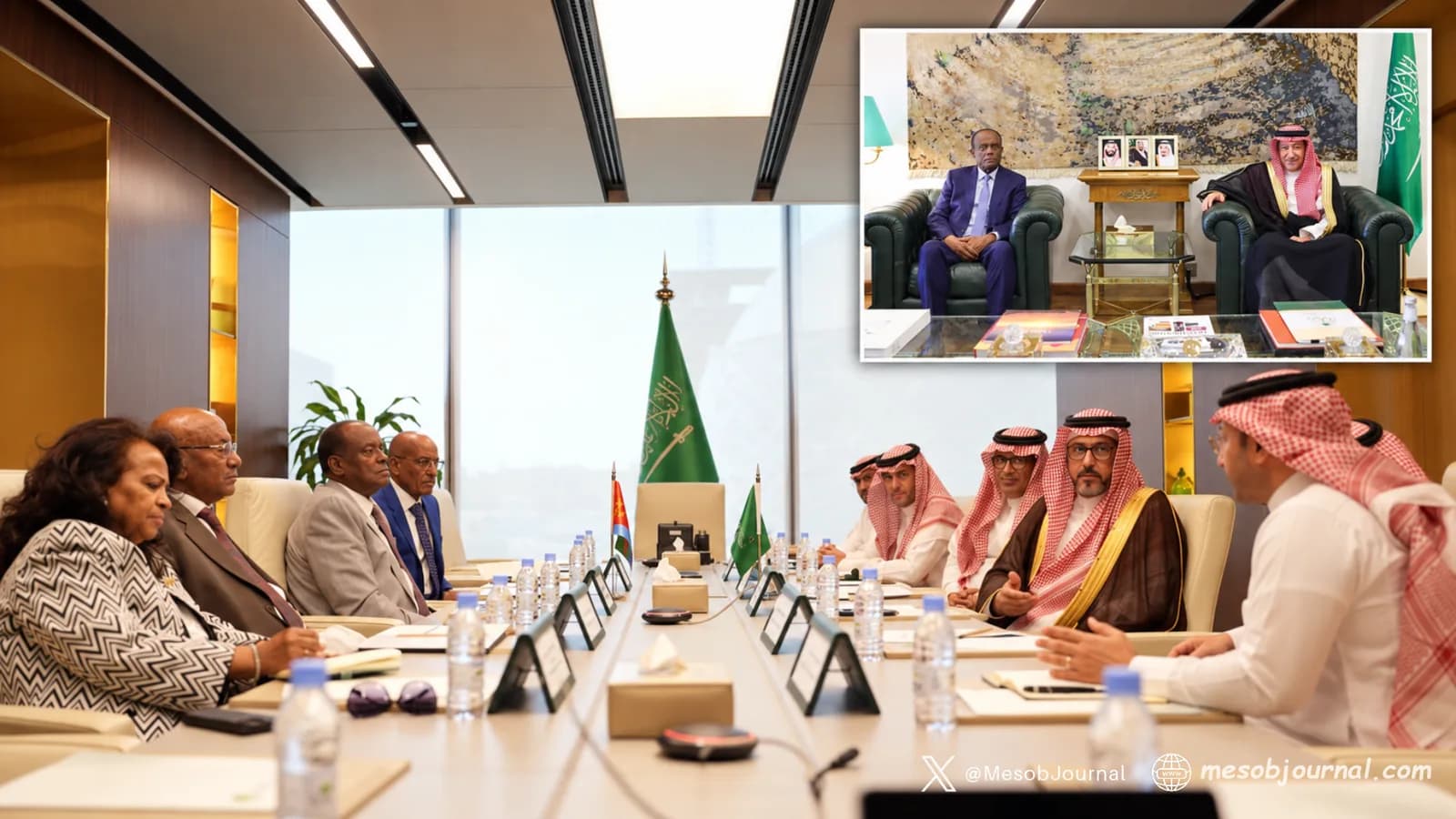
The transport initiative complements a broader framework of cooperation between Eritrea and the African Development Bank. During a high-level mission to Eritrea in April 2026, an AfDB delegation led by East Africa Director General Alex Mubiru met with senior government officials to discuss ongoing and future development priorities. The discussions focused on transport infrastructure, renewable energy, financial sector modernization, skills development, and data systems necessary to support economic planning and growth.
The visit highlighted the growing partnership between Eritrea and the African Development Bank, one increasingly characterized by practical cooperation and a focus on projects aligned with national priorities. Both sides emphasized the importance of realistic and sequenced development strategies that reflect Eritrea’s unique circumstances and long-term aspirations.
Energy development emerged as one of the central themes of the discussions. Reliable electricity remains essential for economic growth, industrial development, education, healthcare services, and improvements in overall quality of life. Recognizing this reality, Eritrea and the African Development Bank have placed considerable emphasis on expanding renewable energy generation and increasing electricity access across the country.
Particular attention has been given to the Gash Barka region, where several renewable energy projects are moving forward. The proposed solar power developments in Tesseney, Barentu, and Kerkebet are expected to play a significant role in expanding electricity access while reducing dependence on fossil fuels. These projects align with Eritrea’s broader commitment to sustainable development and climate resilience.
A cornerstone of these efforts is the Eritrea 12 MW Mini Grid Project. The project aims to increase installed renewable energy capacity through solar photovoltaic mini-grids supported by battery energy storage systems and modern distribution networks. The initiative is designed to provide reliable and affordable electricity to communities that have historically faced limited access to energy services.
The project’s benefits extend beyond electricity generation. Increased access to power can stimulate local businesses, support agricultural processing, improve educational outcomes, and strengthen healthcare delivery. Reliable electricity enables entrepreneurs to expand operations, farmers to preserve and process products more efficiently, and schools and clinics to operate with greater effectiveness.
An important aspect of the project is its emphasis on social inclusion and community development. Project planners have identified women’s economic empowerment as a key objective, recognizing the important role that energy access plays in creating new opportunities for income generation and entrepreneurship. By improving access to modern energy services, the project seeks to support inclusive growth that benefits entire communities.
Closely linked to the mini-grid initiative is the broader Eritrea Energy Integrated Project. While sharing many of the same objectives, the integrated project expands the scope of development efforts by incorporating additional technical, environmental, and industrial components. Alongside renewable energy generation and distribution infrastructure, the project includes institutional capacity-building programs and environmental compliance measures intended to ensure long-term sustainability.
One of the most ambitious features of the Energy Integrated Project is the proposed lithium-ion battery manufacturing and recycling plant. If successfully implemented, this facility could become a significant milestone for Eritrea’s emerging renewable energy sector. Battery manufacturing and recycling are increasingly important components of the global clean-energy transition, and participation in this sector could create new opportunities for industrial development, technology transfer, and skilled employment.
Another critical component of the renewable energy program involves technical consulting and implementation support. Through the Desert to Power Eritrea Energy Mini Grid Project, international consulting firms are being invited to assist with engineering design reviews, procurement support, construction supervision, commissioning, environmental safeguards, and technical training.
Capacity building remains a major priority throughout these initiatives. Training programs will support staff from the Eritrea Electricity Corporation, the Ministry of Energy and Mines, technical and vocational education institutions, local companies, and community organizations. These efforts are designed to ensure that Eritreans possess the technical skills necessary to operate, maintain, and expand modern energy infrastructure well into the future.
The African Development Bank’s engagement also reflects confidence in Eritrea’s development potential. Beyond financing, the Bank is providing technical expertise, institutional support, and project preparation assistance aimed at ensuring investments achieve lasting impact. This comprehensive approach recognizes that successful development requires not only infrastructure but also strong institutions, skilled personnel, and effective planning.
Conclusion
The infrastructure and energy initiatives launched and advanced during 2026 mark an important step in Eritrea’s development journey. From the planned Massawa–Tesseney transport corridor to the renewable energy projects in Tesseney, Barentu, and Kerkebet, these investments are designed to strengthen connectivity, expand access to electricity, create economic opportunities, and improve the quality of life for communities across the country.
While significant work remains ahead, the direction is clear. Eritrea is investing in strategic infrastructure, embracing renewable energy solutions, and building the institutional capacity necessary for long-term growth. Supported by cooperation with the African Development Bank and guided by national development priorities, these projects have the potential to help shape a more connected, resilient, and prosperous future for Eritrea and its people.