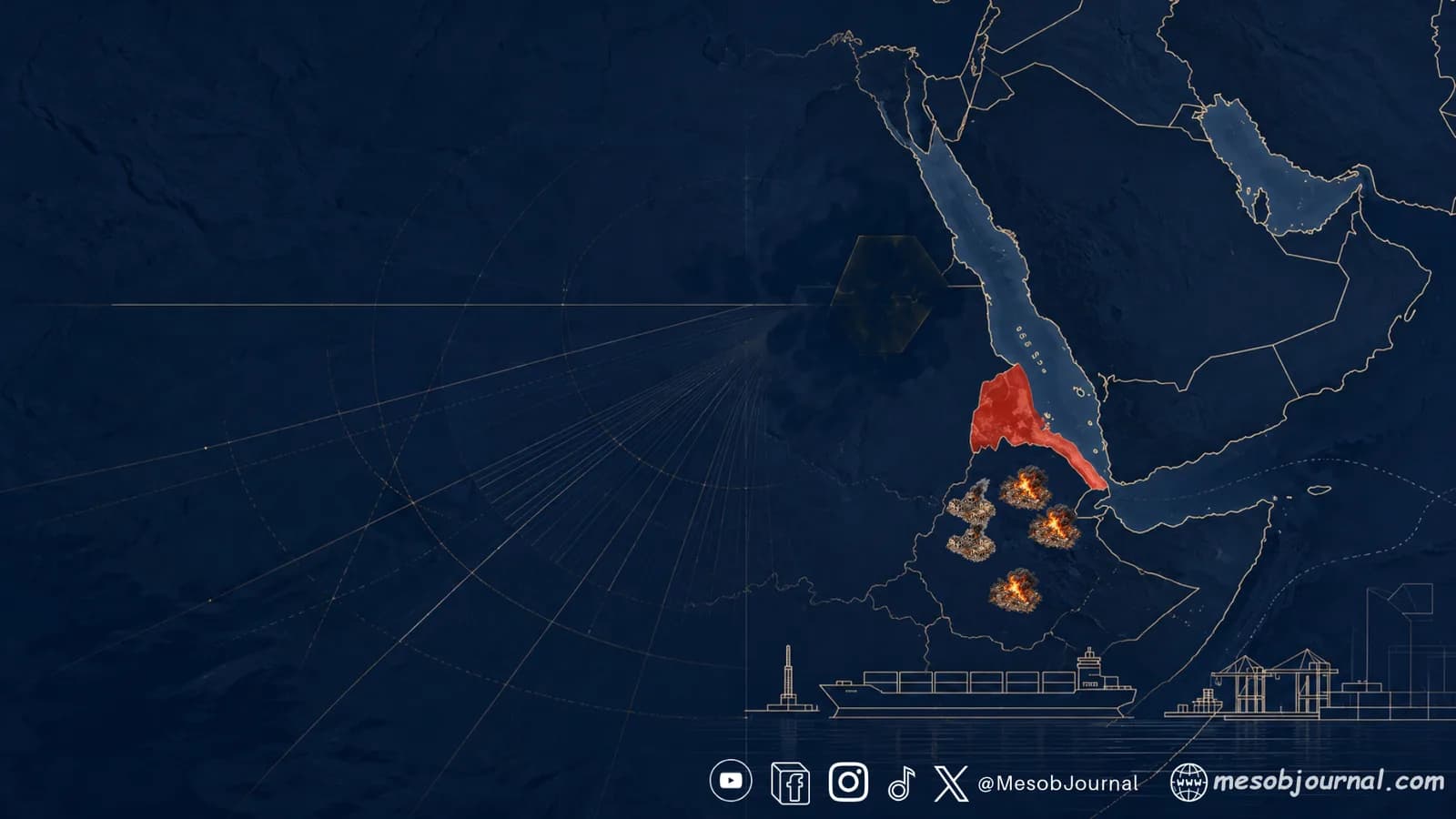
Ethiopia’s Maritime Ambitions and the Narrative That Hides Them
David Yeh examines Ethiopia’s maritime ambitions, the distinction between commercial sea access and strategic demands, and the implications for Eritrean sovereignty.


We use cookies to improve your experience, analyze traffic, and show relevant content. You can accept all, reject non‑essential, or manage preferences.
David Yeh examines Ethiopia’s maritime ambitions, the distinction between commercial sea access and strategic demands, and the implications for Eritrean sovereignty.
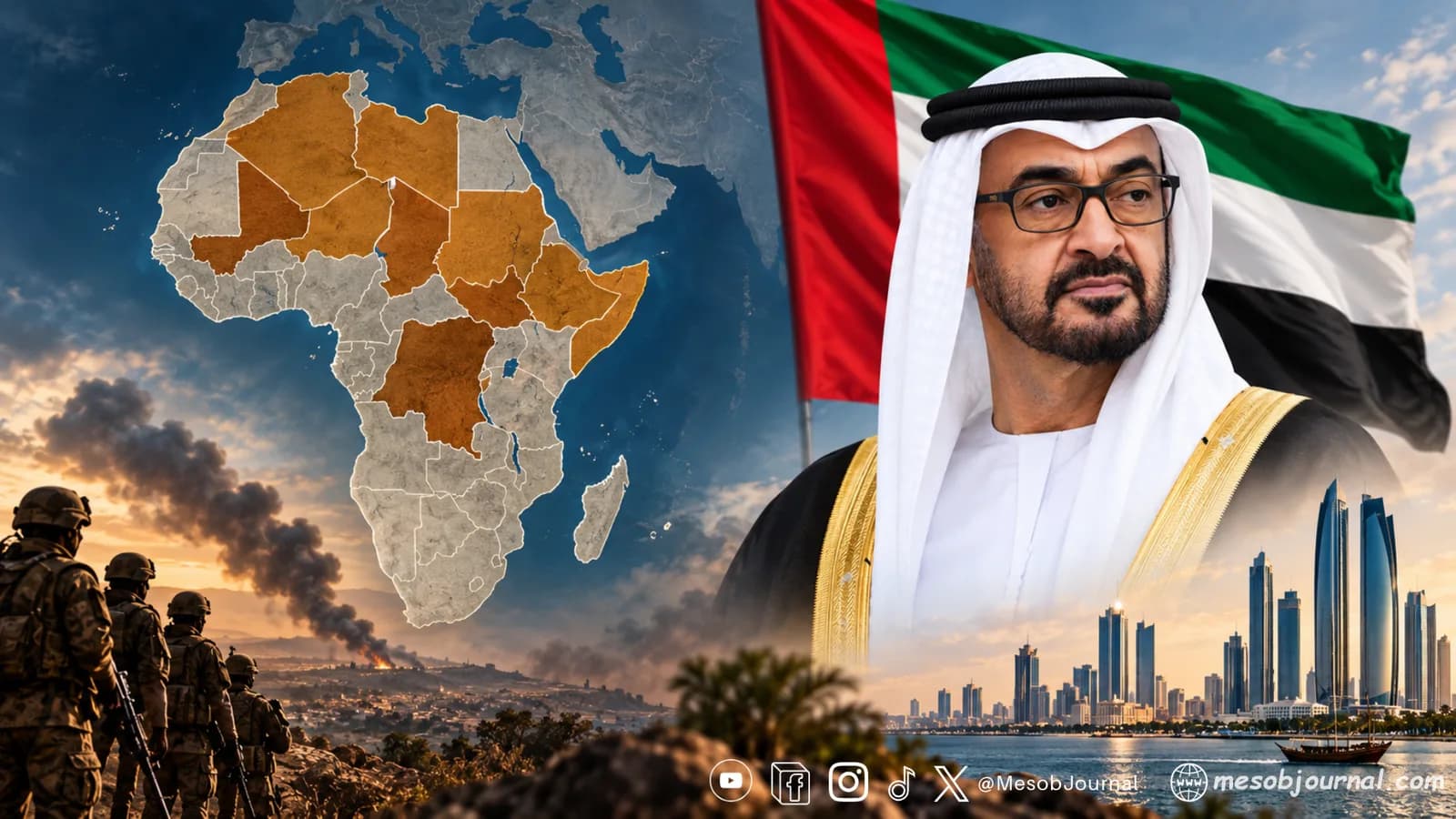
A May 2026 SWP study calls the UAE one of the most aggressive external actors in African conflicts, and names Sudan, Libya, Somalia and Ethiopia. Ten countries — from the RSF's supply corridors to conflict gold in eastern Congo — show how Emirati military, financial and logistical networks connect wars that look domestic.
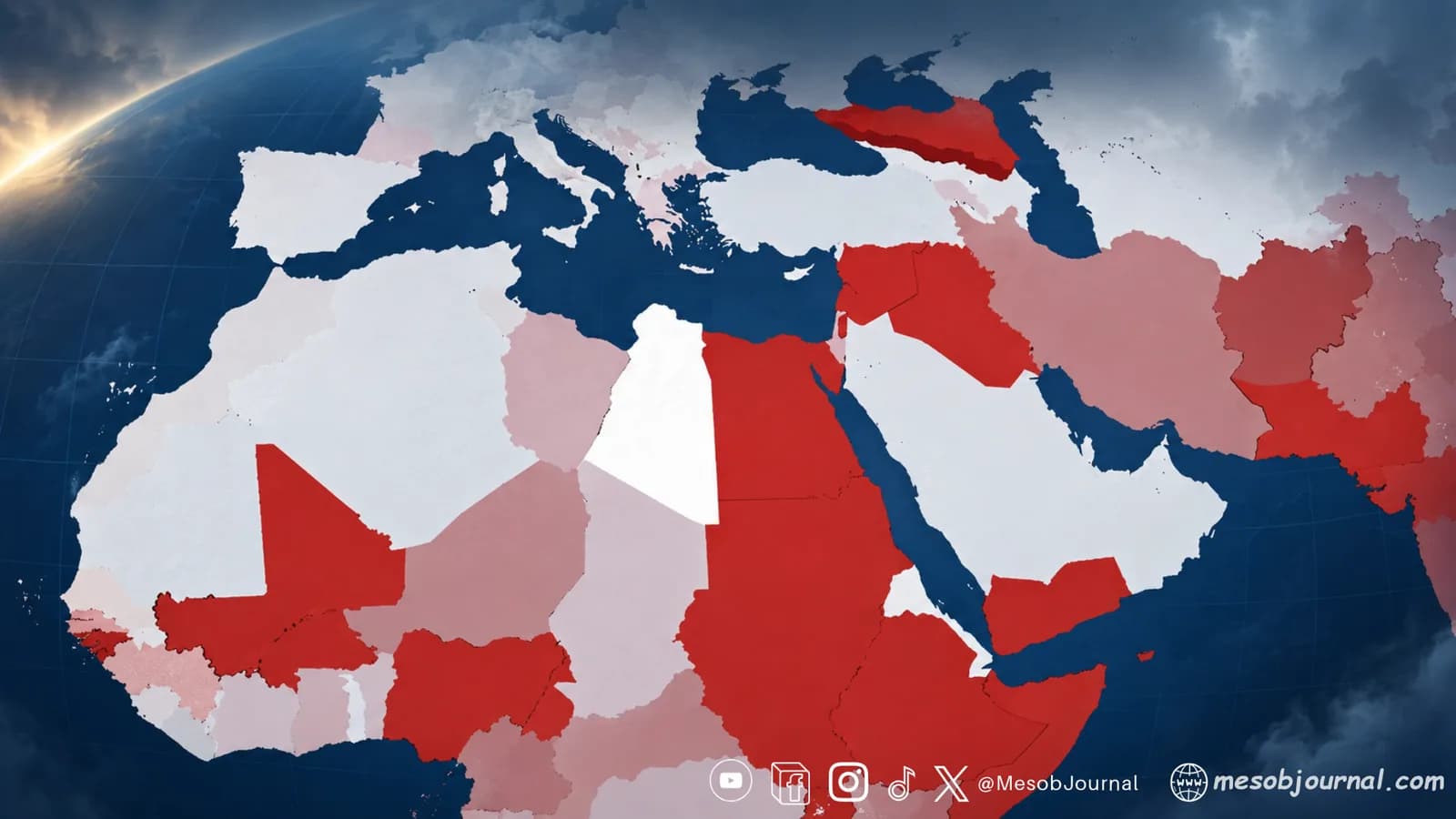
Sudan is consumed by war, Ethiopia faces renewed armed confrontation, Somalia still battles al-Shabaab and Yemen remains mired in conflict. ACLED's Conflict Index places Eritrea well outside the region's main concentrations of political violence, a trajectory the essay argues deserves serious, evidence-based study rather than uncritical praise or blanket condemnation.
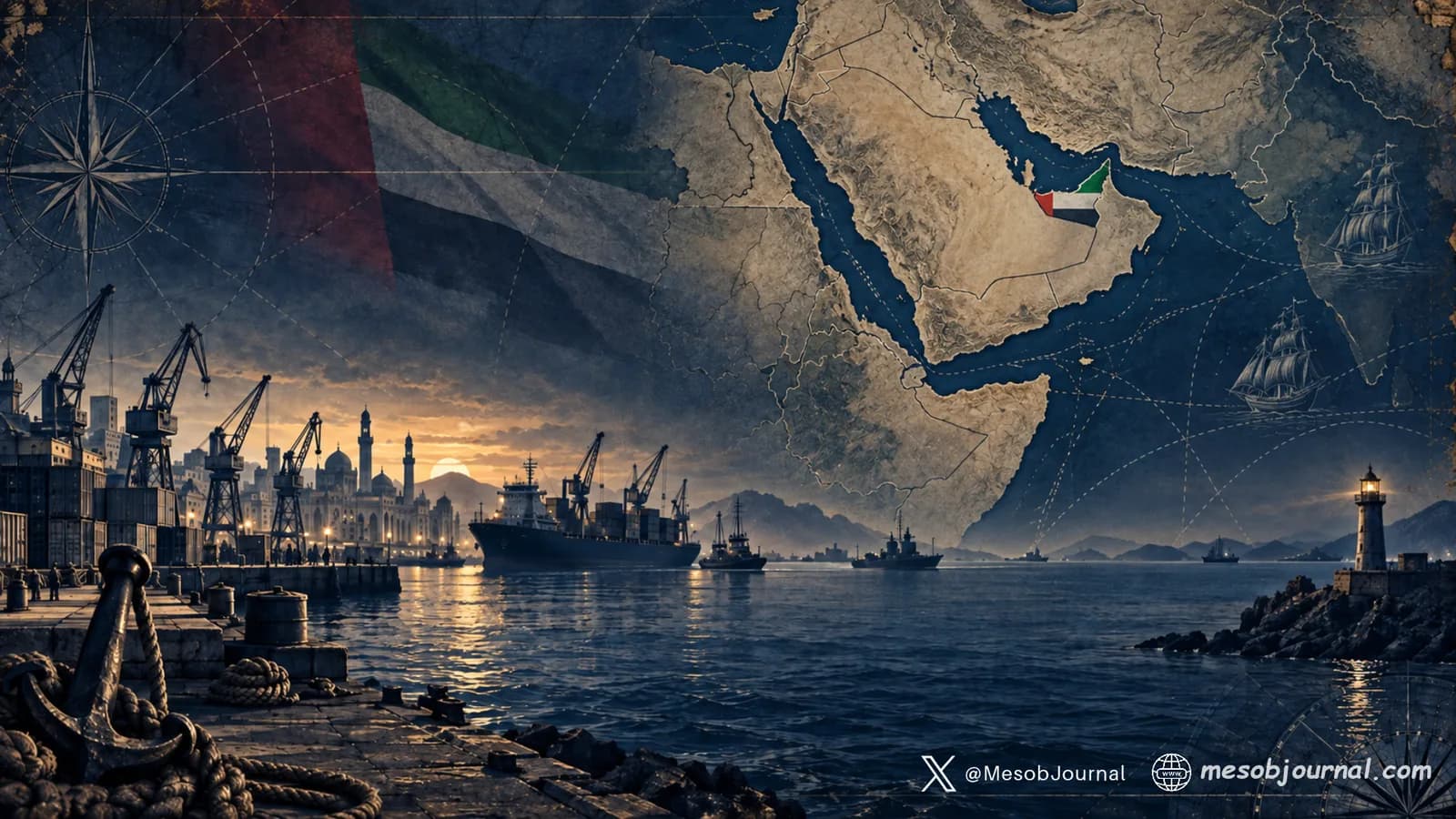
Port imperialism has become a central claim in Eritrean arguments against foreign logistics concessions at Red Sea gateways. This analysis weighs that critique against the commercial realities facing Massawa and Assab, and asks where sovereign defence ends and self-inflicted isolation begins.
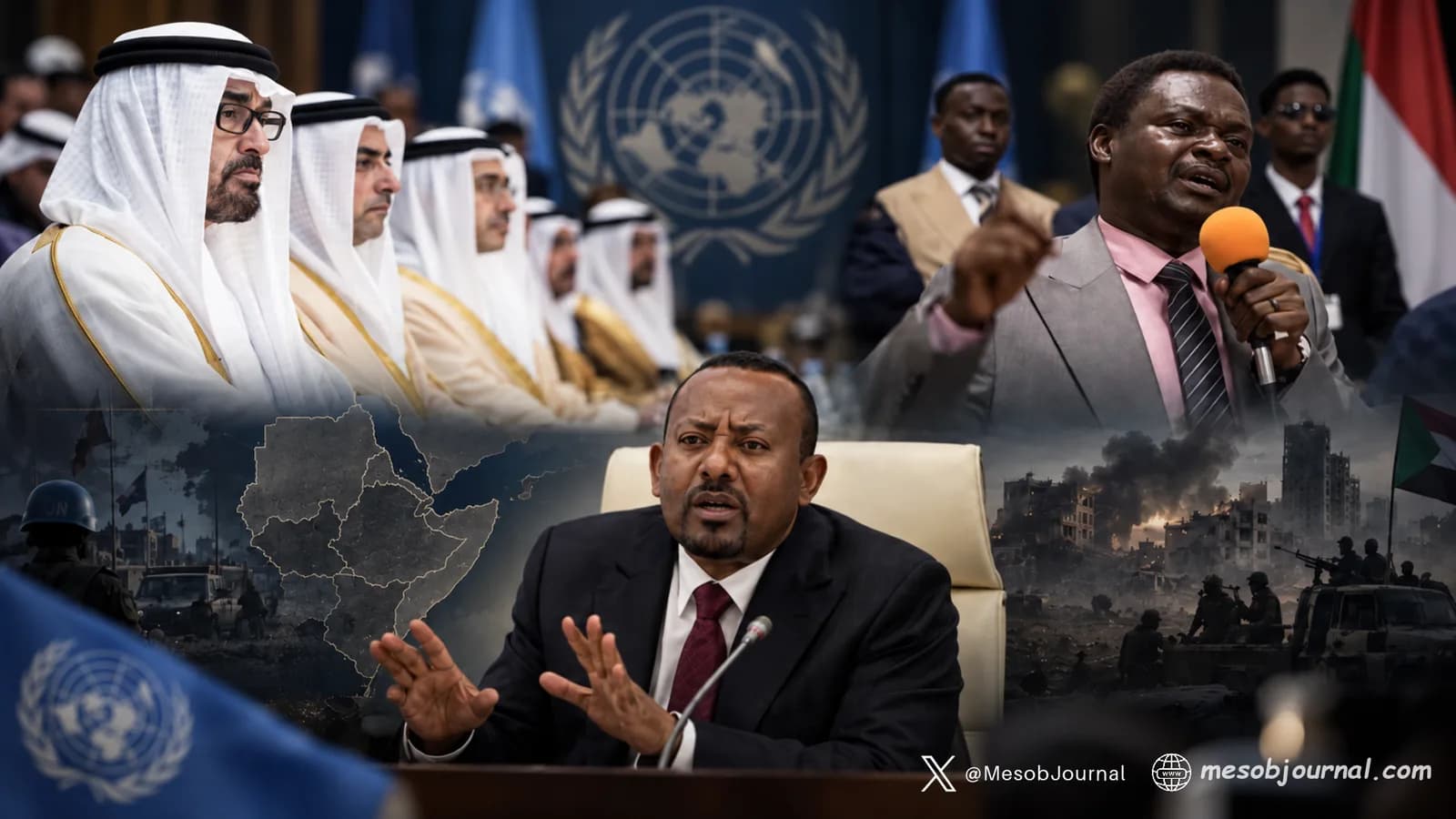
There are verified reports that the United Arab Emirates has been directly paying United Nations officials to silence them, and if that accusation alone shocks the conscience, it is only because the full architecture of influence that surrounds it has remained hidden for so long.
African Union Day, Without the Hegemonic Gloss: Africa’s digital future will not be authored by any single state. Sovereignty is continental, distributed, and non-transferable. The next frontier belongs to Africans who build without dependency, govern without external leverage, and innovate without narrative gatekeepers.
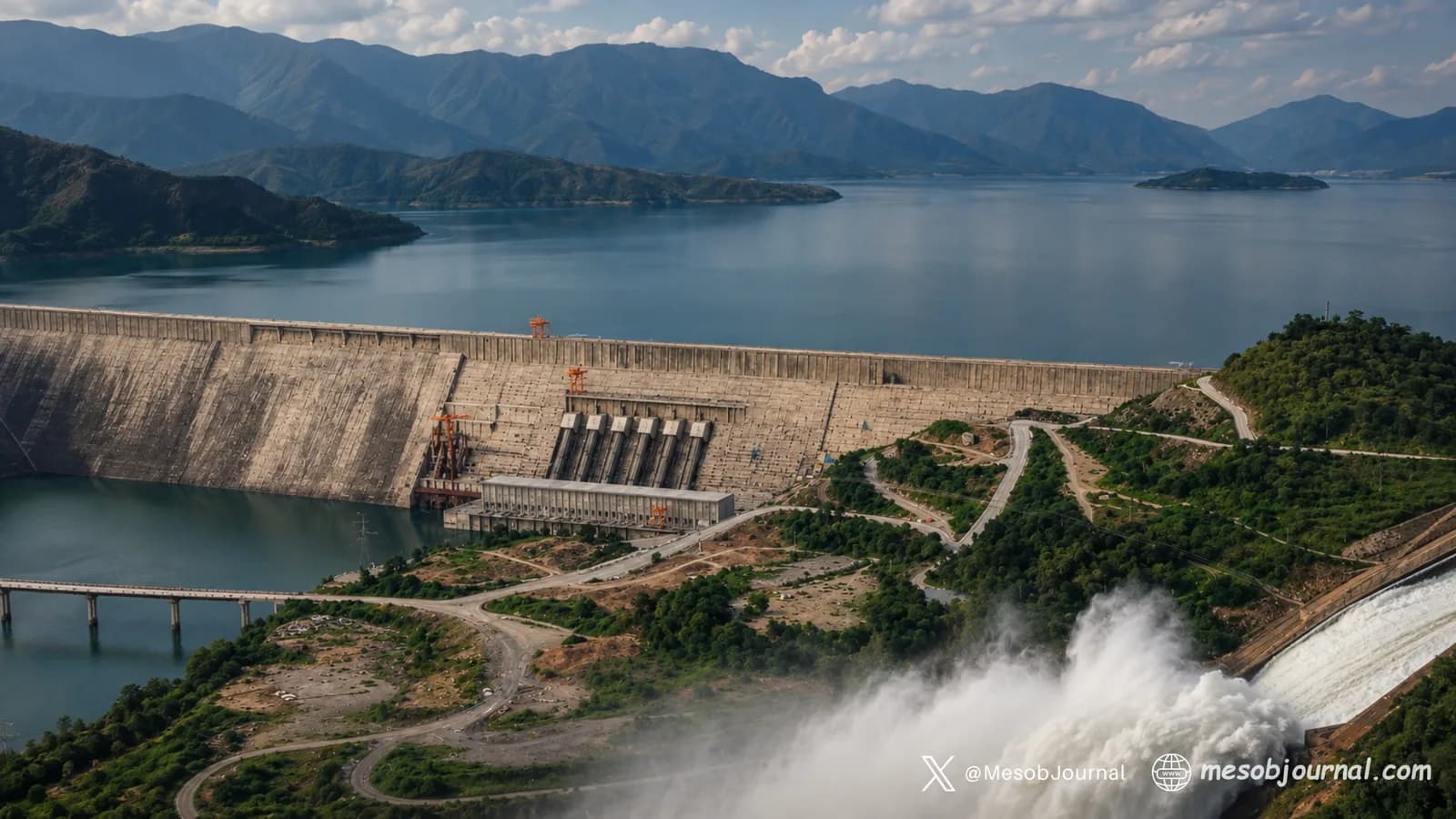
The dispute between Egypt and Ethiopia over the Nile has evolved from a disagreement over the Grand Ethiopian Renaissance Dam into a broader geopolitical confrontation over water security, national sovereignty and regional power.
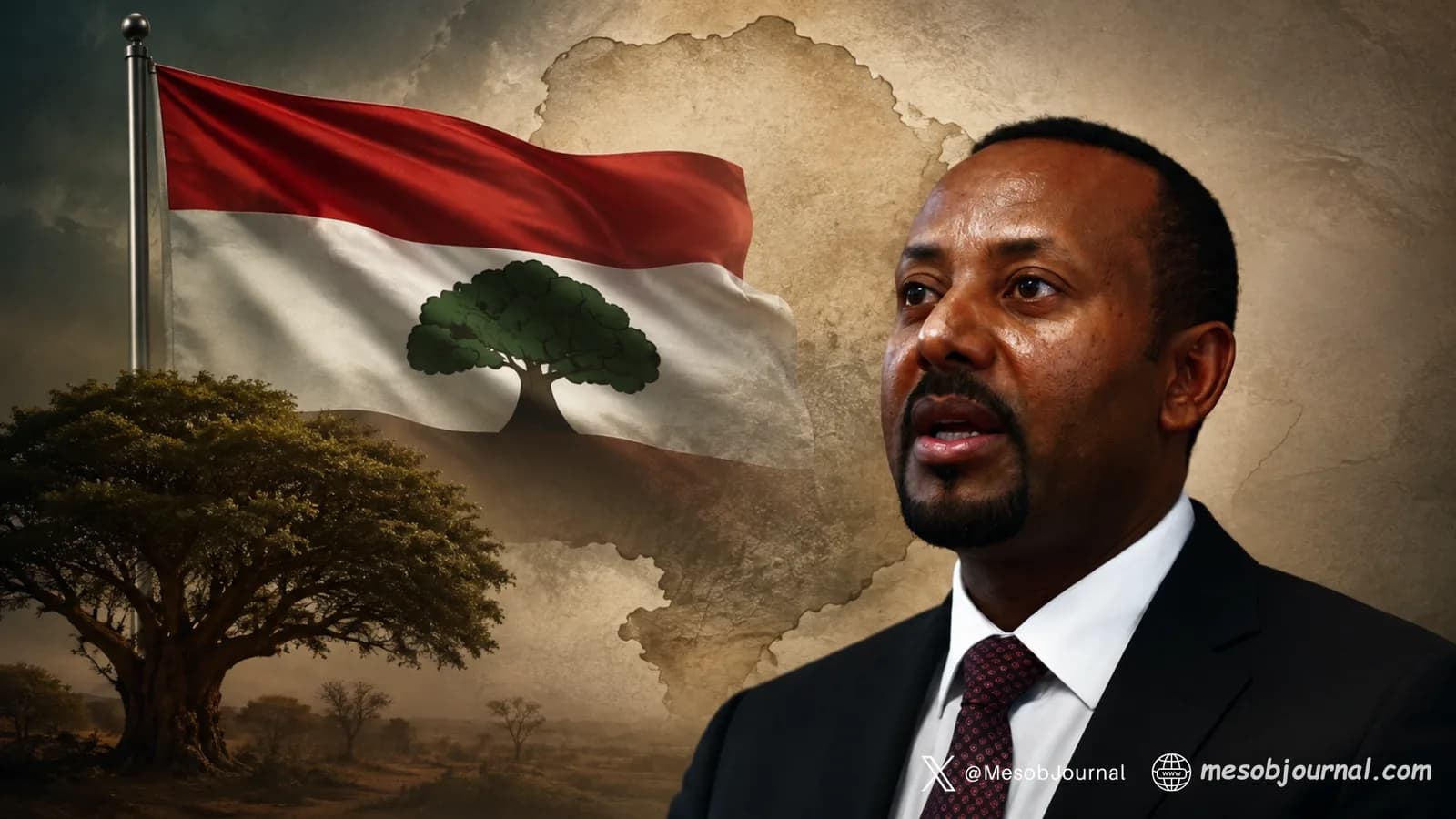
Is Oromummaa shifting from cultural identity toward a framework of political dominance? David Yeh examines Oromo political influence, Finfinnee, historical narratives, Abiy Ahmed’s Medemer, and the risks of replacing one ethnic hegemony with another.
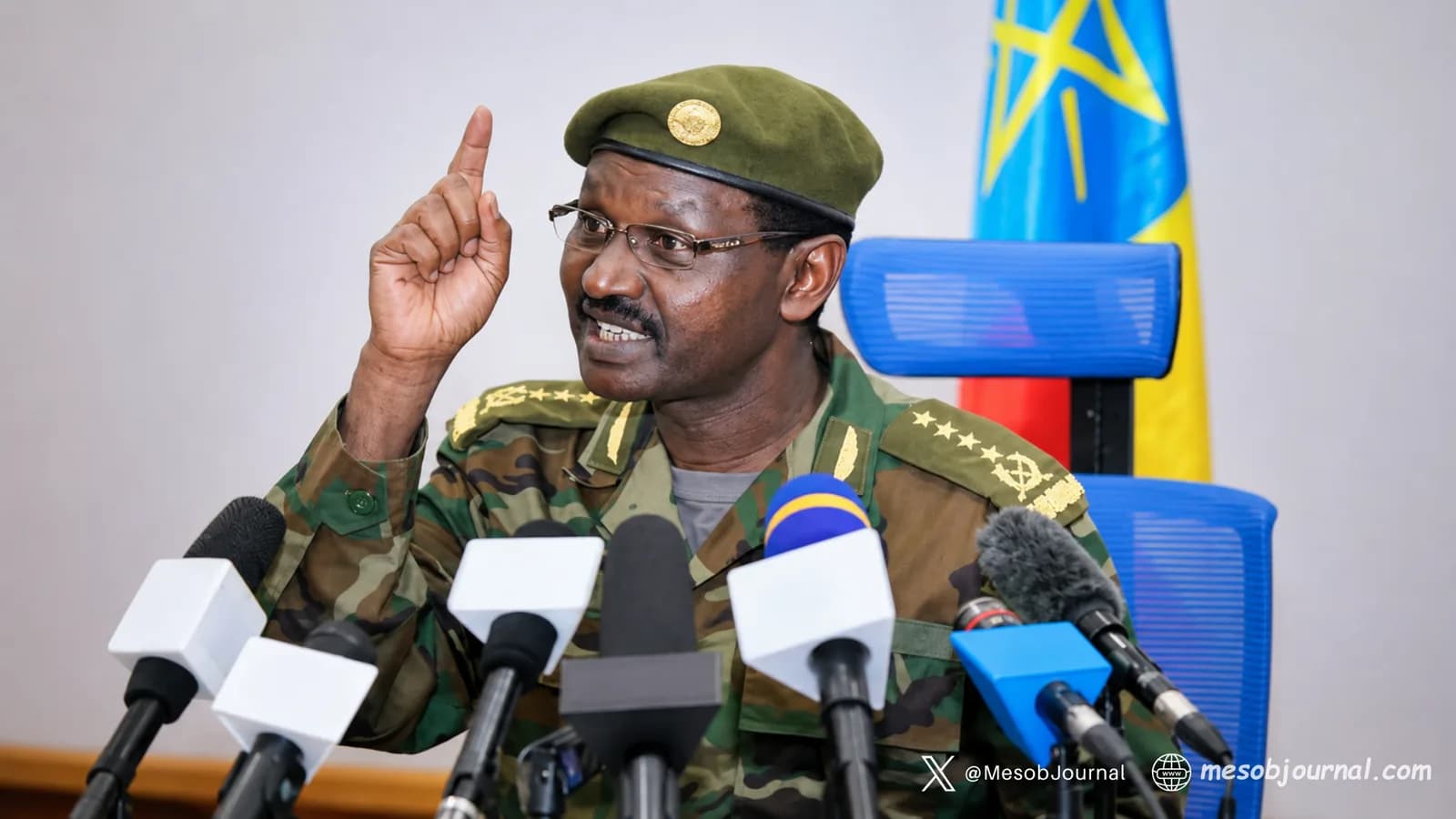
Ethiopia's Chief of Staff, Birhanu Jula, publicly acknowledged the country's deepening political and security crisis, highlighting lawlessness and internal conflict. His remarks challenge the narrative of external conspiracies as the primary cause of Ethiopia's turmoil.

Eritrea's Central Bank has mandated citizens to deposit physical Nakfa cash into commercial banks, aiming for economic self-reliance and financial transparency. This directive seeks to combat the shadow economy and enhance the state's monetary authority.
The article chronicles Eritrea's enduring resilience against external aggression, detailing a history of atrocities from pre-colonial times to the modern struggle for independence. It highlights the systematic violence inflicted by Ethiopian rulers and the unyielding spirit of th
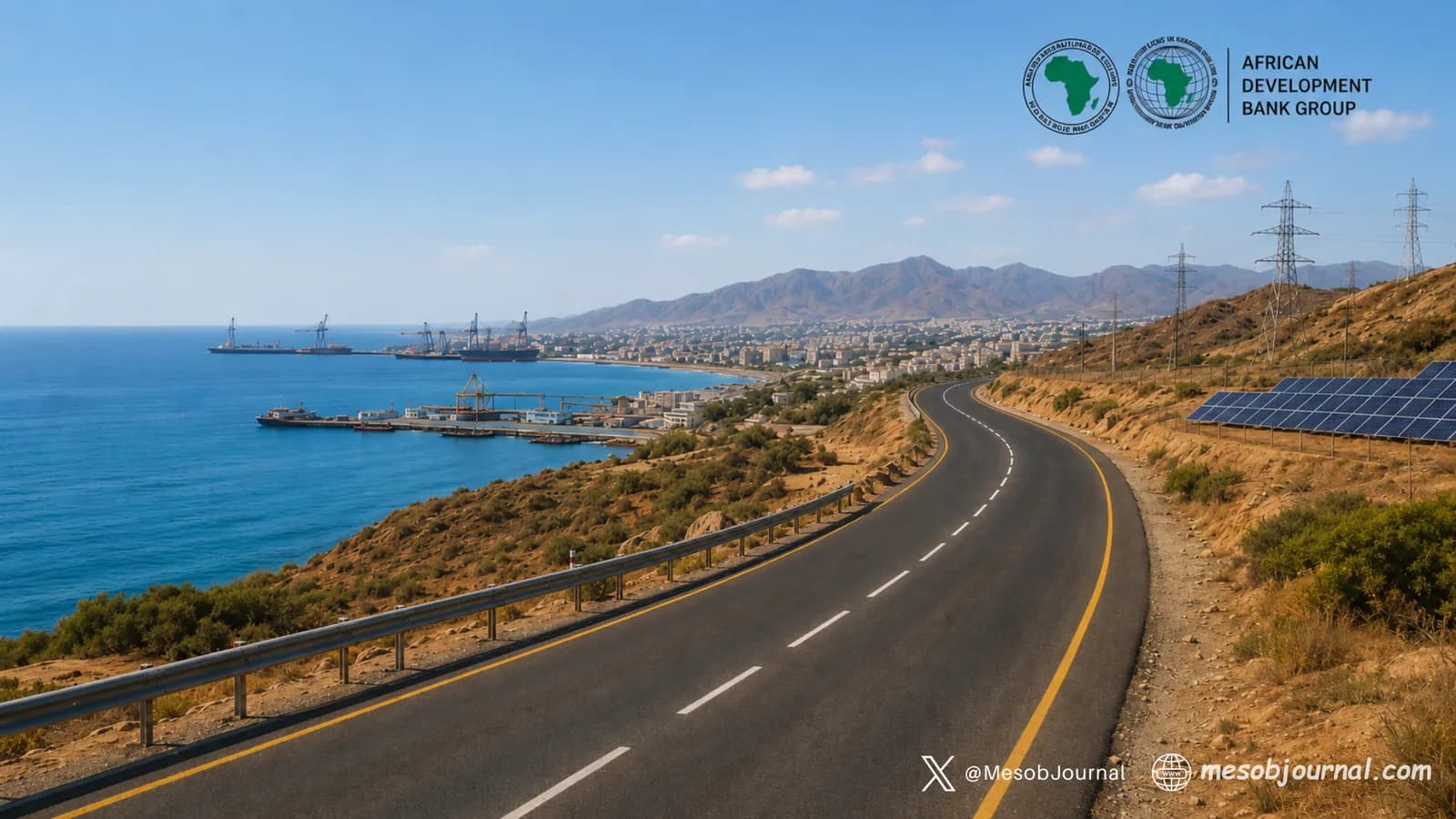
Eritrea is advancing its infrastructure and energy development through strategic projects in transport and renewable energy, supported by the African Development Bank. These initiatives aim to enhance connectivity, boost economic growth, and improve living standards.