
Asmara says the Special Rapporteur’s report relies on anonymous claims, overlooks documented development progress and turns human rights scrutiny into a selective political exercise.
Eritrea has rejected the latest report presented to the United Nations Human Rights Council, calling it methodologically flawed, unbalanced and disconnected from conditions inside the country.
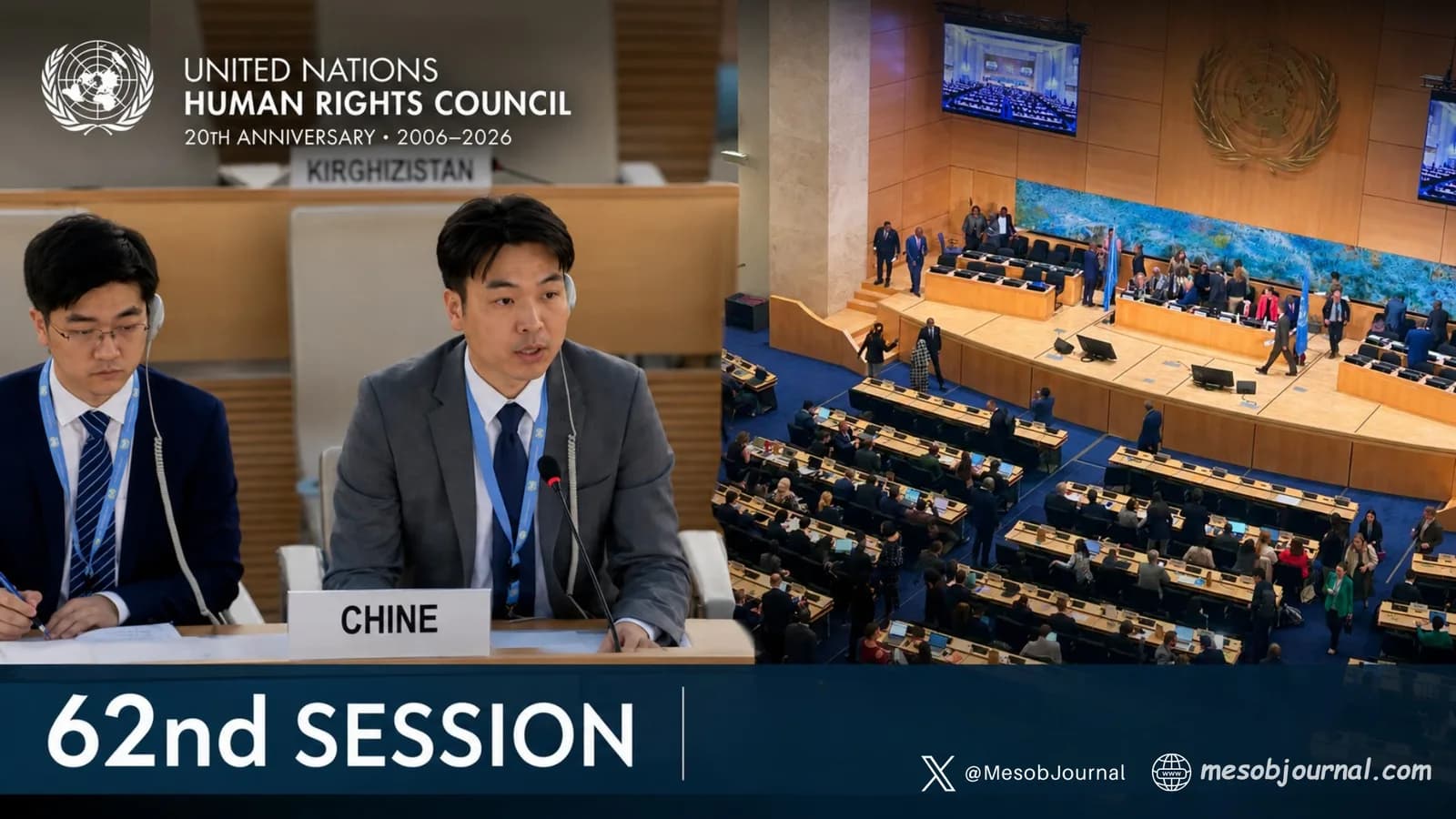
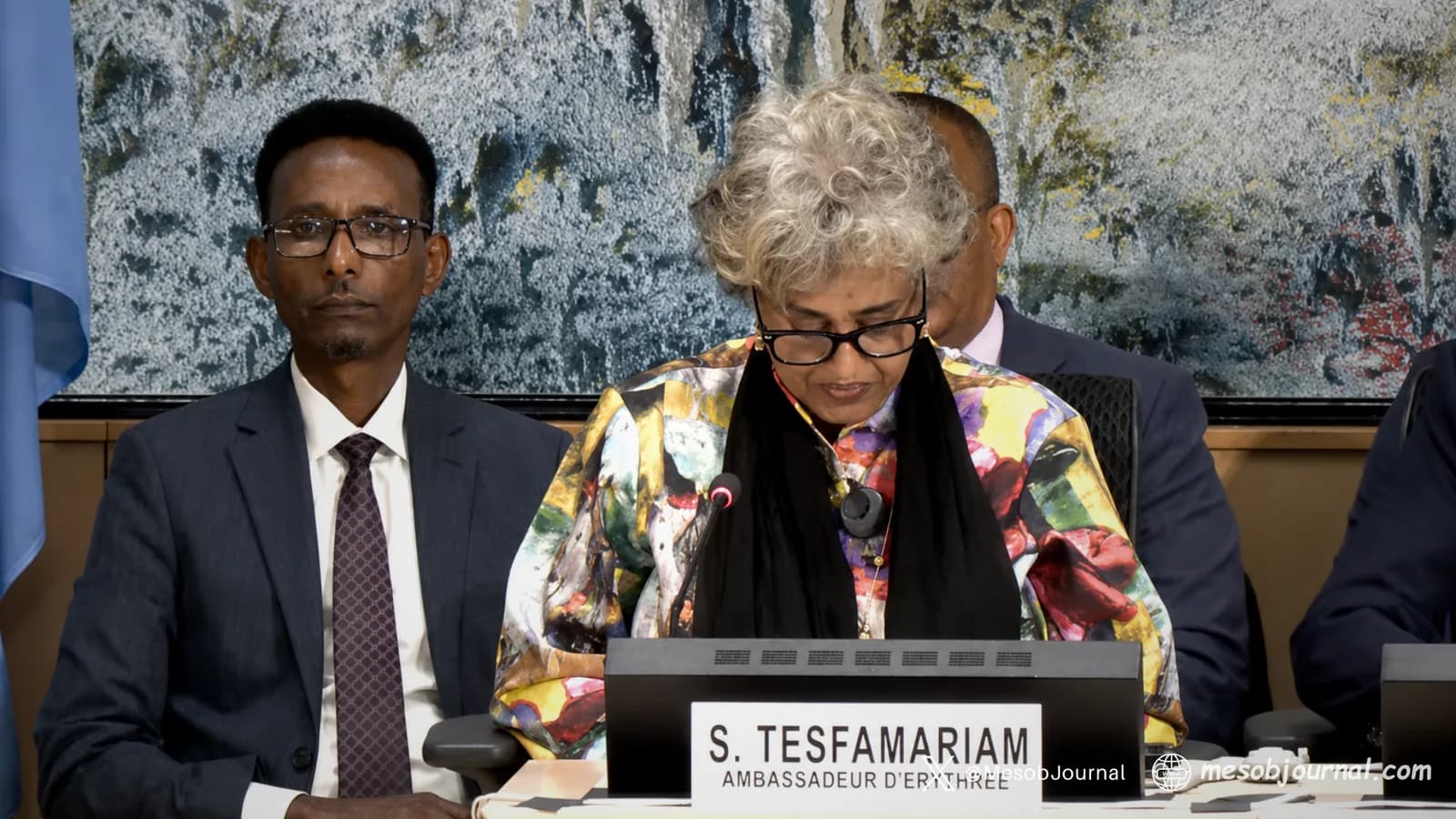
The statement was delivered in Geneva on 15 June 2026 by Eritrea’s Permanent Representative to the United Nations Office in Geneva, Ambassador Sophia Tesfamariam, during the Enhanced Interactive Dialogue on the Situation of Human Rights in Eritrea.
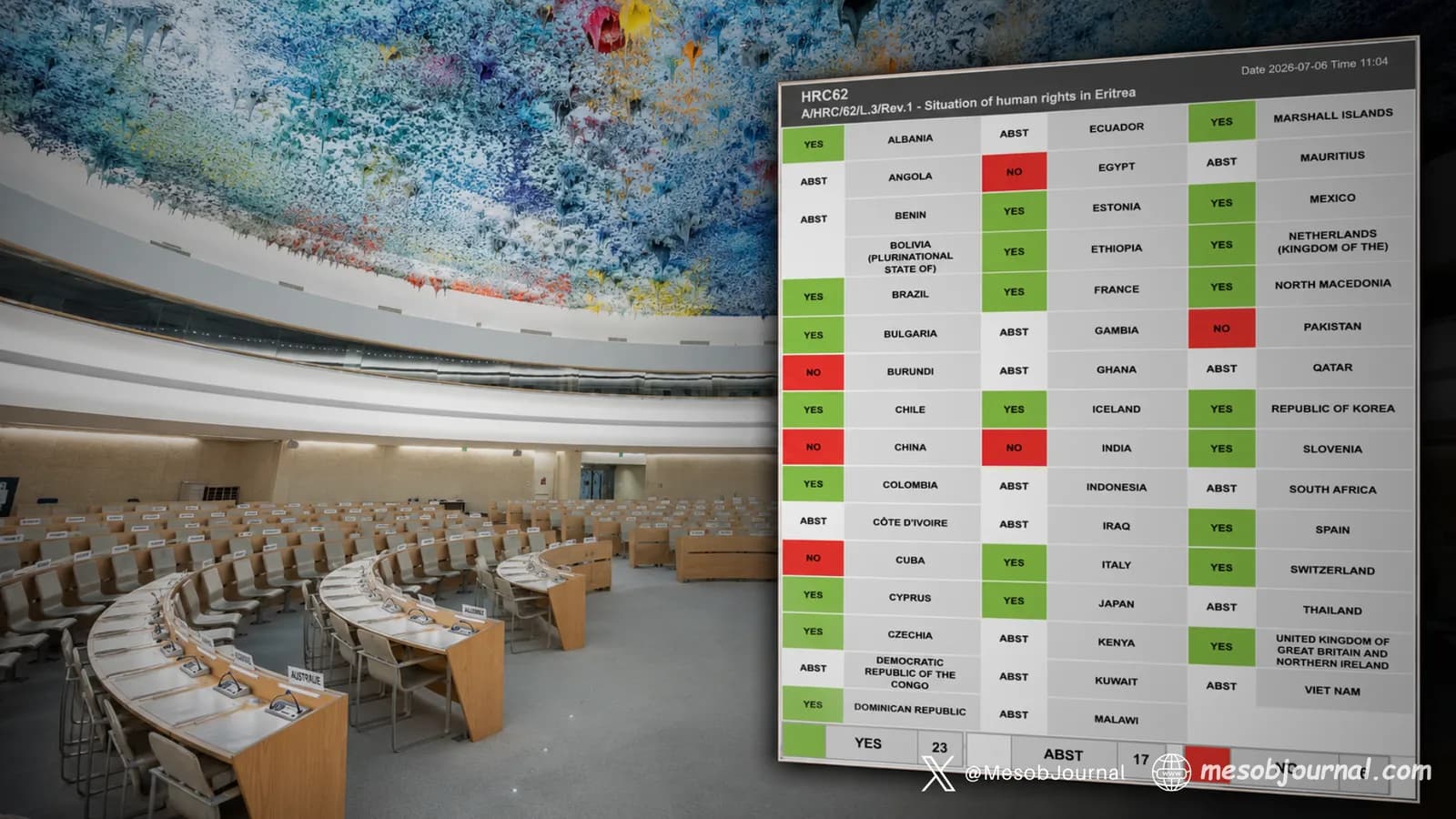
Speaking before the Council, Tesfamariam said Eritrea rejects both the report and the draft resolution attached to the mandate, arguing that the process has failed to meet the standards of objectivity, balance and evidentiary rigor expected from a United Nations mechanism.
According to Eritrea, the report relies heavily on anonymous and unverified sources while giving limited attention to information from UN agencies and other institutions that have recorded progress in health, education, food security, infrastructure and socioeconomic development.
That imbalance, Asmara argued, has produced a distorted picture of the country.
“Repetition does not constitute evidence,” Tesfamariam told the Council, rejecting what Eritrea sees as the annual recycling of contested allegations through the same country-specific mandate.
The statement marks Eritrea’s latest and most direct challenge to a mechanism it has opposed for years. Asmara has long argued that the mandate is not a neutral human rights instrument, but a selective process shaped by external political pressure and narrow sourcing.
A central point in the Eritrean response was methodology. Tesfamariam said the Special Rapporteur gives disproportionate weight to claims advanced by a small circle of external actors, while treating allegations as established fact without adequate scrutiny or corroboration.
The issue, according to Eritrea, is credibility: whether a UN process can sideline verifiable information from institutions operating on the ground while elevating anonymous claims gathered outside the country.
The ambassador also addressed Eritrea’s National Service Programme, one of the issues repeatedly cited in UN reports.
She said the programme, established under Proclamation No. 82/1995, is a sovereign national institution designed to protect independence, territorial integrity and national security, while also strengthening social cohesion, self-reliance and resilience.
Eritrea maintains that the extension of national service beyond the statutory 18 months has been shaped by unresolved regional tensions and persistent external security threats.
Tesfamariam also pointed to a broader double standard. Several European countries have revived, expanded or debated forms of conscription in response to changing security conditions, she said, yet Eritrea is denied the same sovereign space to assess its own security environment.
The comparison goes to the heart of Eritrea’s argument: small African states are often judged through standards that powerful countries would never accept for themselves.
The Eritrean statement also rejected the Special Rapporteur’s claim that his mandate is the only international mechanism responsible for monitoring Eritrea. Tesfamariam noted that Eritrea, like other UN member states, is already assessed through the Universal Periodic Review, treaty bodies, specialized agencies and other intergovernmental processes.
In Eritrea’s view, those universal mechanisms are the proper forum for human rights engagement because they apply to all states, not only to politically selected countries.
The statement was particularly critical of the Special Rapporteur’s treatment of African states that have questioned the mandate. Tesfamariam said a rapporteur is appointed to assess a country situation, not to question the independent positions of member states within the Council.
That point matters beyond Eritrea. In Geneva, African states that reject or abstain from country-specific mandates are often treated as if they are evading human rights concerns. Eritrea’s response turns that assumption around: disagreement inside the Council is not a problem to be corrected, but a normal expression of sovereign judgment in multilateral diplomacy.
Tesfamariam also questioned why African states are criticized for their positions while coordinated voting by penholders, including European Union member states, receives little scrutiny.
For Eritrea, the mandate has become a test of whether the Human Rights Council can respect pluralism among states or whether it will treat dissenting views as illegitimate when they challenge the preferred line of powerful blocs.
The broader message from Asmara was clear. Eritrea does not accept a framework in which human rights are separated from sovereignty, security, development and historical context.
The country has faced decades of war, sanctions, external pressure and regional instability. Yet it has maintained public administration, social stability and essential services while continuing long-term investment in education, health, food security and infrastructure.
That reality, Eritrea argues, is almost invisible in the Special Rapporteur’s reporting.
By rejecting the report, Asmara is not simply objecting to criticism. It is challenging the structure through which that criticism is produced, repeated and converted into diplomatic pressure.
“When a country-specific mechanism persists despite sustained questions regarding its selectivity, methodology, and balance, it risks shifting from a tool of engagement into one of entrenchment,” Tesfamariam told the Council.
That went to the core of Eritrea’s position. A mandate that does not build trust, does not reflect realities on the ground and does not command broad confidence among member states cannot credibly claim to promote constructive dialogue.
Eritrea’s call is therefore not for exemption from international engagement. It is for an end to a mechanism it views as selective, politicized and no longer capable of producing fair assessment.
Asmara is asking the Council to return to universal mechanisms, evidence-based reporting and respectful dialogue among sovereign states.
At a time when the language of human rights is increasingly used in international politics, Eritrea’s intervention in Geneva raises a wider question for the Human Rights Council itself: can human rights reporting remain credible if it is seen by many states as selective, externally driven and resistant to correction?
For Eritrea, the answer lies in ending the country-specific mandate.
The government rejected the report, rejected the resolution before the Council and reiterated its call for the mandate to be terminated.