
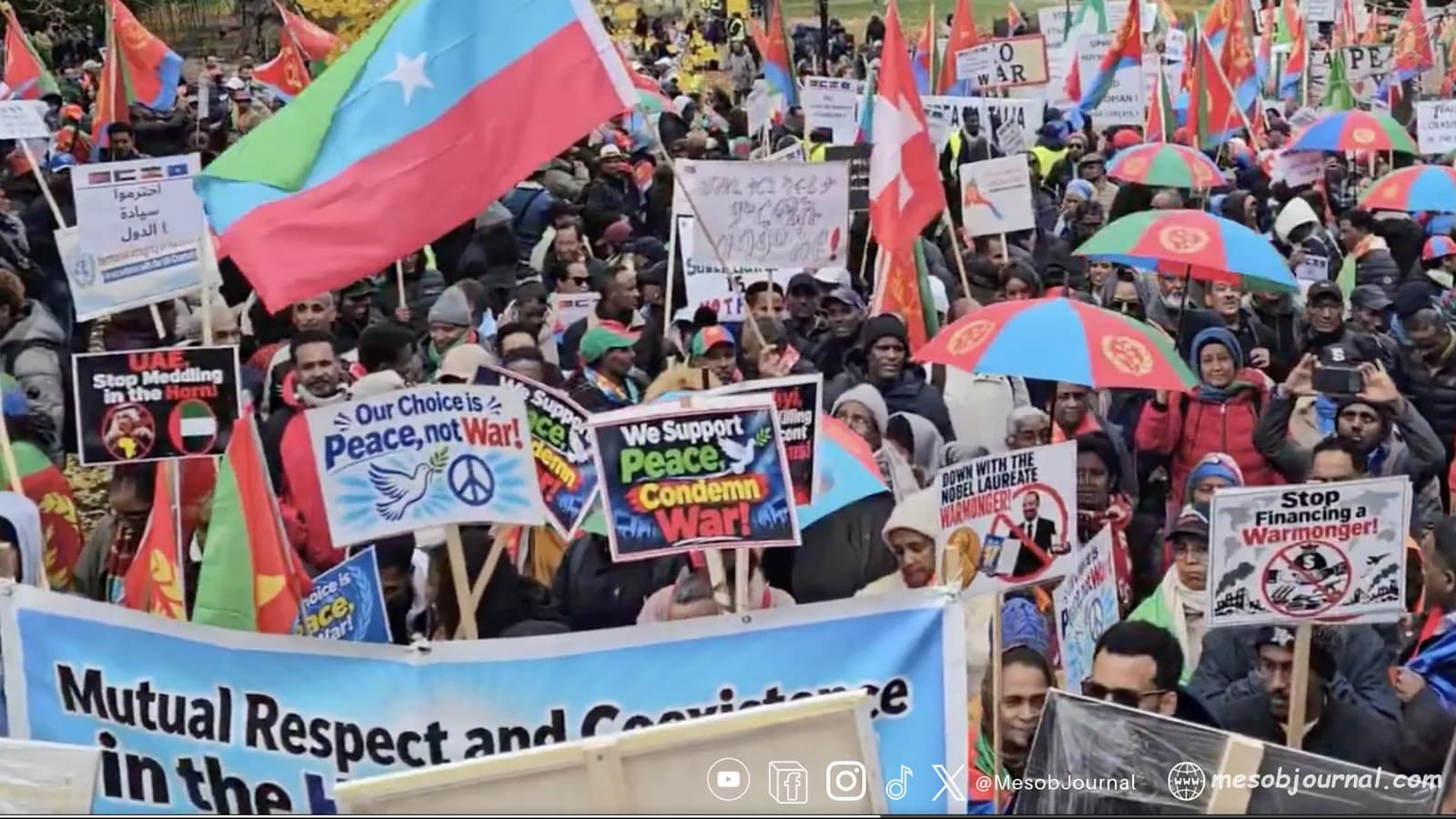
Eritrean, Sudanese, Somali and Ethiopian demonstrators unite for peace as Washington and the G7 warn of regional escalation amid Abiy Ahmed’s territorial claims, military buildup and threats against Eritrea.
GENEVA, November 14, 2026 — Eritrean-led demonstrators from across Europe gathered in Geneva on Friday, November 13, calling for peace and respect for national sovereignty as Ethiopia’s escalating military threats against Eritrea raised growing international alarm, prompting urgent warnings from Washington and the Group of Seven (G7) nations.
The demonstration brought together Eritrean, Sudanese, Somali and Ethiopian communities in a united call against war, territorial aggression and foreign interference across the Horn of Africa.
Organized primarily by the Eritrean community’s Comité de la mobilisation populaire, the peaceful gathering began at Parc des Cropettes, near Geneva’s Cornavin railway station, before participants assembled near the United Nations offices.
Under the banner of a “Call for Peace,” demonstrators rejected military intimidation, violations of sovereignty and the growing danger of another devastating regional war.
The rally took place just days after a U.S. congressional assessment warned that Ethiopia and Eritrea appeared to be preparing for war, five U.S. senators urged Washington to reject any forcible Ethiopian acquisition of Eritrea’s port of Assab, and G7 foreign ministers warned of potentially serious consequences for the entire Horn of Africa.
A United Call for Peace and Sovereignty
The Geneva gathering reflected concerns extending beyond Eritrea’s immediate security.
Participants from Sudan, Somalia and Ethiopia joined Eritrean demonstrators in demanding an end to regional hostilities and external interference, particularly amid the continuing war in Sudan and rising tensions surrounding Ethiopia’s maritime ambitions.
The protesters also criticized the United Arab Emirates over its alleged role in fueling regional conflicts, particularly through support for armed actors in Sudan.
Their central demand was respect for the sovereignty, political independence and internationally recognized territorial integrity of every country in the region.
Eritrea’s Permanent Representative to the United Nations, Ambassador Sophia Tesfamariam, welcomed the demonstration, congratulating participants for raising their voices in support of peace.
In a message shared on X, she praised their commitment to peace, dignity and mutual respect among the peoples of Eritrea, Ethiopia, Somalia and Sudan.
The gathering carried particular significance because its demands coincided with increasingly explicit warnings from international diplomatic and security institutions.
Washington Warns Against Any Military Seizure of Assab
On November 6, the U.S. Congressional Research Service (CRS), Congress’s nonpartisan research body, published an assessment titled The Unfolding Conflict in Ethiopia, warning that the country could be heading toward war with Eritrea.
The report identified Ethiopia’s pursuit of sovereign Red Sea access, its military modernization and its worsening relations with neighboring states as major sources of regional instability.
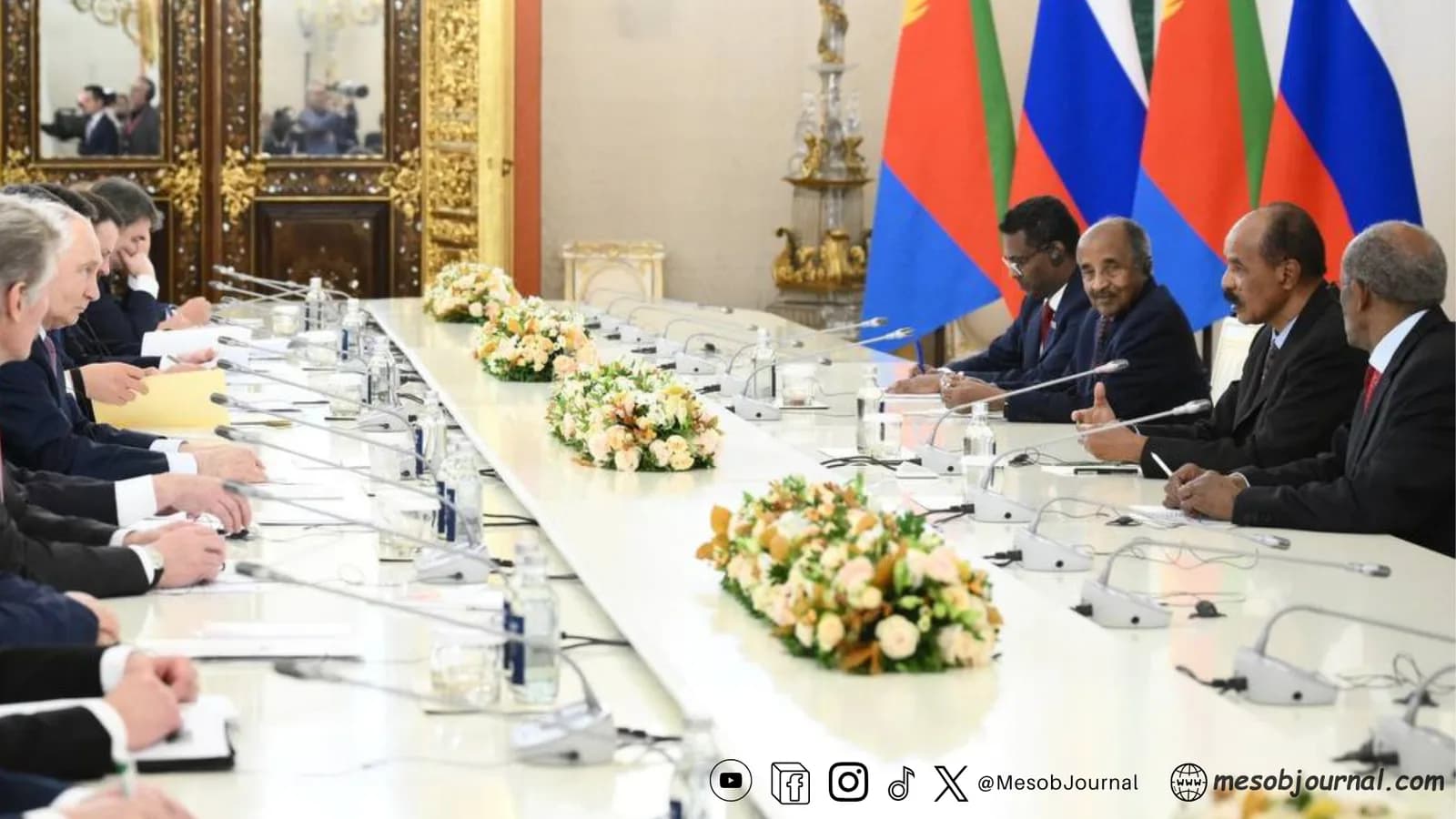
It documented Prime Minister Abiy Ahmed’s portrayal of Ethiopia’s lost coastline as a historical mistake, his government's reconstruction of its navy with Russian support, military parades invoking Assab and the acquisition of advanced Russian combat aircraft and air-defense systems.
The assessment warned that a confrontation could draw in regional and Middle Eastern powers, threatening Red Sea security and international trade.
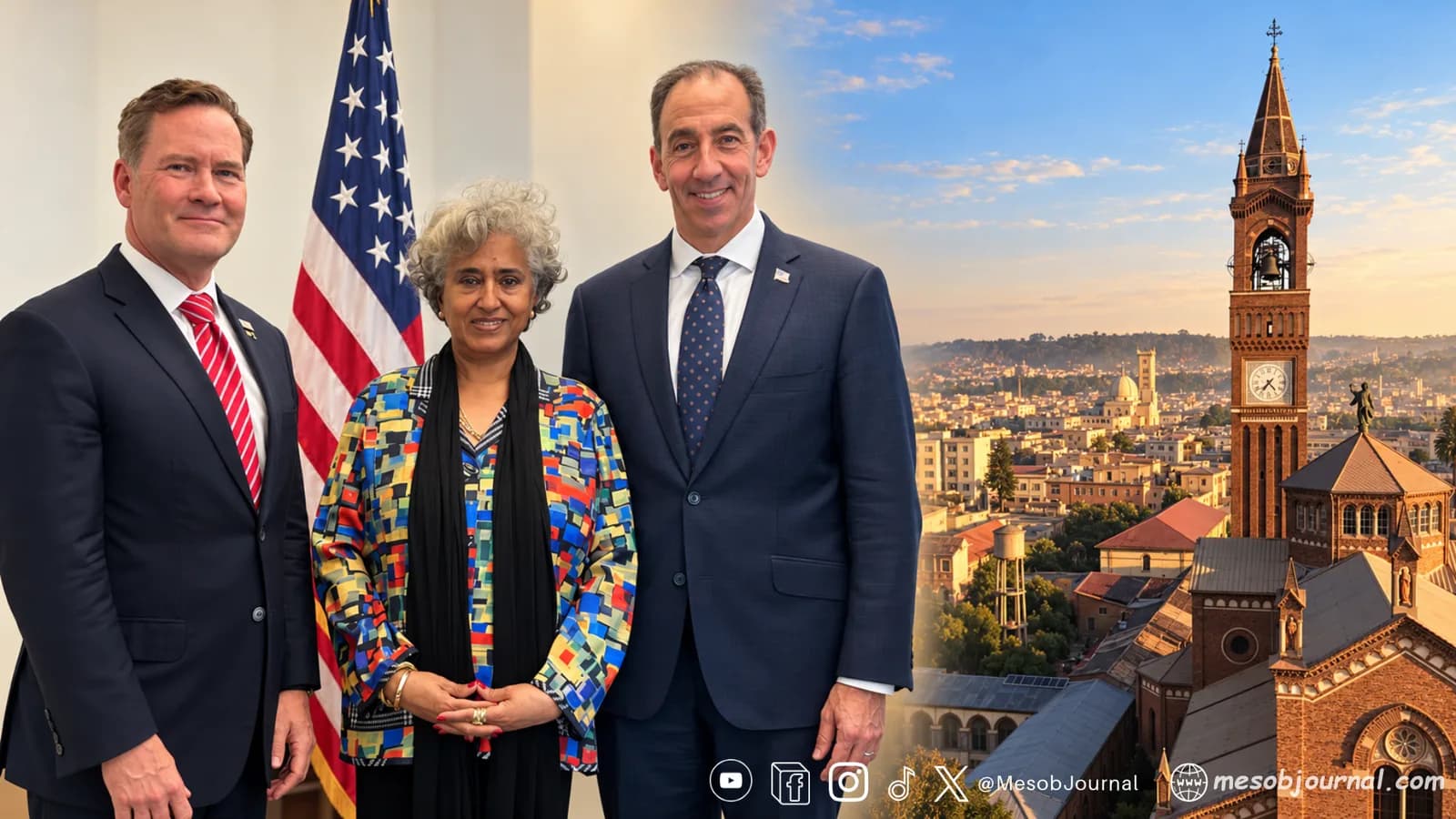
Four days later, on November 10, five Democratic members of the U.S. Senate Foreign Relations Committee sent an urgent letter to Secretary of State Marco Rubio.
Senators Jeanne Shaheen, Cory Booker, Chris Coons, Jeff Merkley and Chris Van Hollen warned that the danger of another Ethiopia–Eritrea war was high and called for stronger American diplomatic intervention.
Their intervention was particularly significant regarding Assab.
The senators explicitly urged the State Department to reject any military acquisition of the Eritrean port and avoid using its transfer as a bargaining instrument in negotiations.
They emphasized that an Ethiopian attempt to obtain Assab by force must receive neither American support nor acceptance.
The lawmakers also called for a halt to new U.S. arms sales to Ethiopia while hostilities continue.
Their position marked an explicit congressional warning against the forcible acquisition of sovereign Eritrean territory.
G7 Sounds the Alarm Over Regional Escalation
International concern intensified on November 11 when G7 foreign ministers issued a joint declaration following their meeting in Paris.
Representing Canada, France, Germany, Italy, Japan, the United Kingdom and the United States, together with the European Union, the ministers expressed serious concern over the deteriorating security situation between Ethiopia and Eritrea.
The declaration warned that further escalation could have severe consequences for regional stability, humanitarian conditions, security and international trade, including in the Red Sea.
The ministers called for maximum restraint and reaffirmed the importance of respecting the sovereignty, political independence and territorial integrity of every country in the region.
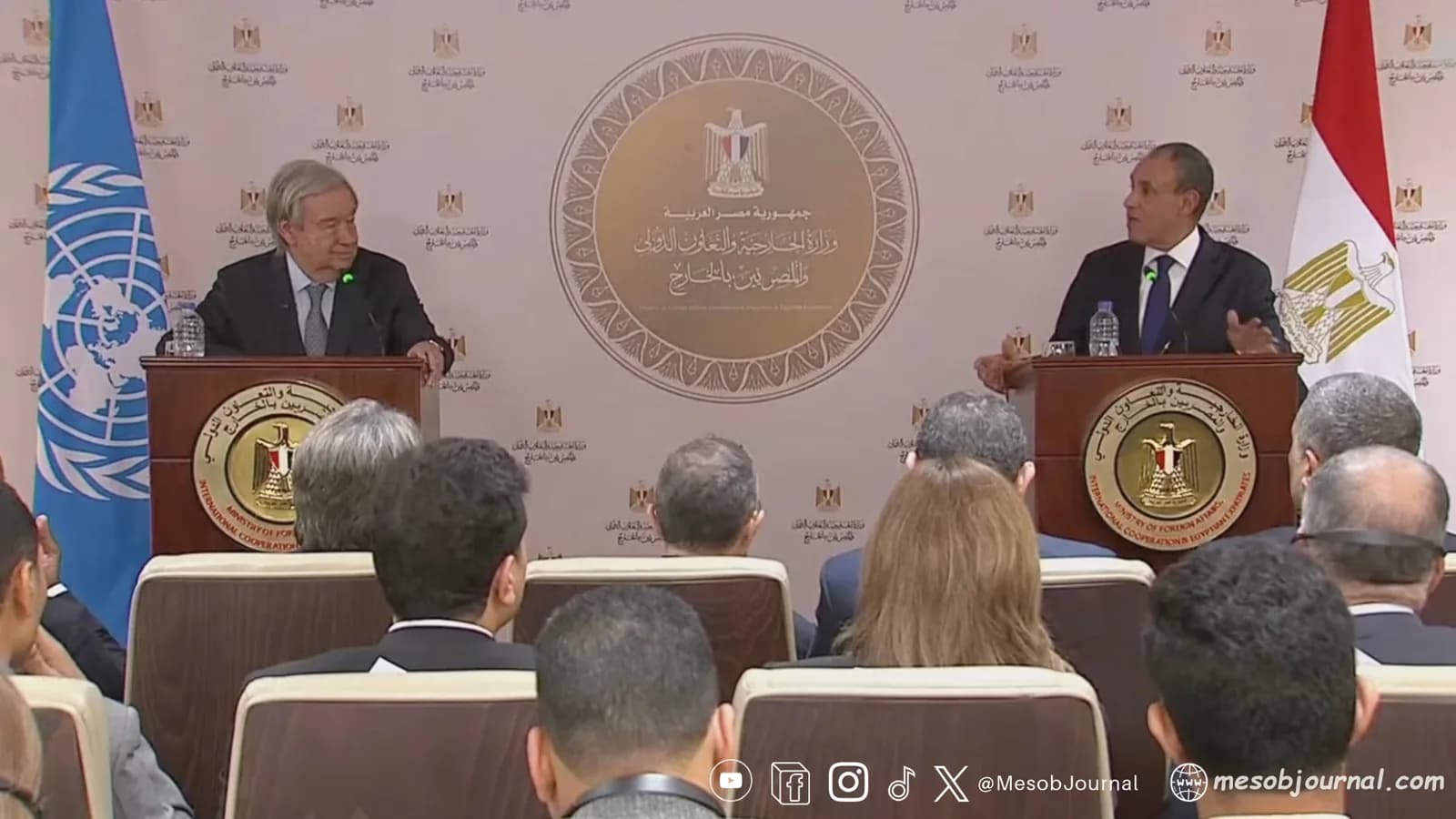
They also supported efforts by the United Nations and African Union to reduce tensions.
The warning brought the danger of another Ethiopia–Eritrea confrontation directly onto the agenda of the world’s leading industrialized democracies.
For the demonstrators in Geneva, the G7 declaration reinforced the urgency of their call for international action before military confrontation spreads beyond the border.
Abiy Ahmed’s Assab Campaign: From Territorial Claims to Military Threats
The international warnings follow years of increasingly aggressive rhetoric from Ethiopia’s political and military leadership.
Since 2023, Prime Minister Abiy Ahmed has repeatedly presented Ethiopia’s acquisition of sovereign Red Sea access as a strategic national imperative, with Eritrea’s port of Assab at the center of the controversy.
In September 2025, Abiy characterized Ethiopia’s loss of Red Sea access following Eritrean independence as a historical mistake that would be corrected.
His position was reinforced by senior military officials and diplomats.
In November 2025, Ethiopia’s then-ambassador to Kenya, retired General Bacha Debele, publicly described Assab as Ethiopian property and spoke of recovering it through force, according to BBC reporting.
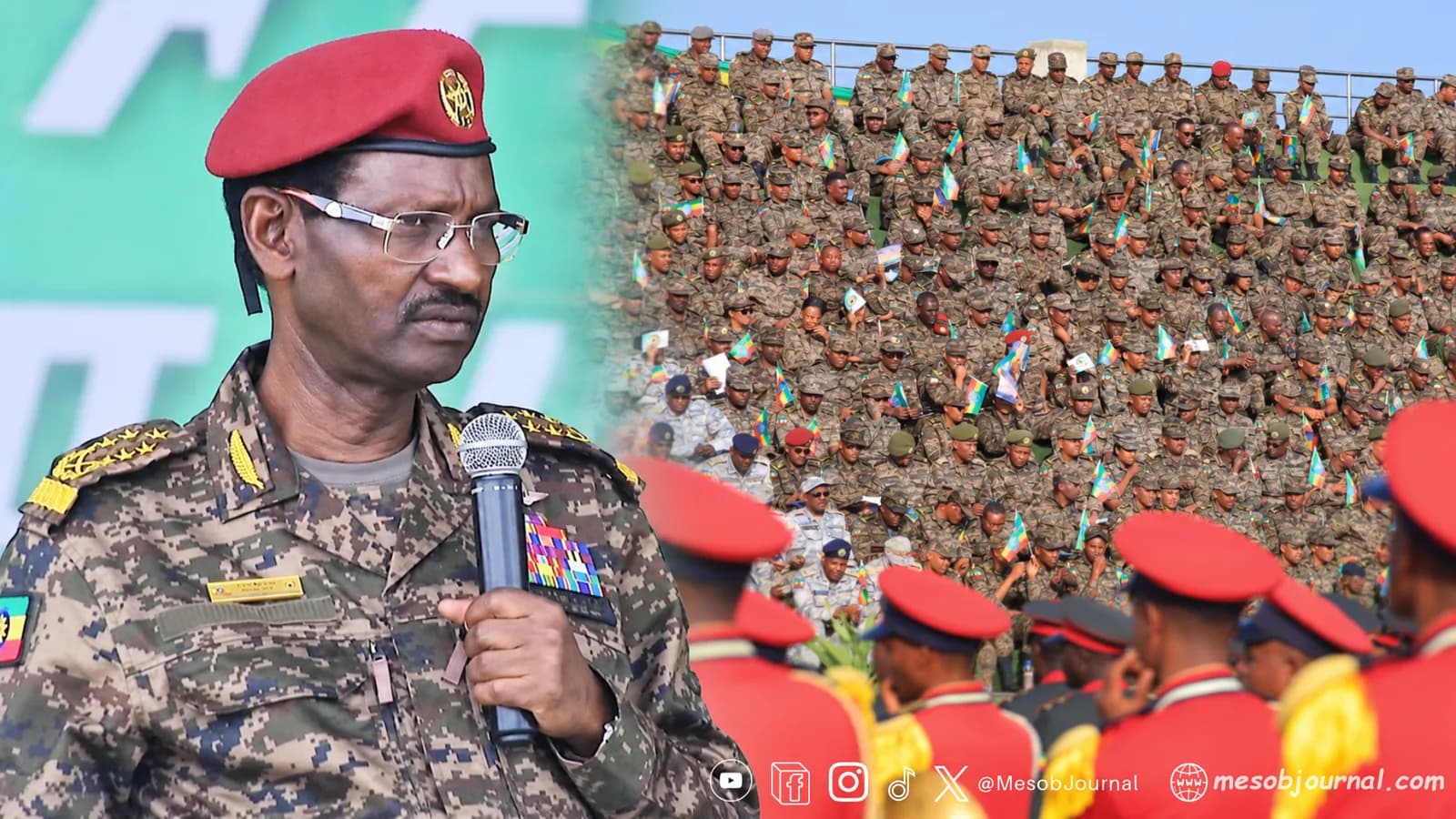
Ethiopian army chief Field Marshal Berhanu Jula also publicly raised the prospect of fighting over access to the sea.
The rhetoric was accompanied by unmistakable military symbolism.
In February 2026, Abiy attended a special-forces display in Hawassa featuring imagery of a soldier breaking through a barrier toward Eritrea’s port of Assab.
The spectacle included a declaration that Ethiopia would not remain landlocked, regardless of whether neighboring countries accepted that ambition.
In October, Abiy escalated his warnings further.
During a televised Tigrinya-language interview on October 19, he threatened Eritrea with “very, very, very severe consequences” if its government ignored his warnings.
These were not isolated remarks. The statements formed part of a sustained public campaign linking Ethiopia’s maritime ambitions to territorial claims, military power and the possibility of force.
Military Buildup Raises the Stakes
The escalation has been accompanied by significant military developments.
On October 13, Reuters reported that Ethiopian federal forces had advanced into Zalambessa, a strategically sensitive town near the Eritrean border.
On October 28, Abiy announced a major military procurement agreement with Russia covering 12 Su-35 fighter jets and four S-400 air-defense batteries.
Russian arms exporter Rosoboronexport subsequently confirmed delivery of the first two Su-35 aircraft, according to Reuters.
The acquisition substantially strengthens Ethiopia’s stated military modernization program during a period of acute confrontation with Eritrea.
Cargo flights from the United Arab Emirates to Ethiopia have recurred since at least 2021, when Al Jazeera documented military equipment being unloaded from the flights, and flight records show they continued into October 2026.
The following days also brought public displays of military training involving Abiy and senior civilian officials.
By November 13, the U.S.-based Critical Threats Project was reporting exchanges of artillery fire and drone strikes involving Ethiopian and Eritrean forces around Badme, the town associated with the outbreak of the devastating 1998–2000 border war.
The reported clashes between November 11 and 13 raised fears of a wider military confrontation. The precise battlefield situation and control of the town remained independently unconfirmed.
The combination of territorial rhetoric, public threats, military procurement, troop movements and reported frontier fighting has reinforced concerns that the confrontation is moving beyond diplomacy.
History Does Not Make Assab Ethiopian Territory
Abiy’s characterization of Eritrean independence as a historical mistake disregards the legal and political history of the two countries.
Eritrea was an Italian colony from 1890 and subsequently came under British administration before entering a United Nations-sponsored federation with Ethiopia in 1952.
The federation preserved Eritrea’s distinct political institutions and autonomous status until Emperor Haile Selassie dismantled the arrangement and unilaterally annexed Eritrea in 1962.
Following three decades of armed struggle, Eritreans voted overwhelmingly for independence in a United Nations-observed referendum in April 1993. Ethiopia formally recognized the outcome, and Eritrea subsequently joined the United Nations.
Ethiopia’s historical control over Eritrea, particularly following the unlawful dissolution of the federation, does not establish a continuing sovereign entitlement to Eritrean ports or coastline.
The internationally recognized boundary was subsequently determined through the final and binding Eritrea–Ethiopia Boundary Commission process under the December 2000 Algiers Agreement.
Assab is sovereign Eritrean territory. Historical references to a period of Ethiopian control cannot alter its legal status.
Article 2(4) of the United Nations Charter prohibits the threat or use of force against the territorial integrity or political independence of another state.
Geneva’s Appeal at a Critical Moment
The November 13 demonstration placed the voices of communities directly affected by the Horn of Africa’s conflicts before an international diplomatic audience.
Its central demands were peace, national sovereignty, territorial integrity and an end to military threats and external intervention.
Those demands now coincide with explicit warnings from Washington and the G7 about the consequences of further escalation.
The documentary record behind those warnings is substantial: repeated Ethiopian territorial claims over Assab, public statements contemplating force, military spectacles directed at Eritrea’s coastline, advanced weapons acquisitions and military movements near a historically volatile border.
The immediate priority is preventing the escalation of those threats into another war.
For the demonstrators who gathered in Geneva, peace requires more than diplomatic declarations. It requires an end to threats against recognized borders and a commitment to resolving disputes without coercion.
The international community now faces a test of whether its repeated commitments to sovereignty and territorial integrity will be matched by effective diplomacy before the Horn of Africa is drawn into another devastating conflict.