
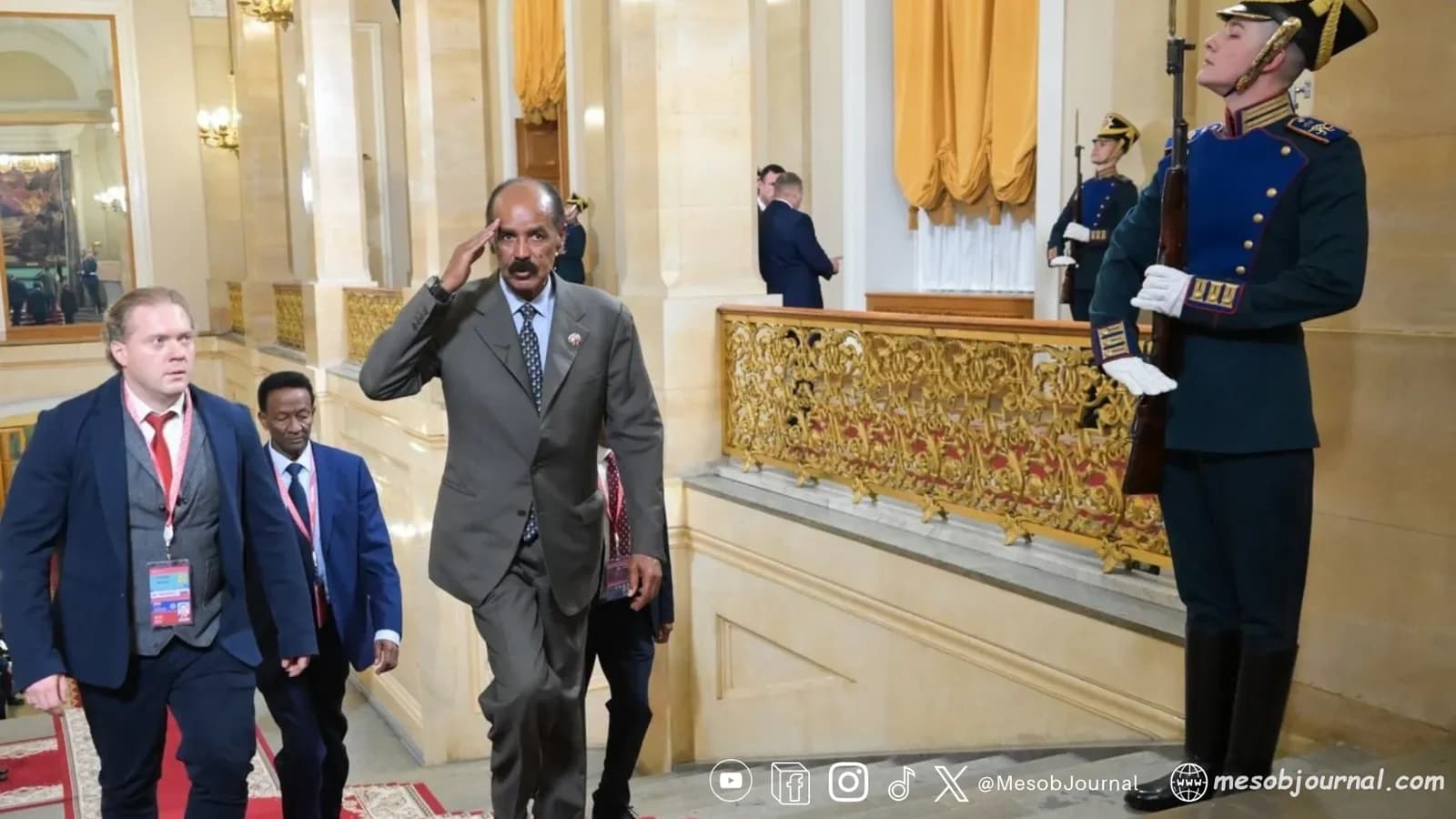
President Isaias Afwerki’s visit to Moscow puts a central question in Eritrea’s foreign policy into focus: how can international partnership strengthen a country’s independence? Isaias arrived in Moscow on 27 October for the Third Russia–Africa Summit, held on 28–29 October. His remarks to Sputnik Africa set out the political and practical conditions for making that relationship work.
His argument links sovereignty with Africa’s responsibility for its own development and the financial obstacles to cooperation. An African state must retain authority over its choices, possess the capacity to carry them out and have access to the resources required. A summit can advance that process; political agreement alone cannot complete it.
Sovereignty in a contested region
“Sovereignty is the name of the game,” Isaias told Sputnik Africa. He presented respect for independence, territorial integrity and political unity as the foundation of functioning relationships. Without it, he argued, talk of partnership, trade and investment loses meaning.
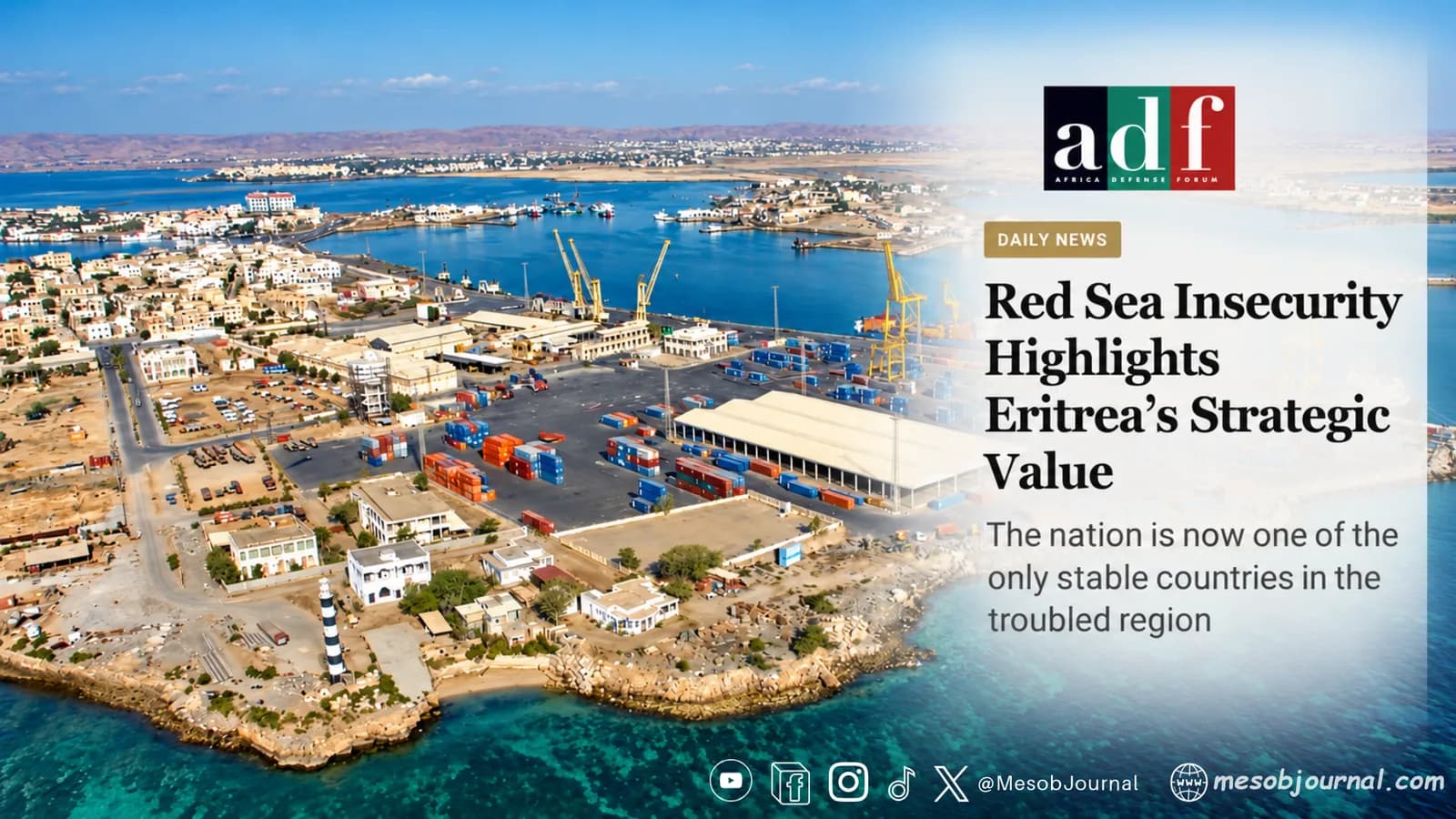
For Eritrea, this principle has an immediate regional application. In its 21 October position paper, the Foreign Ministry presented Ethiopia’s pursuit of “sovereign access to the sea” as a threat to Eritrean territorial integrity. Read alongside that position, Isaias’s remarks place respect for Eritrean sovereignty at the starting point of meaningful engagement with Addis Ababa.
The distinction matters economically as well as politically. Negotiating commercial access to a port requires agreement on its use; demanding sovereign access raises the question of who controls it. When those questions are conflated, an economic proposal becomes a security concern. Respect for the coastal state’s authority provides the basis on which transport, investment and trade arrangements can be negotiated with confidence.
That approach also connects Eritrea’s external diplomacy to its regional relationships. The 4 October El-Alamein declaration, following consultations among Eritrea, Egypt, Sudan and Somalia, linked sovereignty and non-interference with economic cooperation, connectivity and freedom of navigation. It asserted that Red Sea governance is the responsibility of littoral states. In that framework, wider partnerships can supply resources and expertise while regional states retain authority over arrangements affecting their security.
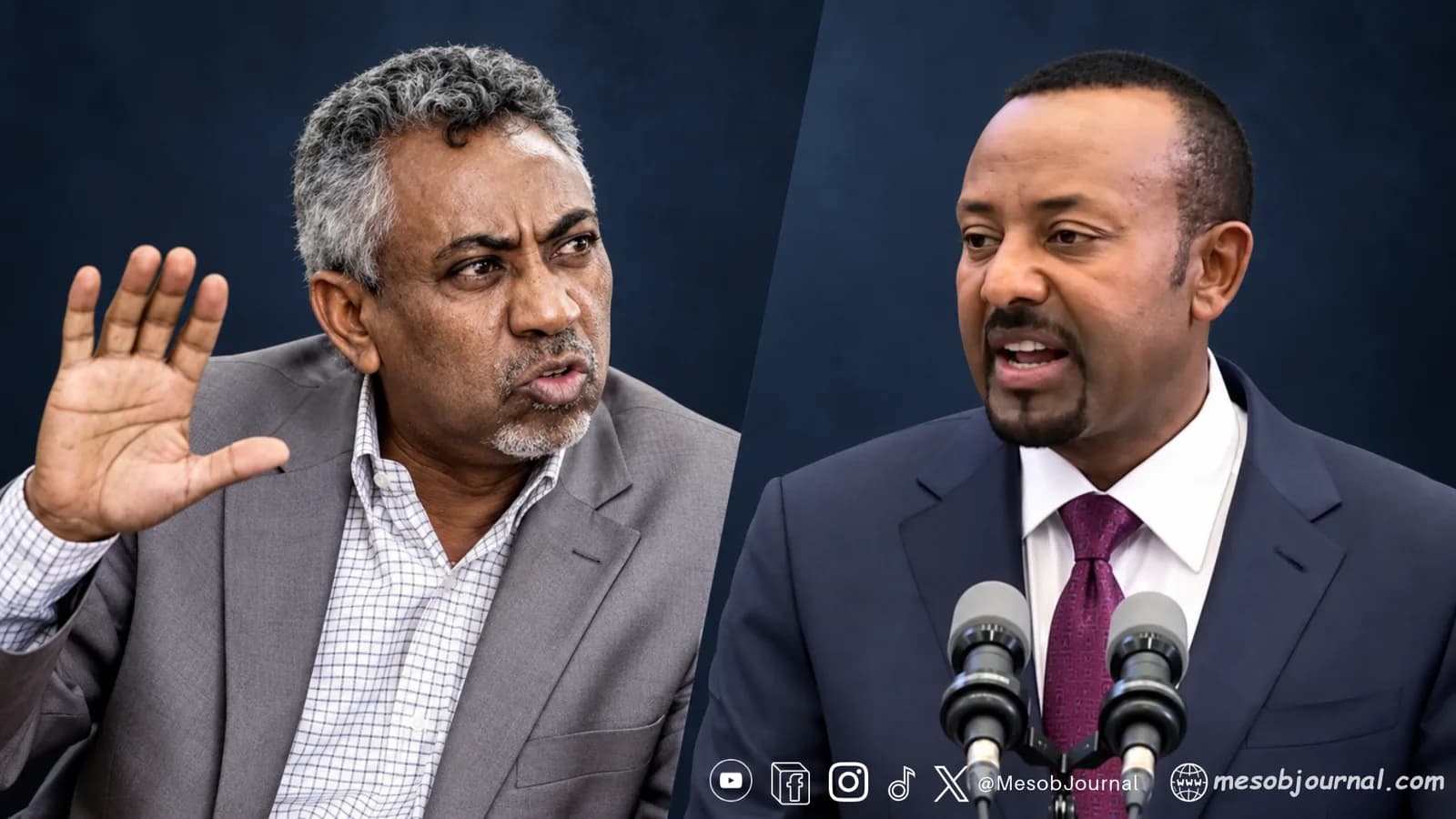
Russia’s relationship with Ethiopia puts that principle to a practical test. Abiy Ahmed announced the receipt of twelve Su-35 fighters, with four S-400 batteries due to follow. For Eritrea, the tension lies in Moscow’s simultaneous engagement with Asmara and military support for a government whose maritime claims Eritrea regards as threatening. The reported procurement does not establish Russian endorsement of those claims, or how the equipment would be deployed or used.
For Asmara, Russia’s partnership language has to be assessed against its regional conduct. The sovereignty principle places obligations on Moscow across its relationships, including respect for Eritrea’s territorial integrity. Diplomatic warmth gains credibility when the policies surrounding it support the same standard.
The capacity to make independence effective
Isaias’s message to African governments addresses the other side of that relationship. Speaking to Sputnik about Africa’s contribution to partnership, he urged the continent to move beyond continually blaming others, “do their homework” and make serious contributions to partnership with Russia. He called for the continent to address its own problems rather than depend on outside support to resolve them.
This gives practical content to sovereignty. A government may retain the formal right to choose while depending on an external partner to define its priorities, design its projects and provide the expertise to operate them. Its negotiating freedom then remains limited. Preparation matters because a country with a clear programme can judge offers against its own needs and identify which obligations it can sustain.
The implication for Eritrea’s engagement with Russia is that cooperation should build the ability to act independently over time. Training, technical knowledge and the capacity to maintain equipment matter alongside the initial investment. An enterprise that cannot function without continuing outside direction offers a different kind of relationship from one that develops local skills and retains value within the country.
Yet domestic preparation cannot remove every external constraint. Isaias also warned that the global financial system, sanctions, political pressure and conflict obstruct strategic partnership. His calls for African responsibility and his criticism of external pressure address different parts of the same problem: governments need both the capacity and the means to implement their decisions.
Even a well-prepared investment agreement requires financing, workable payments, insurance, transport and reliable supplies before it becomes an operating enterprise. Political consent cannot substitute for those arrangements. Nor does changing the currency of settlement settle questions about borrowing costs, contractual obligations or who carries the risk. Greater freedom in international finance has practical value when it makes viable projects possible on sustainable terms.
What Moscow’s commitments must deliver
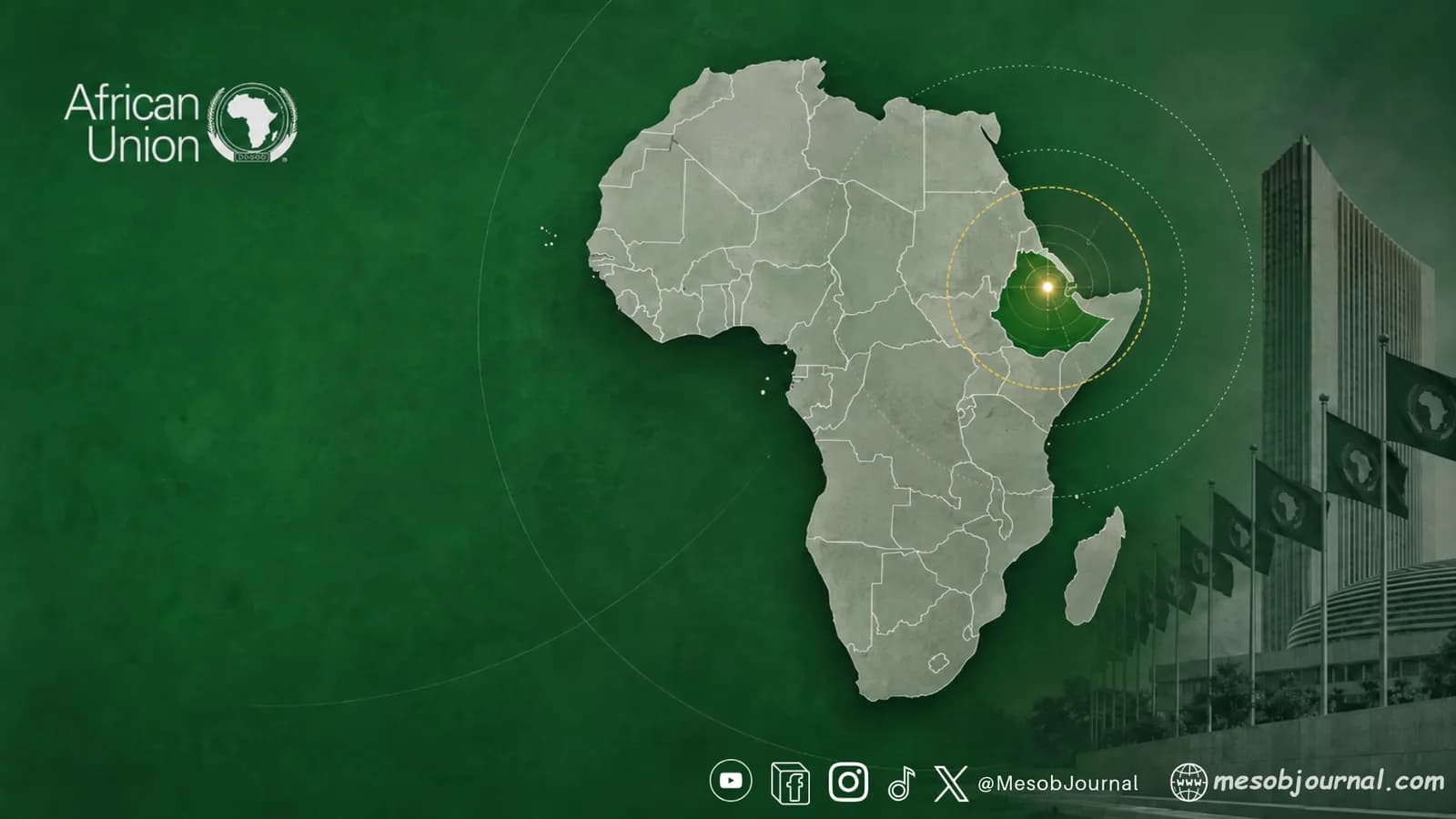
Putin’s address to the summit emphasized African sovereignty, self-reliance, development and stronger African representation in international institutions. The gathering adopted an action plan through 2029, while discussions also addressed financing reciprocal trade.
Those summit-wide commitments provide a framework for testing what cooperation with Eritrea can deliver. For Eritrea, the relevant results would be cooperation that preserves national authority, expands productive capacity and provides usable finance. The three requirements depend on one another: resources without control can deepen dependence, while control without the means to produce leaves independence economically constrained.
Isaias’s Moscow message sets a demanding standard for both parties. Russia’s contribution must be judged through its conduct and the terms of cooperation; Eritrea’s through the capacity it builds to direct that cooperation. The lasting significance of the partnership will lie in how much greater freedom Eritrea gains to pursue and sustain its own development priorities.