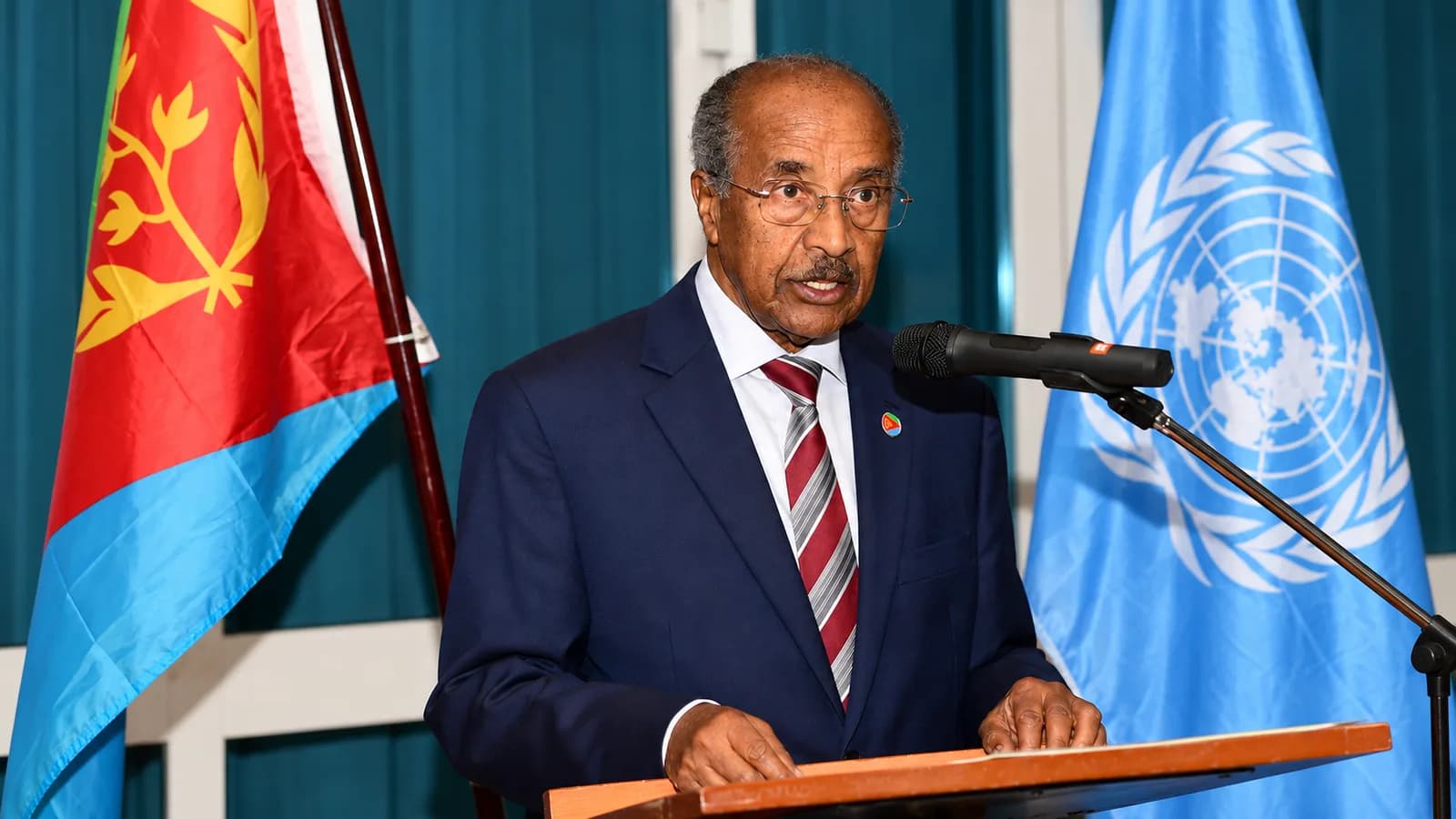

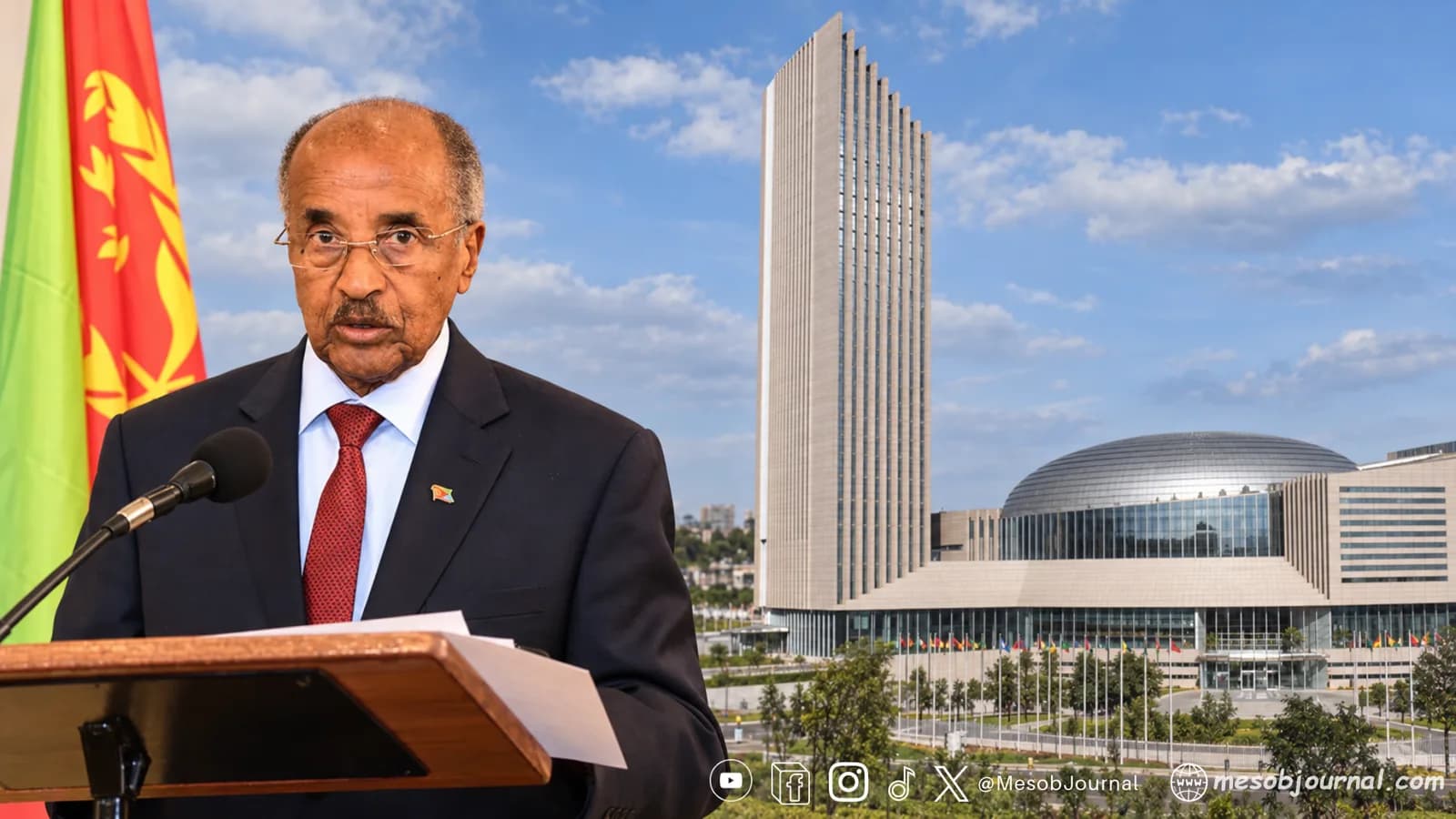
Eritrea has asked the African Union to urgently restore its representation at the organisation’s headquarters in Addis Ababa, saying Ethiopia’s expulsion of its diplomats has deprived it of the ability to participate fully in continental affairs.
In a Foreign Ministry letter dated 12 October and published by Shabait on 15 October, Asmara asks the AU Commission to bring the matter before the Executive Council and the Assembly of the Union. It wants immediate corrective measures to secure its representation and participation as an equal member state.
The appeal places a specific institutional question before the AU: how to protect a member’s access to the organisation when its diplomats are caught in a dispute with the country hosting its headquarters.
According to the letter, Ethiopia declared ten Eritrean diplomats persona non grata on 1 October. Those affected included Eritrea’s chargé d’affaires, who also served as permanent representative to the AU and the United Nations Economic Commission for Africa, and all three diplomatic staff assigned to cover the two organisations.
The ministry says the removal of that team effectively denied Eritrea its membership rights at both institutions. It also says the chargé d’affaires verbally raised the issue with the AU Commission’s deputy chairperson on 2 October because the chairperson was unavailable.
Eritrea’s argument rests on the distinction between bilateral diplomatic relations and representation before an international organisation. The ministry says the host country cannot decide unilaterally whether another member state can exercise its institutional rights.
The ministry alleges violations of the AU Constitutive Act’s principle of sovereign equality, Article 15 of the 2008 headquarters agreement between Ethiopia and the AU, and protections for member-state representatives under the OAU’s 1965 convention on privileges and immunities. Its case centres on the independence of diplomats carrying out their duties before the continental organisation.
The AU’s own recent records confirm the affected mission’s continental role. In an official readout of a 27 August meeting, the Commission identified Biniam Berhe as both Eritrea’s chargé d’affaires in Ethiopia and its permanent representative to the AU. He met Commission Chairperson Mahmoud Ali Youssouf to discuss the organisation’s priorities and preparations for its Luanda summit.
The Commission has publicly called for restraint during the wider diplomatic crisis. In a 4 October clarification, it reaffirmed sovereignty, territorial integrity and non-interference, and said its earlier appeal was intended to encourage de-escalation following diplomatic expulsions. That statement did not announce arrangements to restore Eritrea’s representation.
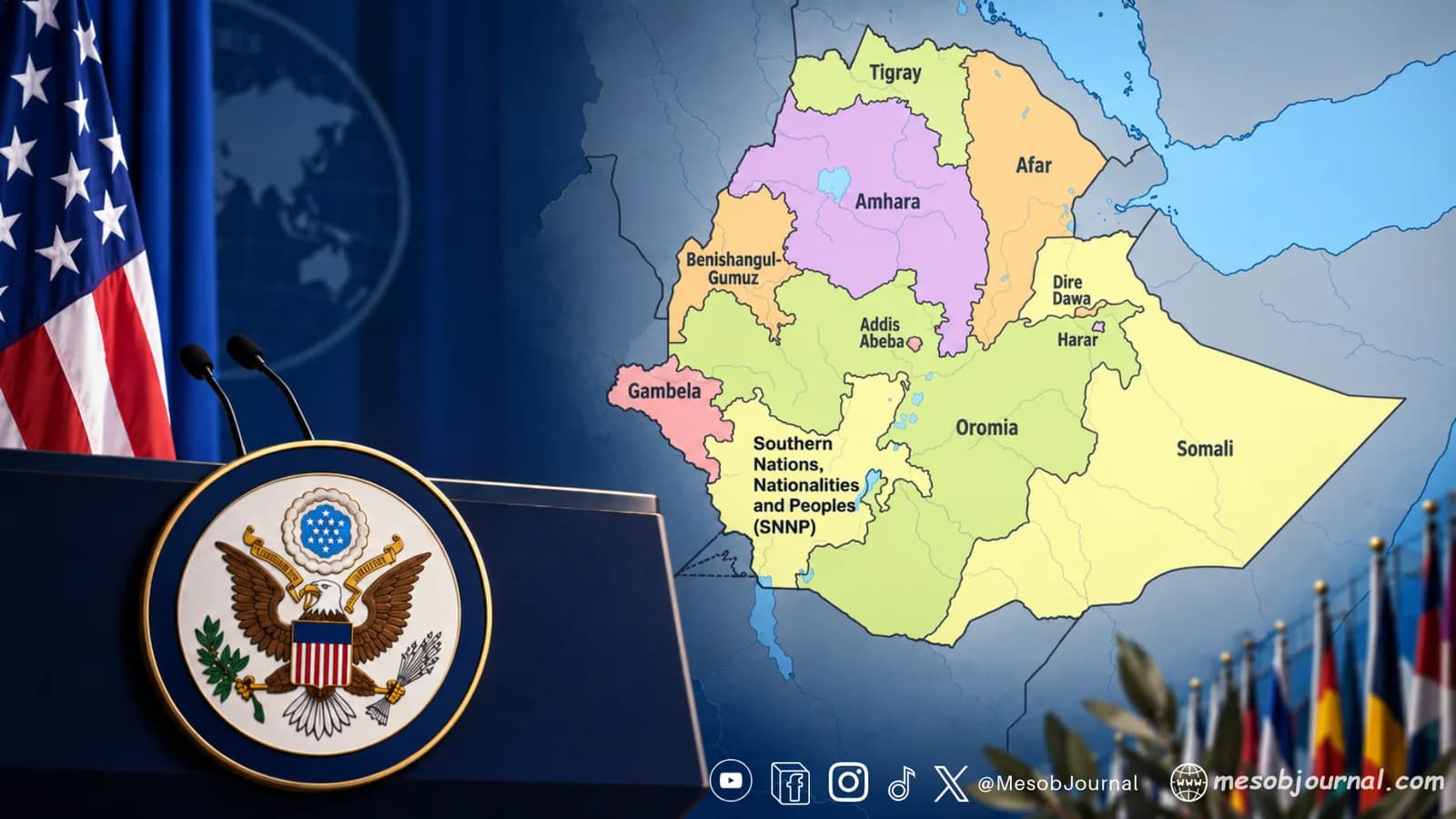
Diplomatic appeals have continued beyond the continent. A 14 October readout attributed to the U.S. State Department says Secretary of State Marco Rubio discussed heightened tensions with Prime Minister Abiy Ahmed and called for dialogue under the 2018 Ethiopia–Eritrea peace framework. It also urged respect for neighbours’ sovereignty and territorial integrity and avoidance of cross-border incursions. The readout did not address the AU representation issue.
Shabait says a similar letter was sent to UNECA, although the publication displays the two-page communication addressed to the AU Commission. The letter is copied to Burundi’s foreign ministry in its capacity as current AU chair and to member states’ permanent missions.
Eritrea is seeking action by the Union’s policy bodies to restore its representation and full participation. The letter sets no deadline for a response and does not announce that a remedy has been agreed.