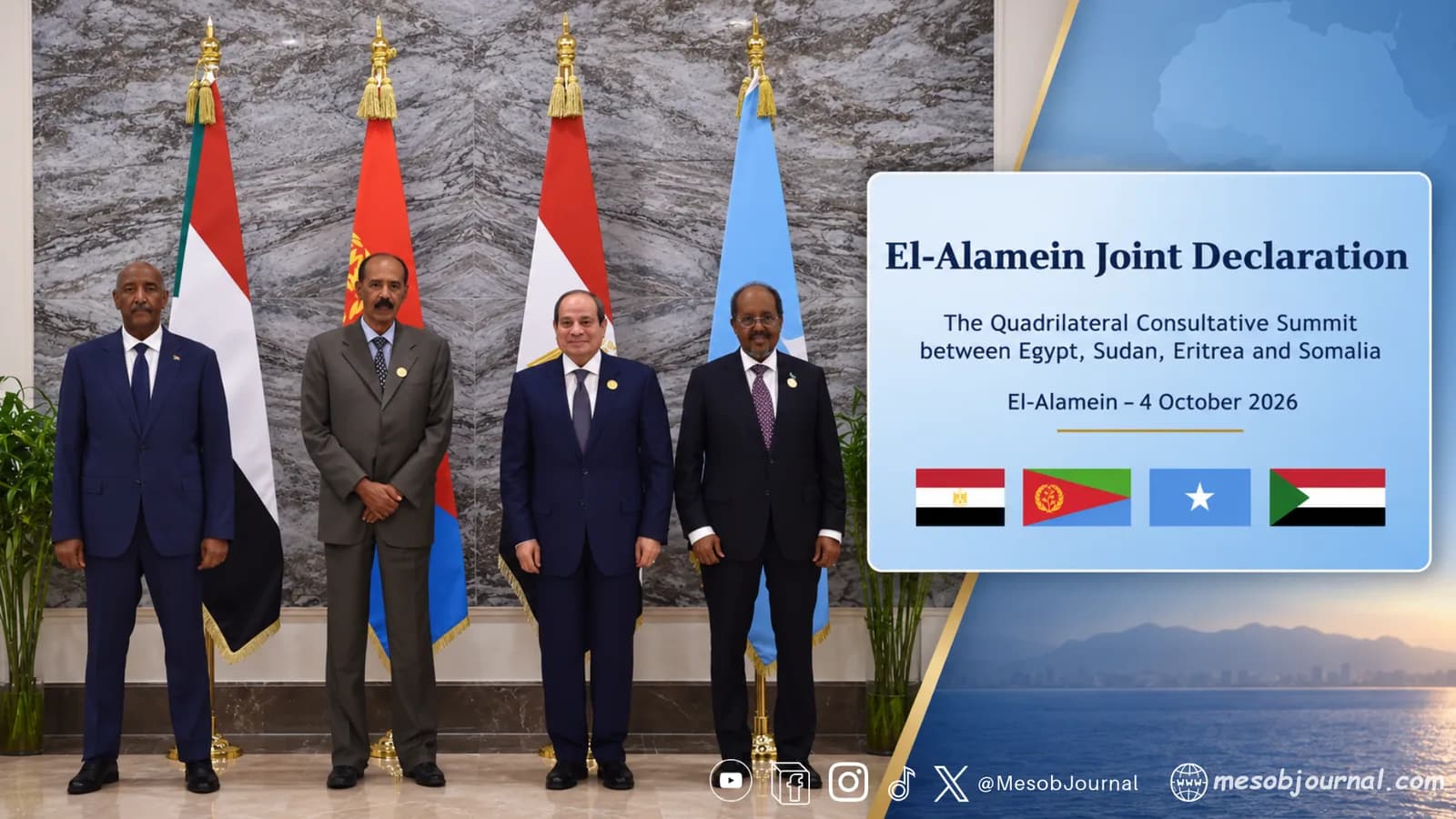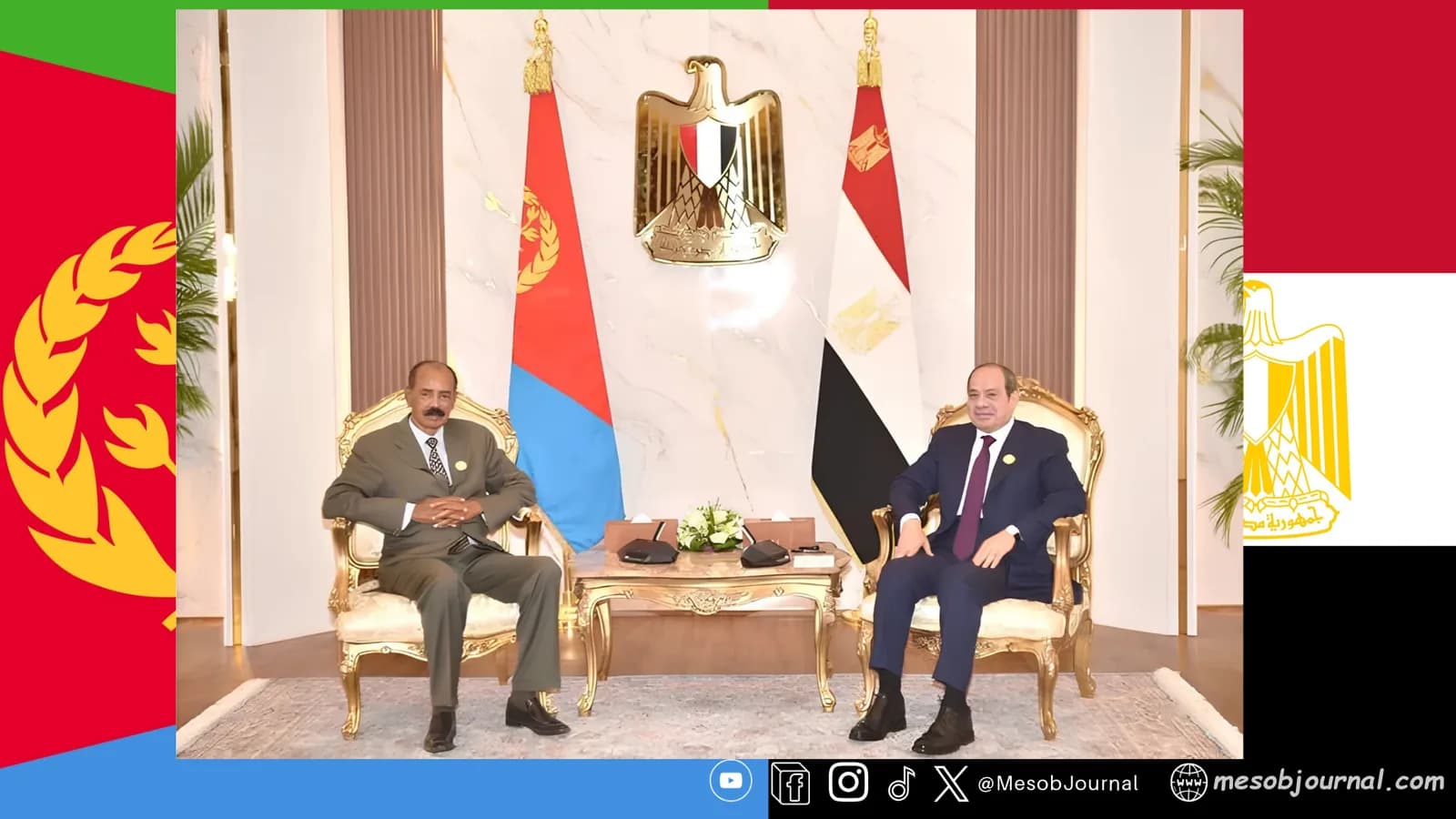

WASHINGTON, Oct. 4, 2026 — The United States has urged Ethiopia and Eritrea to respect sovereignty and territorial integrity, exercise maximum restraint and return to dialogue under their 2018 peace framework, using language that reflects several of the principles Eritrea has emphasized as tensions between the two neighbors have sharply deteriorated.
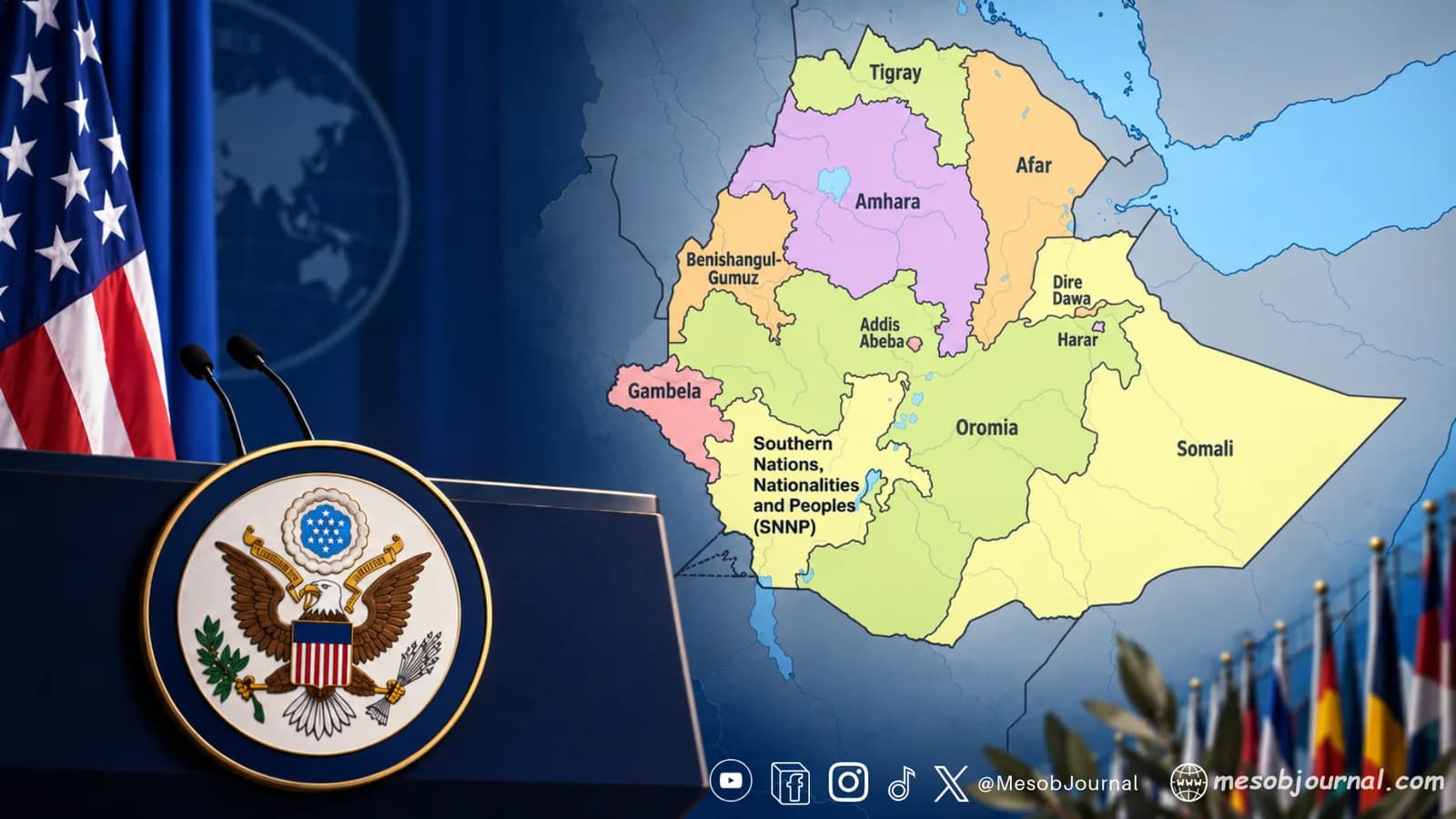
In a statement issued on October 3, State Department spokesman Thomas “Tommy” Pigott warned that increasing cross-border tensions between Eritrea and Ethiopia could affect the wider region.
“The Horn of Africa cannot sustain another military conflict and humanitarian crisis,” the statement said, adding that a new conflict would jeopardize ongoing U.S. cooperation with both countries.
The State Department called on the two governments to respect the sovereignty and territorial integrity of their neighbors, show maximum restraint and return to dialogue and cooperation under the peace framework they established in 2018. It said dialogue remained the path toward sustainable security, economic growth and prosperity.
The emphasis on sovereignty, territorial integrity, return to dialogue and cooperation under the peace framework they established in 2018 and restraint is significant in the context of Eritrea’s stated position.
In its October 1 response to Ethiopia’s decision to close its embassy in Asmara and expel 10 Eritrean diplomats, Eritrea’s Foreign Ministry said Addis Ababa had pursued what it described as an increasingly hostile policy toward Eritrea, particularly through its campaign for “sovereign access to the sea.”
Asmara said Ethiopia’s rhetoric had effectively threatened Eritrean ports and coastal territory and accused the Ethiopian government of hosting, training and arming Eritrean opposition groups. Eritrea said it had exercised “patience and restraint” in an effort to prevent the dispute from escalating.
For Eritrea the dispute is not simply as deteriorating bilateral relations but as a question of sovereignty and territorial security. Ethiopia, for its part, has accused Eritrea of “direct and indirect acts of hostility and belligerence” and said the expelled Eritrean diplomats were involved in activities threatening Ethiopian national security. Addis Ababa has not publicly provided detailed evidence supporting the allegations against the diplomats.
Eritrea rejected the accusations and responded by severing diplomatic relations with Ethiopia.
The U.S. reference to the 2018 peace framework is clearly notable.
The Joint Declaration of Peace and Friendship signed by President Isaias Afwerki and Prime Minister Abiy Ahmed in Asmara on July 9, 2018, formally ended the state of war between the two countries. Among its five provisions, the agreement committed both governments to political, economic and security cooperation, restoration of diplomatic ties, implementation of the Eritrea-Ethiopia boundary decision and joint efforts to promote regional peace and development.
The United States strongly welcomed that agreement at the time, saying the normalization of relations would advance stability, security and development across the Horn of Africa and Red Sea region.
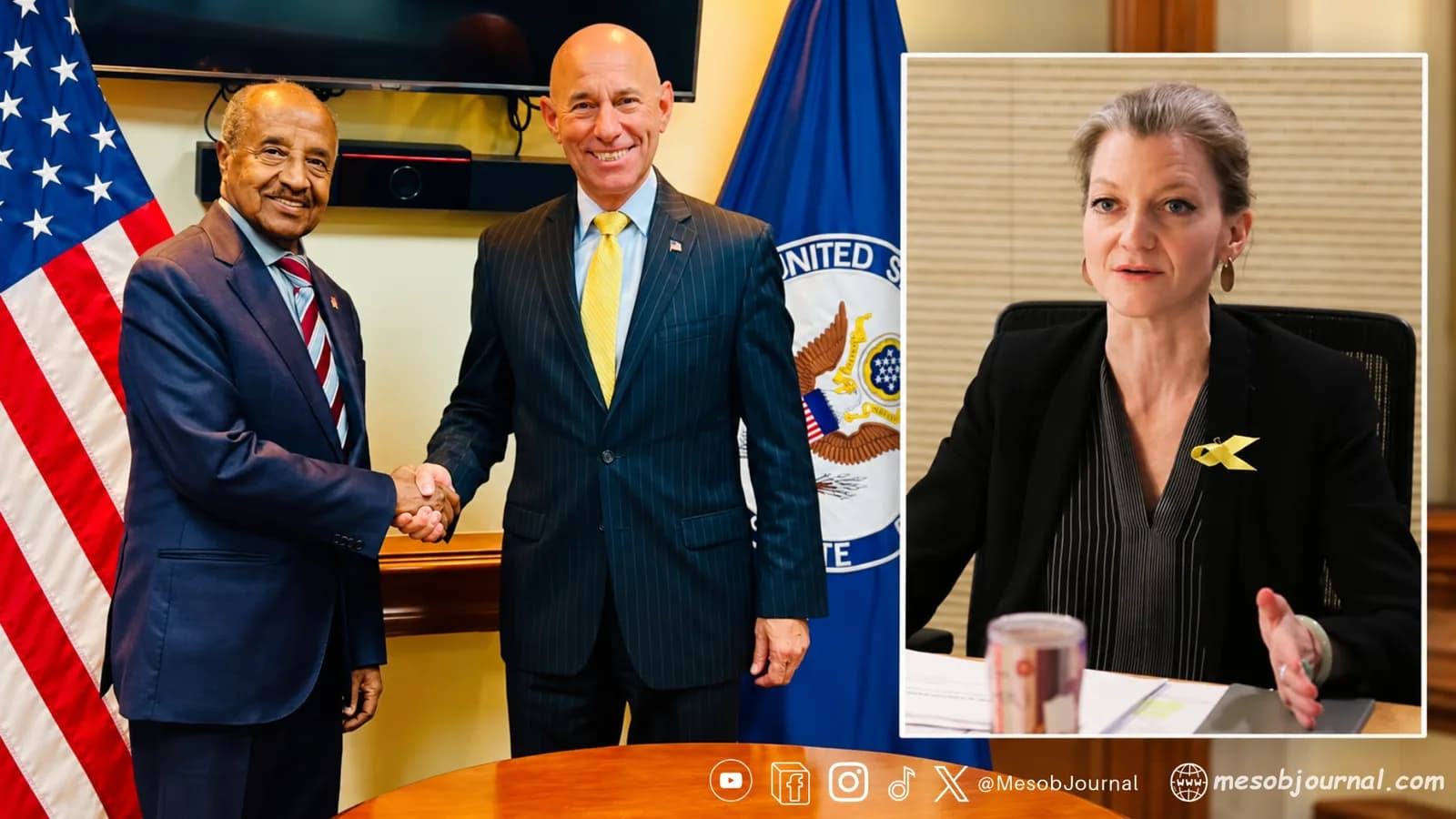
Washington’s latest intervention came only two days after Eritrean Foreign Minister Osman Saleh held talks in Washington with senior U.S. officials, including Under Secretary of State for Political Affairs Allison Hooker and Assistant Secretary of State for African Affairs Frank Garcia.
According to Eritrea’s Ministry of Information, the discussions focused on building a new phase of Eritrea-U.S. relations and expanding cooperation between the two countries.
The timing gives the U.S. statement additional diplomatic weight as renewed fighting inside Ethiopia, the breakdown of Ethiopia-Eritrea diplomatic relations raise concern that Ethiopia’s internal conflict could develop into a broader regional crisis.
Washington’s message is therefore clear on the principles it wants observed: sovereignty, territorial integrity, restraint and dialogue.
Where the statement falls short is in failing to name Ethiopia directly, despite the documented record of Ethiopian statements, threats and actions that brought the principles of sovereignty and territorial integrity to the center of the dispute.
For Eritrea, whose public case has increasingly centered on precisely those questions, that distinction is likely to matter as diplomatic pressure grows to prevent the current confrontation from moving beyond words.