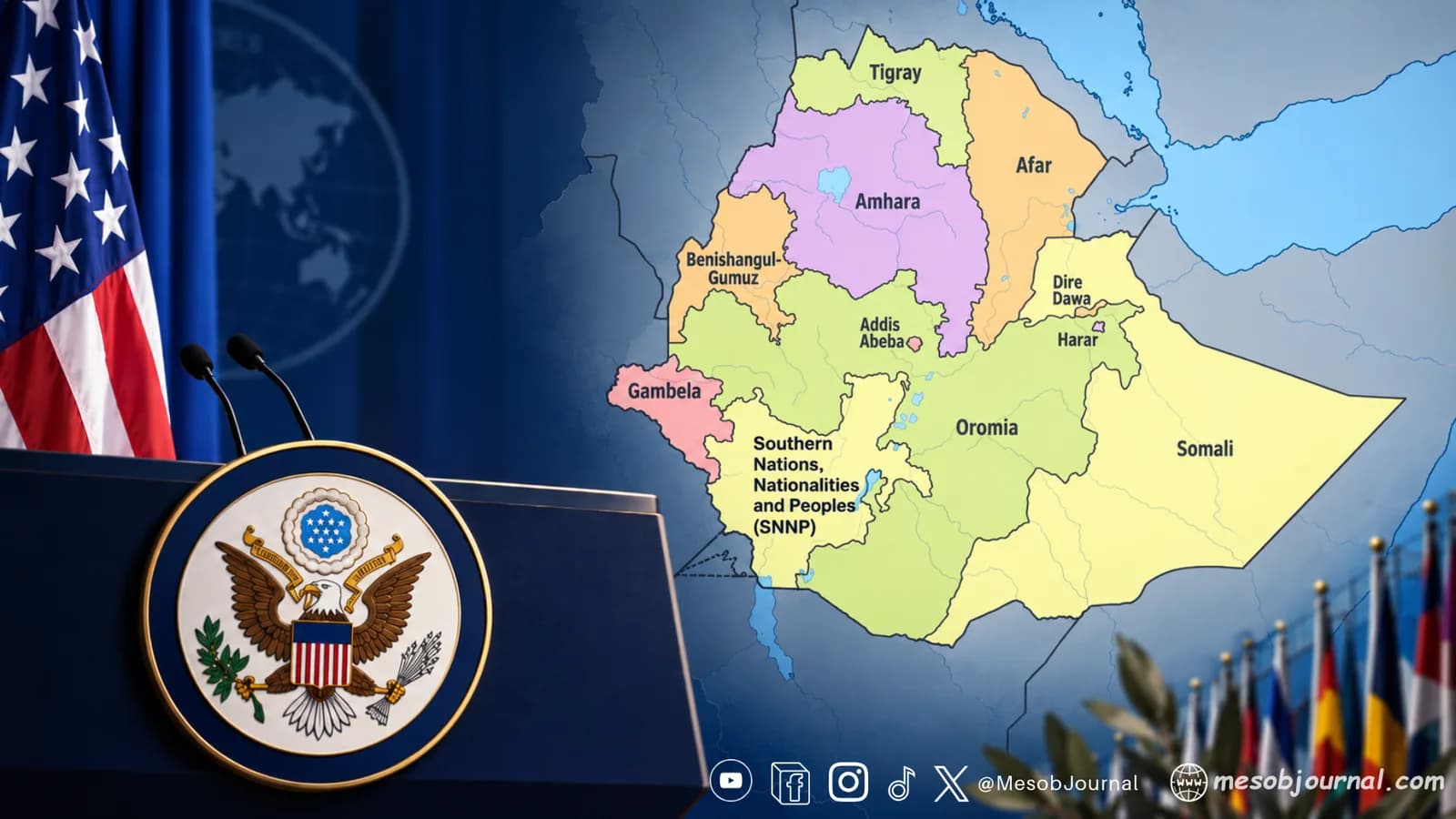
U.S. Echoes Eritrea’s Sovereignty Call but Stops Short of Assigning Blame
The U.S. urged Ethiopia and Eritrea to respect sovereignty and resume dialogue under their 2018 peace framework, without assigning blame for the latest escalation.


We use cookies to improve your experience, analyze traffic, and show relevant content. You can accept all, reject non‑essential, or manage preferences.
The U.S. urged Ethiopia and Eritrea to respect sovereignty and resume dialogue under their 2018 peace framework, without assigning blame for the latest escalation.
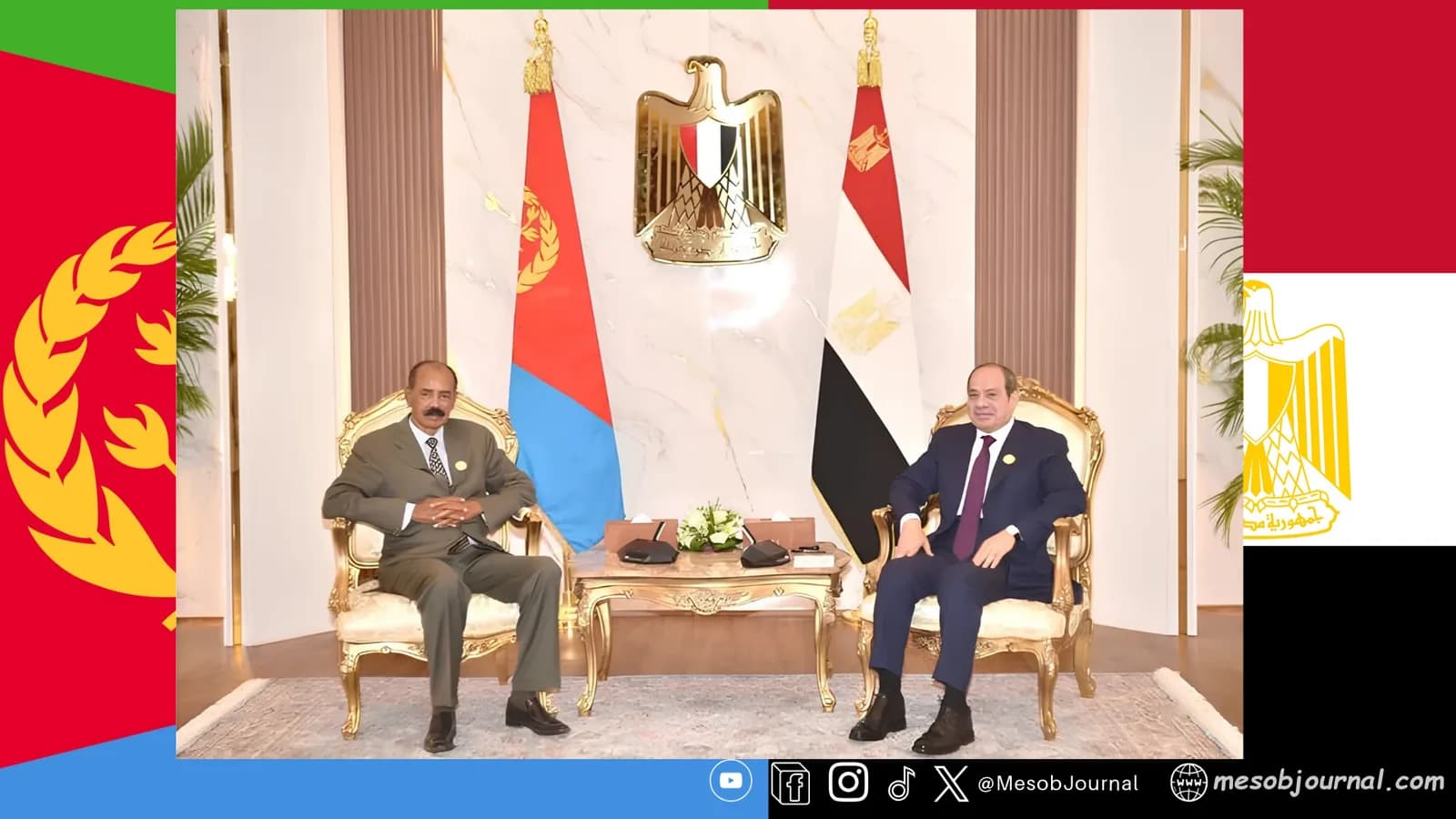
Egypt reaffirmed support for Eritrea’s sovereignty as Presidents el-Sisi and Isaias met in New Alamein to discuss Red Sea security and economic cooperation.

President Isaias Afwerki travels to Egypt for a regional security summit and bilateral talks with President Abdel Fattah el-Sisi on Red Sea and Horn of Africa cooperation.
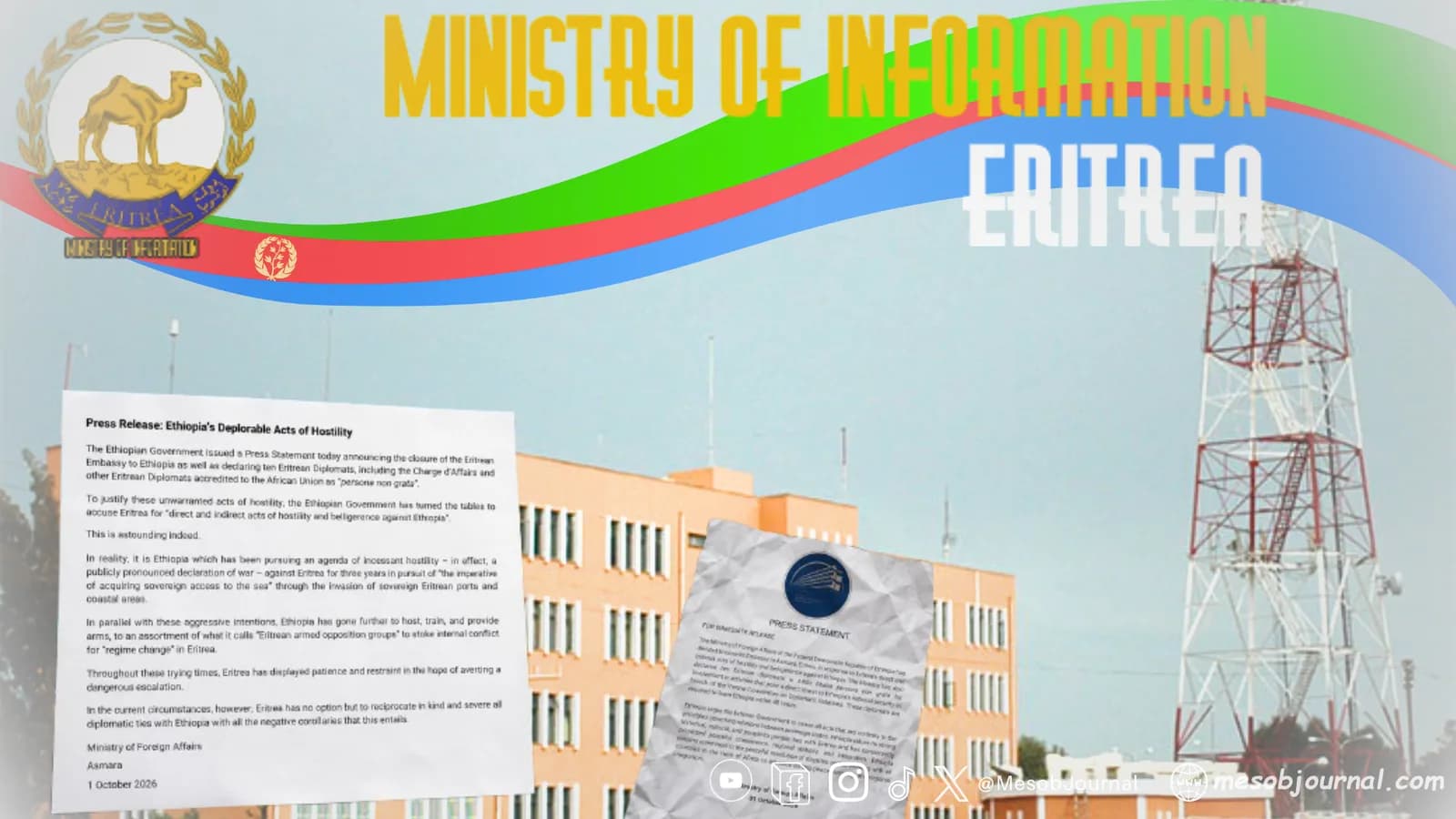
Ethiopia’s expulsion of Eritrean diplomats raises urgent questions about sovereignty, regional escalation and the protection of Eritrea’s African Union representation.
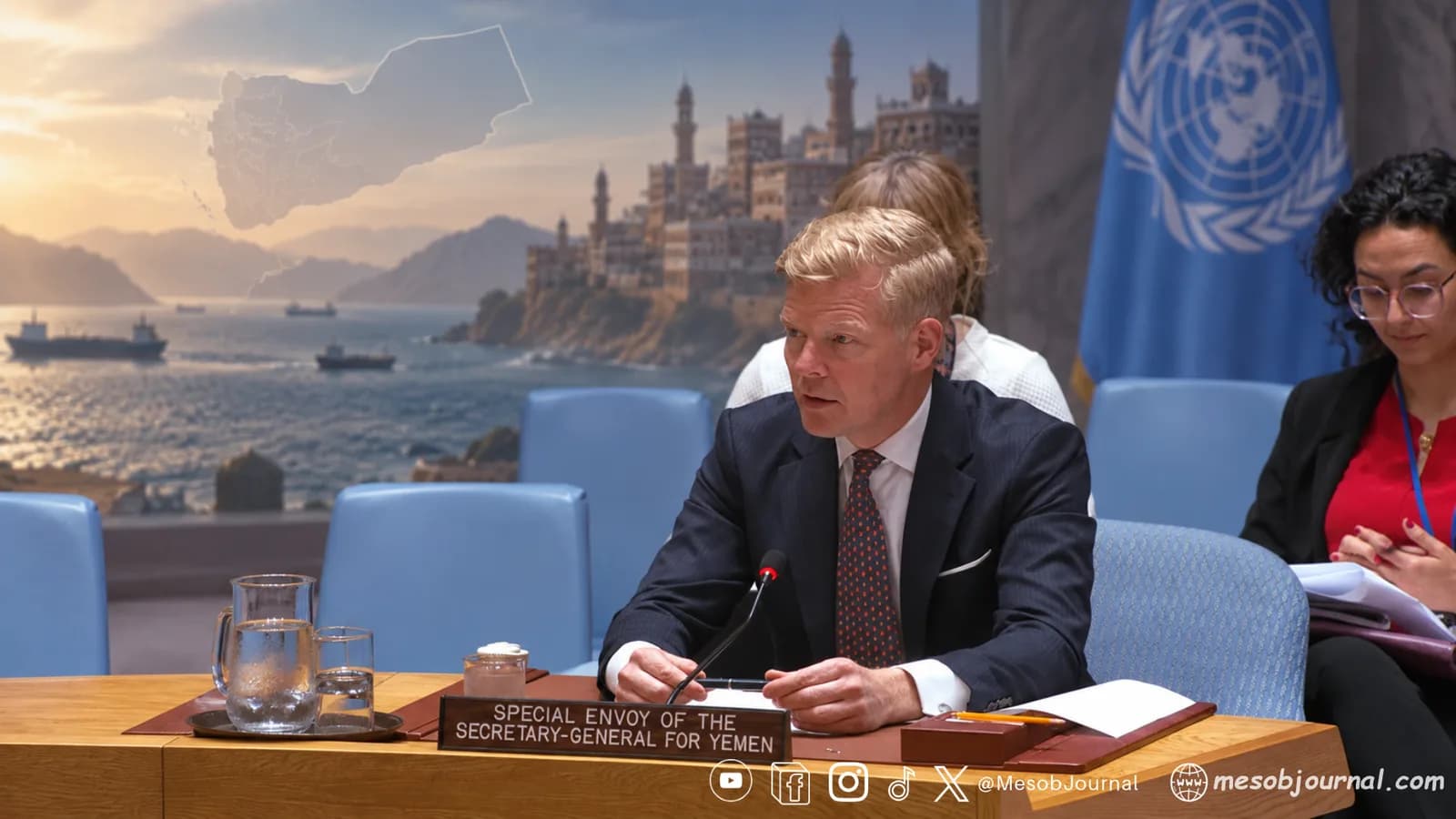
The UN envoy’s new direct channel with Ansar Allah, combined with talks in Riyadh, reflects several principles Eritrea set out weeks earlier: Yemen cannot be settled militarily, the conflict should not be absorbed into wider regional wars, and the security of the Red Sea requires serious engagement with the states and actors that actually sit along it.
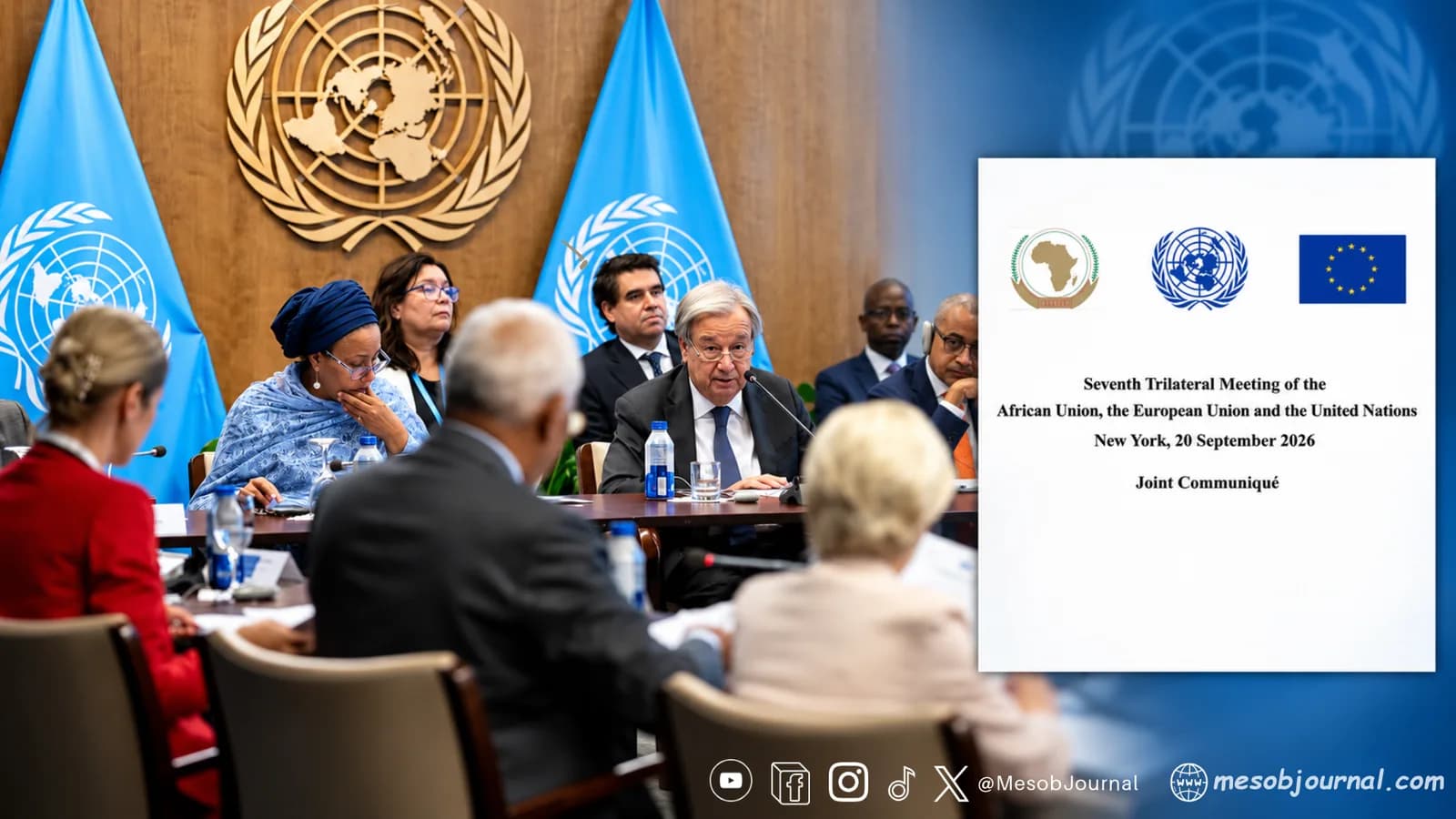
The African Union’s own UNGA81 readouts left Ethiopia out. A jointly agreed communiqué from the same diplomatic round shows that Ethiopia and the Pretoria Agreement were explicitly discussed. The discrepancy deserves an explanation.
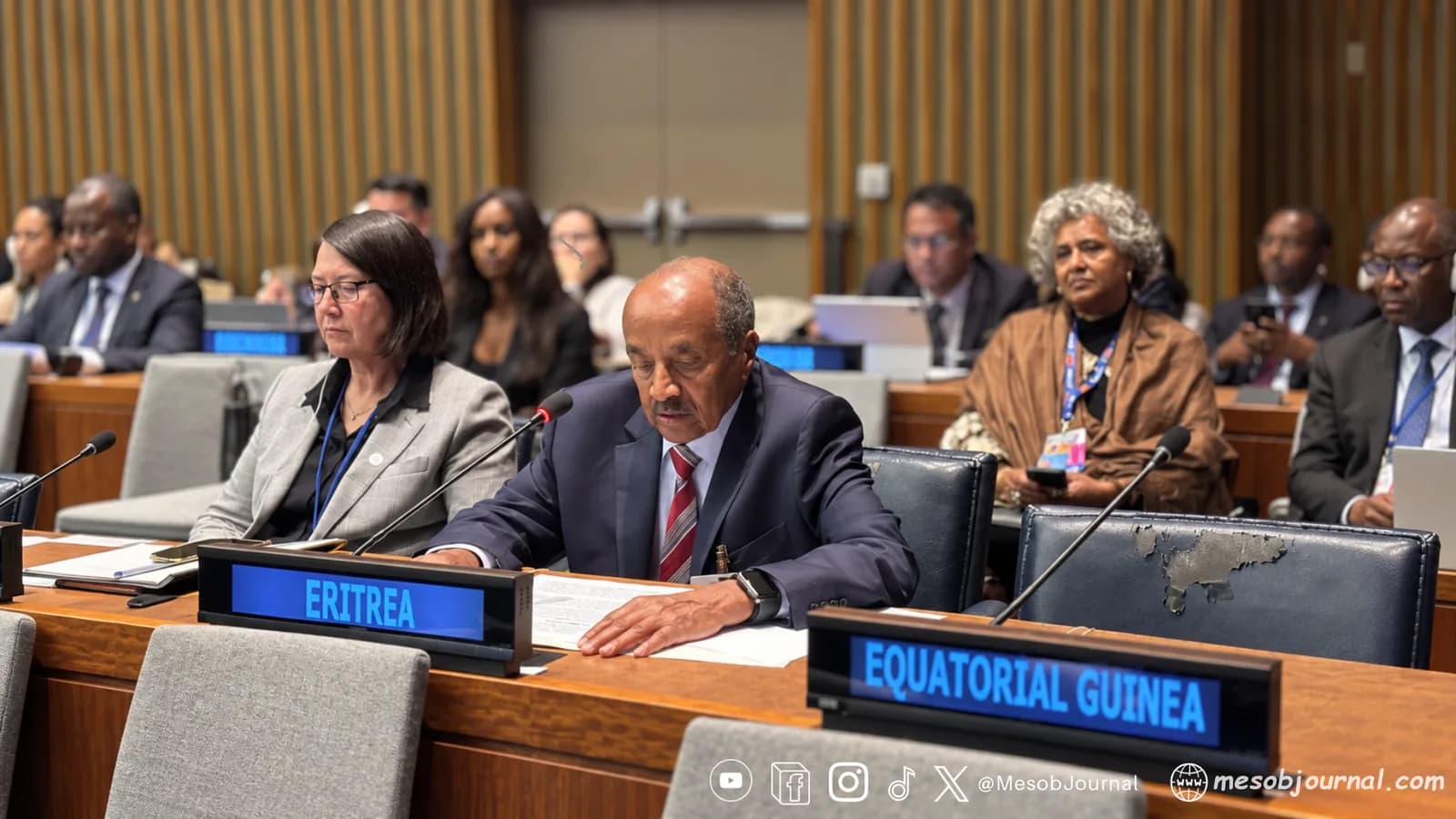
Foreign Minister Osman Saleh told the UNGA81 plenary on sea-level rise that existing baselines and maritime boundaries must be preserved, framing Eritrea's Red Sea waters as a question of sovereignty and climate adaptation alike.
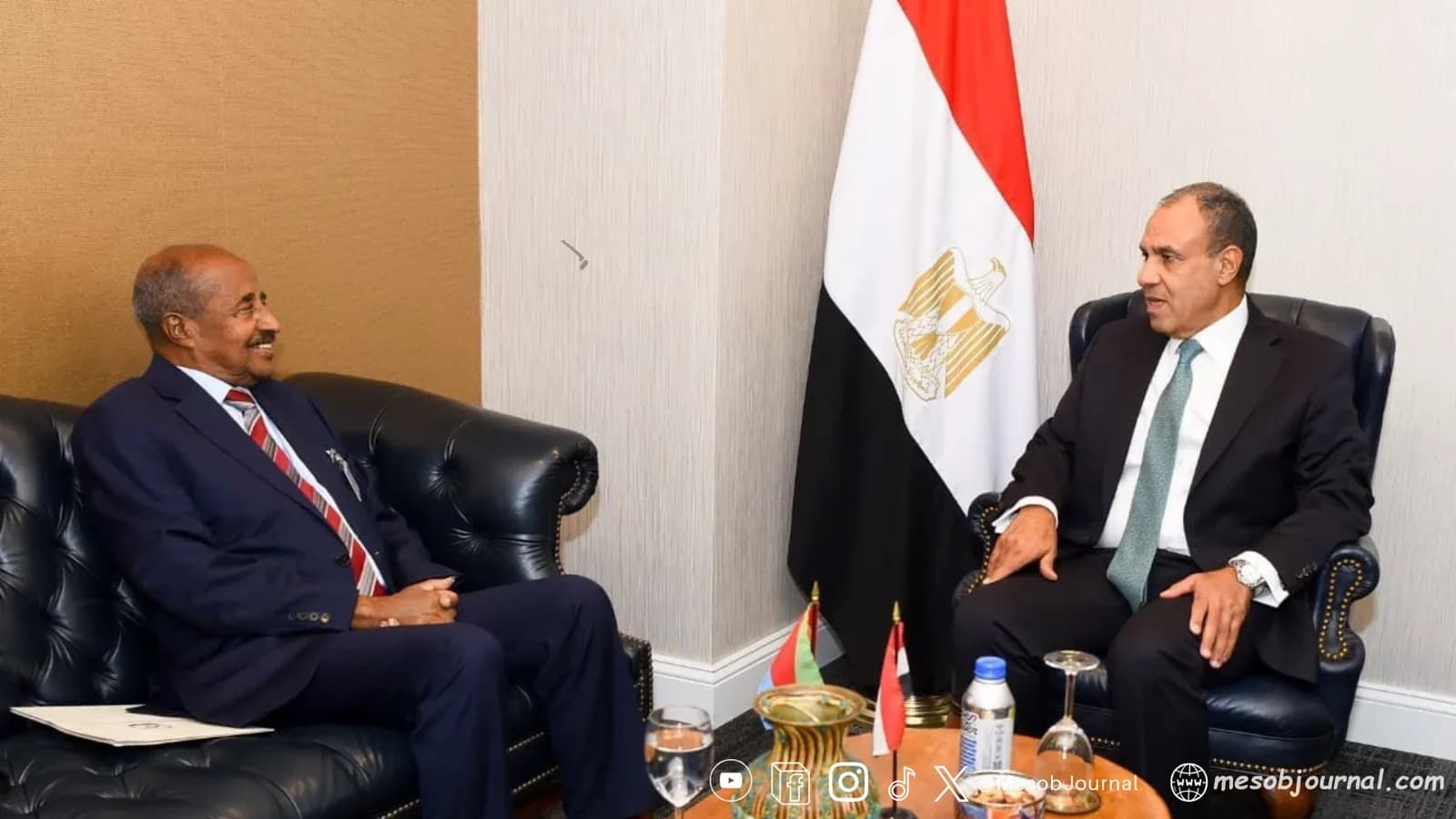
Eritrea and Egypt have restated that the Red Sea's security and governance belong to its littoral states, in talks at the 81st UN General Assembly that also covered trade, investment, ports and maritime transport.
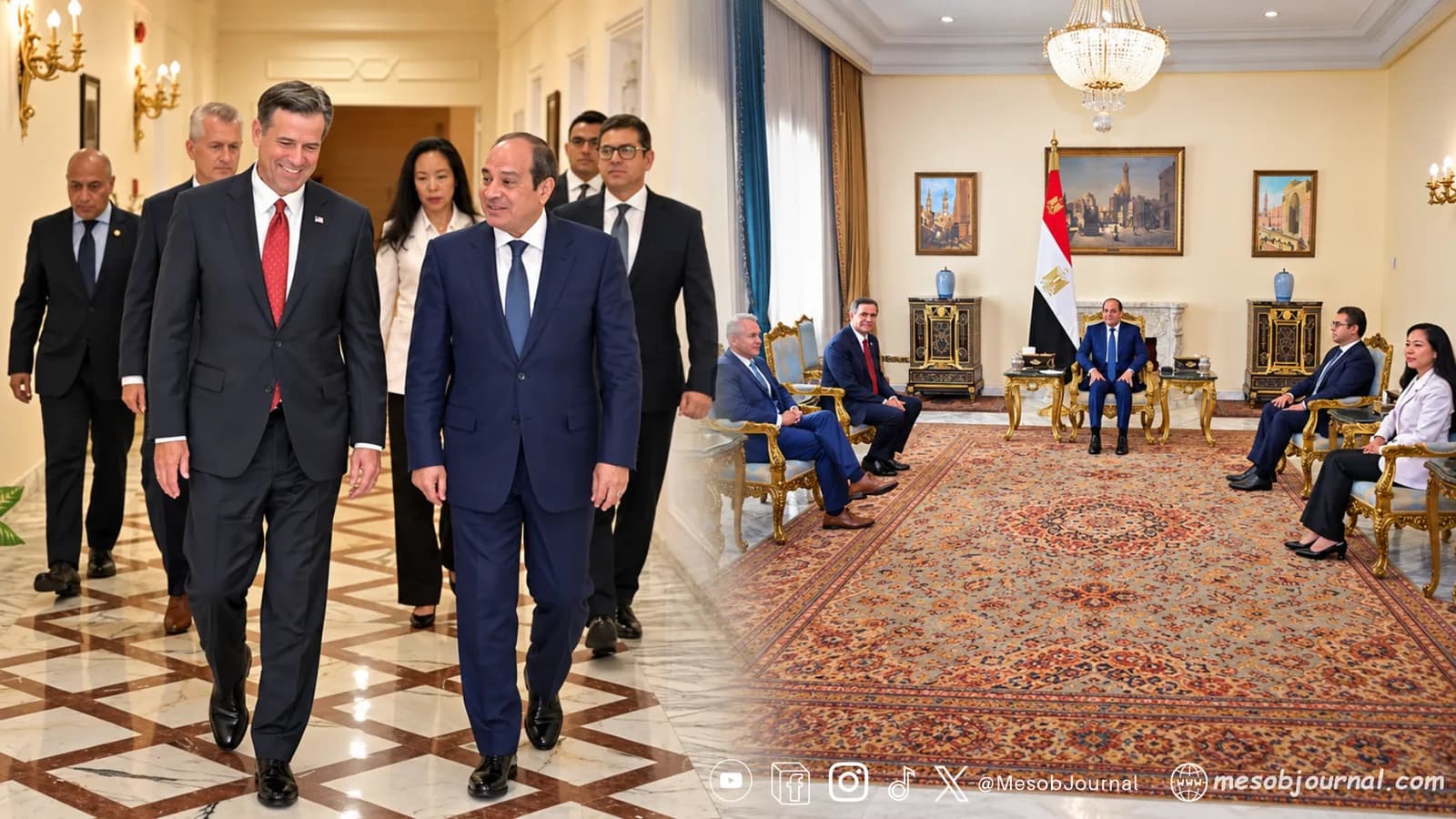
Egypt's president and the CIA director used talks in Cairo to put Sudan, Somalia, the Horn of Africa and Red Sea maritime security alongside Gaza, Iran and intelligence cooperation on a single regional agenda.
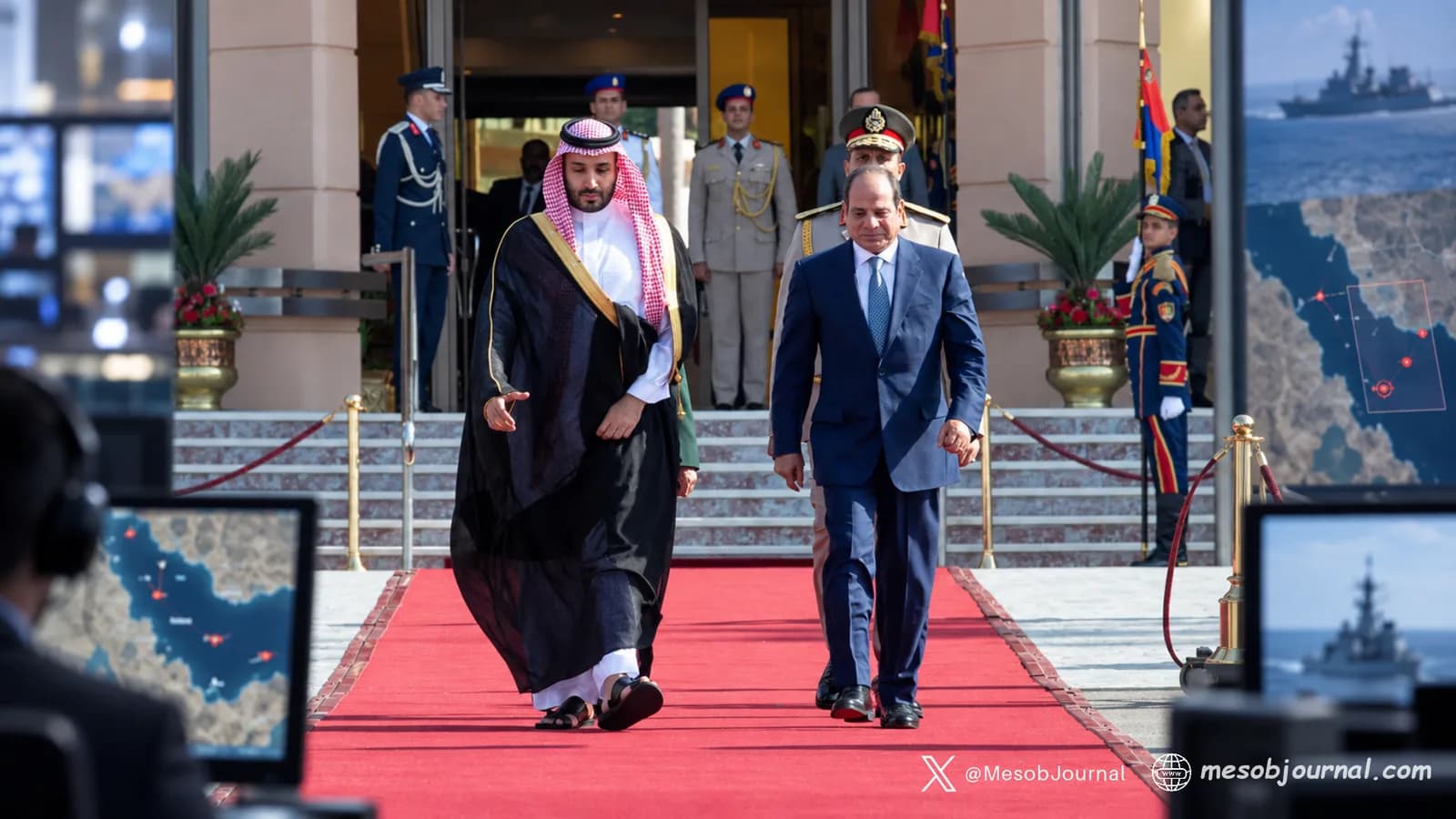
Egypt backed measures taken by Saudi Arabia to protect its security and called for secure navigation through the Red Sea and key regional waterways during talks in Cairo, as fighting between Saudi Arabia and Yemen's Houthis intensified.
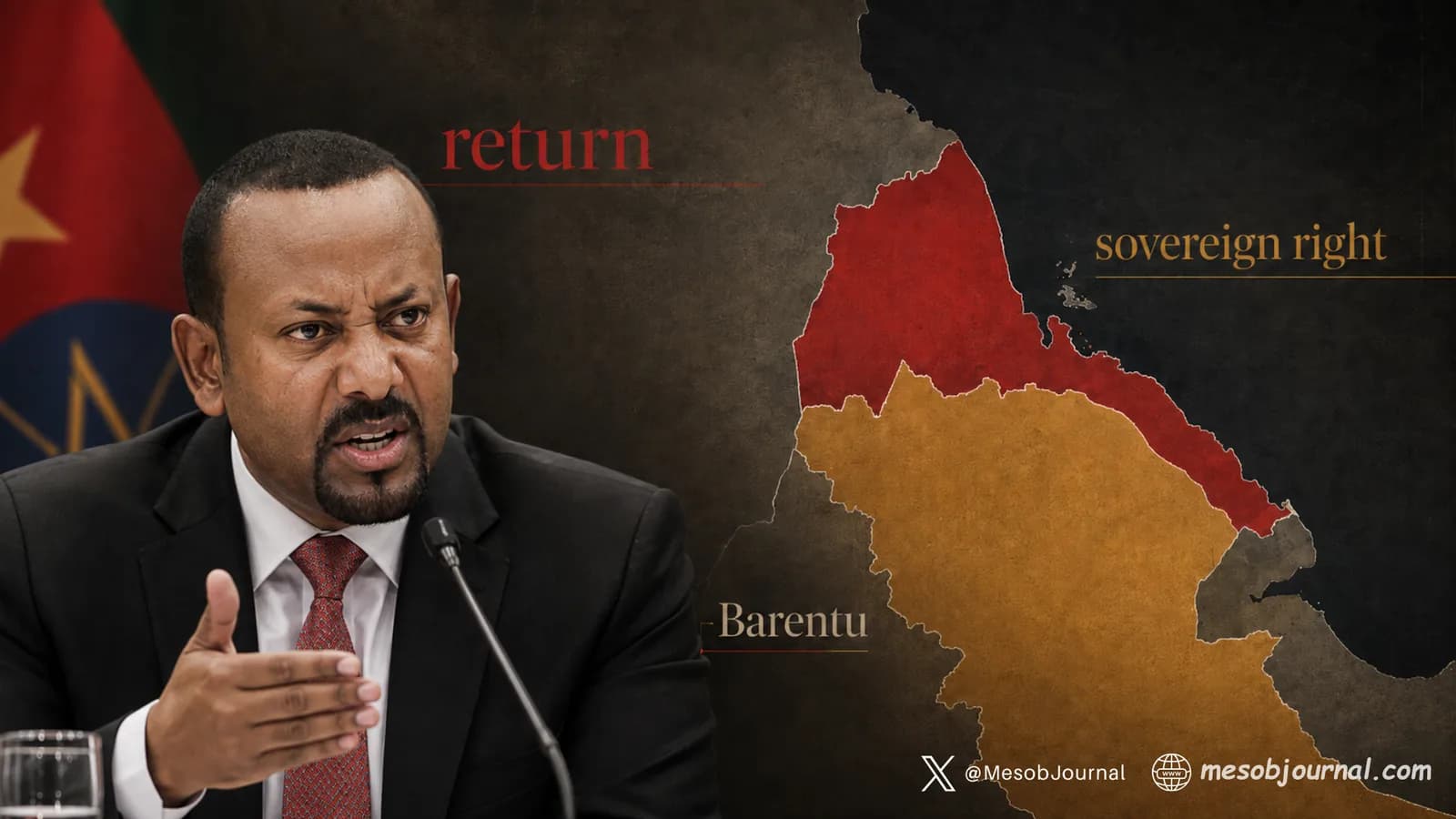
From the language of “return” to insinuations about Barentu, Ethiopia's ruling party is recasting territorial revisionism as reluctant self-defence. On 11 August, Fana Media Corporation asked whether Ethiopia's return to its “historic Red Sea coastline” was imminent. The most r

Donald Trump’s comments at the G7 summit regarding the Grand Ethiopian Renaissance Dam have reignited tensions over the Nile dispute, highlighting the regional implications for Egypt and Sudan. Ethiopia's approach to the dam has raised concerns about its impact on neighboring cou