
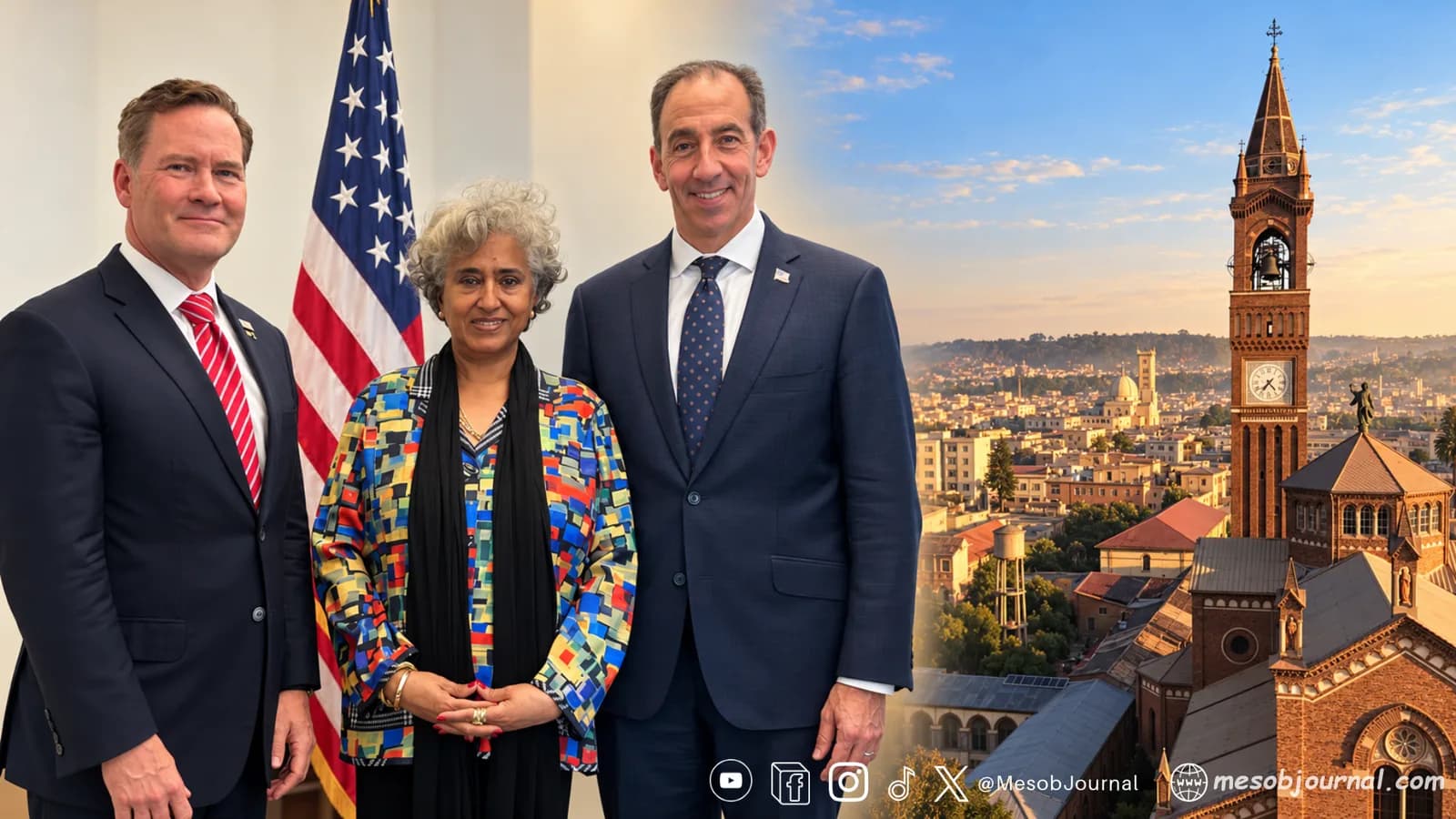
The foreign ministry’s October 21 position paper and Ambassador Sophia Tesfamariam’s engagements with U.S. representatives press a common demand: address threats to Eritrean territory before they lead to renewed conflict.
Eritrea has pressed its sovereignty concerns directly with U.S. representatives at the United Nations, alongside a foreign ministry position paper rejecting territorial claims against the country and challenging international calls that place equal responsibility on Asmara and Addis Ababa.
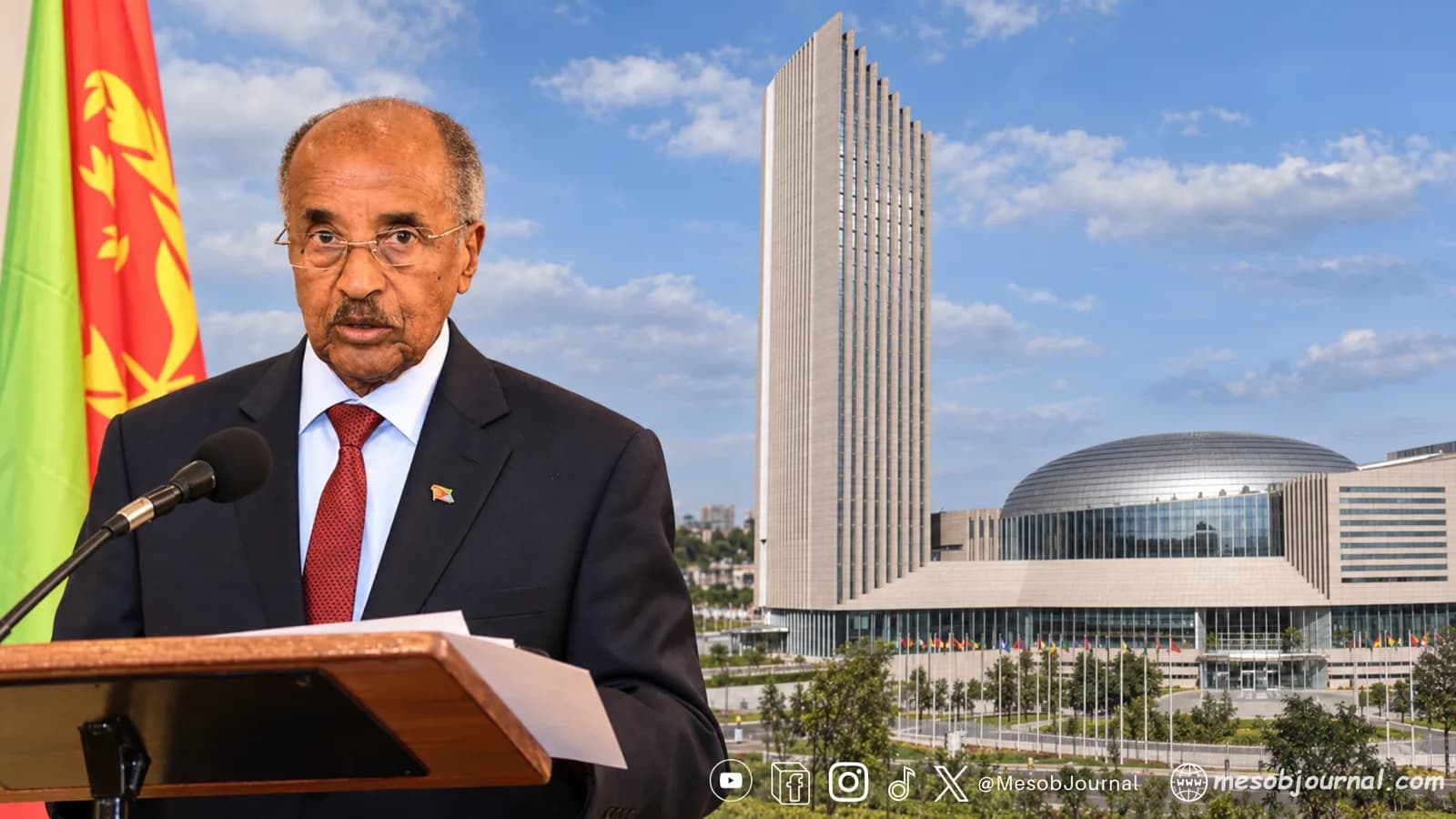
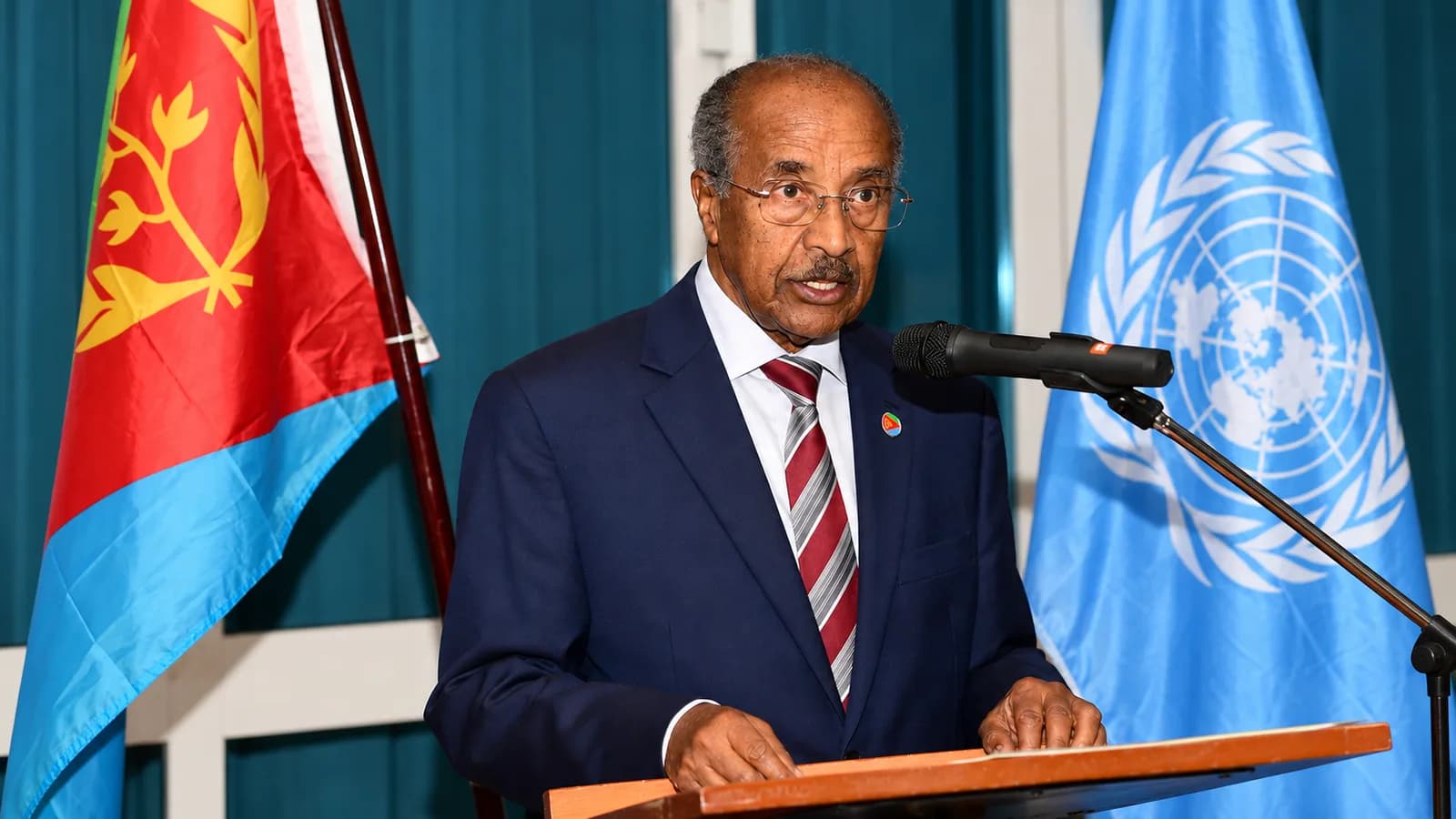
Ambassador Sophia Tesfamariam, Eritrea’s permanent representative to the UN, held discussions with Mike Waltz, the U.S. permanent representative, and Jeffrey Bartos, the U.S. representative for management and reform, on developments in the Horn of Africa.
Tesfamariam urged those with influence to act proactively to prevent renewed war and avoid statements that embolden Ethiopia’s leadership. She raised Ethiopia’s campaign concerning the Red Sea, threats against Eritrean territory, the expulsion of Eritrean diplomats accredited to the African Union and the UN Economic Commission for Africa, and the breakdown in bilateral diplomatic relations.
Her message was direct: Ethiopia must respect Eritrea’s sovereign territory, while international attention must also address the developments inside Ethiopia that Asmara says its neighbour is attempting to deflect.
The engagements bring the argument set out in the Ministry of Foreign Affairs’ October 21 position paper directly into discussions with U.S. diplomats.
The ministry describes Eritrea’s sovereignty, independence and territorial integrity as “non-negotiable, inviolable, and sacrosanct.” It rejects the premise that Ethiopian demands concerning Eritrean territory constitute a legitimate bilateral dispute requiring territorial concessions.
The paper places the issue within a wider African context. Accepting a neighbouring country’s strategic or economic needs as grounds for revising borders, it argues, would threaten the territorial security of states across the continent.
That argument also shapes Eritrea’s criticism of international responses.
The ministry rejects generic appeals for “both sides” to exercise restraint, arguing that such formulations obscure responsibility for the confrontation. It attributes the escalation to Ethiopia’s ruling Prosperity Party and says meaningful de-escalation requires an end to its hostile policies.
Tesfamariam carried the same distinction into her discussions with the U.S. representatives. She rejected the description of the situation as a bilateral crisis and called for attention to the underlying threats against Eritrean sovereignty.
The ministry also states that the Eritrean Defence Forces remain entirely within Eritrea’s internationally recognised borders. It denies allegations of invasion and says claims about an Eritrean presence in Ethiopian territory concern areas awarded to Eritrea by the Eritrea–Ethiopia Boundary Commission in April 2002.
The paper couples that defensive position with a commitment to regional peace, mutual respect and non-interference. Eritrea asserts no claim over Ethiopian sovereign territory, the ministry says, while retaining its right to defend itself against aggression.
Eritrea’s diplomatic push follows a sustained campaign of territorial claims and threats by Ethiopian political and military leaders, amplified through state media. The Ethiopian News Agency has published commentary advocating the reclamation of Assab, while the Ethiopian National Defence Forces have described rejection of Ethiopia’s claim to the port as “banditry” and invoked soldiers’ willingness to sacrifice. These explicit claims over Eritrean territory underpin Asmara’s demand that international diplomacy address the source of the threats.
The latest diplomatic push follows Foreign Minister Osman Saleh’s October 15 briefing to diplomats in Asmara. Saleh connected the Red Sea campaign, the diplomatic rupture and regional security concerns, and renewed Eritrea’s request for Security Council action.
The position paper consolidates those concerns into a formal statement of policy. Tesfamariam’s U.S. engagements press the corresponding diplomatic demand: use international influence to uphold Eritrea’s territorial integrity and prevent the threats it has raised from developing into another regional war.