
Osman Saleh calls for Chapter VII deterrent measures, warning that war would devastate the people of both countries and destabilise the region.
Eritrea has urged the United Nations Security Council to condemn what it describes as Ethiopia’s declaration of war and take deterrent measures under Chapter VII of the UN Charter.
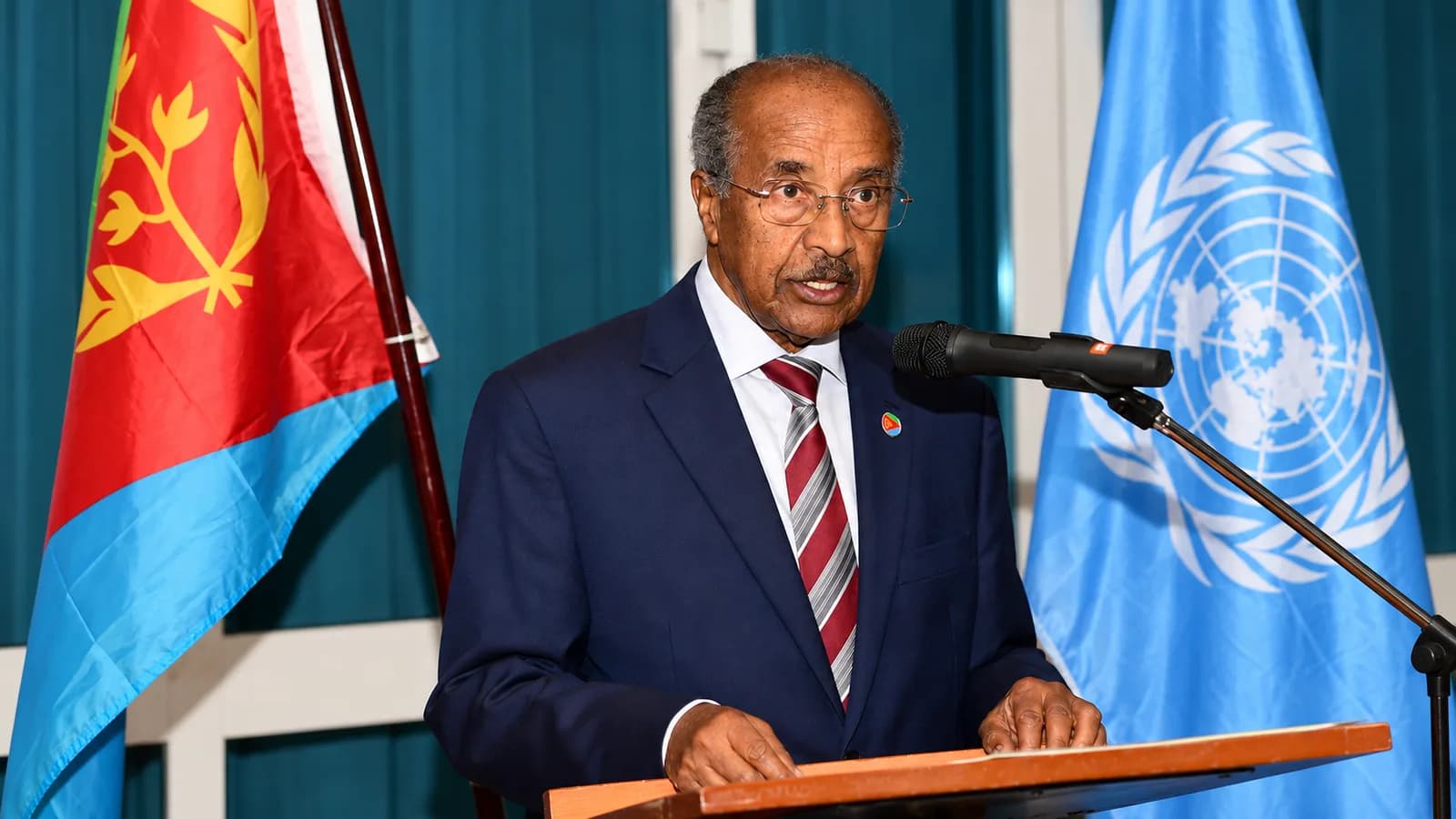
In a signed letter dated 10 October, Foreign Minister Osman Saleh placed Eritrea’s sovereignty and territorial integrity at the centre of an urgent appeal to prevent a wider conflict. The two-page document was published by Eritrea’s Ministry of Information on Saturday.
Saleh warned that the consequences would reach far beyond governments and military commands: a war against Eritrea would bring devastation to people in both countries and destabilise the entire region.
The appeal asks the Council to move beyond expressions of concern and use its authority to deter the threatened conflict.
Responding to Ethiopia’s communication to the Security Council on 9 October, Saleh rejected Addis Ababa’s self-defence justification. He characterised Ethiopia’s announcement that it was “taking measures” as a step towards implementing a campaign against Eritrea that Asmara says has developed over three years.
According to the Associated Press, Ethiopian Foreign Minister Gedion Timothewos invoked Article 51 of the UN Charter, alleging Eritrean troop incursions and support for armed groups. AP reported that the Ethiopian letter supplied no supporting evidence for those allegations and said it could not independently verify them.
Eritrea’s response places those accusations against a longer record of demands for sovereign access to the Red Sea.
Saleh argued that Ethiopia’s objective was to acquire “sovereign access to the sea” through force, violating Eritrea’s independence and recognised territory. He said Eritrea had repeatedly alerted the international community to the danger.
The minister also cited remarks he attributed to Ethiopia’s deputy army chief, General Abebaw Tadesse, on 27 September. According to Saleh’s account, the general identified Assab as the eventual military objective and Mekelle as a stop on the way towards Eritrea.
The distinction between maritime access and territorial ownership is central to the dispute. Article 125 of the UN Convention on the Law of the Sea provides for access and transit arrangements agreed between states while preserving the sovereignty and legitimate interests of transit countries. It does not grant ownership of a neighbouring coastline.
The sovereignty commitments Saleh invokes have already received international backing. Marking the Algiers Agreement’s 25th anniversary in December 2025, the UN Secretary-General reaffirmed support for the agreement and urged respect for both countries’ sovereignty and territorial integrity.
Eritrea is now requesting enforcement action. Chapter VII allows the Security Council to determine threats to international peace and adopt measures, including non-military measures, to address them. Eritrea’s request does not itself constitute a Council decision.
Saleh’s closing demand is explicit: condemn the threatened war and take “deterrent measures” to prevent the devastation Eritrea warns would engulf both peoples.