
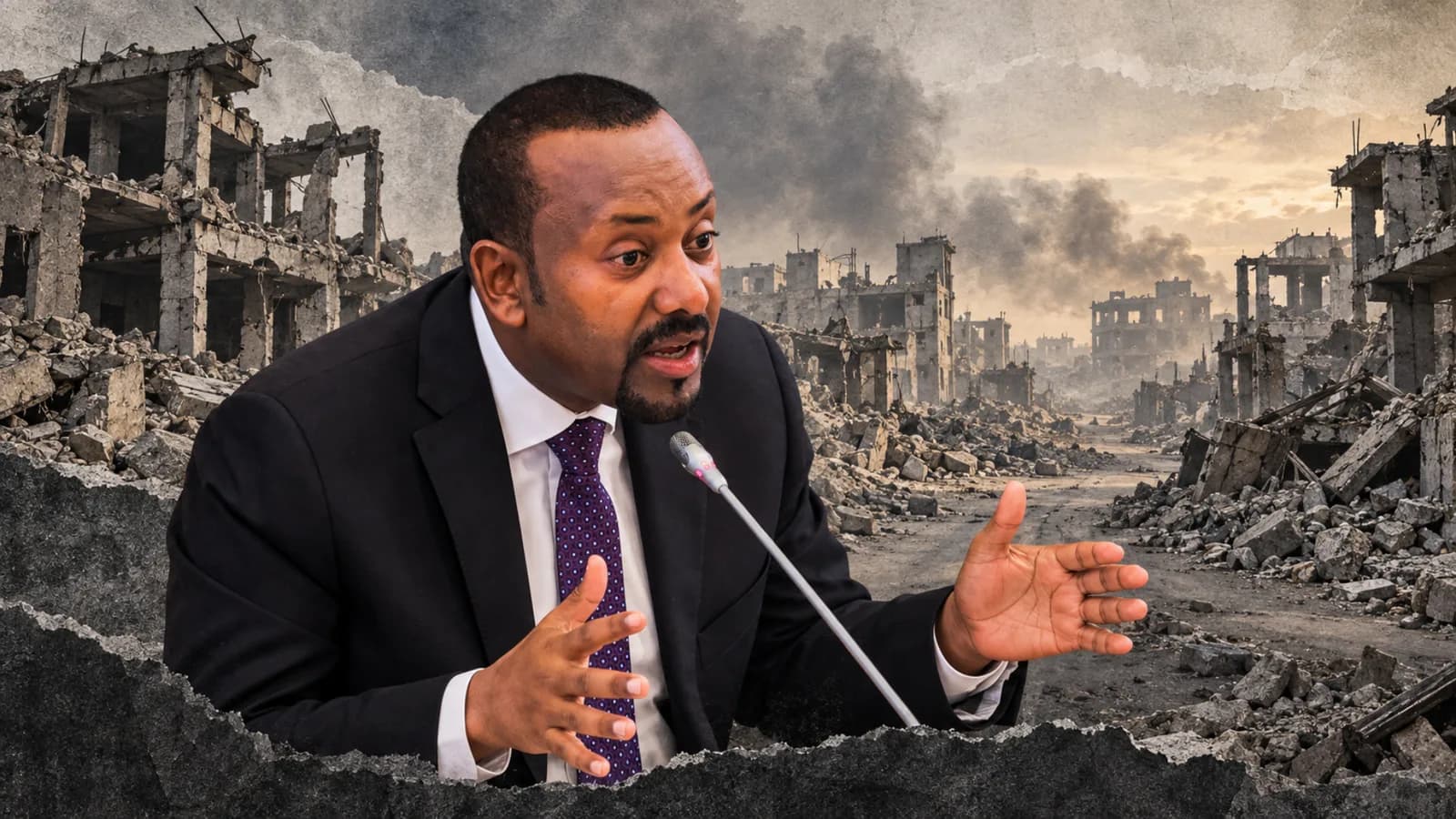
Ethiopia demanded condemnation. Eritrea’s sovereignty and the evidence behind the accusation deserve scrutiny before the region is pushed towards another war.
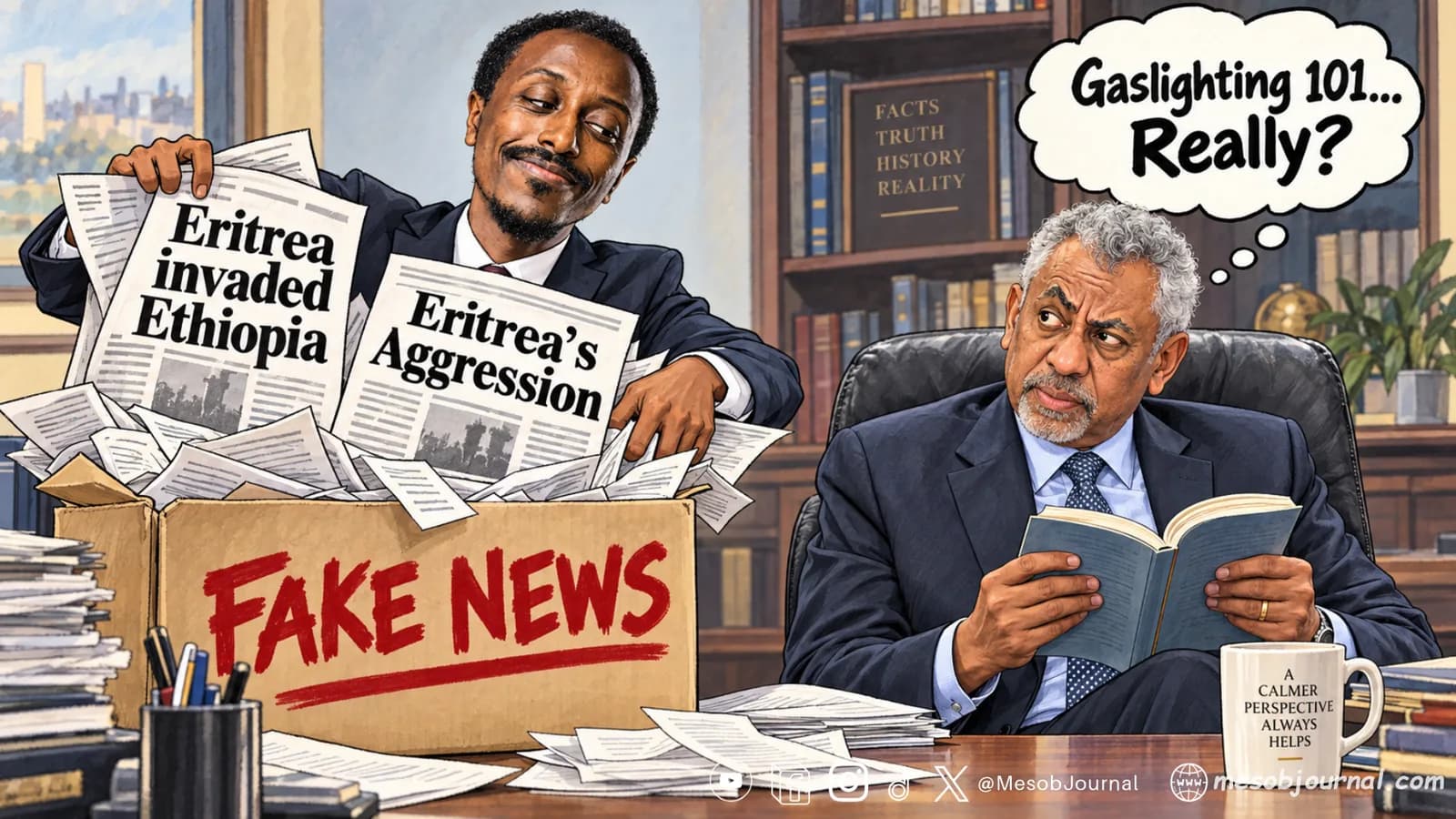
The claim that Eritrea has launched an “all-out invasion” of Ethiopia has travelled faster than its proof. The public material examined for this article contains no authenticated photograph, video or satellite evidence establishing that alleged current invasion. Yet the accusation has already become a demand for international condemnation and support for military action.
Eritrea deserves better than a presumption of guilt assembled from anonymous accounts, images of uncertain provenance and footage acknowledged to be old. The people of the region deserve reporting that helps prevent war.
The withdrawal announced by Channel 4 News exposed a serious failure in that reporting. On 9 October, international editor Lindsey Hilsum acknowledged that the opening footage in its report was not current and said the piece was being taken down. Her correction is direct evidence that images used to frame the present crisis could not establish the event being reported.
Those images must be removed from the case against Eritrea. Their circulation cannot continue to count as corroboration after their evidentiary value has collapsed.
Where is the proof?
The witness accounts behind one prominent report described two trucks carrying dozens of soldiers through Adigrat. The witnesses remained anonymous, citing security concerns, and identified the troops through their uniforms. One account relayed what family members had allegedly seen. Eritrean Information Minister Yemane G. Meskel rejected the presence claim and described the accounts as part of an effort to justify aggression against Eritrea.
Protecting witnesses can be necessary. It does not relieve a newsroom of the responsibility to corroborate their allegations. Readers cannot independently examine an unnamed witness’s reliability, identification method or possible affiliations. Those limitations become especially consequential when the allegation could help justify war.
The images circulated as supporting evidence have their own unresolved problems. The original open-source assessment located alleged footage near Idaga Hamus but explicitly stated that it could not verify when the images were taken or the identity of the personnel. The assessment’s own qualification undercuts their use as proof of a current Eritrean deployment.
A location on a map does not establish a recording date or a soldier’s nationality.
The satellite review cited in the same reporting found no large Eritrean military buildup near the border. Its authors assessed that any recent incursion was likely limited and might already have ended. That remains their interpretation; it supplies no authenticated visual demonstration of the “all-out invasion” alleged by Ethiopia.
A mechanised offensive extending deep into another country demands evidence proportionate to the accusation: authenticated recordings, identifiable forces, established dates and a verifiable sequence of movements. Repetition across headlines cannot fill those gaps.
Presenting an invasion as established news while these basic questions remain unresolved misleads the public.
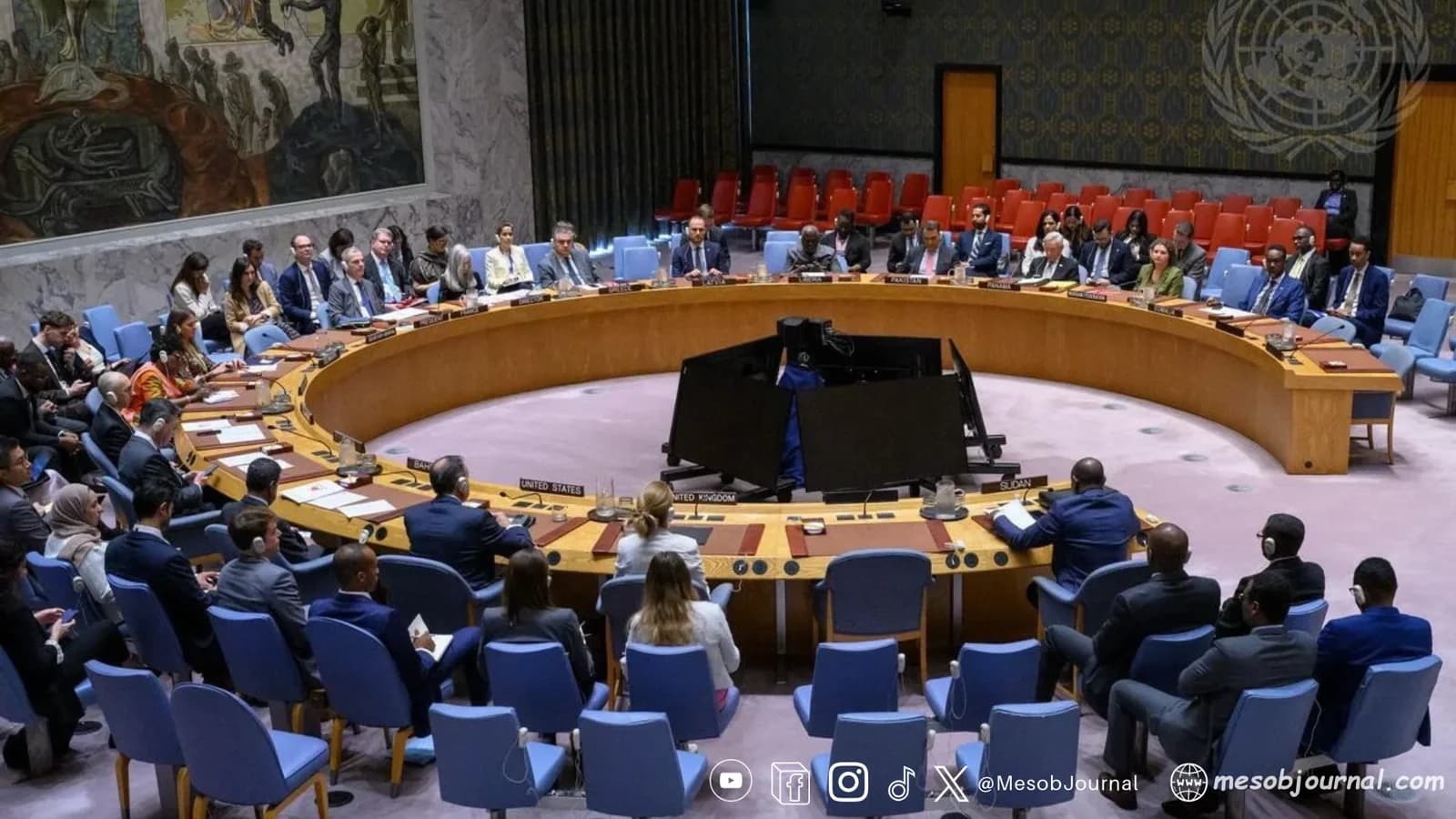
Ethiopia sought condemnation. The UN upheld obligations.
On 8 October, Ethiopian State Minister Berhanu Tsegaye asked senior UN officials to unequivocally condemn Eritrea. Foreign Minister Gedion Timothewos separately demanded a clear response and the withdrawal of alleged Eritrean forces. Ethiopia’s Foreign Ministry recorded those requests in its official account.
The Secretary-General’s subsequent statement did not provide the requested condemnation.
António Guterres called for an immediate cessation of hostilities in Tigray, Afar and Amhara and a return to dialogue under the Pretoria Agreement. He expressed concern about reports of Eritrean forces, without declaring Ethiopia’s invasion accusation established.
He also reminded every state in the region of its obligation to refrain from threats or force against another state’s territorial integrity or political independence, and to respect non-interference.
Ethiopia is bound by that warning. Its appeal to the UN cannot place its own threats, territorial rhetoric or military conduct beyond scrutiny. The Secretary-General’s statement gives Addis Ababa no endorsement for a campaign against Eritrea.
That distinction is essential when the government seeking condemnation has repeatedly made a neighbour’s coastline part of its national political argument.
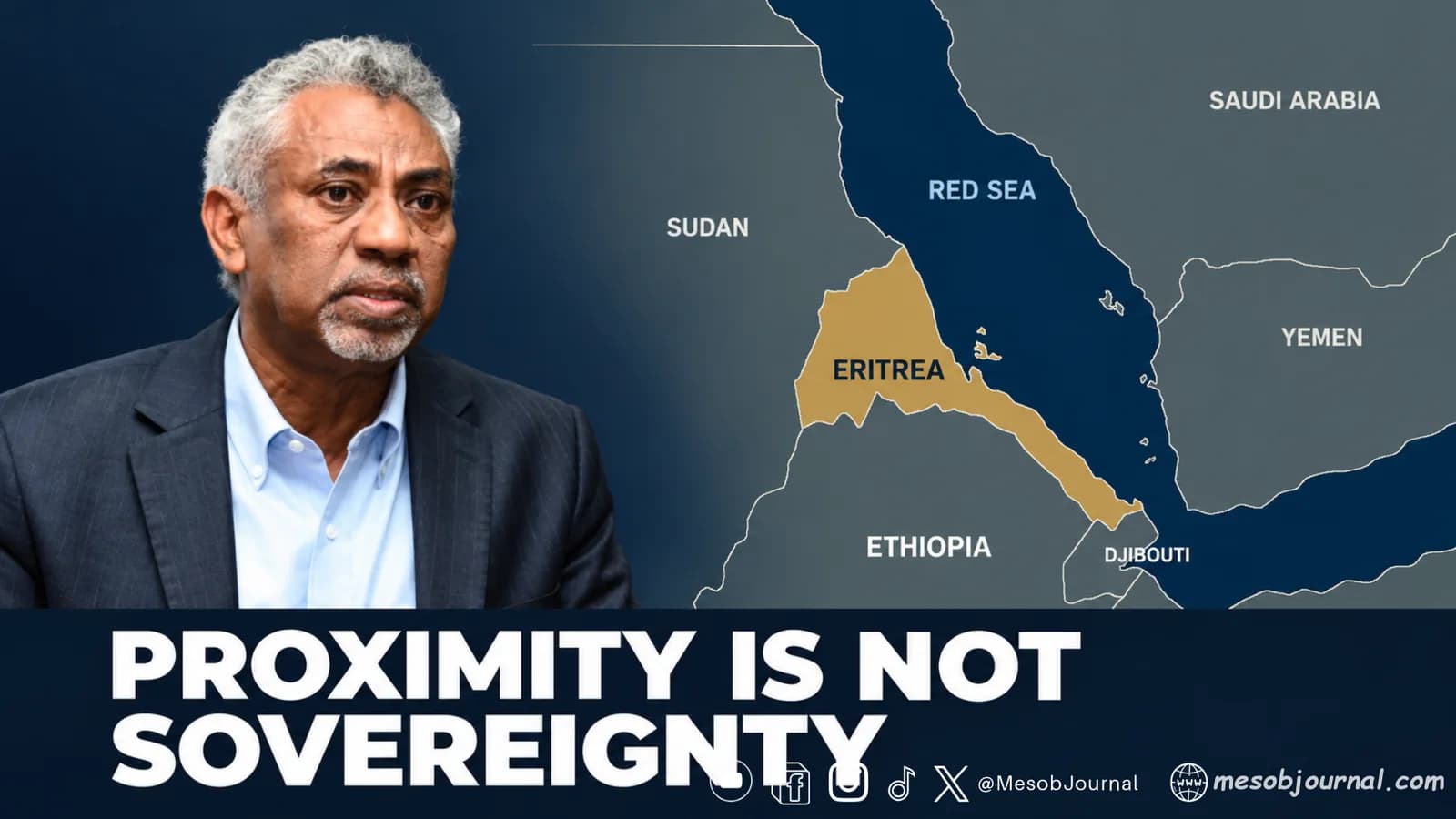
Eritrea’s sovereignty is the foundation for peace
On 3 February 2026, Abiy Ahmed declared Ethiopia and the Red Sea naturally inseparable and argued that Ethiopia required 50 kilometres of coastline. Those remarks followed an earlier, explicit threat concerning port access. At a meeting with investors and businessmen on 20 July 2023, he was quoted as saying: “We want to get a port through peaceful means, but if that fails, we will use force.” The contemporaneous report places force directly behind the demand for a port. Eritrea’s sovereignty cannot be made conditional on accepting Ethiopia’s demands.
Eritrea’s response to this pressure has a documented public record of restraint. On 16 October 2023, its government declined to be drawn into provocative sea-access discourse and urged others not to be provoked. On 9 February 2026, it again rejected Ethiopian accusations while declining recriminations that would further inflame the situation. These dated statements and repeated appeals for restraint belong at the centre of an honest account.
The practical effect of the invasion narrative is to push that history aside. Eritrea becomes the presumed aggressor, while years of pressure over its coastline recede into background context. An unproven accusation begins to supply the justification that territorial demands could not.
We should resist that reversal.
Supporting Eritrea’s sovereignty and its stated commitment to restraint is a position for peace. It means demanding proof before assigning aggression, challenging threats before they become military action, and refusing to make another country’s territory the remedy for Ethiopia’s internal or economic difficulties.
The immediate responsibility is to stop the fighting, protect civilians and restore dialogue. Eritrea’s sovereignty must be respected throughout that process. An invasion headline cannot be allowed to become permission for a war.