

In October, Abiy Ahmed put his ministers in uniform and showed the country pictures of them doing military drills. Weeks later, mothers in Addis Ababa told reporters their sons had been taken and forced into the army. One mother waited more than a month to find out what had happened to her only child. By then, he had been sent north.
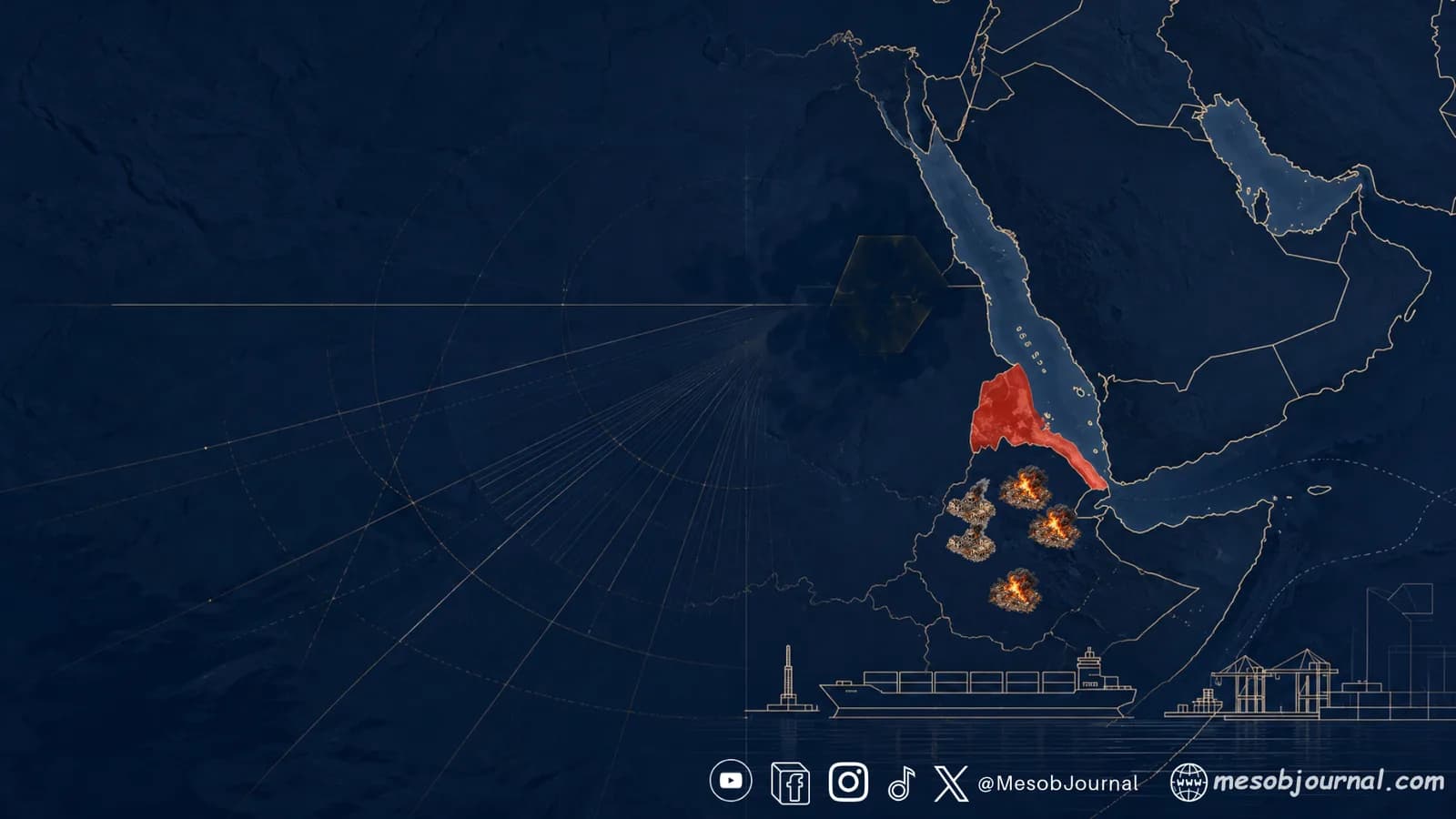
Abiy wants Ethiopia to believe it can fight its way to a Red Sea port. The mothers of Ethiopia have a more immediate question. Will her sons come home?
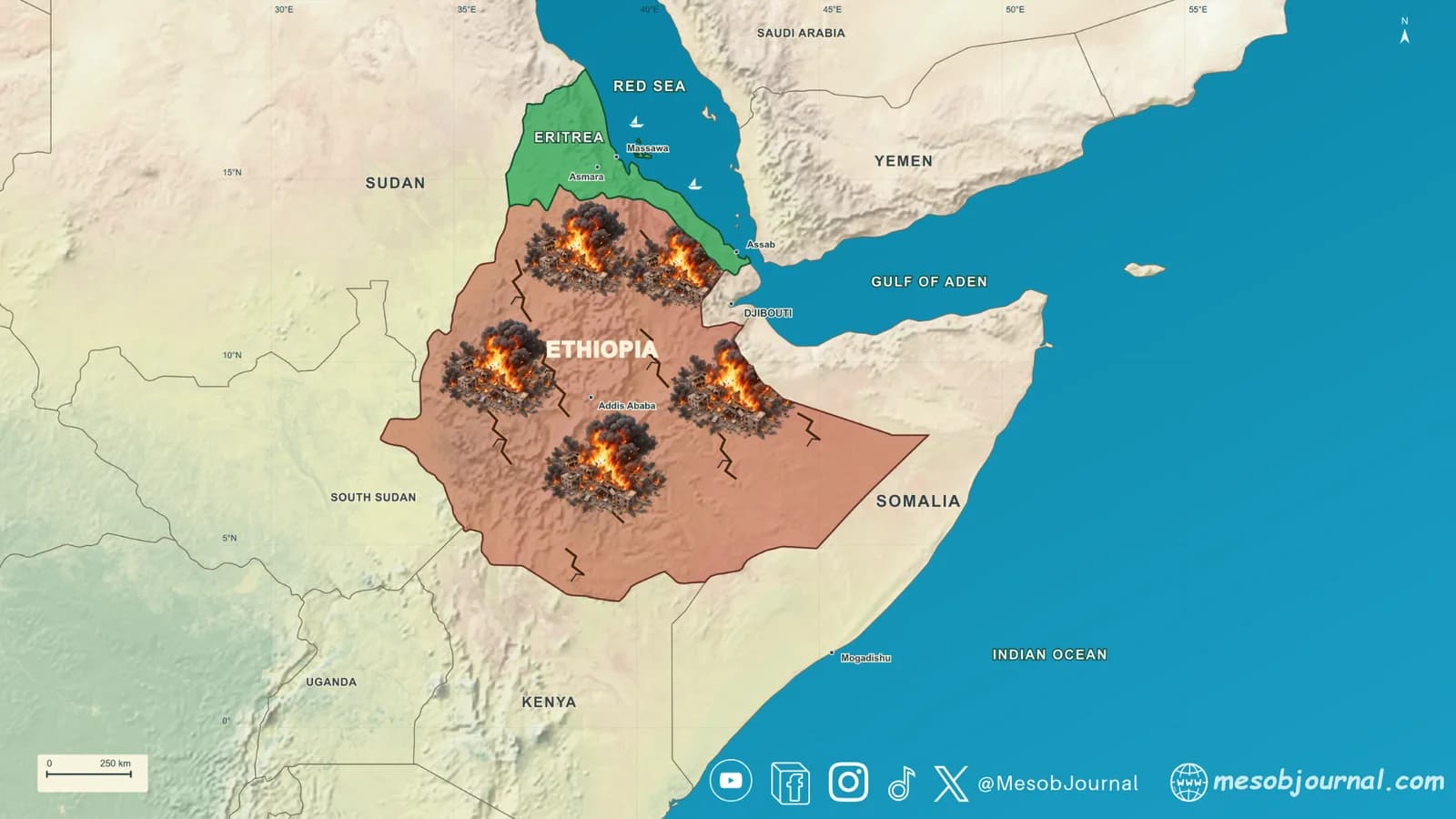
Federal forces entered Mekelle after the Tigray Defense Forces withdrew. The TDF yielded the city and remained in the fight. Abiy regained a regional capital, and his army took on the burden of holding it. Fighting in Tigray continued. In Amhara and Oromia, armed opponents kept federal forces committed. Some of those movements have put aside old rivalries to challenge Abiy. They can disagree on what comes after him and still keep his army fighting on several fronts.
Years of Emirati military support have made that army more heavily armed. Cargo flights from the United Arab Emirates were delivering military equipment as early as 2021. Russian fighter jets are now arriving. Count the aircraft if you want to know how much damage Abiy can inflict. To judge his gamble, ask how he intends to sustain a war against Eritrea while his own army is still fighting across Ethiopia and families say their sons are being taken to fill its ranks.
Sudan already knows what happens when Addis Ababa carries its military ambitions across a border. Sudanese authorities recovered a flight computer from an attack drone brought down at Al-Damazin. The flight plan showed a programmed takeoff inside Ethiopia. Sudan has also lodged complaints with the United Nations and African Union over drone strikes on its electricity infrastructure that it traced to Ethiopian territory. Satellite imagery separately points to an Ethiopian military base supplying the Rapid Support Forces. The consequences reach Sudanese households that lose electricity and hospitals that have to keep patients alive through power cuts.
In Somalia, Abiy’s attempt to secure a port deal through Somaliland provoked a confrontation with Mogadishu. Now Somalia has to consider whether Ethiopia’s fighting at home will draw troops away from the African Union mission against al-Shabaab. An Ethiopian government that strained relations with a neighbour over sea access may leave that same neighbour to cover a security commitment Addis Ababa already made.
A war to seize an Eritrean port would be an act of aggression. Abiy is asking Ethiopians to believe that an army stretched across their own country can invade Eritrea, hold territory and force a sovereign neighbour to accept its loss. He has enough firepower to kill many people trying. He has given Ethiopians little reason to believe he can achieve the objective for which he would ask them to die.
What would that war cost an Ethiopian family? Start with a son sent north, then count the wages he no longer brings home. Ask what happens when a family has to leave its fields before harvest and spend its savings finding somewhere safe to sleep. In August, the World Food Programme was already distributing cereal at 60 percent of its standard relief ration in Ethiopia’s Somali Region. By November, Ethiopian mothers who had fled fighting into Kenya were struggling to feed their children. A growth figure cannot tell them when they can go home.
The governments arming Abiy are pursuing interests of their own. Ethiopia’s neighbours are still calling for peace and respect for their sovereignty. Abiy has a choice while that opening remains. He can drop the threat of another war, or he can gamble again on surviving one. Ethiopian and Eritrean families should never have to bury their children to find out whether he was right.