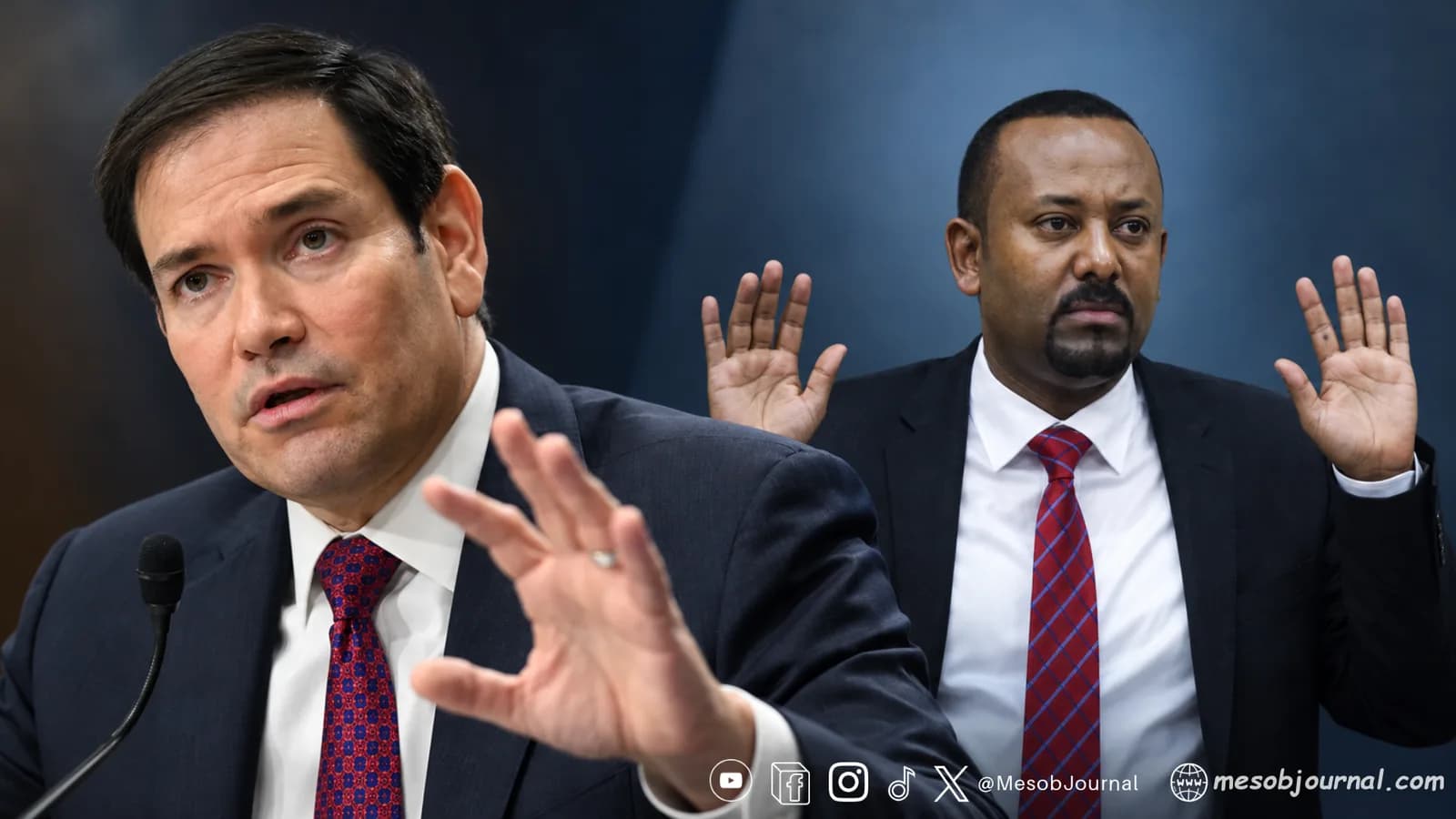
Rubio’s Warning on Eritrean Sovereignty Undercuts Abiy’s Rosy Account
Abiy presented his call with Marco Rubio as a diplomatic success. Washington’s readout stressed Eritrea, neighbouring sovereignty and the danger of further conflict.


We use cookies to improve your experience, analyze traffic, and show relevant content. You can accept all, reject non‑essential, or manage preferences.
Abiy presented his call with Marco Rubio as a diplomatic success. Washington’s readout stressed Eritrea, neighbouring sovereignty and the danger of further conflict.

Yemane G. Meskel’s rebuttal confronts Ethiopia’s aggression narrative with a chronology of port ownership demands, military rhetoric and Eritrea’s sovereign rights.

The EU and Britain rightly defend sovereignty. Their statements must now confront Abiy Ahmed’s public claims over Eritrea’s coastline and the military rhetoric supporting them.
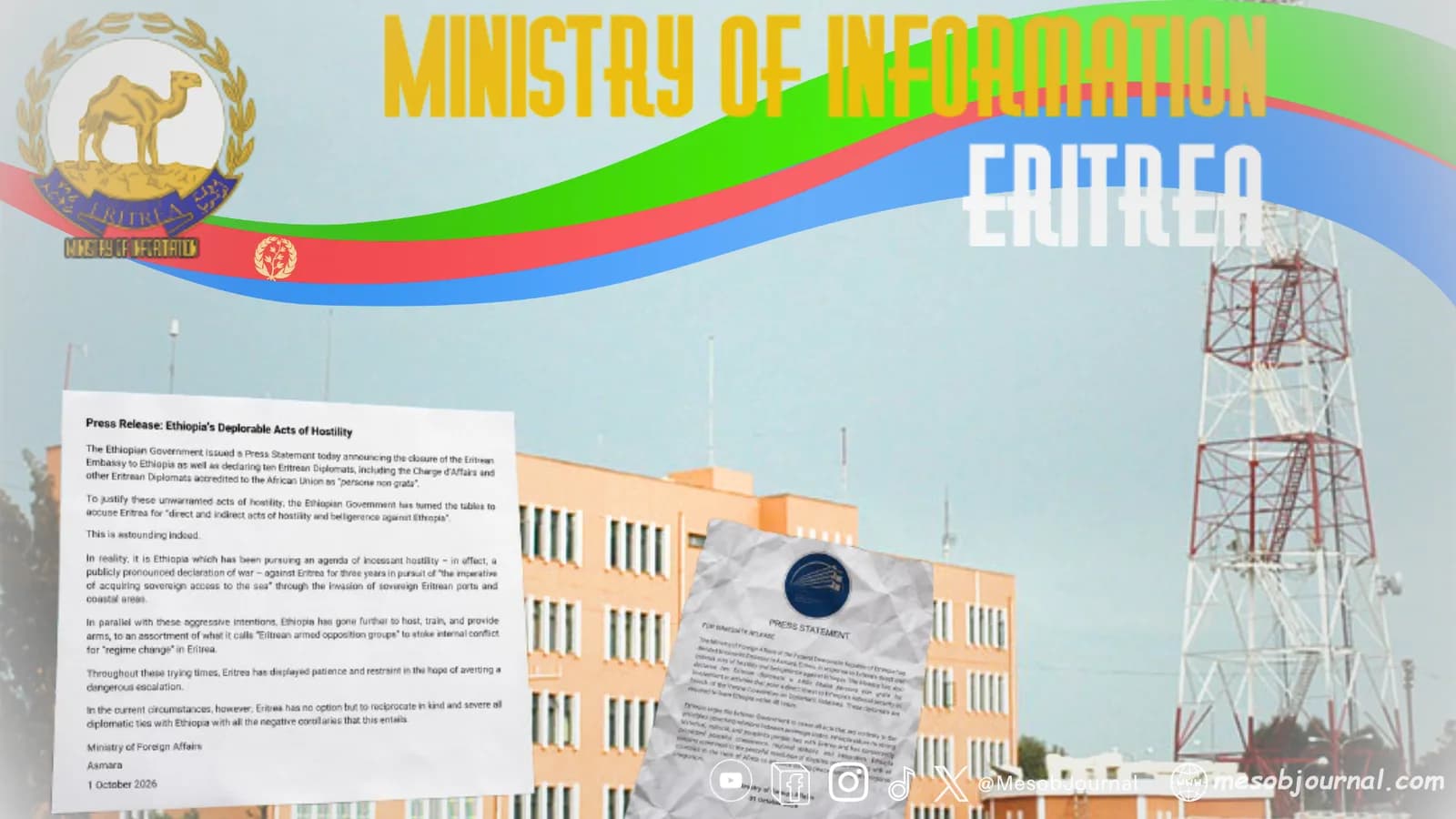
Ethiopia’s expulsion of Eritrean diplomats raises urgent questions about sovereignty, regional escalation and the protection of Eritrea’s African Union representation.
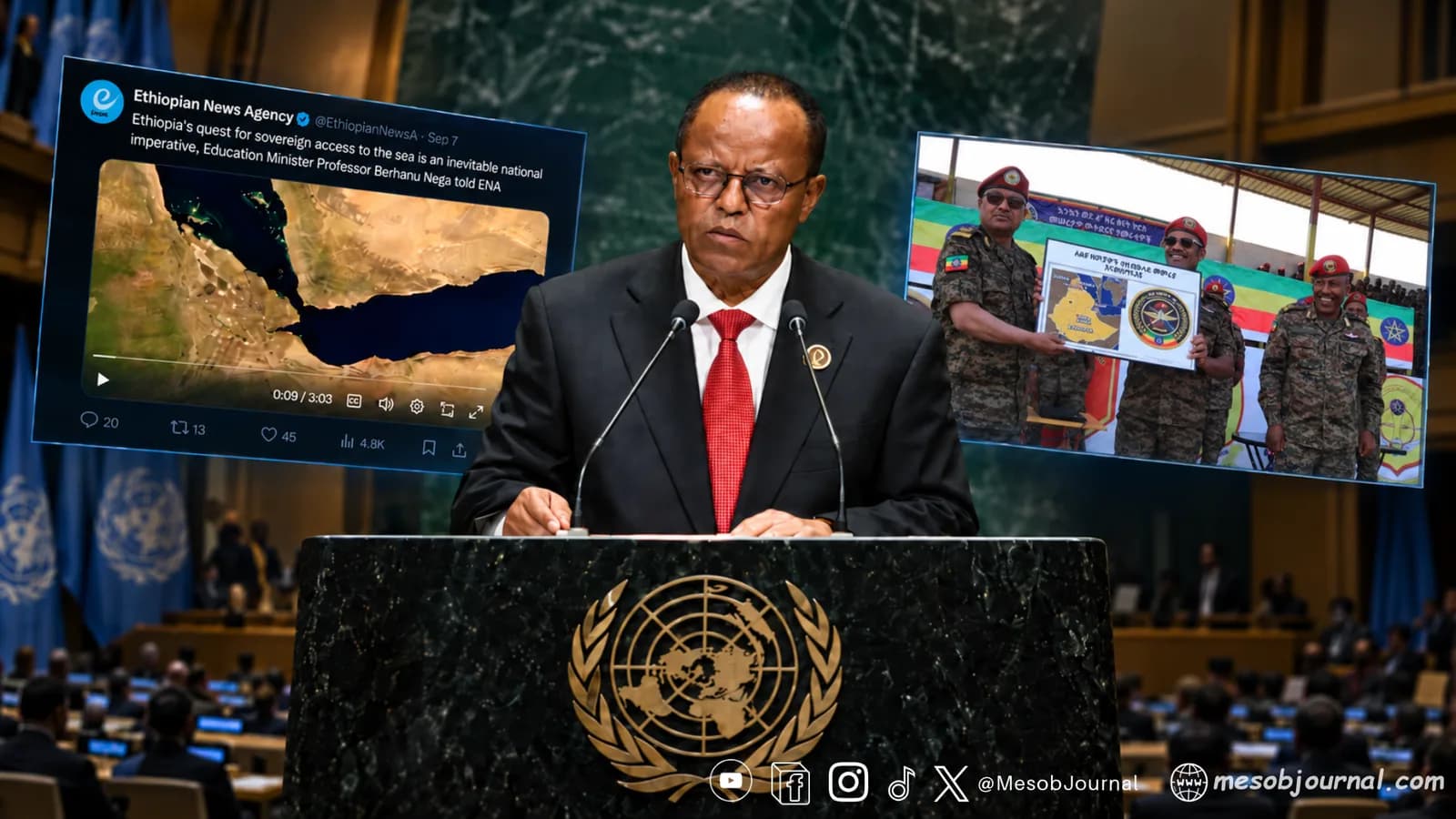
At the 81st UN General Assembly, President Taye Atske Selassie blamed “reckless external actors” for instability in the Horn — two days after seven Ethiopian armed groups formed an alliance against Abiy Ahmed's government. The record at home, the dispute with Eritrea and questions over Sudan tell a more complicated story.
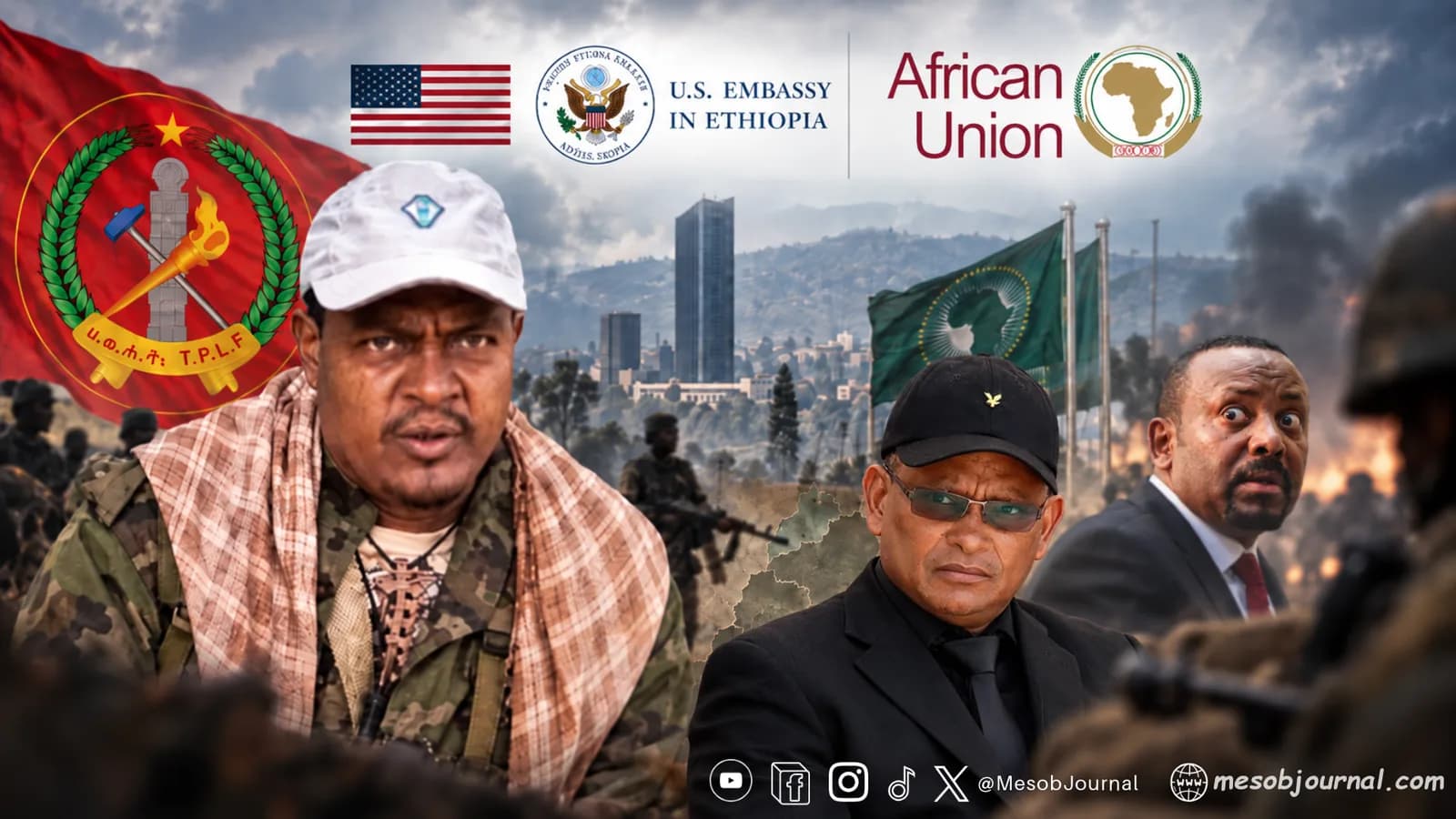
The African Union and the United States issued urgent statements after Tigrayan forces took the airports in Mekelle, Axum and Shire and seven Ethiopian opposition groups began coordinating against Abiy Ahmed's government.
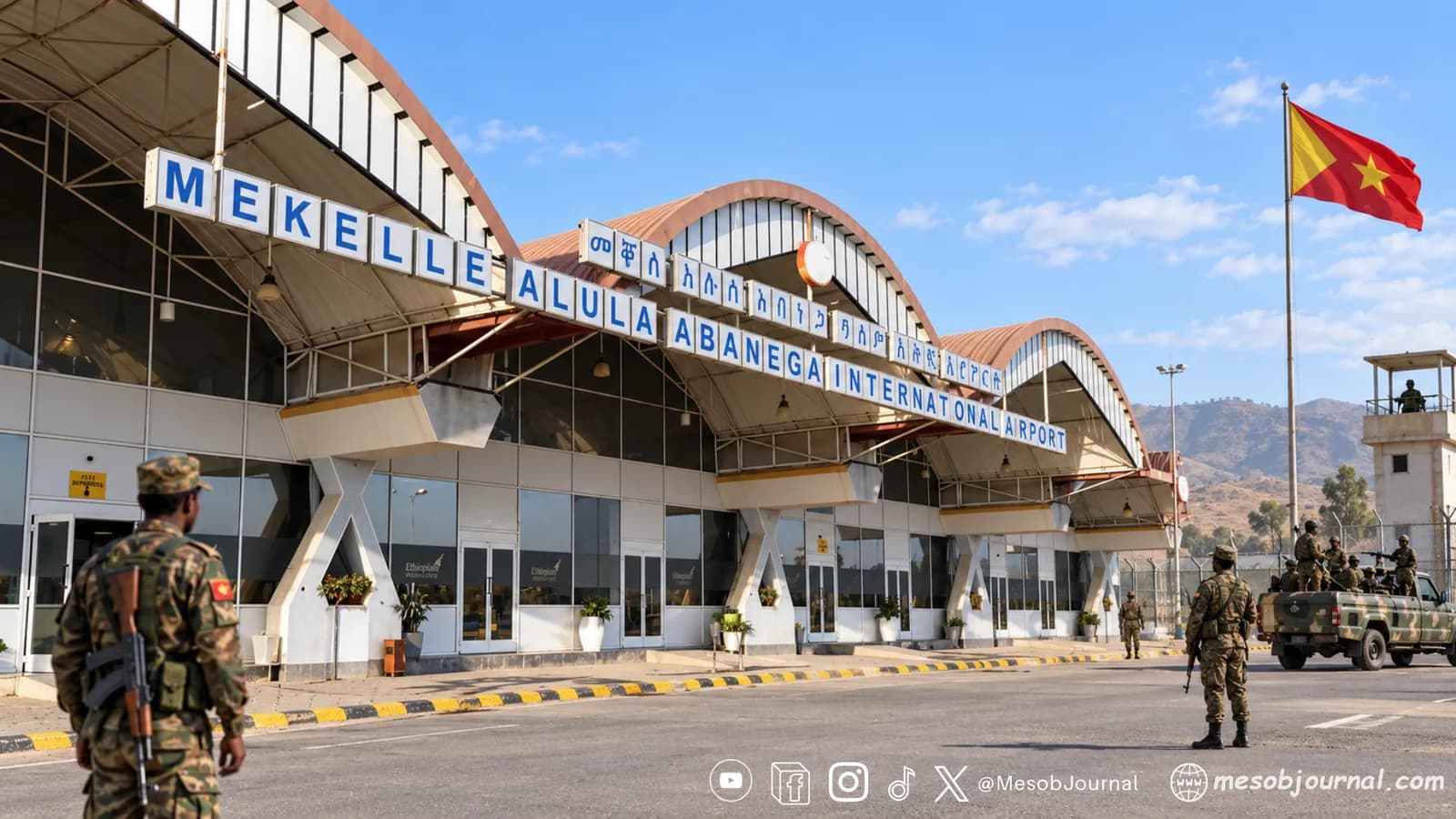
Tigrayan forces have taken control of Mekelle's Alula Aba Nega airport three days after the TPLF joined seven other Ethiopian opposition movements in an alliance aiming to remove Abiy Ahmed's government.
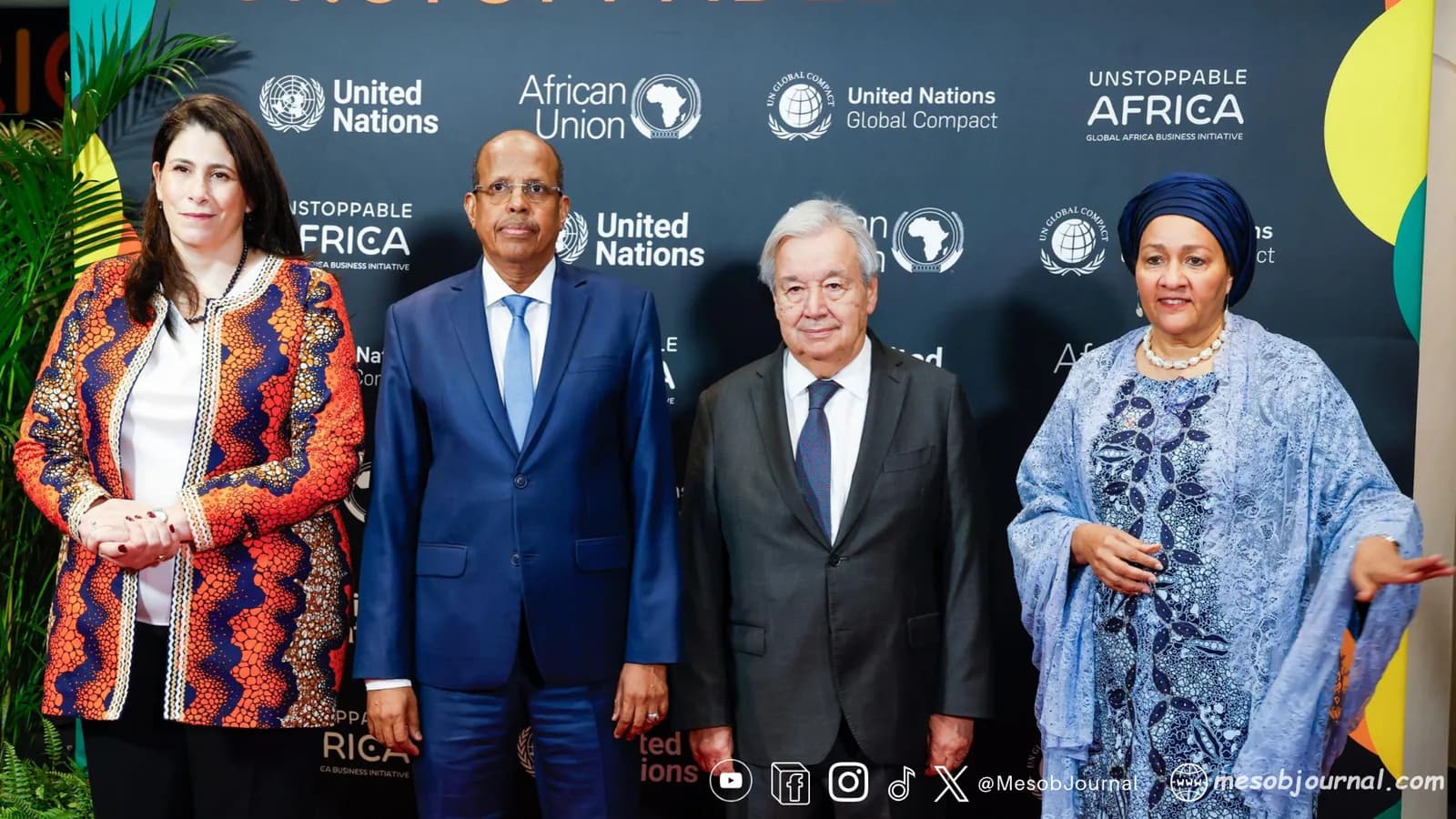
The African Union and United Nations met in New York on September 21 to discuss preventive diplomacy across Africa, but Ethiopia was absent from the published list of crises even as a seven-group armed alliance moved to remove Abiy Ahmed's government.

Seven Ethiopian political and armed opposition organizations, among them Fano, the Oromo Liberation Army, the TPLF and the ONLF, have announced the Ethiopian Popular Forces Alliance for Survival, pledging to remove the Prosperity Party government and install an inclusive transitional administration under a Transitional Charter.
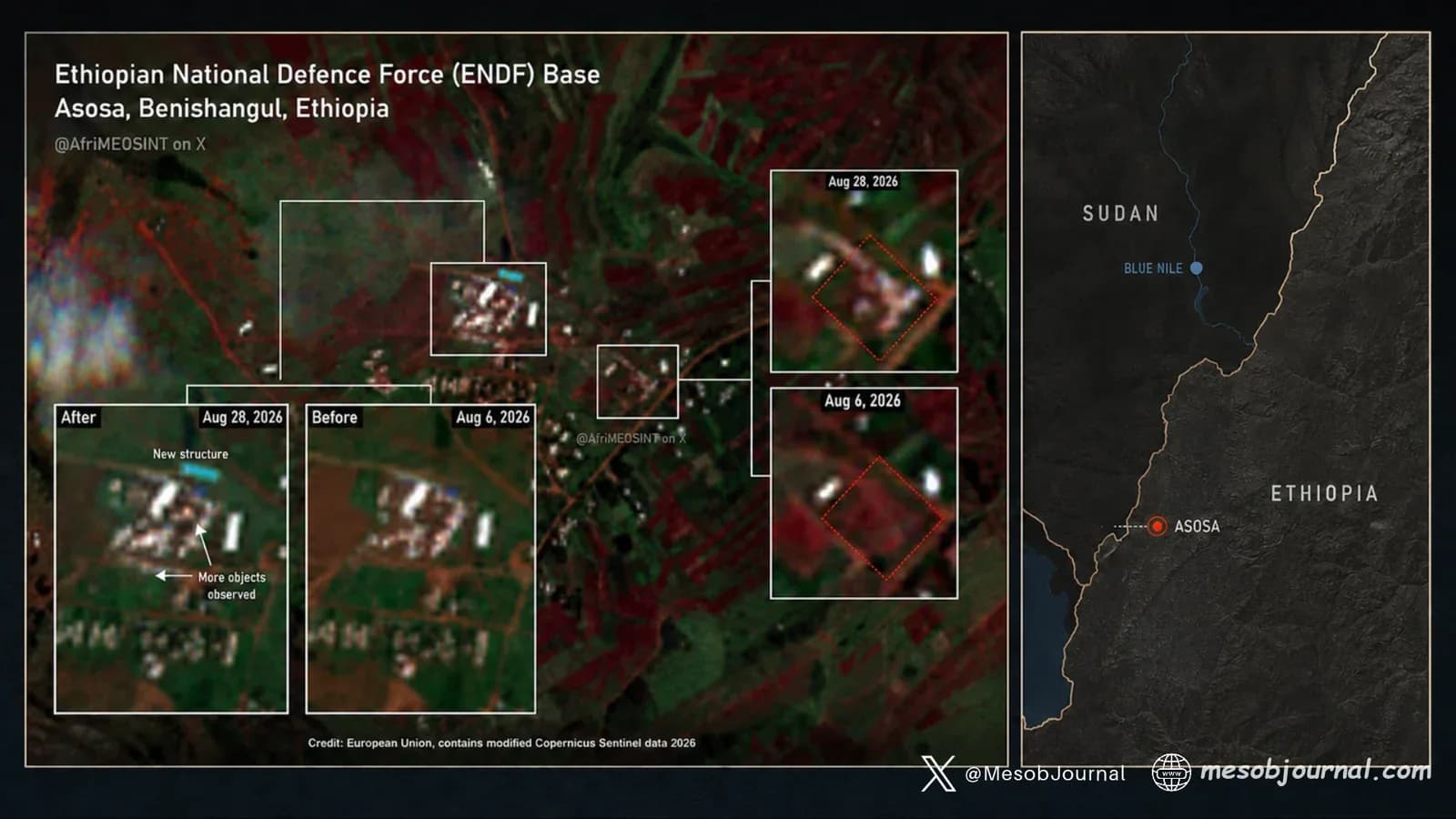
Yale’s latest Asosa evidence exposes a wider pattern linking Ethiopia’s RSF support, UAE patronage and pressure on Sudan, Somalia and Eritrea.
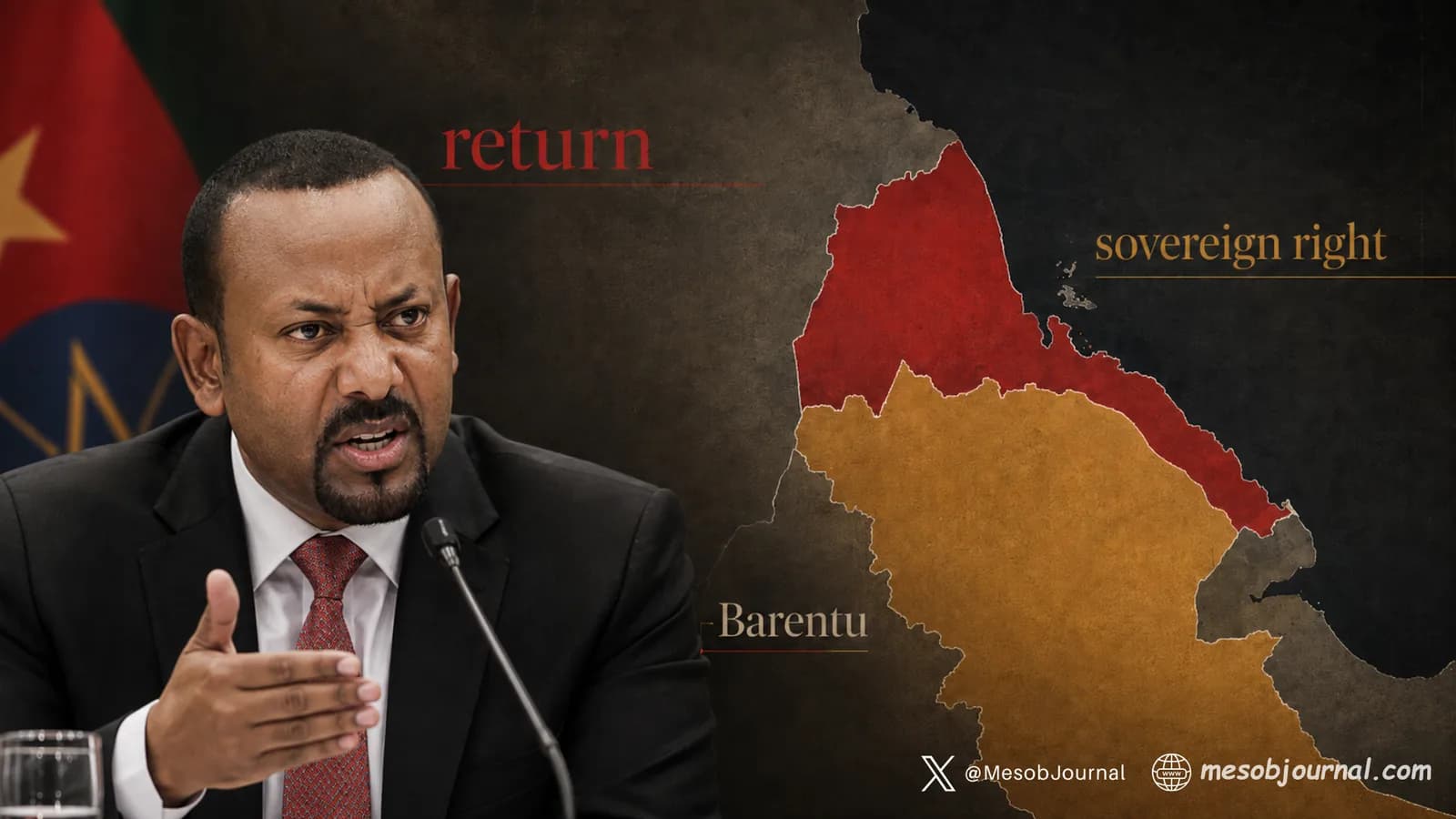
From the language of “return” to insinuations about Barentu, Ethiopia's ruling party is recasting territorial revisionism as reluctant self-defence. On 11 August, Fana Media Corporation asked whether Ethiopia's return to its “historic Red Sea coastline” was imminent. The most r
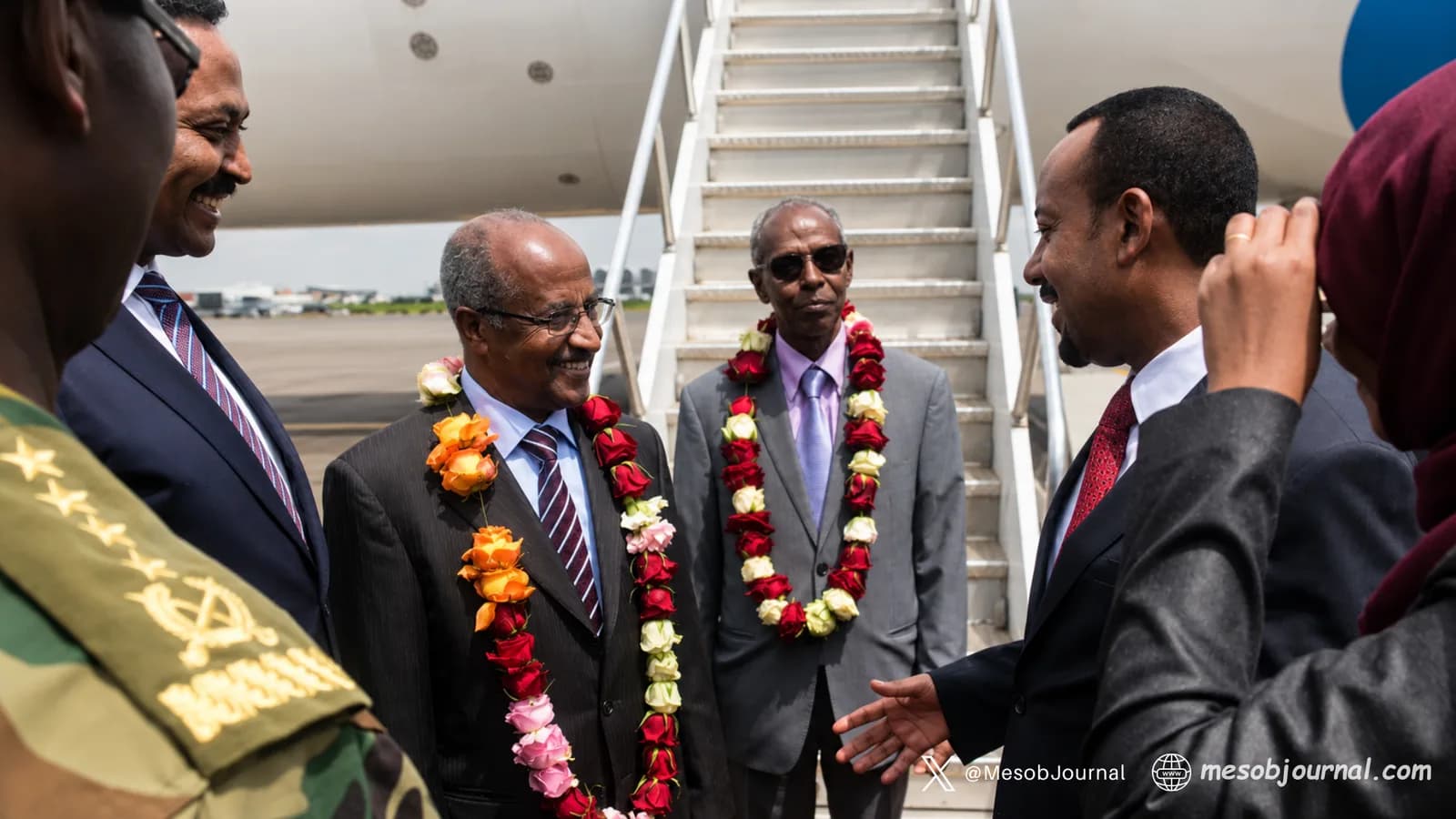
Eight years after the peace agreement between Eritrea and Ethiopia, Prime Minister Abiy Ahmed's rhetoric has shifted towards claims of 'sovereign access' to Eritrean territory, raising concerns about the stability of the peace established in 2018.