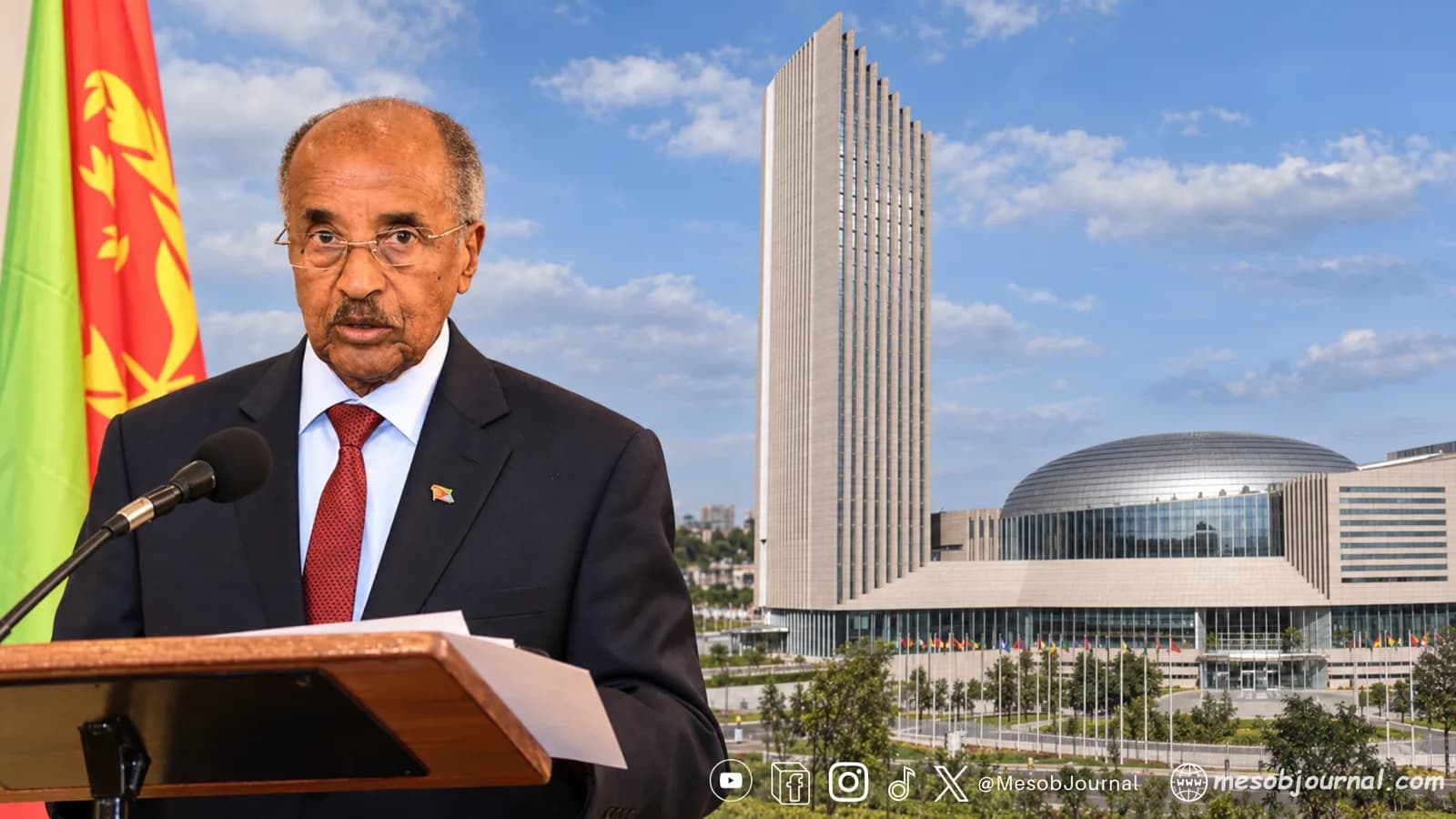
Eritrea Presses AU to Restore Representation After Expulsions
A newly published letter says Ethiopia’s expulsion order removed Eritrea’s entire AU and UNECA diplomatic team, and asks the Union’s highest policy bodies to act.


We use cookies to improve your experience, analyze traffic, and show relevant content. You can accept all, reject non‑essential, or manage preferences.
A newly published letter says Ethiopia’s expulsion order removed Eritrea’s entire AU and UNECA diplomatic team, and asks the Union’s highest policy bodies to act.
Eritrea’s 13 October information note asks the Security Council to confront threats to its sovereignty and deter a war over its ports and coastline.
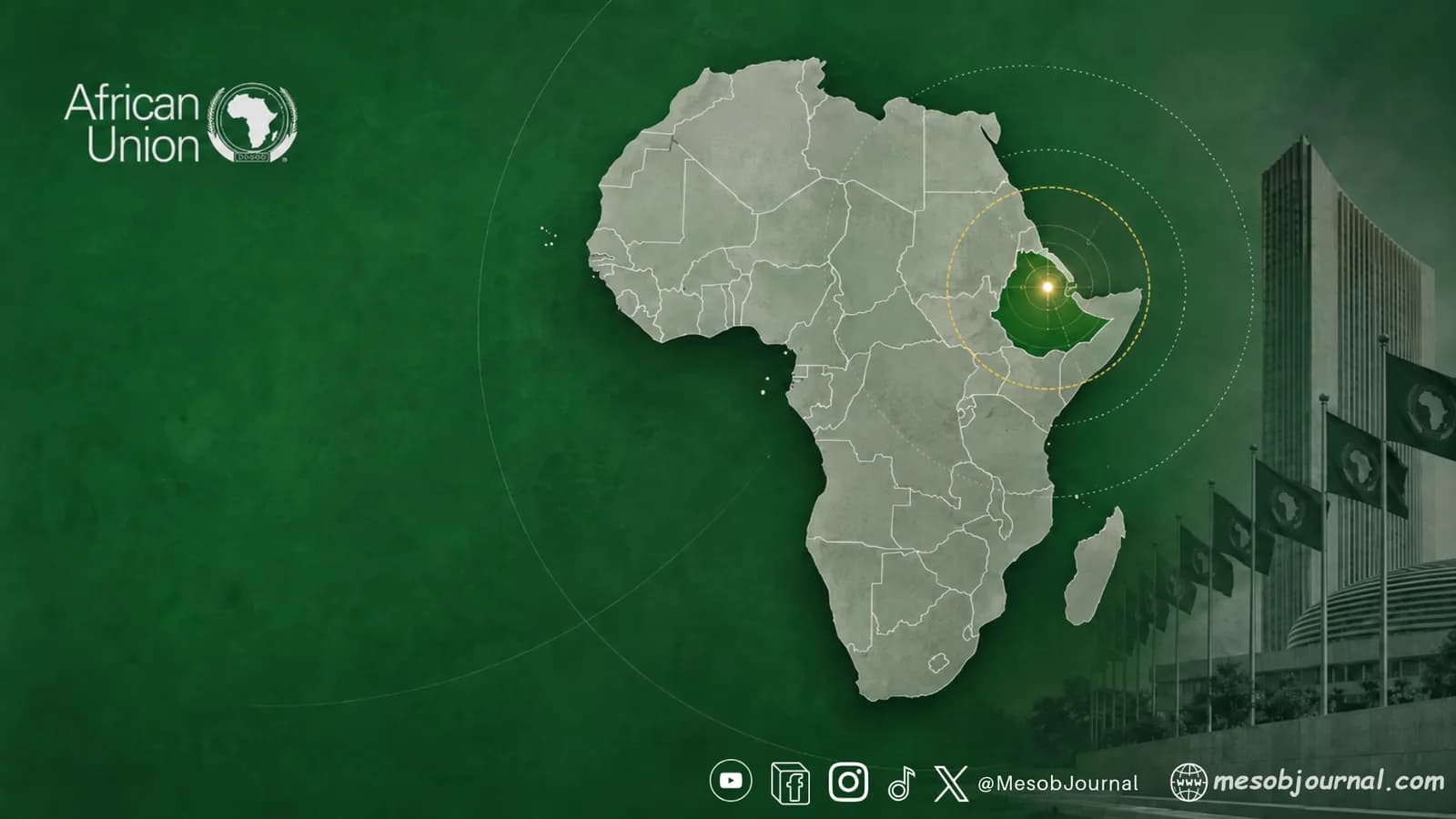
The African Union moved quickly to clarify its position after Cairo objected. It has yet to publicly address a more direct institutional question: Ethiopia’s expulsion of Eritrean diplomats accredited to the African Union itself.
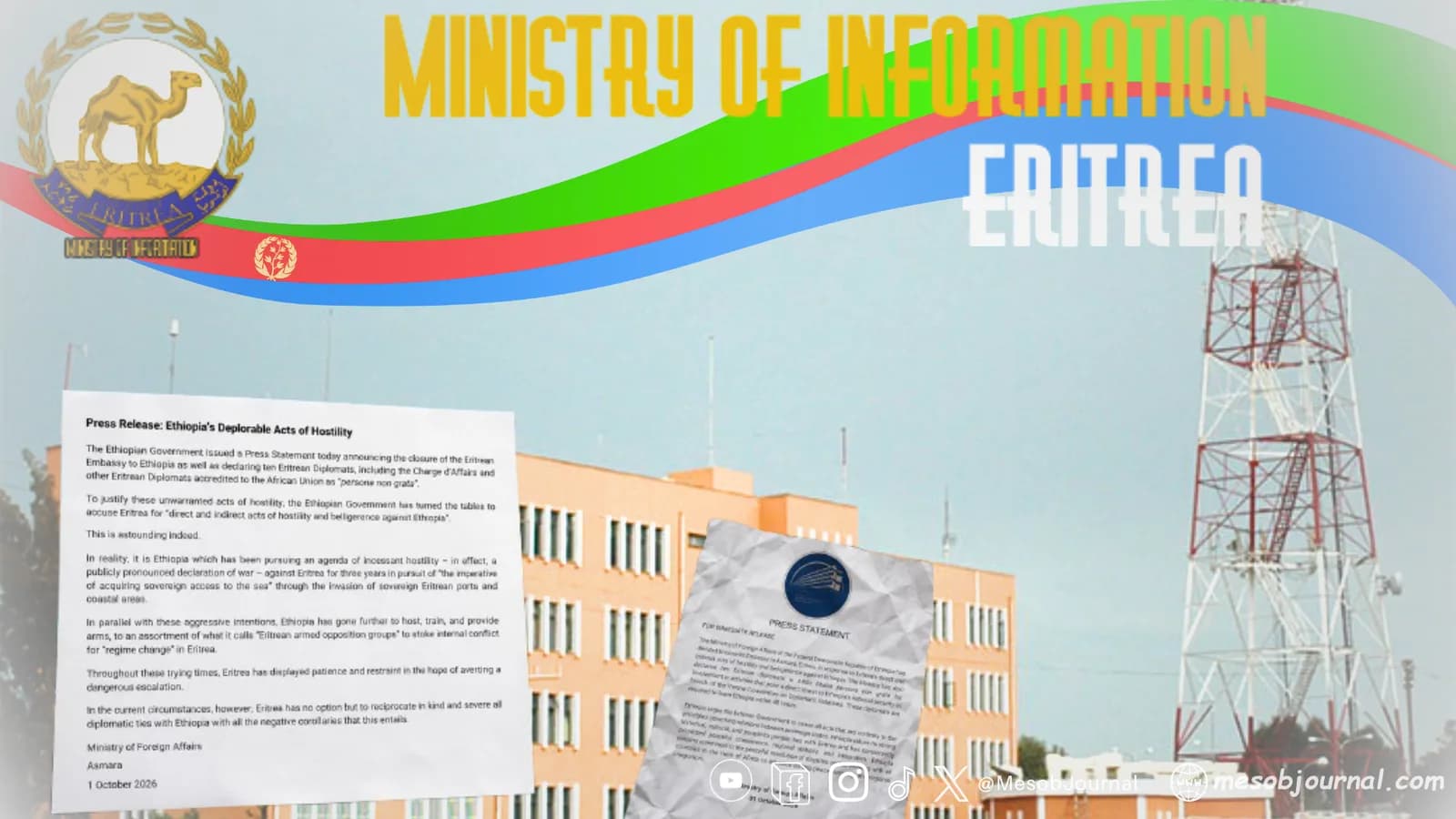
Ethiopia’s expulsion of Eritrean diplomats raises urgent questions about sovereignty, regional escalation and the protection of Eritrea’s African Union representation.
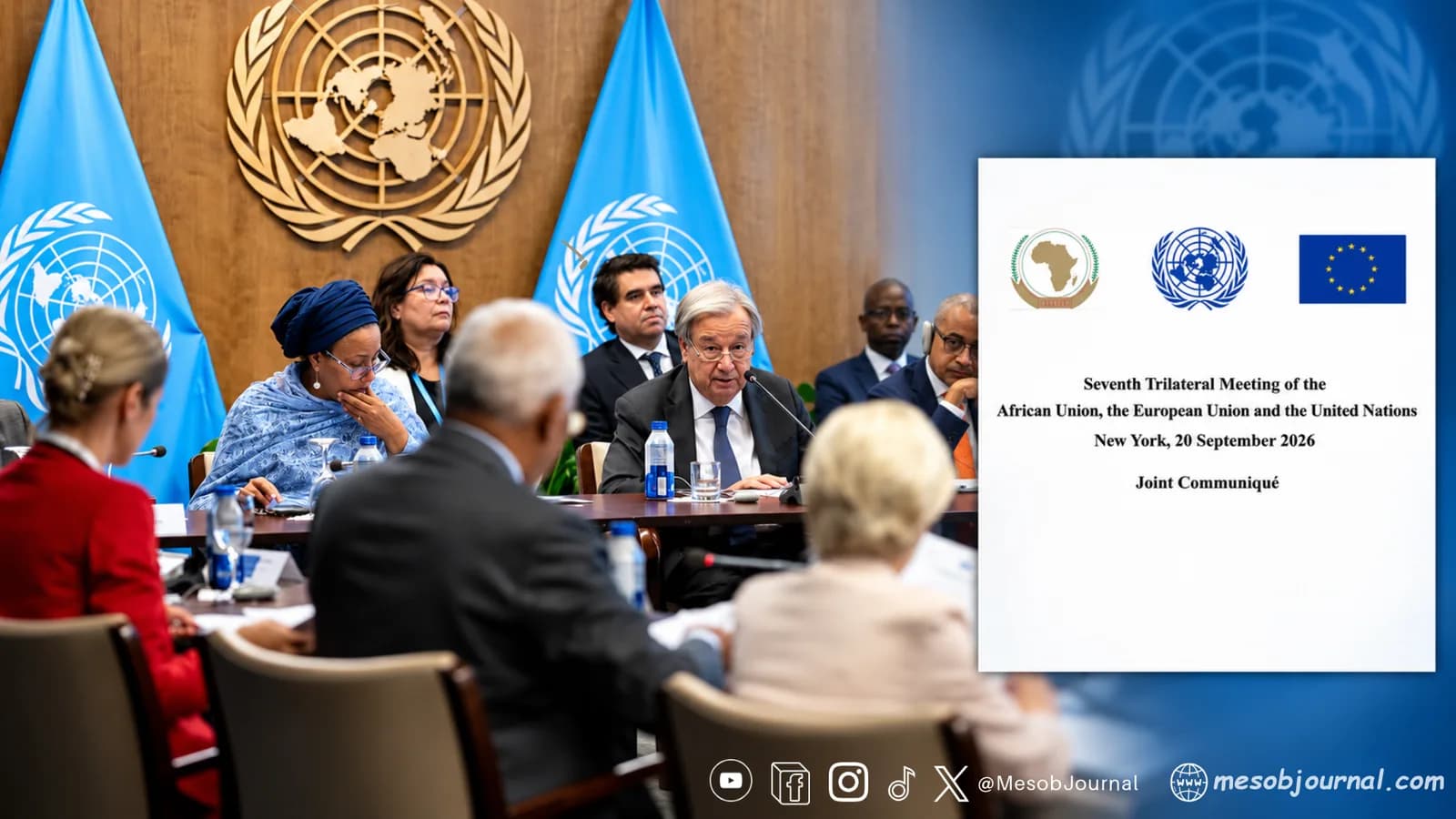
The African Union’s own UNGA81 readouts left Ethiopia out. A jointly agreed communiqué from the same diplomatic round shows that Ethiopia and the Pretoria Agreement were explicitly discussed. The discrepancy deserves an explanation.
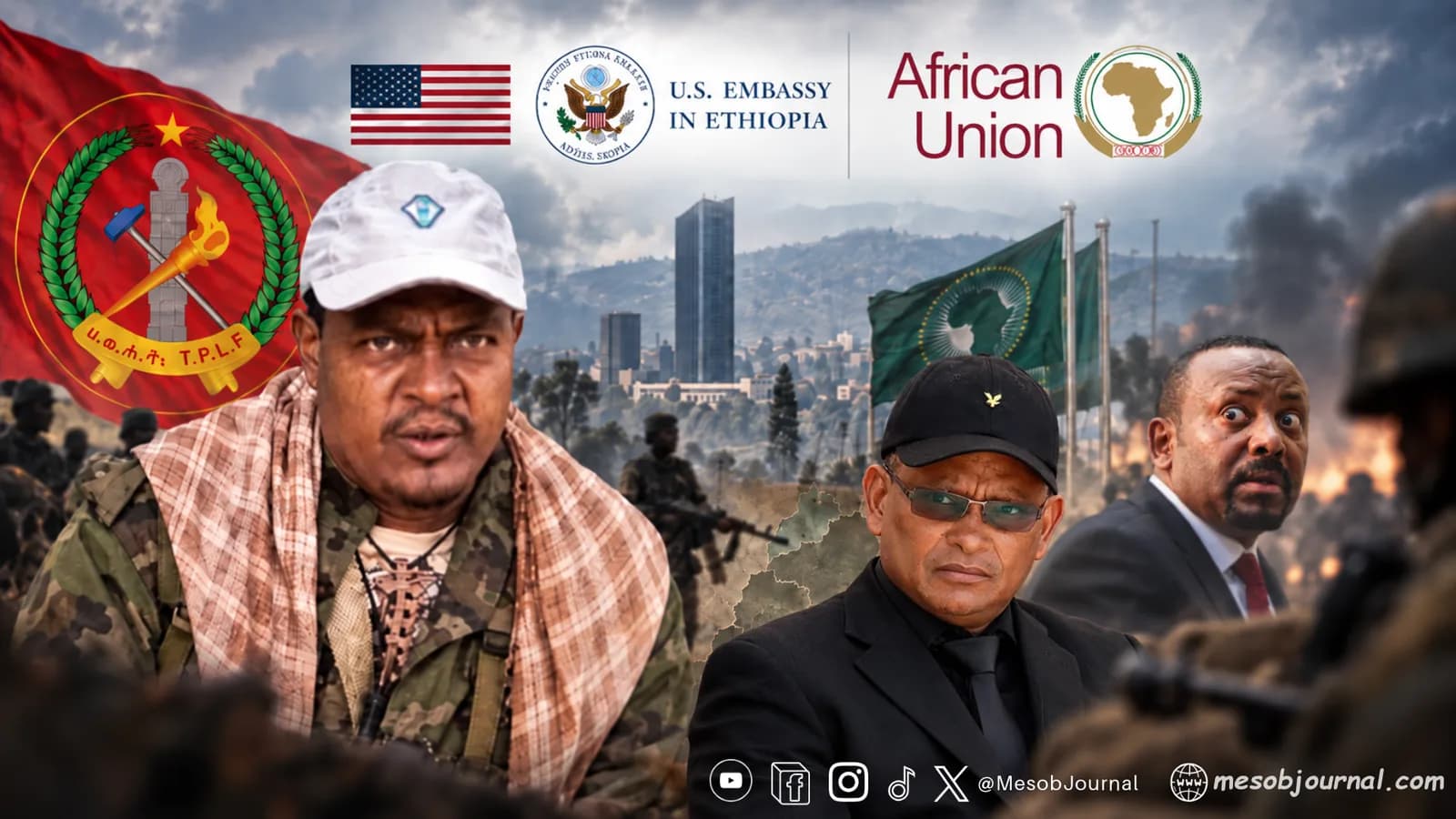
The African Union and the United States issued urgent statements after Tigrayan forces took the airports in Mekelle, Axum and Shire and seven Ethiopian opposition groups began coordinating against Abiy Ahmed's government.
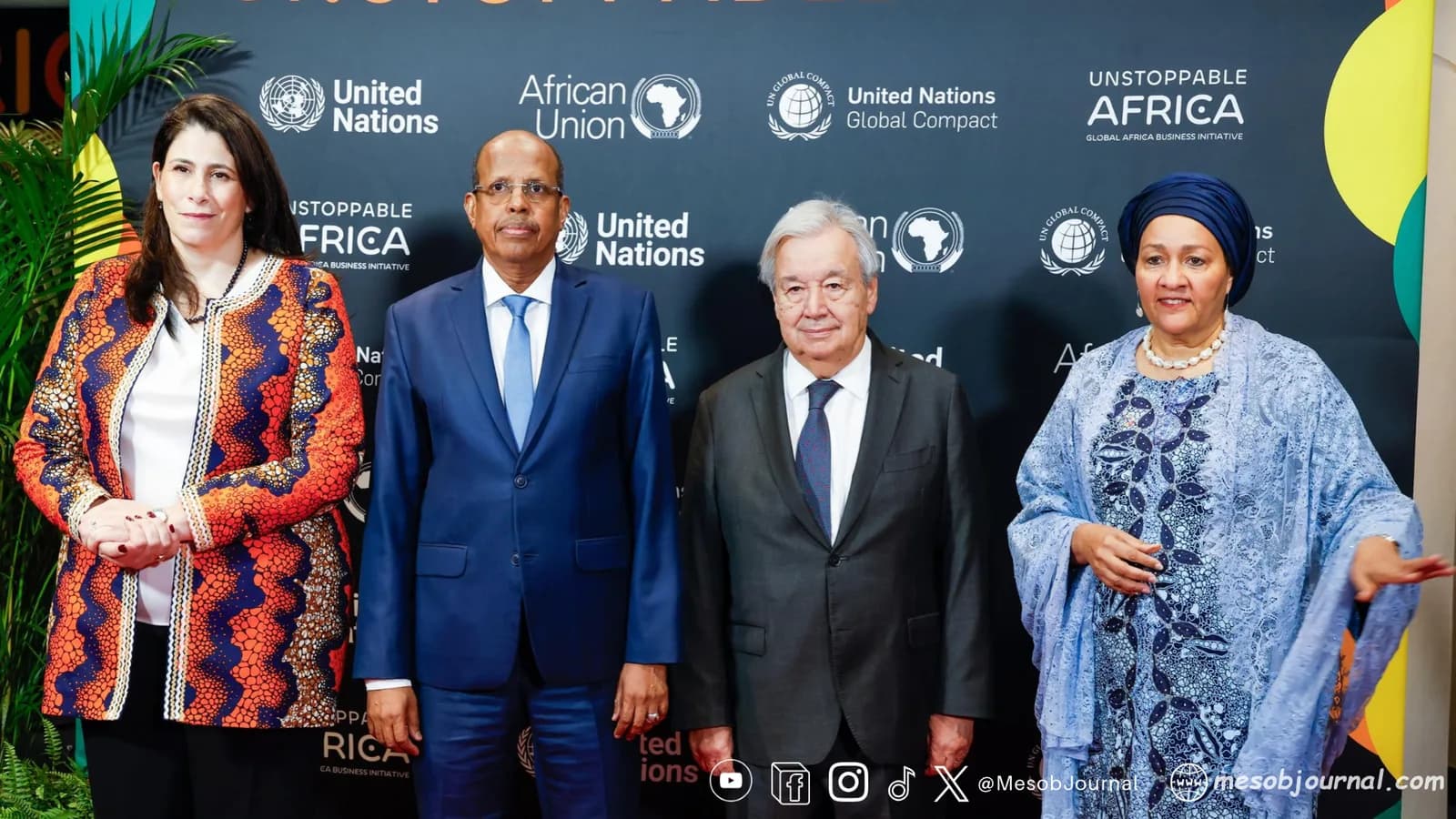
The African Union and United Nations met in New York on September 21 to discuss preventive diplomacy across Africa, but Ethiopia was absent from the published list of crises even as a seven-group armed alliance moved to remove Abiy Ahmed's government.
African Union Day, Without the Hegemonic Gloss: Africa’s digital future will not be authored by any single state. Sovereignty is continental, distributed, and non-transferable. The next frontier belongs to Africans who build without dependency, govern without external leverage, and innovate without narrative gatekeepers.
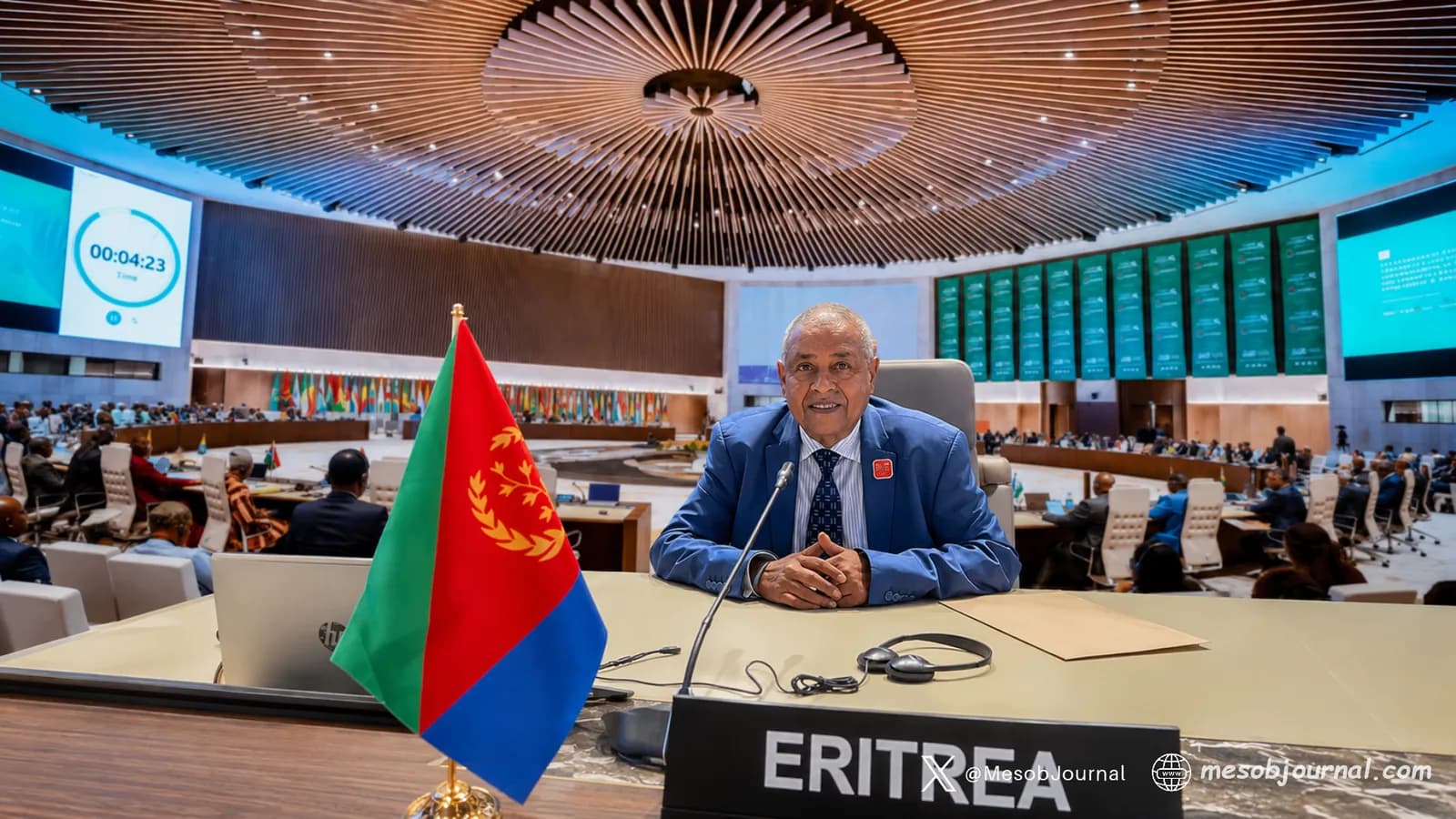
Asmara says stronger national institutions, domestic financing and respect for sovereignty should anchor reform of the African Union’s peace and security system.
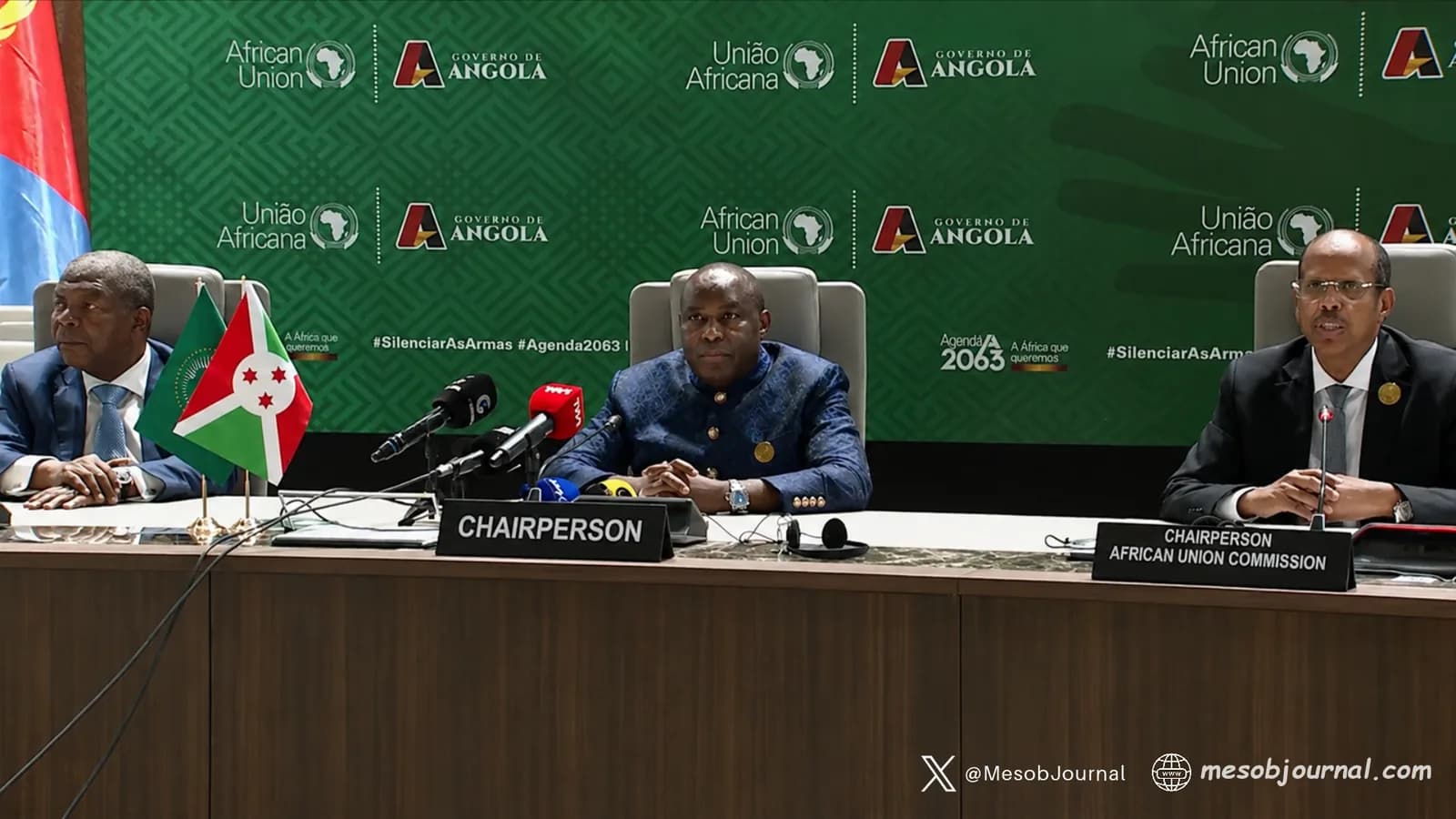
African leaders agreed to strengthen the AU Peace Fund and improve monitoring of continental peace and security decisions at the Luanda summit.
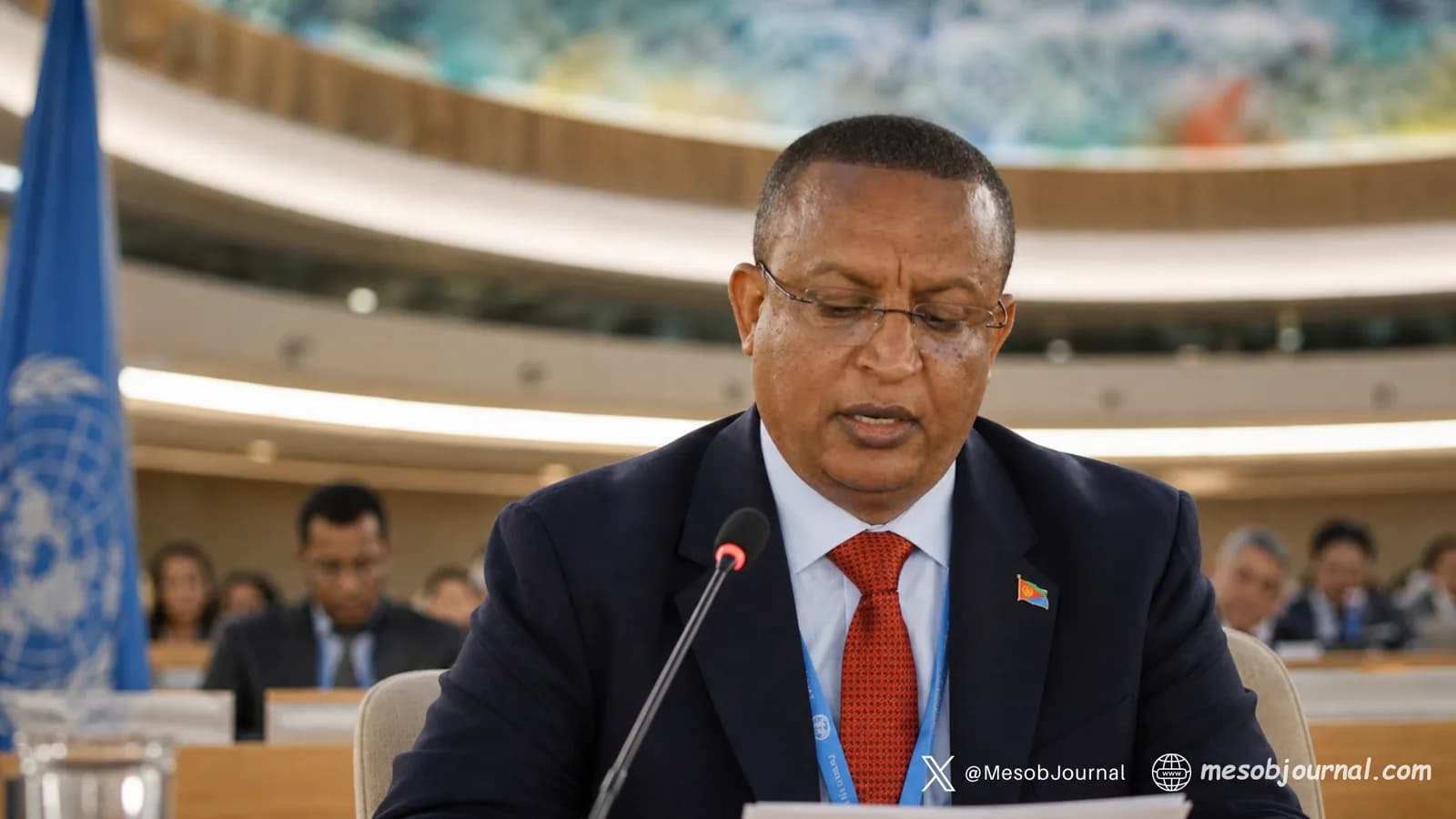
The Africa Group's choice of an Eritrean diplomat to lead the 2026 UN Social Forum is neither a takeover of the Human Rights Council nor an absolution from scrutiny. It is something more consequential than the outrage allows: a sovereign African state returning to normal multilat

The recent indication that the United States may lift sanctions on Eritrea marks a significant moment in the geopolitics of the Horn of Africa and the Red Sea. While Reuters frames the development as a strategic recalibration driven by shifting alliances and maritime tensions, th