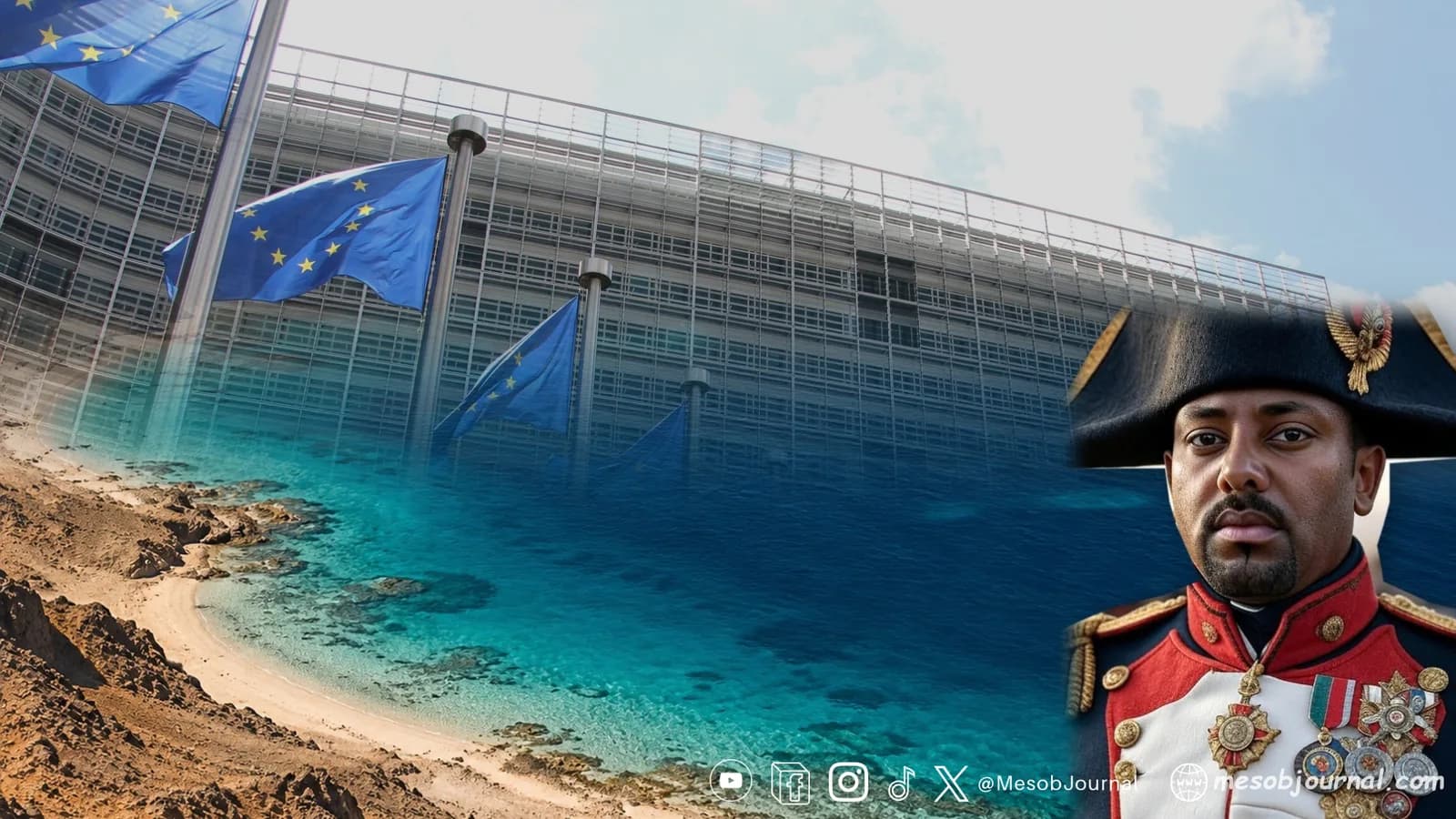
Europe Must Name the Threat to Eritrea’s Sovereignty
The EU and Britain rightly defend sovereignty. Their statements must now confront Abiy Ahmed’s public claims over Eritrea’s coastline and the military rhetoric supporting them.


We use cookies to improve your experience, analyze traffic, and show relevant content. You can accept all, reject non‑essential, or manage preferences.
The EU and Britain rightly defend sovereignty. Their statements must now confront Abiy Ahmed’s public claims over Eritrea’s coastline and the military rhetoric supporting them.
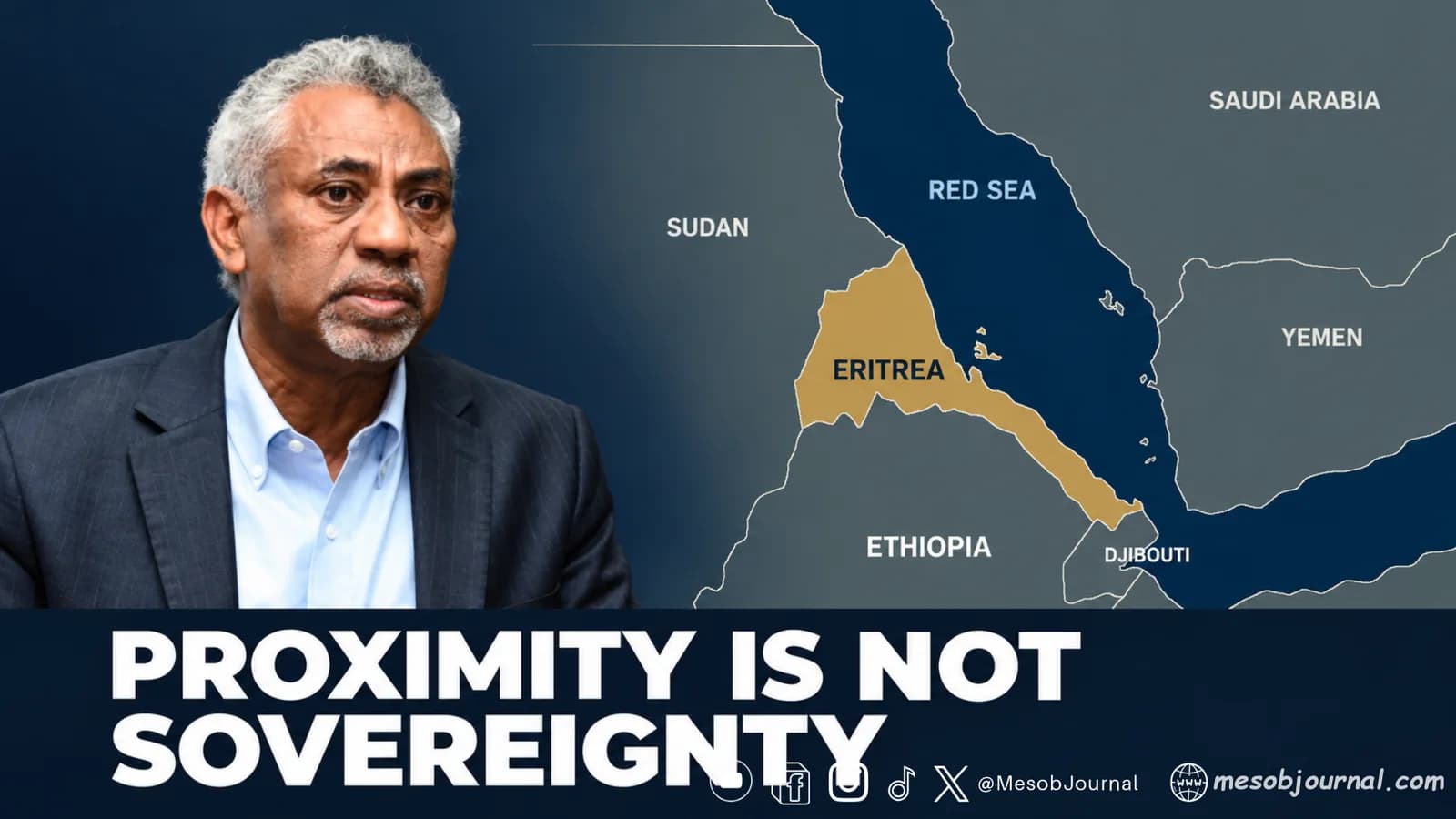
Yemane G. Meskel’s rebuttal exposes the legal leap in Ethiopia’s proximity argument: neither distance nor past annexation gives Addis Ababa sovereign entitlement to Eritrea’s coast.
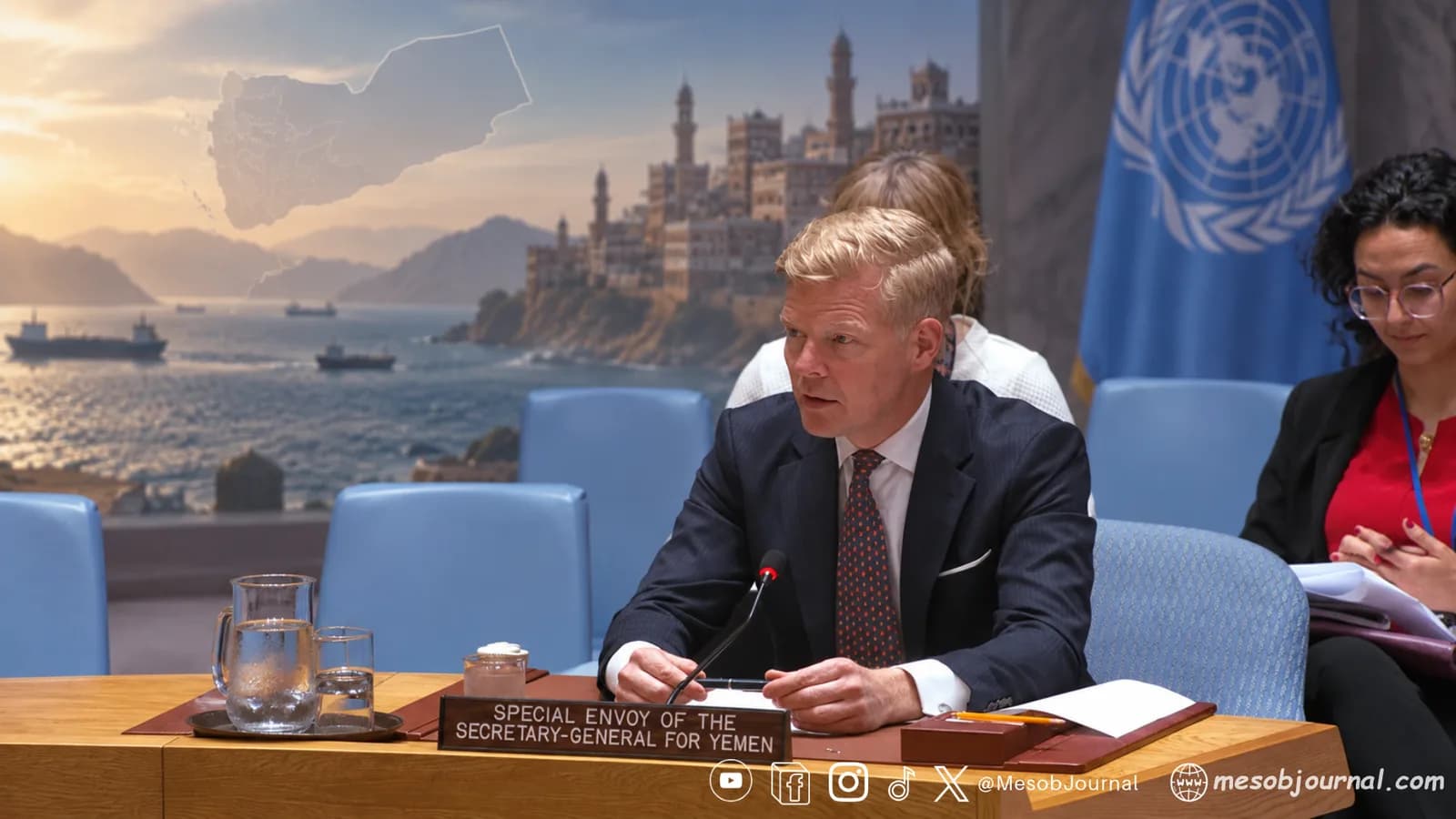
The UN envoy’s new direct channel with Ansar Allah, combined with talks in Riyadh, reflects several principles Eritrea set out weeks earlier: Yemen cannot be settled militarily, the conflict should not be absorbed into wider regional wars, and the security of the Red Sea requires serious engagement with the states and actors that actually sit along it.
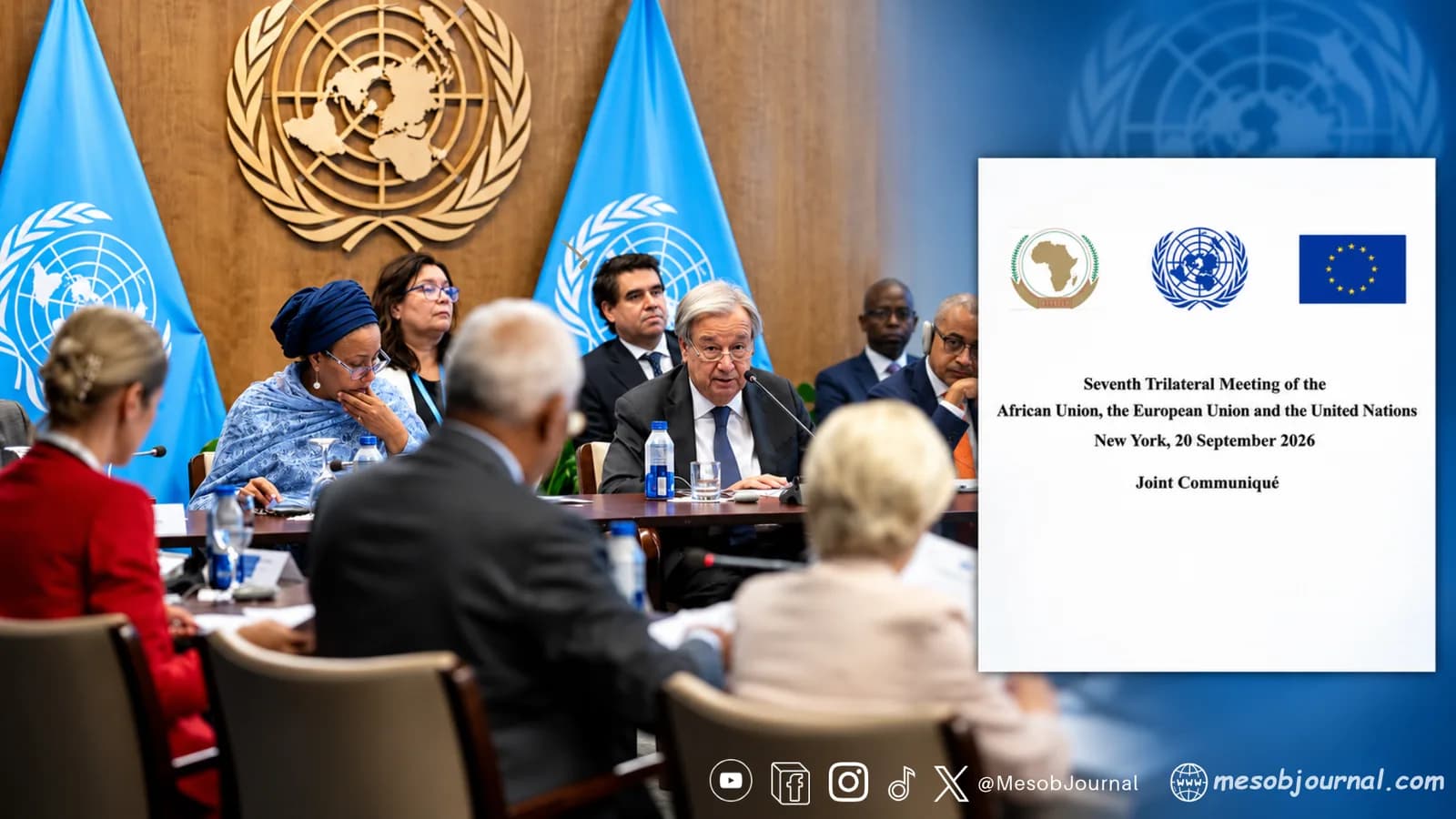
The African Union’s own UNGA81 readouts left Ethiopia out. A jointly agreed communiqué from the same diplomatic round shows that Ethiopia and the Pretoria Agreement were explicitly discussed. The discrepancy deserves an explanation.
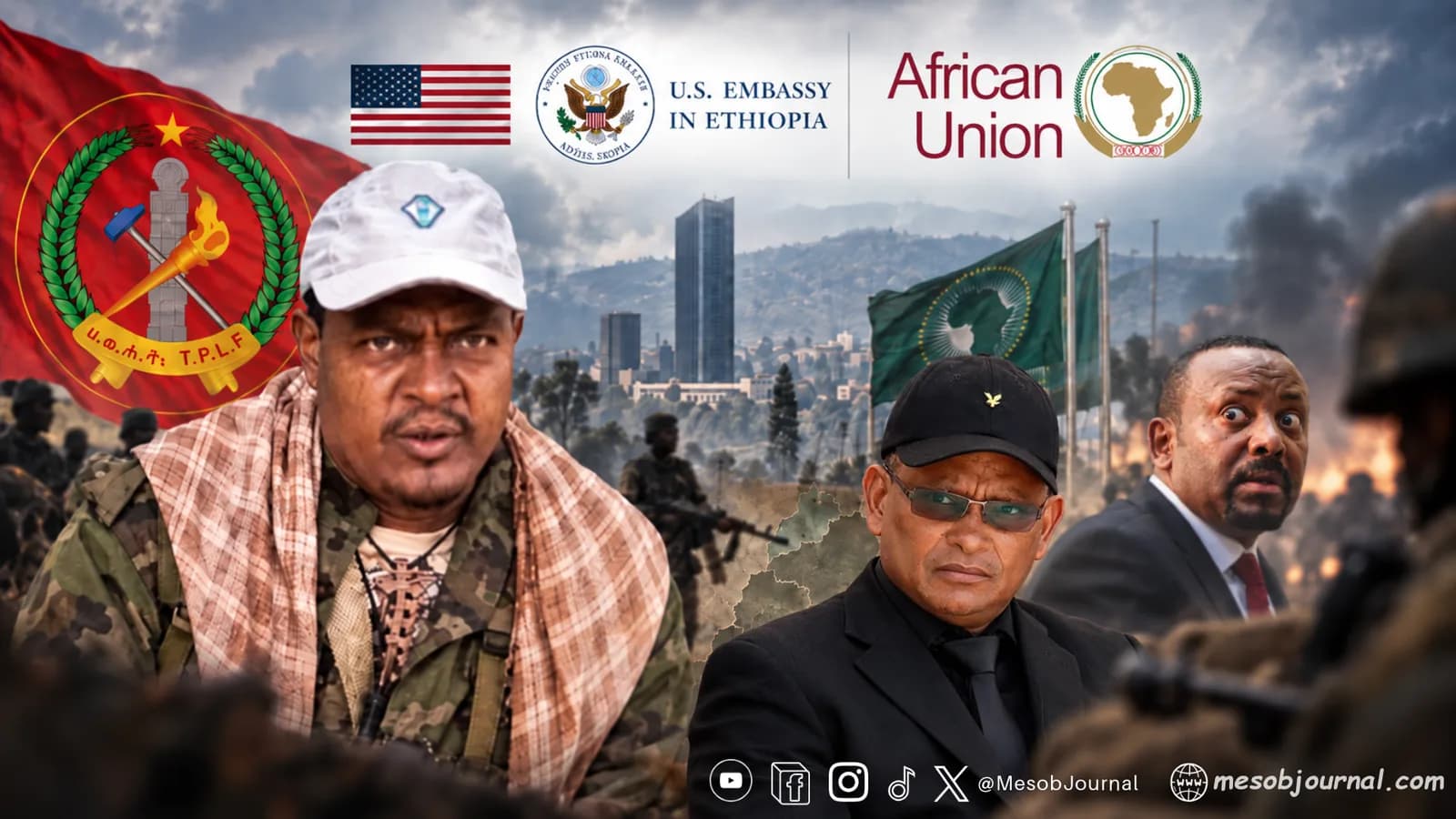
The African Union and the United States issued urgent statements after Tigrayan forces took the airports in Mekelle, Axum and Shire and seven Ethiopian opposition groups began coordinating against Abiy Ahmed's government.
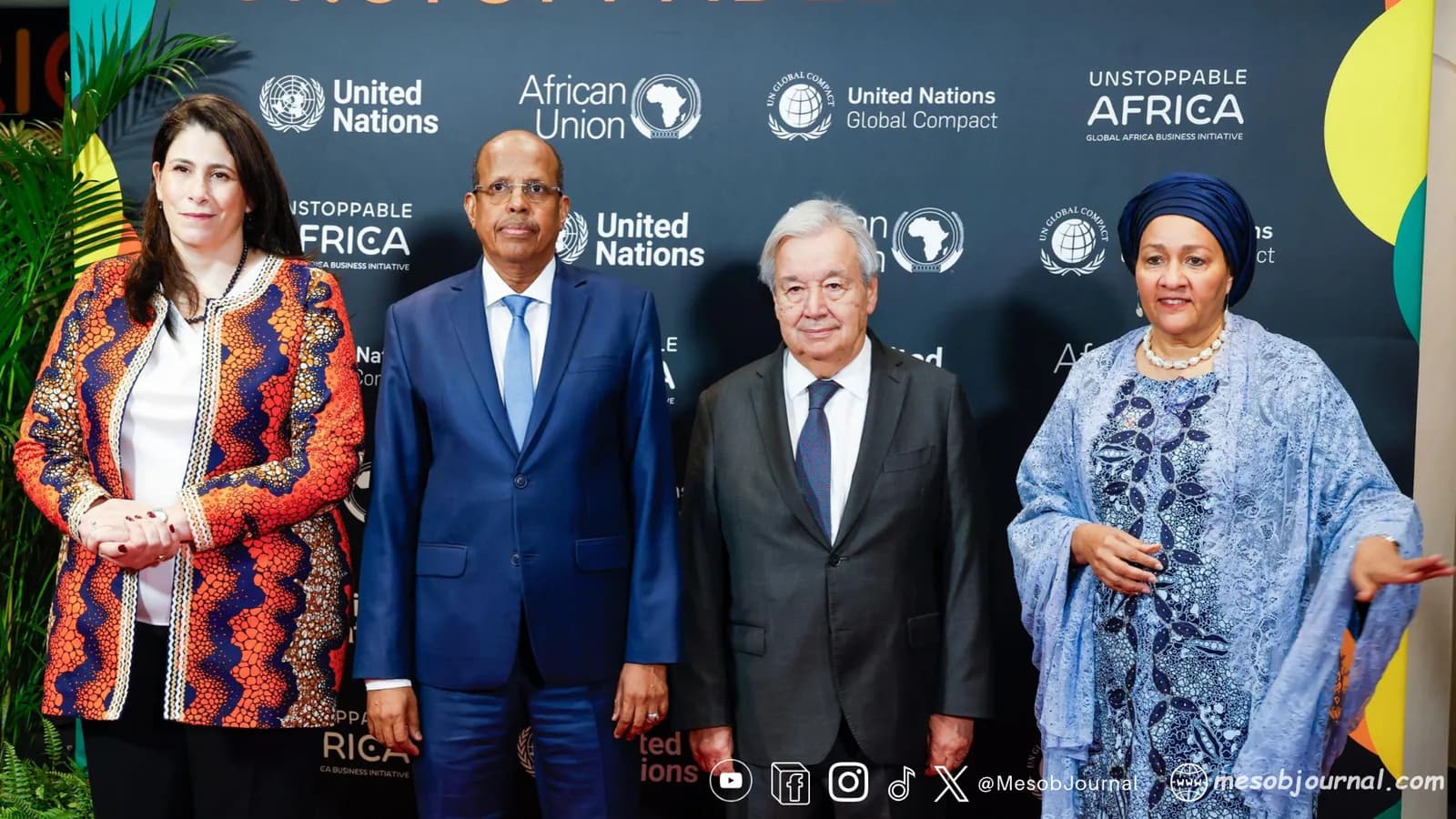
The African Union and United Nations met in New York on September 21 to discuss preventive diplomacy across Africa, but Ethiopia was absent from the published list of crises even as a seven-group armed alliance moved to remove Abiy Ahmed's government.
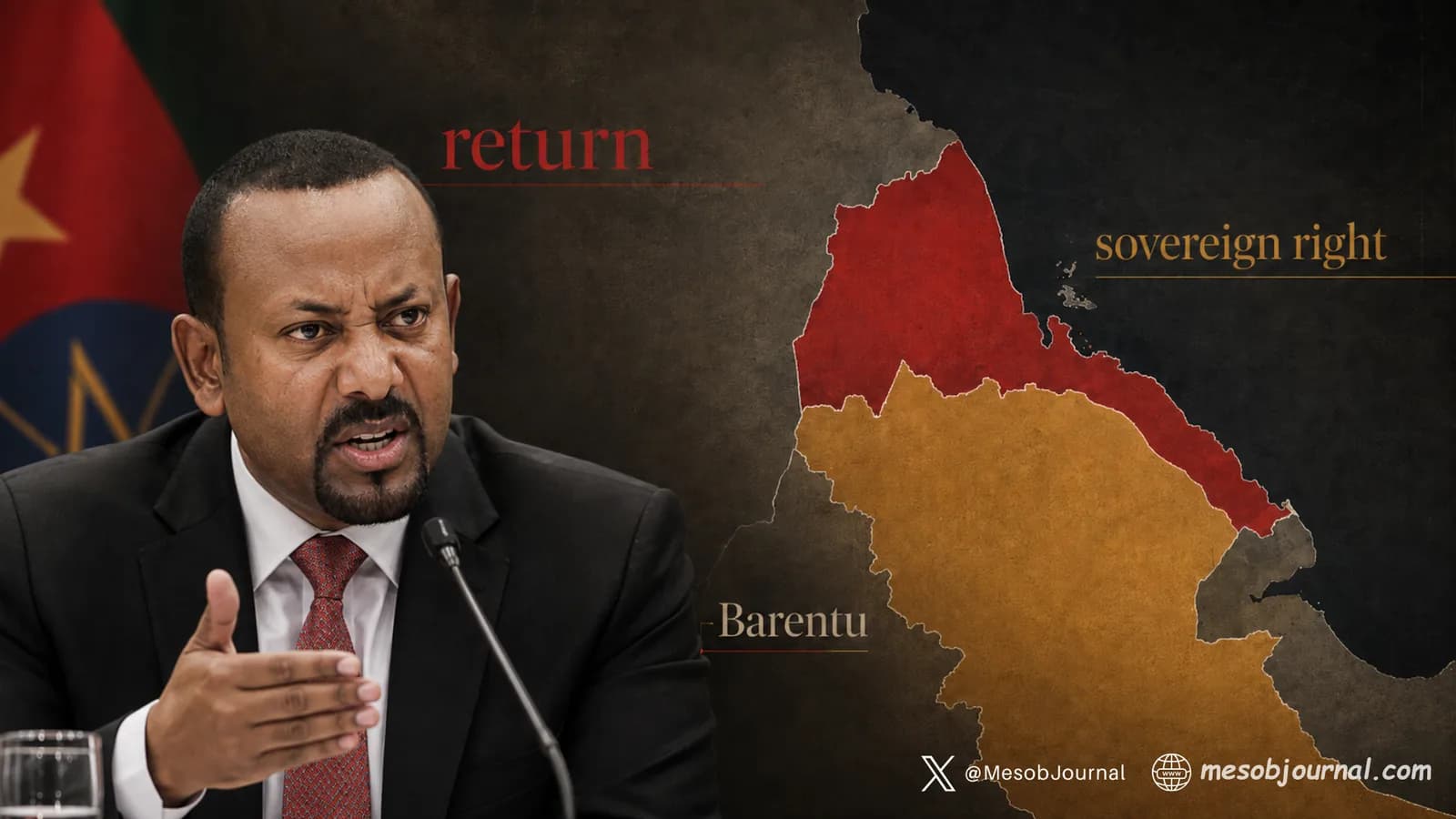
From the language of “return” to insinuations about Barentu, Ethiopia's ruling party is recasting territorial revisionism as reluctant self-defence. On 11 August, Fana Media Corporation asked whether Ethiopia's return to its “historic Red Sea coastline” was imminent. The most r
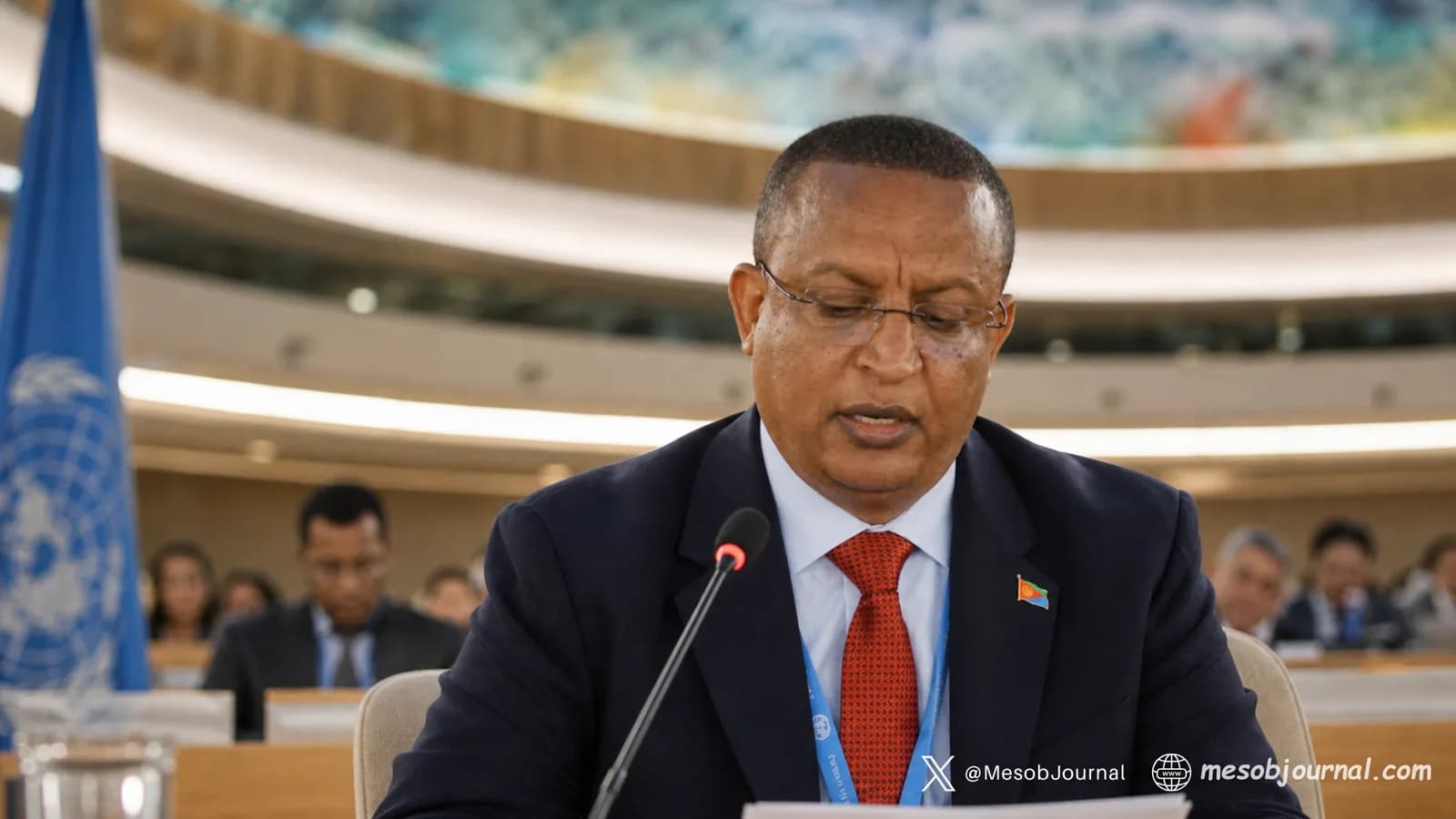
The Africa Group's choice of an Eritrean diplomat to lead the 2026 UN Social Forum is neither a takeover of the Human Rights Council nor an absolution from scrutiny. It is something more consequential than the outrage allows: a sovereign African state returning to normal multilat
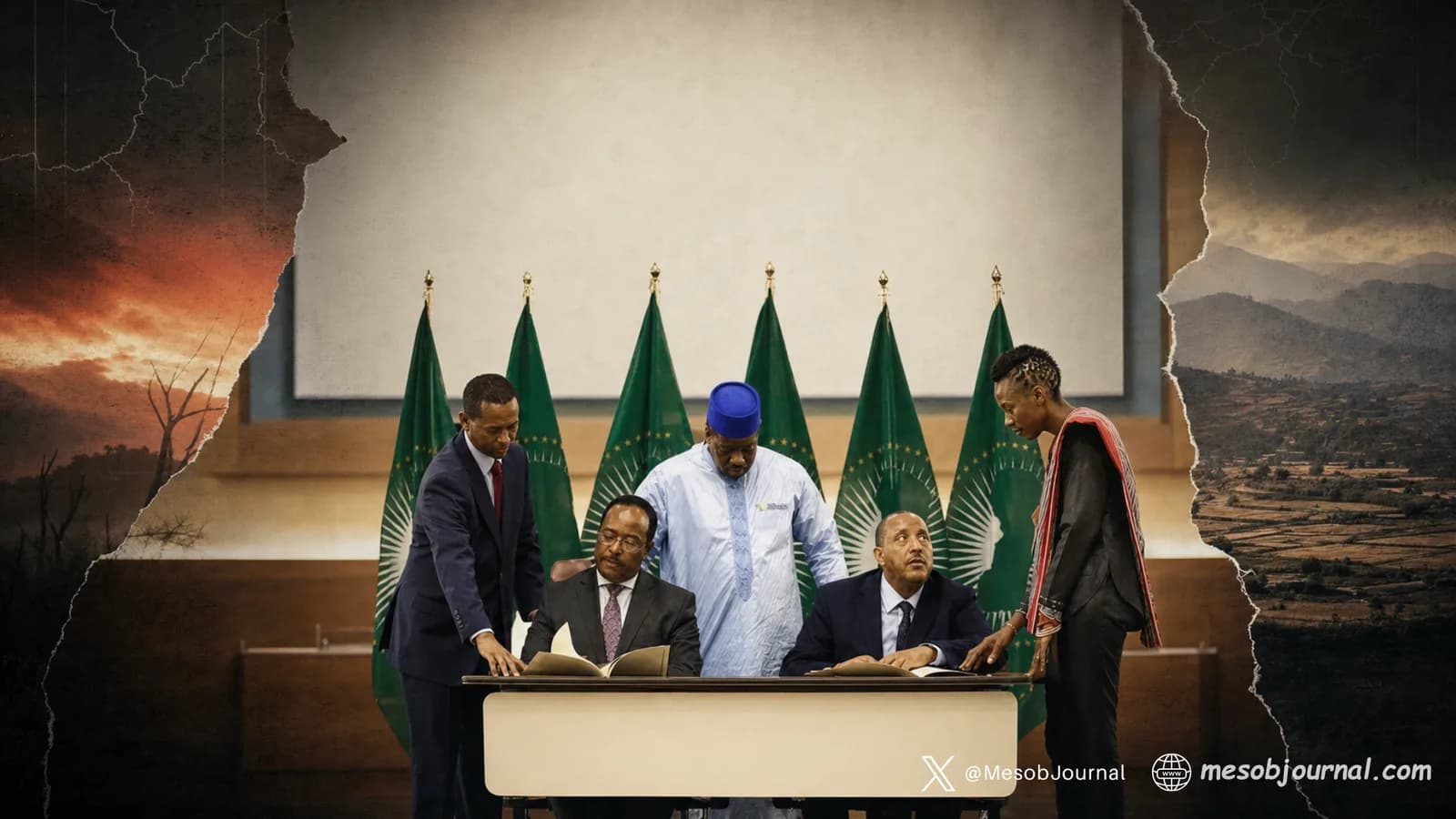
The 2022 accord stopped the federal–TPLF war. It also dissolved the coalition that had defeated the TPLF, excluded Eritrea and Amhara from the settlement, and moved the unresolved conflict into a more dangerous regional phase. The most consequential fact about the Pretoria Agreem

Ethiopian Prime Minister Abiy Ahmed has won a significant parliamentary majority, but the country faces ongoing political instability and conflict. Key regions like Tigray, Amhara, and Oromia remain outside normal governance, highlighting the disconnect between electoral success
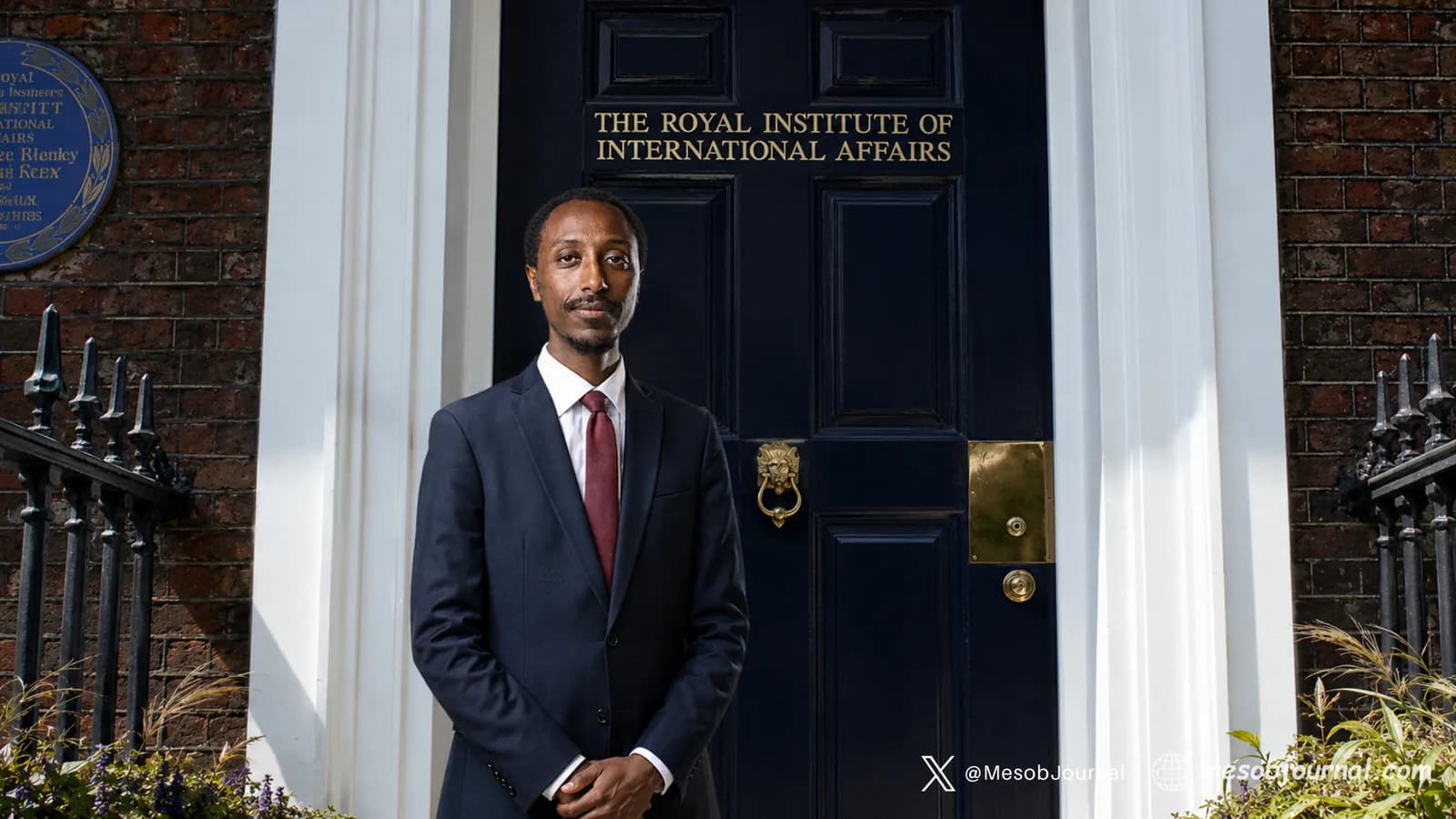
Ethiopia's foreign minister, Gedion Timothewos, presented a vision of regional cooperation at Chatham House, but his message clashed with Ethiopia's historical grievances regarding maritime access. The duality of Ethiopia's diplomatic language raises questions about its intention

Eritrean runner Tesfe Fikreyesus, based in Germany, has delivered donated running kits from a German club to young athletes in Keren, Eritrea. This act of solidarity highlights the ongoing support from the Eritrean diaspora for local sports initiatives.