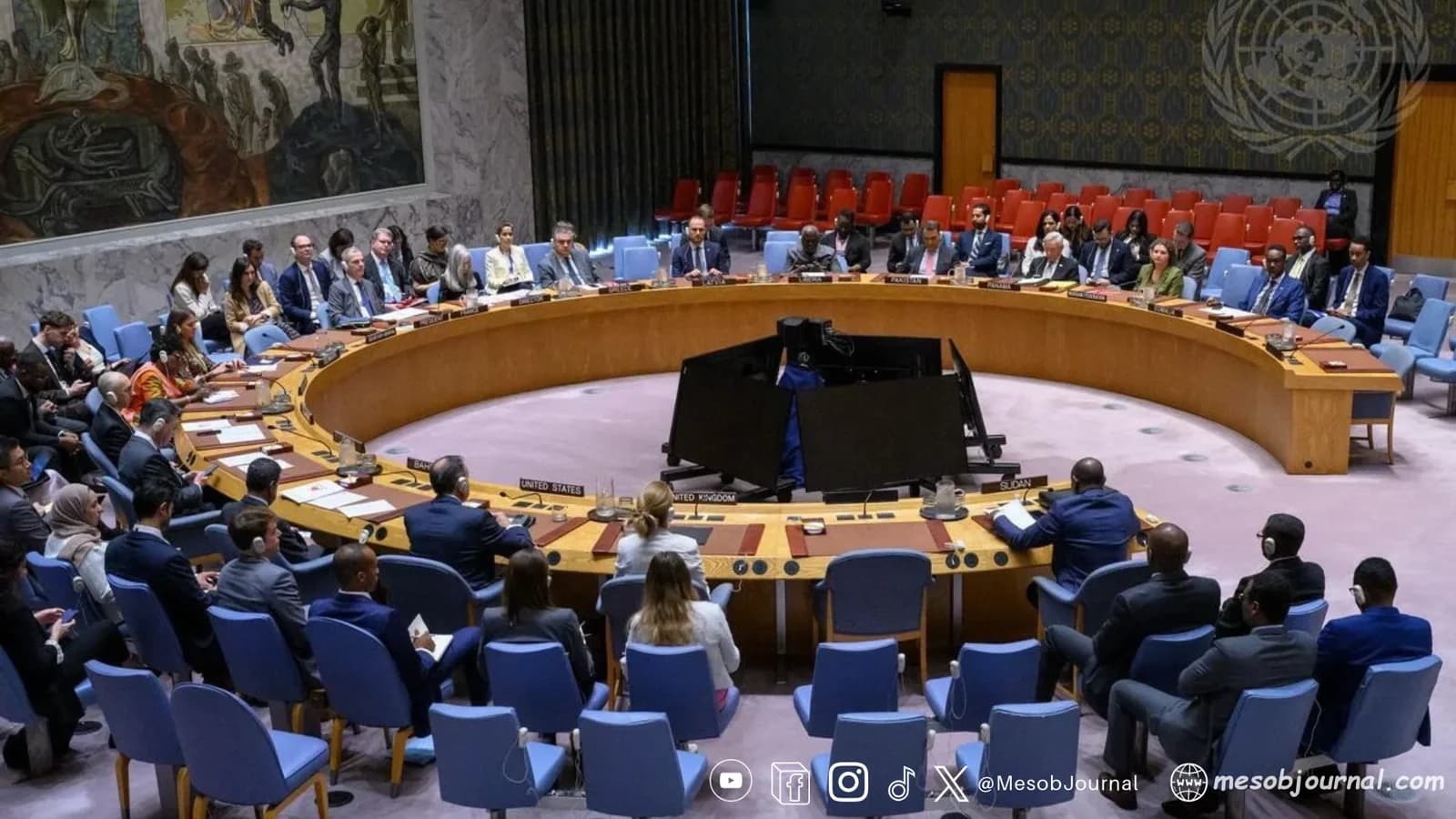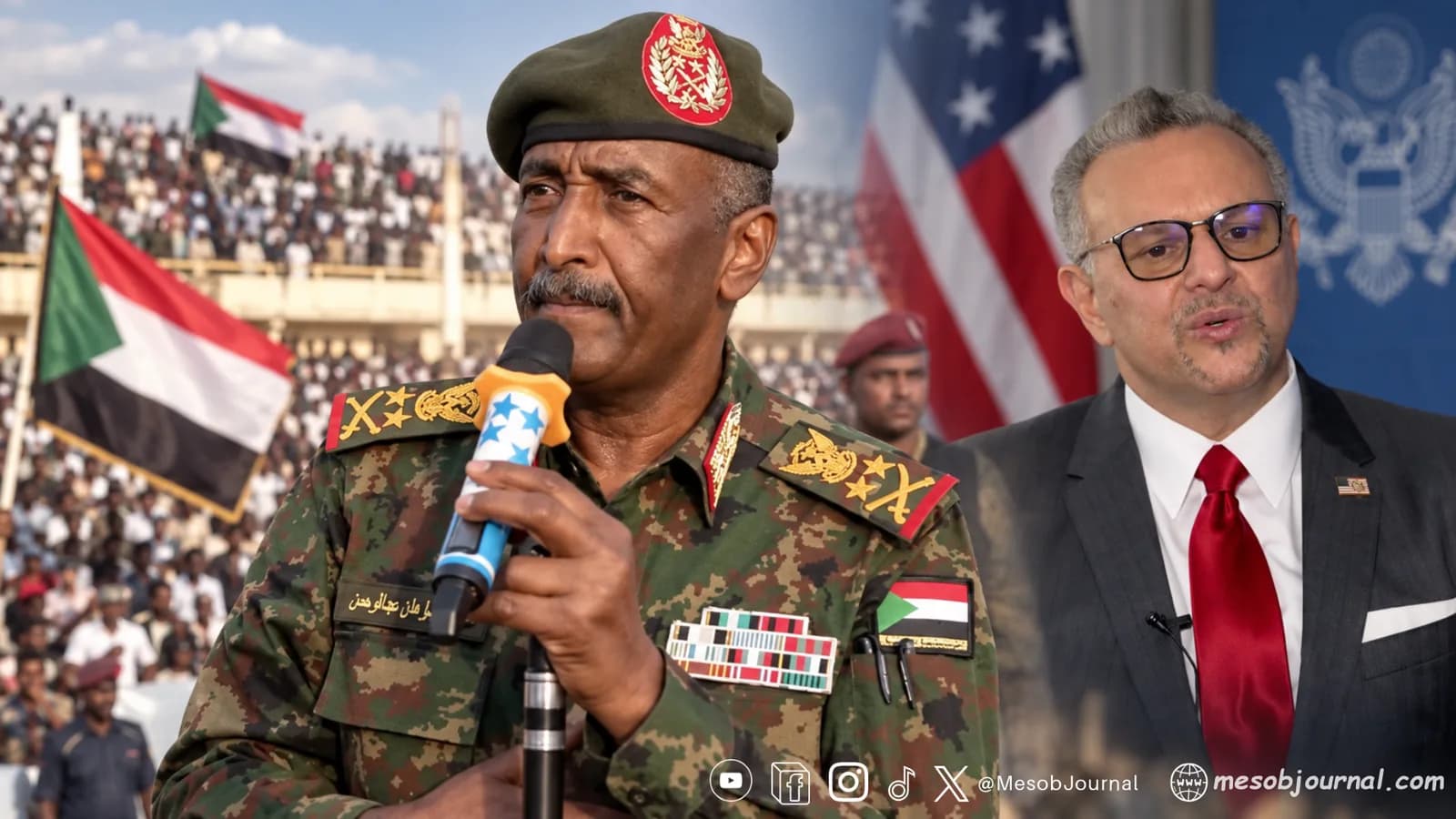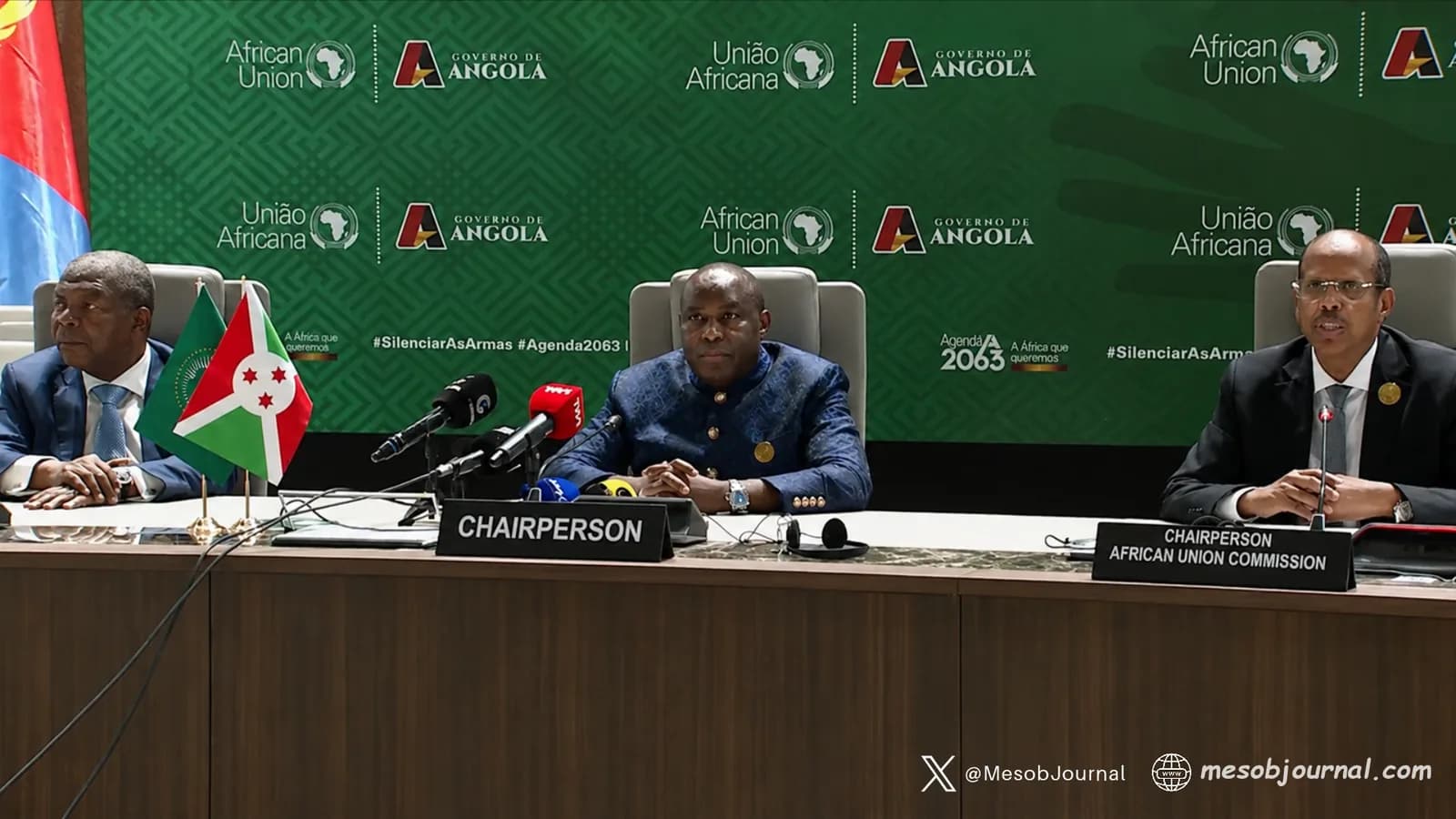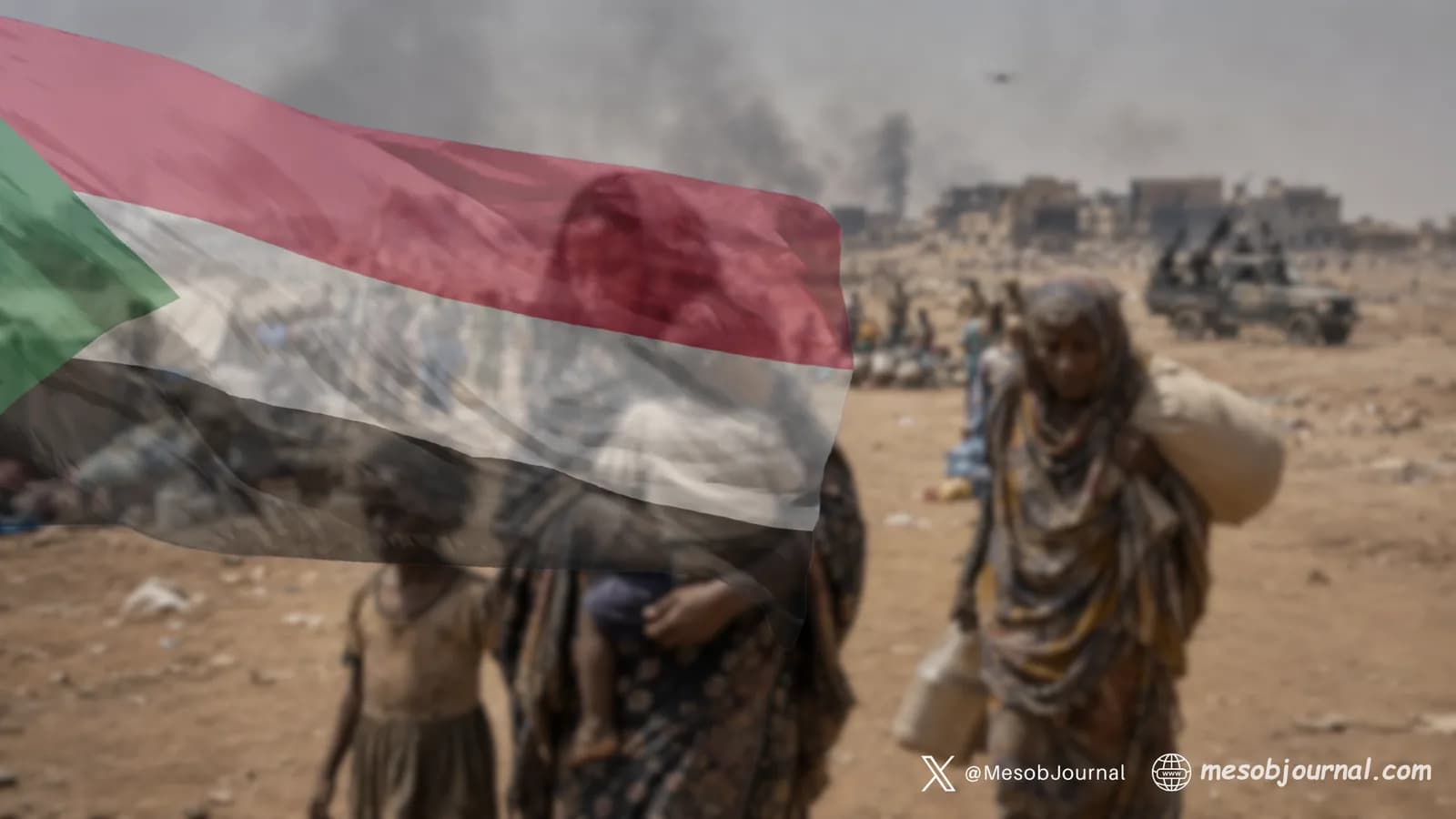

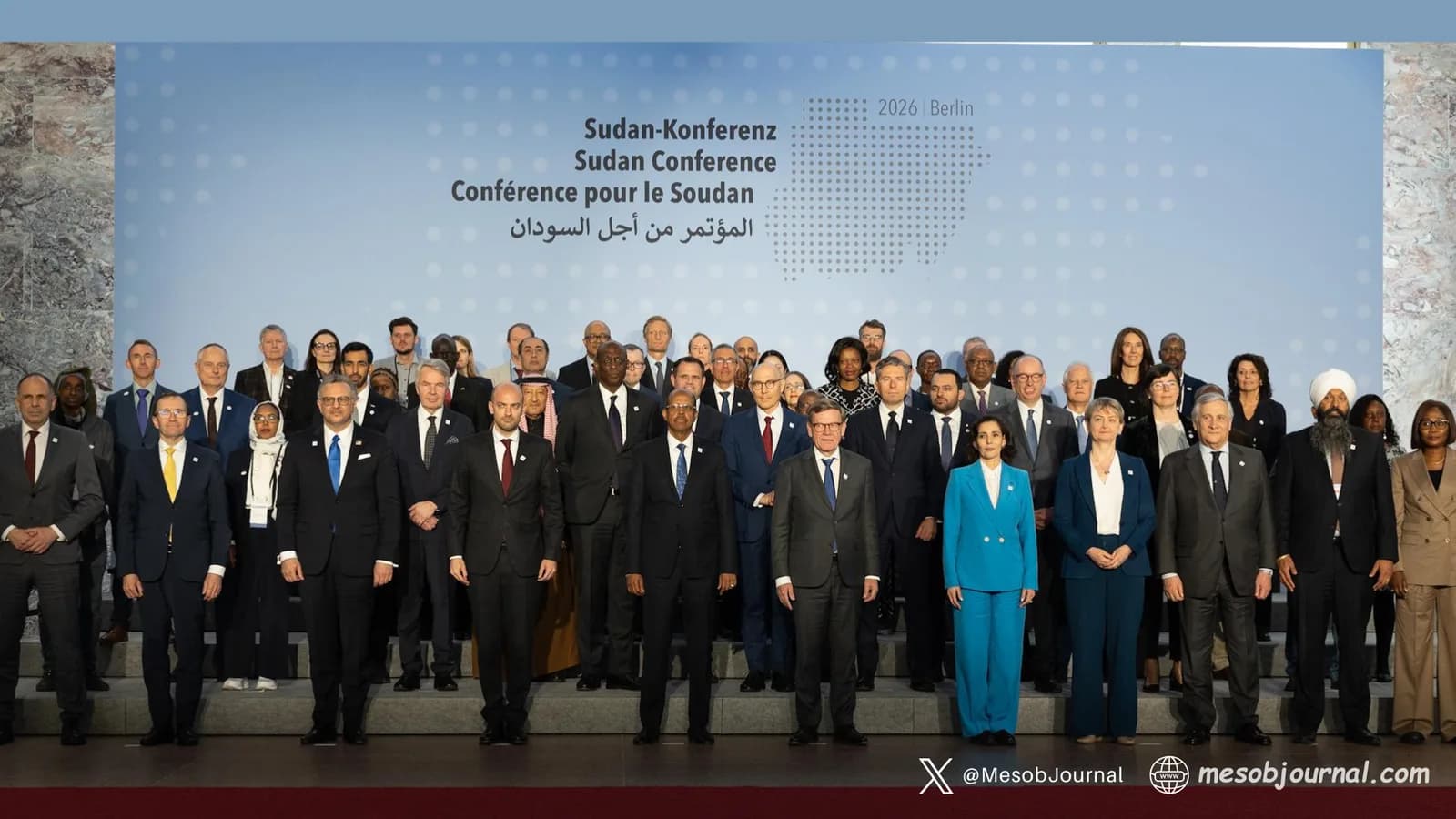
There was something deeply revealing about the Sudan conference staged in Berlin this week. It was presented as diplomacy. It was marketed as concern. It was wrapped in the language of humanitarian urgency and civilian-centered politics. But strip away the polished statements and official photographs, and what remained was something far less noble: an externally managed political exercise on Sudan, rejected by Sudan itself.
That is not diplomacy. That is tutelage.
Sudan’s government formally denounced the Berlin conference before it began, describing it as a violation of sovereignty and an unacceptable attempt to handle Sudan’s affairs without its consent. Khartoum’s position was not hard to understand. A conference on Sudan’s future that excludes Sudan’s sovereign government from the process has already discredited itself. It begins from the premise that foreign powers, donor states and approved intermediaries have the right to frame Sudan’s crisis on Sudan’s behalf.
And that is exactly what makes the Berlin gathering so offensive.
Africa does not need Europe to write its political scripts. Sudan does not need its future arranged in European capitals under the supervision of states and institutions that neither bear the direct consequences of the war nor possess the legitimacy to speak over the country itself. Yet that is the old reflex that keeps resurfacing. Dress it up in the language of partnership, humanitarian relief and civilian engagement, and it is still the same reflex: outsiders assuming managerial authority over African political crises.
Berlin’s organizers framed the meeting as an effort to mobilize aid, coordinate mediation and elevate civilian actors. Their own material made clear this was not a peace conference in the strict sense. That only sharpens the problem. If it was not a real peace process, then what exactly was it? Another donor-centered stage. Another message-management exercise. Another attempt to manufacture political optics while the war continues to destroy Sudan from within.
Its defenders will point to the money. More than €1.5 billion in humanitarian pledges was announced in Berlin, and in a country devastated by war, hunger and displacement, no one will pretend that food, medicine and emergency relief do not matter. They do. Sudan’s civilians need help urgently. But aid is not a strategy for ending the war. It can ease some of the suffering for a time, but it cannot stop the machinery causing that suffering in the first place. If the international community is serious about ending Sudan’s destruction, it must move beyond donor ritual and confront the external pipelines that keep the conflict alive. That means stopping the UAE and the proxy architecture that has helped sustain the RSF. That would do far more for Sudan than another round of conference pledges and carefully managed headlines.
Then came the most absurd part of the spectacle: Ethiopia presenting itself as a voice for peace and stability in Sudan.
Ethiopian officials used the Berlin platform to declare that Sudan’s conflict cannot be resolved militarily, that civilian political actors must be engaged, and that the international community should support a coordinated mediation effort. Fine words. Hollow words. Because Ethiopia does not enter this file with clean hands. Just days before the Berlin conference, reporting citing Yale Humanitarian Research Lab findings pointed to satellite evidence suggesting Ethiopian links to support networks benefiting the RSF through the Asosa area near Sudan’s Blue Nile region.
That matters.
A state facing serious allegations of enabling the destabilization of Sudan cannot credibly reinvent itself as a neutral peace sponsor by delivering polished remarks in Berlin. It only deepens the cynicism of the whole performance. Ethiopia’s presence was not reassuring. It was a reminder of how shameless this theater has become.
And the broader hypocrisy did not stop there. Western officials used the conference to call for an end to external military support and the flow of arms into Sudan. That position would carry more weight if the same international system had shown any real seriousness in confronting the external actors that have fueled this war. Instead, the world gets statements, pledges and diplomatic choreography while Sudan burns.
The African Union’s presence does not rescue the legitimacy of the process either. An AU that suspended Sudan is hardly in a strong moral position to take part in an externally staged conference and then speak as though it is guiding a sovereign African solution. Sudan’s future cannot be authored by institutions and governments that stand at a political distance from the Sudanese state while claiming to speak in the name of inclusion.
The principle here is not complicated. Sudan’s solution lies with the Sudanese alone.
Not Berlin.
Not Brussels.
Not donor blocs.
Not governments trying to launder their own regional role through conference diplomacy.
Sovereignty is not a ceremonial word to be praised when convenient and discarded when powerful states feel impatient. It is the foundation of any legitimate political order. Once that principle is broken, every conference becomes an exercise in manipulation, and every externally managed formula becomes another source of instability rather than a path out of it.
Sudan will not be rescued by imported scripts or by conferences that treat the country as a diplomatic workshop. It will not be stabilized by allowing actors implicated in the war to posture as arbiters of peace. It will not move forward through managed civilian symbolism while sovereign authority is sidelined.
Berlin was not a breakthrough. It was a revealing moment.
It showed that too many foreign powers still believe they can choreograph African crises from afar. And it showed, again, why Sudanese sovereignty remains the central question that outside actors would rather avoid.
Sudan is not Europe’s project to manage.
Sudan belongs to the Sudanese.