
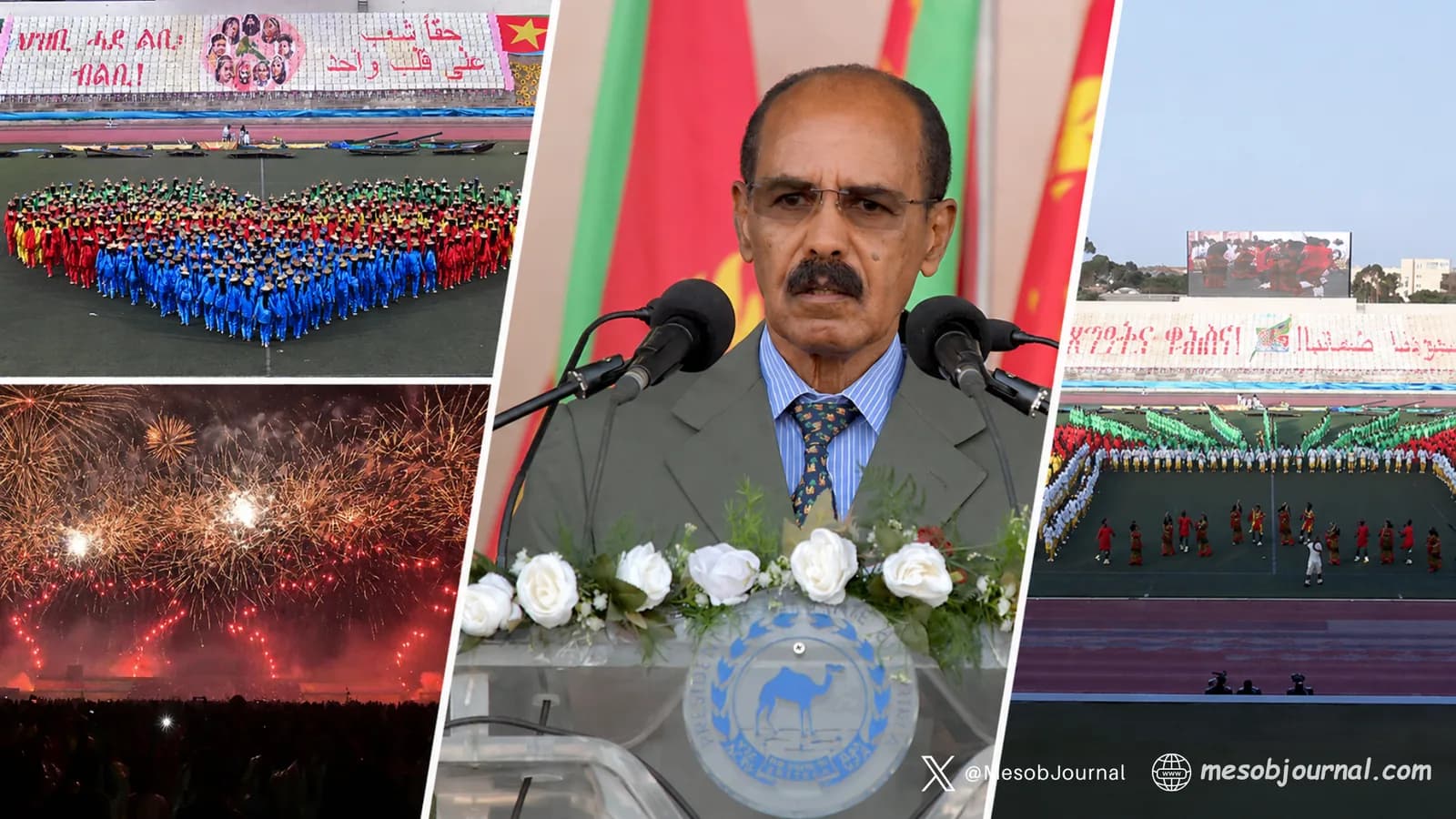
President Isaias Afwerki used Eritrea’s 35th Independence Anniversary address on Saturday to call for deeper national consolidation, stronger regional security cooperation and a fairer global order, framing Eritrea’s sovereignty as an unfinished national mission that must be “continuously consolidated and sustainably strengthened.”
Speaking in Asmara under the anniversary theme “Our Resilience, Our Guarantee,” President Isaias congratulated Eritreans at home and abroad, paid tribute to the country’s martyrs and said Independence Day remains both a celebration and a national audit of the country’s long struggle, sacrifices and development path.
The address moved far beyond domestic commemoration. President Isaias placed Eritrea’s development within a wider global and regional context, saying the country’s progress could not be separated from questions of international justice, regional stability, cooperation and integration.
A major section of the speech focused on the changing world order, including the United States, President Donald Trump’s second term, global economic imbalance, military power, technological competition and Washington’s posture toward countries such as Venezuela and Iran.
President Isaias said the existing global system — marked, in his words, by unequal trade, exploitative financial mechanisms and zero-sum politics — had reached a point where transition was no longer optional. He called for a new international order based on fairness, justice, mutual respect, peace and sustainable prosperity.
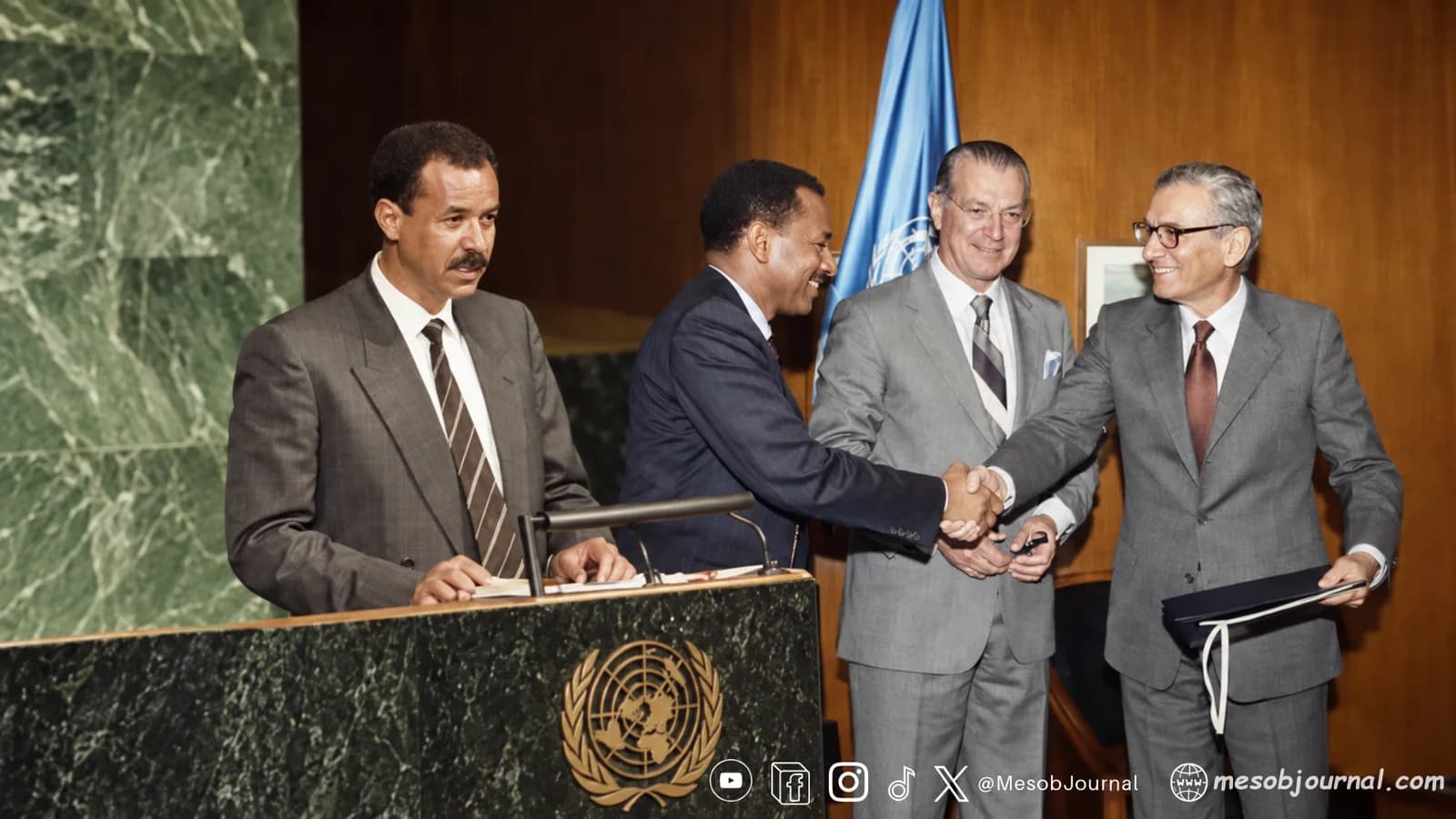
The Eritrean leader said these principles were not new to Eritrea, linking them to the values that shaped the country’s armed struggle for liberation. He said Eritrea had presented related ideas at the 80th United Nations General Assembly, including fair ownership of resources, peace as a condition for prosperity, justice as a foundation for stability, and stronger legal mechanisms to support those goals.
Turning to Africa, President Isaias warned that the continent and its sub-regions must formulate clearer strategies within the emerging global transition. He said the African Union risks losing relevance if it fails to meet its founding mission.
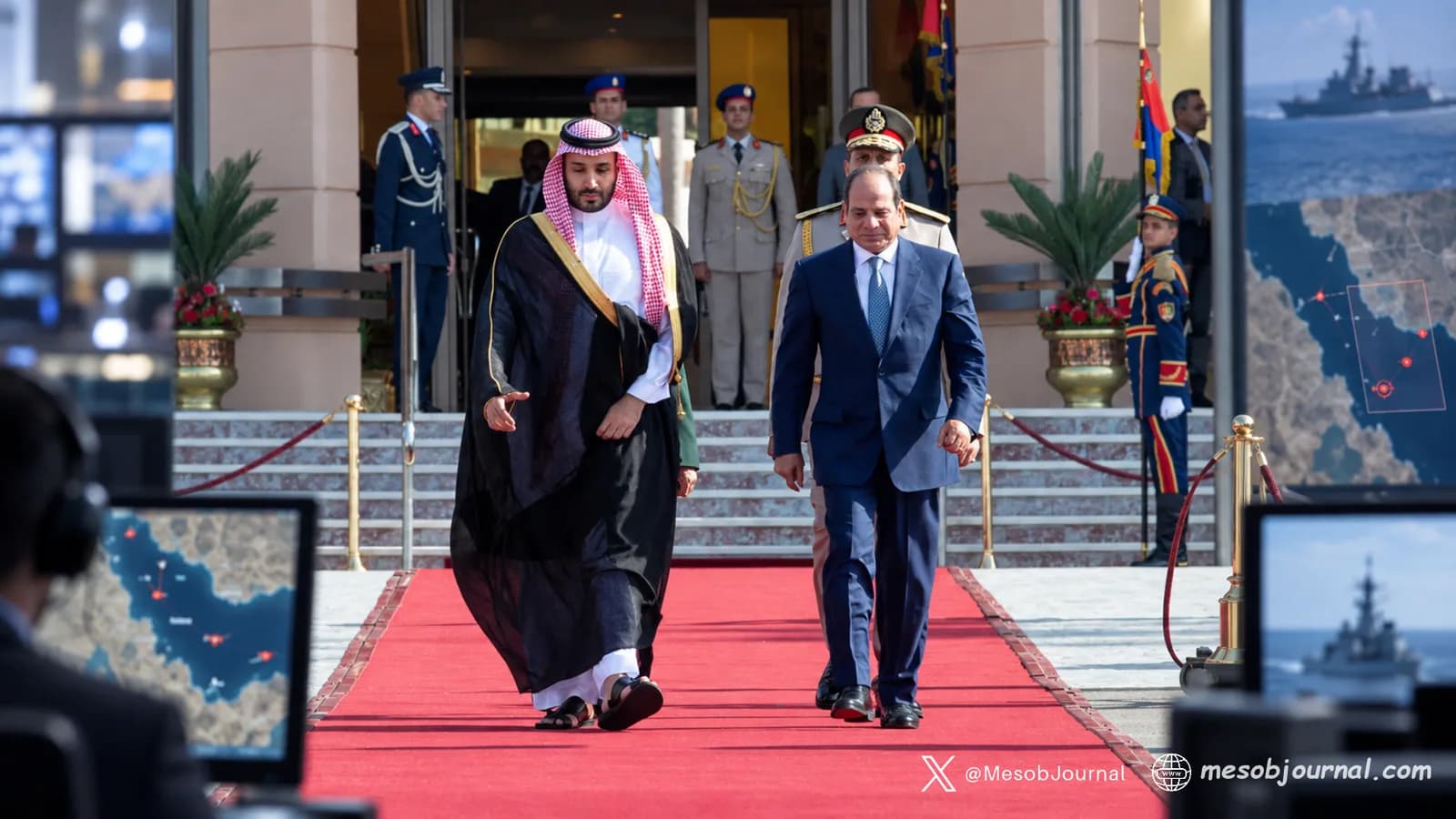
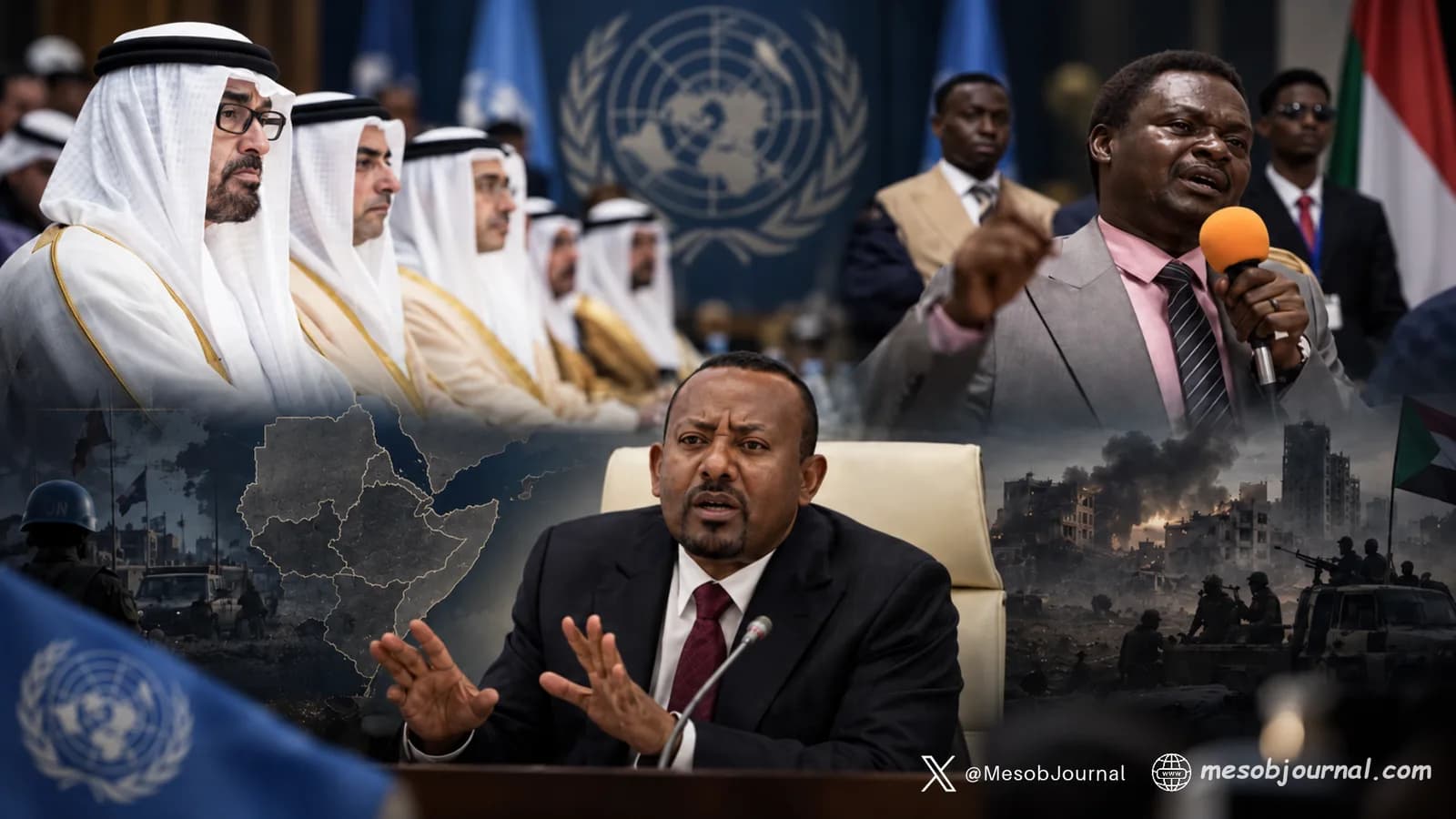
On the Horn of Africa, Red Sea, Nile Basin and Gulf region, President Isaias again pushed for a collective security mechanism built by the states of the neighbourhood, not imposed by external actors or self-appointed regional powers. He said the crisis around the Strait of Hormuz had further exposed the vulnerability of the wider region and made such cooperation more urgent.
He described the Horn of Africa as a sub-region of direct and sustained importance to Eritrea, citing the situations in Somalia, Ethiopia, Sudan and South Sudan as deeply precarious. The core problems, he said, include the failure to build citizen-centred nationhood, the rise of ethnic, clan and religious polarization, the empowerment of warlords, corruption and foreign intervention.
Domestically, President Isaias said Eritrea’s short-term priority remains improving livelihoods, especially in marginalized and underserved areas. The broader long-term objective, he said, is to move the country away from a subsistence economy by strengthening productivity, expanding value-added production, and building industrial and service-sector capacity.
He said road and transport projects would expand as planned, housing programmes would proceed, and projects to widen electricity and water services would begin this year despite possible supply-chain delays. He also pointed to education, beginning at pre-school level, and healthcare as areas of continued focus.
The speech closed with President Isaias expressing confidence in Eritrea’s people, young professionals, the diaspora and the Defence Forces, whom he described as central to the country’s development effort. He ended with a tribute to Eritrea’s martyrs and a call for continued national resilience.