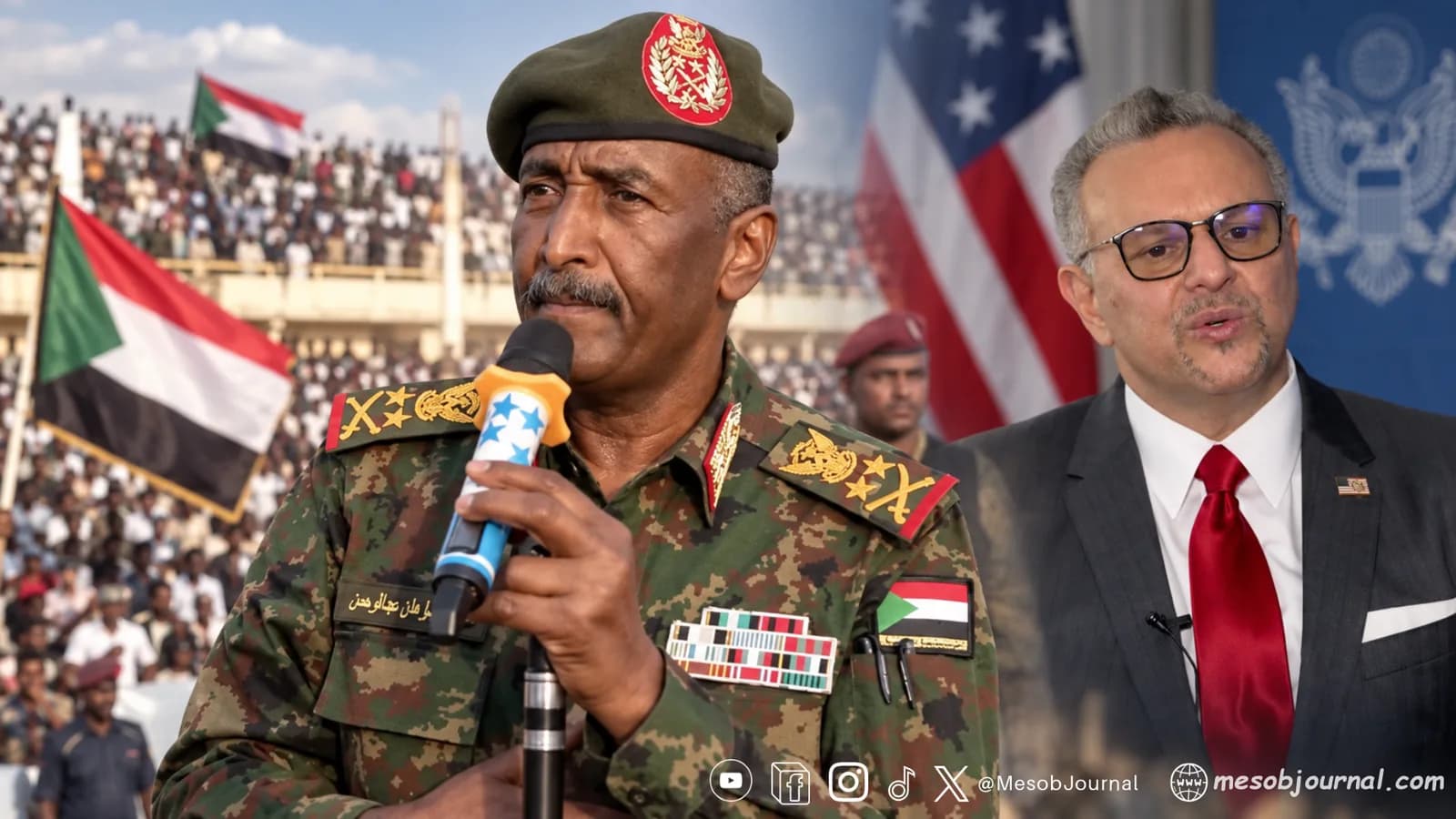

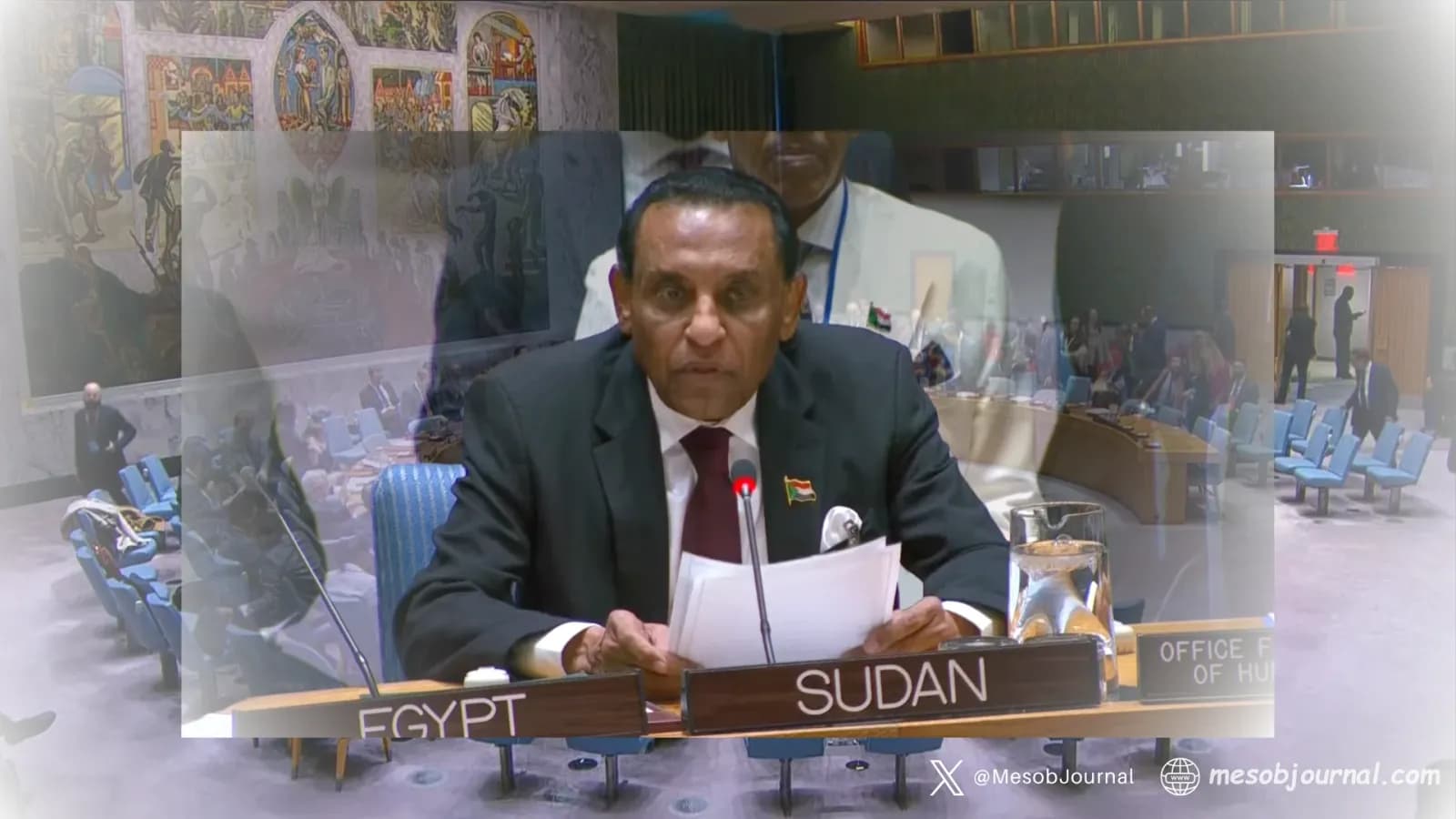
Sudan’s government has formally rejected the Berlin conference on Sudan, with Prime Minister Kamil Idris saying the meeting and its outcomes “do not concern” the Sudanese people or government because Khartoum was excluded from participation. In remarks published by the Sudanese embassy in Berlin, Idris said the government’s absence was a “serious mistake” by the organizers and warned that any conclusions reached without Sudan’s representation lacked relevance to the state.
The Prime Minister made the remarks at a press conference in Khartoum on April 15, 2026, as the Berlin gathering brought together international donors, Western governments, multilateral organizations and selected Sudanese civilian participants. Idris said Sudan had not been invited to take part and argued that imposed or partial solutions would not be accepted by the Sudanese state. He added that, had the government been invited, it would have attended and “clarified the facts,” describing the Berlin meeting as an event rather than a serious political process.
Khartoum’s rejection was not limited to political rhetoric. In a formal demarche delivered to Germany’s Federal Foreign Office, Sudan said any deliberations on the country conducted without the participation of its sovereign government amounted to a “manifest breach of international law,” including the UN Charter, and violated Sudan’s sovereignty, political independence and territorial integrity. The memorandum also rejected any attempt to equate the Sudanese state and its institutions with what it described as a “terrorist rebel militia.”
In a separate statement published by the Sudanese embassy, the Foreign Ministry said the Berlin conference reflected what it called a continuing “colonial guardianship” approach by some Western states. The ministry argued that discussing Sudan while bypassing its government set a dangerous precedent in international relations and repeated the same “defective and unacceptable approach” seen in earlier Paris and London meetings on Sudan.
Sudan’s government also signaled that its objection is not to diplomacy in principle, but to frameworks it sees as externally designed and politically biased. The demarche said Khartoum remained committed to a “just, inclusive, and sustainable political settlement,” citing the Transitional Sovereignty Council roadmap presented in March 2025 and the peace initiative put forward by Idris before the UN Security Council in December 2025. Sudan said it remained open to credible regional and international efforts that fully respect the country’s sovereignty, unity and territorial integrity.
Berlin’s co-hosts presented the conference differently. In its official communiqué, Germany said the meeting was meant to mobilize humanitarian funding, push for de-escalation and “foreground Sudanese civilian voices.” A parallel Quintet statement said the civilian and political seminar in Berlin was only one step in a broader Sudanese-owned process and did not confer formal status on those attending.
That framing, however, did little to soften Khartoum’s response. Sudan’s official position is now clear: the government rejects the legitimacy of any Sudan conference held without its participation, and it does not consider itself bound by decisions or conclusions reached in Berlin.