
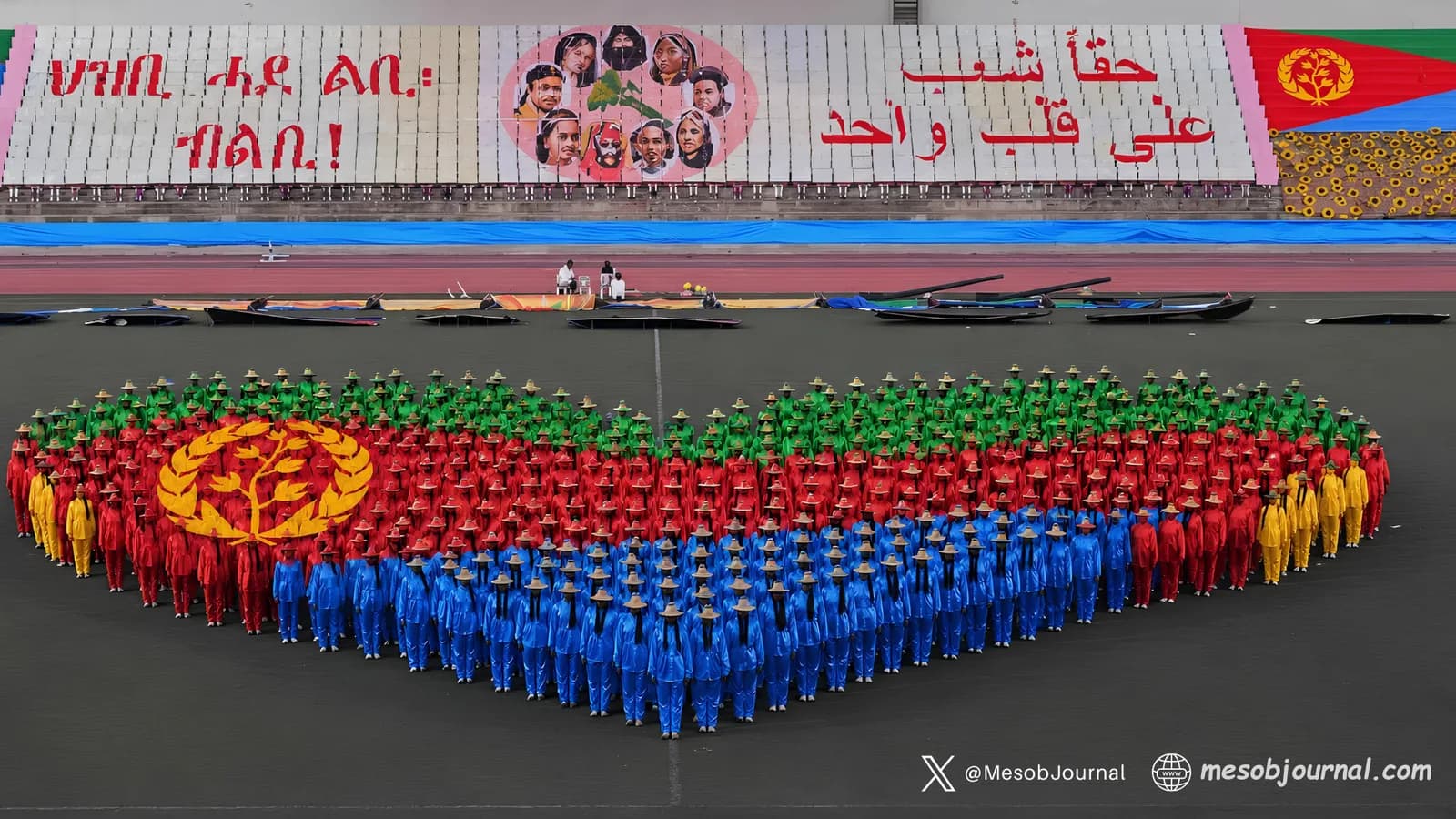
Eritrea’s Quiet Confidence and the Noise Around It
On this anniversary of Eritrea’s hard-won independence, we extend our warmest wishes to the people of Eritrea, at home and across the diaspora.
This is not an ordinary national holiday. For Eritreans, Independence Day carries memory, grief, pride and responsibility all at once. It belongs to the martyrs who gave everything so that future generations could live with dignity. It belongs to the freedom fighters whose endurance changed the history of the region. And it belongs to the people who have carried the burden of sovereignty through war, sanctions, isolation, pressure and endless misrepresentation.
We bow our heads before Eritrea’s martyrs. Their sacrifice is not a slogan. It is the foundation of the state itself. Every flag raised, every family gathered, every child celebrating in the streets is connected to that history.
We also salute the freedom fighters who turned impossible odds into national reality. Their struggle broke more than an occupying army. It broke the assumption that Eritreans could be ruled, managed or erased by others.
And today, we recognize the men and women of Eritrea’s Defense Forces, who continue to guard the sovereignty won at such a price. Independence is not kept by memory alone. It must be defended, protected and passed on intact.
The Noise of a Failed Political Class
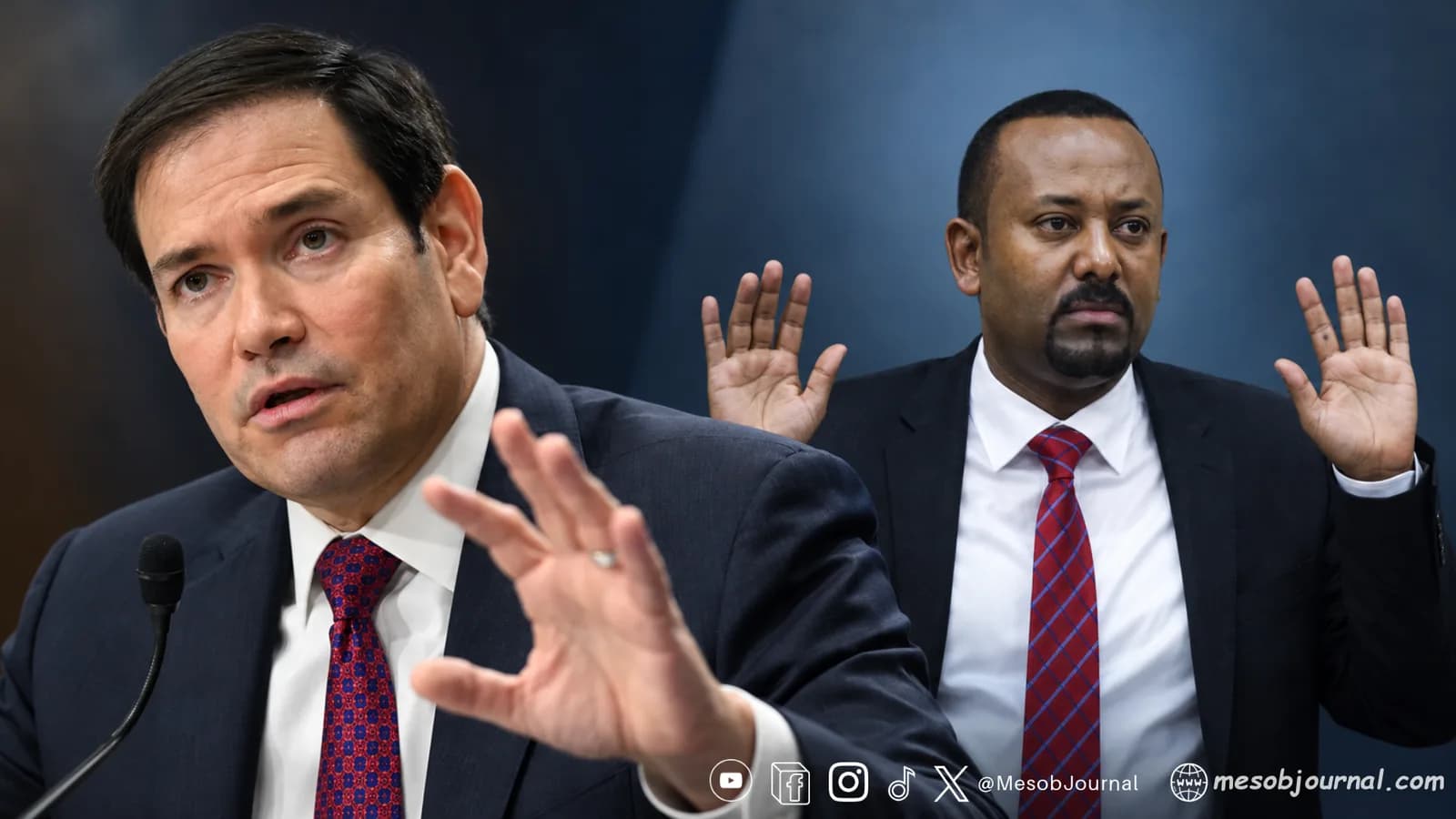
In recent weeks, familiar voices have returned to the regional stage. They speak loudly about Eritrea. They issue threats, recycle accusations and try to present themselves as serious political actors.
But volume is not strength.
Much of this rhetoric comes from a small circle of former officials, political operators and military figures who have lost both authority and credibility. They do not represent the people of Tigray. Nor do they represent the broader interests of Ethiopia. They are remnants of a political order that once believed power was permanent and accountability could be postponed forever.
That distinction matters.
The ordinary people of Tigray have suffered terribly from reckless politics, war, displacement and betrayal. Their interests should not be confused with the ambitions of those who still trade in grievance, old privilege and ethnic posturing. The people want stability, justice and a future. The political clique speaking in their name often wants relevance.
That is the difference.
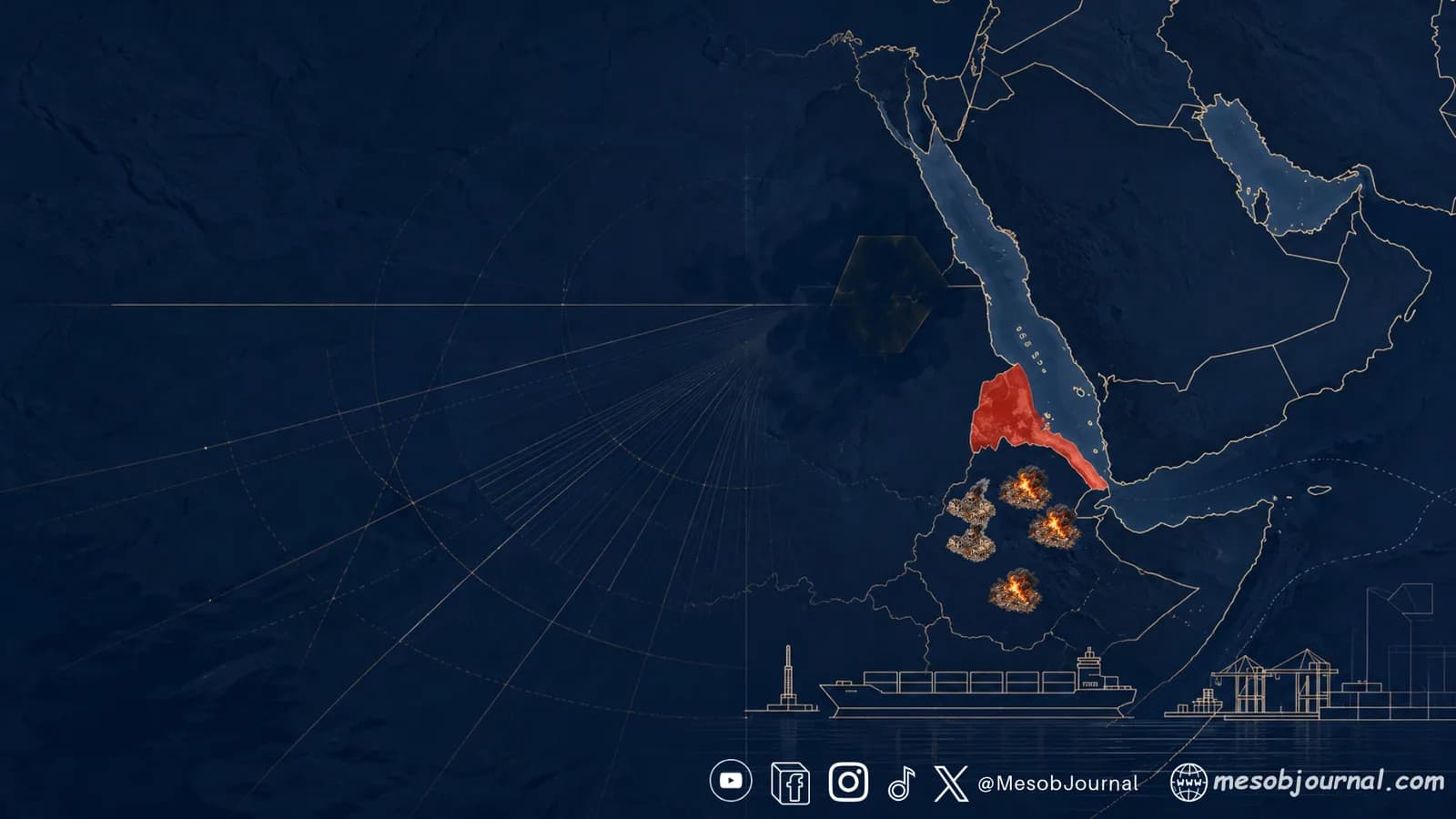
Some of these figures now find temporary comfort in Addis Ababa, where they are useful to the Prosperity Party’s wider regional messaging. They appear on platforms, make hostile statements about Eritrea and try to convert personal humiliation into political capital. It is not a new pattern. When elites lose power and fail to explain their own collapse, they often look outward. They blame others. They turn defeat into mythology.
Eritrea has seen this before.
Why Addis Ababa Finds Them Useful
The question is simple: why would the current authorities in Ethiopia give space to people who have already been rejected by history and, in many cases, by their own communities?
The answer is political utility.
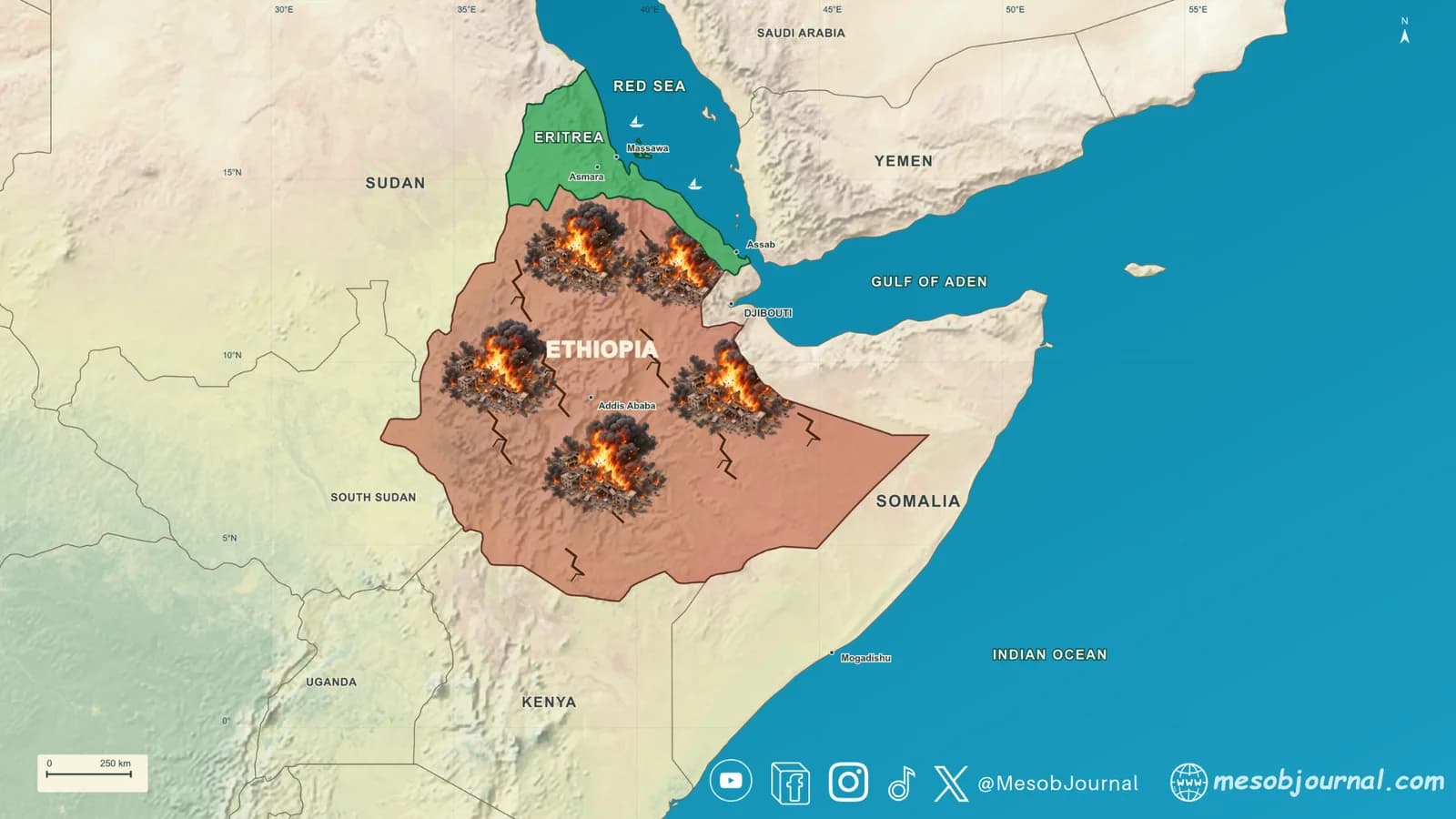
A wounded former elite can be useful to a government looking for convenient voices. Such figures carry resentment. They bring ready-made hostility. They are willing to say things others may hesitate to say directly. For a leadership in Addis Ababa that often struggles with internal crises, externalizing tension can be tempting.
Eritrea becomes the target. Old grudges become policy language. Personal failure is dressed up as national concern.
Many of these actors share a common history. They once believed Eritrea could be pressured, encircled, lectured or defeated. They misread the country then, and they continue to misread it now. Their problem is not only political. It is analytical. They still do not understand the nature of Eritrean sovereignty.
Eritrea is not a temporary arrangement. It is not a weak state waiting for permission. It is a country built through sacrifice, discipline and a deep national consciousness that outsiders often underestimate.
That is why hostile rhetoric from failed political figures does not shake Asmara. It simply confirms how little they have learned.
Eritrea’s Answer Is Silence
A mature nation does not respond to every provocation.
Eritrea has faced real wars, not social media theatre. It has buried martyrs, rebuilt under pressure and stood firm through campaigns designed to weaken its independence. Against that background, the latest noise from former power brokers in Addis Ababa is not a strategic threat. It is a performance.
Eritrea’s response has been silence.
Not weakness. Not indifference. Silence.
There is a difference.
Silence can be a form of discipline. It denies relevance to those seeking attention. It refuses to turn every insult into a national debate. It shows confidence in the record, not anxiety over the noise.
Eritrea does not need to shout back at people still arguing with their own past. Its history speaks loudly enough.
The country’s independence was not granted in a boardroom. It was not gifted by a foreign capital. It was won through decades of struggle, confirmed by the will of its people and defended through sacrifice. That kind of sovereignty does not depend on the approval of former officials, hostile commentators or temporary political sponsors.
The Reality Eritreans Know
As Eritreans celebrate Independence Day, the message is clear. The country has already proved its strength where it matters — on the ground, through history, through sacrifice and through national endurance.
Eritrea has survived because its people understand what independence costs. They know that sovereignty is not a decorative word for speeches. It is the right to decide one’s own path, to defend one’s own territory and to refuse subordination, no matter how polished the pressure may appear.
To those now issuing threats from safe offices and borrowed platforms, Eritrea’s answer is simple: words do not change reality.
Rhetoric cannot weaken a border. It cannot erase history. It cannot undo the sacrifices of martyrs. It cannot turn a failed political class into a legitimate national force. And it cannot make Eritrea less sovereign.
If hostile statements offer comfort to those still nursing old defeats, that is their affair. Eritrea has no obligation to participate in their therapy.
The country has work to do. It has a future to build. It has a generation to educate, a society to strengthen and a region to engage from a position of dignity. That is where its attention belongs.
A Nation That Knows Its Price
Independence Day reminds us of one enduring truth: a nation’s destiny is shaped by those who sacrifice for it, not by those who complain from the sidelines.
Eritrea stands today because its people paid the price for freedom. That fact cannot be revised by hostile rhetoric, external manipulation or the bitterness of former elites searching for a new sponsor.
The celebrations across Eritrea and the diaspora are not just festive gatherings. They are a statement of continuity. They say that the country remembers. They say that the martyrs are not forgotten. They say that sovereignty remains non-negotiable.
The noise will fade, as it always does.
Eritrea will remain.
Independent. Steady. Unshaken.
Eternal Glory to Our Martyrs.
Victory to the Masses of Eritrea.