
For years, Eritrea’s detractors treated isolation as destiny.
Sanctions, pressure campaigns, diplomatic coldness and a steady stream of hostile commentary were supposed to shrink the country’s strategic weight. Eritrea was to be boxed in, talked down, written off and kept outside the normal calculations of power.
But geography doesn’t obey talking points.
The Red Sea is no longer a quiet passage on the edge of global politics. It is one of the world’s most sensitive arteries, carrying trade, energy, military movement and the anxieties of major powers. Every disruption now travels far beyond the region. Every unstable coastline becomes a global concern. Every secure route becomes more valuable.
And in that hard geography, Eritrea sits exactly where serious powers cannot afford uncertainty.
That is the part many of its critics missed. Eritrea was never irrelevant. It was inconvenient.
Recent reports of a possible U.S. sanctions shift should be read in that context. Not as some sudden moral awakening in Washington. It is a strategic correction after years of pretending that pressure could erase geography. The old policy language may remain, but the map is forcing a different conversation.
Eritrea’s value is not built on noise. It is built on position, coastline, state control and regional durability.
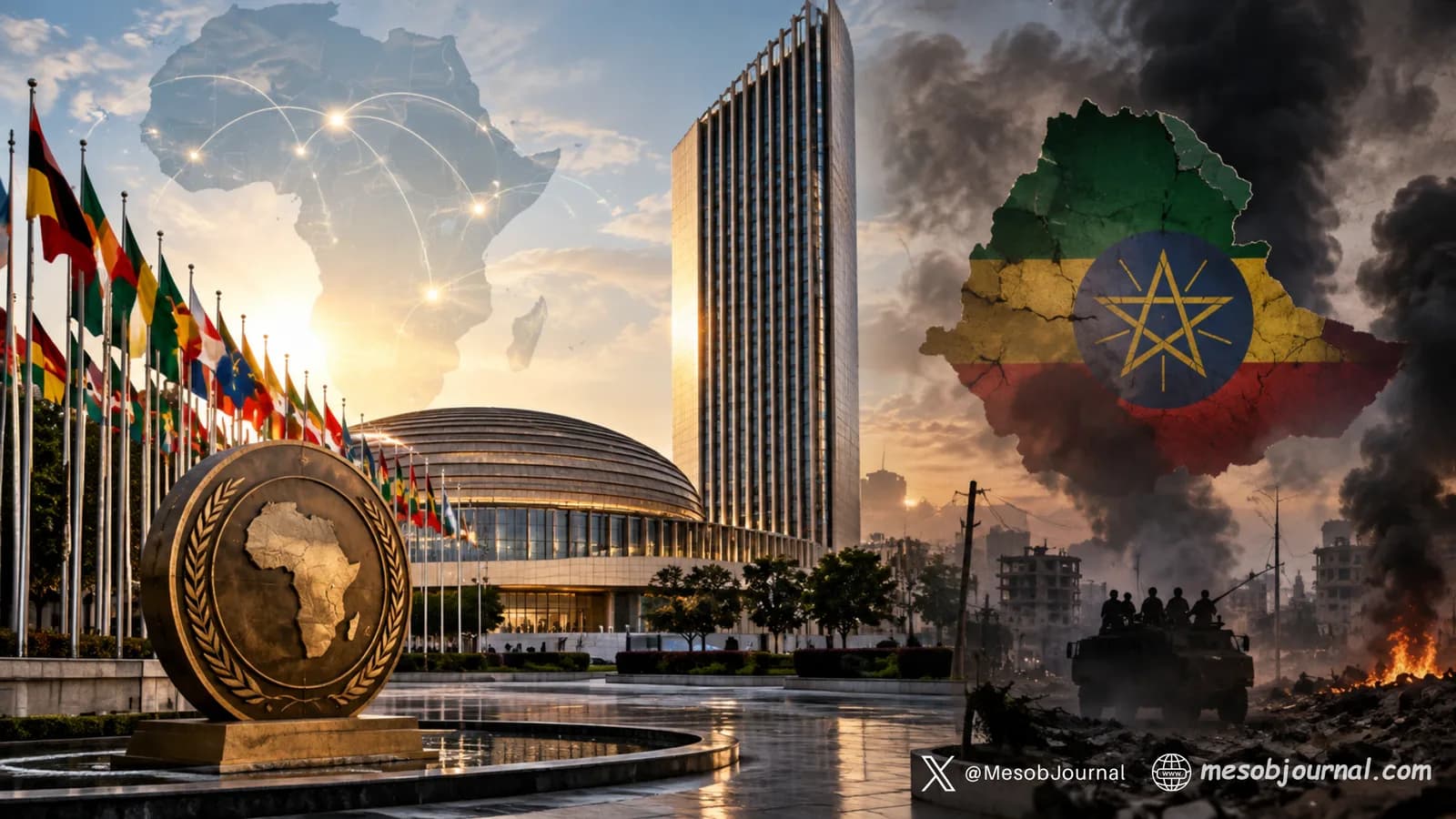
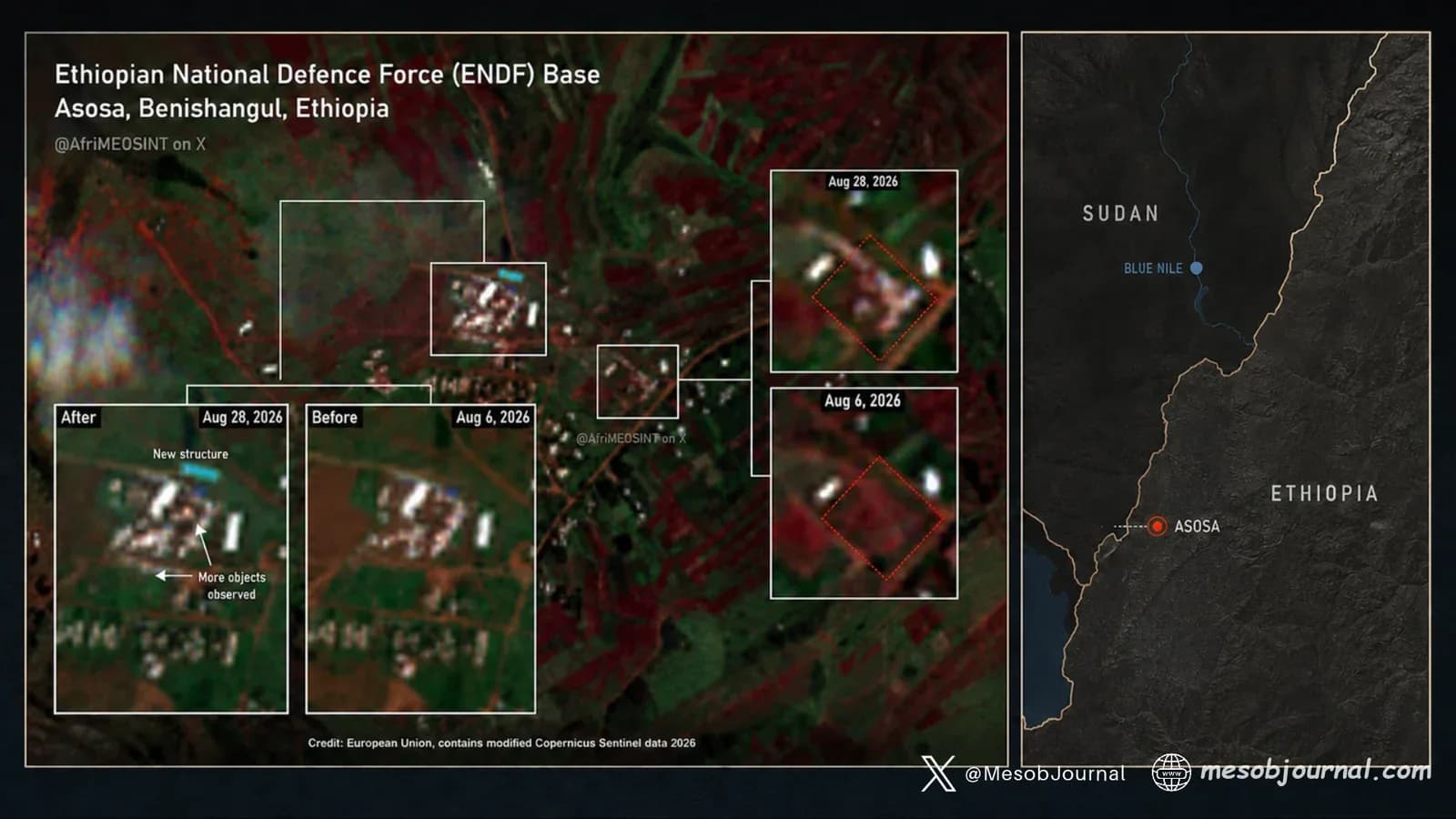
Sudan is consumed by war. Somalia continues to face deep political and security fragility. Ethiopia is trapped in internal conflict while sections of its ruling establishment keep returning to sea-access rhetoric as if sovereignty can be softened by repetition. Across that broken regional landscape, Eritrea stands out for one reason its detractors rarely want to admit: the state remains intact.
That matters more than any slogan about isolation.
A corridor is not just a port on a map. It is the authority behind it. It is security on the ground, predictability in decision-making, control over territory, and the ability to keep trade moving without militias, federal fragments or foreign security contractors deciding the fate of the route. A coastline becomes strategic only when the state behind it can hold it.
This is where Eritrea’s advantage becomes clear.
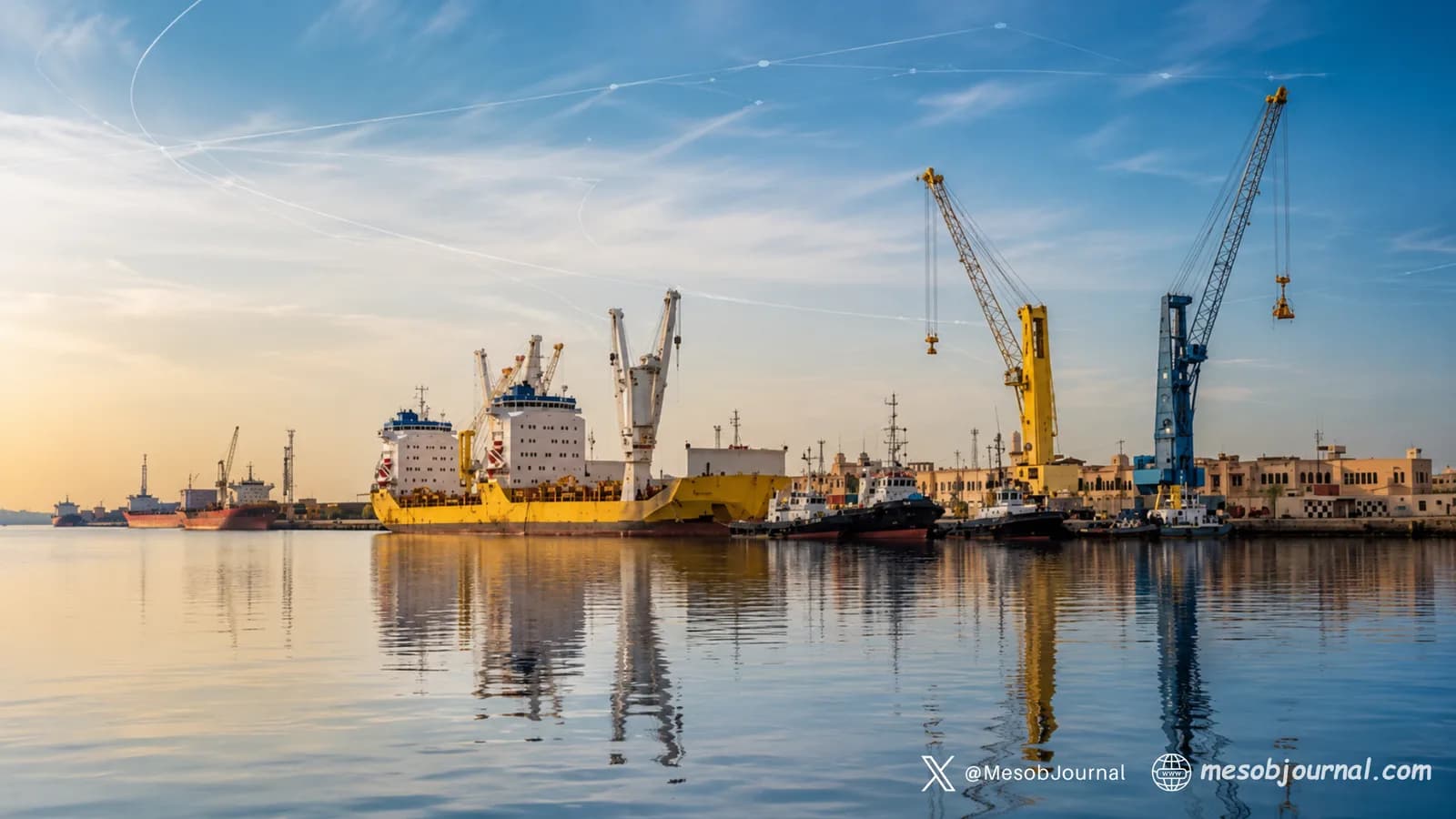
It has a long Red Sea coastline opposite the Arabian Peninsula. It sits close to the Bab el-Mandeb corridor, one of the most sensitive maritime chokepoints in the world. It has ports, mineral potential, and a political posture that has consistently rejected external formulas imposed from outside. Whatever its critics say, Eritrea has not collapsed into the kind of internal fracture now shaping parts of the wider Horn.
That is why the old “isolated Eritrea” line sounds increasingly tired.
Major powers do not suddenly rediscover countries because they like them. They do it when necessity forces realism. China sees corridors through trade and supply chains. Russia sees them through access, leverage and strategic depth. Gulf states see them through maritime security, food security and Red Sea influence. The West sees them through military competition, shipping risk and the fear of losing ground to rivals.
Different motives. Same map.
And that map keeps pointing back to Eritrea.
The recent Eritrea–Egypt maritime transport agreement fits into this larger picture. It was not just another bilateral signing ceremony. It signalled a practical Red Sea logic: coastal states working through geography, ports and shared interests rather than waiting for outside approval. In a region where speeches often run ahead of capacity, that kind of corridor-building carries weight.
This is also why Ethiopia’s sea-access campaign has backfired politically.
Addis Ababa’s argument was meant to pressure Eritrea and normalise the idea that landlocked status gives Ethiopia some special claim beyond commercial access. But the opposite happened. The louder Ethiopia’s ruling circles spoke about the sea, the more attention they drew to Eritrea’s sovereign coastline. They reminded the world that the Red Sea is not an abstract dream in a policy speech. It is territory. It has owners. It has law. It has borders.
Ethiopia needs commercial ports. Nobody disputes that.
But commercial access is not sovereignty. Transit is not entitlement. Economic need does not rewrite maps. In fact, the more unstable Ethiopia becomes internally, the less convincing its Red Sea campaign appears to outside powers worried about another war in the Horn.
That is the irony.
For years, Eritrea’s detractors insisted the country was isolated, weak and strategically marginal. Now, the same regional crisis they ignored is proving the opposite. The question is no longer whether Eritrea matters. The question is how long major powers can pretend it does not.
The West is late to this reality. Others have been reading the map more carefully.
Asian, Gulf and African capitals have already moved past the old vocabulary of “isolation.” They are looking at port access, maritime reliability, energy movement, minerals, food-security routes and political predictability. In that language, Eritrea is not a case file from an old sanctions debate. It is a coastal state on a pressured route, with enough independence to choose its partners and enough stability to make those choices matter.
Eritrea’s position sits inside all of these calculations.
That is what makes the current moment important. Eritrea is not being “brought back” into relevance. It never left. The world around it became more unstable, more contested and more dependent on secure routes. The value of a stable Red Sea state simply became harder to deny.
There is a lesson here for those who built careers on predicting Eritrea’s collapse.
They mistook pressure for policy. They mistook media hostility for strategic weakness. They mistook diplomatic coldness for irrelevance. Above all, they assumed that a sovereign state could be reduced permanently by narrative.
But narratives do not move cargo. They do not secure coastlines. They do not protect shipping lanes. They do not build functioning corridors.
States do.
That is why Eritrea’s position today is stronger than many of its critics expected. The country they tried to isolate now sits on a route they need. The coastline they dismissed is part of a global artery. The state they wanted weakened remains one of the few stable points in a volatile neighbourhood.
Washington may call it a reset. Others may call it pragmatism. Detractors may pretend not to see it at all.
But the map is speaking louder than the narrative.
And for Eritrea, the map has always been the stronger argument.