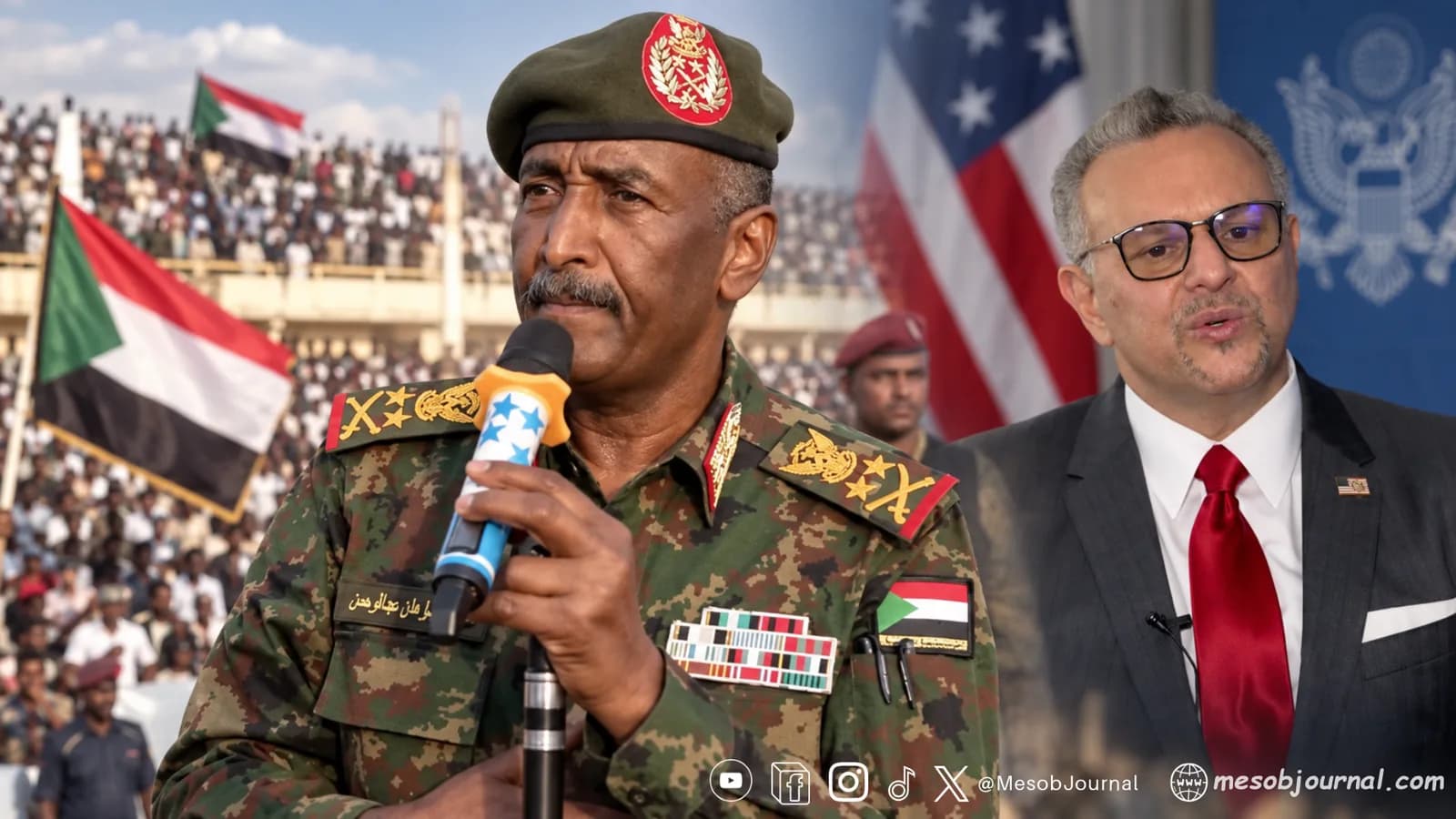
Washington’s Pressure on Burhan Reveals the Problem With Sudan Diplomacy
Washington has removed any remaining doubt about why Abdel Fattah al-Burhan did not attend the United Nations General Assembly in New York.


We use cookies to improve your experience, analyze traffic, and show relevant content. You can accept all, reject non‑essential, or manage preferences.
Washington has removed any remaining doubt about why Abdel Fattah al-Burhan did not attend the United Nations General Assembly in New York.
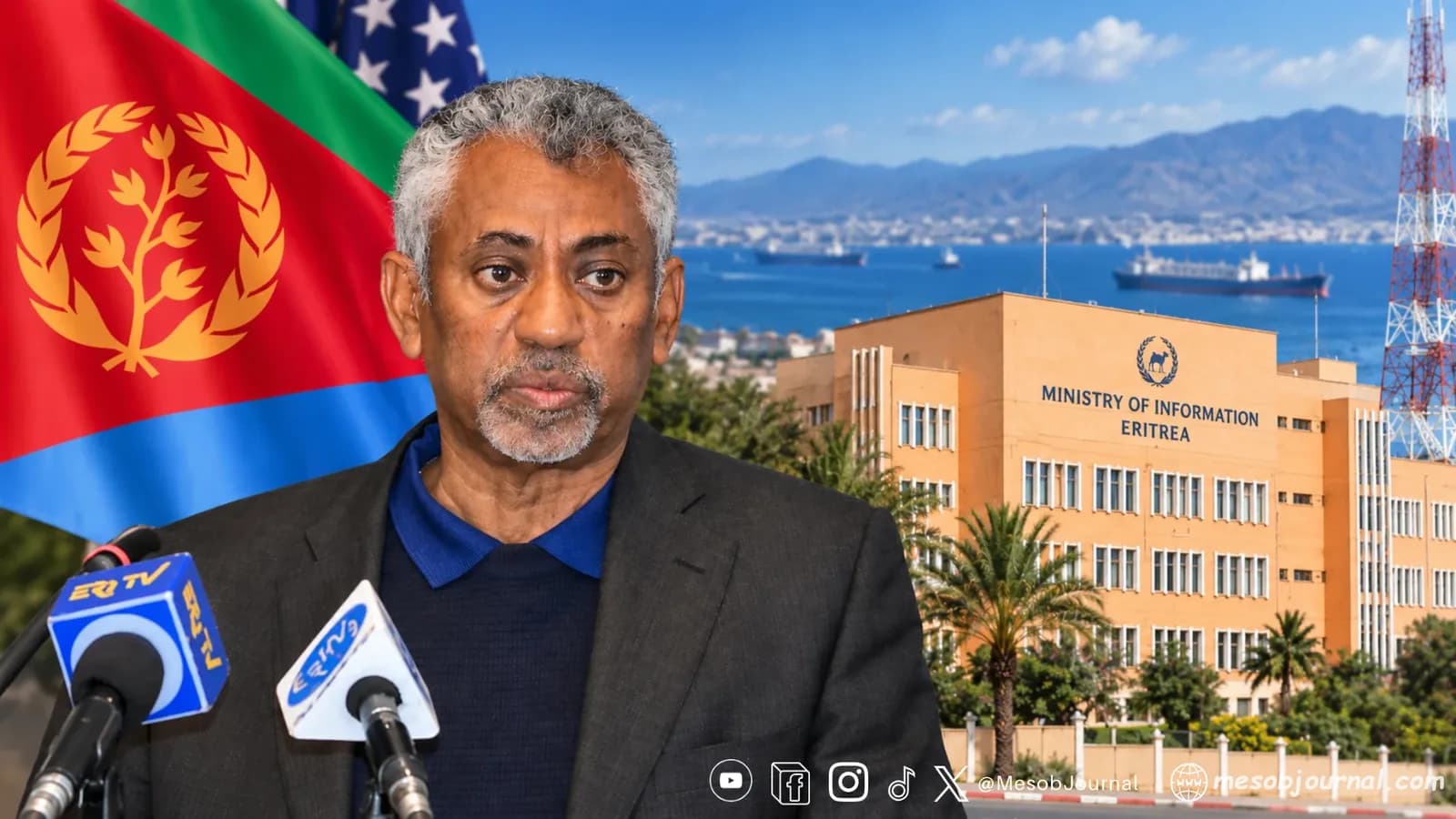
Eritrea has welcomed Washington’s removal of Ethiopia-related sanctions on key Eritrean institutions and officials, while signaling that preliminary contacts are already laying the groundwork for broader talks with the United States on investment, trade and bilateral relations.
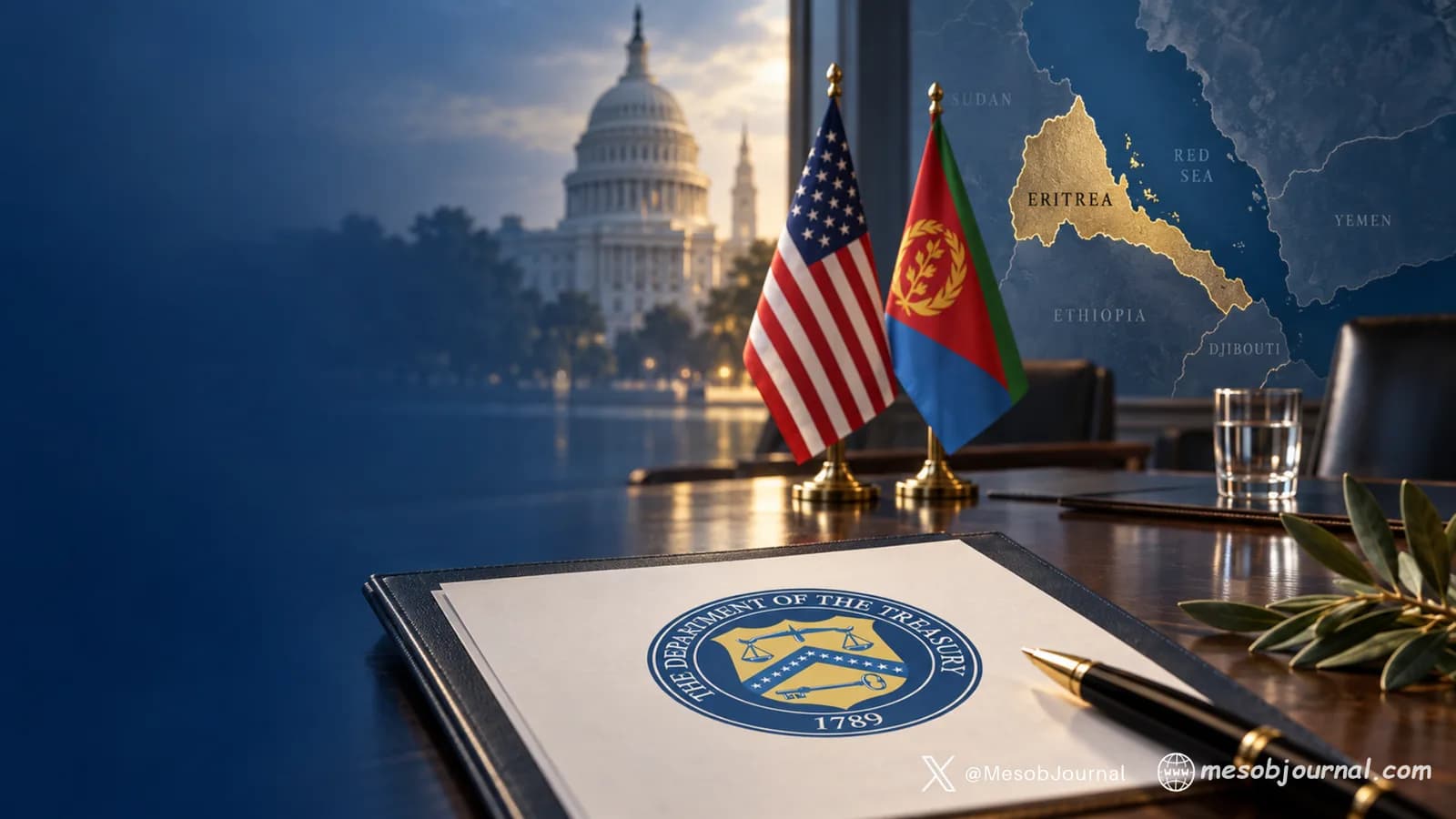
Eritrea has welcomed Washington's decision to end the sanctions imposed in 2021, calling the measures unjustified while signalling that the reversal could open the way to more constructive relations with the United States.
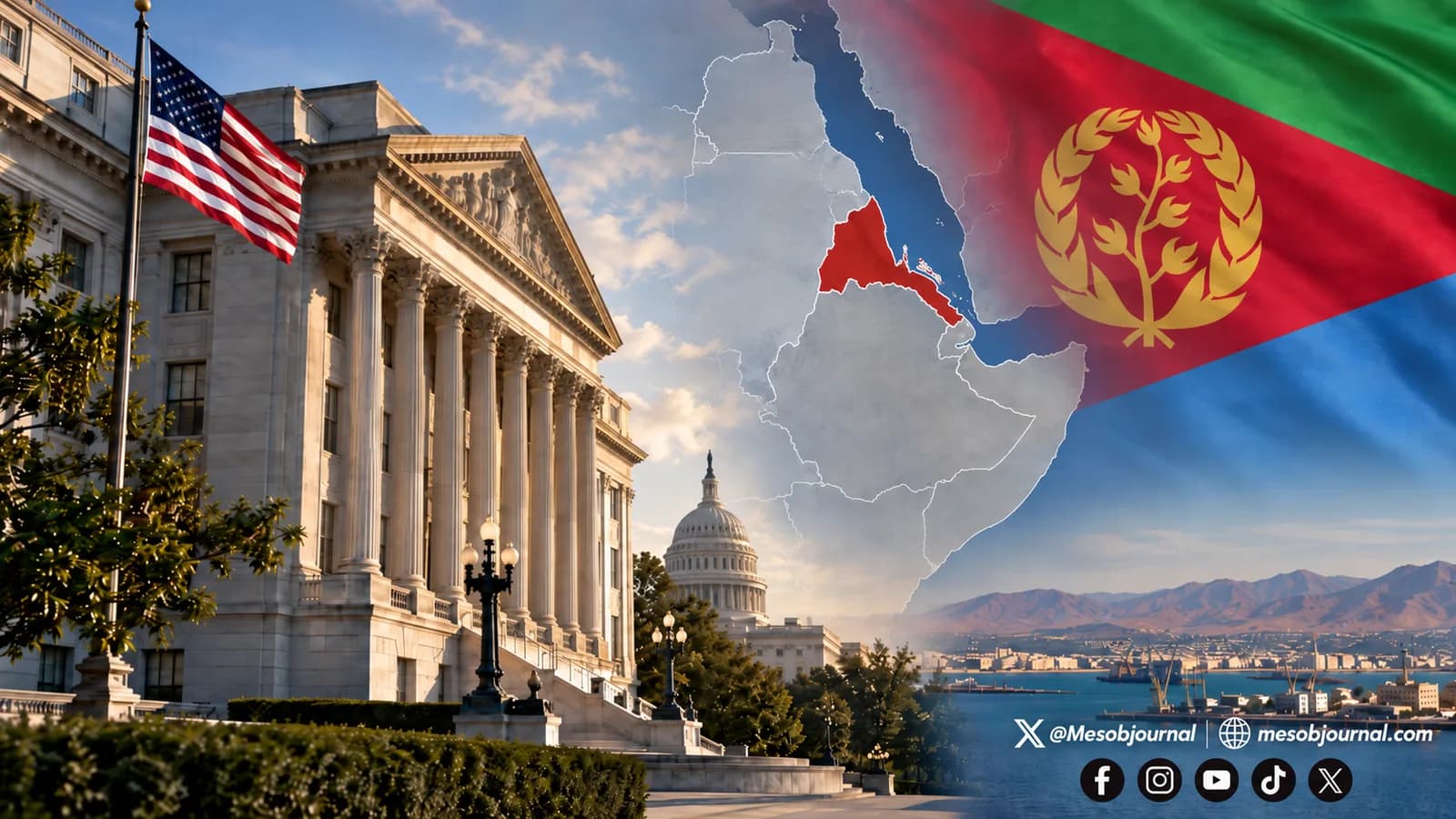
The United States has lifted sanctions on the Eritrean Defense Forces, the PFDJ and four other Eritrean entities and individuals after the national emergency underpinning the 2021 Ethiopia-related sanctions program expired without a continuation notice.
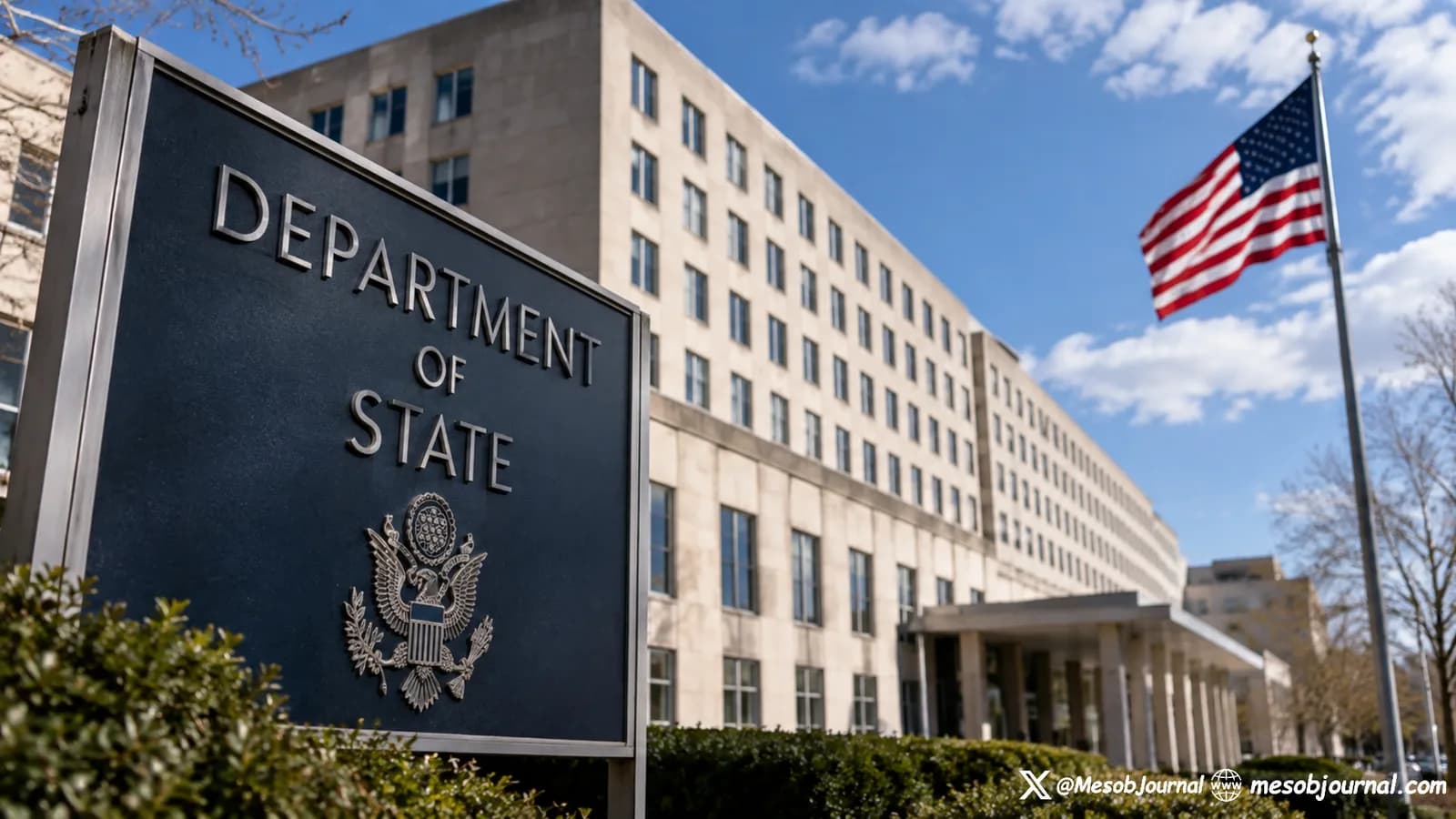
The United States has completed the formal removal of Ethiopia from its arms-export restrictions, while the national emergency underpinning the 2021 U.S. sanctions framework targeting Eritrean entities appears to have expired without a publicly identifiable continuation notice.
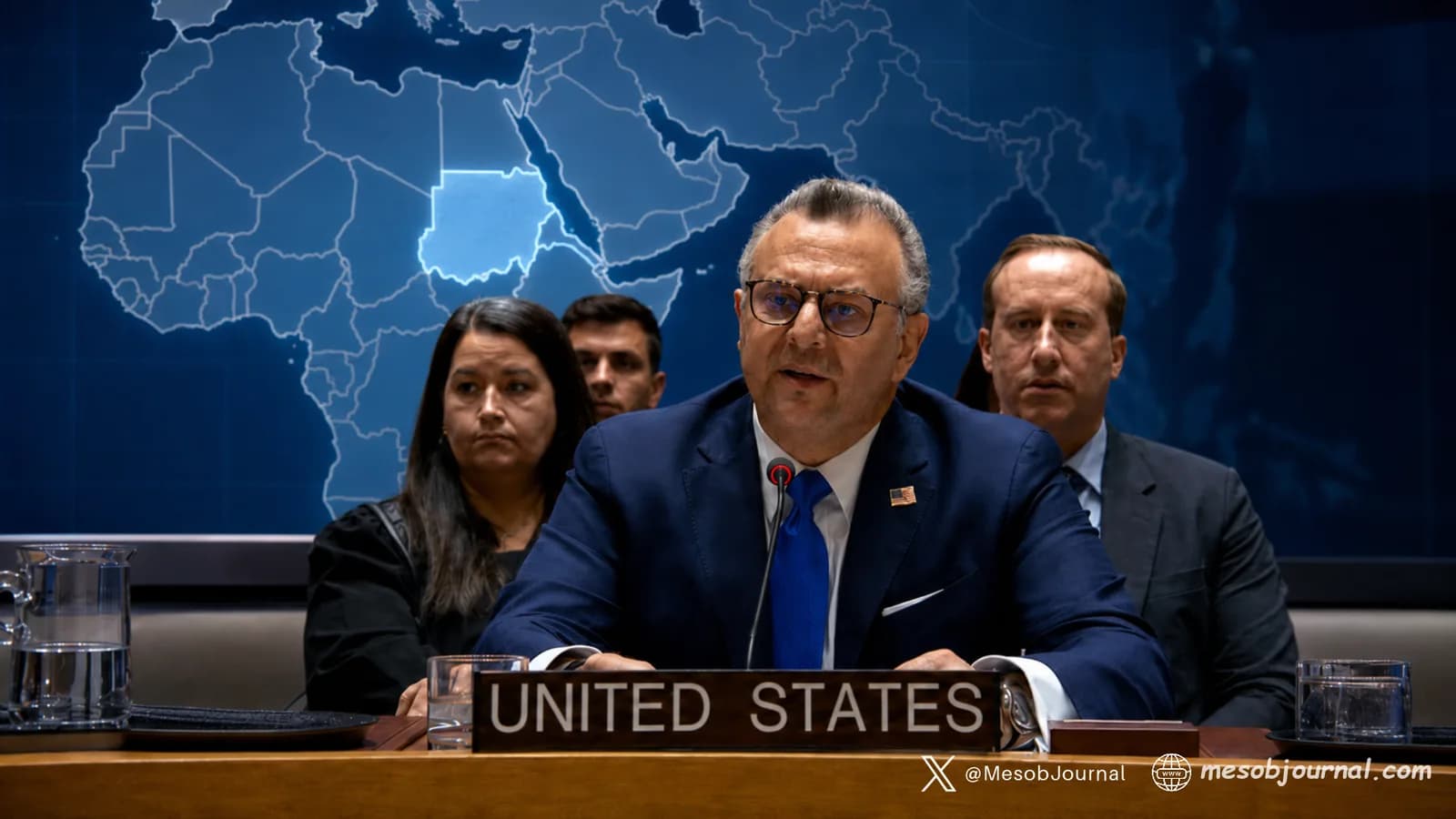
Sudan's army and people deserve support against the RSF's foreign-backed war. Washington must confront the governments sustaining it.
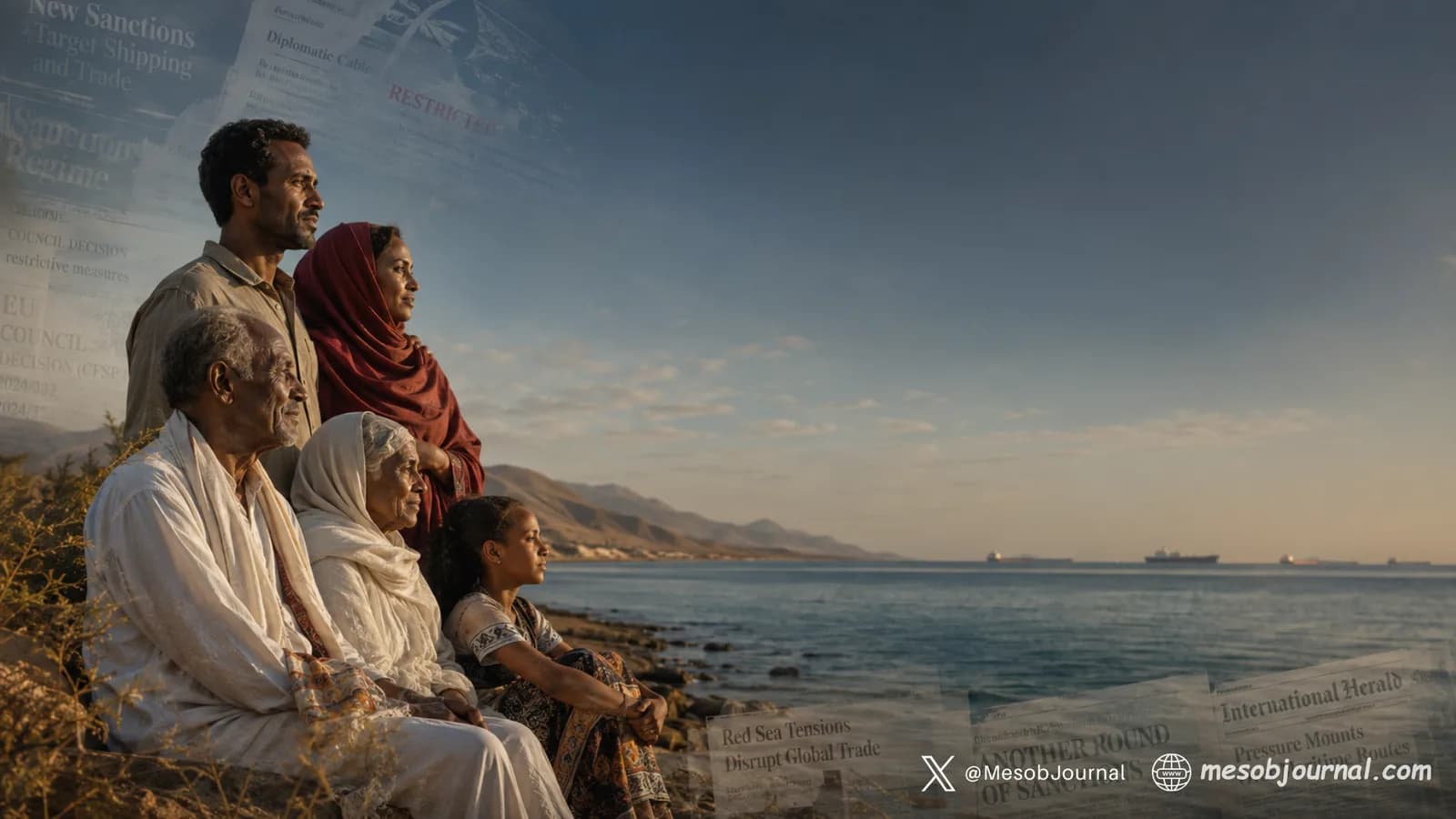
Outside powers think they are isolating a government. Eritreans recognize something larger: a familiar attempt to separate a nation from its sovereignty. That is why pressure closes ranks instead of opening cracks. The central mistake in foreign policy toward Eritrea is not a fai
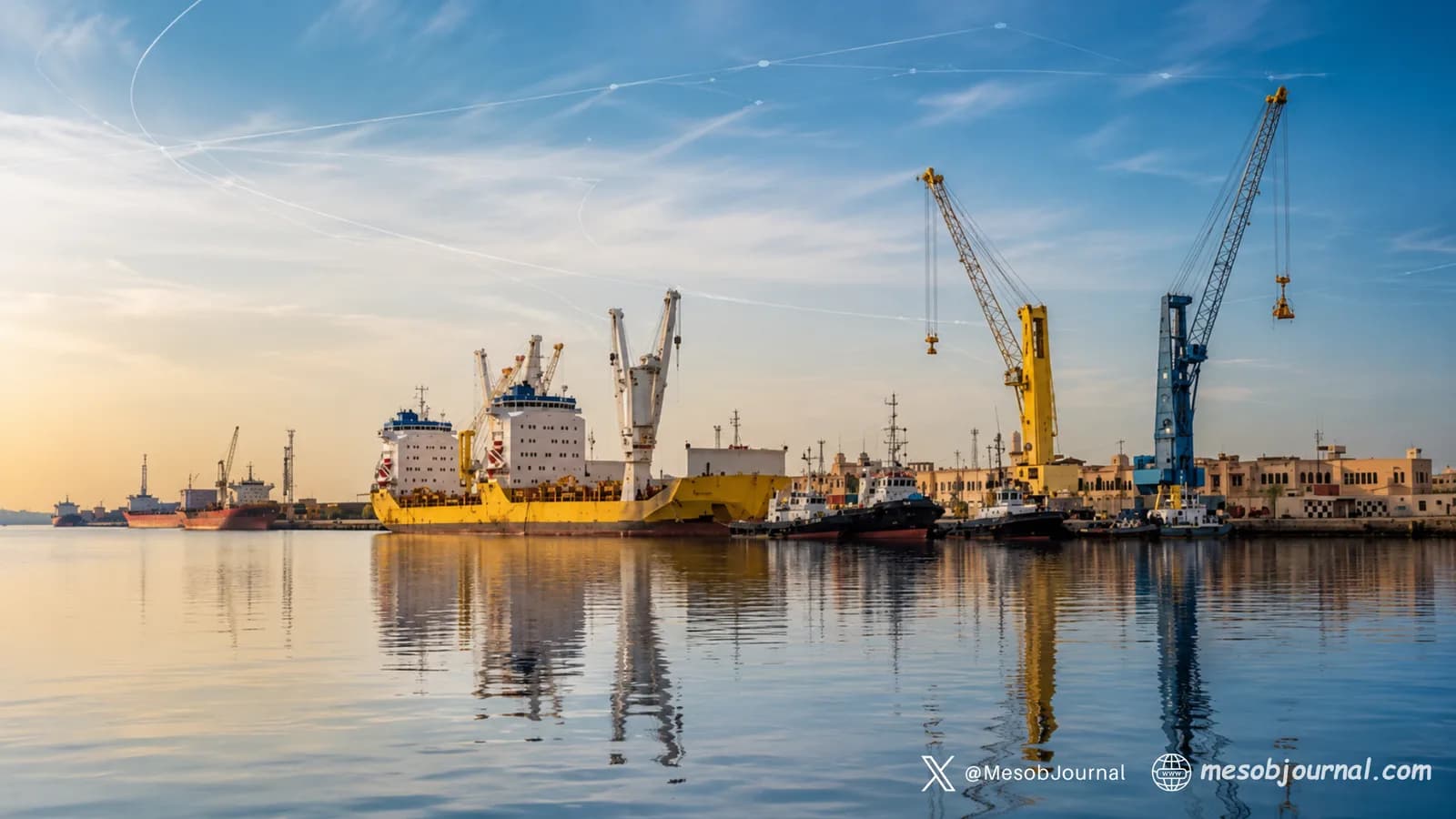
For years, Eritrea’s detractors treated isolation as destiny. Sanctions, pressure campaigns, diplomatic coldness and a steady stream of hostile commentary were supposed to shrink the country’s strategic weight. Eritrea was to be boxed in, talked down, written off and kept outside
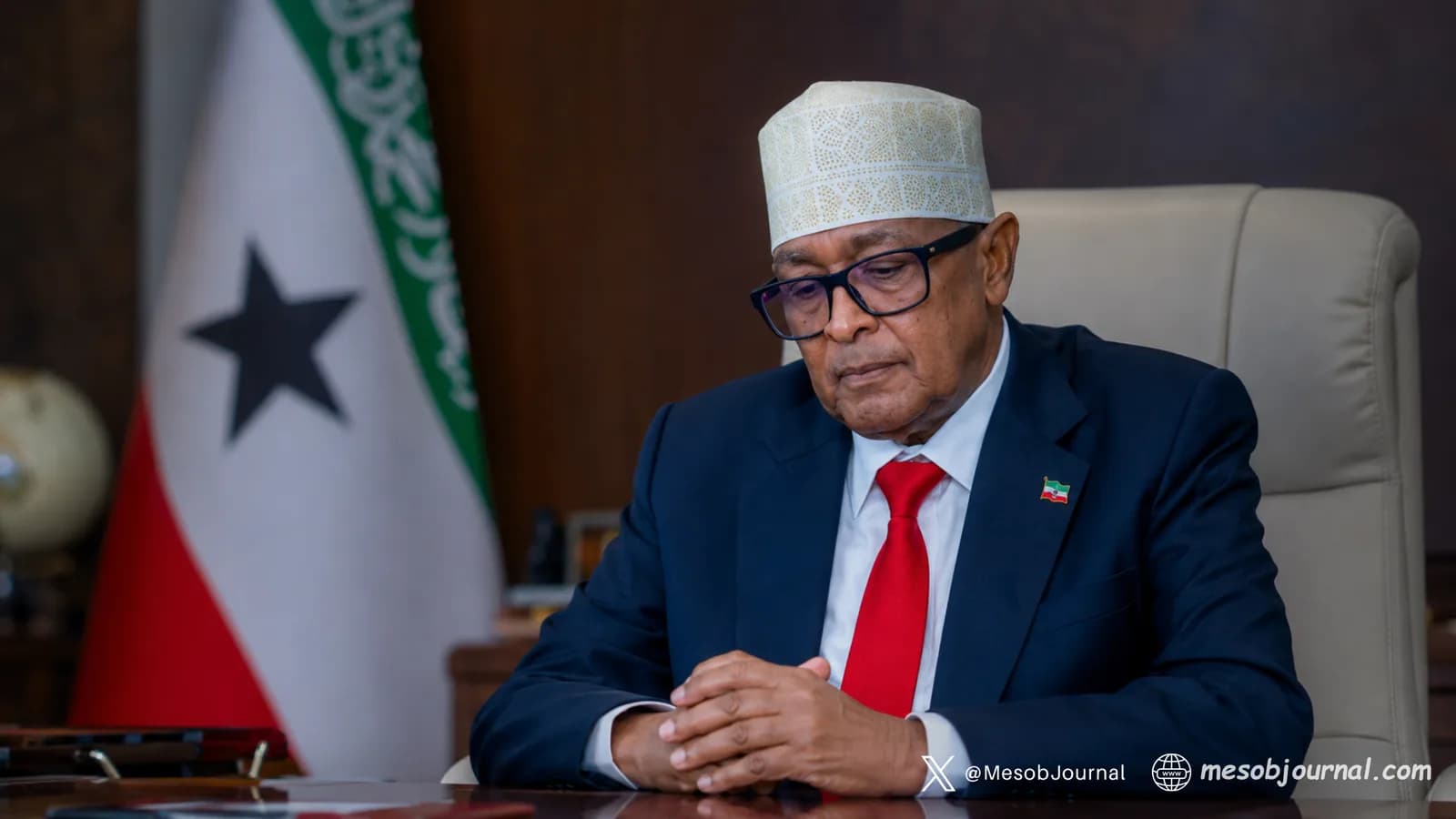
The U.S. report on Somaliland emphasizes that engagement does not equate to recognition, reaffirming Somalia's sovereignty. This stance aims to prevent further territorial disputes in the already volatile Horn of Africa region.
The article critiques Michael Rubin's analysis of Eritrea and U.S. foreign policy, highlighting his misinterpretations and unsupported claims. It argues that his views lack grounding in historical facts and strategic realities of the Horn of Africa.