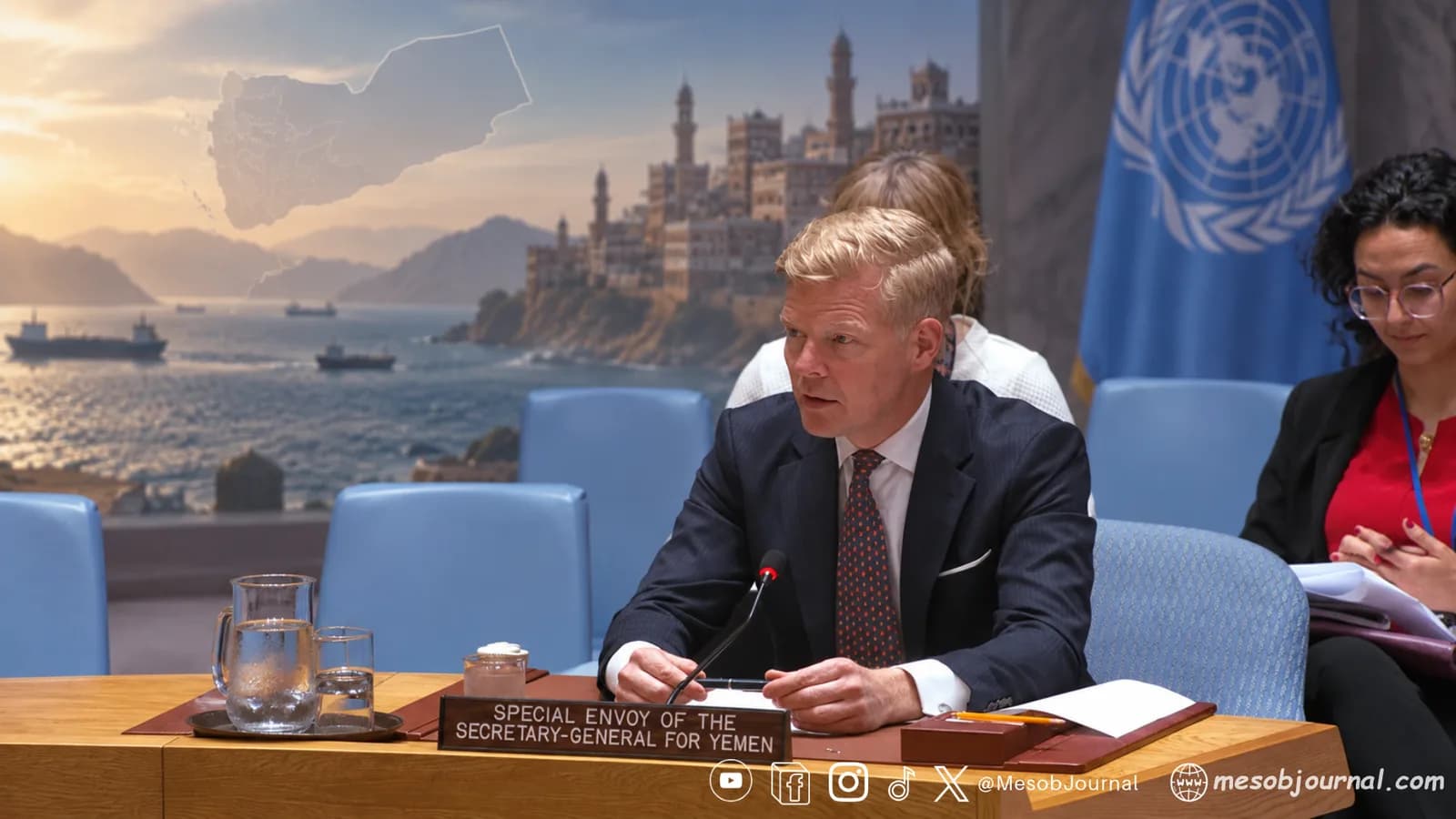

The latest report by the UN-mandated fact-finding mission for Sudan places the machinery sustaining the Rapid Support Forces under sharper scrutiny: foreign recruitment, military training, advanced weapons and supply routes connecting the Gulf with several African states.
Its most consequential finding concerns the United Arab Emirates. Investigators conclude that individuals and entities operating from, registered in or linked to the UAE played a significant role in recruiting, financing, transporting and deploying foreign military contractors, alongside other military-related support benefiting the RSF.
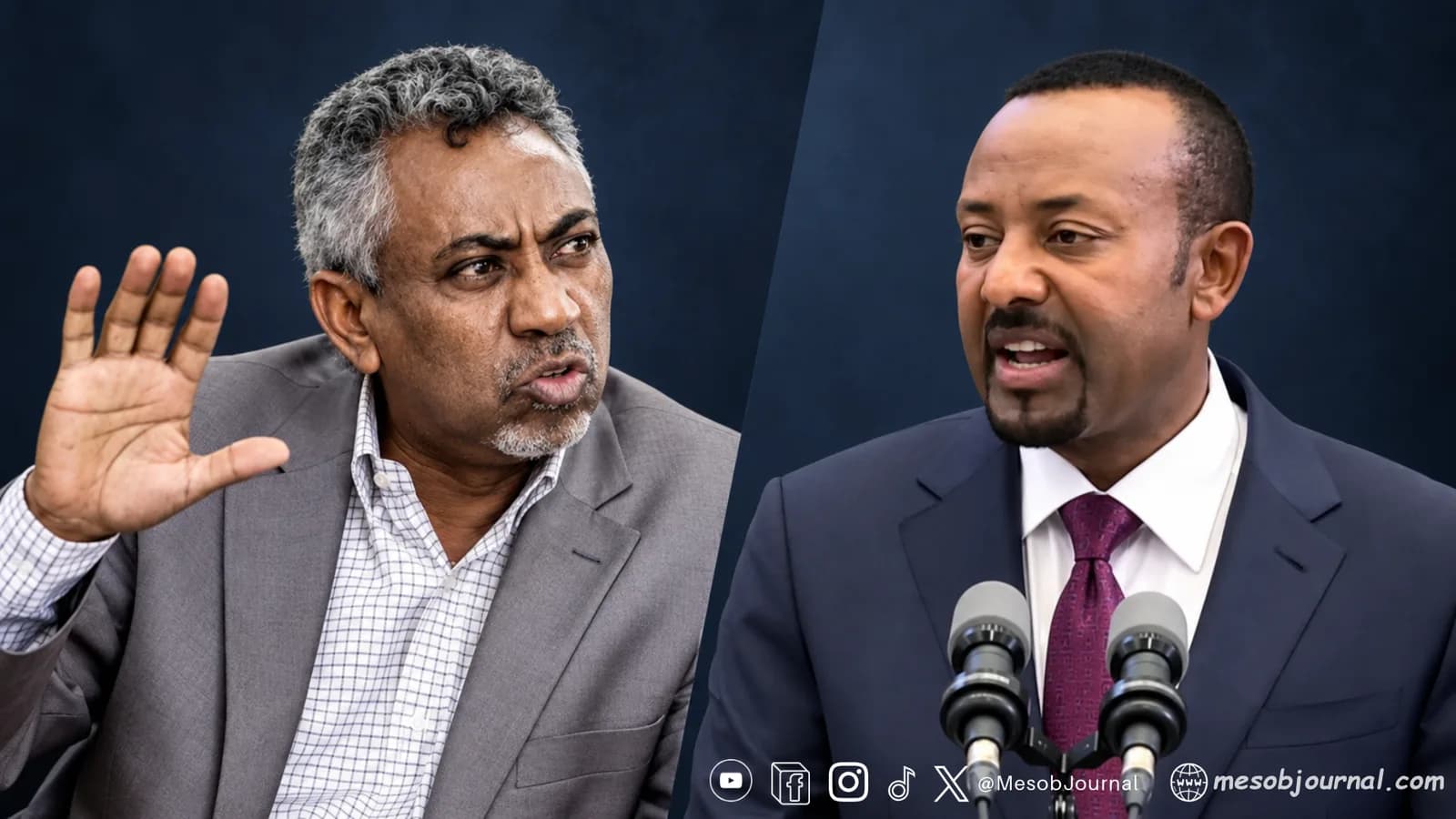
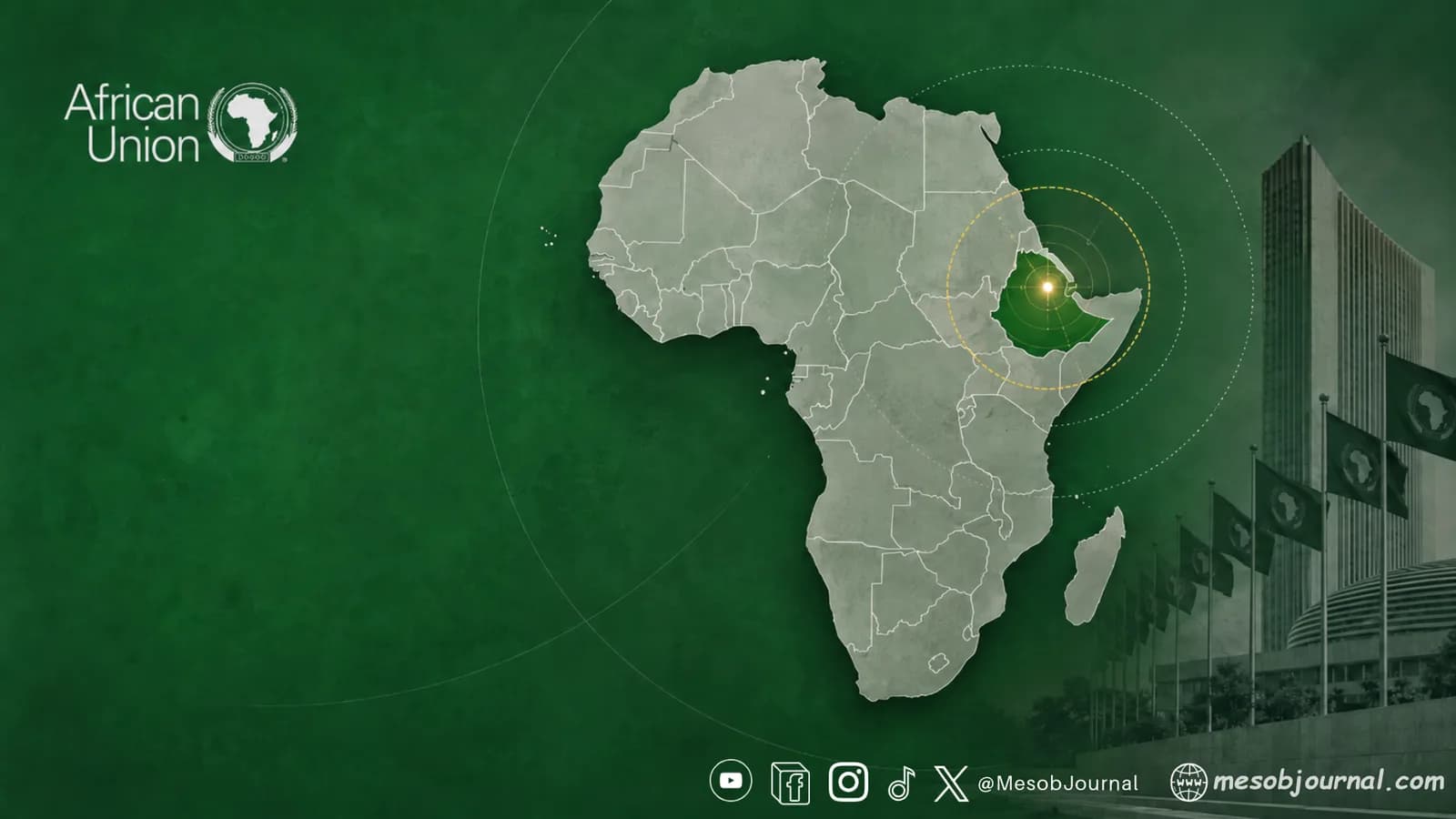
The report also names Ethiopia. It identifies Ethiopian nationals among foreign fighters and records the Ethiopian government’s failure to respond to investigators. Separate satellite research concerning an Ethiopian military base at Asosa adds another, distinct body of evidence.
Together, these findings sharpen a question that ceasefire diplomacy cannot resolve through declarations alone: what will governments do about the networks supplying the RSF with the means to continue fighting?
The UAE finding goes beyond an exchange of accusations
The mission’s report, Fuelling Sudan’s conflict: weapons, fighters and external support networks, is dated 1 September 2026. It applies a reasonable-grounds-to-believe standard, drawing on witness testimony, documentary material, verified imagery and expert analysis. Its findings are investigative conclusions, not criminal convictions.
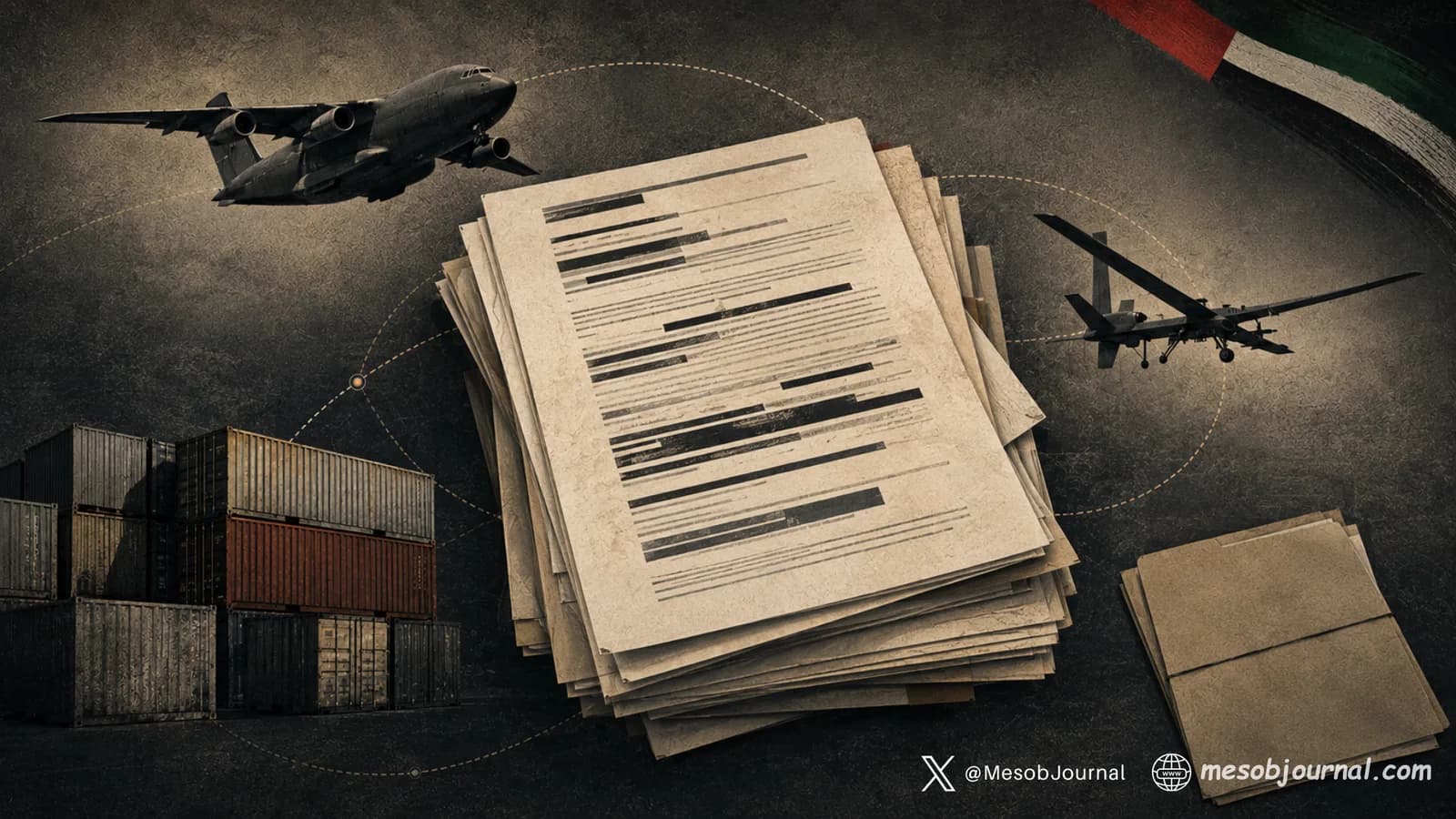
Investigators describe interconnected routes involving the UAE, Chad, Libya and Puntland in Somalia. Weapons and personnel moved through regional logistical hubs before reaching RSF-controlled territory. Nyala airport emerges as a principal entry point.
The support was technically important. Colombian contractors reportedly operated and maintained drones, supported artillery and air-defence systems, and provided training and intelligence assistance. In some instances, the RSF remained dependent on contractors because its own personnel lacked the necessary expertise.
That dependence has strategic implications. Foreign assistance was not simply replenishing ammunition. It was supplying specialist capabilities that extended the RSF’s operational reach and helped sustain its campaigns.
The mission links these networks to operations during a period of grave violations, particularly in El-Fasher, where its earlier investigations documented war crimes, crimes against humanity and conduct displaying hallmarks of genocide.
Corporate intermediaries do not settle the state-responsibility question
The UAE rejected allegations that it supplied military, logistical, financial or political support to the RSF. It told investigators that domestic inquiries had found no evidence connecting entities under its jurisdiction to the alleged mercenary activities.
The mission nevertheless reached a contrary conclusion concerning UAE-linked individuals and entities. It called on Abu Dhabi to take stronger measures to prevent, investigate and halt activities capable of contributing to serious violations in Sudan.
The report does not establish that the Emirati government directed every operation. But the use of companies and intermediaries does not resolve the question of what authorities knew, permitted or could have prevented.
A separate Human Rights Watch investigation published on 25 May examined the recruitment of Colombian contractors through Global Security Services Group, an Abu Dhabi security company. Drawing on documents, interviews and evidence concerning access to state infrastructure, HRW assessed that the deployment appeared to be UAE state-backed. It also acknowledged limits in establishing government control over particular operations. That is HRW’s assessment, not a finding that should be attributed to the UN mission.
The enforcement question is therefore concrete: which companies handled contracts and payments, who authorised access to facilities, and what action has followed the evidence?
The UN report notes that the UAE initiated proceedings in April concerning alleged transfers of military material linked to Sudan—although those proceedings concerned alleged support to the Sudanese Armed Forces. Investigators point to this as evidence that domestic mechanisms exist to examine comparable conduct involving RSF support.
Ethiopia faces questions beyond the nationality of fighters
The mission reports witness accounts of Ethiopian fighters serving with the RSF, primarily in frontline roles. Their identification relied on language, accent and, in some cases, uniforms. It also records that Ethiopia did not respond to a request for information sent on 11 June.
The more direct evidence concerning Ethiopian state infrastructure comes from Yale’s Humanitarian Research Lab.
In its 10 June report, the laboratory assessed activity at the Ethiopian National Defense Forces base in Asosa as consistent with continued military support to the RSF. Researchers documented vehicle movements and modifications, including paint changes consistent with vehicles used by the RSF on Sudan’s Blue Nile front. Their analysis covered activity during March–May and followed an earlier April assessment.
This satellite and open-source assessment places a named military installation at the centre of the inquiry.
The distinction strengthens the analysis: the UN report raises questions about Ethiopian fighters and government non-cooperation; Yale provides separate evidence concerning possible support through an Ethiopian army base.
The test is disruption, not another statement
For regional diplomacy, the report exposes an enforcement problem. A ceasefire process has limited leverage if recruitment, financing and military deliveries continue through jurisdictions outside Sudan.
The mission recommends stopping transfers that risk facilitating serious violations, investigating suppliers and intermediaries, imposing targeted sanctions where warranted, and extending the Darfur arms embargo throughout Sudan.
Whether a broader embargo would work depends on enforcement against the networks already circumventing existing restrictions. Additional rules will have limited effect if flights, payments, recruitment and onward deliveries remain operational.
For Abu Dhabi, the immediate test is whether its investigations address the specific networks identified. For Addis Ababa, it is whether authorities answer the mission and provide a verifiable account of the activities documented at Asosa.
The report’s importance lies in making those tests more specific. Sudan’s war cannot be addressed only where weapons are fired. Accountability and preventive action must also reach the places where those weapons are financed, supplied and made usable.