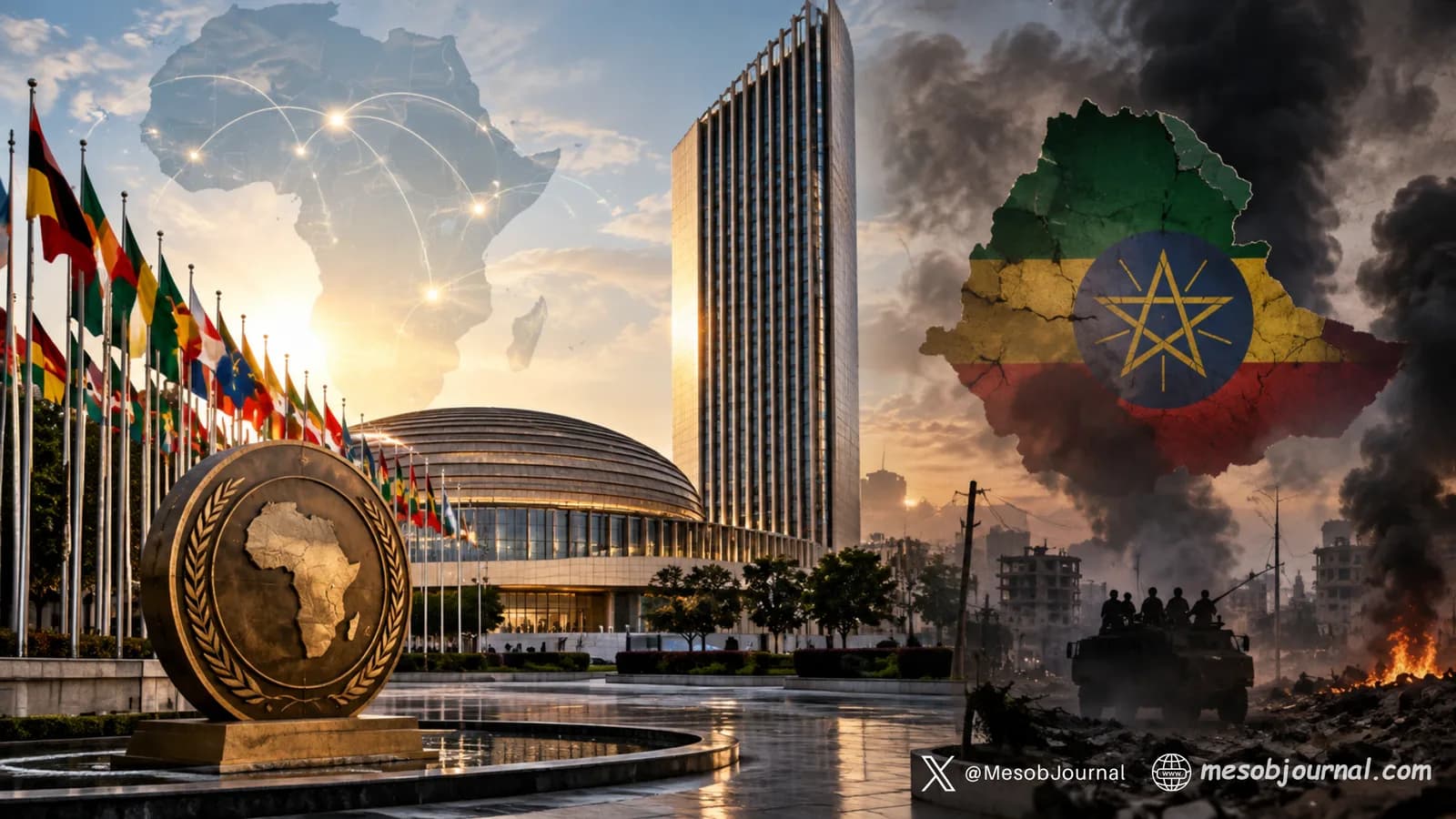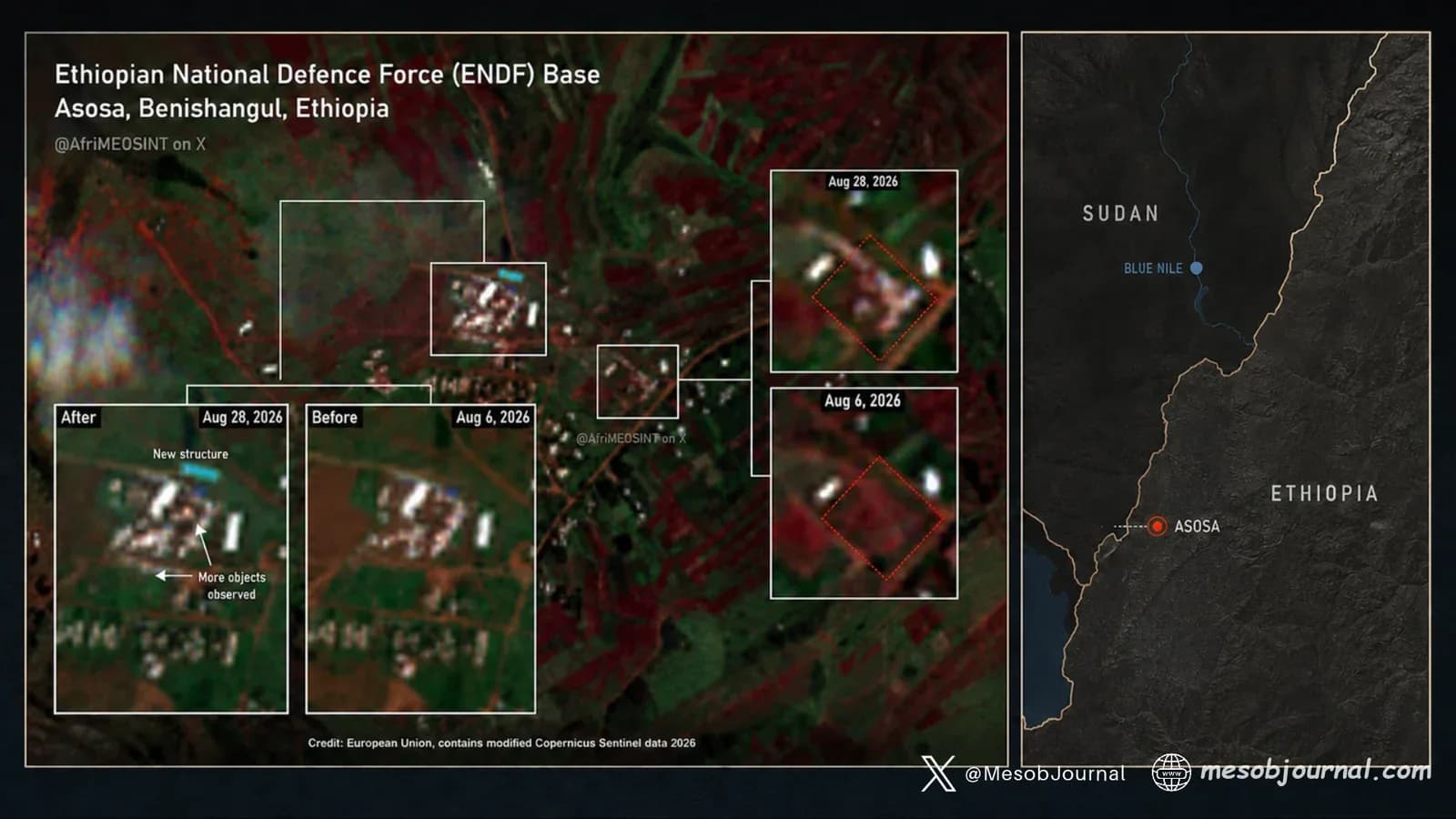

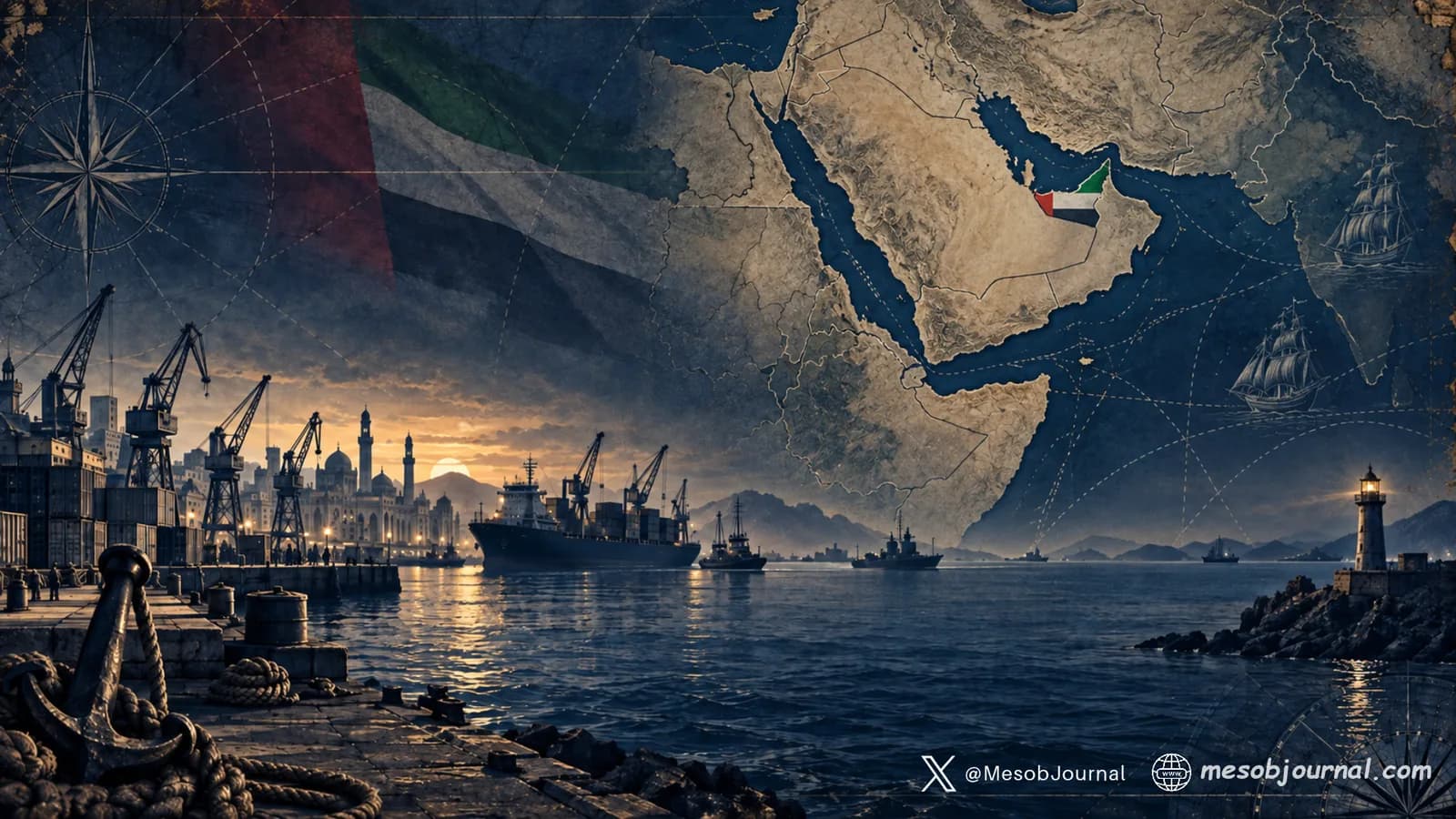
The geopolitical discourse surrounding the Horn of Africa and the broader Red Sea maritime corridor has increasingly coalesced around the contentious framework of port imperialism. Elevated into official state narrative by some Eritrean observers, the term purports to critique the expansive logistics and maritime strategy of foreign entities, most notably state-backed logistics giants like the United Arab Emirates’ DP World and AD Ports, as modern instruments of neo-colonial enclosure.
Yet, evaluating whether this concept represents a rigorous framework of political economy or a rhetorical instrument designed to obscure decades of internal systemic decay requires analyzing the delicate interplay between foreign capital, sovereign autonomy, and regional infrastructure development.
At its theoretical core, the critique of port imperialism rests on the assertion that modern maritime concessions represent far more than routine commercial infrastructure. In the age of global supply chains, ports are not merely neutral gateways connecting ships, roads, and warehouses to international markets; they serve as critical nodes of geopolitical leverage.
When foreign conglomerates acquire long-term concessions off strategic chokepoints, often negotiating directly with semi-autonomous or breakaway regional entities, as seen in Somaliland’s Port of Berbera or Somalia’s Puntland, the line between commercial investment and foreign power projection blurs.
Proponents of this defense contend that such arrangements fragment central state authority, convert commercial coastlines into forward positions for foreign military intelligence, and draw host nations into broader Red Sea proxy conflicts. From this vantage point, rejecting third-party logistics monopolies or declining foreign military outposts along maritime assets like the Dahlak Archipelago is framed not as economic isolationism, but as a principled defense of non-alignment, territorial integrity, and littoral ownership against foreign enclave capitalism.
However, this defense of sovereign purity comes into direct conflict with the empirical realities of modern global trade and domestic economic collapse. A port’s economic value is inherently tied to its efficiency, logistics connectivity, and integration into international shipping lanes.
Global maritime trade relies heavily on foreign direct investment, specialized capital, and advanced logistics automation, dynamics successfully leveraged by neighboring littoral states. The contrast between Djibouti’s modern Doraleh Container Terminal or Somaliland’s rehabilitated Berbera hub and Eritrea’s historic ports of Massawa and Assab underscores this divide.
While neighboring facilities have expanded container capacity and attracted regional transshipment, demonstrated by Doraleh's ability to berth ultra-large container vessels capable of carrying 18,000 TEUs, Assab and Massawa have operational limitations. Gateways with nearly two centuries of maritime commercial history that once processed millions of tons of regional cargo now operate at a fraction of their capacity.
The assertion that Eritrea’s economic hardships and infrastructural constraints stem purely from an uncompromisingly isolationist stance presents a narrow analysis that conflates structural self-reliance with deliberate neglect. This argument rests on a fundamental misreading of the Horn of Africa’s post-colonial political economy, reducing complex national security imperatives to mere political posturing.
Attributing internal infrastructure challenges such as power output constraints at the Hirgigo plant or transport bottlenecks entirely to domestic mismanagement conveniently ignores the severe external pressures placed on the Eritrean state over decades of existential threat. Following the 1998–2000 border war and the prolonged no-war, no-peace stalemate, national survival mandated prioritizing defense, territorial integrity, and sovereign independence over rapid, debt-fueled municipal expansion.
Furthermore, years of international sanctions, financial restrictions, and limited access to global credit markets directly constrained the procurement of specialized industrial parts, machinery, and external financing required for heavy utility maintenance.
Crucially, characterizing Eritrea's posture as defensive isolationism misinterprets a principled rejection of predatory foreign dependency. Across the developing world, rapid infrastructure development financed through high-interest foreign loans or long-term multinational concessions has repeatedly resulted in debt trap diplomacy, forcing sovereign nations to forfeit critical public assets, utility grids, and maritime hubs to foreign creditors upon default.
By contrast, maintaining absolute state ownership over national utilities, transport networks, and maritime gateways ensures that these assets remain unencumbered by external leverage, structural adjustment mandates, or foreign corporate priorities.
While foreign-managed logistics enclaves may post impressive short-term cargo throughput metrics, they frequently operate as isolated economic bubbles that enrich international conglomerates while exposing host nations to foreign military entanglement and sovereign erosion. Refusing to trade long-term territorial control for high-risk external capital is not a failure of governance, but a deliberate strategic choice to preserve genuine national self-determination.
Ultimately, the debate over port imperialism exposes a fundamental tension between absolute sovereign defense and pragmatic economic integration. While sovereign nations must remain vigilant against foreign concession terms that erode national autonomy or entangle them in external military rivalries, labeling all foreign investment as imperialist overreach risks cementing economic paralysis.
A truly resilient maritime strategy requires balancing the preservation of sovereign authority with the pragmatic acquisition of capital, technology, and trade connectivity. Without that balance, the invocation of sovereignty risks becoming an excuse for self-inflicted isolation, leaving valuable coastal assets economically irrelevant while the global maritime economy moves past them.