
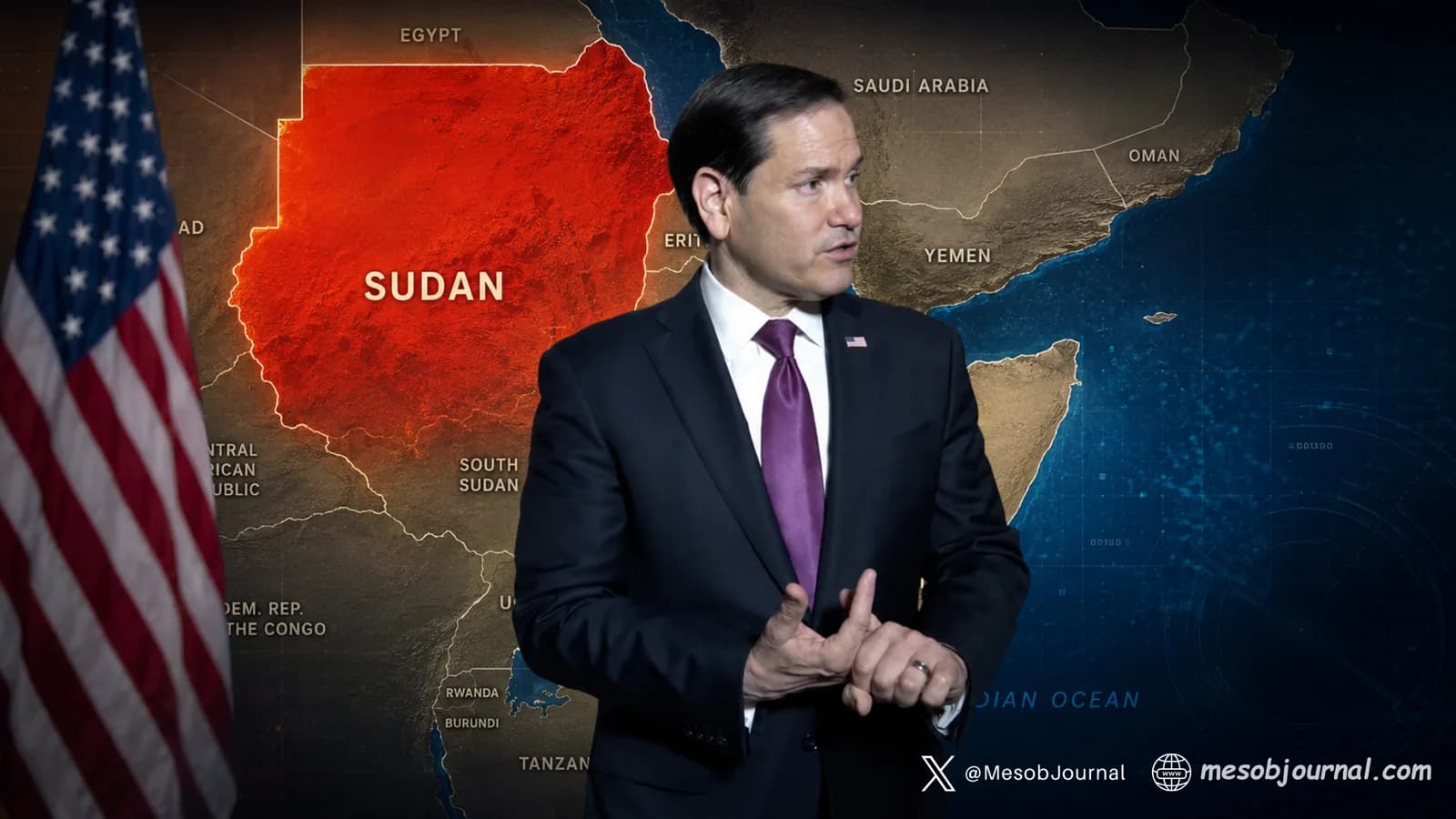
U.S. Secretary of State Marco Rubio’s remarks in Rome may have been brief, but they cut straight into the heart of Sudan’s war: this is no longer simply an internal power struggle between the Sudanese Armed Forces and the Rapid Support Forces. It has become a proxy conflict sustained by outside money, weapons routes and regional calculations.
Asked about Sudan after meeting Pope Leo, Rubio said Washington had discussed Africa broadly and described Sudan as “an incredible tragedy.” He said the United States remained heavily engaged through the Quad process and warned that Sudan had become “in some way sort of a proxy engagement between multiple countries.” He added that some countries were not directly involved in the fighting but had allowed their territories to be used to ship weaponry.
Rubio did not name the countries. Sudan has.
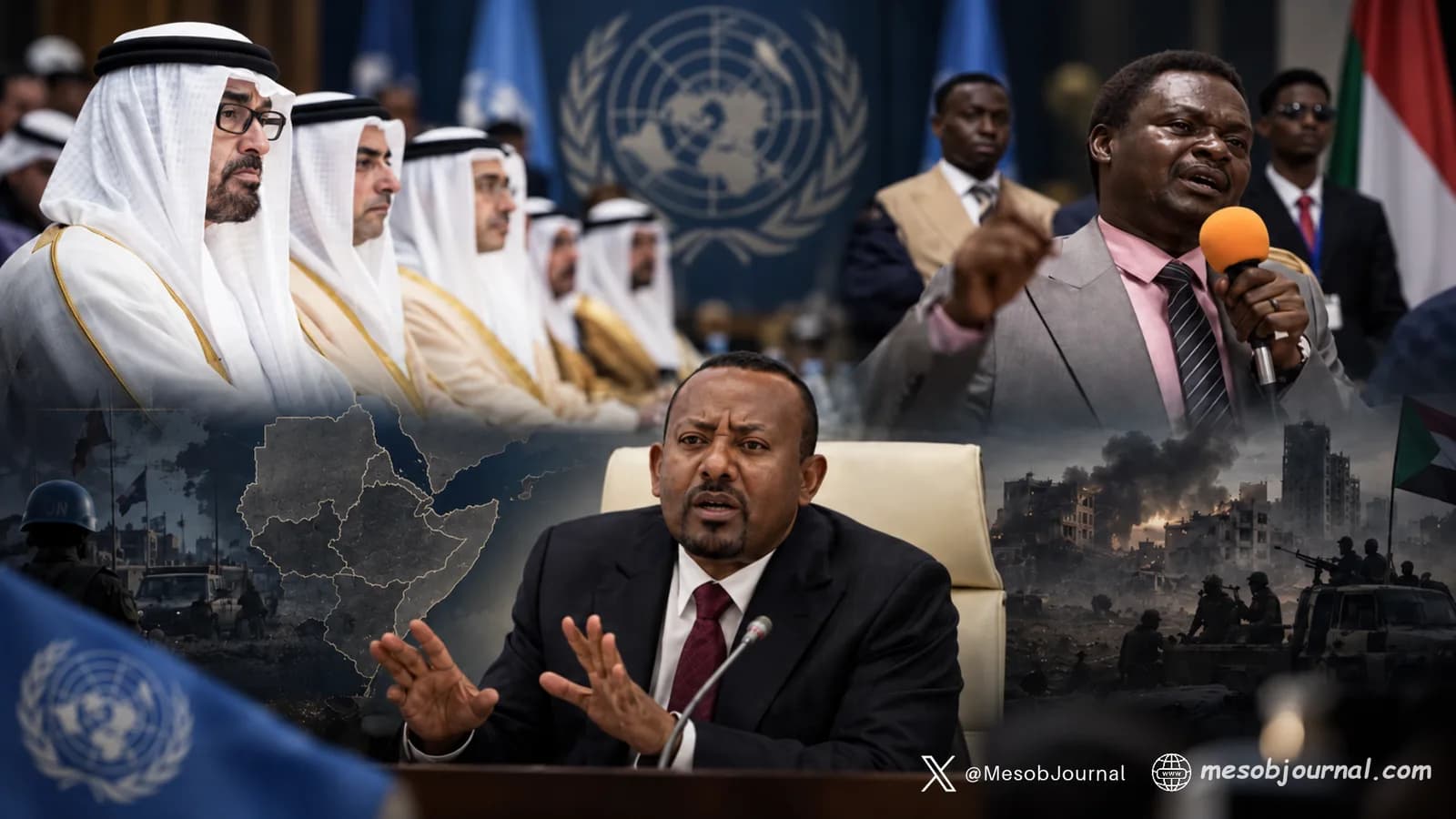
In recent days, Sudan’s Armed Forces accused the United Arab Emirates and Ethiopia of involvement in drone attacks on Khartoum International Airport. The army said the drones were launched from Ethiopia’s Bahir Dar airport and linked the operation to Emirati support for the RSF, placing Addis Ababa and Abu Dhabi at the center of Khartoum’s charge that Sudan’s war is being sustained from outside its borders.
The accusation has already moved beyond bilateral rhetoric. The Arab League held an emergency meeting in Cairo on Sunday at Sudan’s request to discuss what Khartoum described as Ethiopian attacks on Sudanese territory. Sudan’s representative to the League, Emad Adawi, told the session that Sudan had faced “repeated attacks” from Ethiopia, while the chair of the meeting warned that further escalation could damage regional security and stressed that Sudan’s stability was an Arab priority.
The dispute is not emerging in a vacuum. Sudanese authorities have repeatedly pointed to external arms routes, training networks and logistics channels feeding the RSF war machine. Documented flight activity, satellite-based research and official Sudanese diplomatic messages have all added weight to the charge that foreign support is helping prolong the conflict.
One major line of concern has focused on Ethiopia. Reports based on sources and satellite imagery have pointed to a training camp in Benishangul-Gumuz for thousands of RSF-linked fighters. The account fits into a wider pattern of Sudan’s war drawing in regional powers from Africa and the Middle East, with Ethiopia no longer viewed in Khartoum as a passive neighbor watching the conflict from across the border.
Satellite-based research has also pointed to military assistance to the RSF at an Ethiopian National Defense Force base in Asosa, Ethiopia. Separate satellite-based findings have tracked advanced drone activity linked to RSF-controlled areas, including suicide drones visible near Nyala.
For Khartoum, the message is now direct: Ethiopia is seen as part of the regional support structure enabling the RSF. Sudan has recalled its ambassador to Ethiopia.
The UAE’s role is even more central to Sudan’s accusations. Sudan’s army has repeatedly accused Abu Dhabi of supplying and financing the RSF. Relations between Sudan and the UAE have deteriorated sharply over those charges.
But the political pattern is now too visible to dismiss. Sudan’s war is being kept alive by foreign supply lines, and Rubio’s wording confirms that Washington understands the external machinery behind the conflict.
The war has already torn Sudan apart. It has displaced millions, devastated cities, fractured state institutions and turned parts of the country into zones of mass hunger and militia rule. The RSF’s battlefield conduct, its ethnic violence in Darfur, and its attempt to operate as a parallel armed power have made any talk of “two equal parties” morally and politically hollow.
Rubio’s remarks, whether intended or not, point to the real question: why is the international response still focused more on managing the war than on stopping the countries that are feeding it?
The urgent priority should be pressure on the states sustaining the RSF. The UAE must face direct diplomatic and political cost for its role in financing and arming the paramilitary network. Ethiopia must also face scrutiny for allowing its territory, airspace or military infrastructure to become part of the RSF’s support system. If Washington accepts Rubio’s own diagnosis that Sudan has become a proxy conflict, then the logical next step is not vague appeals to “both sides.” It is pressure on the external actors keeping the war alive.
The path forward is clear: cut the weapons routes, expose the logistics networks, sanction the financiers, and pressure the governments enabling the RSF. Support humanitarian access through Sudanese state institutions and credible relief channels. Above all, allow Sudan to restore a single national authority instead of trapping the country inside a militia-state compromise designed by outsiders.
That is the real test of Rubio’s statement. Naming Sudan as a proxy war is only the beginning. The harder question is whether Washington and its partners are prepared to confront the governments behind that proxy war, especially when those governments are useful allies in other theaters.
For the Horn of Africa, the implications are wider than Sudan.
A shattered Sudan would destabilize the Red Sea corridor, Egypt’s southern flank, Ethiopia’s western frontier, Eritrea’s regional security environment, Chad, South Sudan and the wider Nile Basin. It would also give outside powers more room to turn African territory into a logistics platform for proxy warfare.
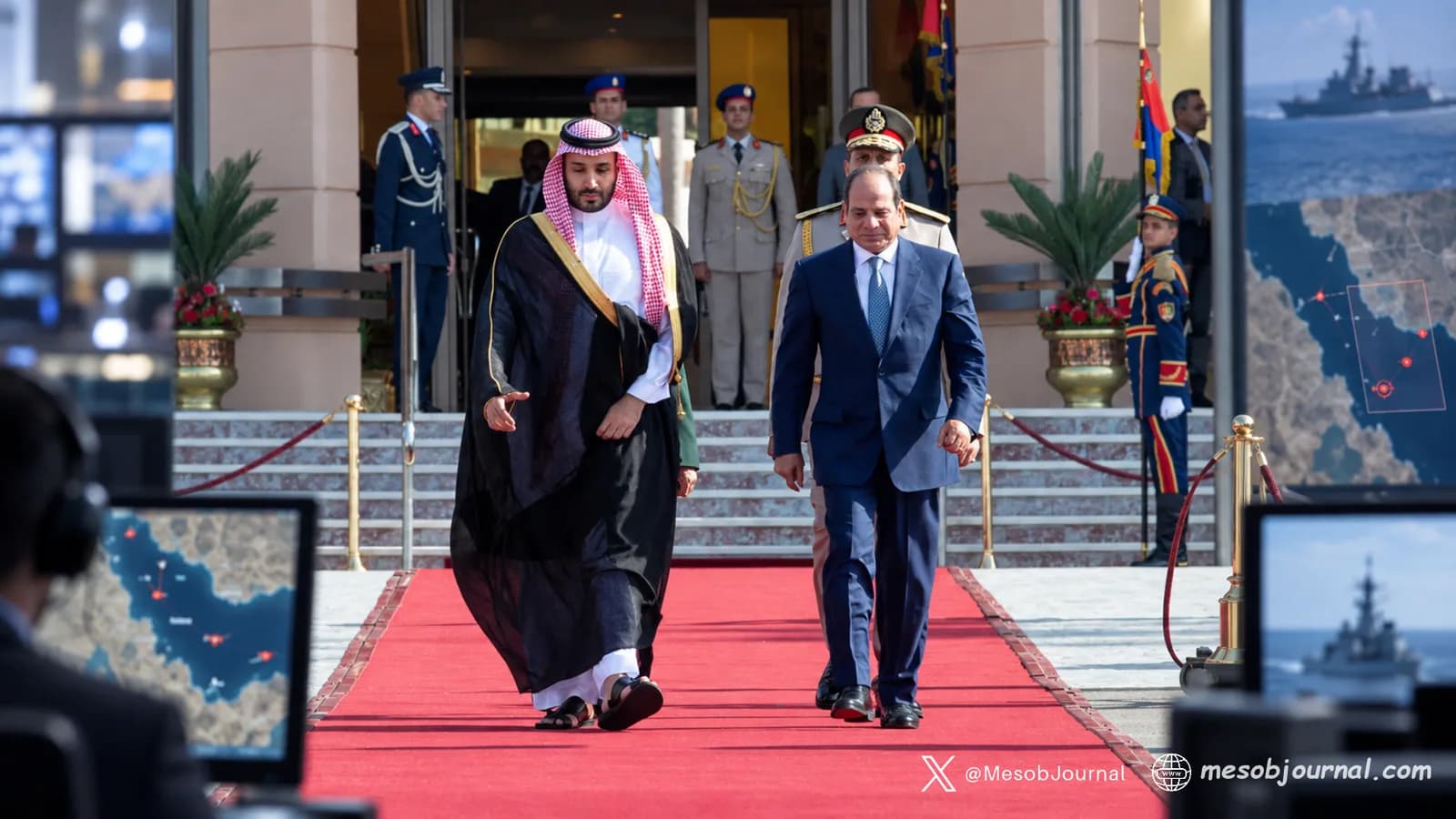
That is why the Sudan file cannot be separated from the Red Sea. The same region already faces maritime insecurity, Gulf rivalries, port politics, foreign military ambitions and expanding drone warfare. If Sudan is allowed to fragment under external pressure, the consequences will not stop at Khartoum or Darfur.
Ethiopia’s role is especially dangerous. A government already facing internal instability, ethnic conflict and economic pressure has no strategic interest in helping turn Sudan into another open front. Yet the evidence trail around RSF training, drone routes and Sudan’s formal accusations has pushed Addis Ababa into the center of the crisis.
The UAE’s role is no less destabilizing. Abu Dhabi has built influence across the Red Sea and Horn of Africa through ports, finance, security partnerships and armed clients. In Sudan, that influence is now being viewed through the bloodier lens of RSF support.
Rubio’s comments should therefore be read as more than a U.S. diplomatic aside. They are a public admission that Sudan’s war is being internationalized. The next question is whether Washington, the African Union, the Arab League and regional states are prepared to act on what is now obvious.
Sudan does not need another conference that speaks around its state. It needs an end to the external supply lines feeding the RSF, a serious humanitarian operation coordinated with sovereign authorities, and a political process that does not reward paramilitary destruction.
Africa’s worst crisis is not only a humanitarian tragedy. It is a test of sovereignty in the Horn of Africa.
Right now, the countries fueling the fire are much easier to identify than the diplomats often pretend.