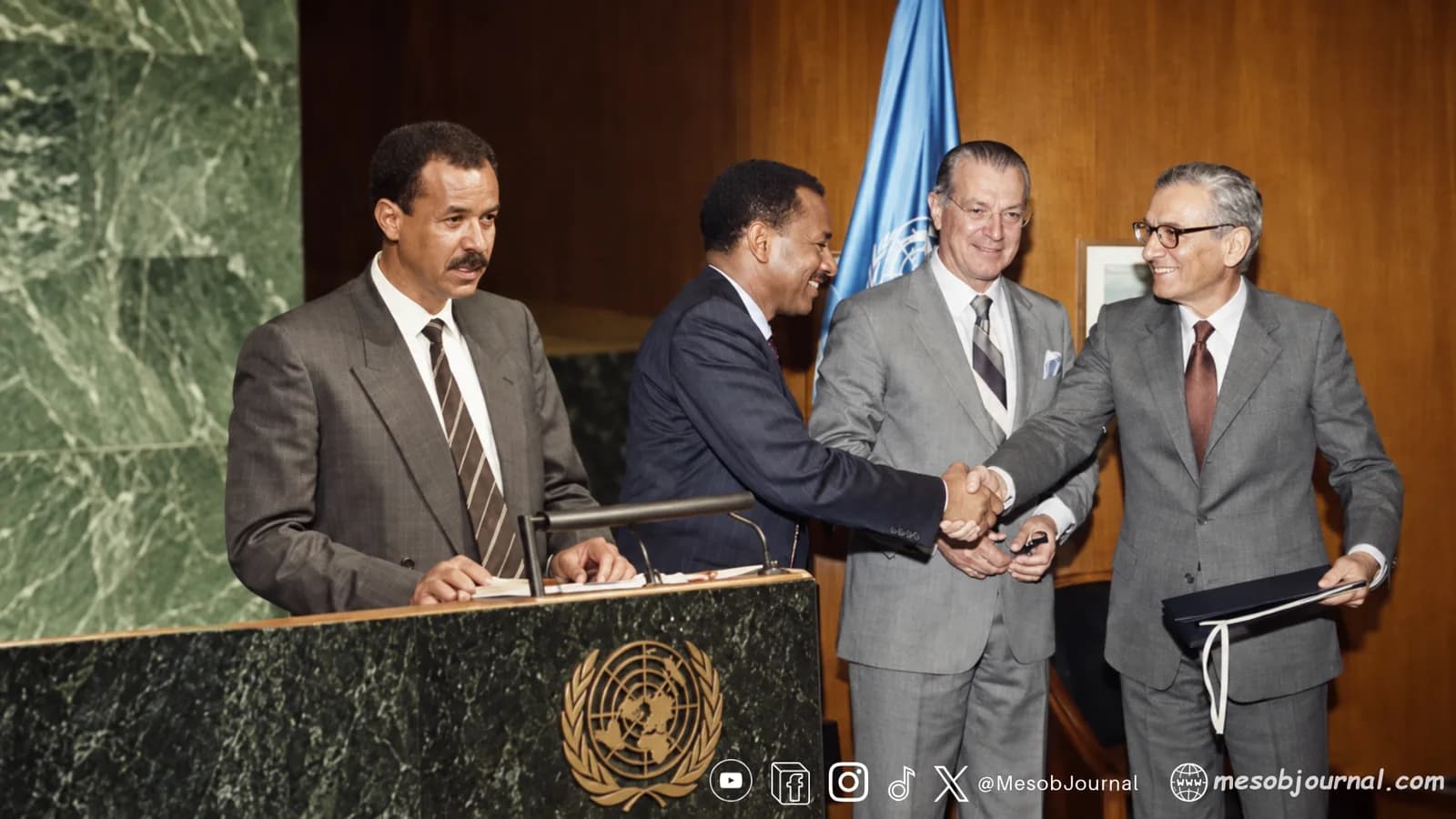
September 30: Eritrea’s Voice Returns to the World Stage
Sharron Yemane reflects on President Isaias Afwerki’s first address to the UN General Assembly in September 1993 and its significance for Eritrean sovereignty.


We use cookies to improve your experience, analyze traffic, and show relevant content. You can accept all, reject non‑essential, or manage preferences.
Sharron Yemane reflects on President Isaias Afwerki’s first address to the UN General Assembly in September 1993 and its significance for Eritrean sovereignty.
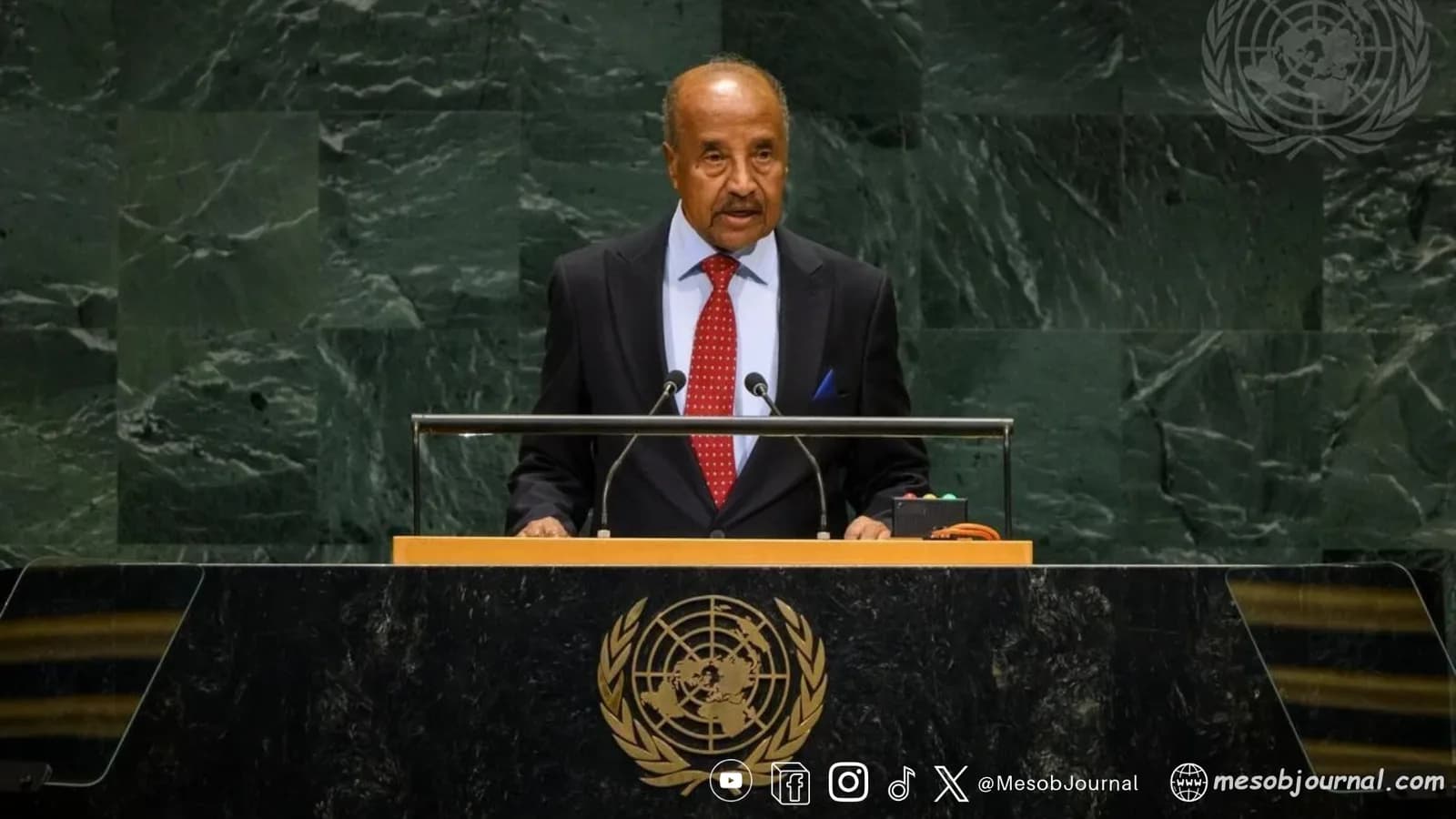
Foreign Minister Osman Saleh used Eritrea’s address to challenge the annual UN ritual itself, placing economic justice, peace and a more equitable international order at the centre of the country’s message.
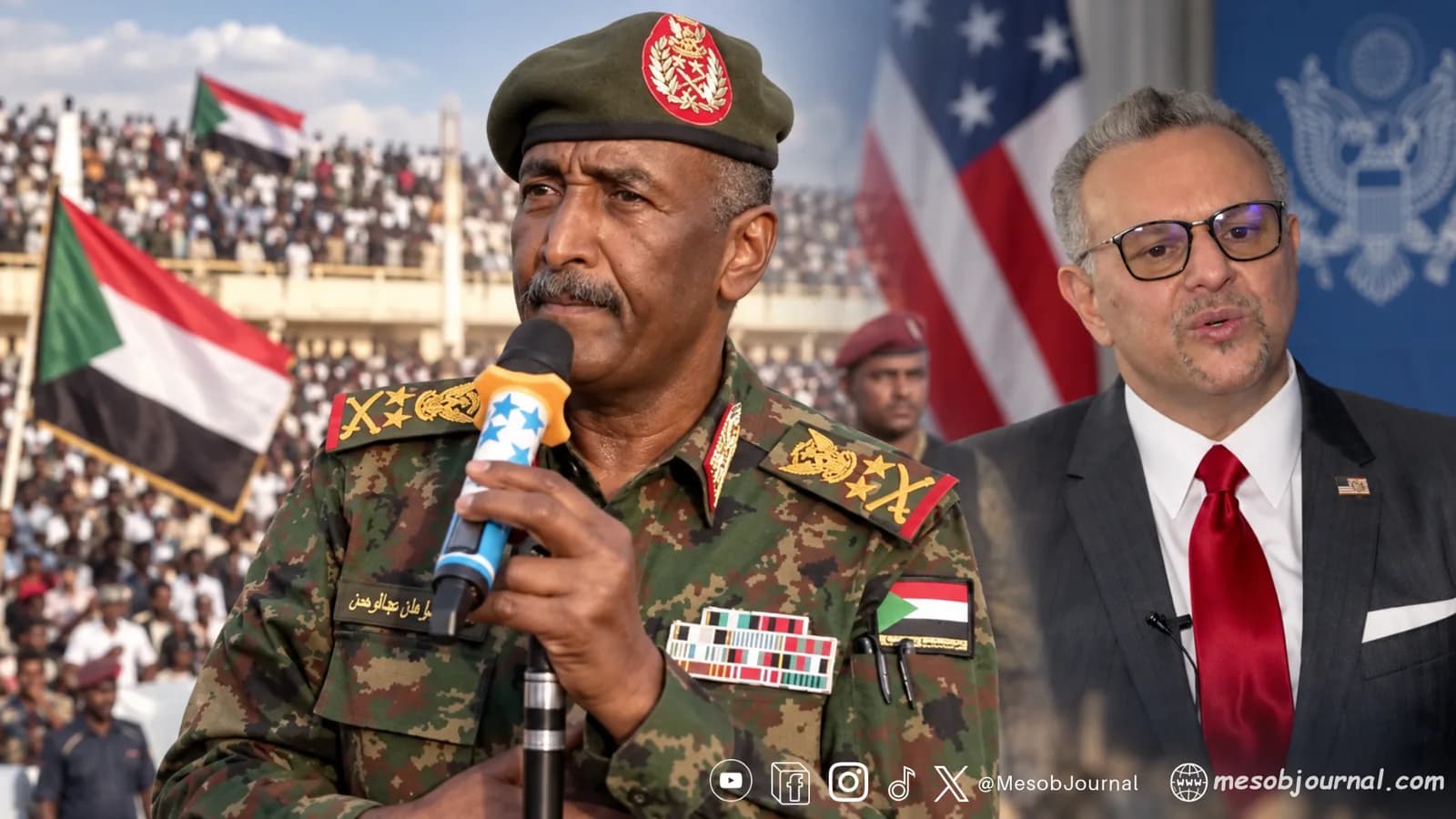
Washington has removed any remaining doubt about why Abdel Fattah al-Burhan did not attend the United Nations General Assembly in New York.
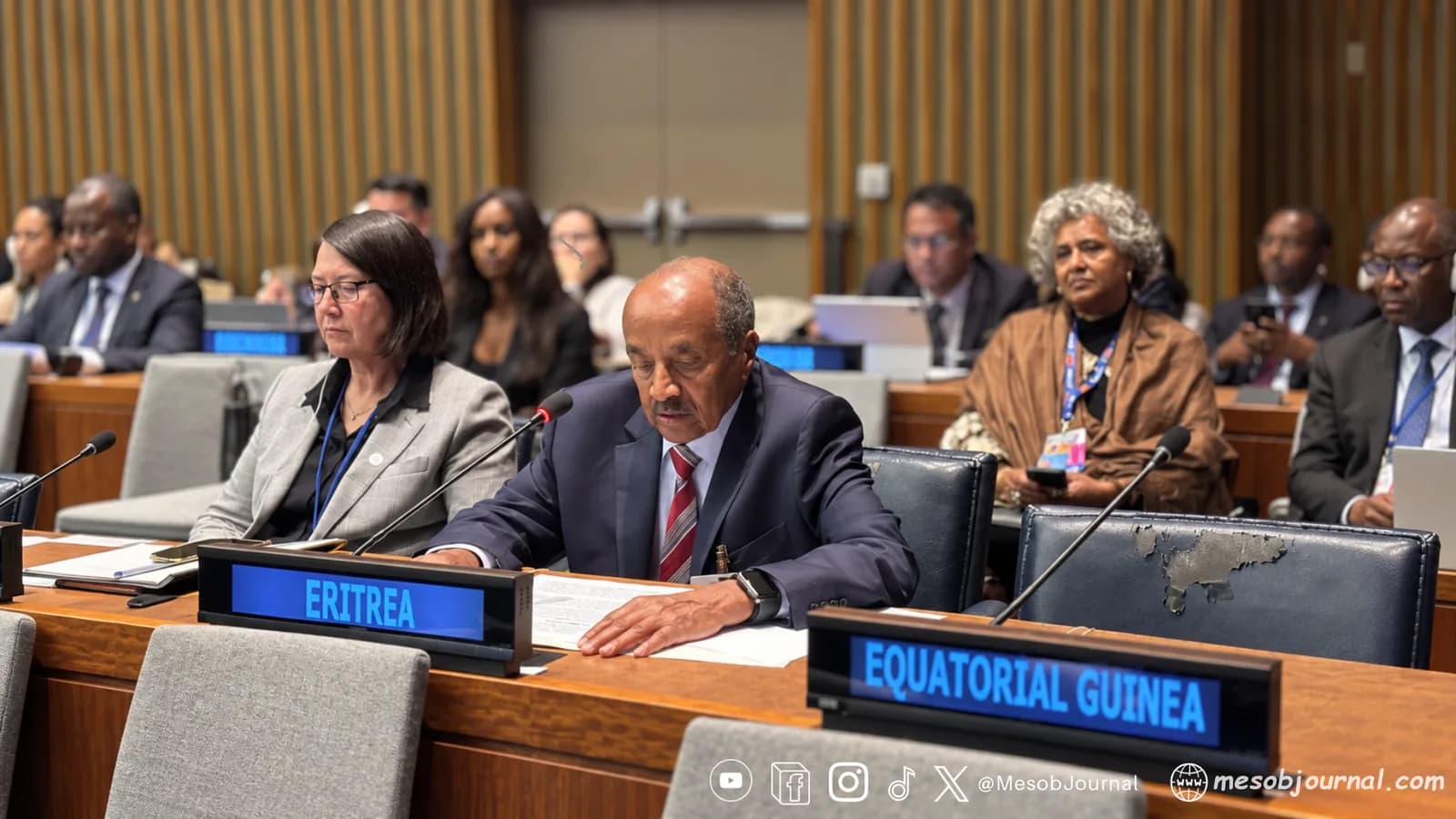
Foreign Minister Osman Saleh told the UNGA81 plenary on sea-level rise that existing baselines and maritime boundaries must be preserved, framing Eritrea's Red Sea waters as a question of sovereignty and climate adaptation alike.
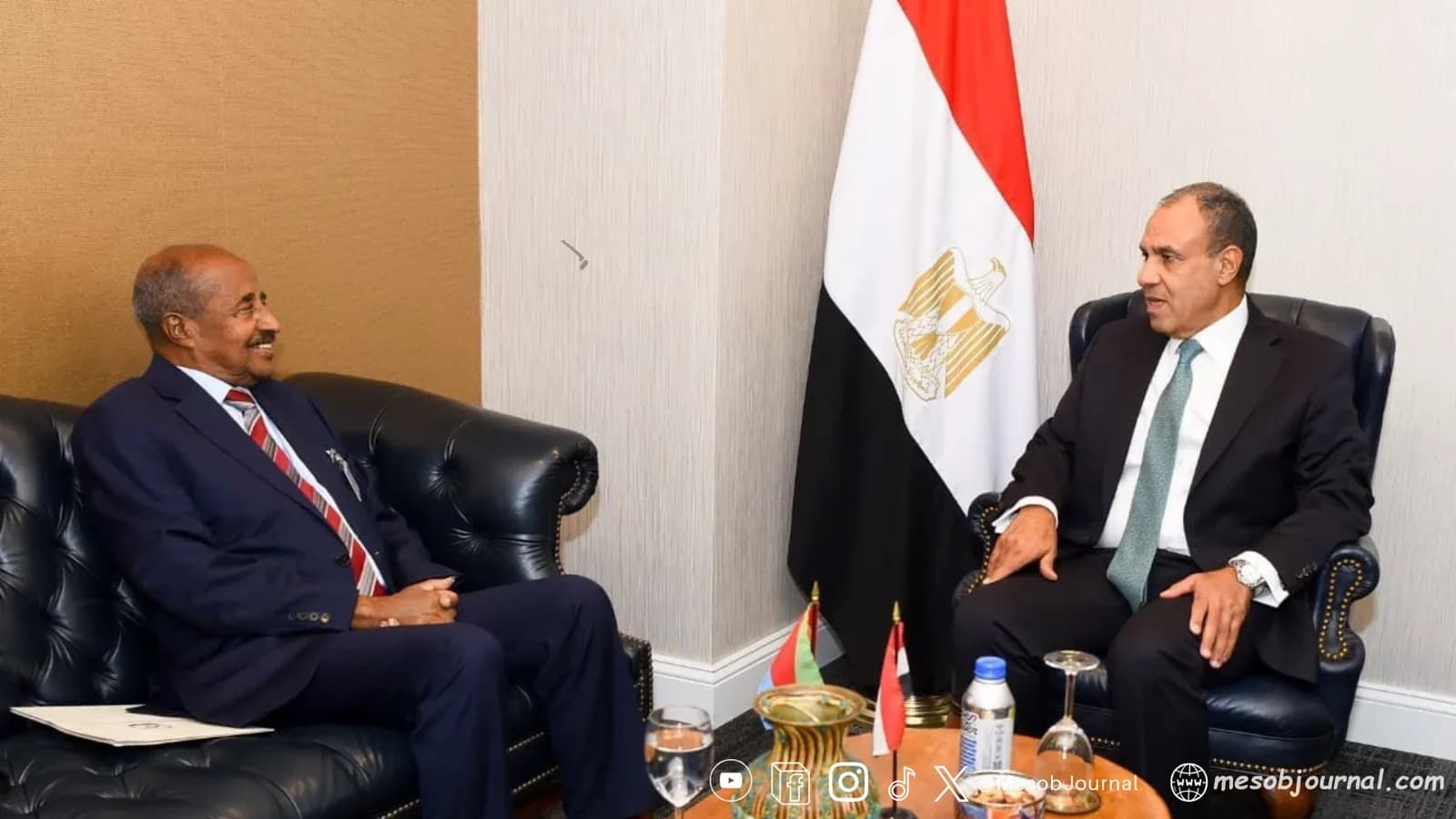
Eritrea and Egypt have restated that the Red Sea's security and governance belong to its littoral states, in talks at the 81st UN General Assembly that also covered trade, investment, ports and maritime transport.
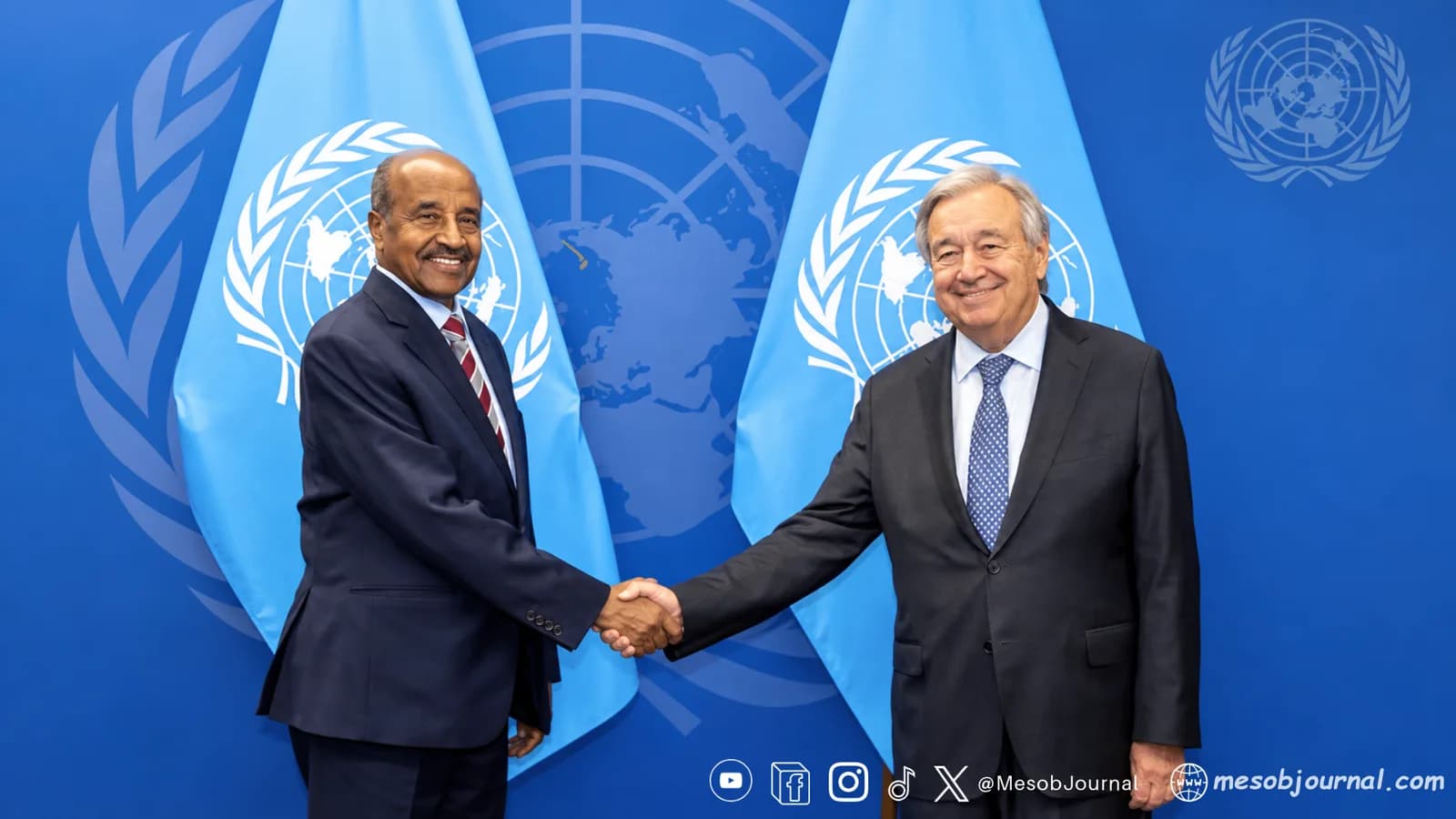
Eritrea's foreign minister raised what Asmara calls the provocative acts of Ethiopia's Prosperity Party towards its neighbours with UN Secretary-General António Guterres in New York, alongside Red Sea and Bab el-Mandeb governance and support for a united, sovereign Sudan.
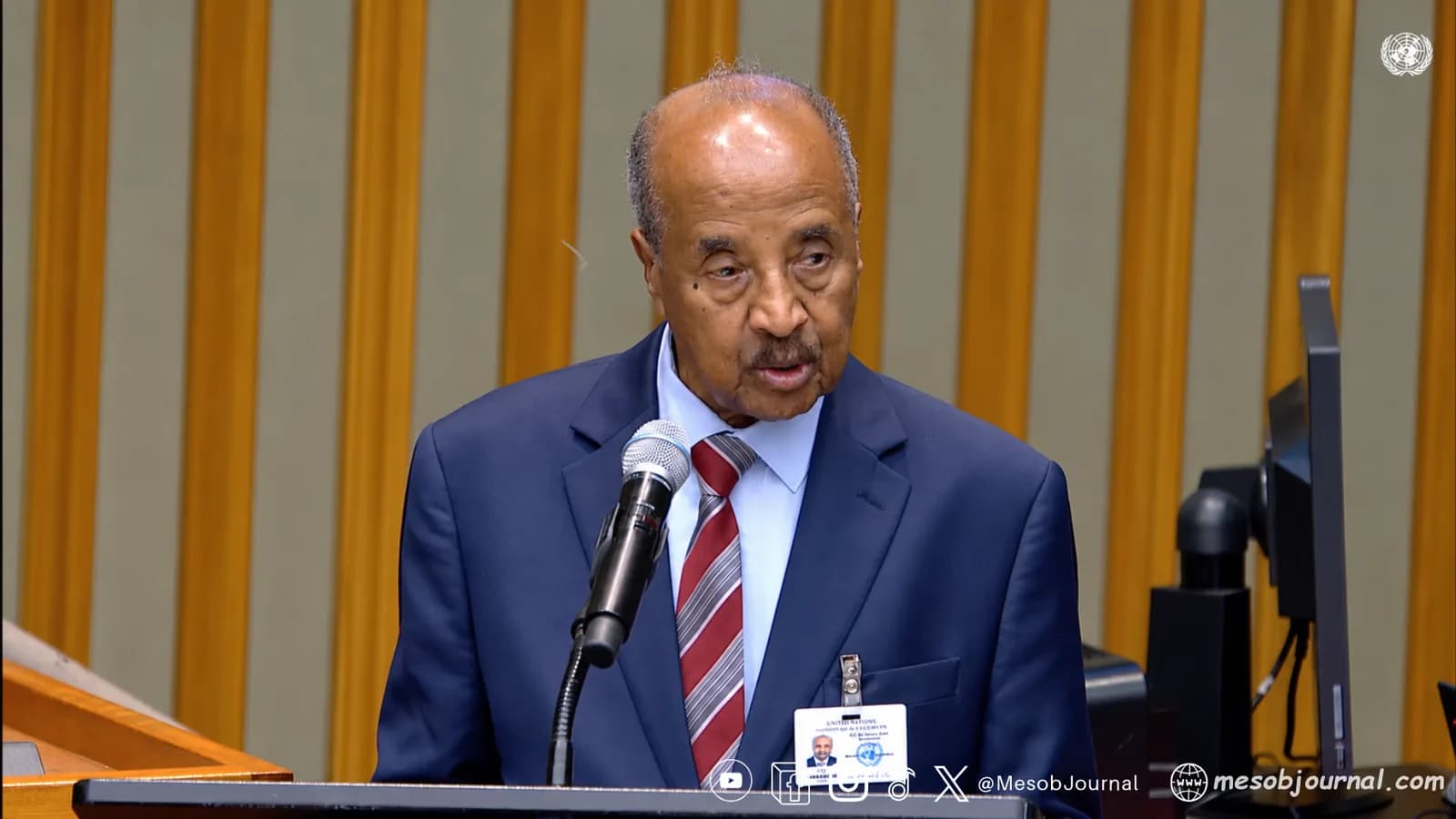
Eritrea's foreign minister told a UNGA81 meeting on the right to development that trade barriers, debt burdens and unilateral coercive measures keep developing countries from setting their own policies — five days after Washington lifted sanctions tied to Executive Order 14046.
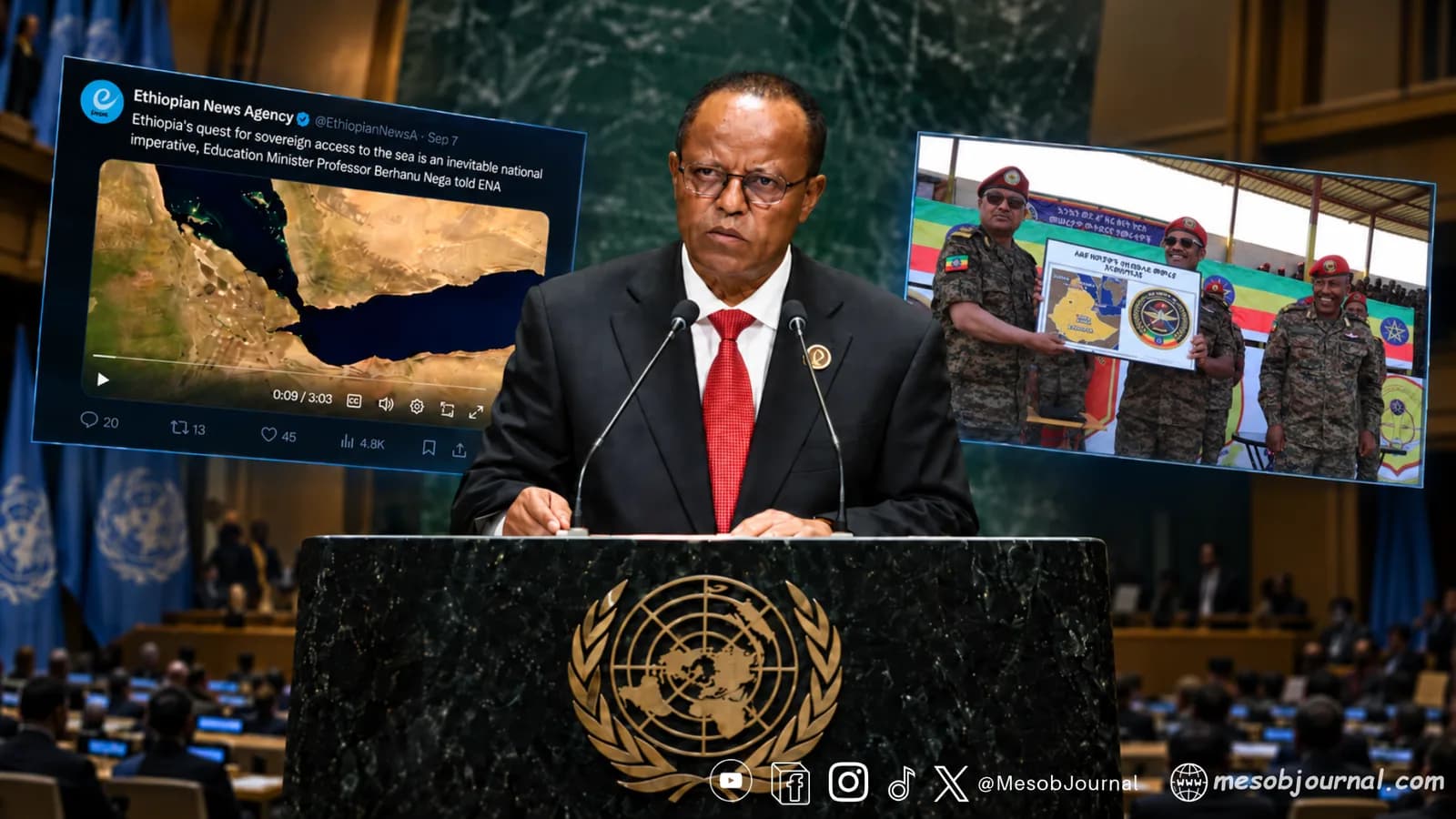
At the 81st UN General Assembly, President Taye Atske Selassie blamed “reckless external actors” for instability in the Horn — two days after seven Ethiopian armed groups formed an alliance against Abiy Ahmed's government. The record at home, the dispute with Eritrea and questions over Sudan tell a more complicated story.
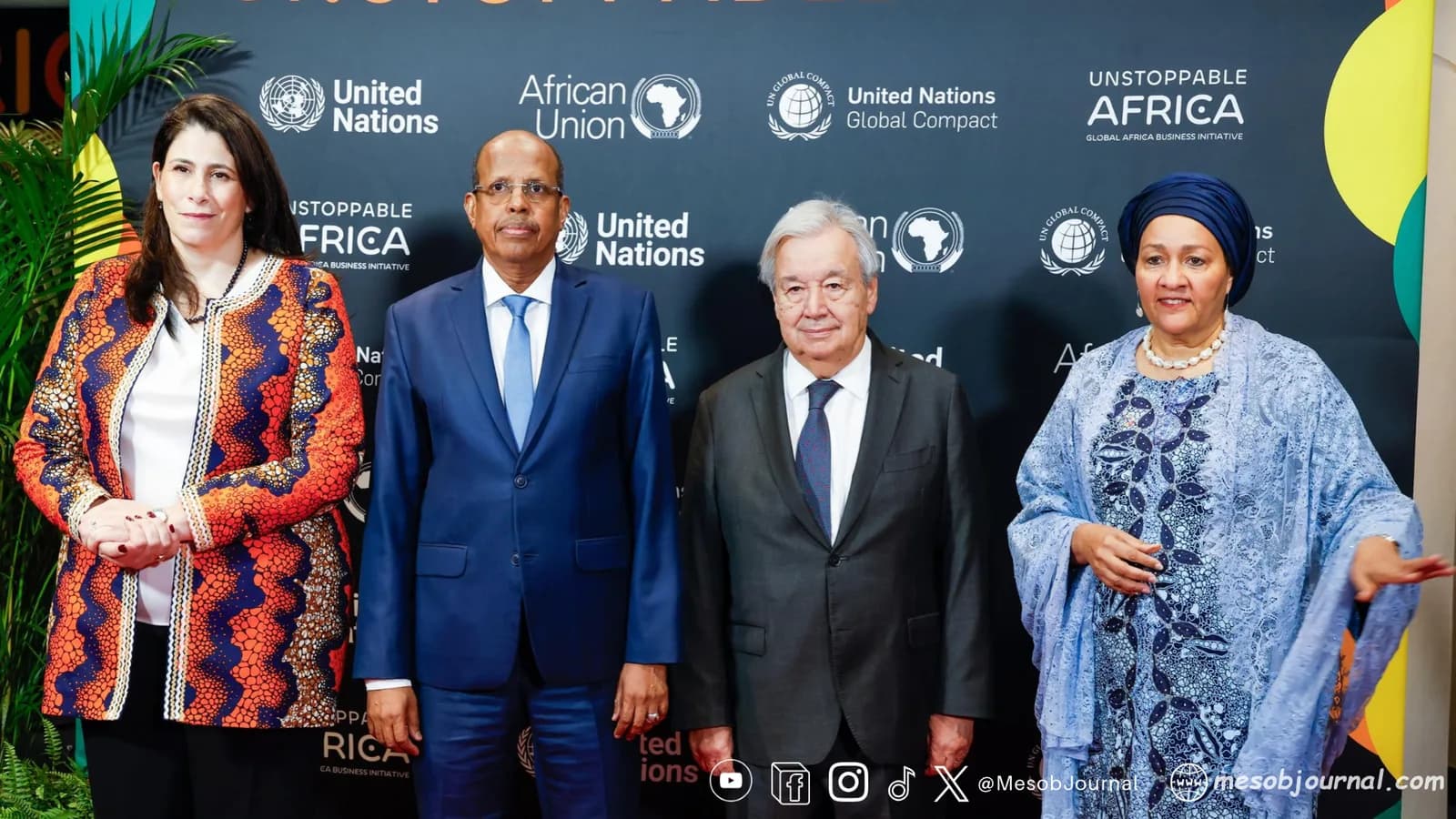
The African Union and United Nations met in New York on September 21 to discuss preventive diplomacy across Africa, but Ethiopia was absent from the published list of crises even as a seven-group armed alliance moved to remove Abiy Ahmed's government.
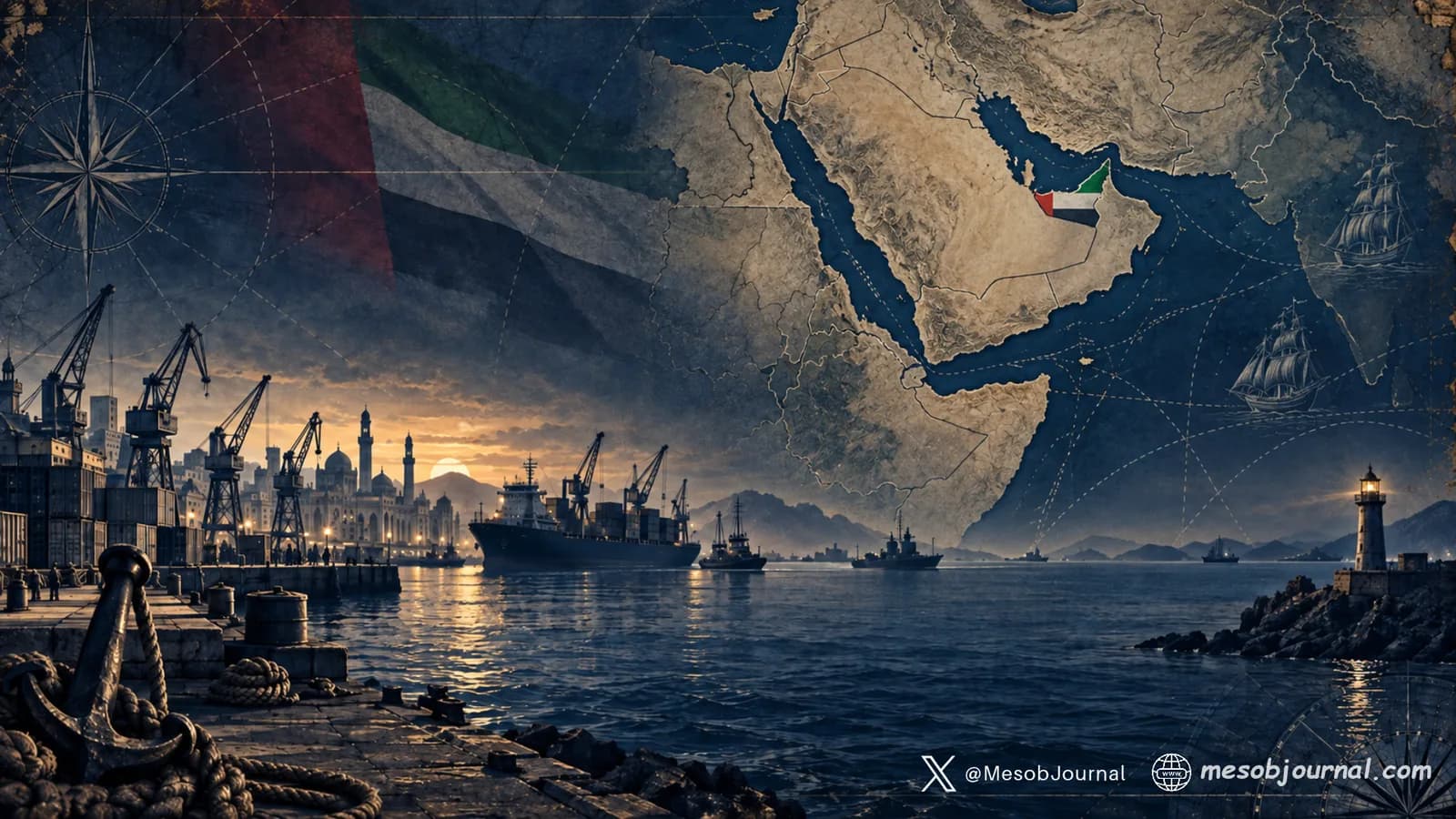
Port imperialism has become a central claim in Eritrean arguments against foreign logistics concessions at Red Sea gateways. This analysis weighs that critique against the commercial realities facing Massawa and Assab, and asks where sovereign defence ends and self-inflicted isolation begins.
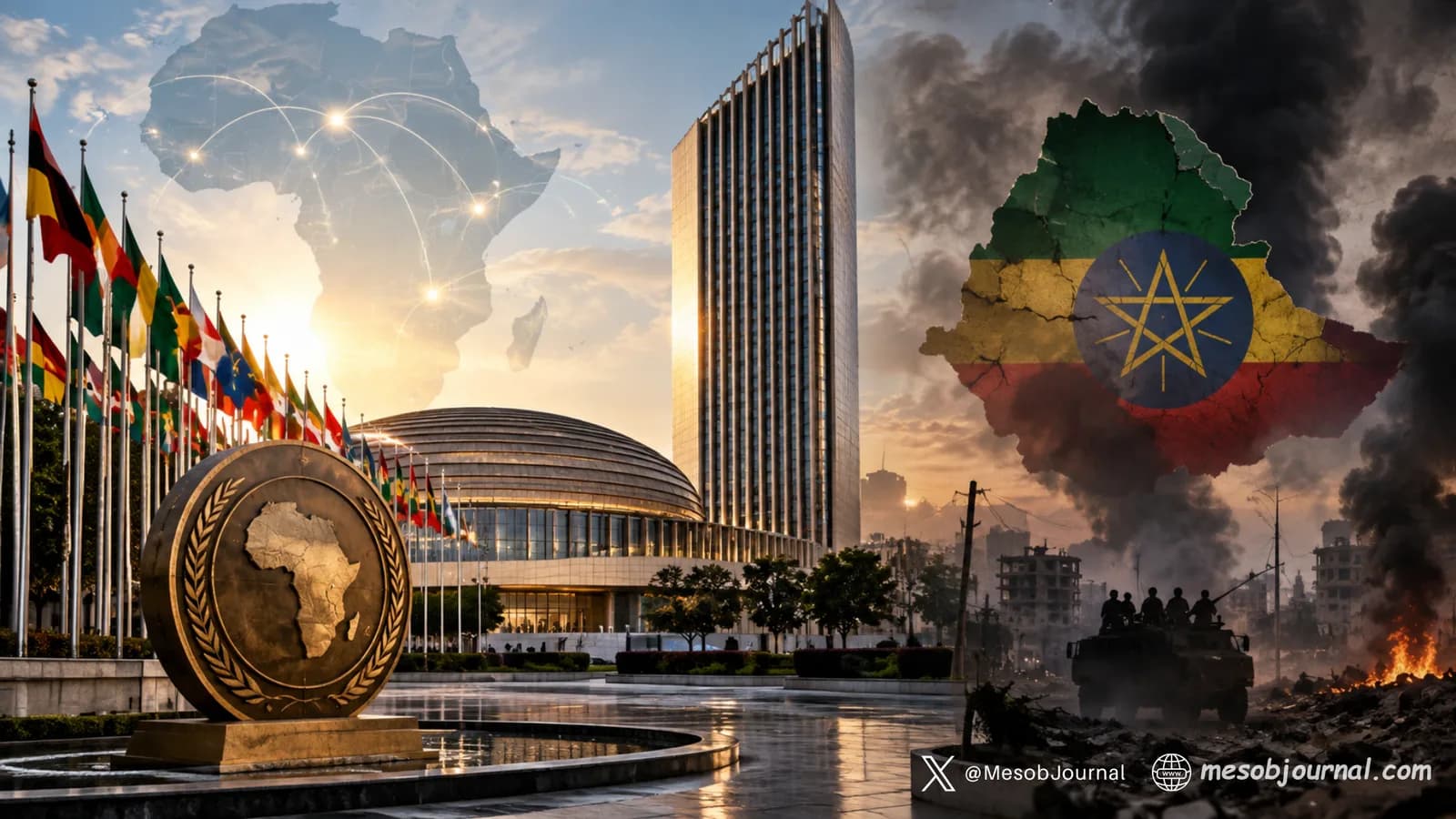
African Union Day, Without the Hegemonic Gloss: Africa’s digital future will not be authored by any single state. Sovereignty is continental, distributed, and non-transferable. The next frontier belongs to Africans who build without dependency, govern without external leverage, and innovate without narrative gatekeepers.
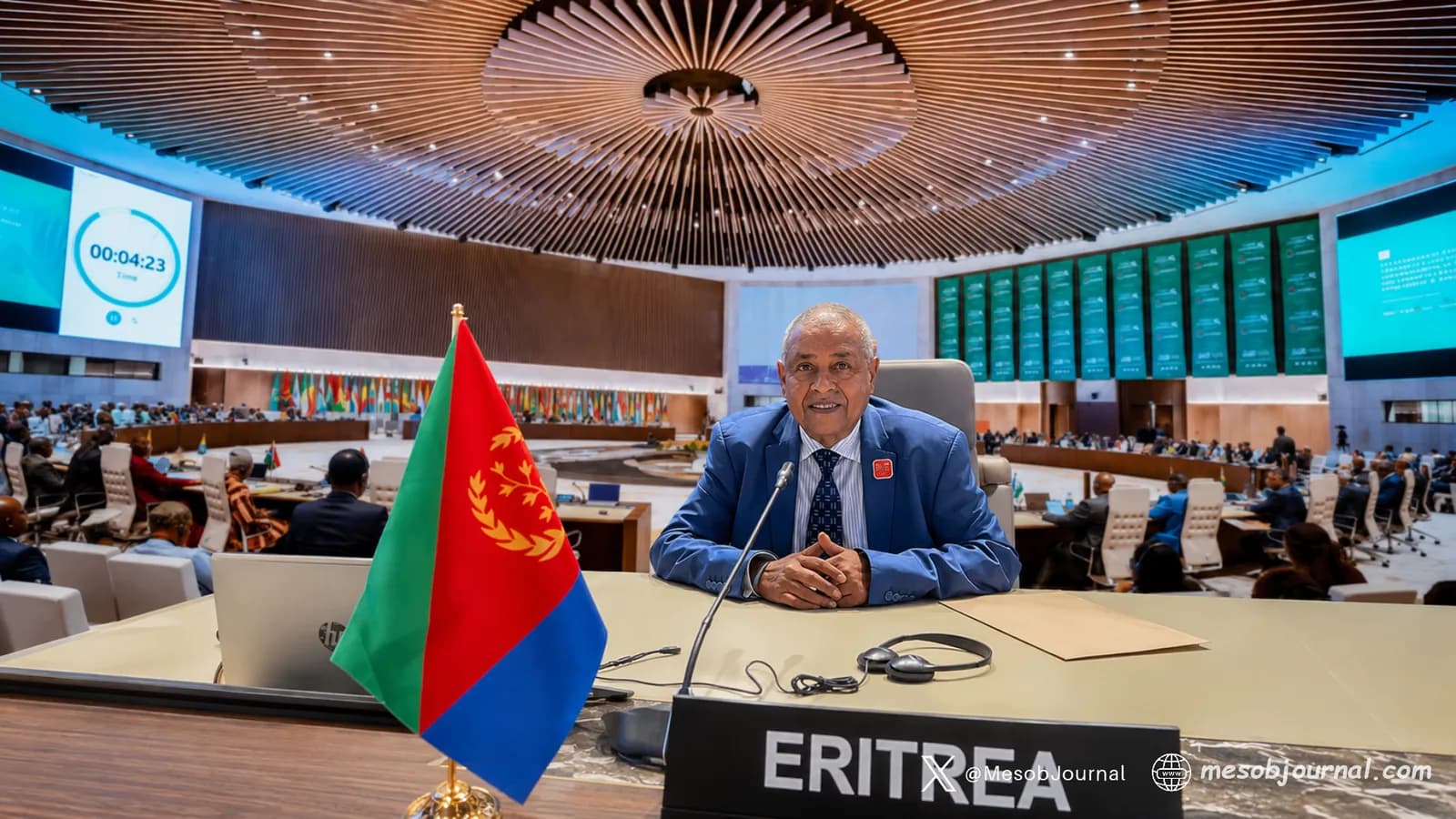
Asmara says stronger national institutions, domestic financing and respect for sovereignty should anchor reform of the African Union’s peace and security system.