
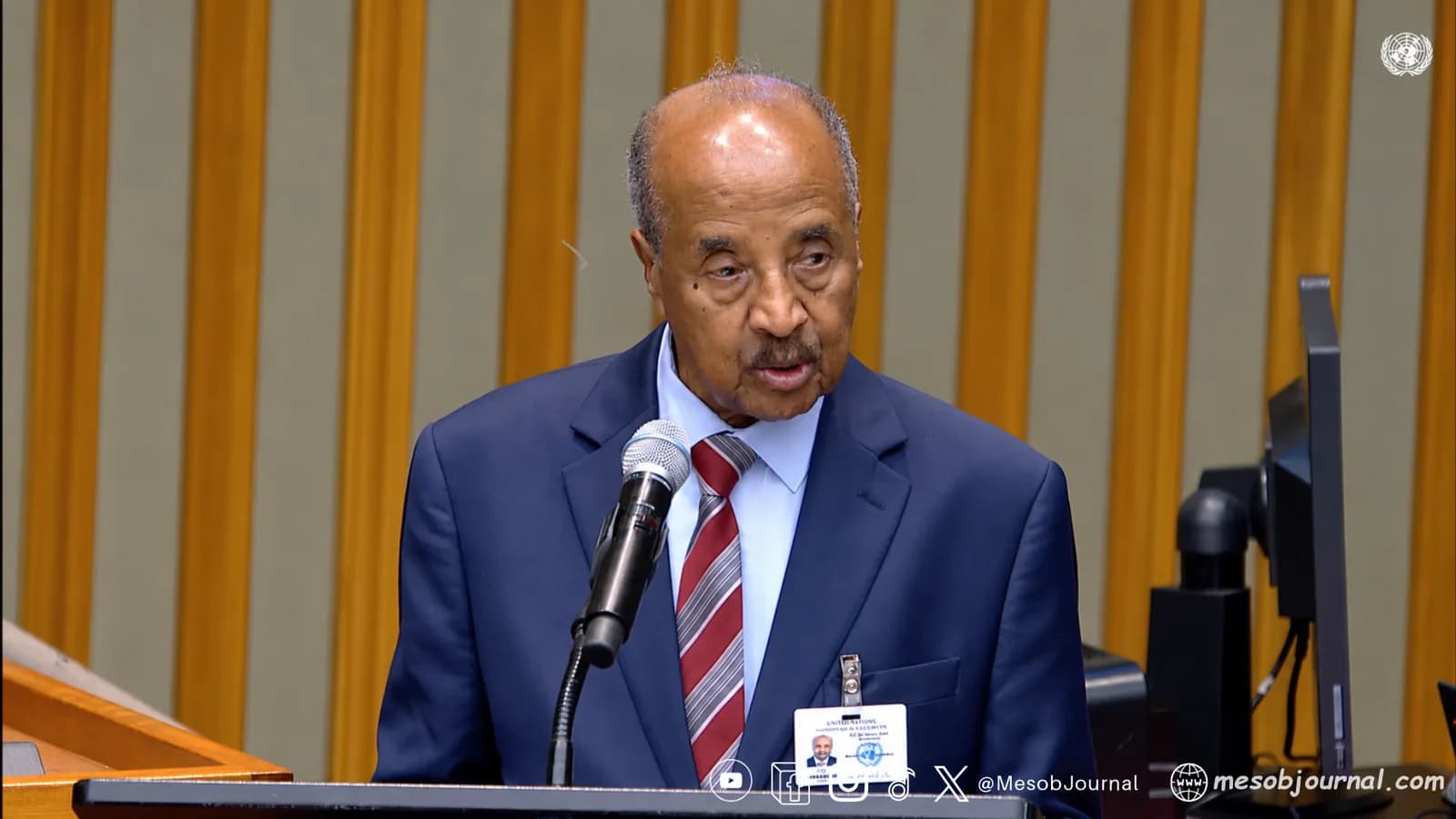
NEW YORK — Eritrea called for the elimination of unilateral coercive measures and reforms to the international financial system at the United Nations on Wednesday, arguing that economic restrictions can prevent developing countries from pursuing independent development policies.
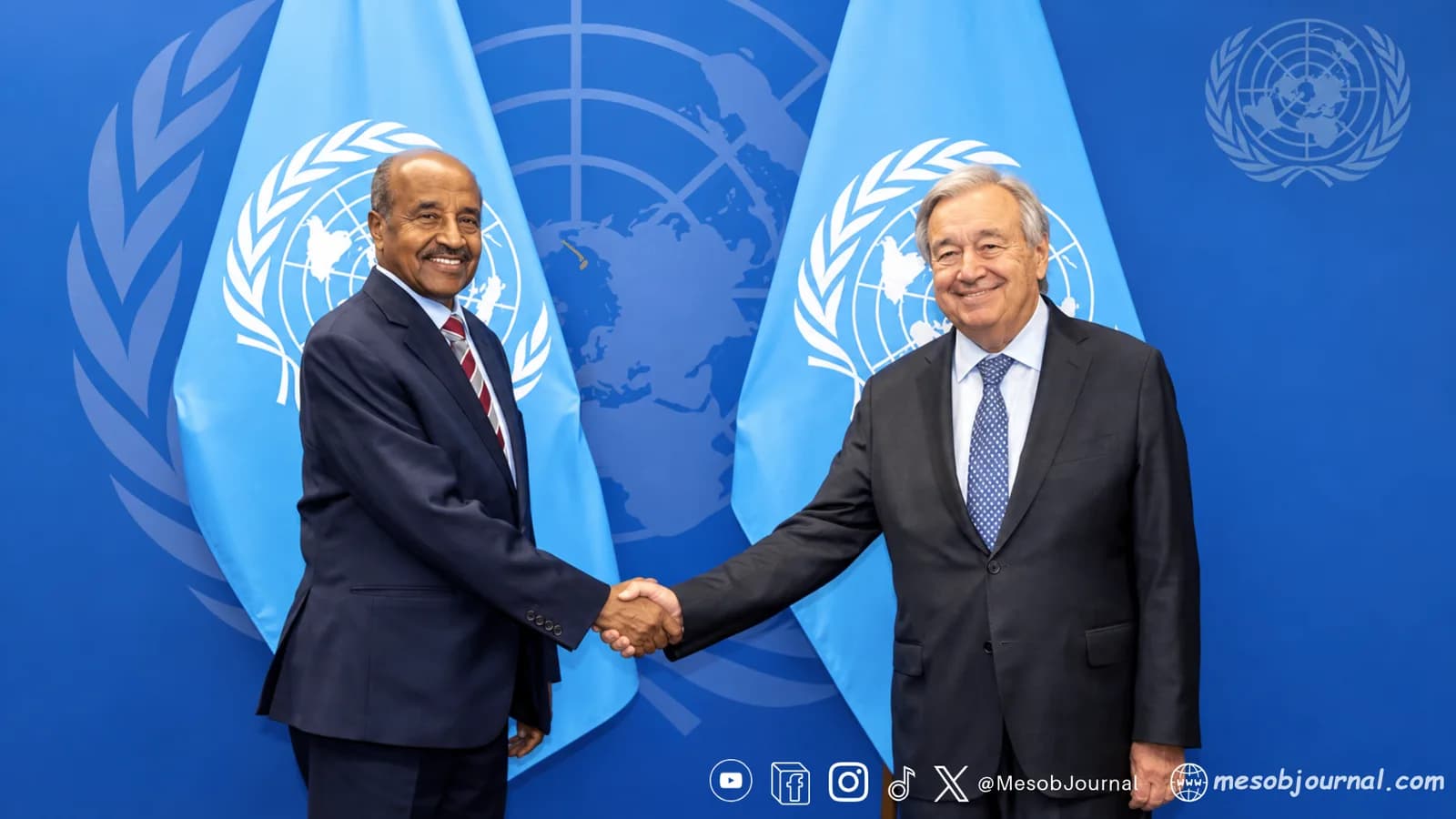
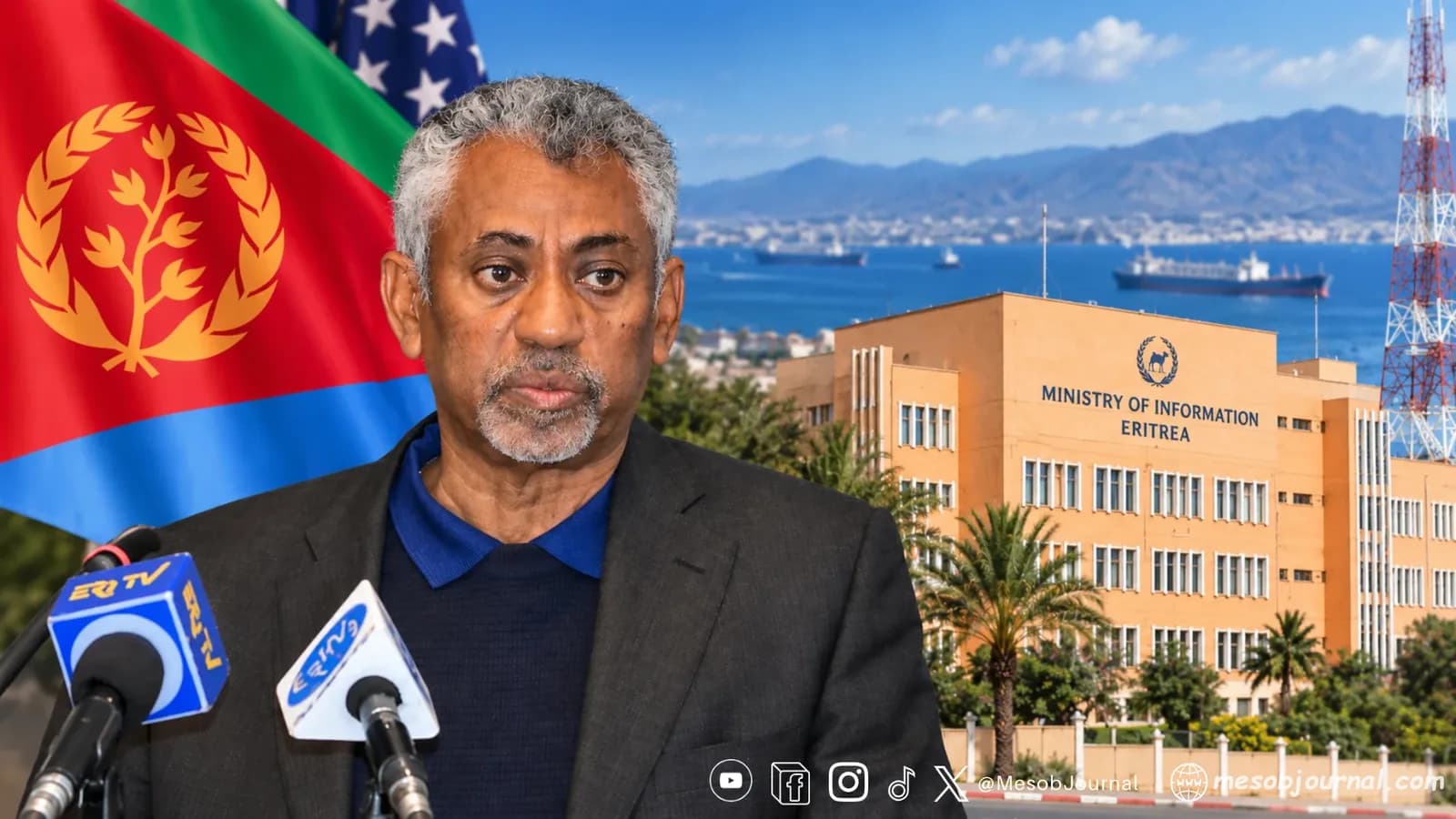
Foreign Minister Osman Saleh made the remarks at a high-level meeting of the 81st United Nations General Assembly marking the 40th anniversary of the Declaration on the Right to Development, held at UN headquarters in New York on September 23.
Osman said the existing global economic system continues to place developing countries at a disadvantage through trade barriers, financial restrictions, debt burdens and unilateral coercive measures.
Eritrea regards such measures as “incompatible with the UN Charter,” he said, arguing that countries should retain the ability to determine their own political and socioeconomic paths.
He called for the elimination of measures that restrict access to resources, technology and international markets, as well as the restructuring of multilateral financial and economic institutions to give developing countries greater representation.
The foreign minister also backed the elaboration and adoption of a legally binding international instrument on the right to development.
The UN meeting commemorated the declaration adopted by the General Assembly in 1986, which recognizes development as an inalienable human right. The UN said the anniversary was intended to examine continuing structural obstacles facing developing countries, including unequal access to finance, technology and markets.
Eritrea links development to self-reliance
Osman presented Eritrea’s development approach as being based on social justice, self-reliance and broad participation.
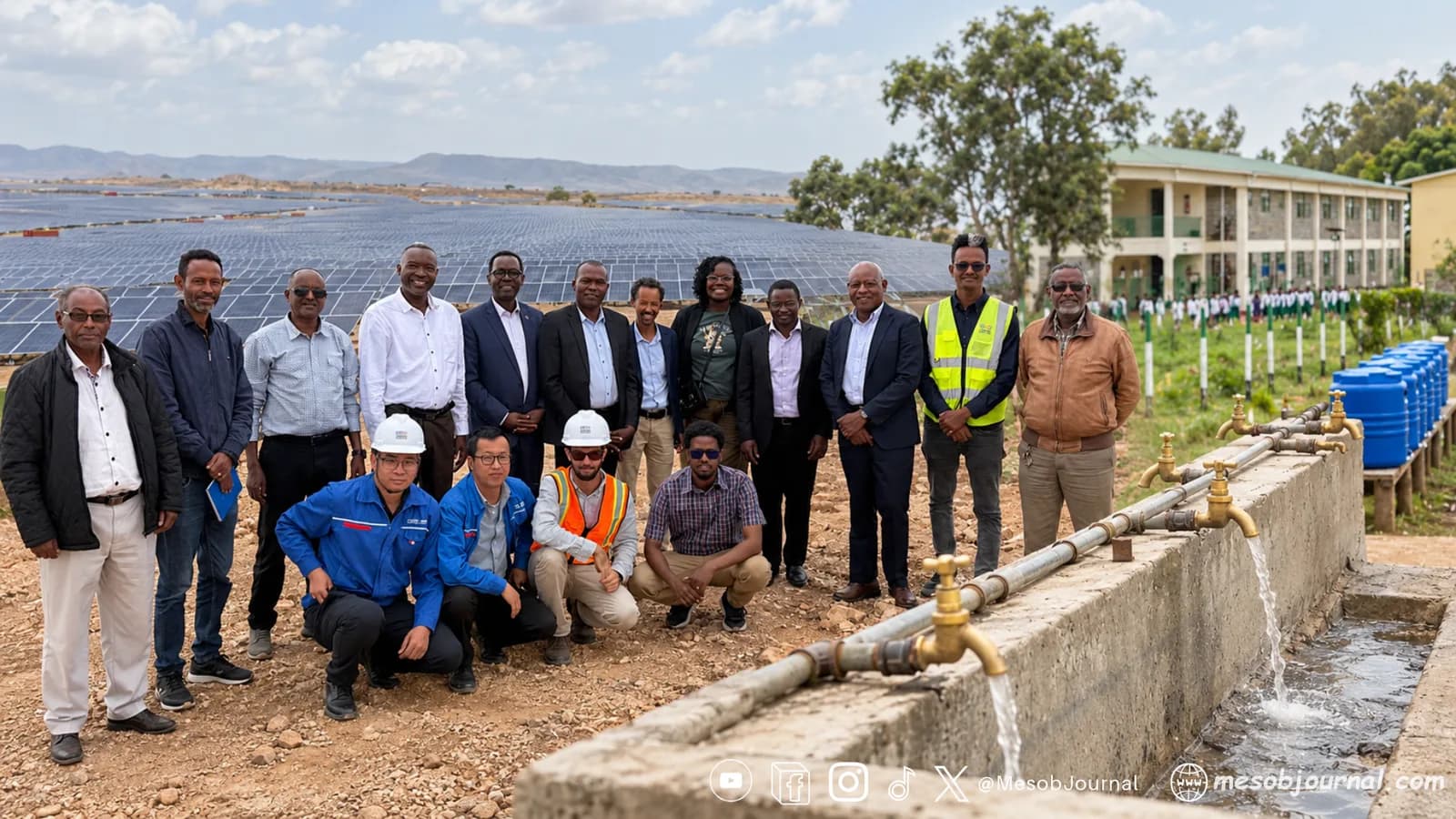
He highlighted investment in education, health, skills development, soil conservation, water management, agricultural infrastructure and rural electrification, linking those programmes to food sovereignty, climate resilience and wider economic opportunities.
The statement did not identify the United States, European Union or another government by name, nor did it announce the imposition or removal of any specific sanction.
It came, however, five days after a significant change in U.S. sanctions policy affecting Eritrea.
On September 18, the U.S. Treasury Department announced that the national emergency underpinning Executive Order 14046, introduced during the conflict in northern Ethiopia in 2021, had expired. The Office of Foreign Assets Control subsequently removed Eritrean entities and individuals designated under the order from its sanctions list, including the Eritrean Defense Forces, the People’s Front for Democracy and Justice, Hidri Trust and Red Sea Trading Corporation.
Those removals did not eliminate every U.S. restriction affecting Eritrea. Current U.S. defense-trade regulations continue to state a policy of denying licenses or approvals for defense articles and services destined for Eritrea’s armed forces, police, intelligence services or other internal security forces.
Osman’s UN statement did not specifically refer to the September 18 U.S. decision.
African Union has also called for sanctions removal
Eritrea’s position also reflects a wider stance adopted by the African Union earlier this year.
At its 39th Ordinary Session in Addis Ababa on February 14–15, the AU Assembly adopted Resolution Assembly/AU/Res.1(XXXIX), which opposed unilateral coercive measures against African states and urged the European Union and United States to lift measures imposed on Eritrea. The same resolution addressed sanctions affecting Zimbabwe and South Sudan.
The AU said such measures could affect sovereignty, development, trade, investment and post-conflict reconstruction, and called on states to refrain from imposing unilateral economic pressure.
Eritrea has raised the issue repeatedly in international forums, including previous UN meetings, arguing that restrictions imposed outside multilateral mechanisms can interfere with national development and economic sovereignty.
At UNGA81, that longstanding position was placed within the wider debate over the right to development, reform of international economic institutions and the ability of developing states to determine their own development policies.