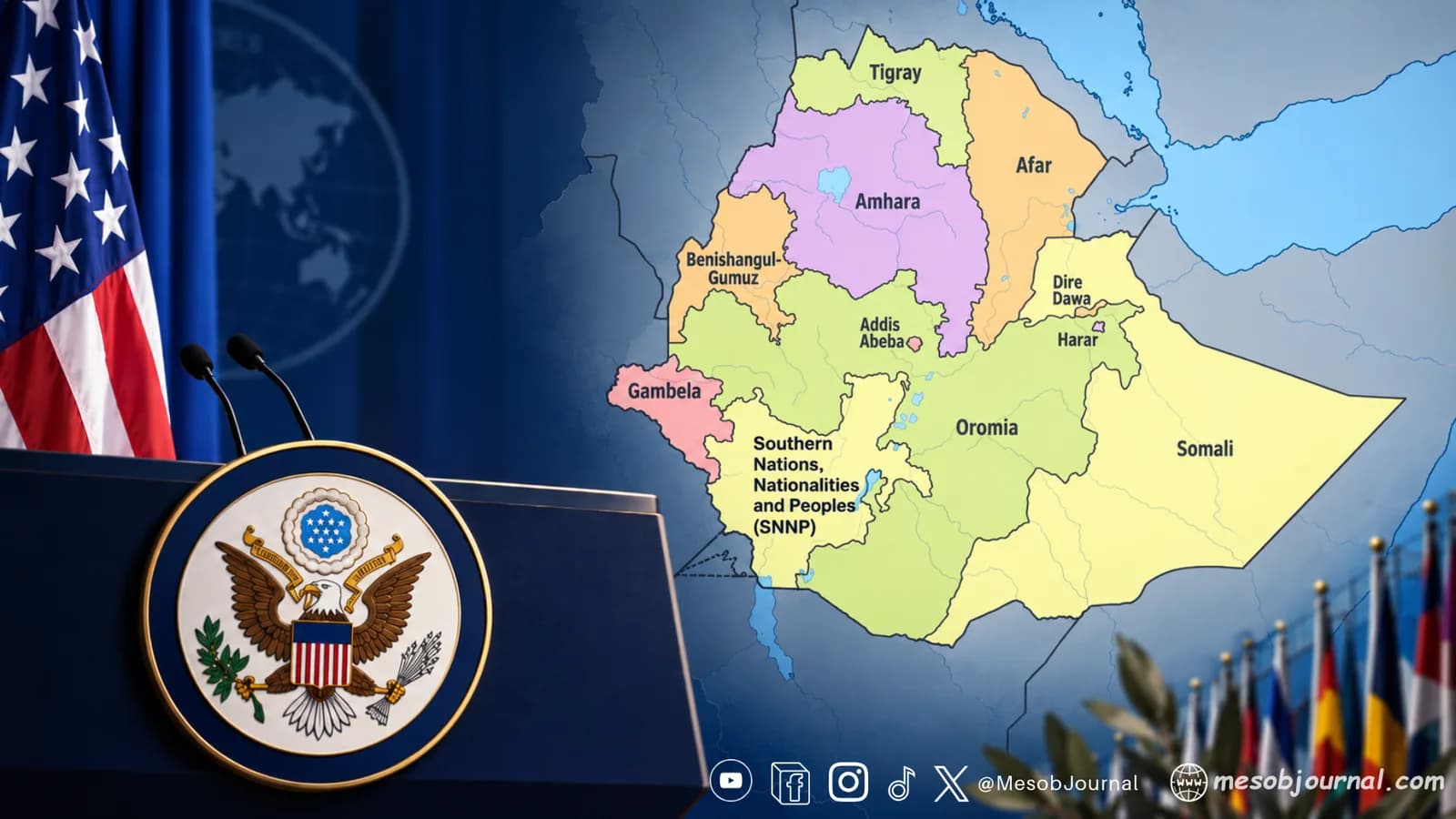
U.S. Echoes Eritrea’s Sovereignty Call but Stops Short of Assigning Blame
The U.S. urged Ethiopia and Eritrea to respect sovereignty and resume dialogue under their 2018 peace framework, without assigning blame for the latest escalation.

We use cookies to improve your experience, analyze traffic, and show relevant content. You can accept all, reject non‑essential, or manage preferences.
The U.S. urged Ethiopia and Eritrea to respect sovereignty and resume dialogue under their 2018 peace framework, without assigning blame for the latest escalation.
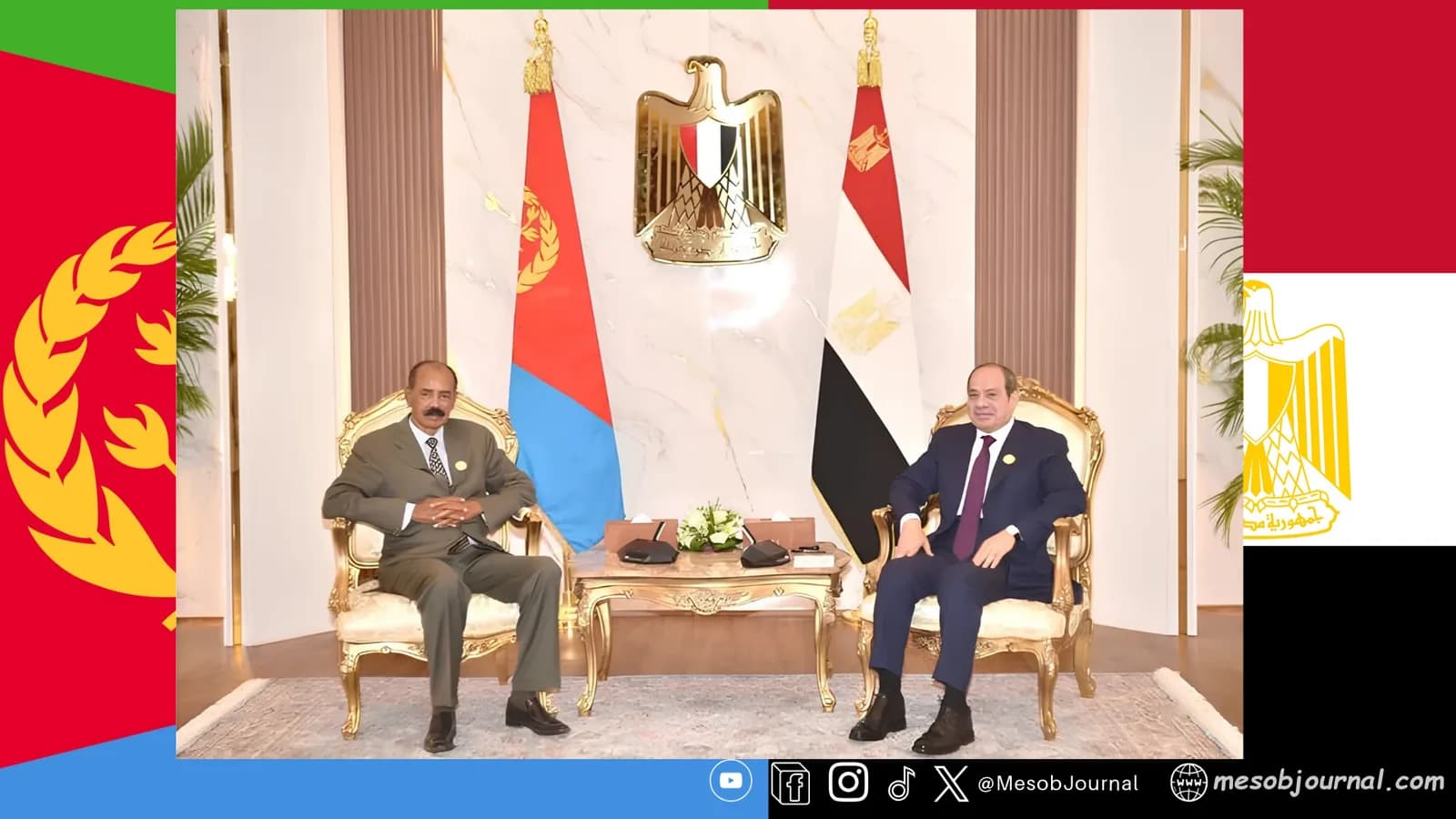
Egypt reaffirmed support for Eritrea’s sovereignty as Presidents el-Sisi and Isaias met in New Alamein to discuss Red Sea security and economic cooperation.

President Isaias Afwerki travels to Egypt for a regional security summit and bilateral talks with President Abdel Fattah el-Sisi on Red Sea and Horn of Africa cooperation.
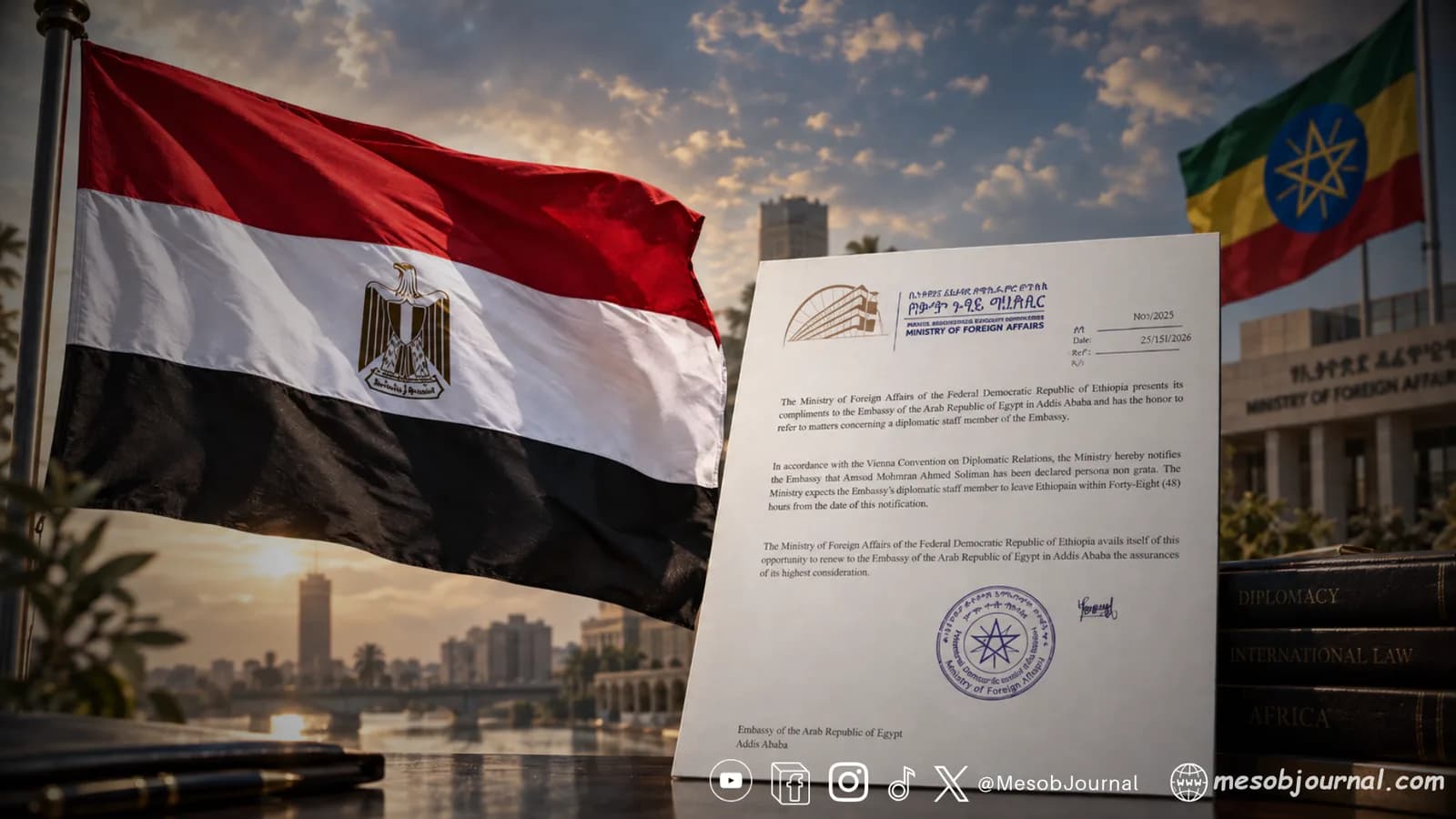
Ethiopia and Egypt have expelled each other’s diplomats, giving each 48 hours to leave as their dispute over the Nile and regional security sharpens.
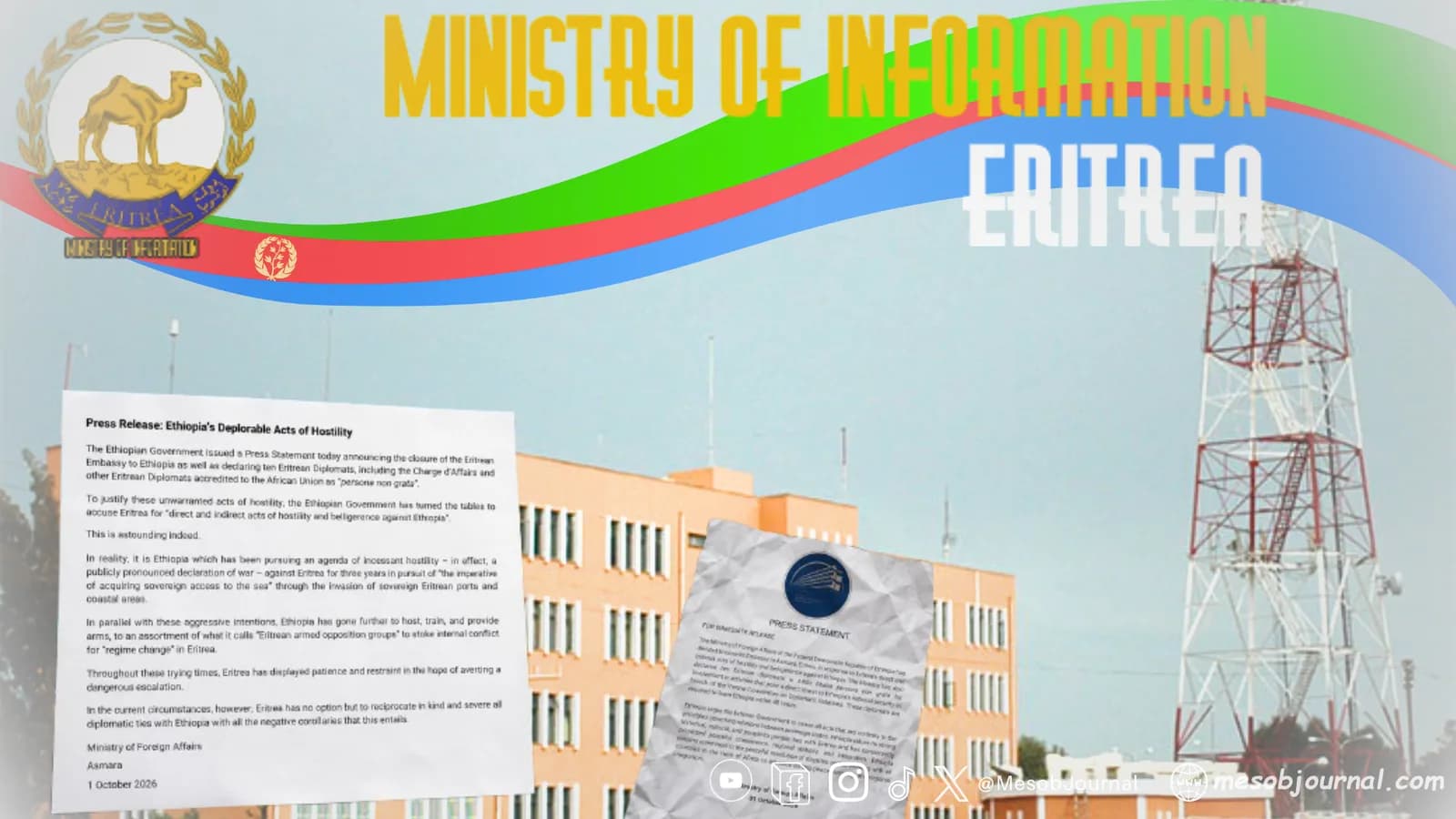
Ethiopia’s expulsion of Eritrean diplomats raises urgent questions about sovereignty, regional escalation and the protection of Eritrea’s African Union representation.

The EU has added €18 million in aid for Ethiopia, bringing 2026 support to €61 million as fighting and drone strikes intensify across Tigray and Amhara.
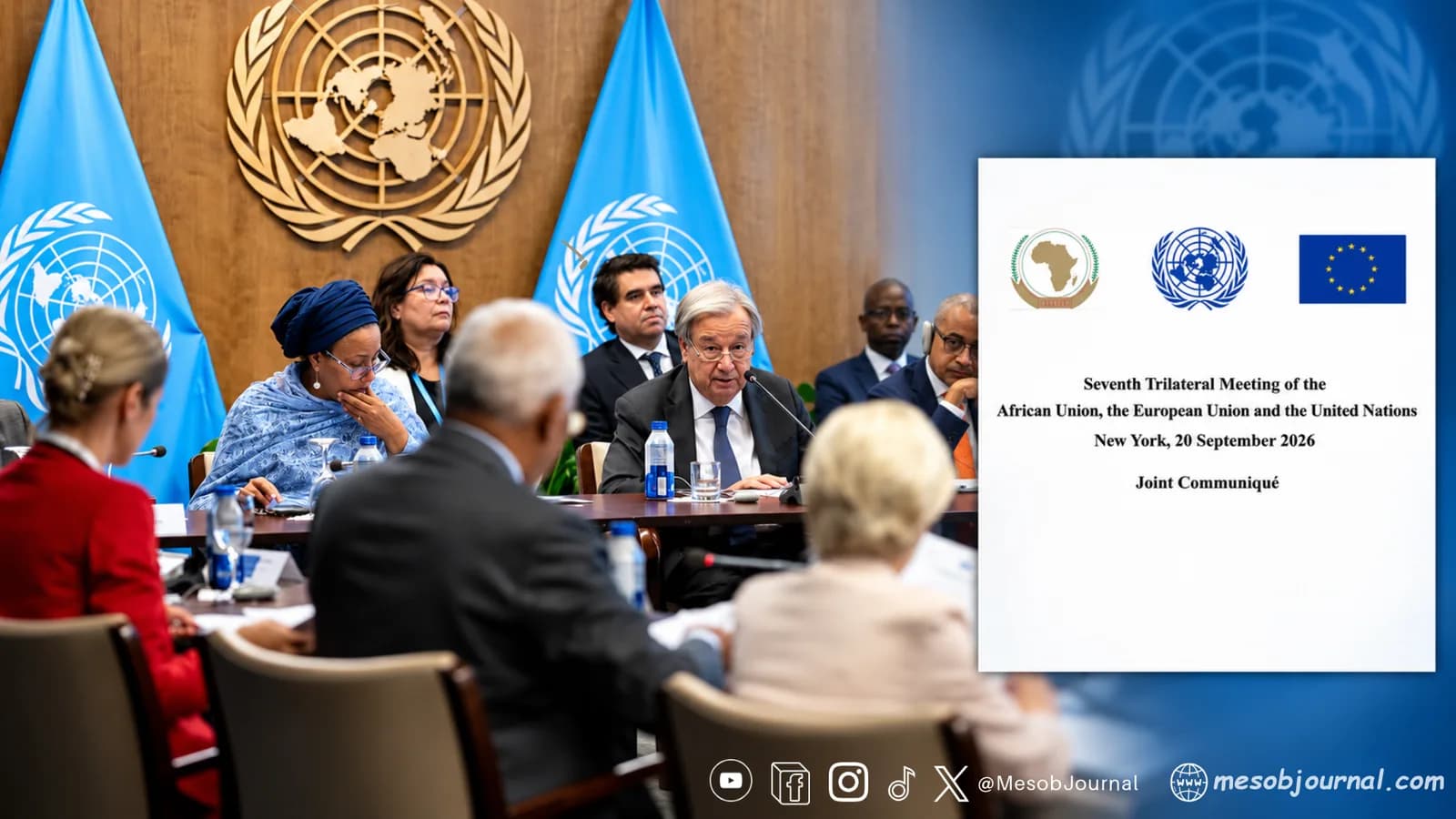
The African Union’s own UNGA81 readouts left Ethiopia out. A jointly agreed communiqué from the same diplomatic round shows that Ethiopia and the Pretoria Agreement were explicitly discussed. The discrepancy deserves an explanation.
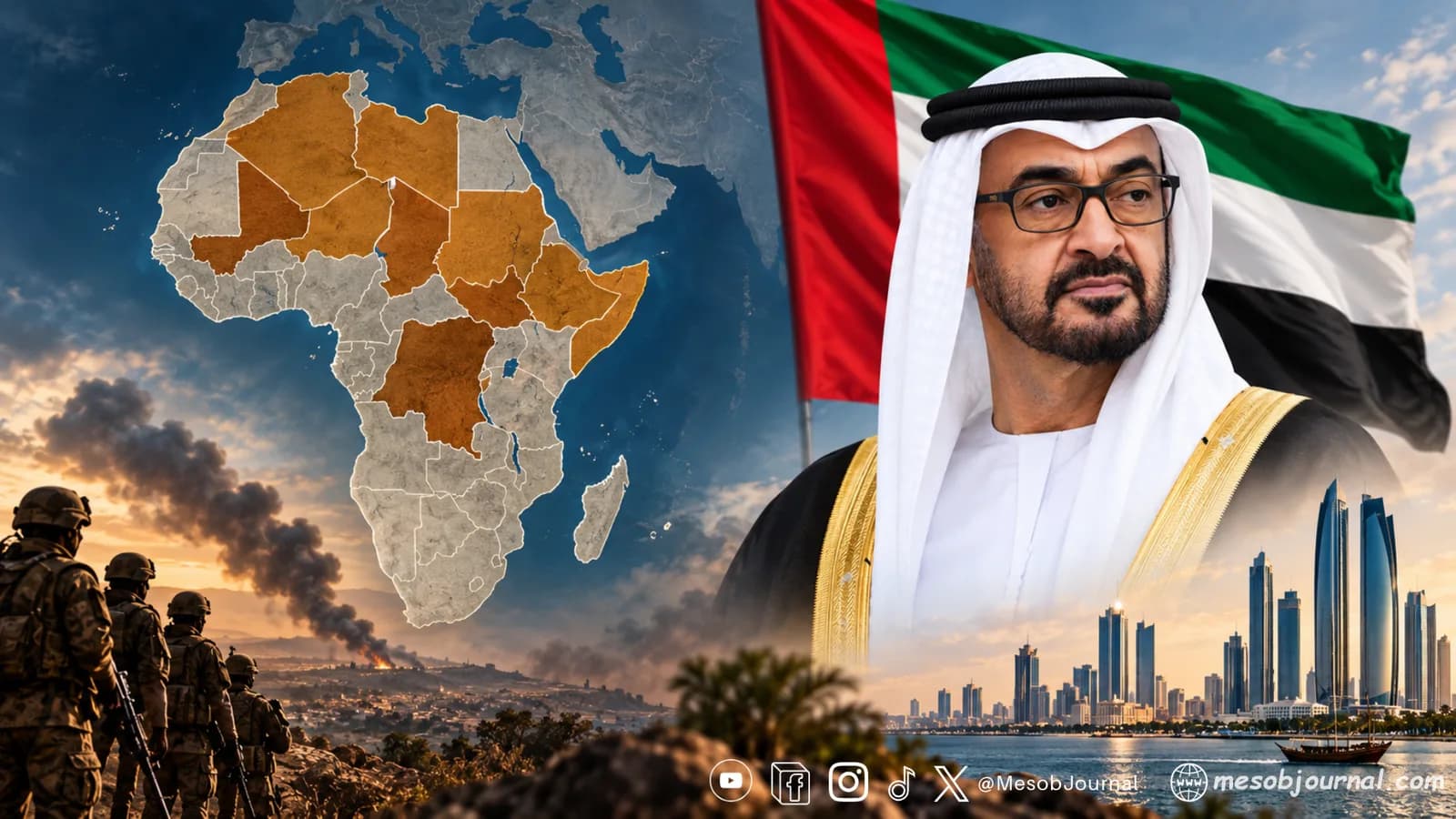
A May 2026 SWP study calls the UAE one of the most aggressive external actors in African conflicts, and names Sudan, Libya, Somalia and Ethiopia. Ten countries — from the RSF's supply corridors to conflict gold in eastern Congo — show how Emirati military, financial and logistical networks connect wars that look domestic.
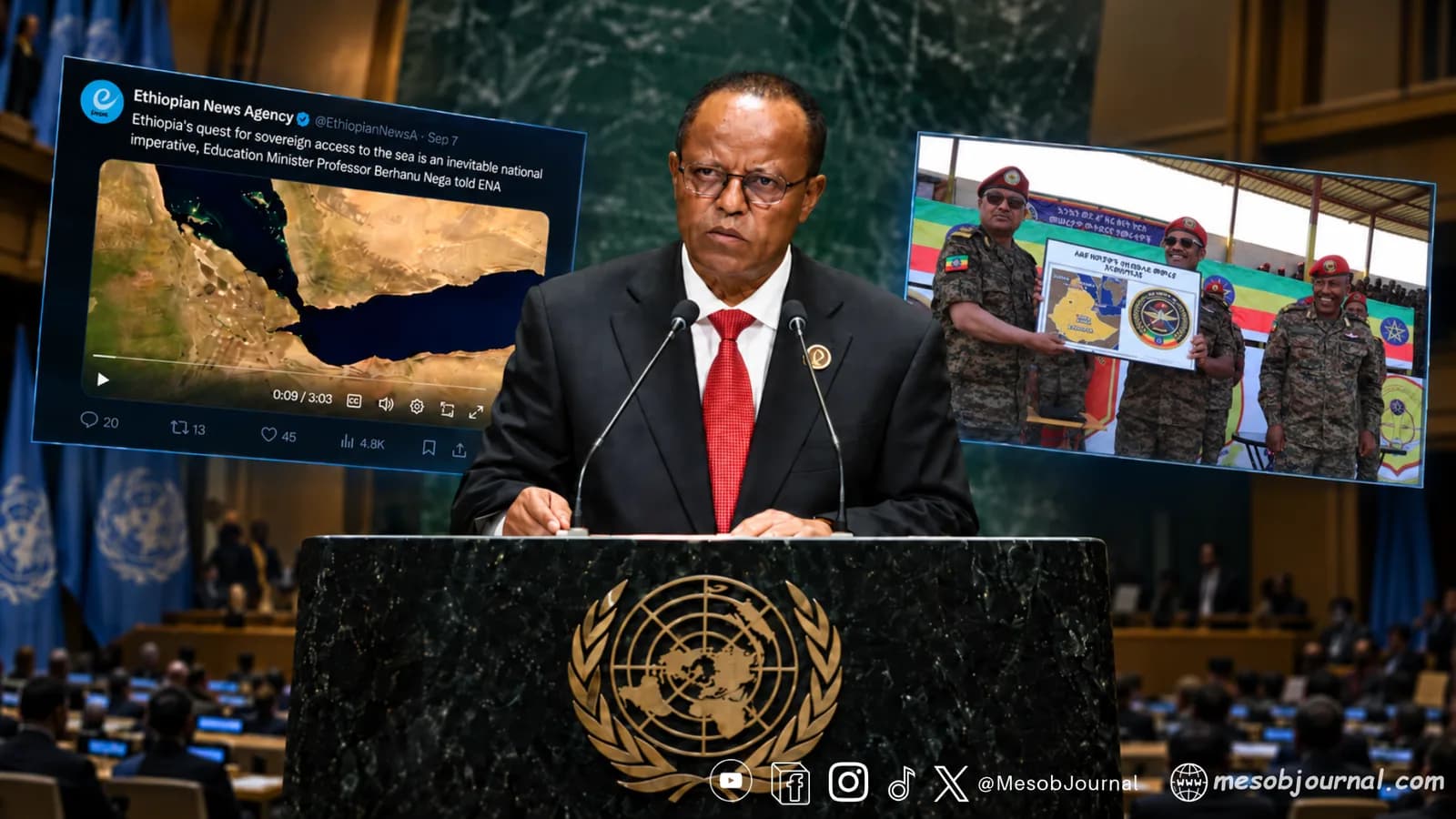
At the 81st UN General Assembly, President Taye Atske Selassie blamed “reckless external actors” for instability in the Horn — two days after seven Ethiopian armed groups formed an alliance against Abiy Ahmed's government. The record at home, the dispute with Eritrea and questions over Sudan tell a more complicated story.
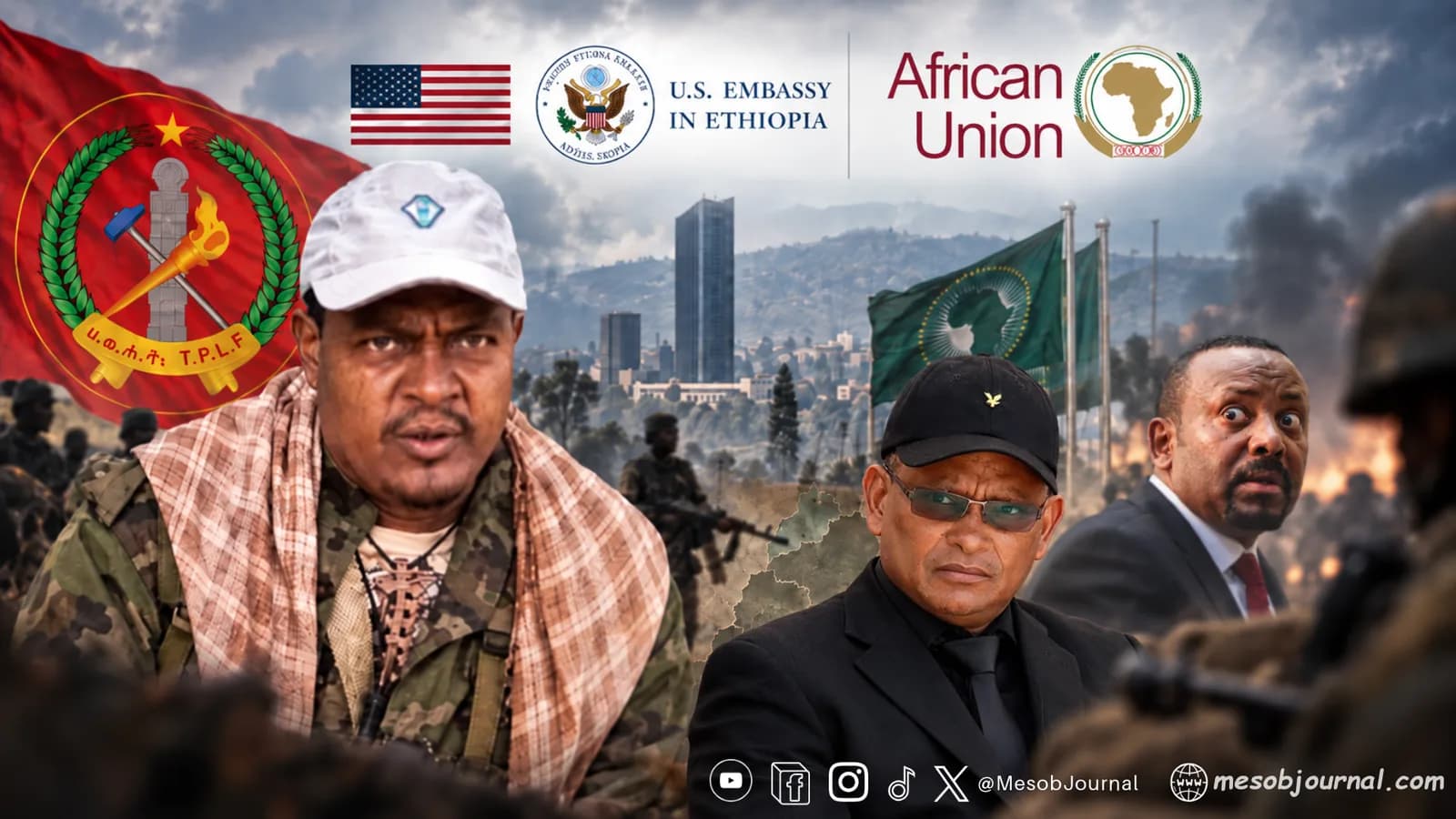
The African Union and the United States issued urgent statements after Tigrayan forces took the airports in Mekelle, Axum and Shire and seven Ethiopian opposition groups began coordinating against Abiy Ahmed's government.
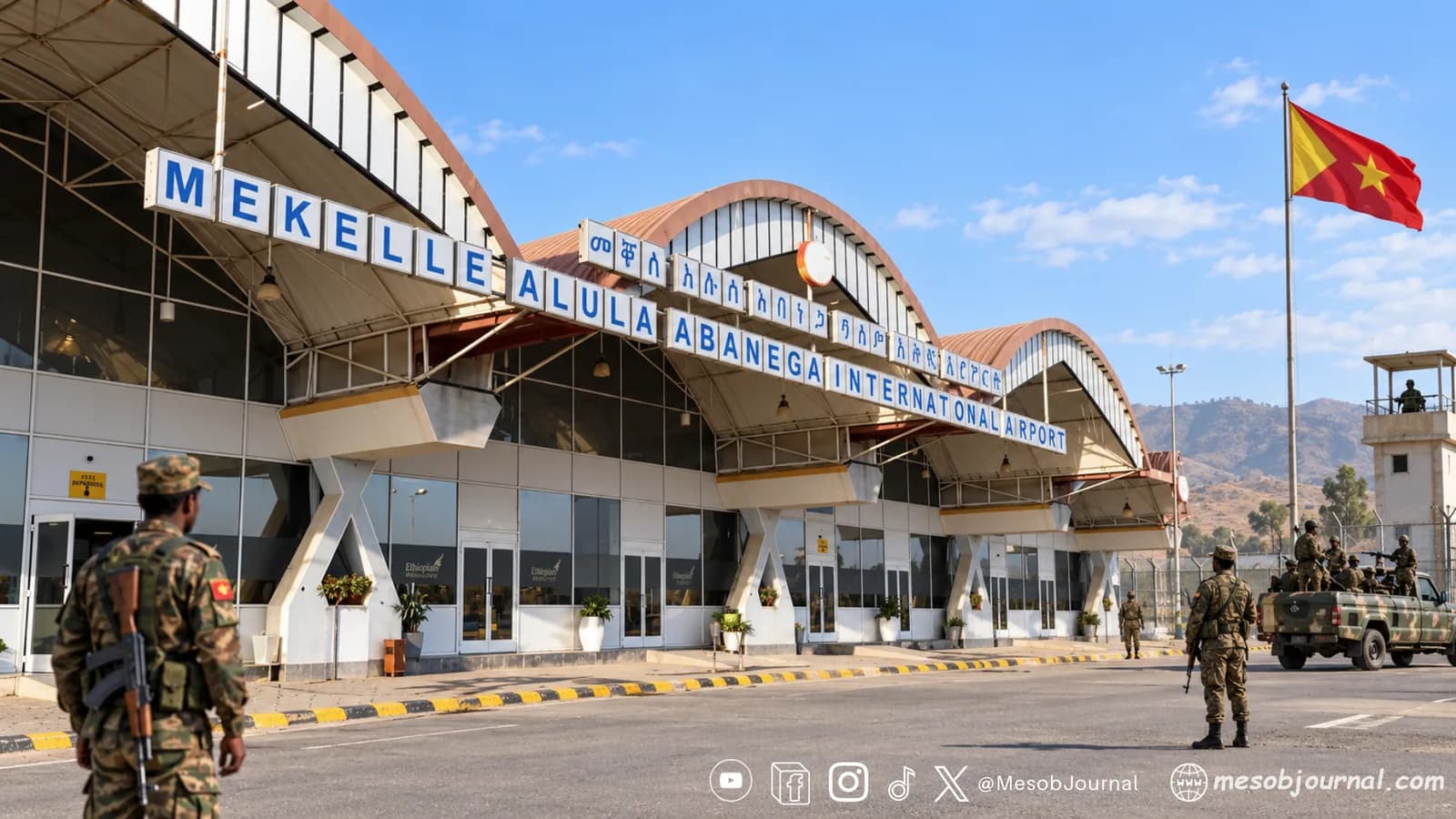
Tigrayan forces have taken control of Mekelle's Alula Aba Nega airport three days after the TPLF joined seven other Ethiopian opposition movements in an alliance aiming to remove Abiy Ahmed's government.
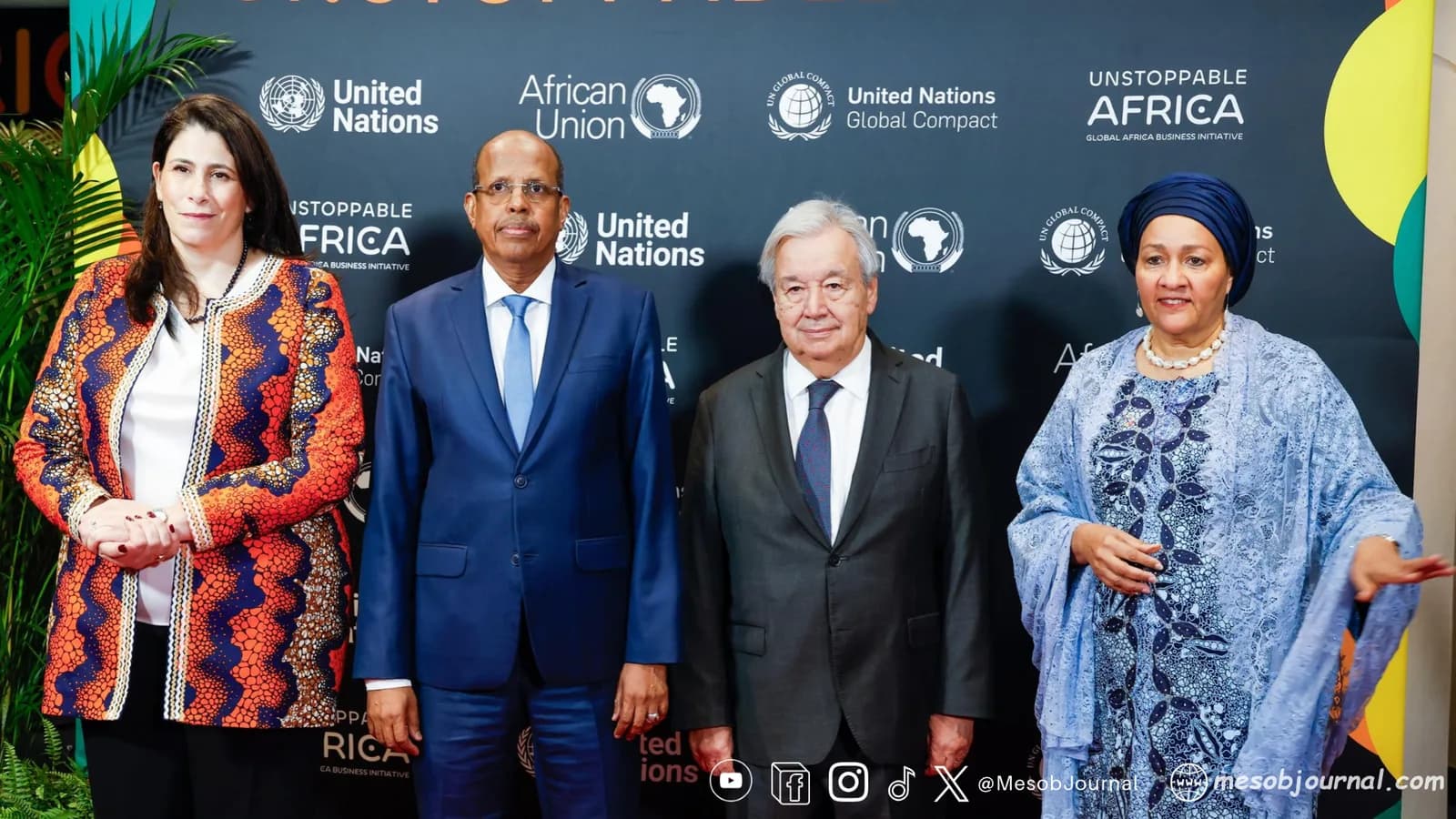
The African Union and United Nations met in New York on September 21 to discuss preventive diplomacy across Africa, but Ethiopia was absent from the published list of crises even as a seven-group armed alliance moved to remove Abiy Ahmed's government.