We use cookies to improve your experience, analyze traffic, and show relevant content. You can accept all, reject non‑essential, or manage preferences.
Chronological archive
All published stories, starting with the most recent.

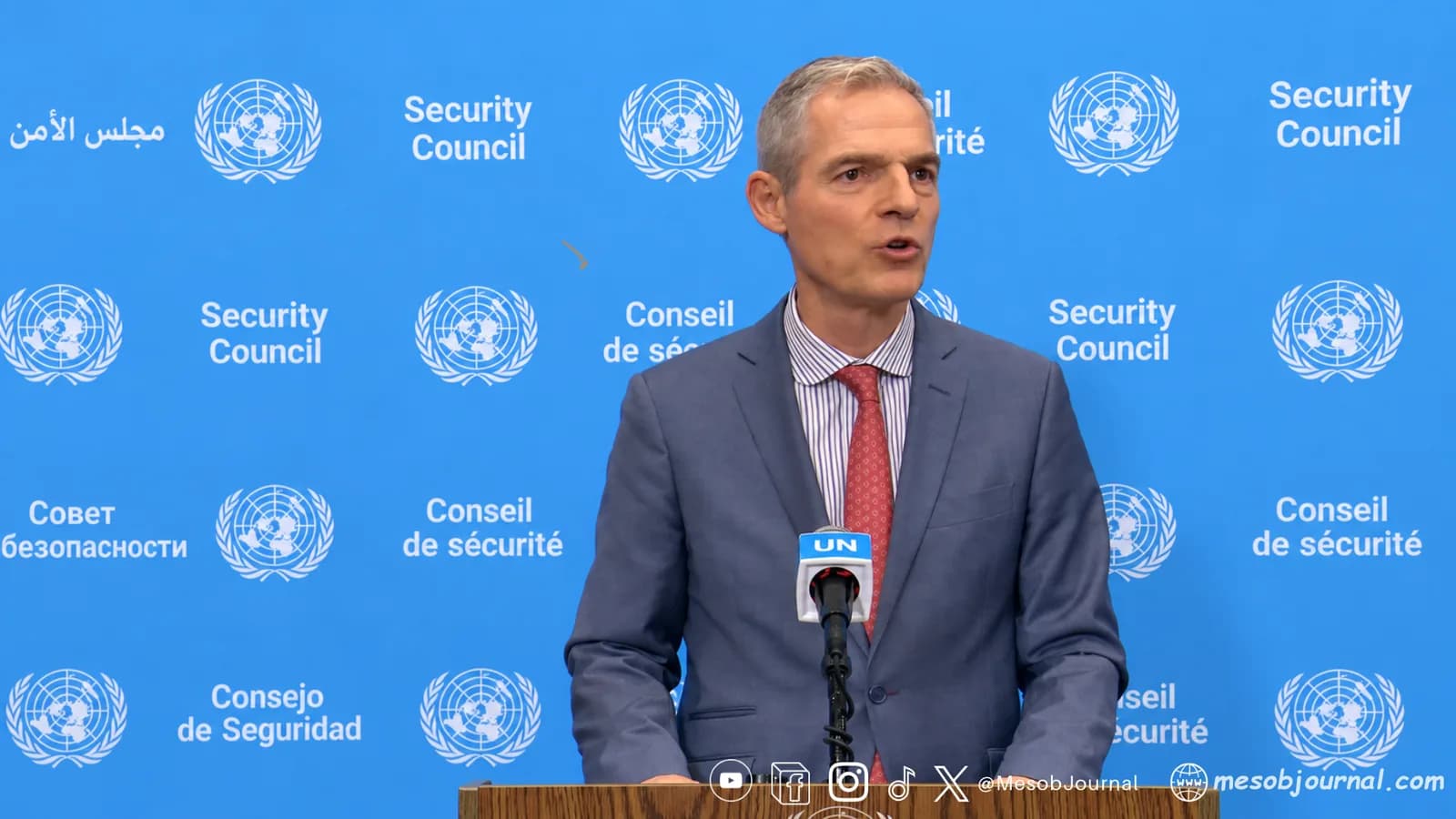
Council members condemned continued Houthi attacks on Saudi Arabia and threats to commercial navigation through the Red Sea and Bab el-Mandeb, stressing navigational freedoms under international law as fighting moves closer to the strait.

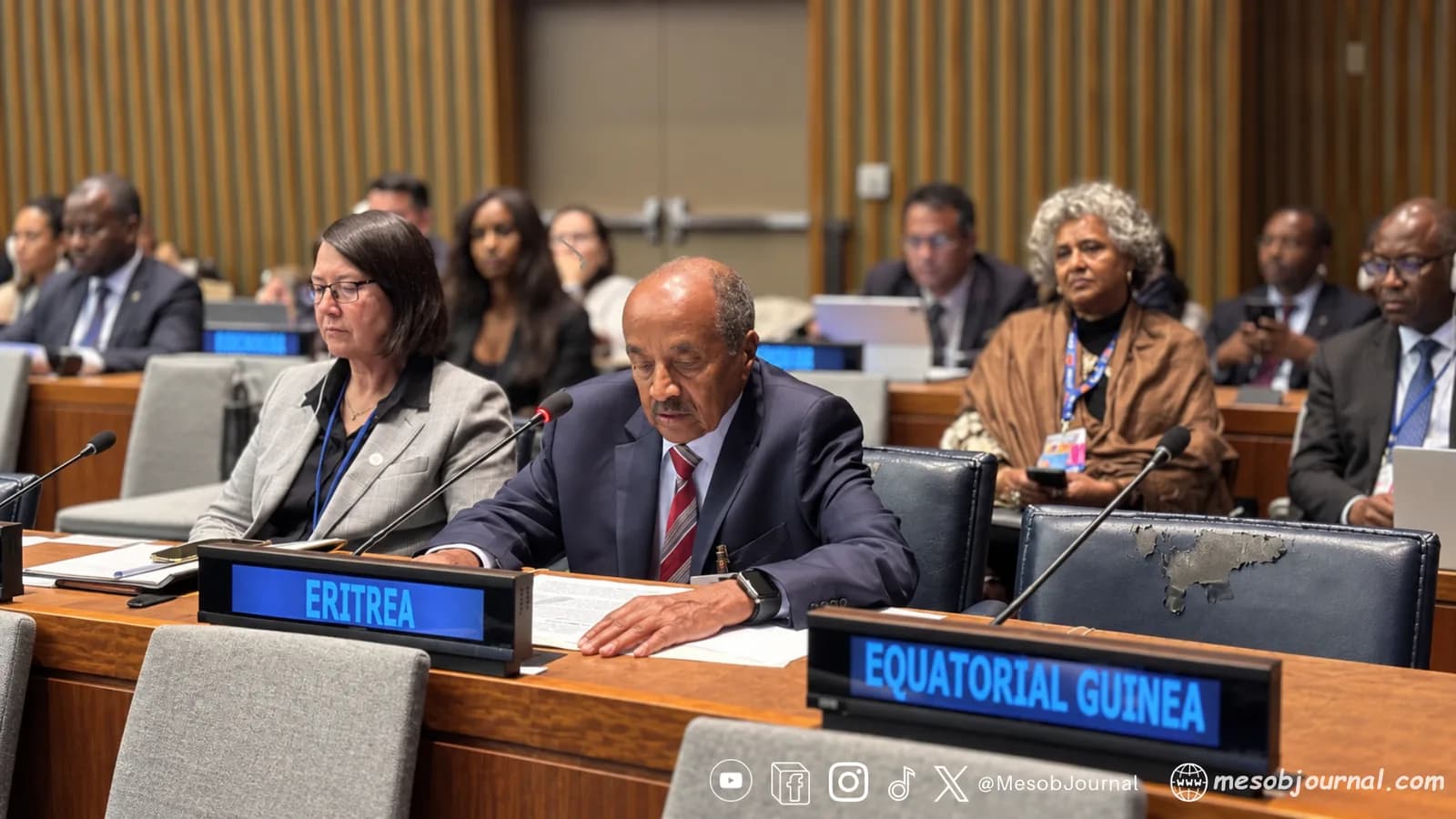
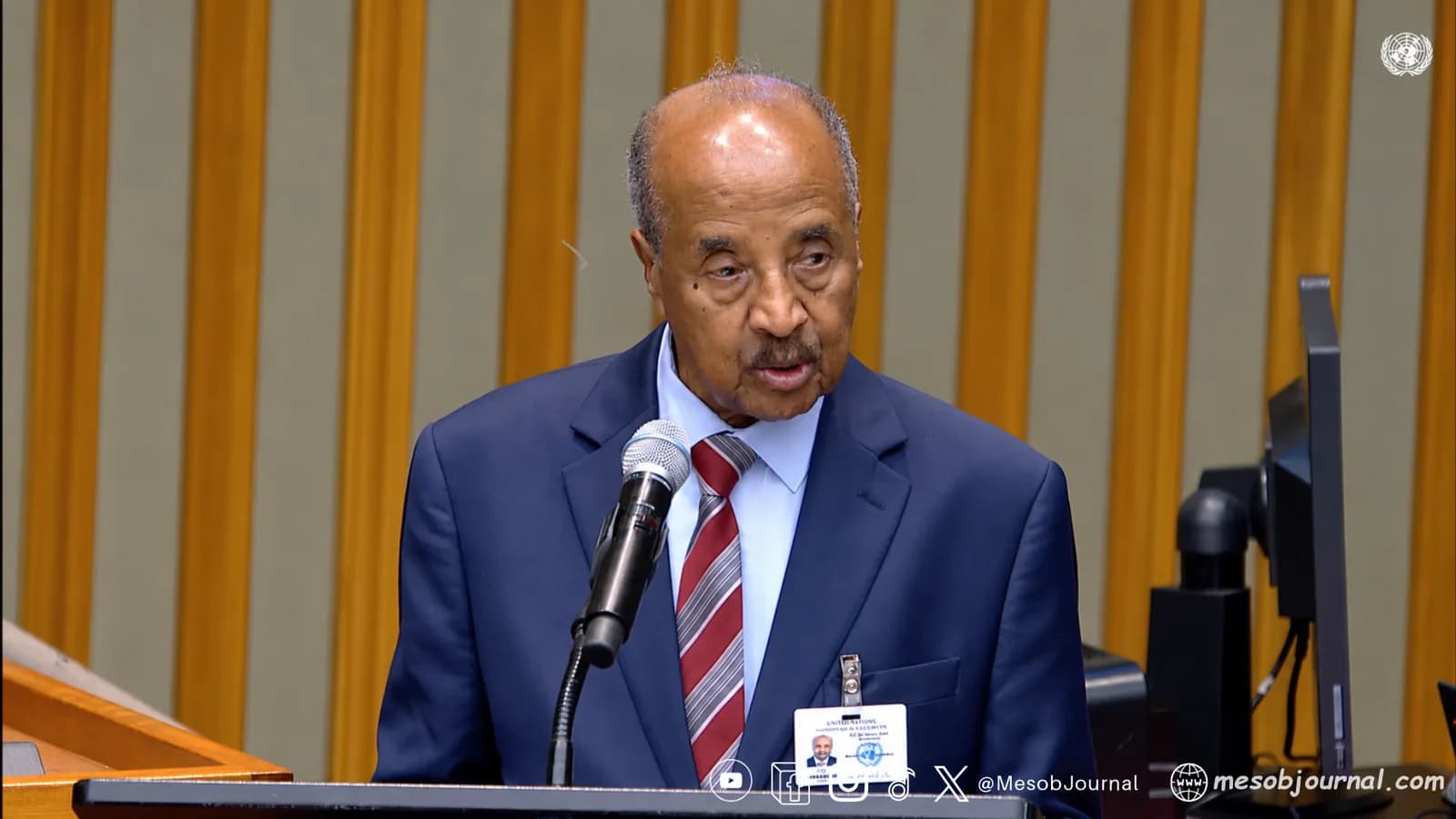
Foreign Minister Osman Saleh told the UNGA81 plenary on sea-level rise that existing baselines and maritime boundaries must be preserved, framing Eritrea's Red Sea waters as a question of sovereignty and climate adaptation alike.

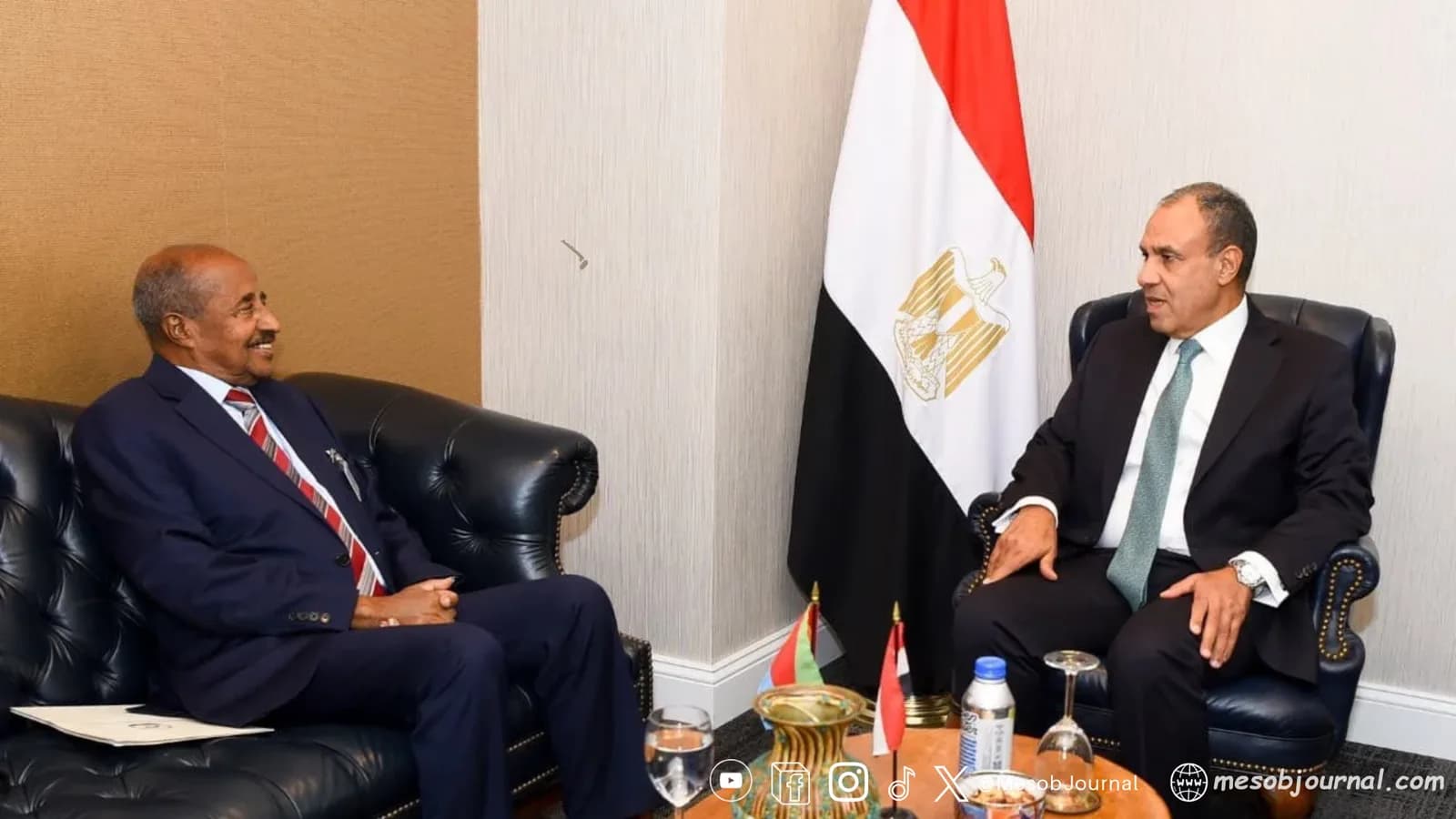
Eritrea and Egypt have restated that the Red Sea's security and governance belong to its littoral states, in talks at the 81st UN General Assembly that also covered trade, investment, ports and maritime transport.

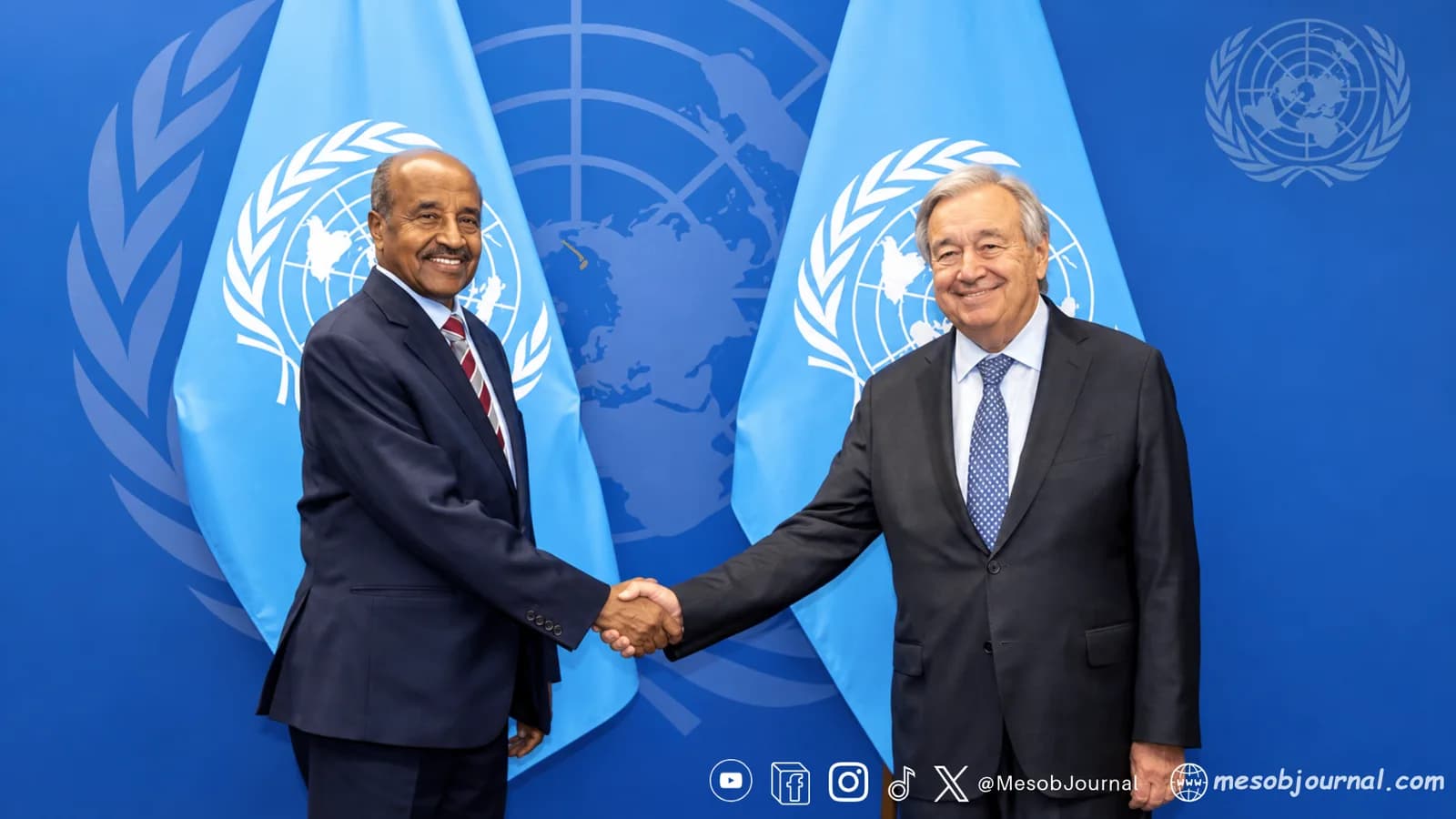
Eritrea's foreign minister raised what Asmara calls the provocative acts of Ethiopia's Prosperity Party towards its neighbours with UN Secretary-General António Guterres in New York, alongside Red Sea and Bab el-Mandeb governance and support for a united, sovereign Sudan.

Eritrea's foreign minister told a UNGA81 meeting on the right to development that trade barriers, debt burdens and unilateral coercive measures keep developing countries from setting their own policies — five days after Washington lifted sanctions tied to Executive Order 14046.

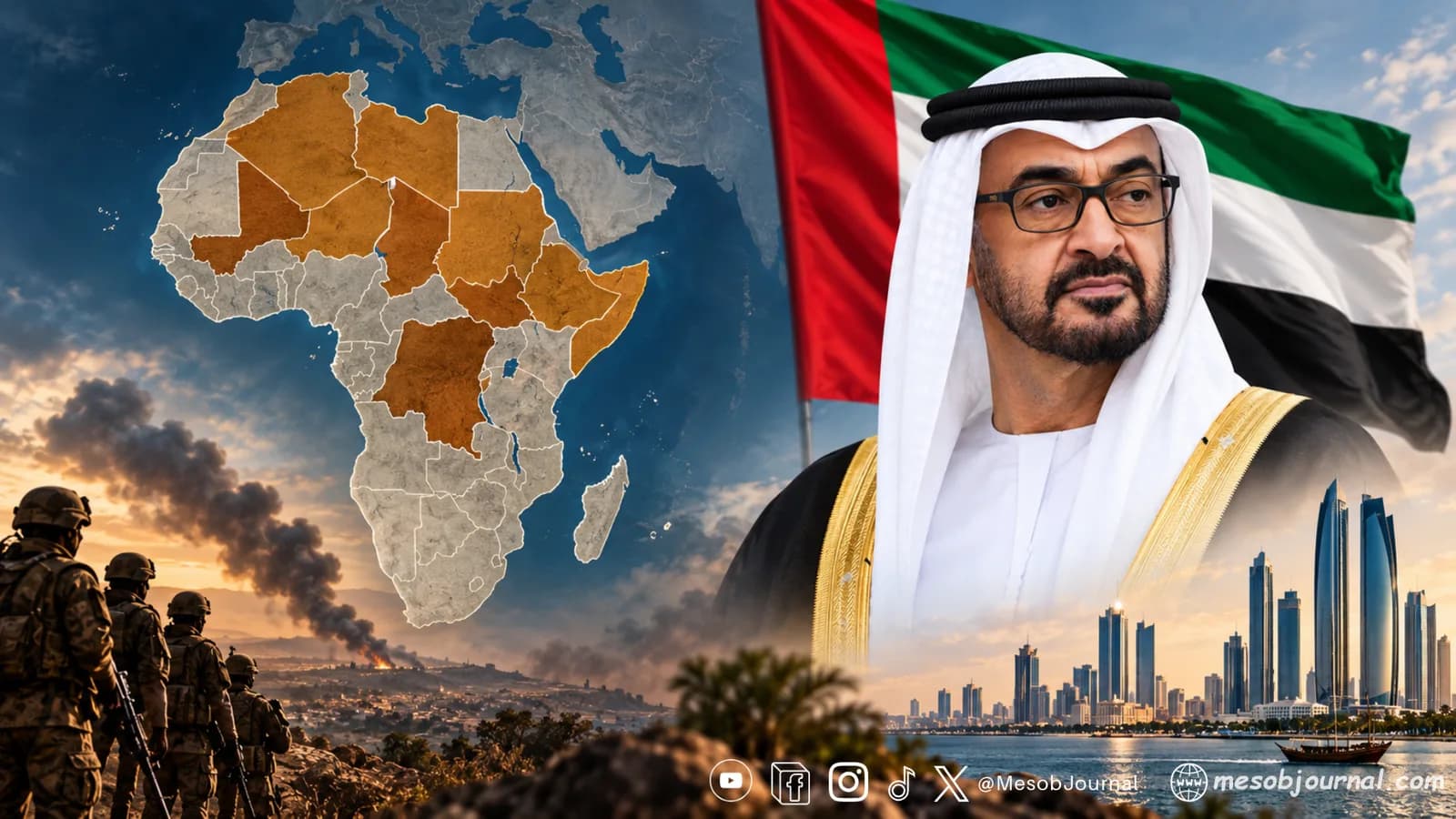
A May 2026 SWP study calls the UAE one of the most aggressive external actors in African conflicts, and names Sudan, Libya, Somalia and Ethiopia. Ten countries — from the RSF's supply corridors to conflict gold in eastern Congo — show how Emirati military, financial and logistical networks connect wars that look domestic.

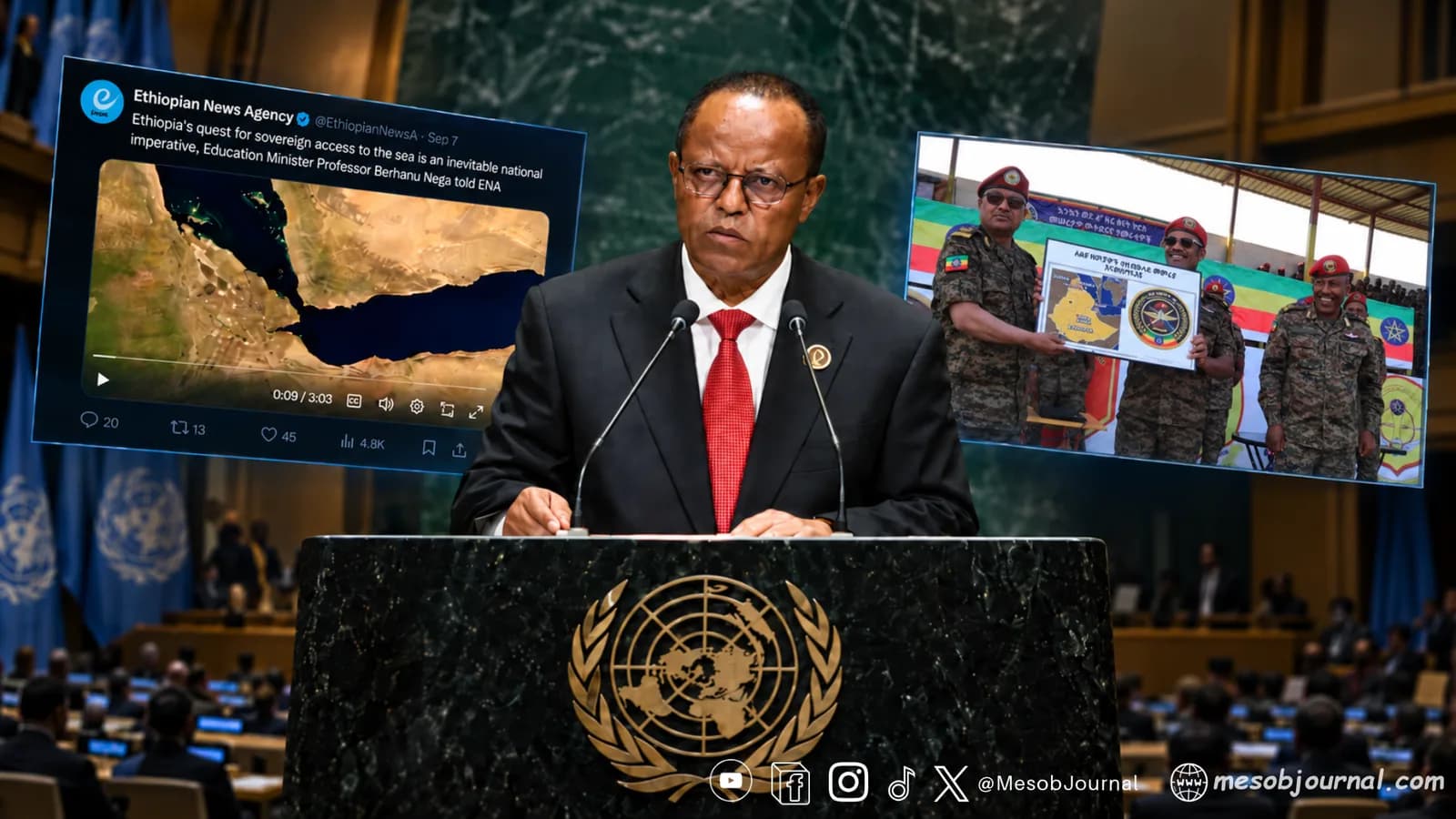
At the 81st UN General Assembly, President Taye Atske Selassie blamed “reckless external actors” for instability in the Horn — two days after seven Ethiopian armed groups formed an alliance against Abiy Ahmed's government. The record at home, the dispute with Eritrea and questions over Sudan tell a more complicated story.

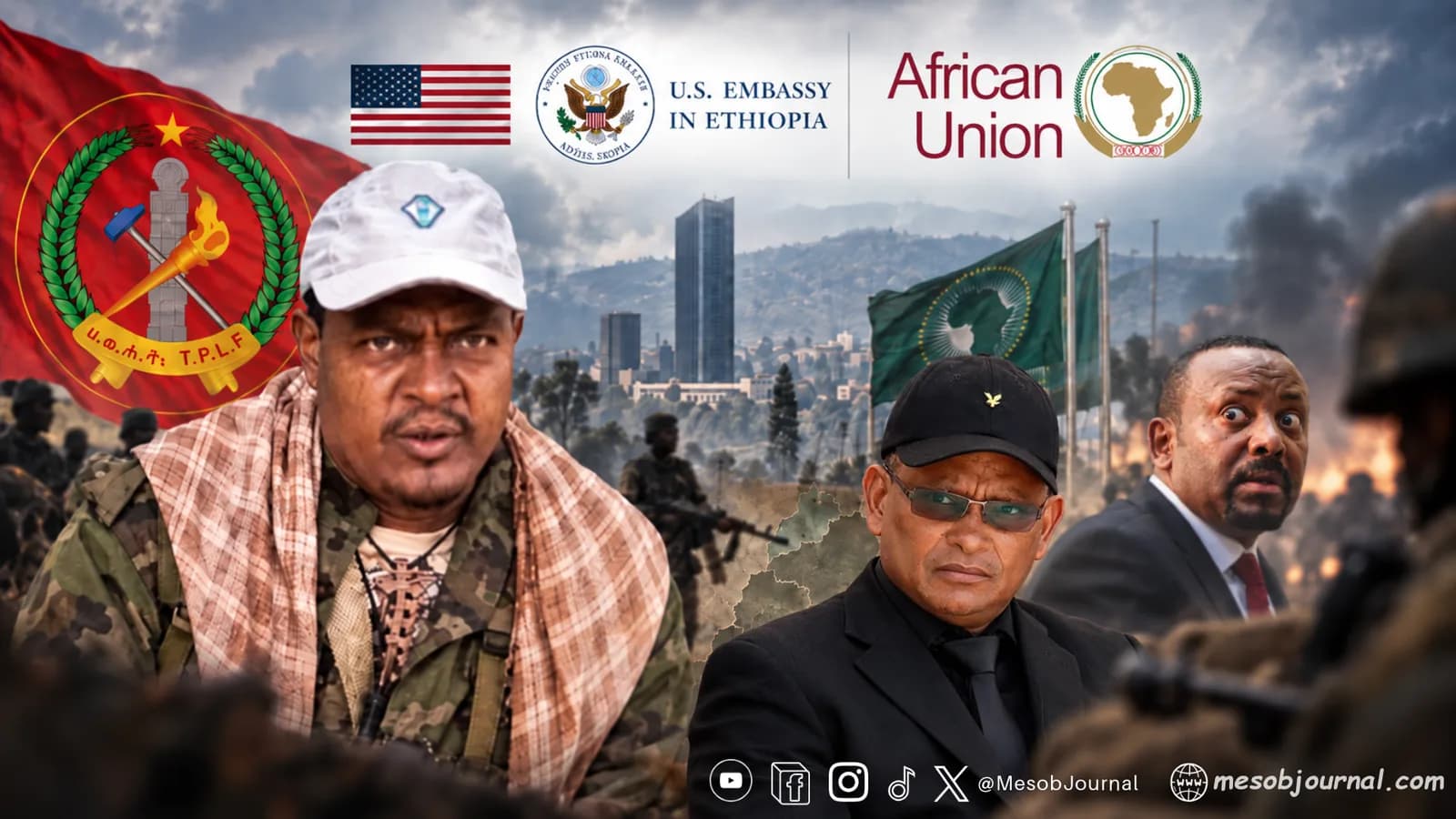
The African Union and the United States issued urgent statements after Tigrayan forces took the airports in Mekelle, Axum and Shire and seven Ethiopian opposition groups began coordinating against Abiy Ahmed's government.

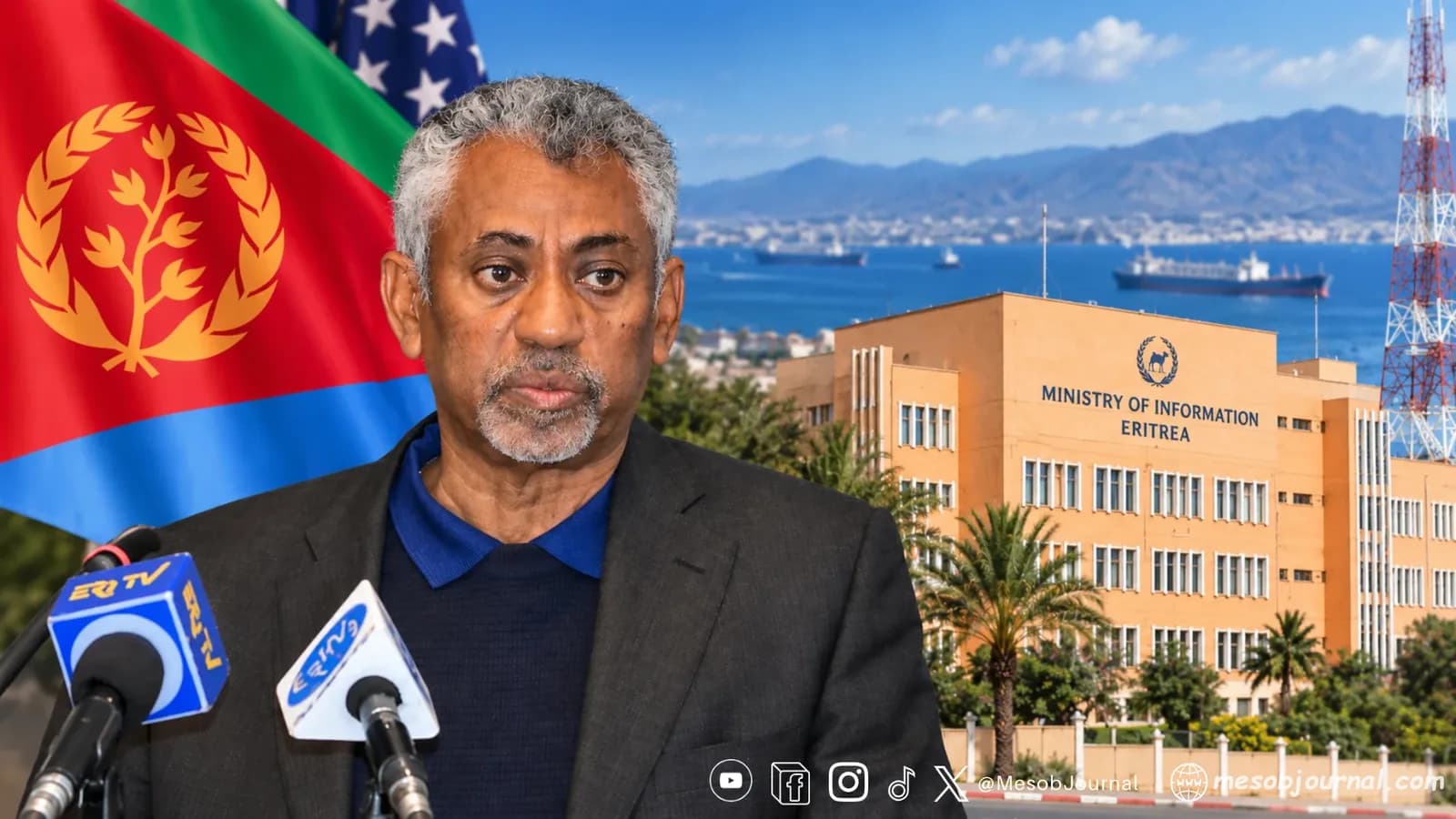
Eritrea has welcomed Washington’s removal of Ethiopia-related sanctions on key Eritrean institutions and officials, while signaling that preliminary contacts are already laying the groundwork for broader talks with the United States on investment, trade and bilateral relations.

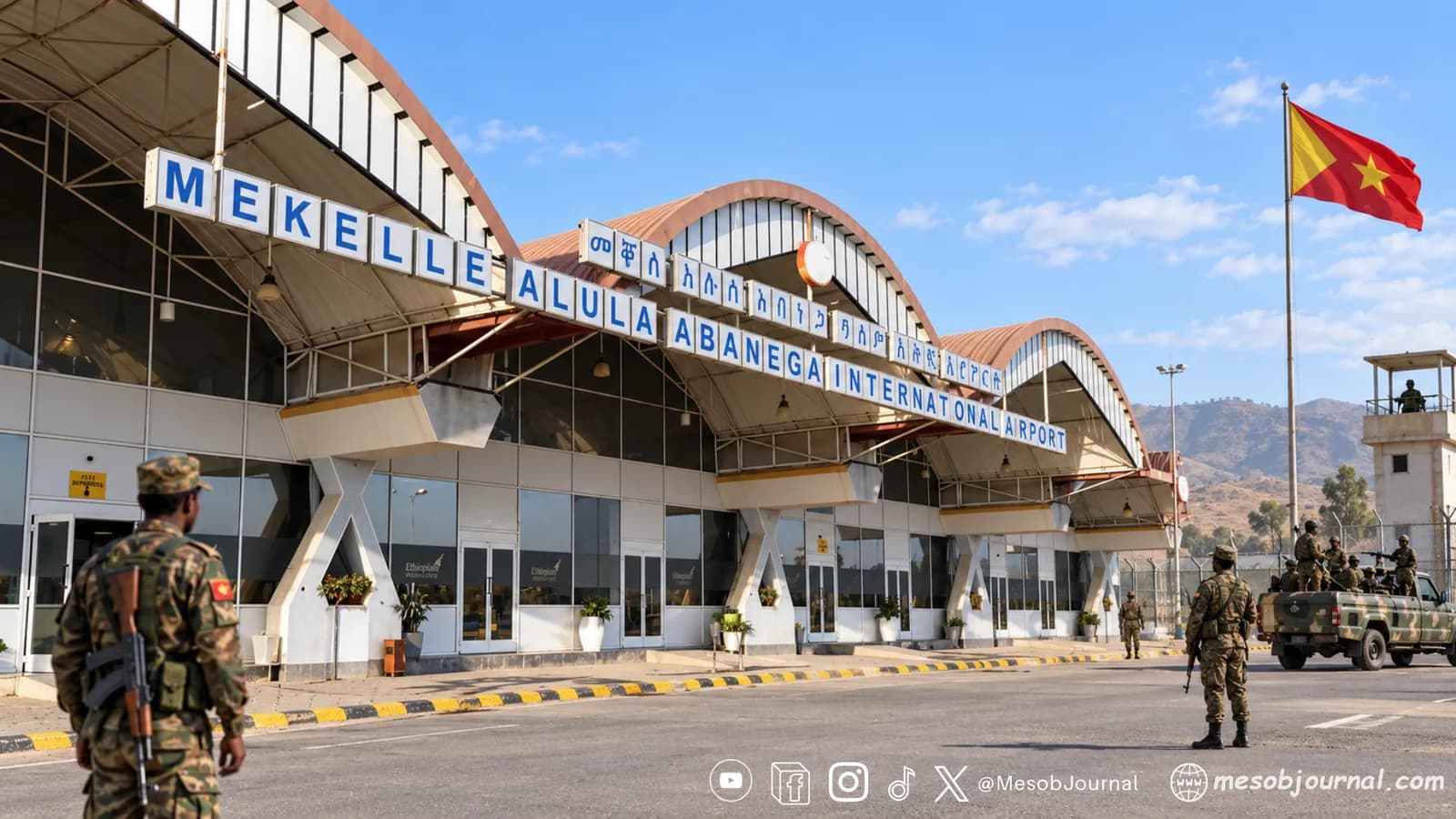
Tigrayan forces have taken control of Mekelle's Alula Aba Nega airport three days after the TPLF joined seven other Ethiopian opposition movements in an alliance aiming to remove Abiy Ahmed's government.

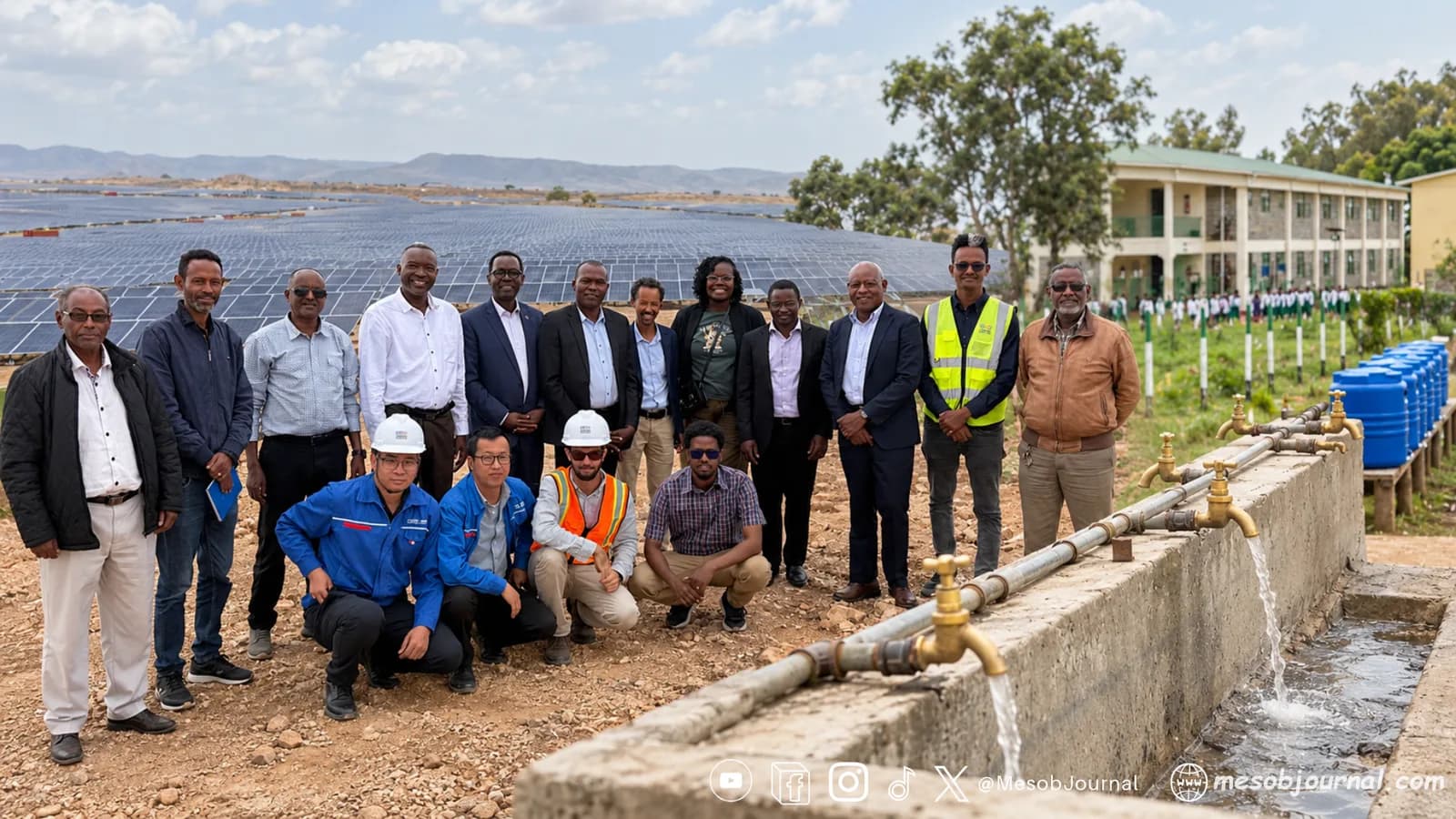
New WASH financing adds water and climate resilience to a growing AfDB-backed project pipeline spanning energy, transport planning and rural infrastructure.

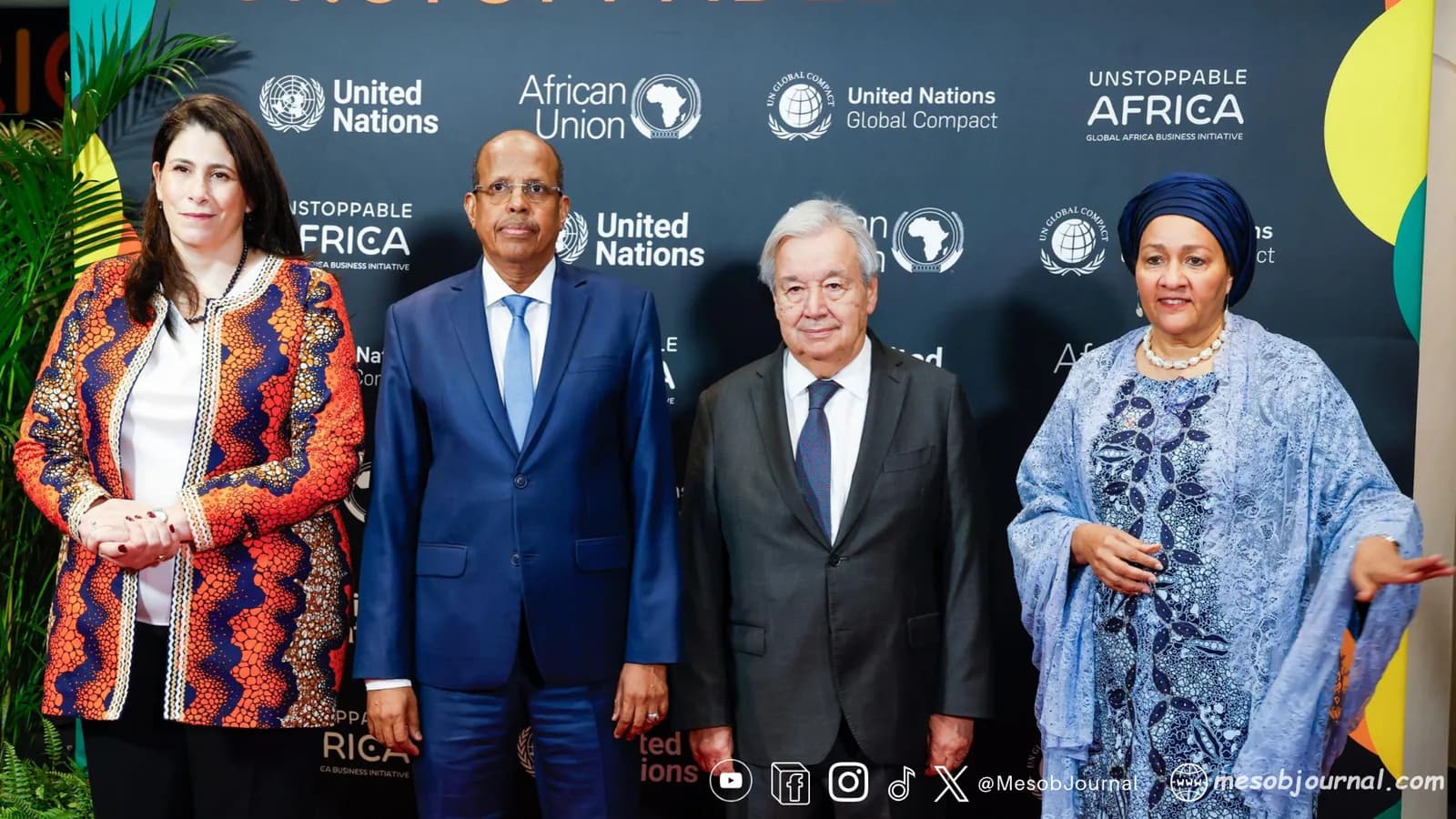
The African Union and United Nations met in New York on September 21 to discuss preventive diplomacy across Africa, but Ethiopia was absent from the published list of crises even as a seven-group armed alliance moved to remove Abiy Ahmed's government.