
The United Nations Security Council has delivered a unified warning over the deteriorating security situation around Yemen, condemning continued Houthi attacks on Saudi Arabia and threats to commercial navigation through the Red Sea and Bab el-Mandeb.
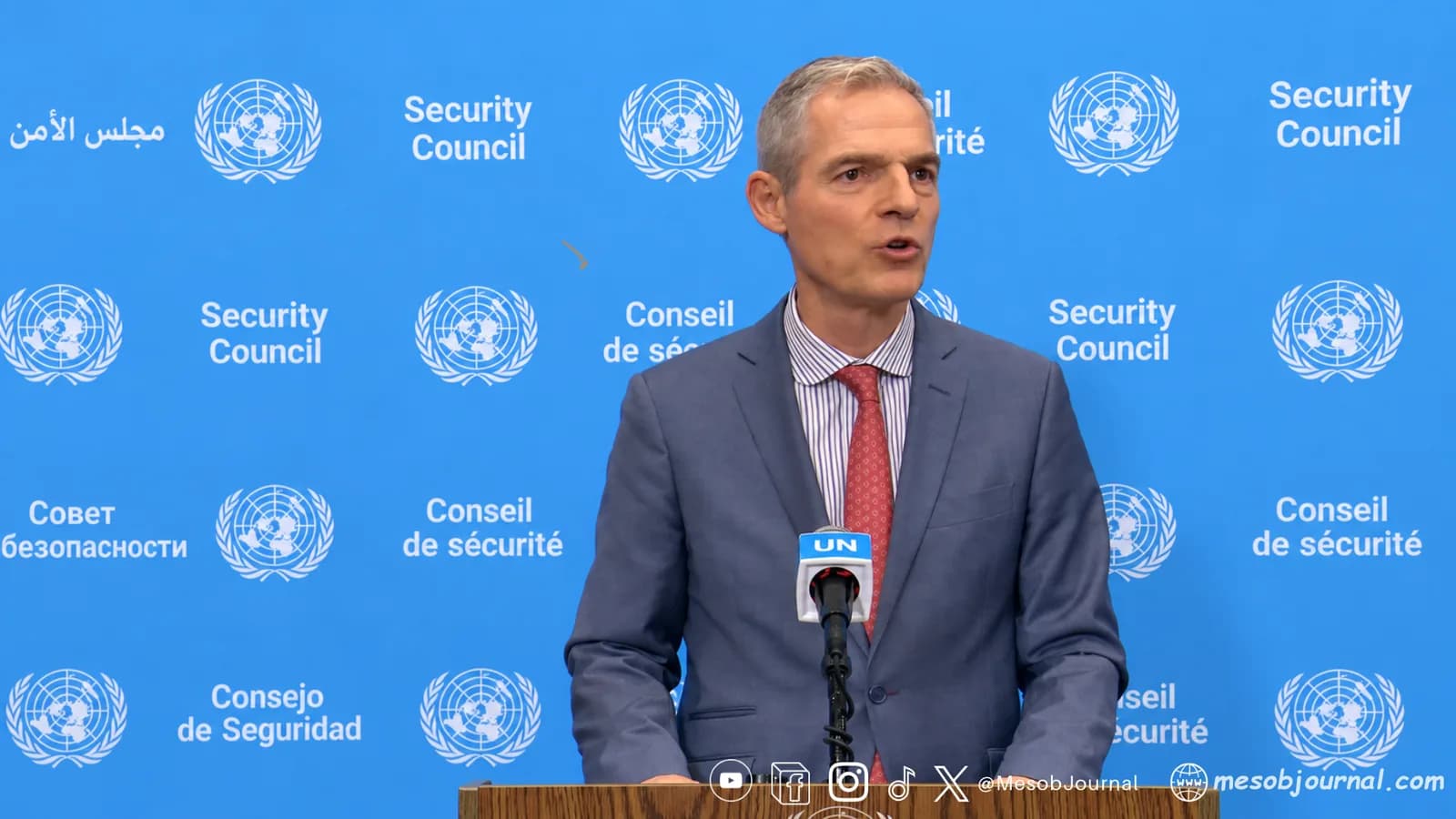
Speaking on behalf of Council members on Friday, September 25, France’s UN Ambassador Jérôme Bonnafont, who holds the rotating Security Council presidency this month, condemned attacks affecting civilian and energy infrastructure in Saudi Arabia and called for an immediate end to the military escalation. The appearance was listed by the United Nations as a Security Council press encounter on Yemen.
Council members also stressed the importance of respecting international law, including the United Nations Convention on the Law of the Sea, and upholding navigational rights and freedoms as fighting increasingly affects areas close to one of the world’s most important maritime corridors.
The statement represents a rare point of agreement among the 15-member Council at a time of wider international divisions over conflicts in the Middle East and elsewhere.
It follows an earlier formal Security Council press statement issued on September 18 on the escalation in Yemen and attacks against Saudi Arabia, indicating that concern over the deteriorating security environment around the Red Sea has been building within the Council rather than emerging only this week.
The Council reaffirmed Saudi Arabia’s inherent right to self-defence under international law and expressed solidarity with the kingdom over attacks affecting civilians and civilian infrastructure.
Members also called for stronger implementation of Security Council Resolution 2216 and increased practical cooperation aimed at restricting the flow of weapons, military-related material, financing and technical assistance to Houthi forces.
The latest diplomatic intervention comes as fighting inside Yemen has moved increasingly close to the Bab el-Mandeb Strait.
UN officials have warned that Houthi advances along Yemen’s western coastline and toward Bab el-Mandeb have increased risks to maritime security and international trade. During recent Security Council discussions, UN officials said fighting had intensified along the west coast, with reports of Houthi forces capturing territory and islands in the southern Red Sea.
Bab el-Mandeb connects the Red Sea with the Gulf of Aden and the wider Indian Ocean, making it a critical route for energy shipments, container traffic and trade between Asia, Europe and Africa.
The worsening conflict is also deepening Yemen’s humanitarian emergency. According to figures cited by AFP from the UN humanitarian system, at least 125,000 people have been displaced across Yemen since the beginning of September as fighting has intensified.
Council members called for unhindered humanitarian access and the immediate release of detained UN, diplomatic and humanitarian personnel, while reiterating support for Yemen’s sovereignty, unity and territorial integrity.
For countries bordering the Red Sea, however, the escalating crisis also raises a wider question over how security in the maritime corridor should be organised.
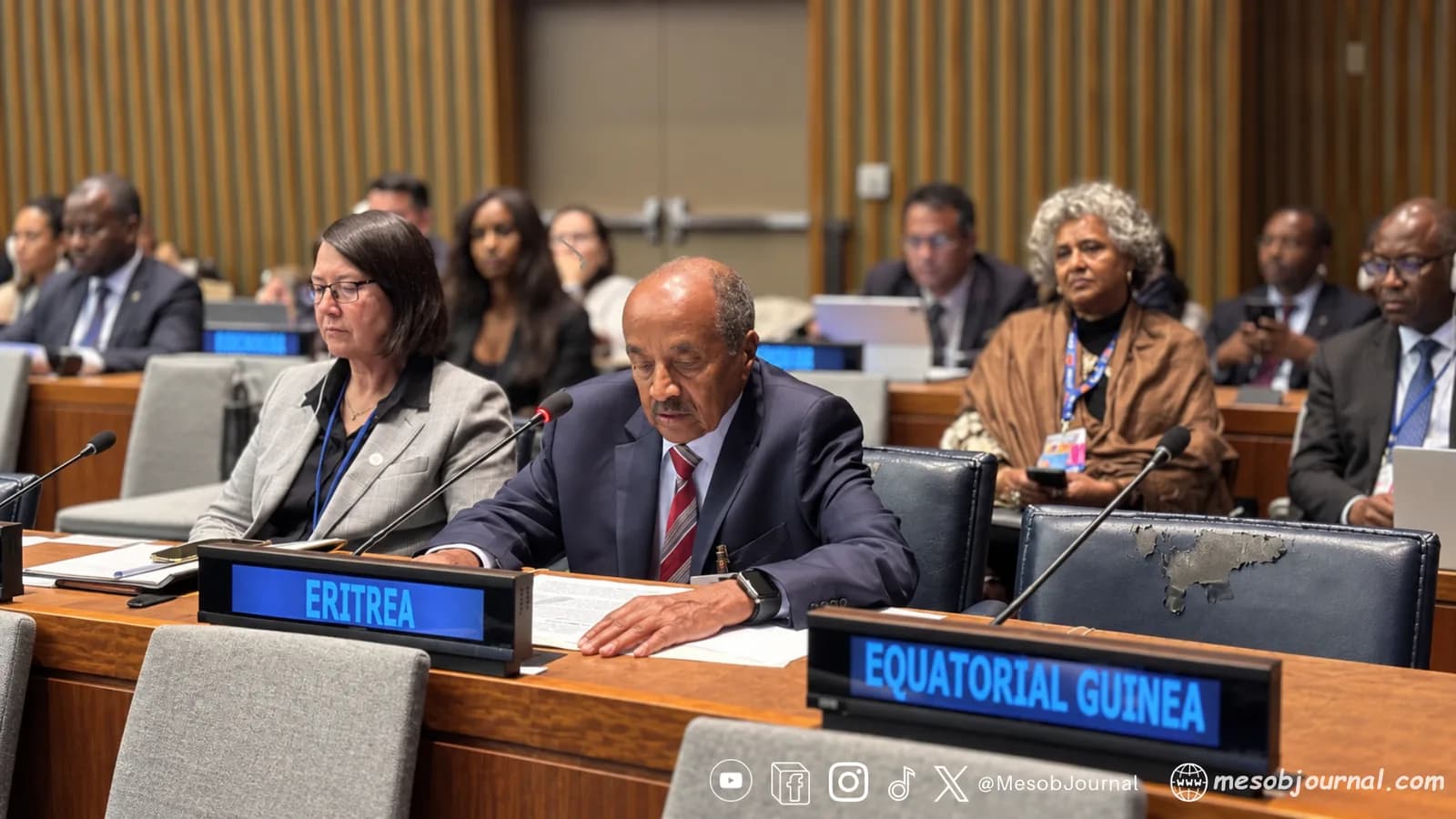
Eritrea has consistently argued that Red Sea littoral states should carry the primary responsibility for securing the waterway.
President Isaias Afwerki said in January that Eritrea’s approach is based on each coastal state developing the capacity to protect its own sector while strengthening cooperation among littoral countries for joint action where necessary. He said additional international mechanisms could be considered within an agreed legal framework if regional capacities proved insufficient.
The issue has also featured prominently in Eritrea’s diplomacy with Egypt and Saudi Arabia.
During talks with a Saudi delegation in February, Eritrean and Saudi officials discussed the role of Red Sea littoral states in maintaining regional peace and security.
Egyptian Foreign Minister Badr Abdelatty later said Cairo and Asmara shared the position that governance and security of the Red Sea and Gulf of Aden should remain primarily the responsibility of the states bordering them. Eritrea and Egypt reiterated that position during subsequent diplomatic exchanges.
The Security Council statement does not establish a new international maritime-security mechanism. It does, however, place freedom of navigation, Red Sea shipping and Bab el-Mandeb security firmly within the Council’s response to the expanding Yemen crisis.
As fighting moves closer to the southern entrance of the Red Sea, the relationship between international efforts to protect commercial navigation and regional efforts led by littoral states is likely to receive increasing diplomatic attention.