We use cookies to improve your experience, analyze traffic, and show relevant content. You can accept all, reject non‑essential, or manage preferences.
Chronological archive
All published stories, starting with the most recent.

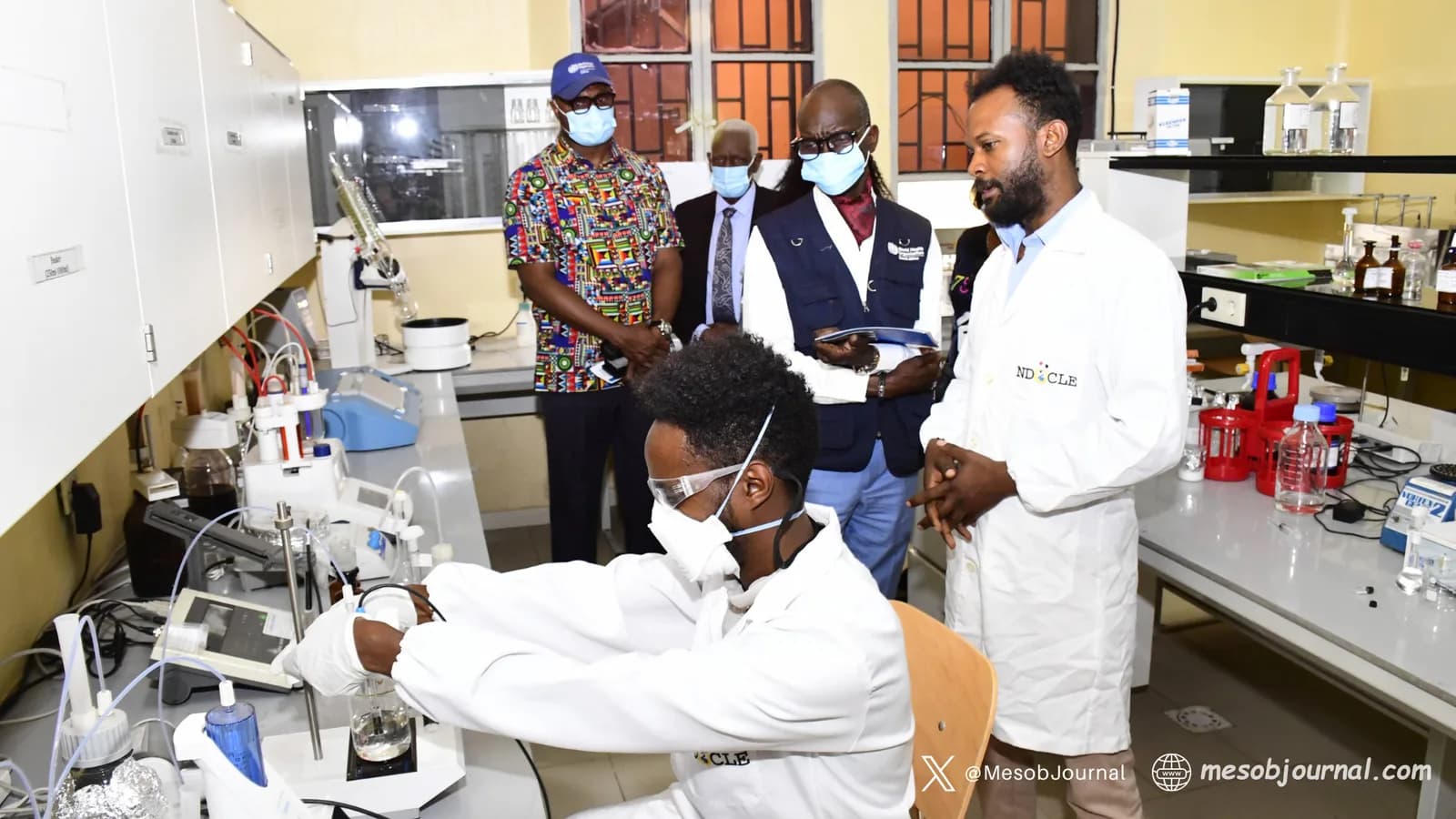
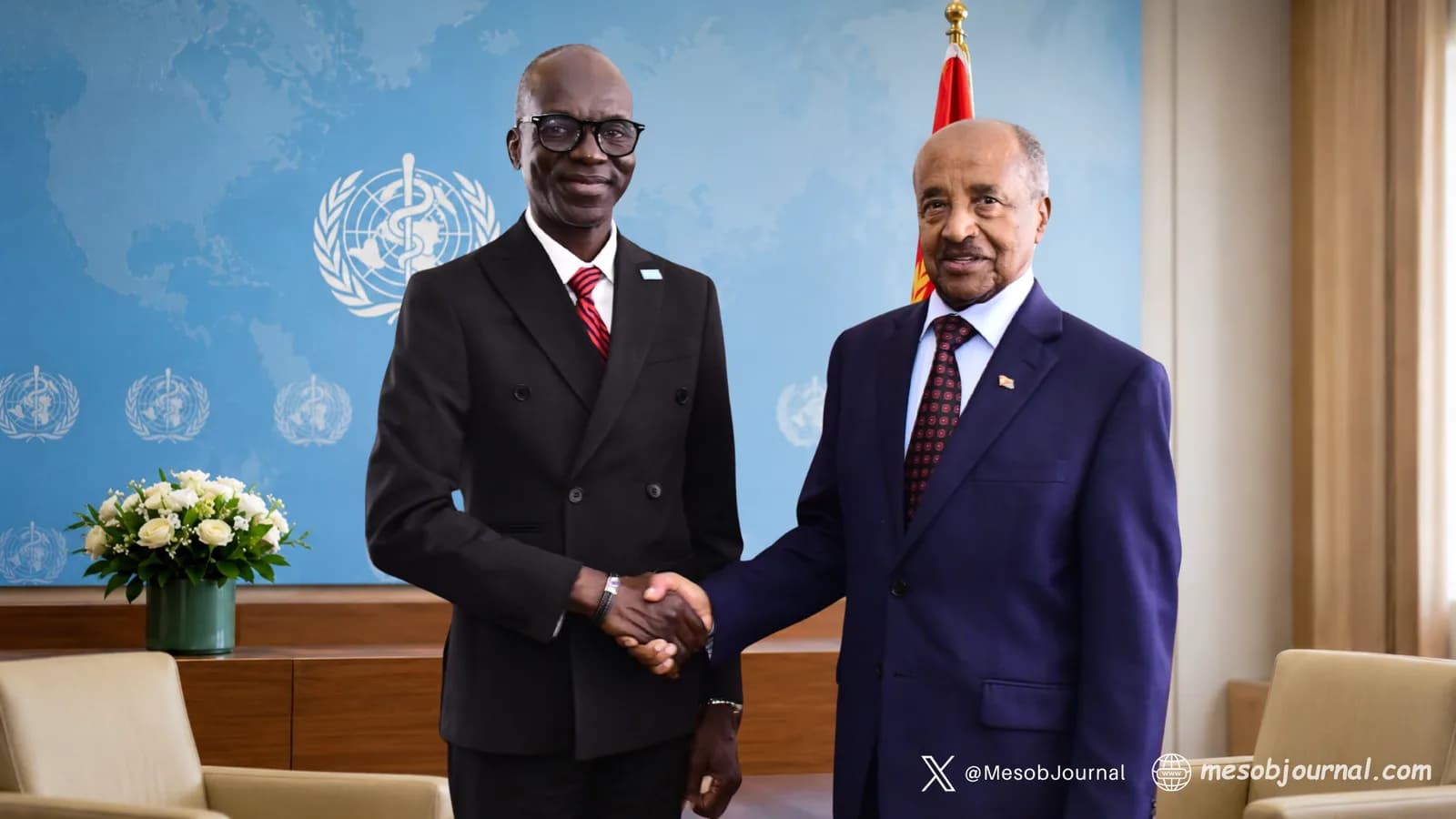
WHO Africa Chief Professor Mohamed Yakub Janabi praised Eritrea's health system during his recent visit, highlighting its focus on primary healthcare, community services, and local pharmaceutical production. The visit underscored Eritrea's commitment to health equity and preventi

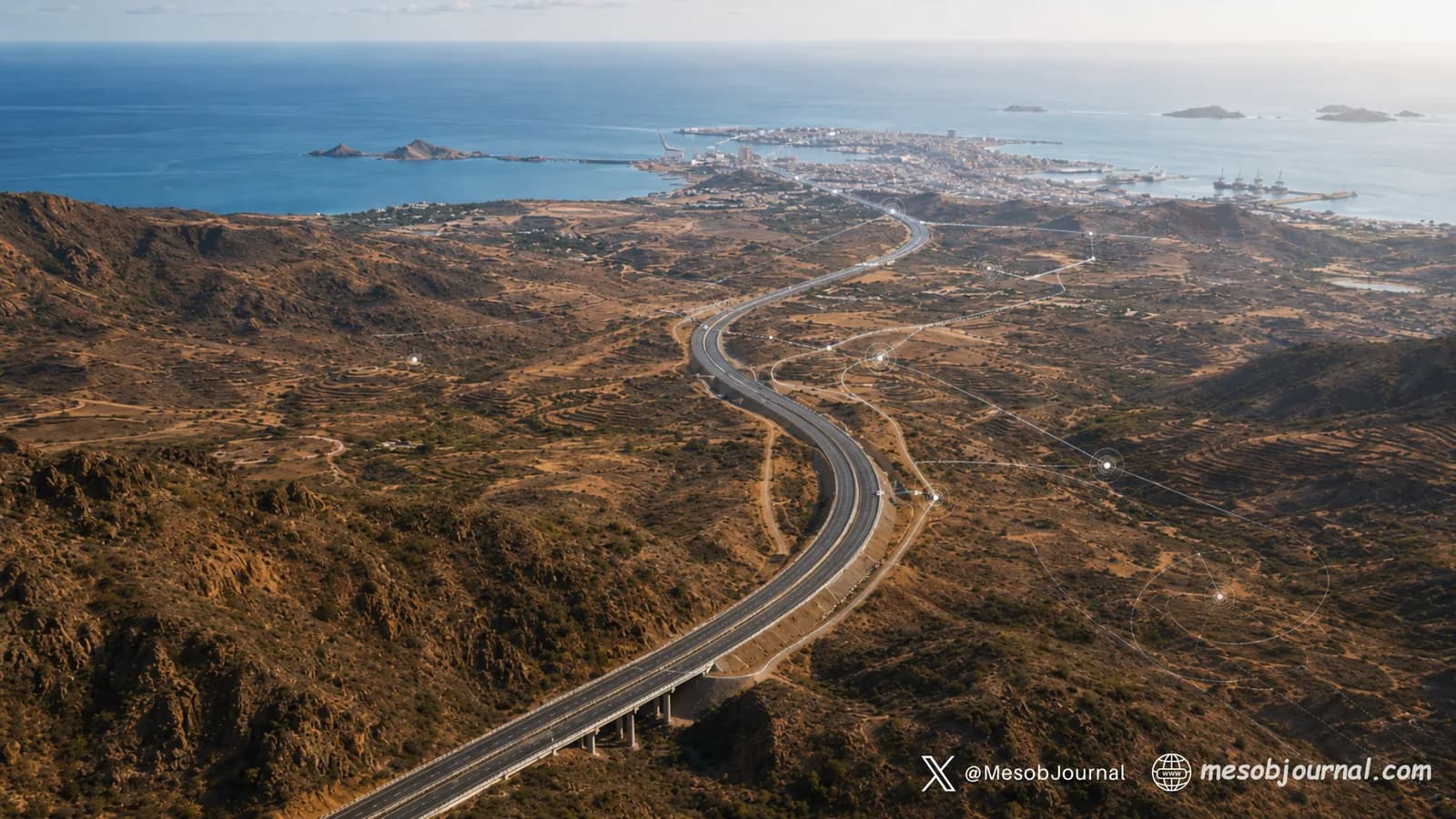
Eritrea is advancing its Massawa to Tesseney Road and Coastal Area Infrastructure Development Project, supported by the African Development Bank. The project aims to enhance transport connectivity and regional integration, with a focus on feasibility studies and preparations for

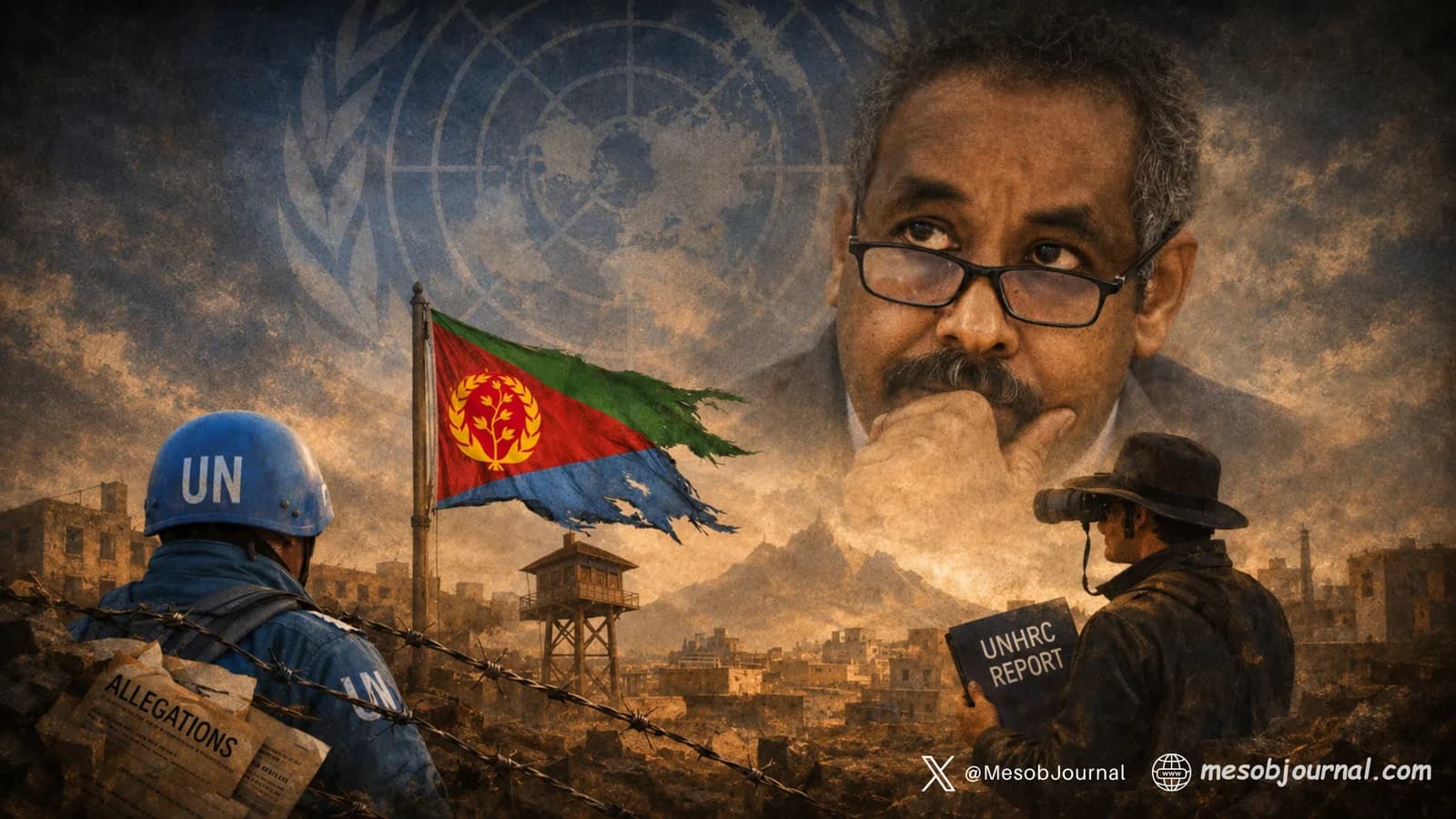
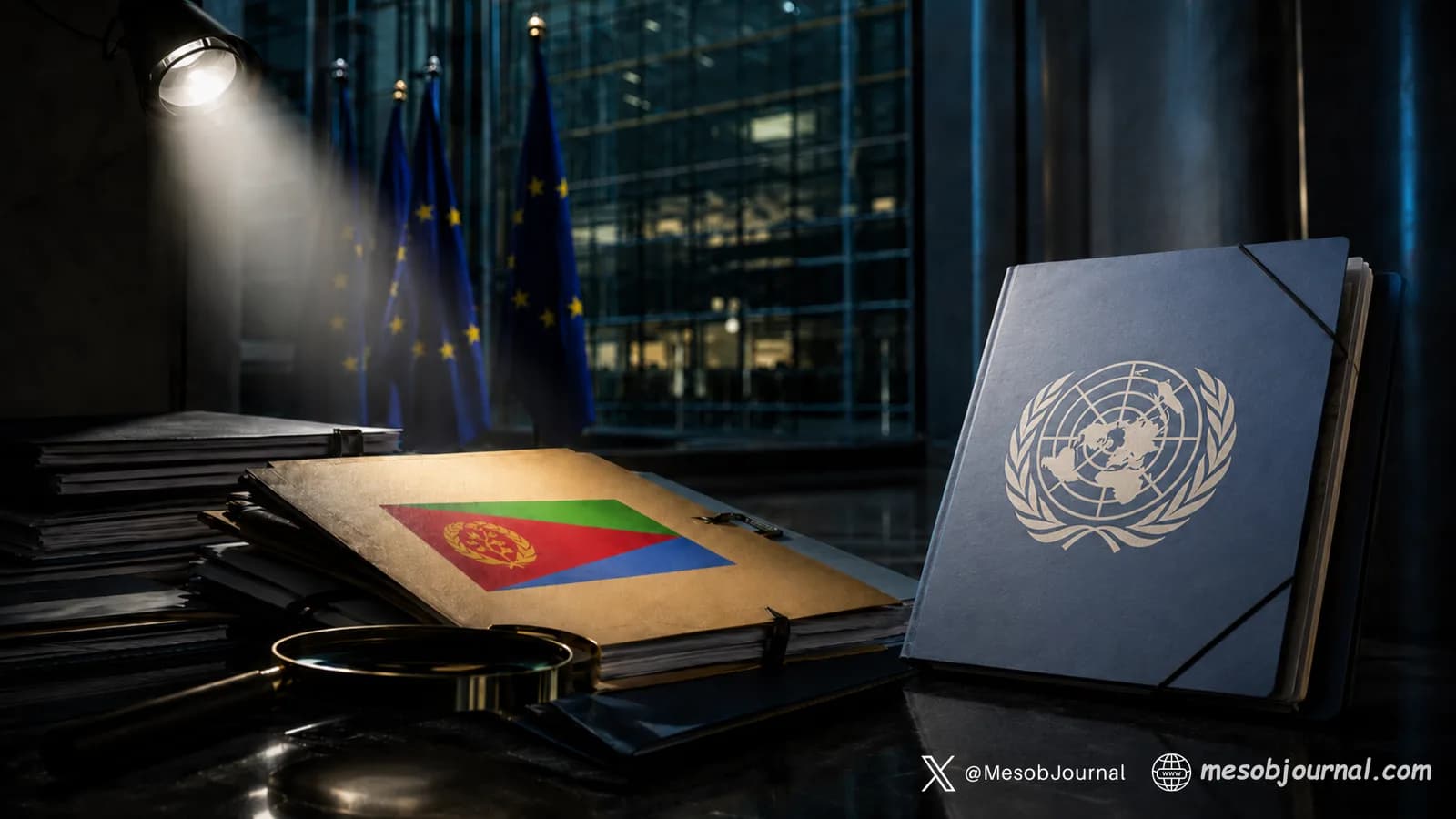
The article critiques the UN's ongoing scrutiny of Eritrea, highlighting the hypocrisy in its human rights mandate. It argues that the UNHRC's selective enforcement undermines its principles of universality and impartiality.

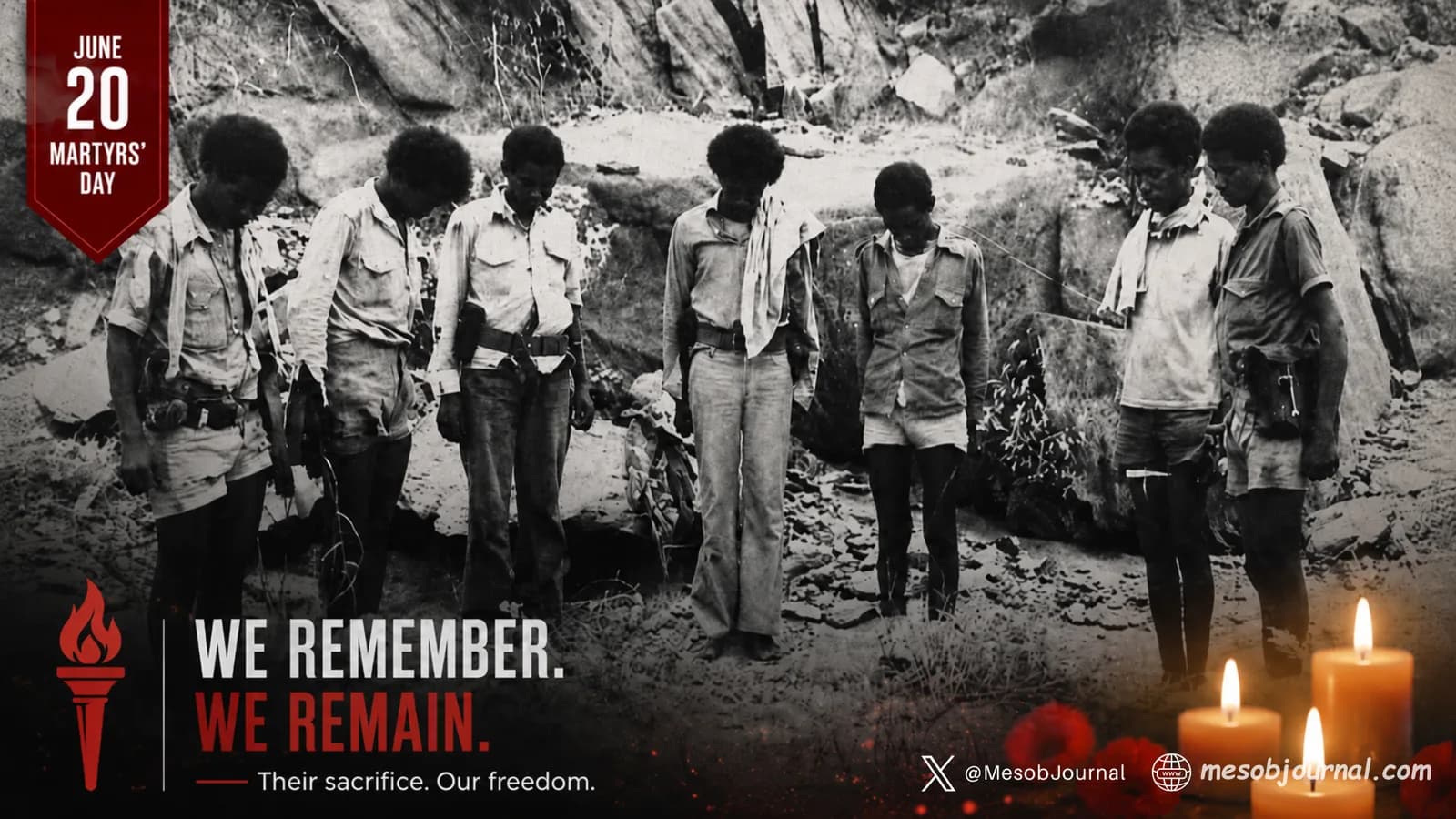
On June 20, Eritrea commemorates the sacrifices of those who fought for its independence. This day honors the martyrs who paid the ultimate price for freedom and dignity, reflecting on the nation's long struggle against foreign domination.

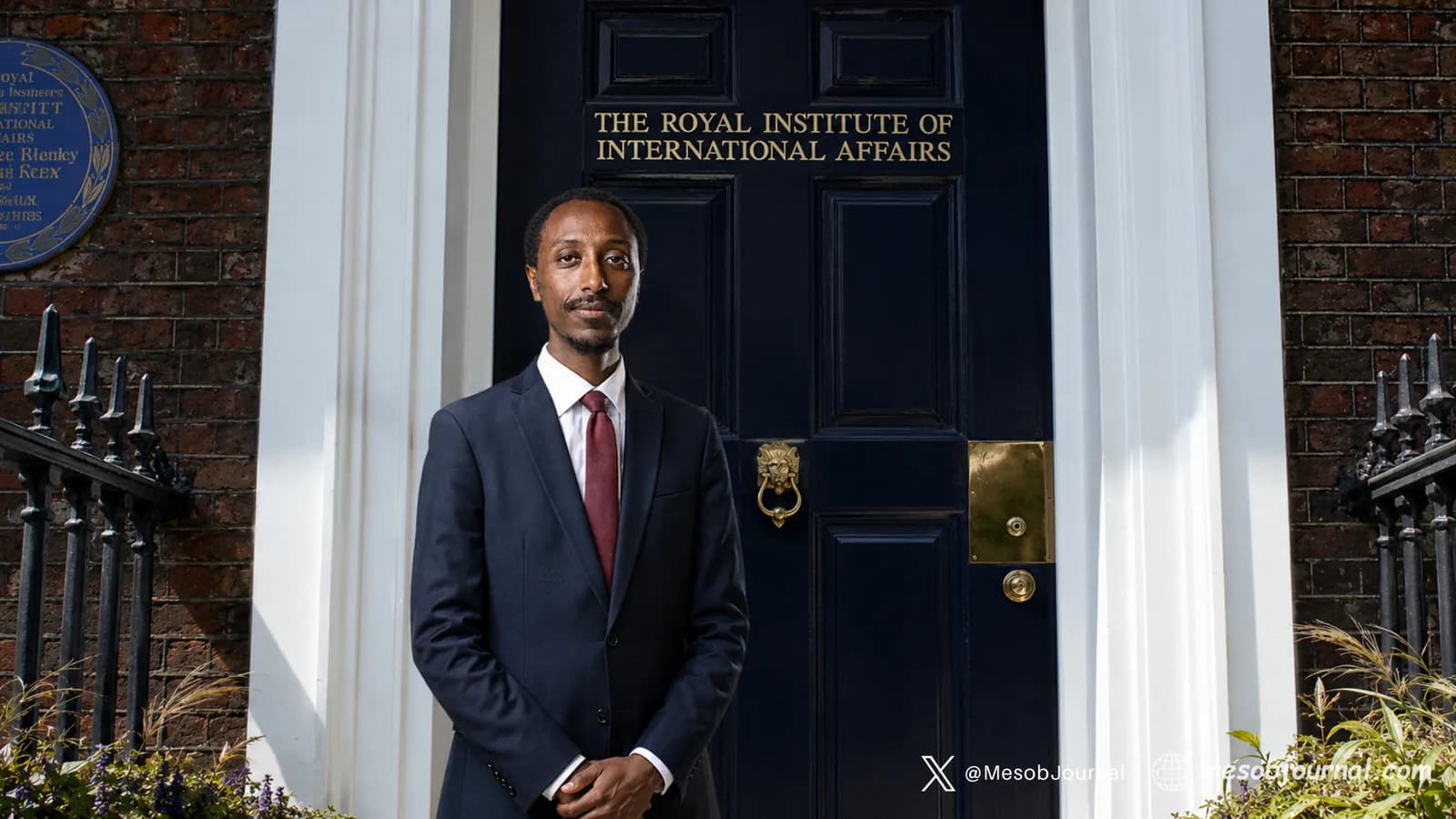
Ethiopia's foreign minister, Gedion Timothewos, presented a vision of regional cooperation at Chatham House, but his message clashed with Ethiopia's historical grievances regarding maritime access. The duality of Ethiopia's diplomatic language raises questions about its intention

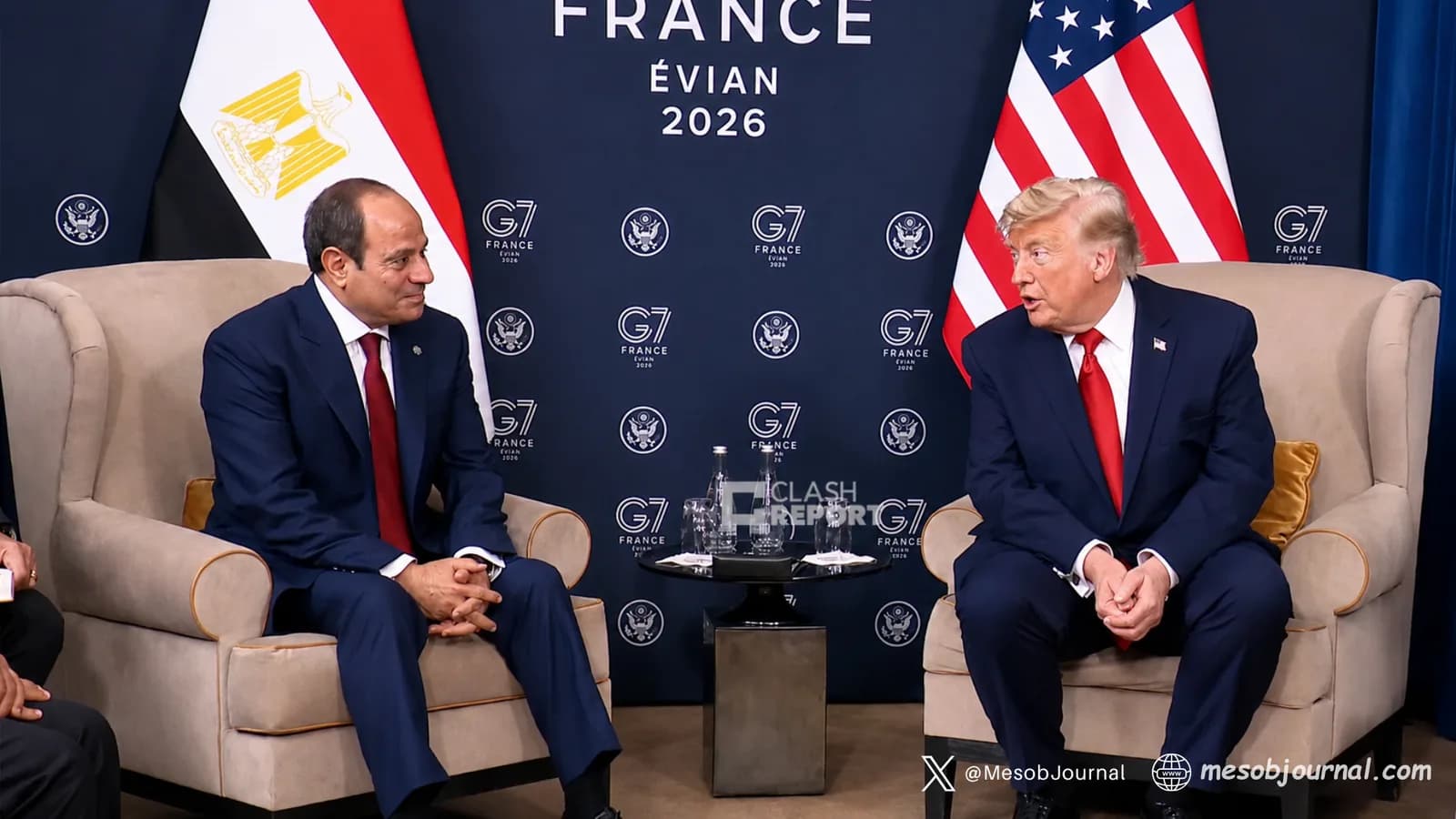
Donald Trump’s comments at the G7 summit regarding the Grand Ethiopian Renaissance Dam have reignited tensions over the Nile dispute, highlighting the regional implications for Egypt and Sudan. Ethiopia's approach to the dam has raised concerns about its impact on neighboring cou

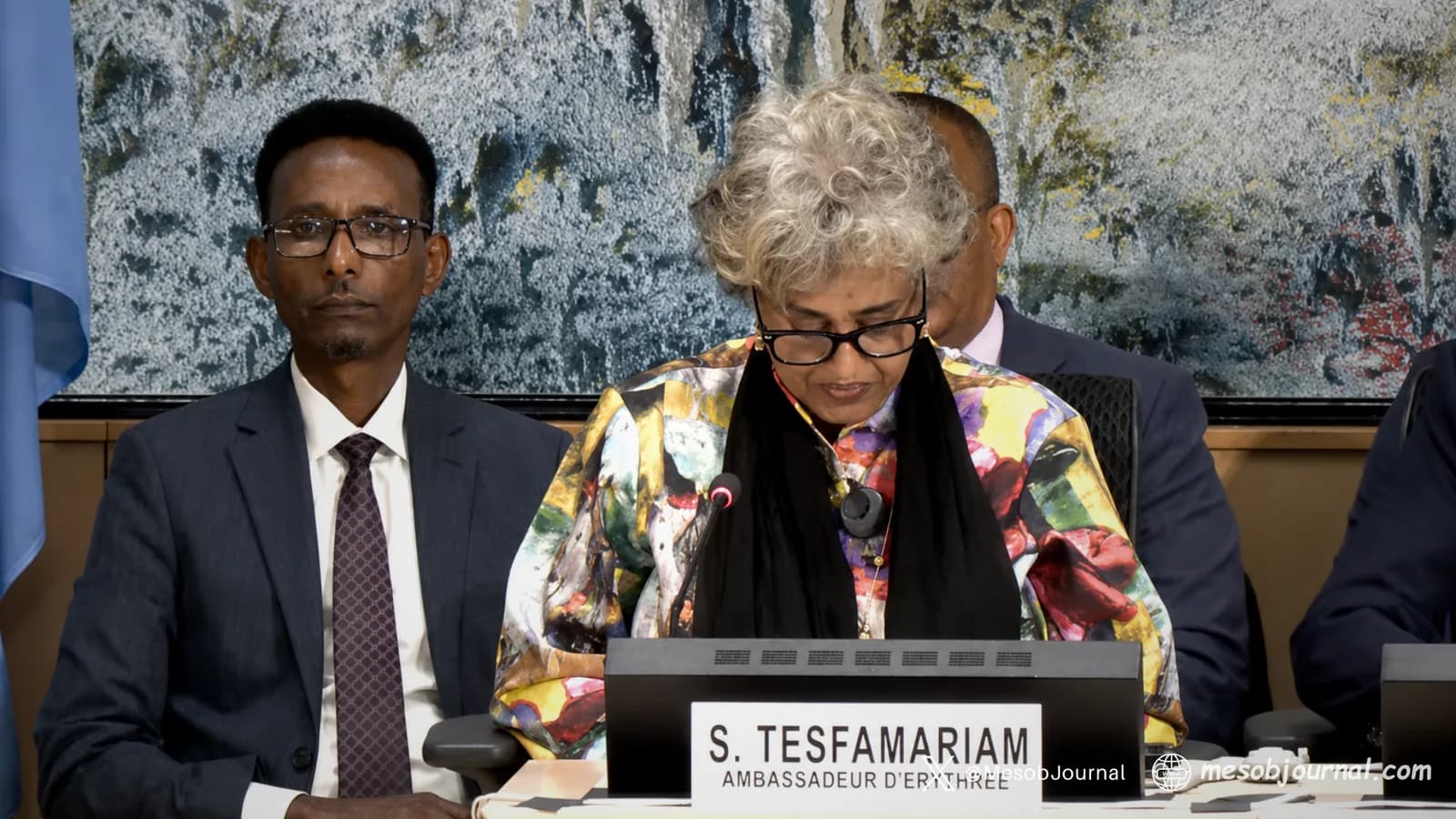
Eritrea has rejected a UN Human Rights Council report, claiming it is methodologically flawed and politically biased. The country argues that the report overlooks its development progress and relies on unverified sources.

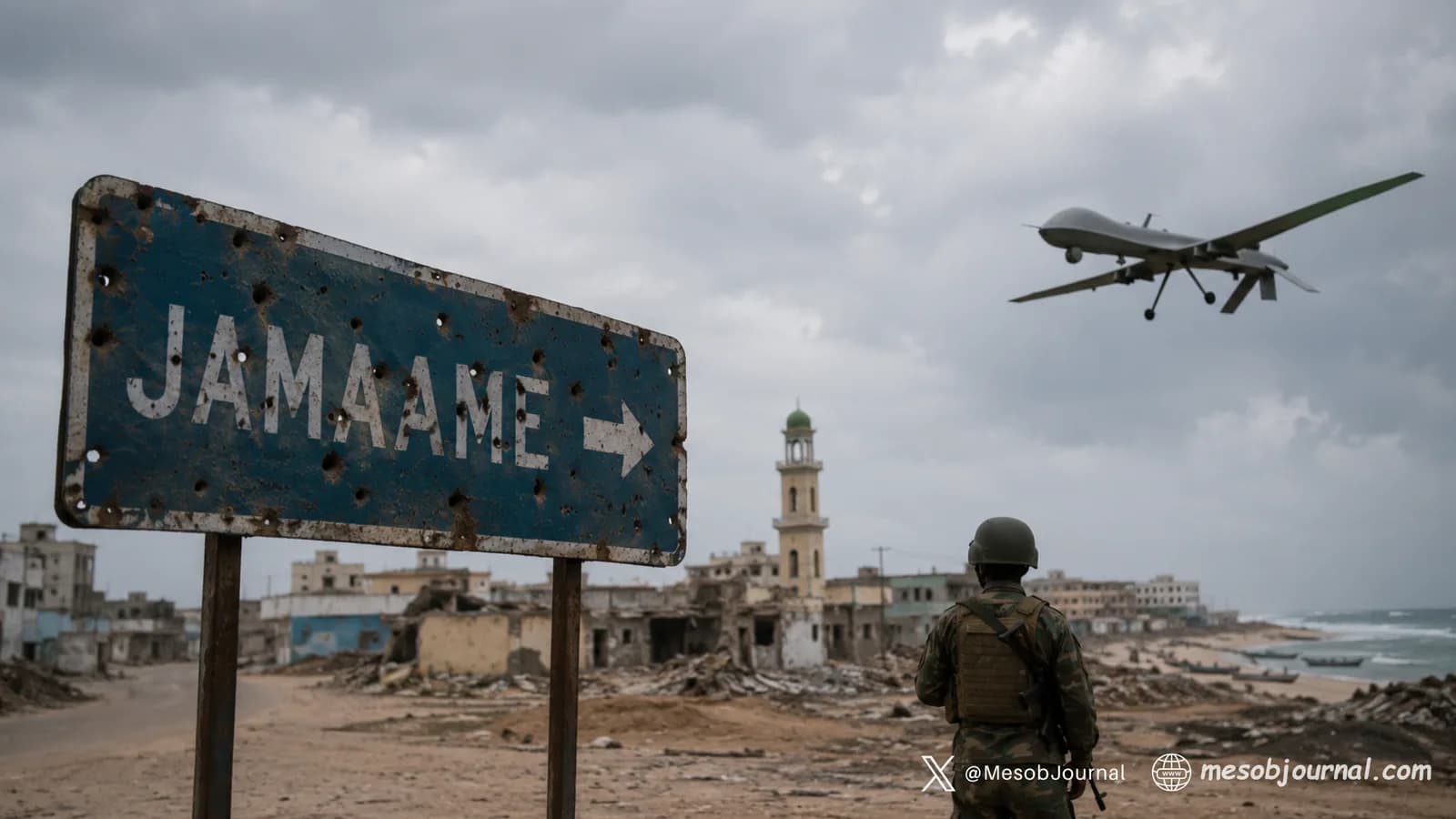
A recent investigation reveals the civilian toll of U.S. drone strikes in Somalia, highlighting the deaths of 12 civilians, including children, in a targeted operation. This raises critical questions about accountability and the treatment of African lives in international militar

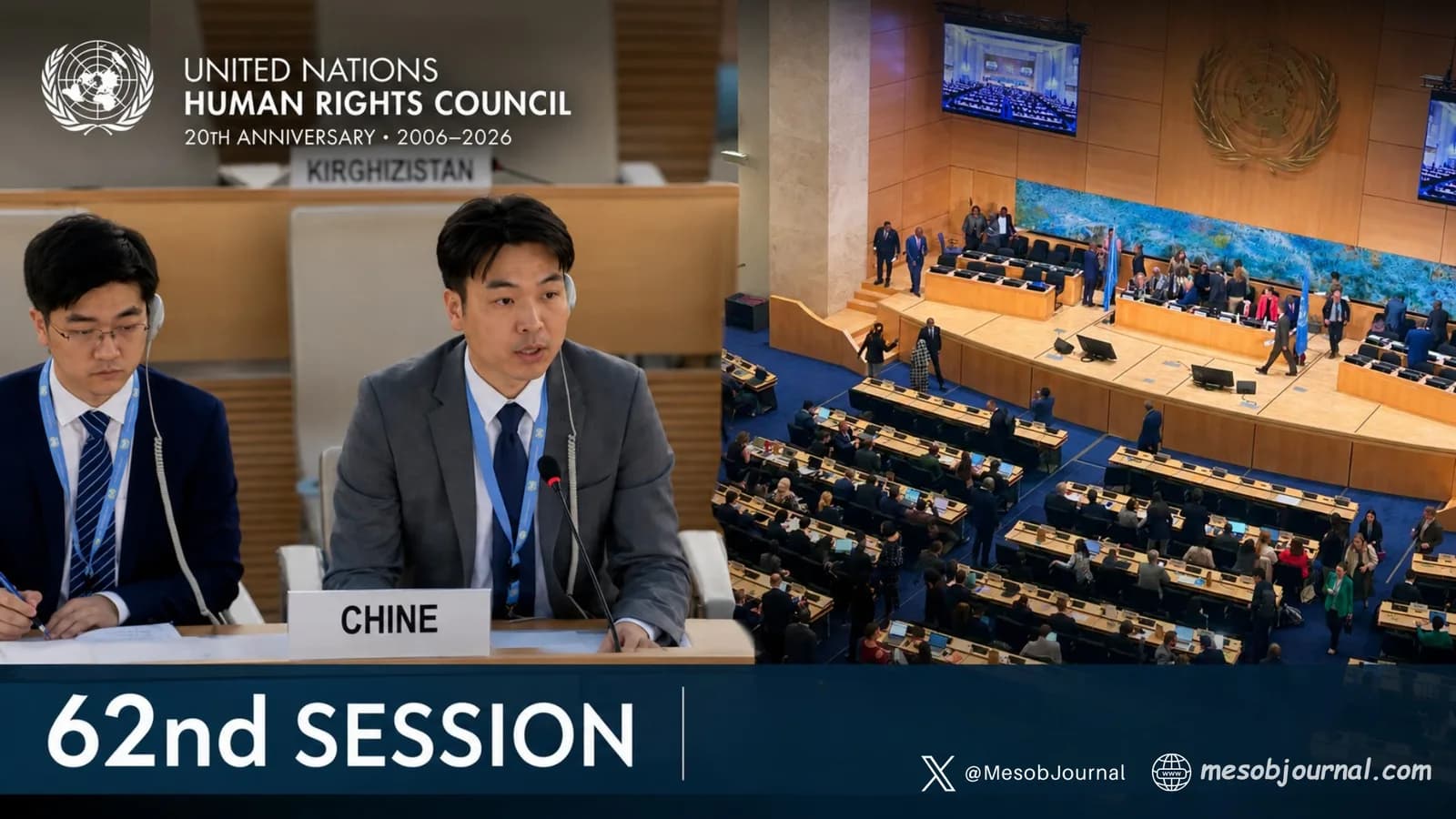
China's recent statement at the UN Human Rights Council criticized the ongoing country-specific mandate on Eritrea, highlighting its failure to promote human rights and calling for a reevaluation of the Council's approach. This intervention reflects a broader ideological divide w

The European Union's recent statement on Eritrea reflects a continued reliance on outdated approaches that Eritrea rejects. The article argues for equal treatment and constructive engagement rather than politicized human rights mechanisms.

Eritrea has introduced a WHO-prequalified rapid test for screening pregnant women for HIV, syphilis, and hepatitis B in a single visit. This initiative supports the country's commitment to eliminating mother-to-child transmission of these infections.

The article challenges the narrative that Eritrea has the most closed economy in Africa, arguing instead that it follows a sovereignty-first development model. It critiques the oversimplified views on national service and economic structure, emphasizing strategic gatekeeping.