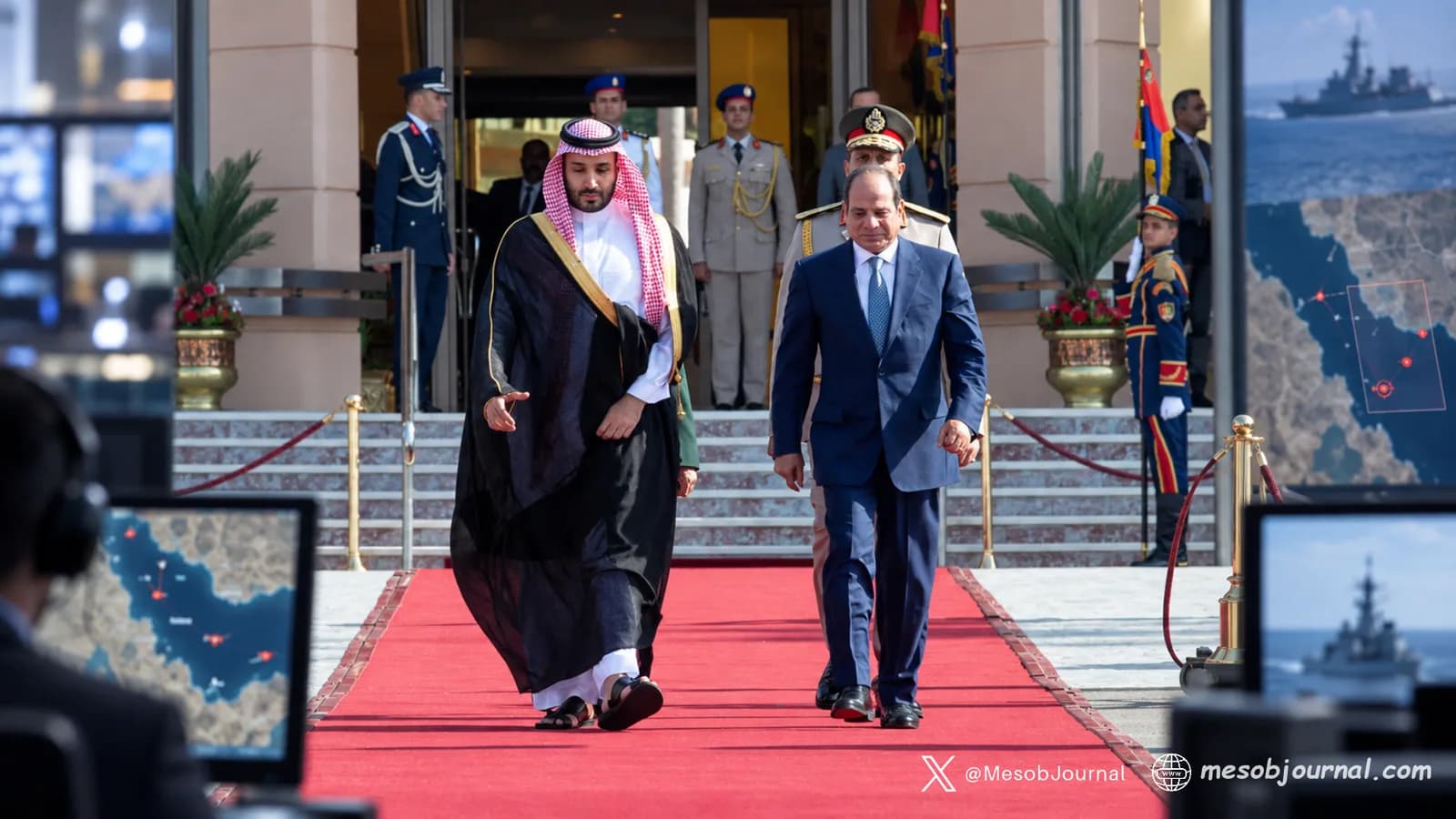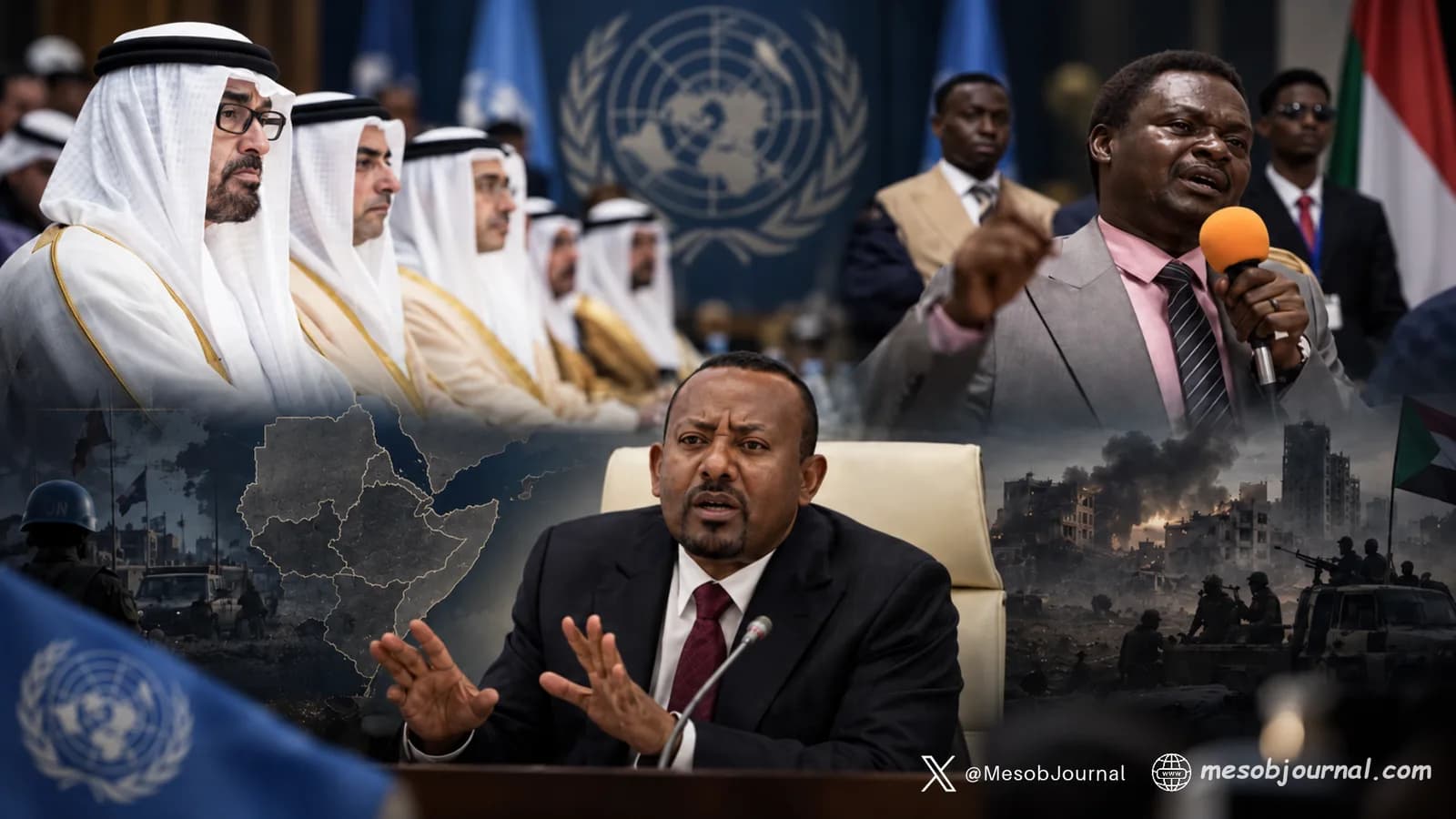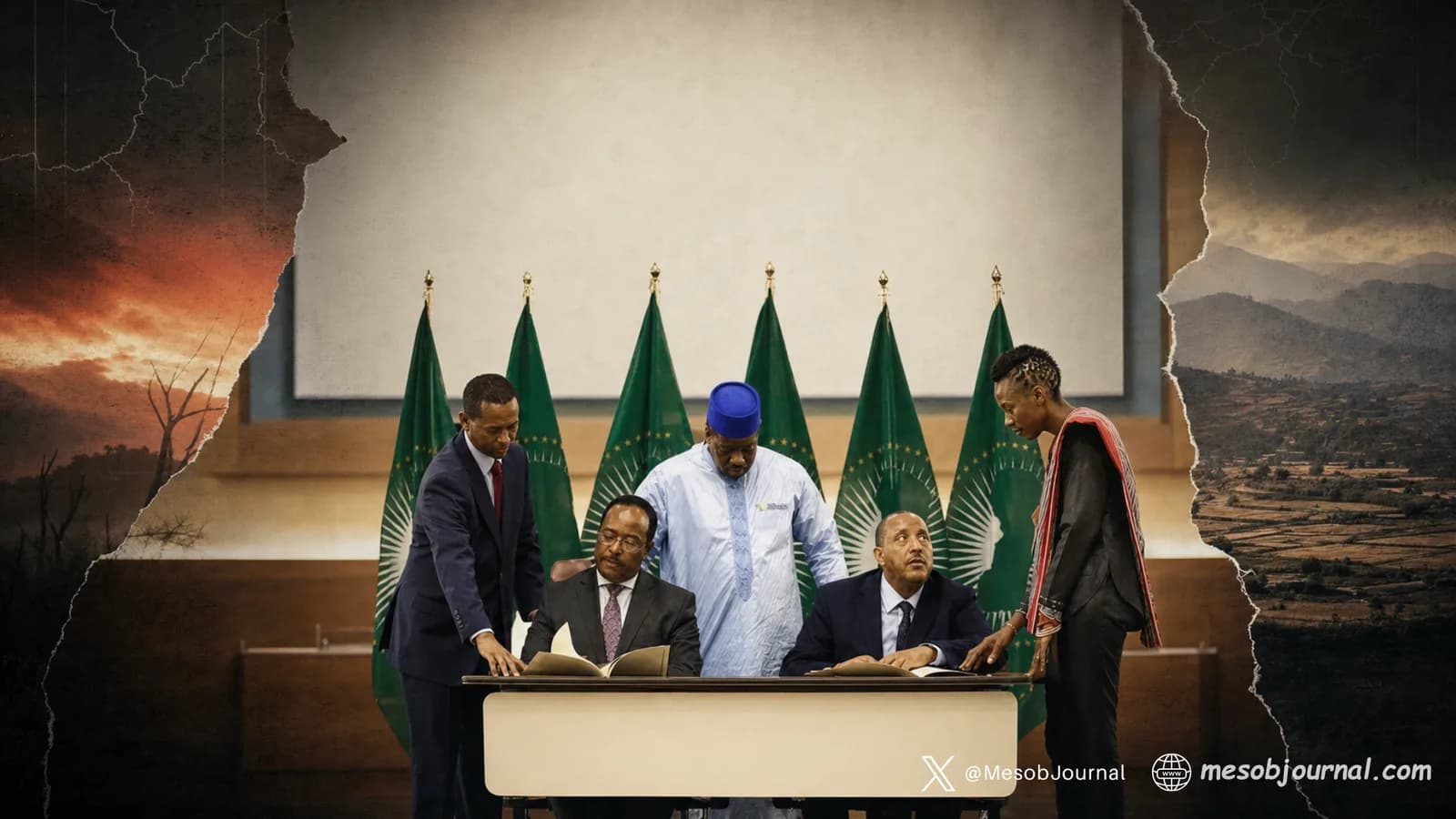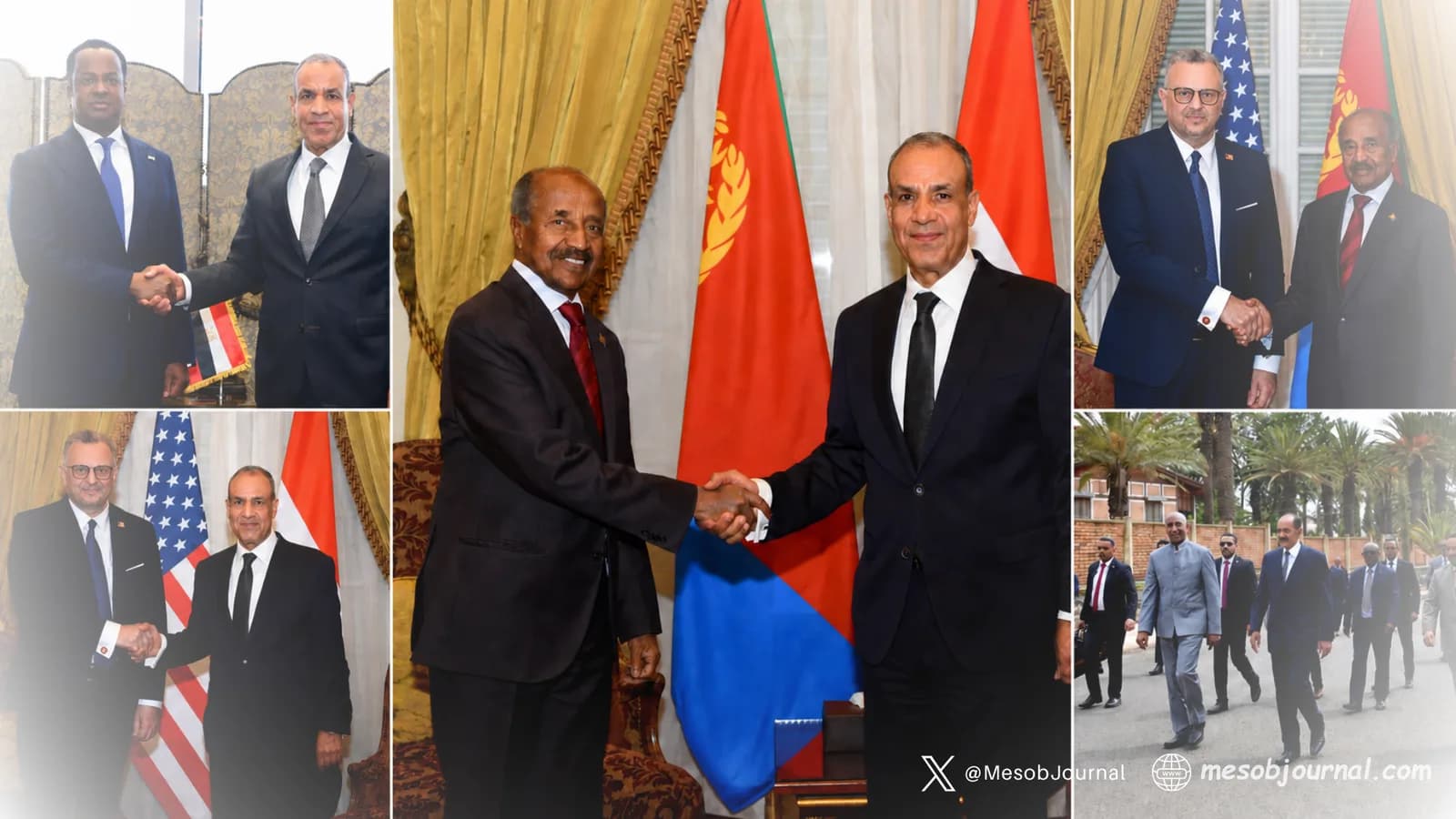

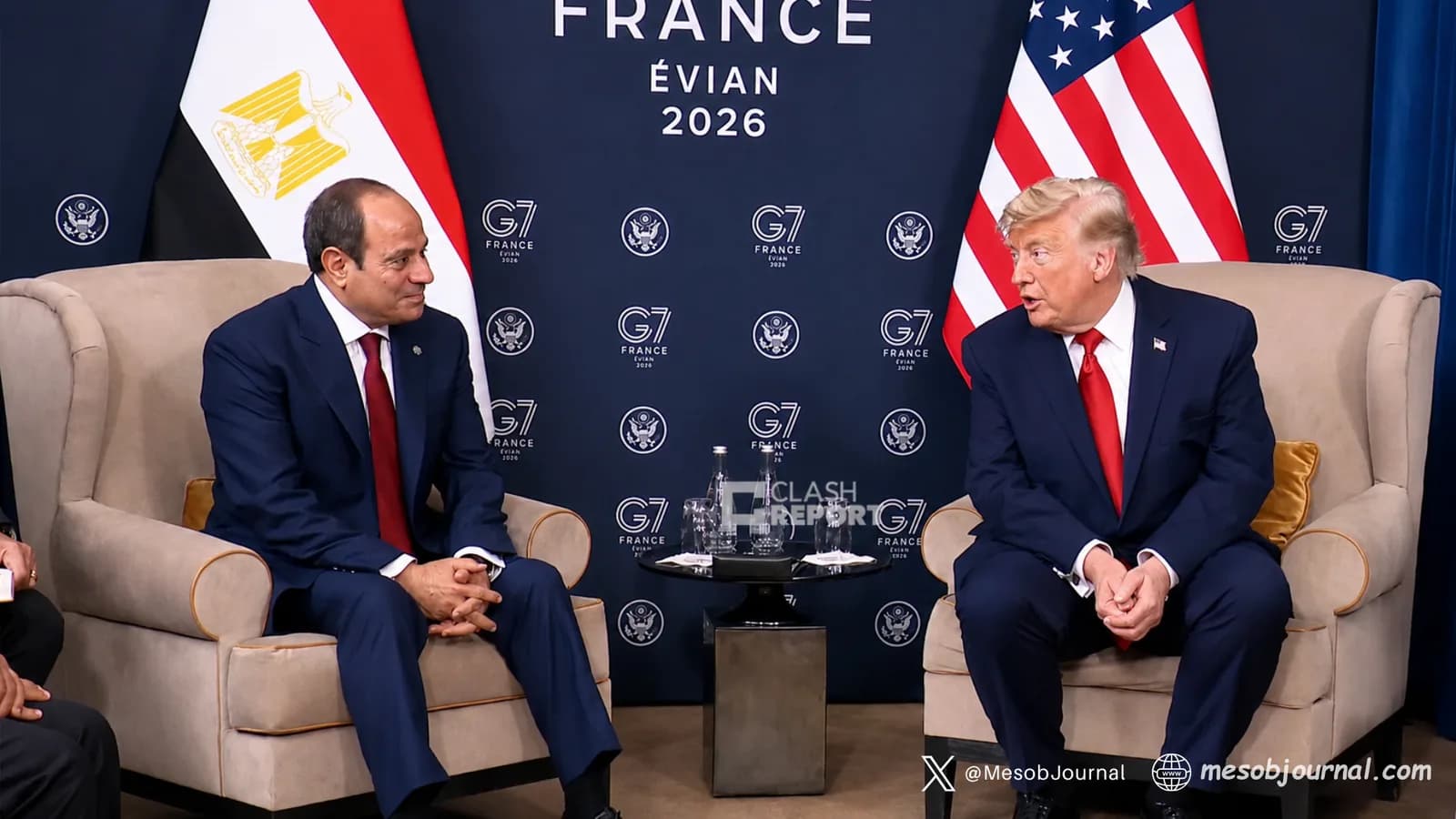
On the sidelines of the G7 summit, Donald Trump sat down with Egyptian President Abdel Fattah el-Sisi and delivered unusually blunt remarks on the Nile dispute. The comments were brief, but in the Horn of Africa, they landed with far more weight than a passing moment.
Speaking about the Grand Ethiopian Renaissance Dam, Trump said Egypt had been “very unfairly treated” and described the Nile as “getting a little emptier than it should be.” He said the dam built in Ethiopia was “causing tremendous problems for Egypt” and added that he was “very aware” of the issue.
Then he went further.
Trump claimed he had once had the dispute “settled” before, in his words, “a rigged election” brought in people who “didn’t know too much about that deal.” Whatever one thinks of Trump’s language, the political meaning was clear: Washington is again looking at the Nile dispute not as an isolated Ethiopian development project, but as a regional security question involving Egypt, Sudan and Ethiopia.
That is precisely the point Addis Ababa has tried to avoid.
For years, Prime Minister Abiy Ahmed’s government has presented the dam as a symbol of Ethiopian pride, national revival and sovereign development. No serious observer denies Ethiopia’s right to development. No African state should be asked to remain poor in order to satisfy old colonial-era arrangements or outdated power structures.
But development does not remove responsibility. A dam on a river shared by more than one nation cannot be treated as a domestic monument alone. It affects downstream countries, downstream populations and downstream security calculations. Egypt’s concern is not imaginary. Sudan’s interest is not secondary. The Nile is not a private political stage for any one government.
That is where Abiy Ahmed’s politics have become dangerous.
Instead of approaching Cairo with patience, transparency and good faith, his government has repeatedly turned serious regional disputes into fuel for domestic mobilization. When Egypt defends its water security, Addis Ababa frames it as hostility. When Egypt works with Somalia, it becomes “encirclement.” When Egypt and Eritrea deepen relations, it is presented as a move against Ethiopia. When Egypt supports Sudan’s legitimate state institutions, it is folded into the same narrative of siege.
Abiy Ahmed leads a country facing deep internal fractures, armed conflict, ethnic polarization and growing distrust between the center and several regions. In that environment, external enemies become politically useful. They offer a ready-made explanation for domestic failure. They turn criticism into betrayal. They allow the government to tell its supporters that Ethiopia is not suffering because of misrule, militarization or broken promises, but because foreign powers are conspiring against it.
Egypt has become one of the most convenient scapegoats.
Eritrea has seen this pattern before. The same political machinery that speaks of peace abroad often feeds suspicion at home. The same leadership that calls for dialogue over sea access has allowed media, military voices and political actors to normalize expansionist language around the Red Sea. The same government that says it respects sovereignty signed a controversial arrangement with Somaliland that Somalia viewed as a direct violation of its territorial integrity.
Then, when Somalia defended its sovereignty and found partners, Addis Ababa acted surprised.
This is the contradiction at the center of Ethiopia’s current regional posture. It wants its own interests treated as sacred, while the interests of its neighbors are treated as provocations. It wants access, influence and leverage, but resents others for building their own alliances. It wants the Nile discussed as Ethiopian sovereignty, the Red Sea discussed as Ethiopian destiny, Somalia’s coastline discussed as Ethiopian necessity, and Egypt’s security concerns dismissed as paranoia.
That approach cannot produce stability.
Trump’s senior adviser for Arab and African affairs tried to soften the message by quoting Trump’s January letter to President Sisi: “I understand the deep significance of the Nile River to Egypt and its people, and I want to help you achieve an outcome that assures the water needs of Egypt, the Republic of the Sudan, and Ethiopia, long into the future.”
The wording is diplomatic and names all three countries. It presents the American position as balanced. But the timing and context are impossible to ignore. Trump’s spoken remarks were far more sympathetic to Egypt’s complaint than to Ethiopia’s narrative. His language did not treat Cairo as an aggressor. It treated Cairo as a country with a legitimate grievance.
Ethiopia has worked hard to portray any pressure over the dam as anti-Ethiopian hostility. But the issue has never been whether Ethiopia can generate electricity or develop infrastructure. The issue is whether Addis Ababa can impose facts on the Nile without a binding, trusted and durable framework with downstream states.
A genuine leader would sit with Sisi and Sudanese authorities in good faith. A responsible government would lower the temperature, acknowledge the fears of downstream populations and work toward a practical settlement that protects development and water security together.
Instead, Abiy’s government keeps choosing political theater.
The Horn of Africa needs statesmanship. It needs respect for borders, seriousness in negotiations and an end to the habit of turning every neighbor’s sovereign decision into an Ethiopian domestic propaganda campaign.
Egypt’s relations with Eritrea are not automatically anti-Ethiopian. Egypt’s support for Somalia’s institutions is not automatically anti-Ethiopian. Egypt’s position on Sudan is not automatically anti-Ethiopian. These are sovereign states pursuing their interests in a region where Ethiopia itself has made aggressive moves, signed controversial deals and repeatedly raised the stakes.
Addis Ababa cannot light fires across the neighborhood and then complain about the smoke.
Trump’s remarks should be read as a warning. The Nile dispute is back on the international agenda. Egypt is being heard. Sudan cannot be ignored. Ethiopia’s attempt to turn the dam into a shield against accountability is weakening.
The solution is not war, threats or propaganda. The solution is direct, serious negotiation.
If Abiy Ahmed truly believes in regional peace, he should stop searching for enemies and start building trust. He should stop telling Ethiopians they are being encircled every time a neighboring country acts in its own interest. He should stop using Egypt, Eritrea, Somalia and Sudan as mirrors for Ethiopia’s internal crisis.
The Nile requires maturity. The Red Sea requires restraint. The Horn of Africa requires leaders who can separate national interest from political theatre.
Trump said Egypt had been unfairly treated. Whether Addis Ababa likes it or not, that statement reflects a wider reality now taking shape: Ethiopia’s neighbors are no longer willing to accept unilateral moves wrapped in nationalist language.
The region is changing. The old excuses are running out.