
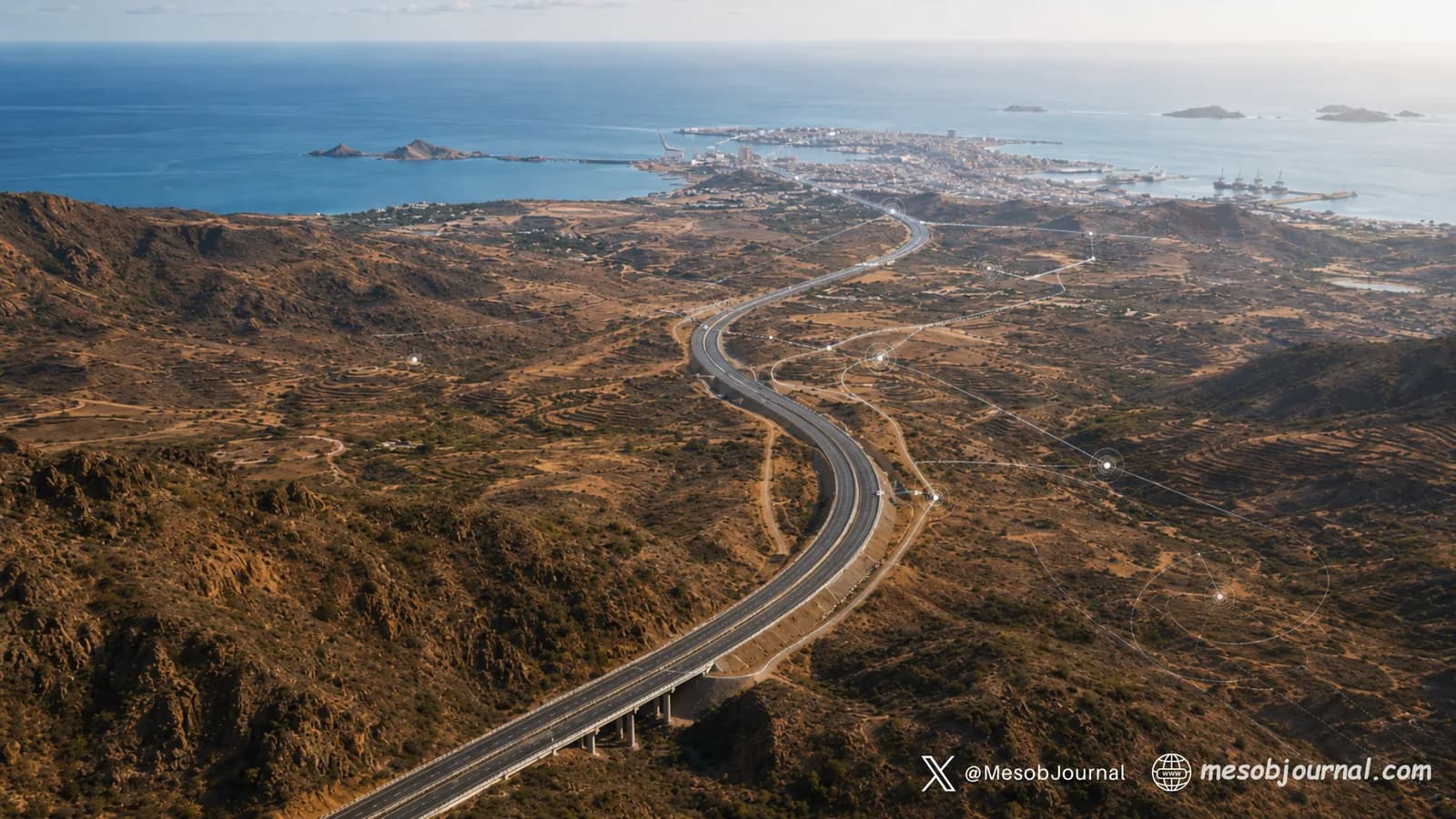
Eritrea has moved a step closer to preparing one of its most strategically important transport and coastal infrastructure projects, after the African Development Bank published a general procurement notice for the Massawa to Tesseney Road and Coastal Area Infrastructure Development Project.
The notice, dated June 19, 2026, confirms that the Government of the State of Eritrea has received financing from the African Development Fund to support the study update for the project. The work is intended to improve Eritrea’s readiness for a bankable infrastructure intervention that could attract financing for implementation.
According to the procurement notice, the project’s principal objective is to improve Eritrea’s domestic and regional transport connectivity in support of economic development. More specifically, it will update studies for the Massawa to Tesseney road and related coastal area infrastructure, including economic analysis, trade and regional integration assessment, technical studies, environmental and social assessment, climate change analysis, and gender considerations.
The project is organized around two main components: a feasibility study for the Massawa to Tesseney Road and Coastal Area Infrastructure Development, and project management.
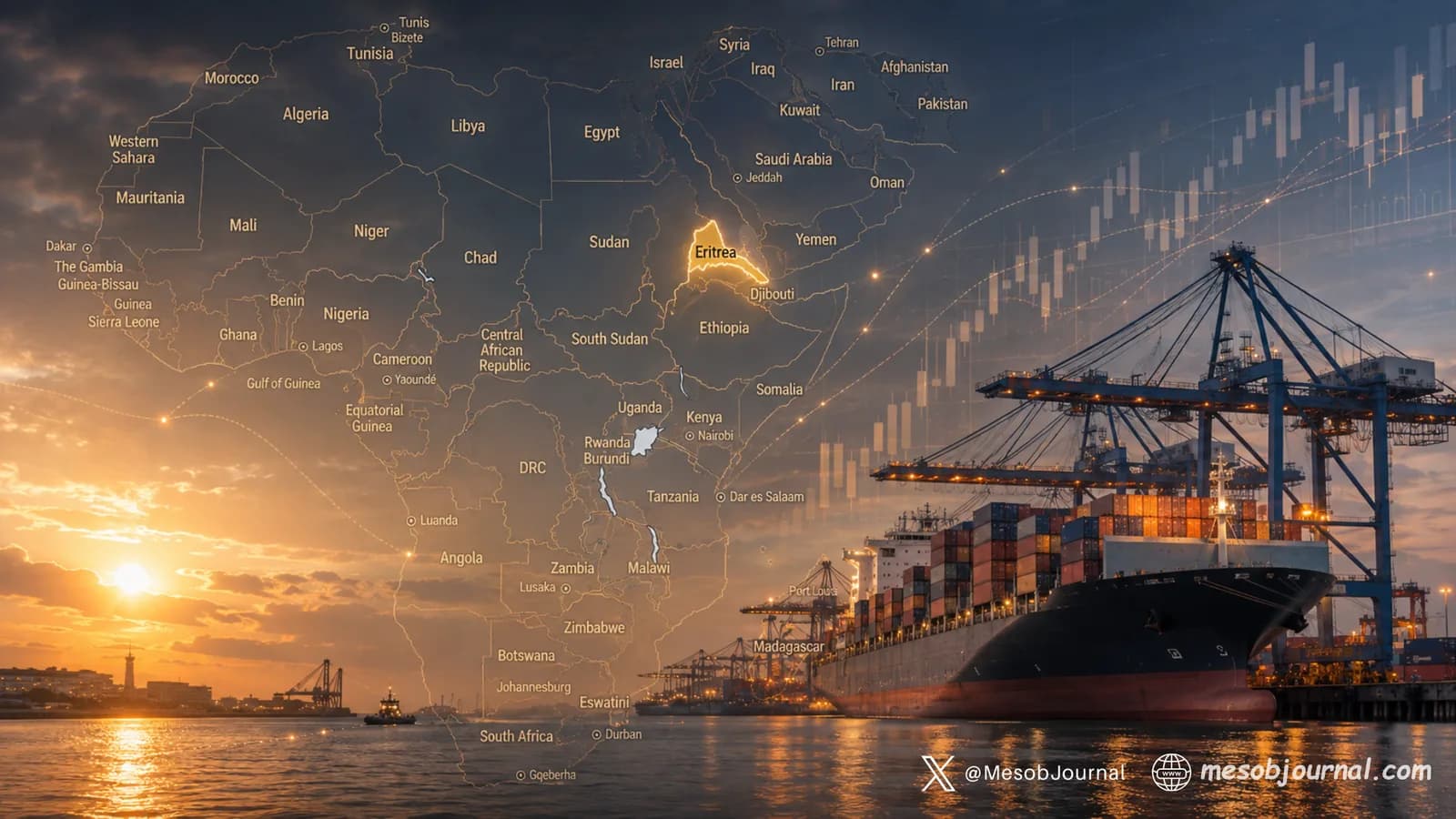
The Massawa–Tesseney corridor carries clear national and regional significance. Massawa, located on the Red Sea, is one of Eritrea’s most important maritime gateways. Tesseney, in the western lowlands near the Sudanese border, connects Eritrea’s internal transport geography with wider regional movement, trade and cross-border economic potential. A serious infrastructure study linking these areas therefore speaks not only to road development, but to Eritrea’s broader position between the Red Sea, the Horn of Africa and the Sudanese corridor.
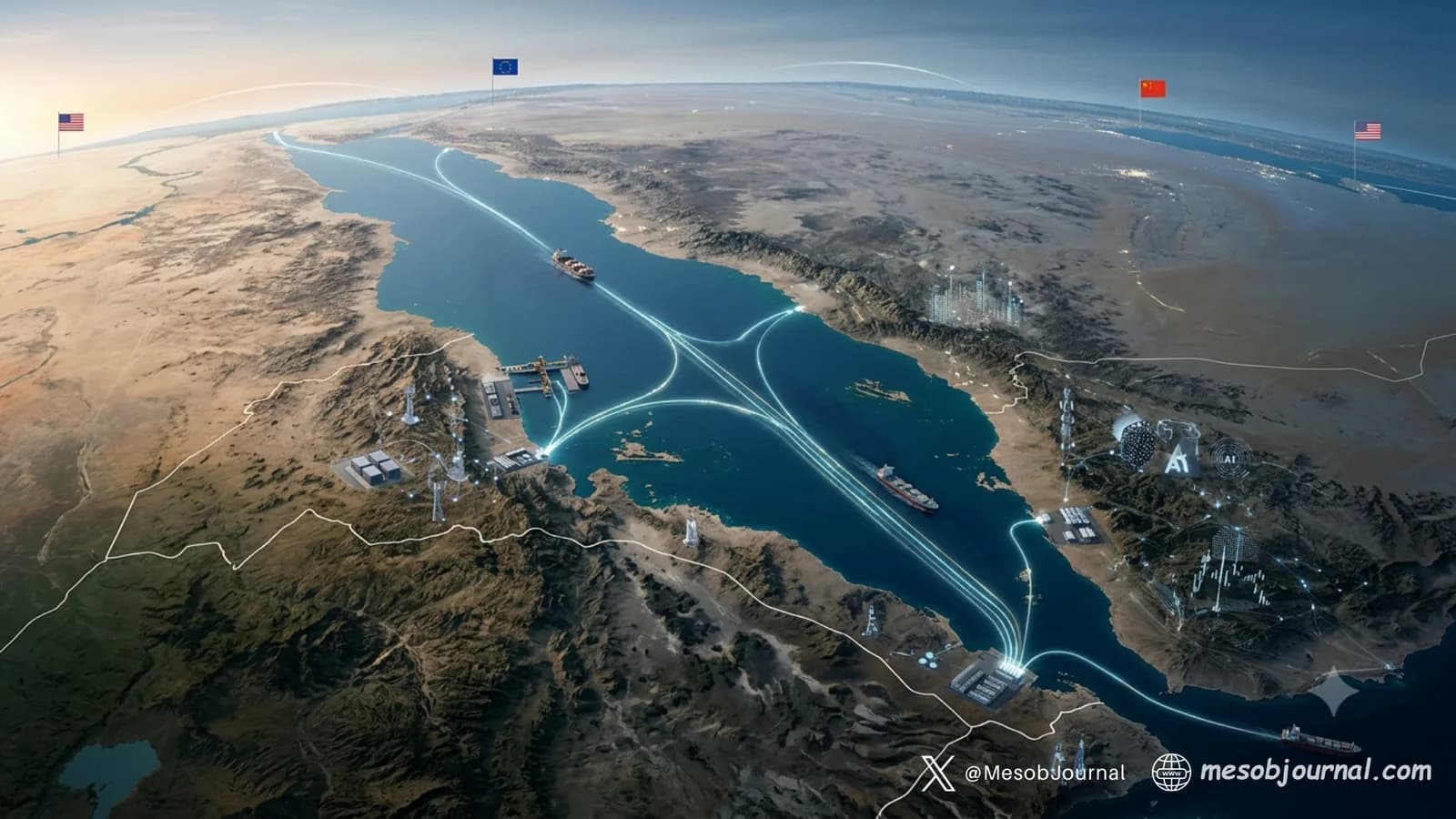
The African Development Bank notice highlights Eritrea’s strategic location along the Red Sea and the Gulf of Aden, noting that the country is bordered by Ethiopia, Sudan, Djibouti and the Red Sea, while also sharing maritime borders with Yemen and Saudi Arabia. That geography gives Eritrea an important position in discussions on regional integration, maritime connectivity and future economic corridors.
For Eritrea, the significance of the project lies in preparation. The current notice is not announcing immediate road construction. It concerns the updating of technical, economic, environmental and social studies needed to make the wider project financially and institutionally ready. In infrastructure development, that stage matters. Major transport corridors require bankable studies before financing, procurement and implementation can move forward with credibility.
The project also reflects the African Development Bank’s renewed engagement with Eritrea’s development priorities. In May 2026, the Bank said it had reviewed progress on the Massawa to Tesseney Road and Coastal Infrastructure Development Project during a high-level mission to Eritrea, alongside discussions on renewable energy, transport infrastructure, financial modernization, skills development and national data systems.
The procurement notice states that goods and works will follow the Bank Group’s procurement policy for funded operations. Bidding and request-for-proposal documents are expected to become available from July 2026.
The Ministry of Finance and National Development in Asmara is listed as the contact institution for interested bidders, applicants and consultants.
Beyond the technical language of procurement, the project points to a larger development question: how Eritrea can use its geography for practical national growth while strengthening regional connectivity on its own terms. Roads, ports and coastal infrastructure are not just physical assets. In the Red Sea region, they shape trade, mobility, economic resilience and strategic relevance.
If carried forward successfully, the Massawa to Tesseney project could become part of a wider effort to connect Eritrea’s coast, interior and western frontier more effectively. At a time when the Red Sea and the Horn of Africa are increasingly viewed through the lens of military competition and external power politics, Eritrea’s infrastructure agenda offers a different emphasis: connectivity, preparation, trade readiness and long-term development.
The next important step will come in July 2026, when procurement documents are expected to become available and the study update process moves from notice to implementation.