
A new US$77.6 million environmental finance package approved by the Global Environment Facility will support climate and nature projects across 10 countries, including a land restoration initiative in Eritrea, the United Nations Development Programme said.
The portfolio, announced on June 3 during meetings in Samarkand, Uzbekistan, will fund 11 projects supported by UNDP and is expected to unlock more than US$400 million in co-financing. The package covers five African countries, four countries in Asia and the Pacific, and one in Central Asia.
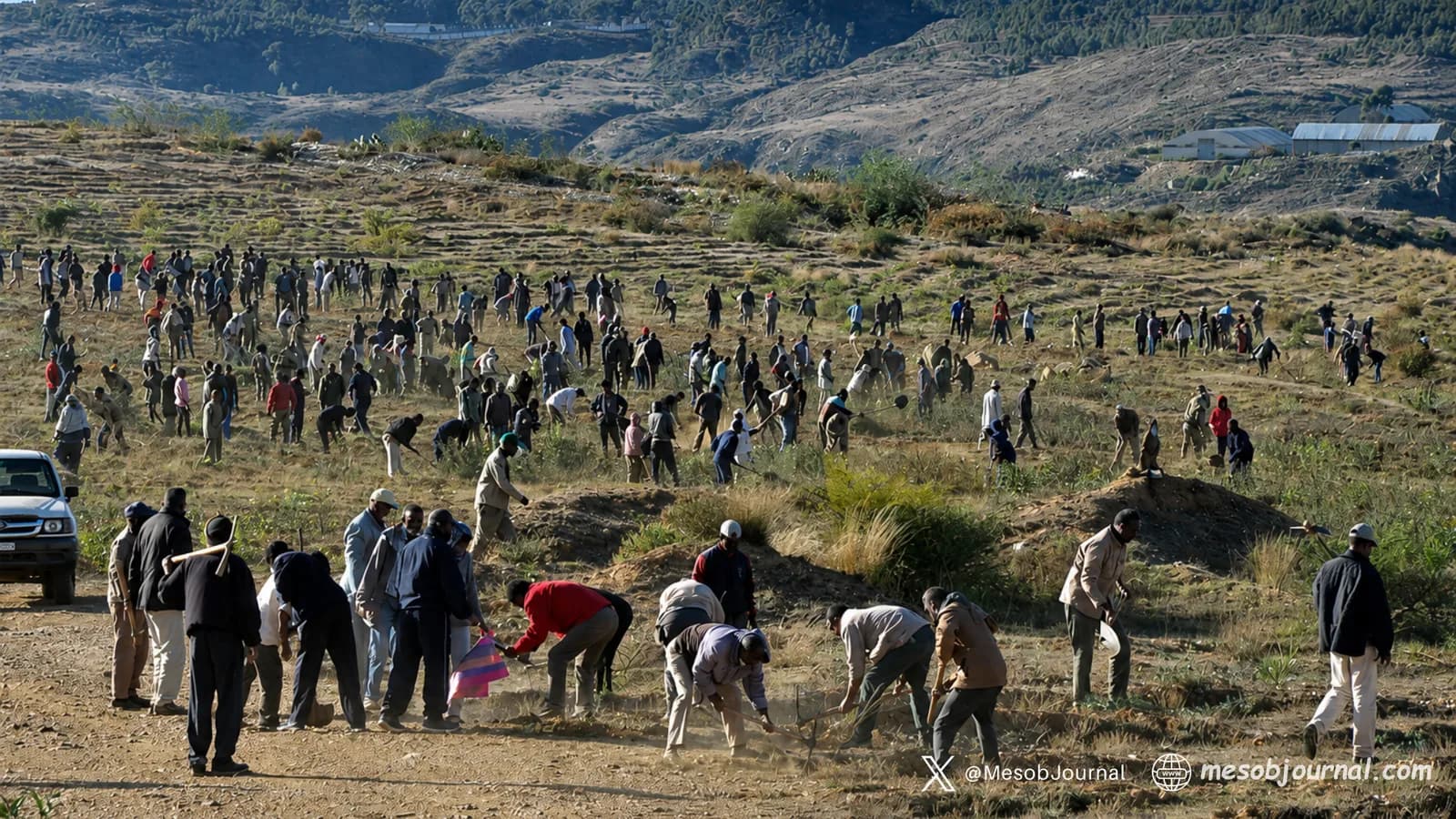
For Eritrea, the key item is a new GEF Trust Fund project aimed at restoring degraded land, placing the country within a wider international push to link climate resilience, biodiversity protection and sustainable livelihoods. UNDP listed Eritrea alongside Zimbabwe, Botswana, the Philippines, Malaysia, India and Kyrgyzstan among countries receiving support through new GEF Trust Fund projects.
The Eritrea component fits a long-running national challenge. Land degradation in the country has been driven by pressures including unsustainable agriculture, overgrazing, pressure on forests and woodlands, urbanisation and climate-related stress, according to UN-linked environmental assessments.
The new funding also comes as Eritrea has been expanding work on sustainable land management, watershed rehabilitation and community-based environmental recovery. A previous UN-backed sustainable land management project in Serejeka sub-zone, for example, focused on soil and water conservation, land-use systems and restoring degraded highland areas.
Nearly one-third of the newly approved global package — about US$23 million — will go through the Least Developed Countries Fund and the Special Climate Change Fund, both managed by the GEF. Those funds will support climate resilience efforts in countries including Guinea-Bissau and Senegal, while a separate project in Niue will focus on ocean conservation, biodiversity protection and long-term climate financing.
UNDP said the package strengthens its broader Climate Promise and Nature Pledge, two initiatives designed to help countries integrate climate and nature goals into national development planning. Through its GEF portfolio, UNDP says it currently leverages more than US$3 billion in grants to mobilise nearly US$18 billion in co-financingworldwide.
Marcos Neto, UN Assistant Secretary-General and Director of UNDP’s Bureau for Policy and Programme Support, said the GEF has been a key partner since 1991 and that the priority now is to move quickly so investments deliver results at scale.
The latest package was approved during the 71st GEF Council Meeting, the 6th Global Biodiversity Framework Fund Meeting and the 40th LDCF/SCCF Meeting. It also closes the GEF-8 replenishment cycle, as donors pledge US$3.9 billion toward the next GEF-9 cycle, which will run from July 2026 to June 2030.
For Eritrea, the significance is practical rather than symbolic. Land restoration is not only an environmental issue. It affects water retention, farming capacity, rural livelihoods and resilience against drought. If implemented effectively, the new GEF-backed project could strengthen local recovery work while connecting Eritrea’s national priorities to a wider multilateral climate finance framework.