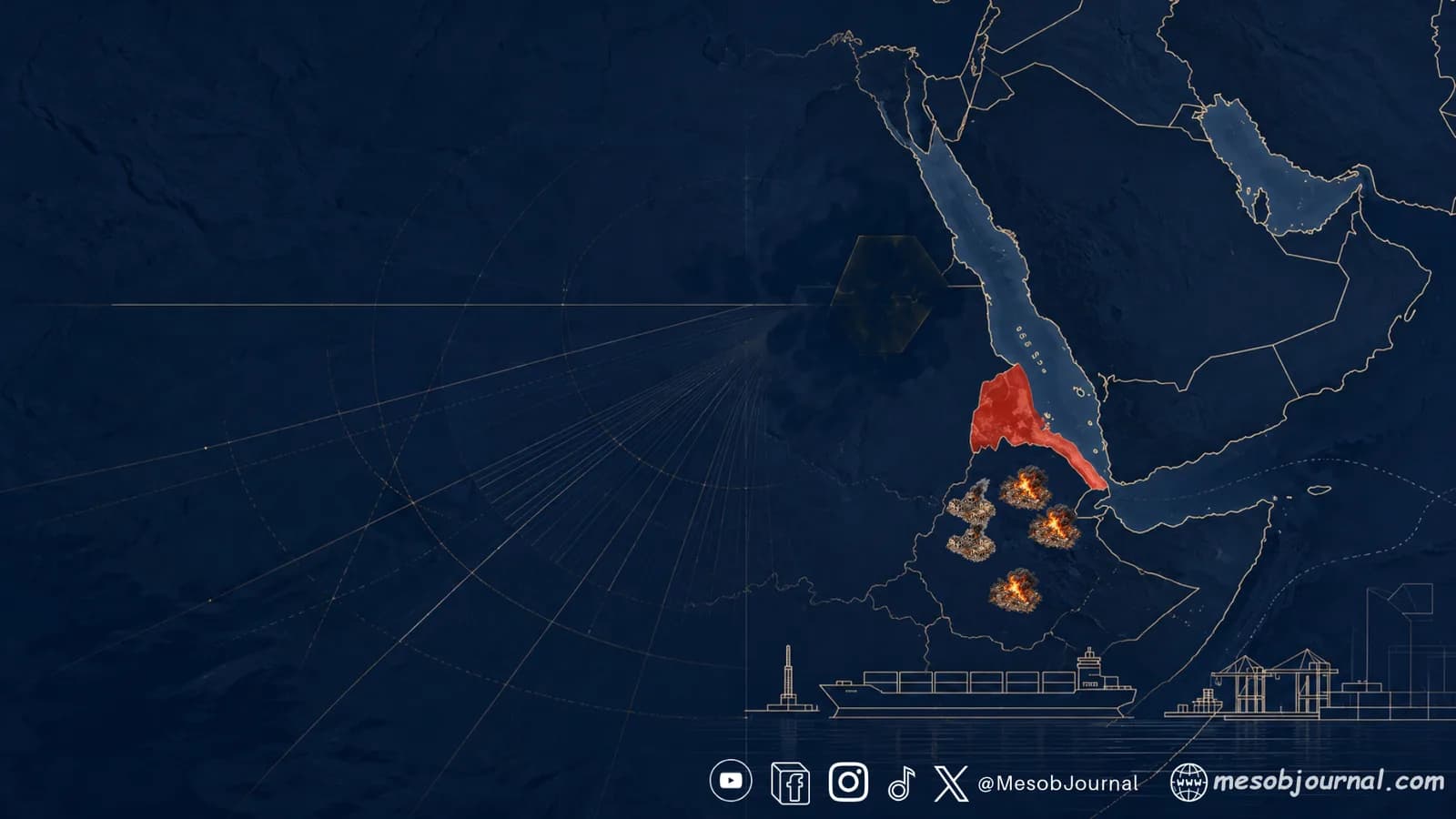
Ethiopia’s Maritime Ambitions and the Narrative That Hides Them
David Yeh examines Ethiopia’s maritime ambitions, the distinction between commercial sea access and strategic demands, and the implications for Eritrean sovereignty.


We use cookies to improve your experience, analyze traffic, and show relevant content. You can accept all, reject non‑essential, or manage preferences.
David Yeh examines Ethiopia’s maritime ambitions, the distinction between commercial sea access and strategic demands, and the implications for Eritrean sovereignty.

Yemane G. Meskel’s rebuttal confronts Ethiopia’s aggression narrative with a chronology of port ownership demands, military rhetoric and Eritrea’s sovereign rights.

Eritrea warns Ethiopia that its sovereign territory is a red line secured by sacrifice and international law, rejecting historical and geographical claims to the Red Sea.
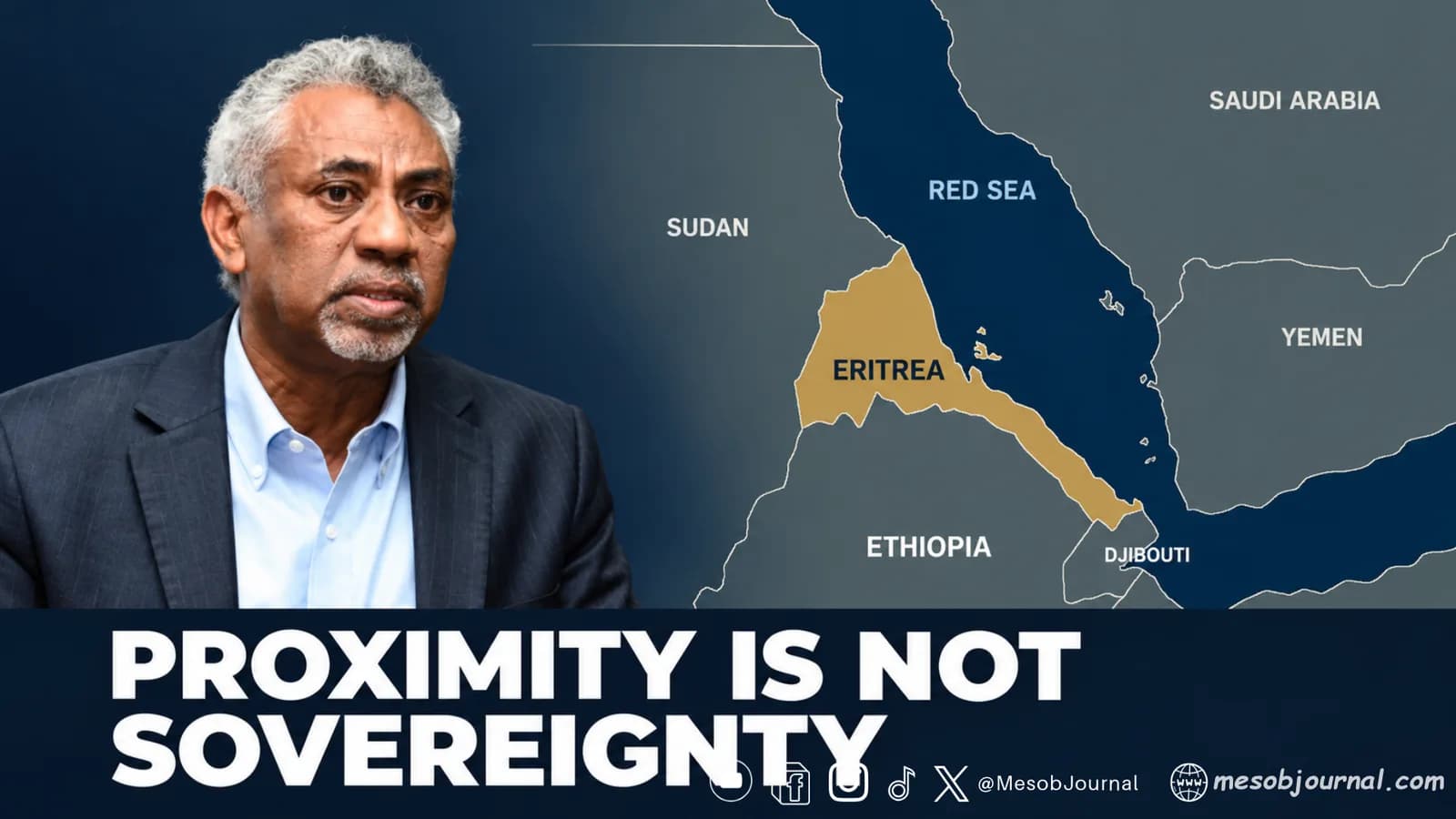
Yemane G. Meskel’s rebuttal exposes the legal leap in Ethiopia’s proximity argument: neither distance nor past annexation gives Addis Ababa sovereign entitlement to Eritrea’s coast.
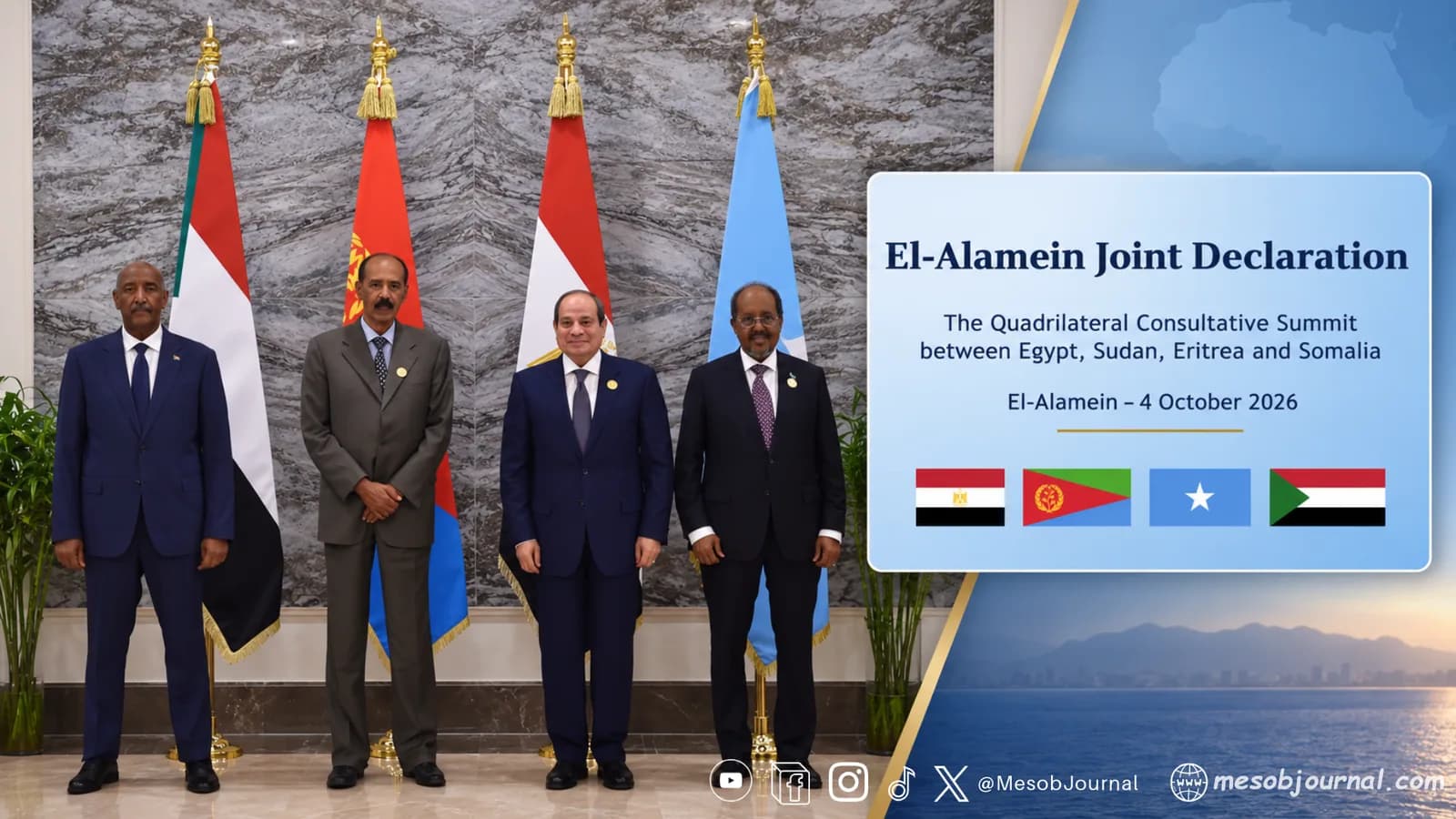
NEW ALAMEIN, Egypt, Oct. 4, 2026 — Egypt, Eritrea, Sudan and Somalia have adopted a joint declaration setting out common positions on Red Sea governance, Sudan’s territorial integrity, Somalia’s sovereignty and the Nile, while establishing a mechanism for continued coordination among the four countries.
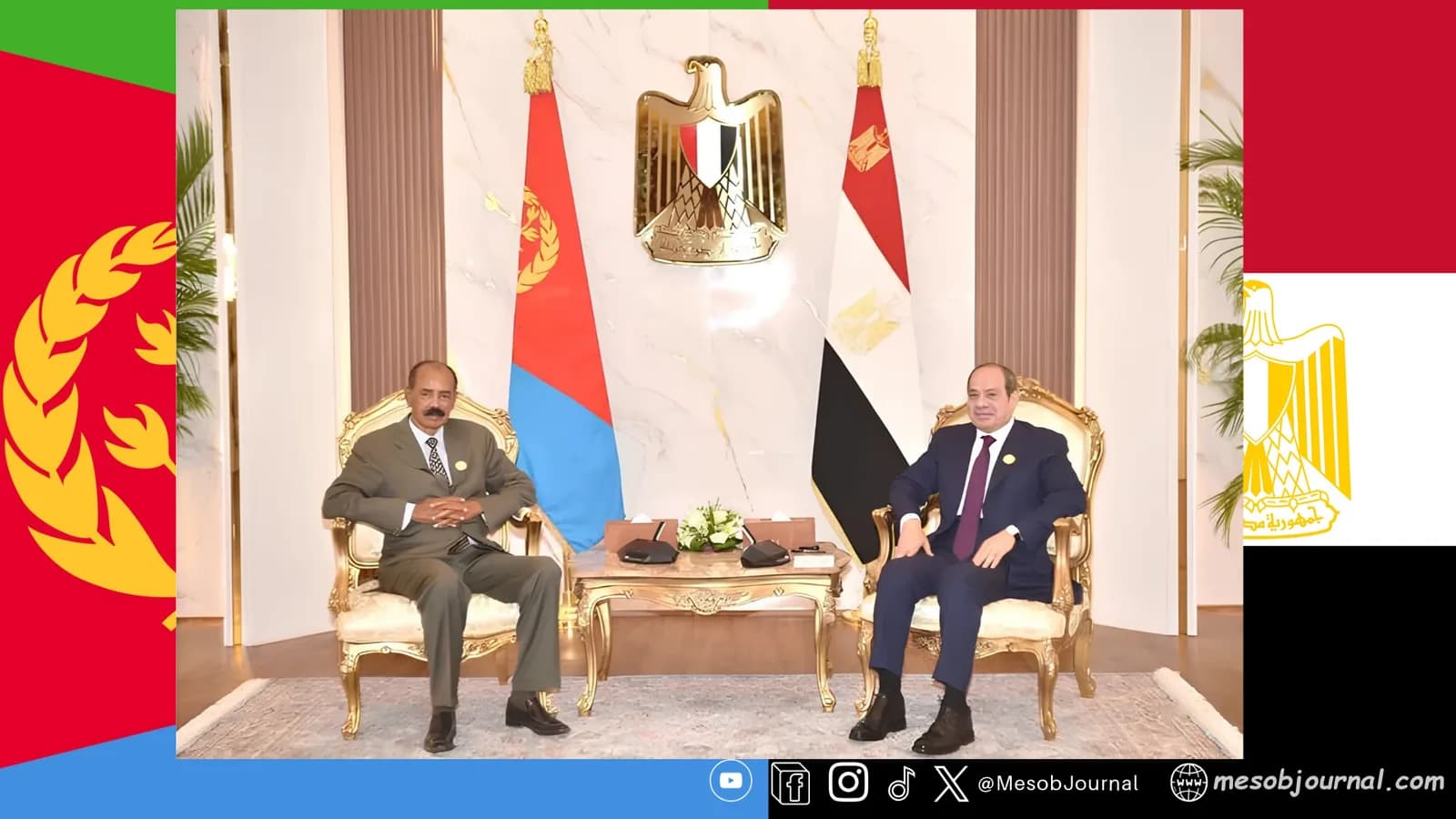
Egypt reaffirmed support for Eritrea’s sovereignty as Presidents el-Sisi and Isaias met in New Alamein to discuss Red Sea security and economic cooperation.

President Isaias Afwerki travels to Egypt for a regional security summit and bilateral talks with President Abdel Fattah el-Sisi on Red Sea and Horn of Africa cooperation.
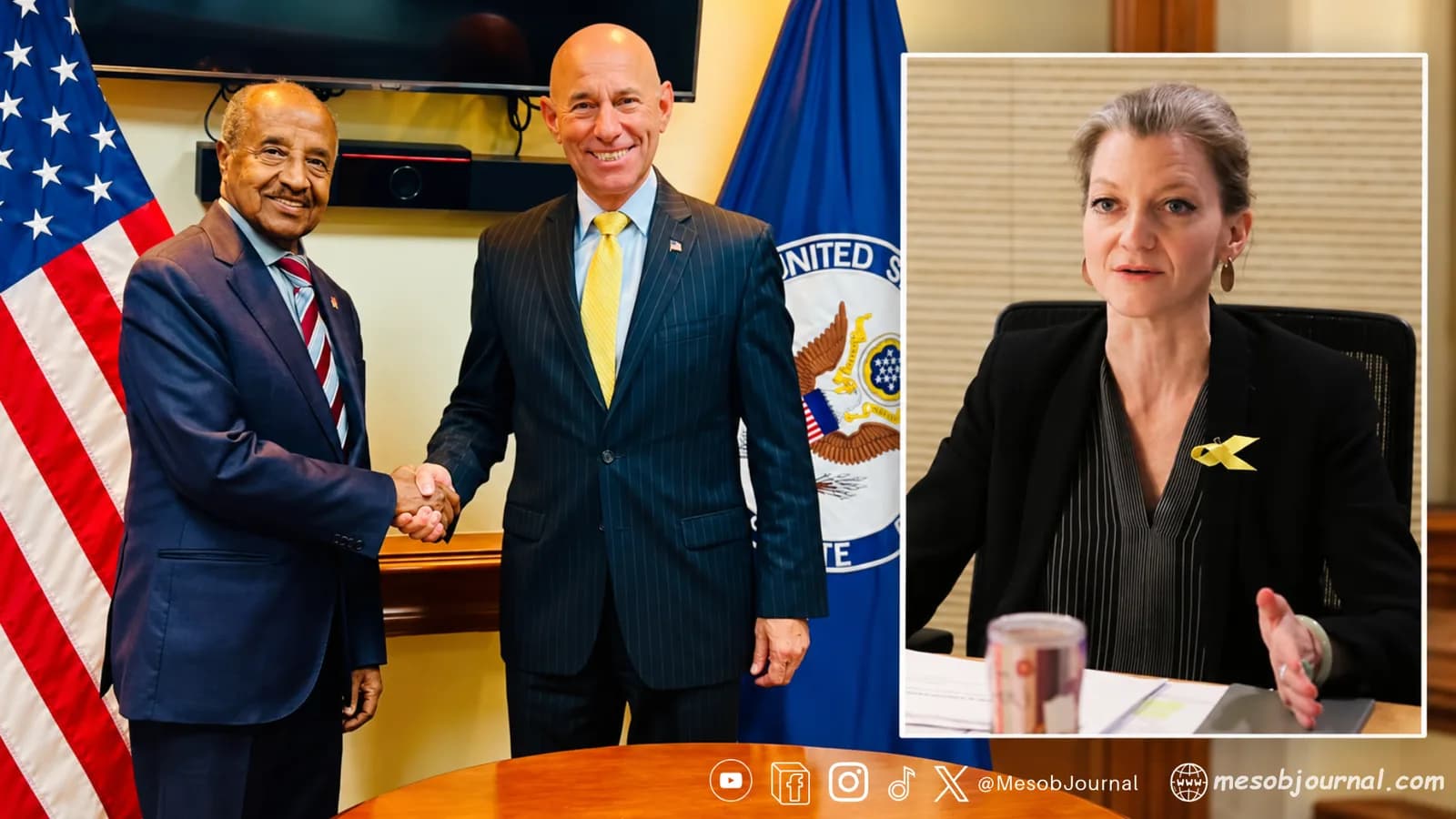
Eritrean Foreign Minister Osman Saleh met senior U.S. officials in Washington to discuss trade, investment and regional security after Washington lifted Ethiopia-related sanctions.
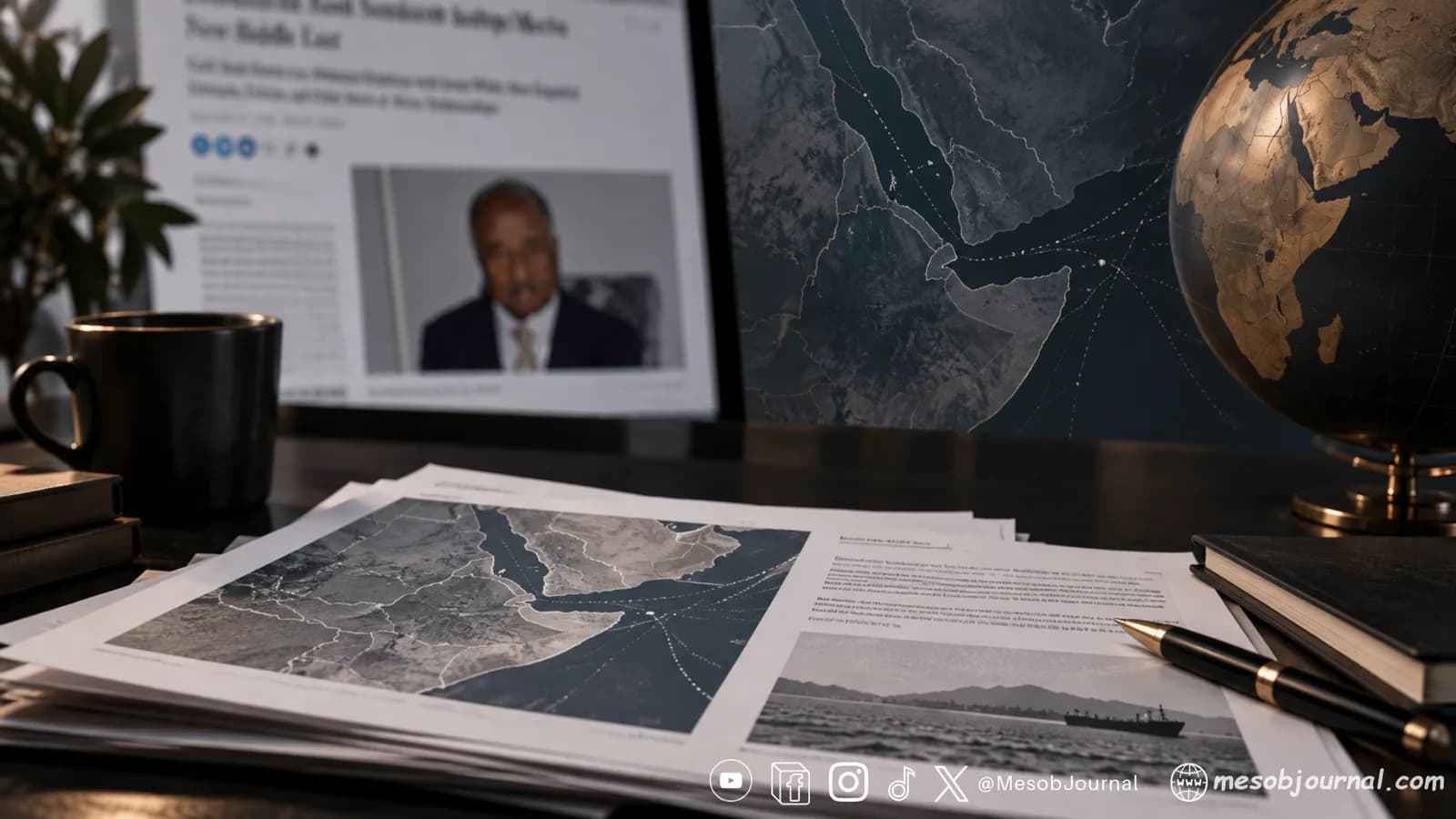
G. Haile responds to a Middle East Forum analysis of Eritrea’s Red Sea strategy, arguing that recent regional alignments make Asmara’s security concerns current rather than nostalgic.
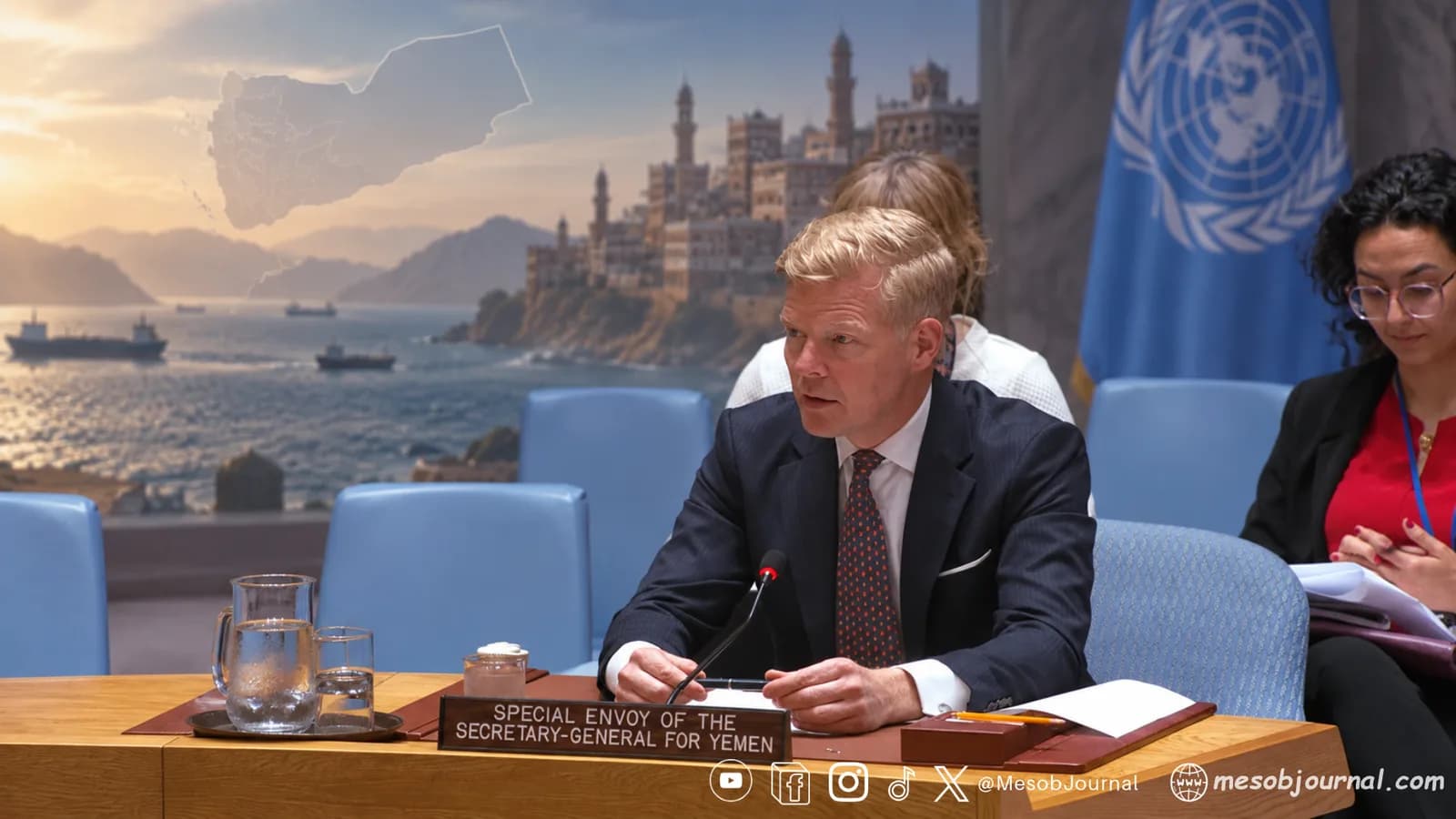
The UN envoy’s new direct channel with Ansar Allah, combined with talks in Riyadh, reflects several principles Eritrea set out weeks earlier: Yemen cannot be settled militarily, the conflict should not be absorbed into wider regional wars, and the security of the Red Sea requires serious engagement with the states and actors that actually sit along it.
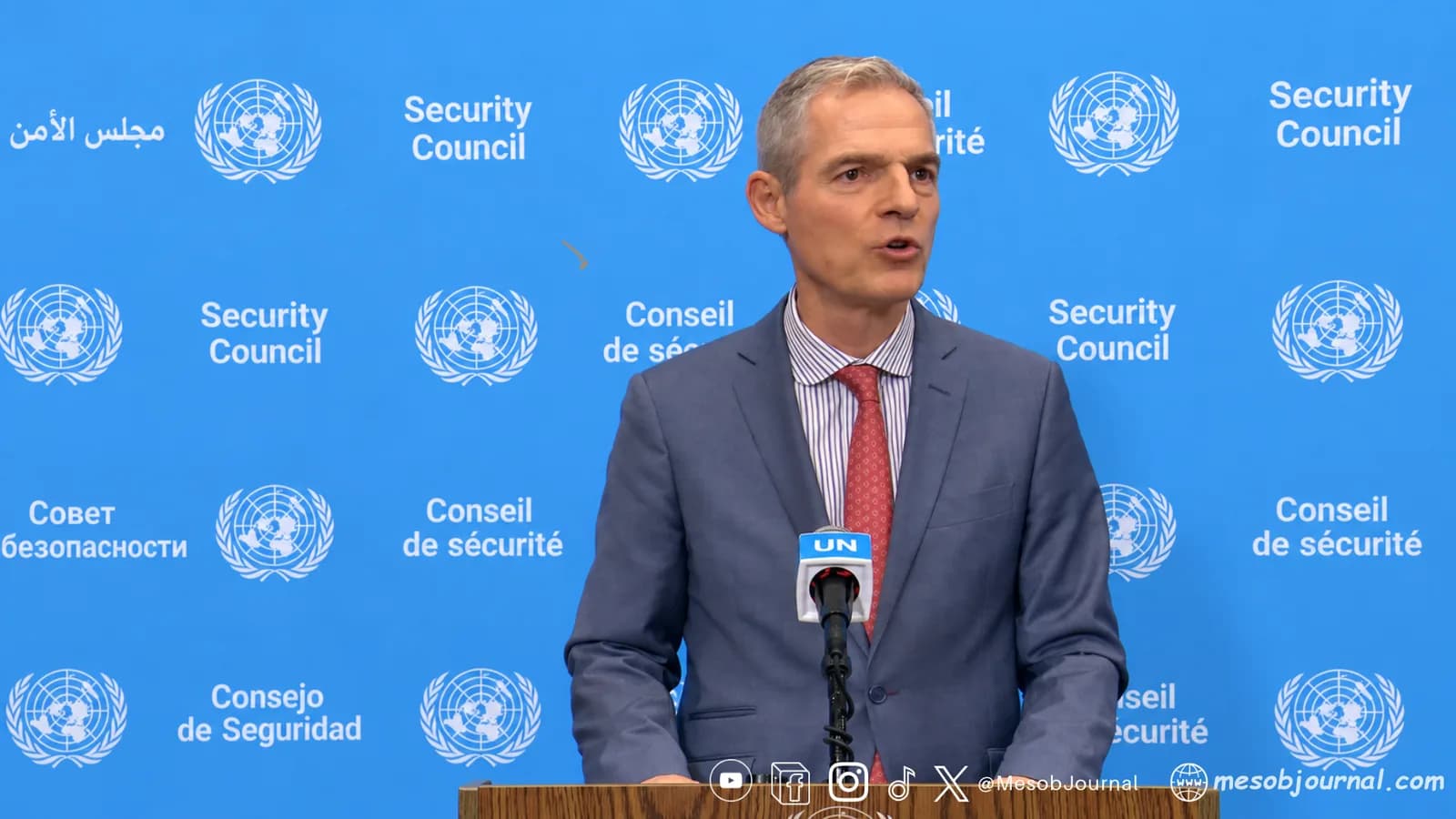
Council members condemned continued Houthi attacks on Saudi Arabia and threats to commercial navigation through the Red Sea and Bab el-Mandeb, stressing navigational freedoms under international law as fighting moves closer to the strait.
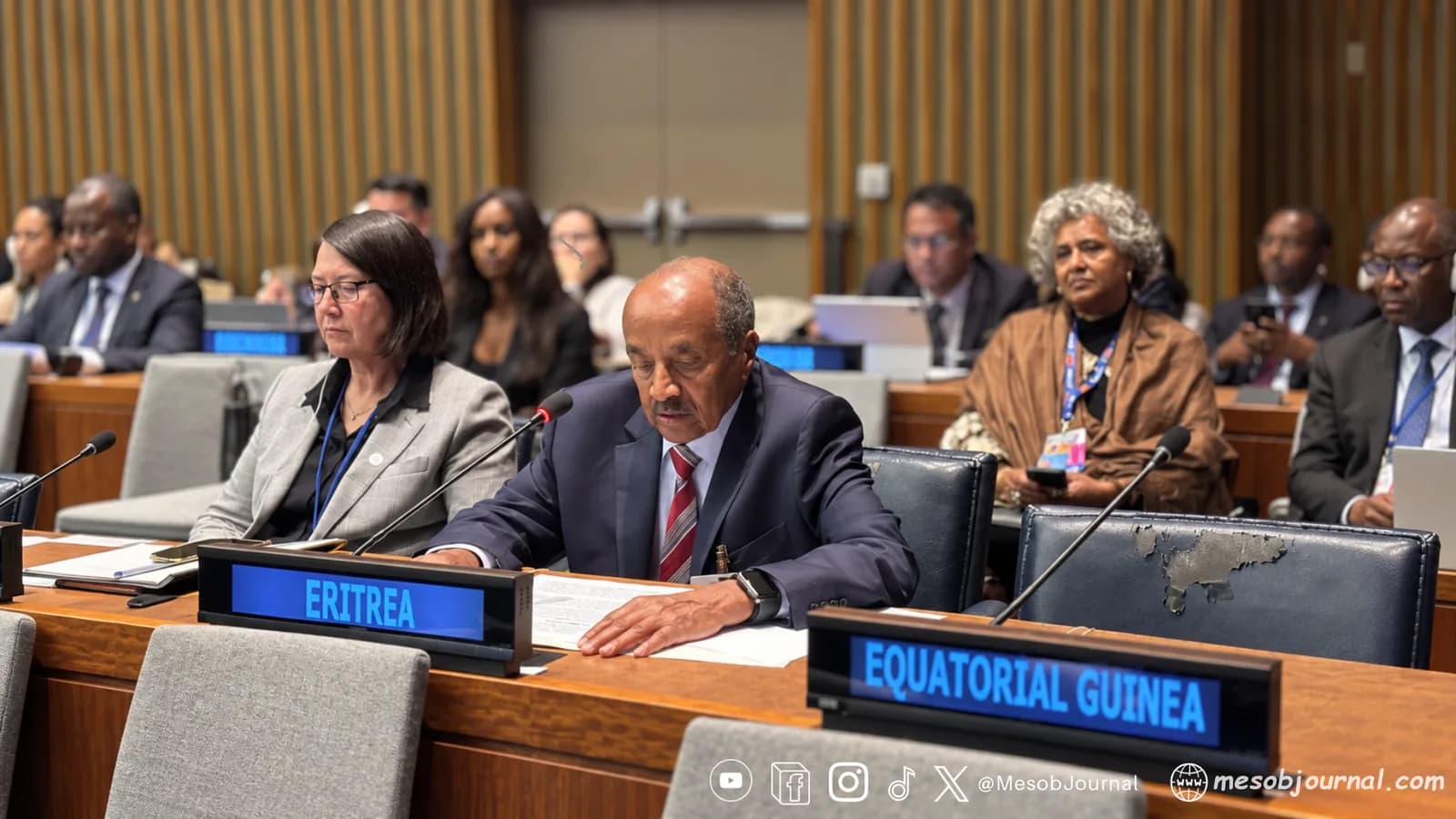
Foreign Minister Osman Saleh told the UNGA81 plenary on sea-level rise that existing baselines and maritime boundaries must be preserved, framing Eritrea's Red Sea waters as a question of sovereignty and climate adaptation alike.