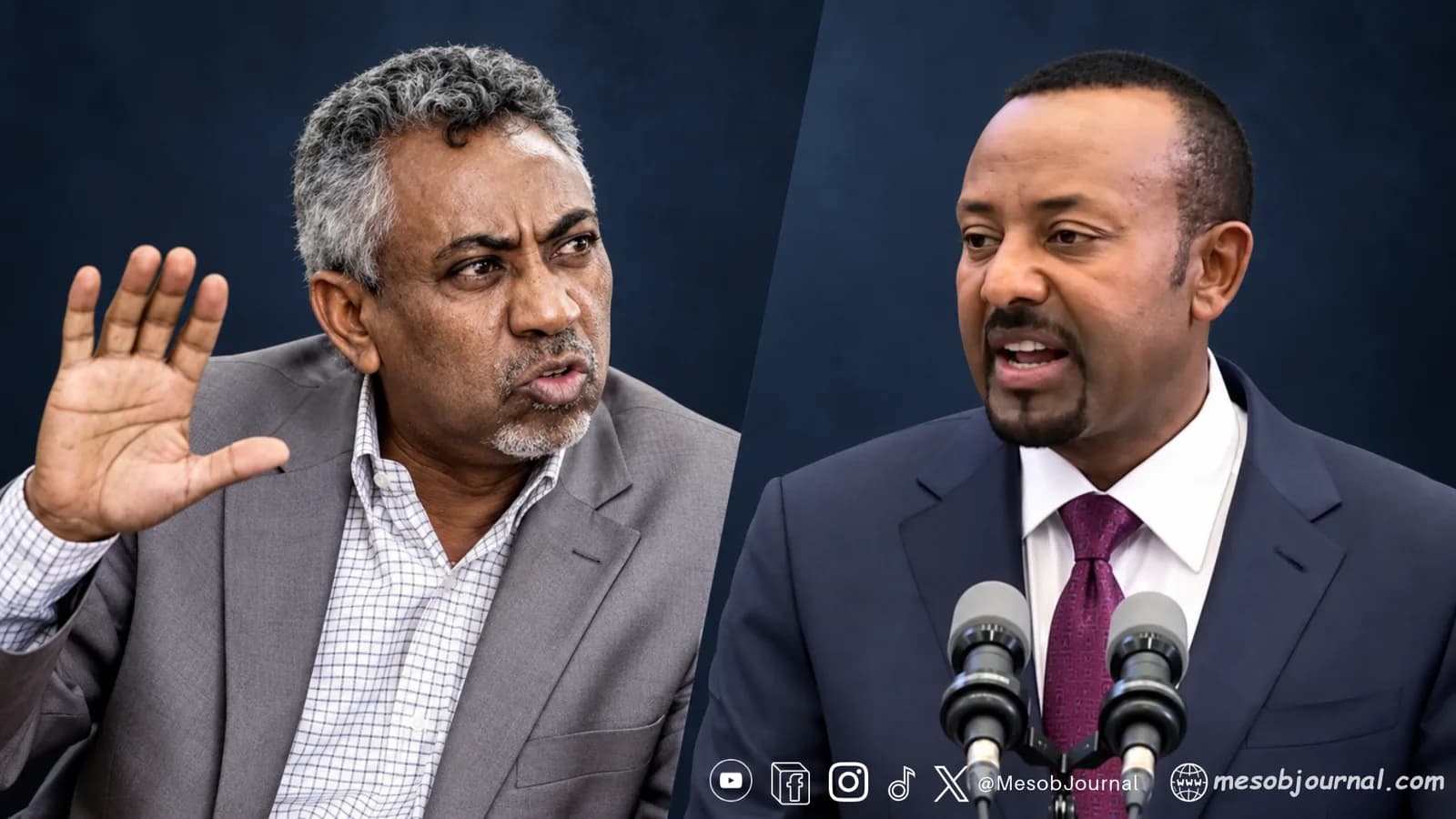
Eritrea Rejects Tigray Troop Claims, Warns of War Pretext
Eritrea denies reports of troop movements in Tigray, warning of a war pretext as unverified accounts intensify tensions with Ethiopia.

We use cookies to improve your experience, analyze traffic, and show relevant content. You can accept all, reject non‑essential, or manage preferences.
Eritrea denies reports of troop movements in Tigray, warning of a war pretext as unverified accounts intensify tensions with Ethiopia.
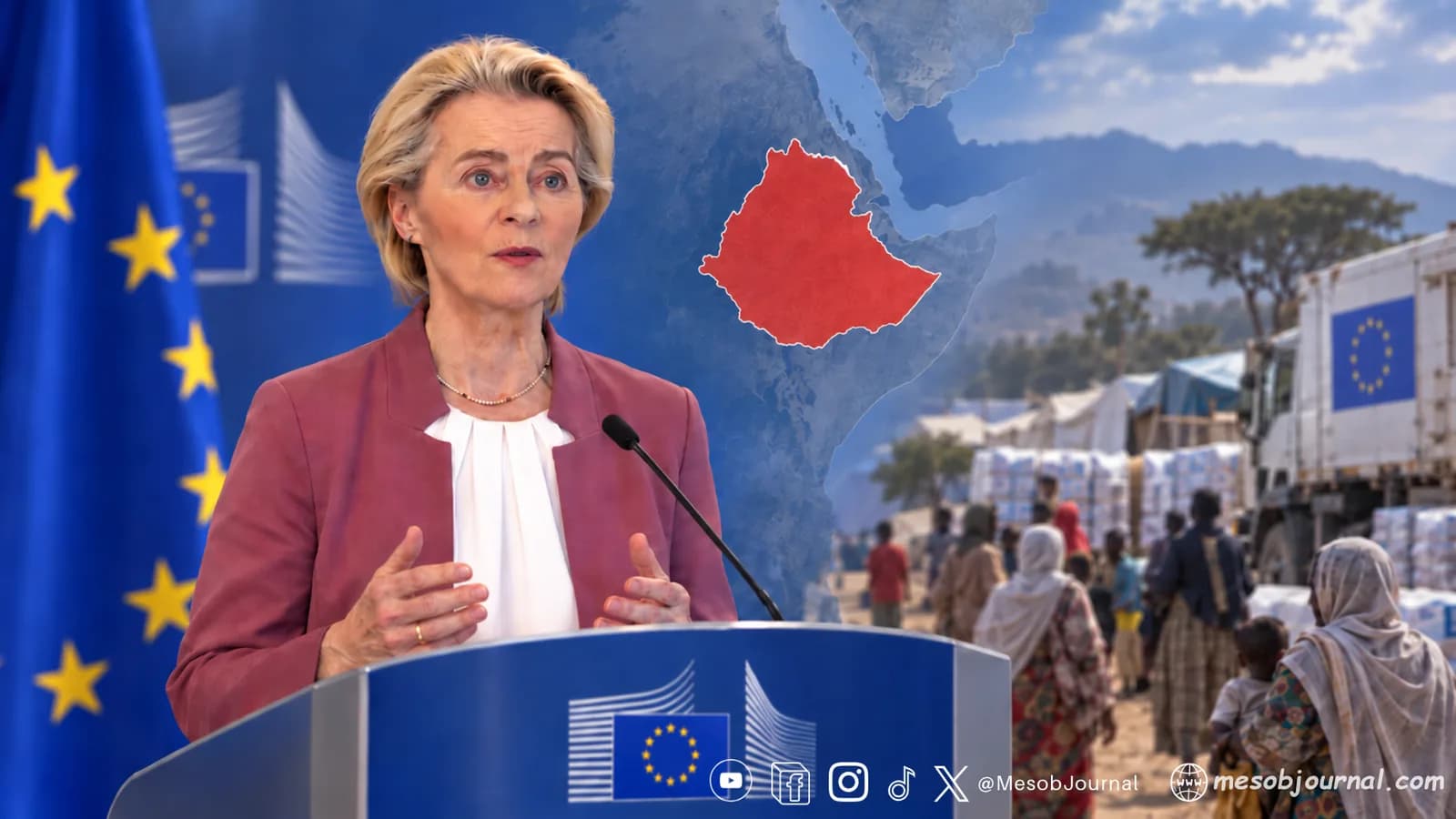
The EU has added €18 million in aid for Ethiopia, bringing 2026 support to €61 million as fighting and drone strikes intensify across Tigray and Amhara.
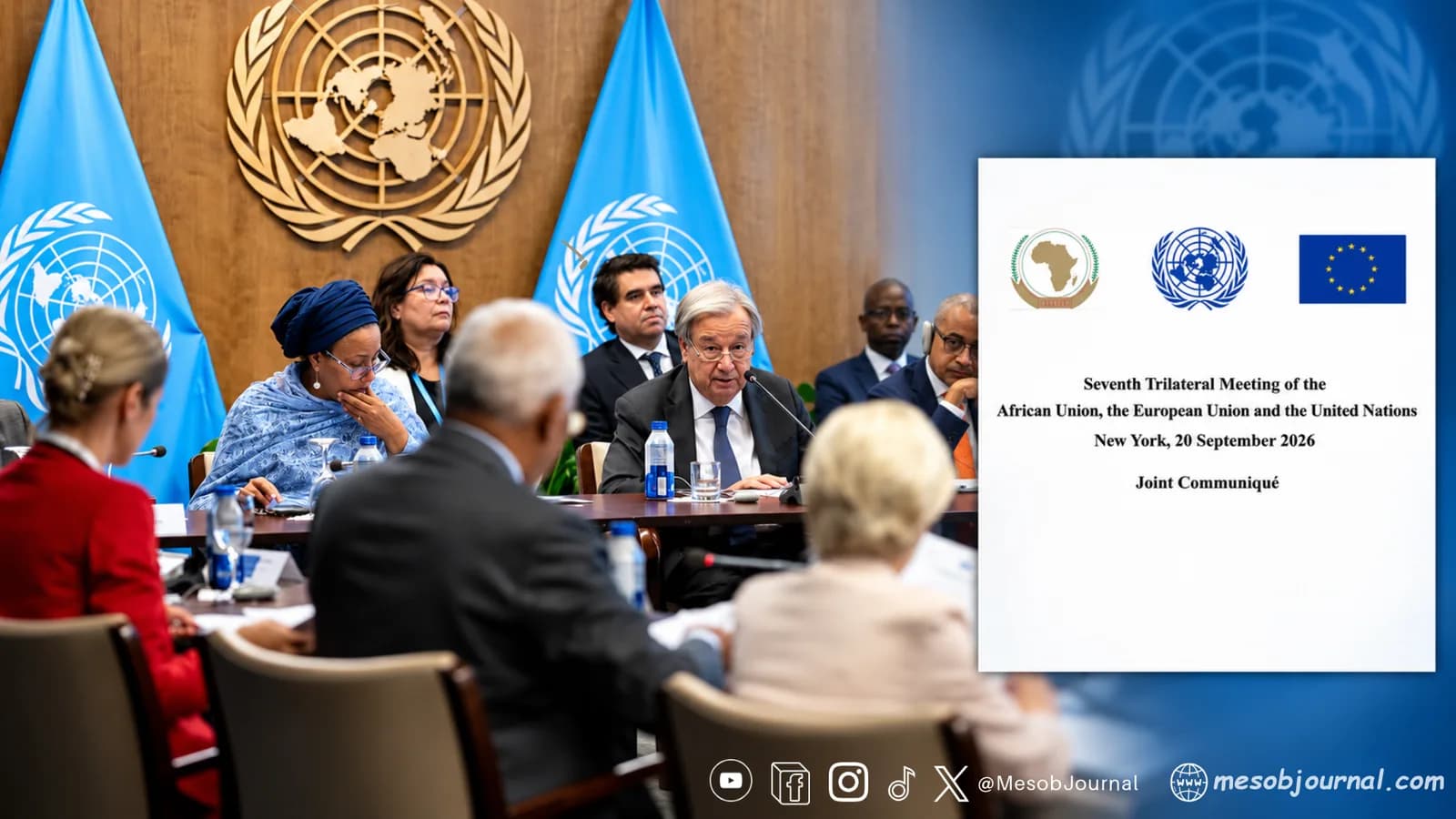
The African Union’s own UNGA81 readouts left Ethiopia out. A jointly agreed communiqué from the same diplomatic round shows that Ethiopia and the Pretoria Agreement were explicitly discussed. The discrepancy deserves an explanation.
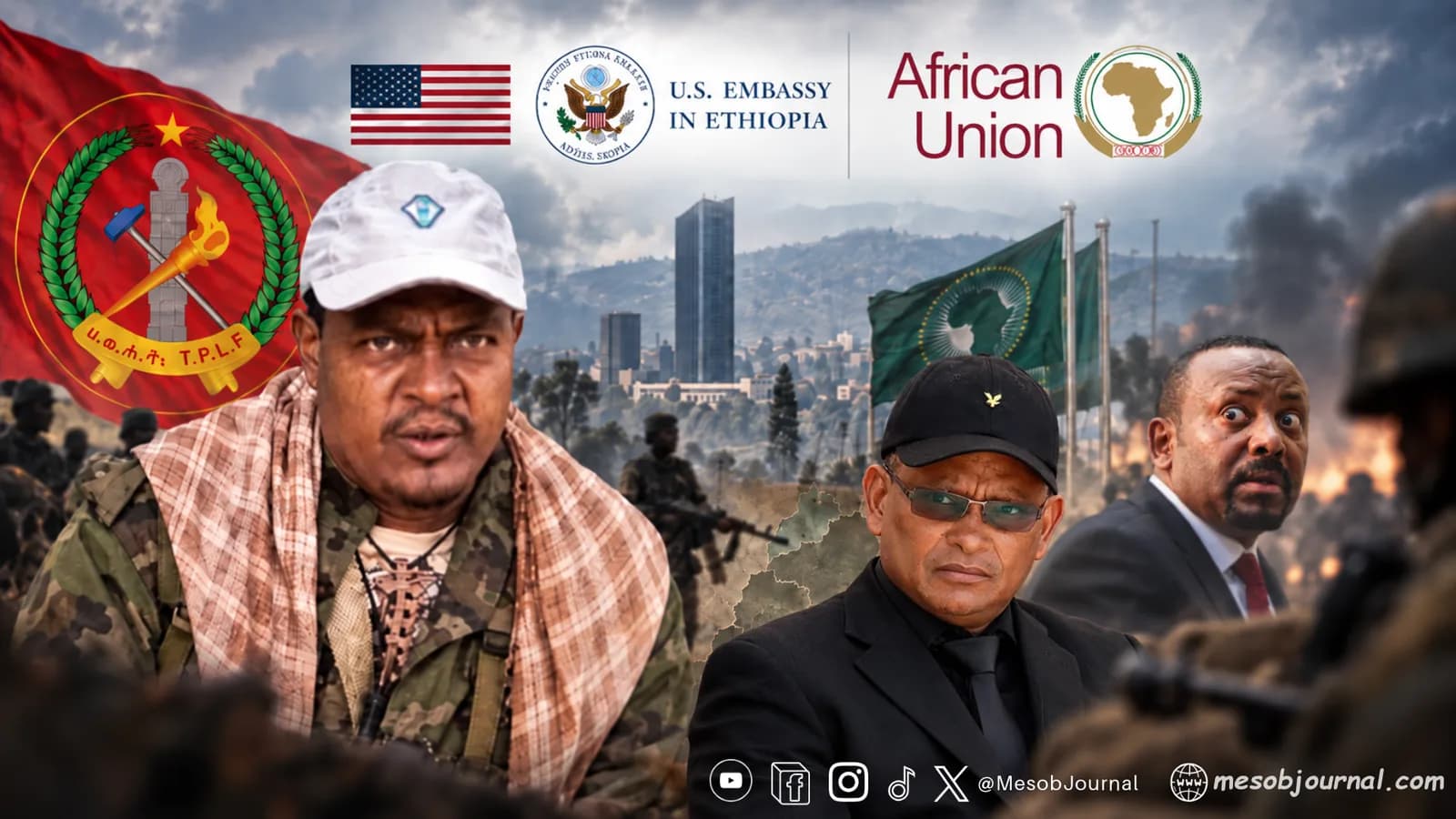
The African Union and the United States issued urgent statements after Tigrayan forces took the airports in Mekelle, Axum and Shire and seven Ethiopian opposition groups began coordinating against Abiy Ahmed's government.
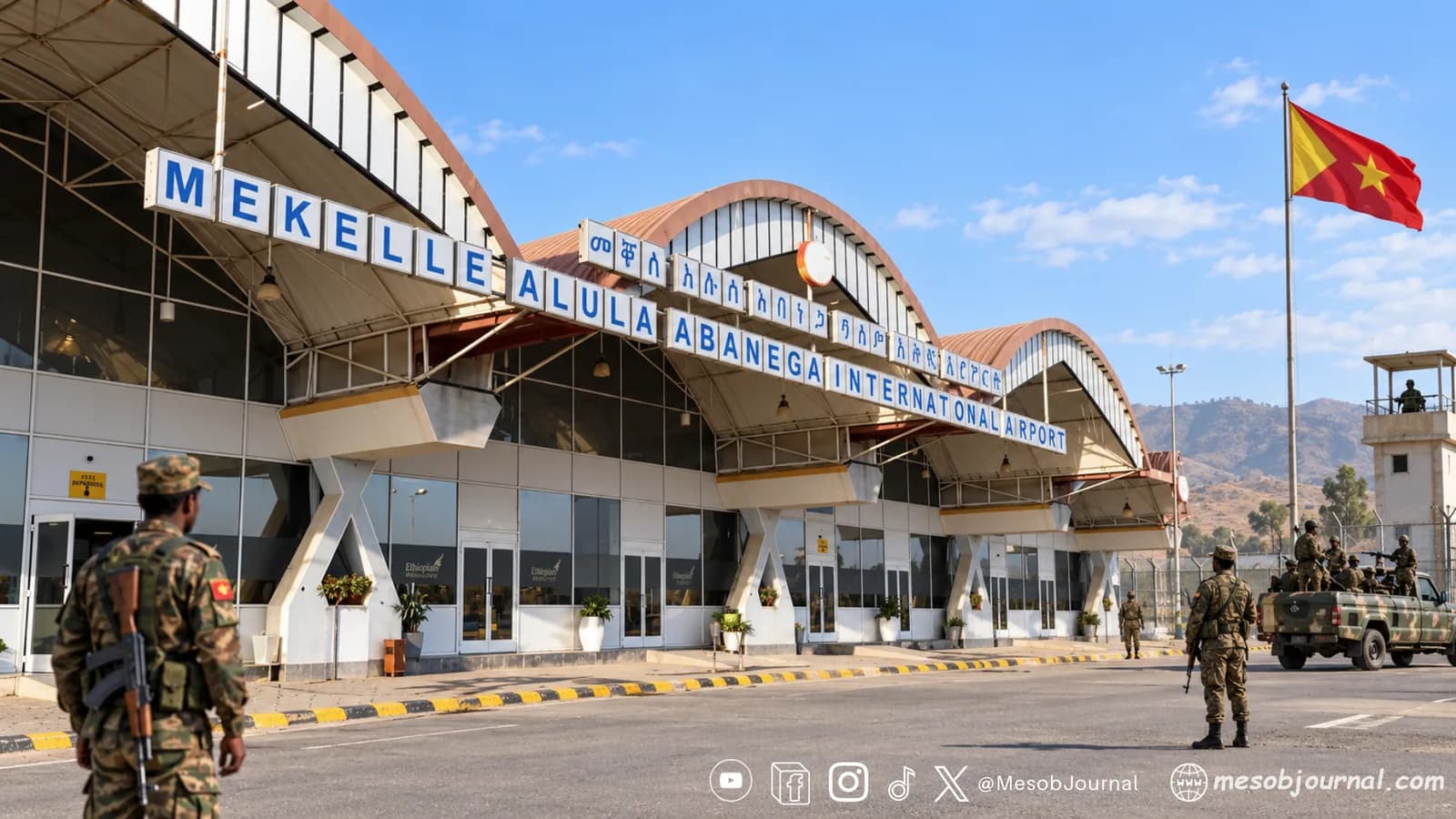
Tigrayan forces have taken control of Mekelle's Alula Aba Nega airport three days after the TPLF joined seven other Ethiopian opposition movements in an alliance aiming to remove Abiy Ahmed's government.
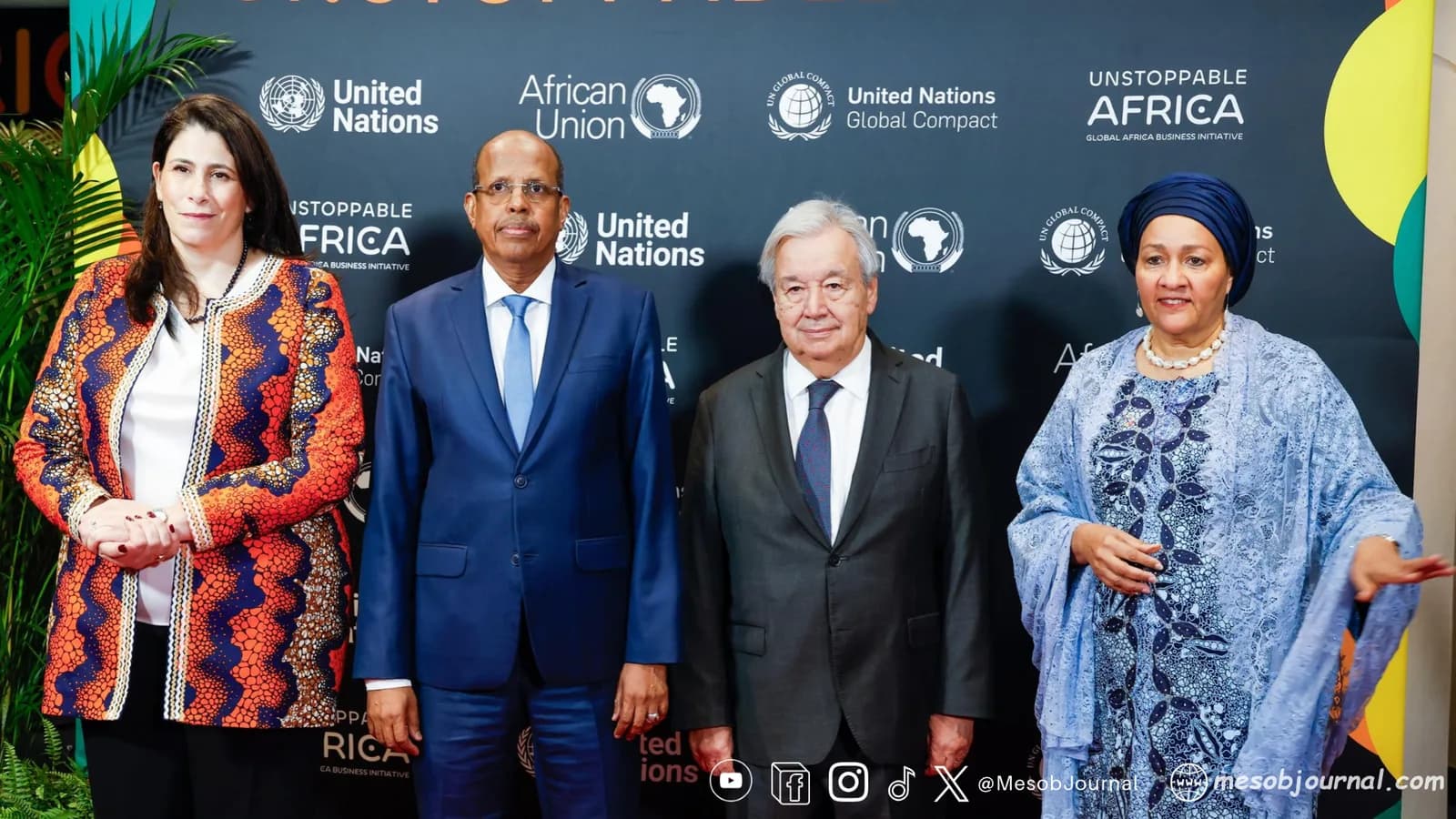
The African Union and United Nations met in New York on September 21 to discuss preventive diplomacy across Africa, but Ethiopia was absent from the published list of crises even as a seven-group armed alliance moved to remove Abiy Ahmed's government.

Seven Ethiopian political and armed opposition organizations, among them Fano, the Oromo Liberation Army, the TPLF and the ONLF, have announced the Ethiopian Popular Forces Alliance for Survival, pledging to remove the Prosperity Party government and install an inclusive transitional administration under a Transitional Charter.
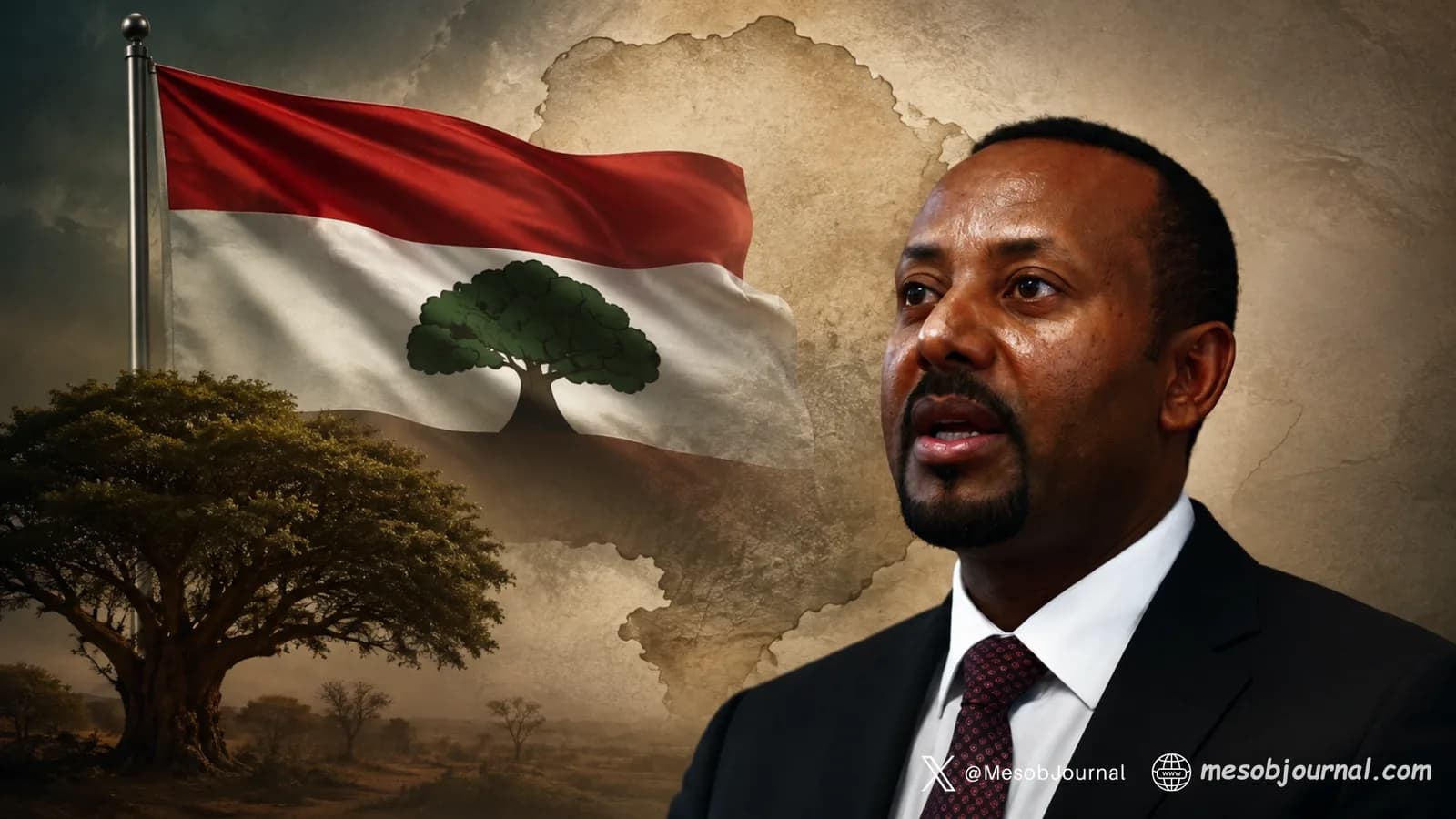
Is Oromummaa shifting from cultural identity toward a framework of political dominance? David Yeh examines Oromo political influence, Finfinnee, historical narratives, Abiy Ahmed’s Medemer, and the risks of replacing one ethnic hegemony with another.
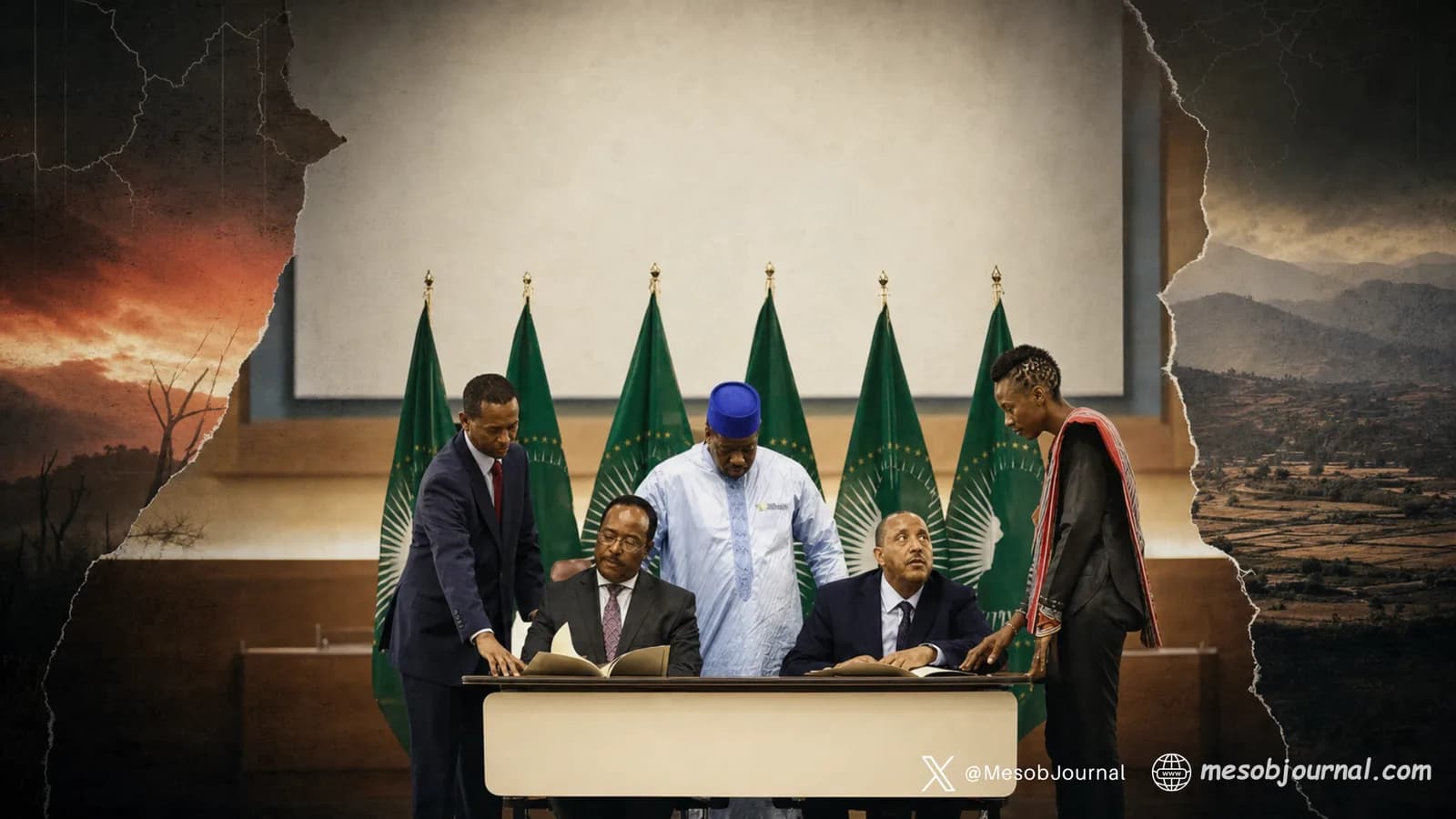
The 2022 accord stopped the federal–TPLF war. It also dissolved the coalition that had defeated the TPLF, excluded Eritrea and Amhara from the settlement, and moved the unresolved conflict into a more dangerous regional phase. The most consequential fact about the Pretoria Agreem

Ethiopian Prime Minister Abiy Ahmed has won a significant parliamentary majority, but the country faces ongoing political instability and conflict. Key regions like Tigray, Amhara, and Oromia remain outside normal governance, highlighting the disconnect between electoral success

The recent indication that the United States may lift sanctions on Eritrea marks a significant moment in the geopolitics of the Horn of Africa and the Red Sea. While Reuters frames the development as a strategic recalibration driven by shifting alliances and maritime tensions, th