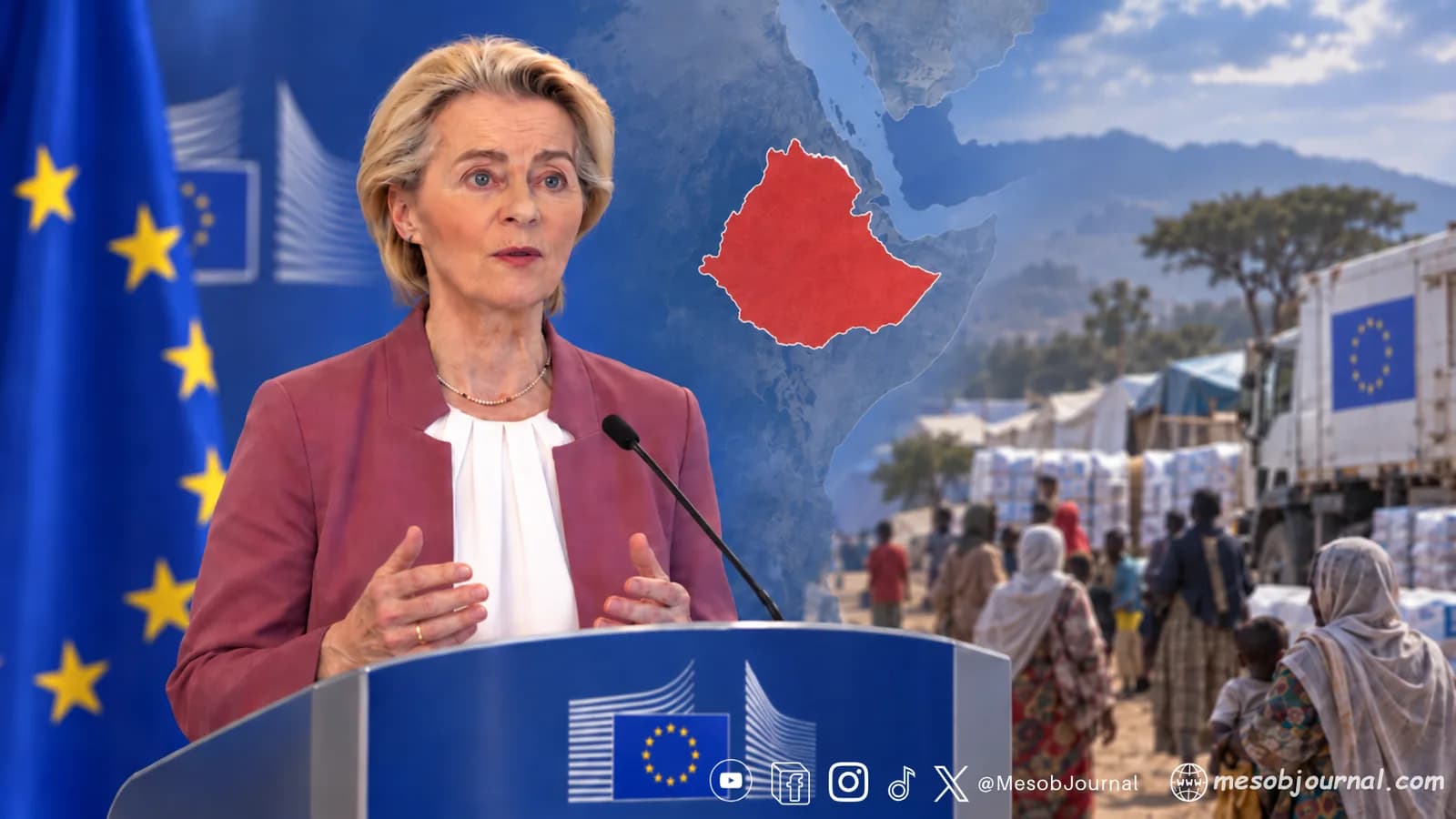
EU Adds €18 Million as Conflict Deepens Across Ethiopia
The EU has added €18 million in aid for Ethiopia, bringing 2026 support to €61 million as fighting and drone strikes intensify across Tigray and Amhara.


We use cookies to improve your experience, analyze traffic, and show relevant content. You can accept all, reject non‑essential, or manage preferences.
The EU has added €18 million in aid for Ethiopia, bringing 2026 support to €61 million as fighting and drone strikes intensify across Tigray and Amhara.
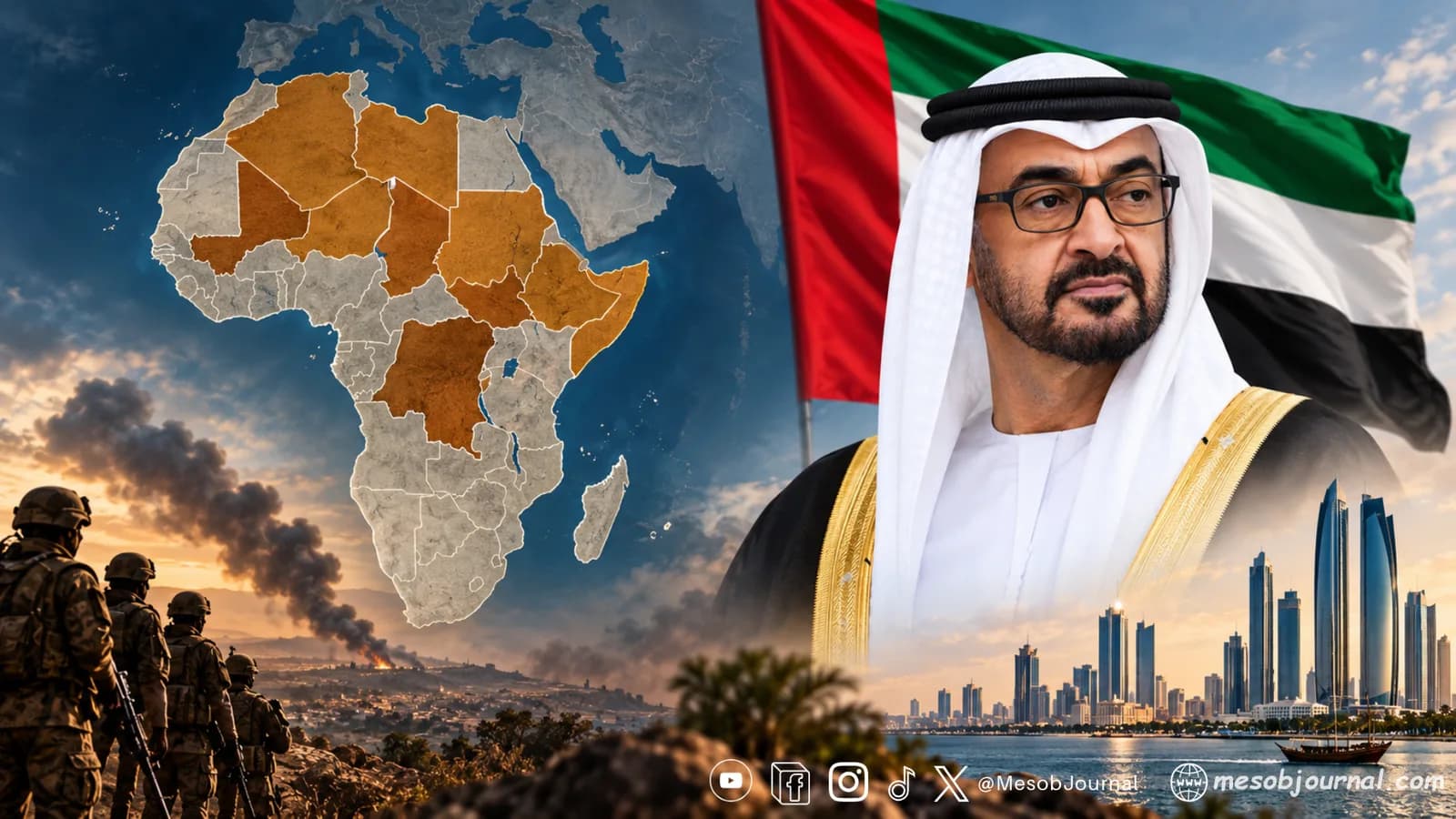
A May 2026 SWP study calls the UAE one of the most aggressive external actors in African conflicts, and names Sudan, Libya, Somalia and Ethiopia. Ten countries — from the RSF's supply corridors to conflict gold in eastern Congo — show how Emirati military, financial and logistical networks connect wars that look domestic.
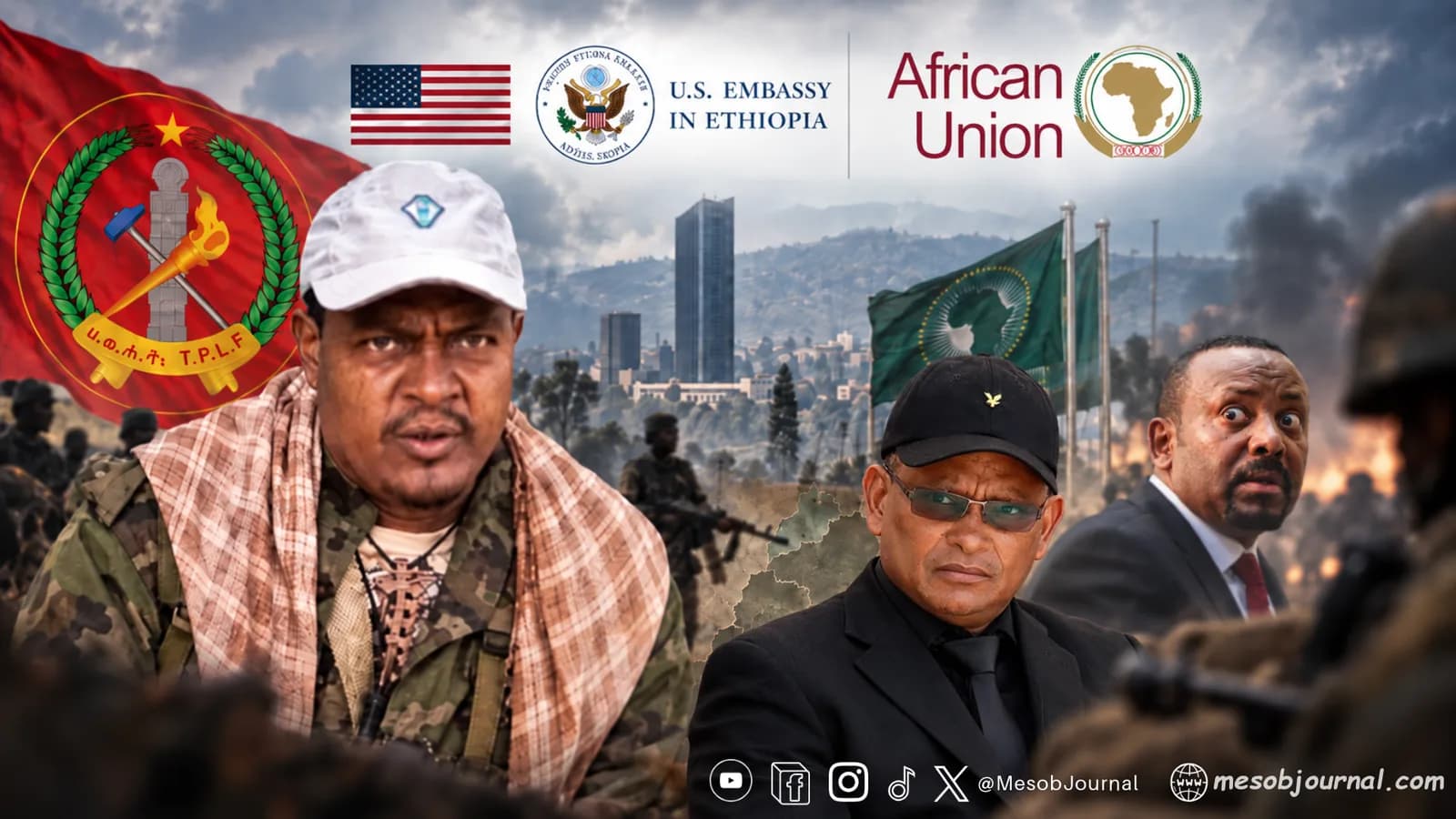
The African Union and the United States issued urgent statements after Tigrayan forces took the airports in Mekelle, Axum and Shire and seven Ethiopian opposition groups began coordinating against Abiy Ahmed's government.
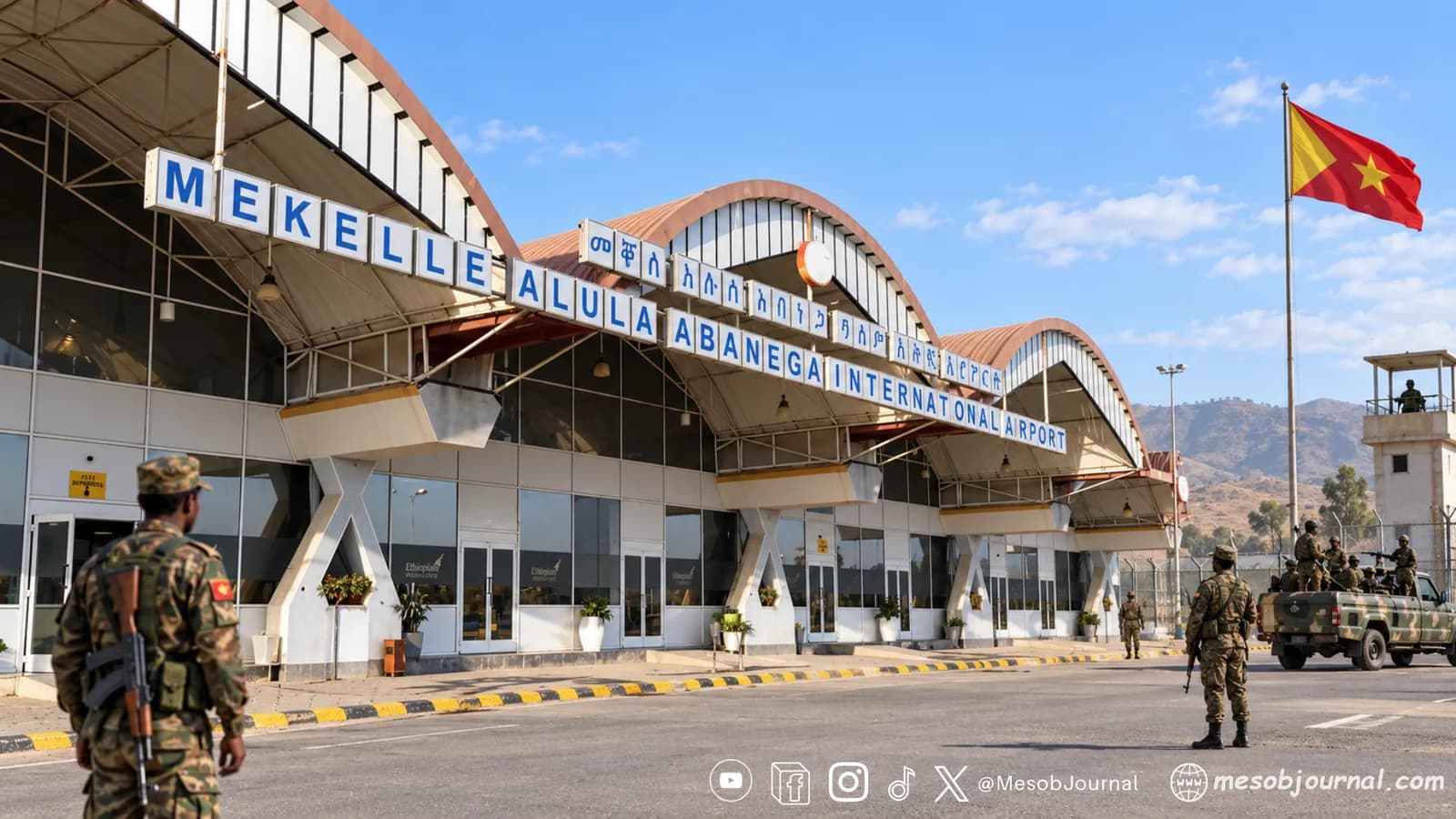
Tigrayan forces have taken control of Mekelle's Alula Aba Nega airport three days after the TPLF joined seven other Ethiopian opposition movements in an alliance aiming to remove Abiy Ahmed's government.

Seven Ethiopian political and armed opposition organizations, among them Fano, the Oromo Liberation Army, the TPLF and the ONLF, have announced the Ethiopian Popular Forces Alliance for Survival, pledging to remove the Prosperity Party government and install an inclusive transitional administration under a Transitional Charter.

Ethiopia’s state-media system spent the year manufacturing maritime entitlement and the summer manufacturing an Eritrean enemy. ENA supplied the narrative; Fana drove it into circulation.
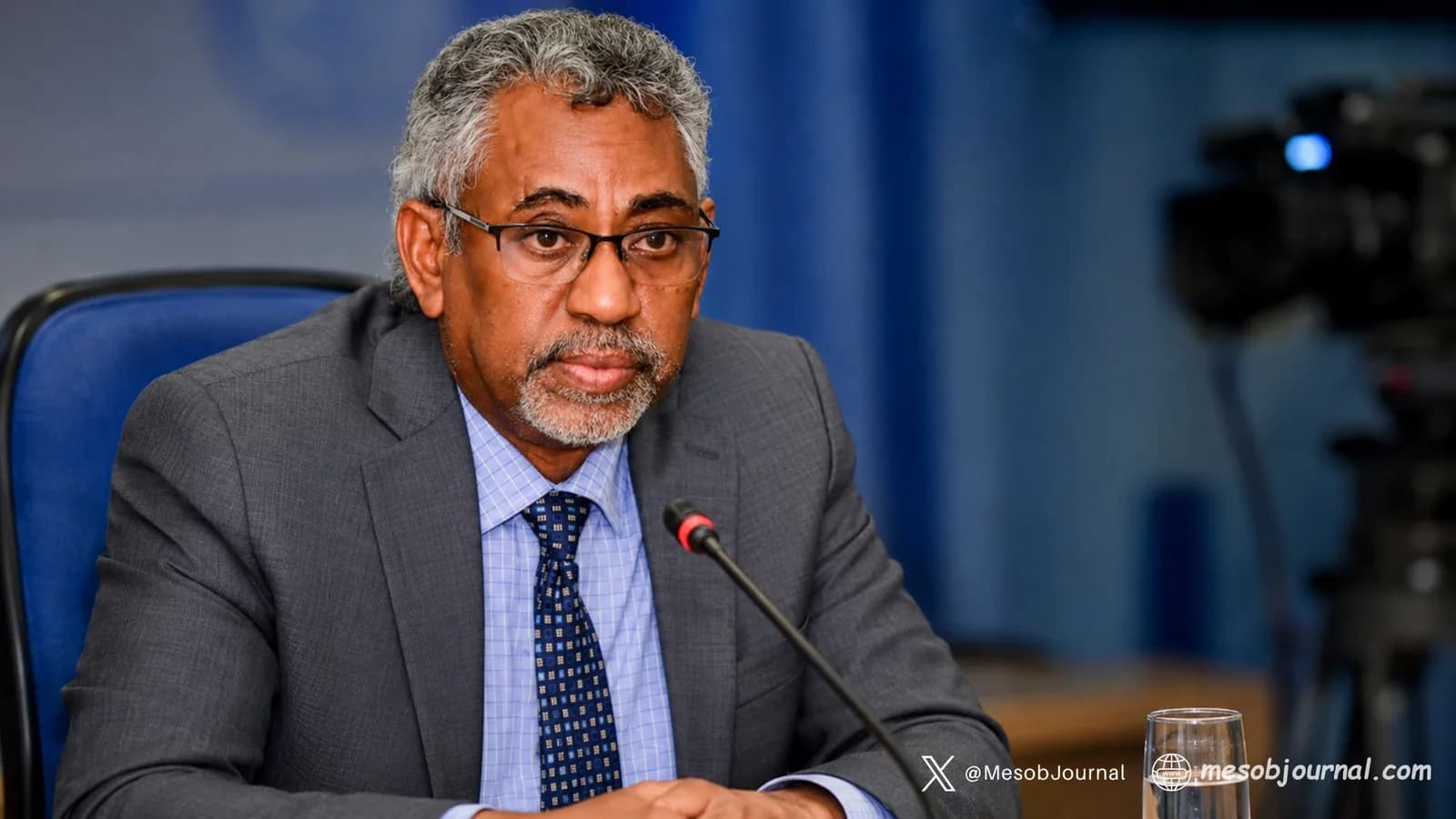
Eritrea has rejected Ethiopia's claims of its involvement in the Pretoria Agreement, asserting that the agreement was solely an Ethiopian affair. Eritrean officials accuse Ethiopia's ruling party of using propaganda to deflect from its internal issues and historical hostilities.
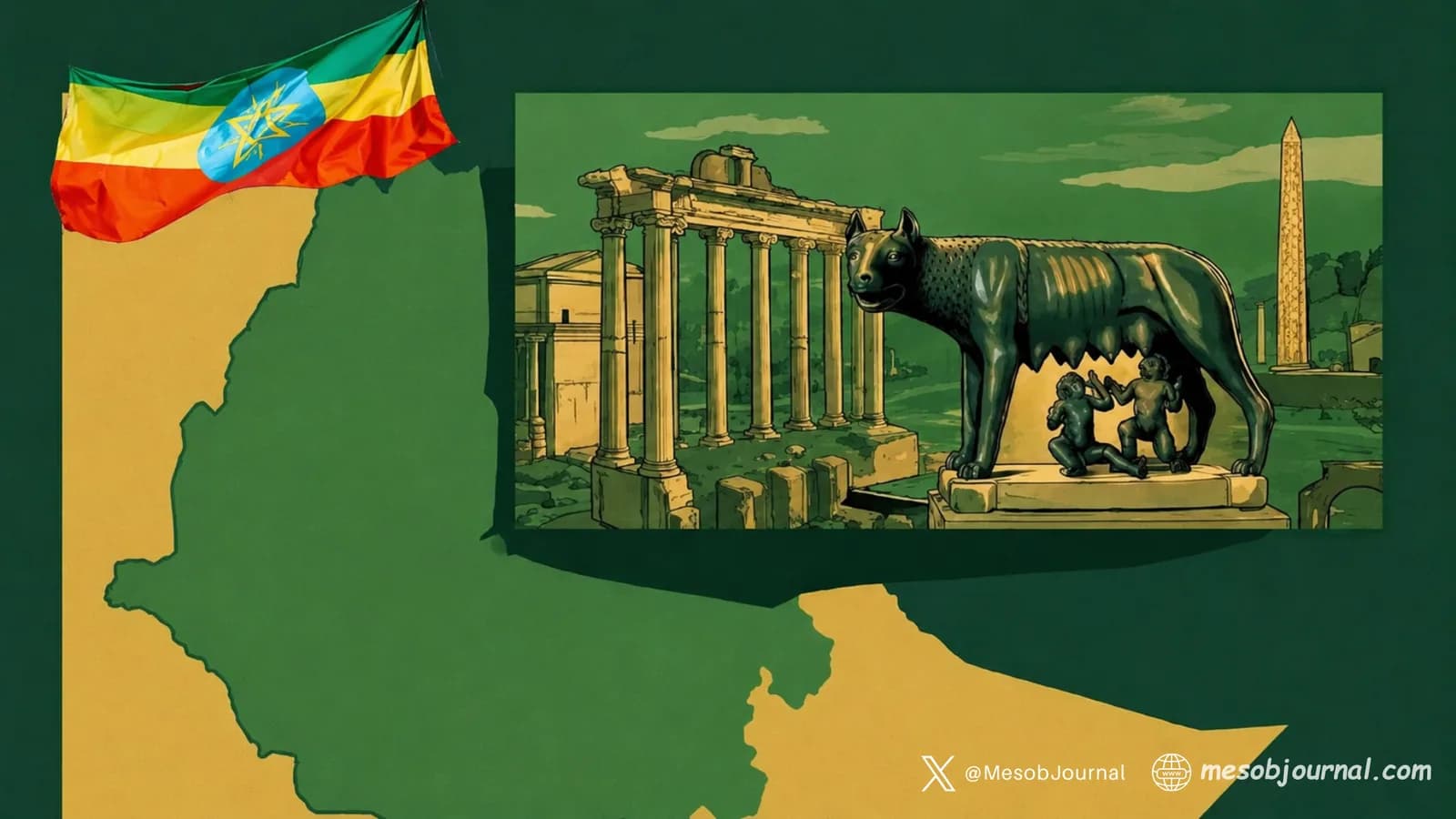
Ethiopia’s political challenges cannot be understood without examining the historical narratives that shape public consciousness. This essay explores how national myths, identity-based ideologies, and competing interpretations of history continue to influence modern political conflicts, regional relations, and debates about sovereignty in the Horn of Africa.
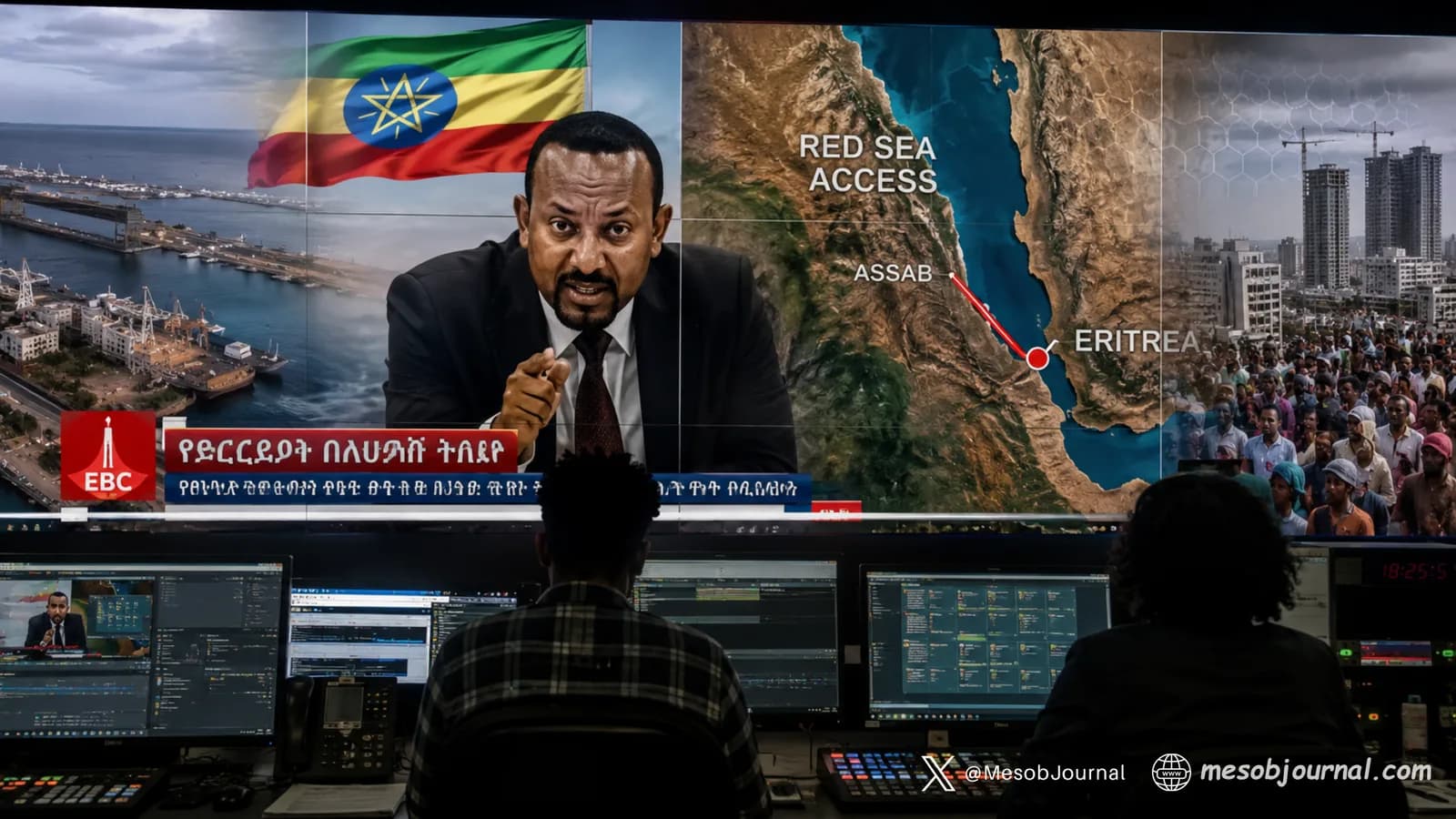
Ethiopian state media obscures internal conflicts while promoting narratives focused on the Red Sea and Eritrea. This strategy diverts attention from pressing issues like war, displacement, and economic challenges, hindering public accountability.
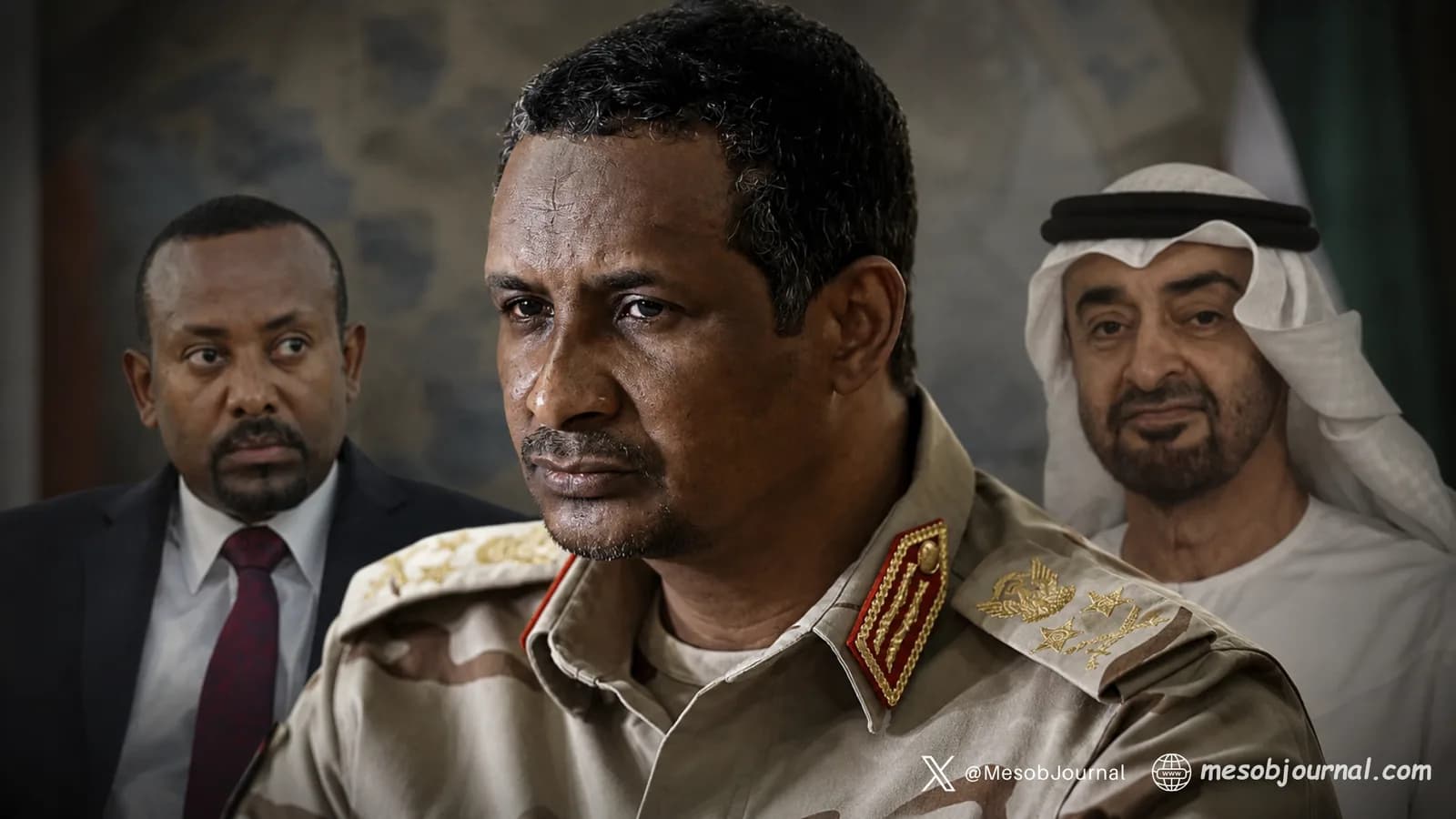
Sudan's conflict has escalated as Hemetti's Rapid Support Forces seek to establish a parallel government, raising fears of national division. This move, supported by external actors, threatens Sudan's sovereignty and complicates future peace efforts.
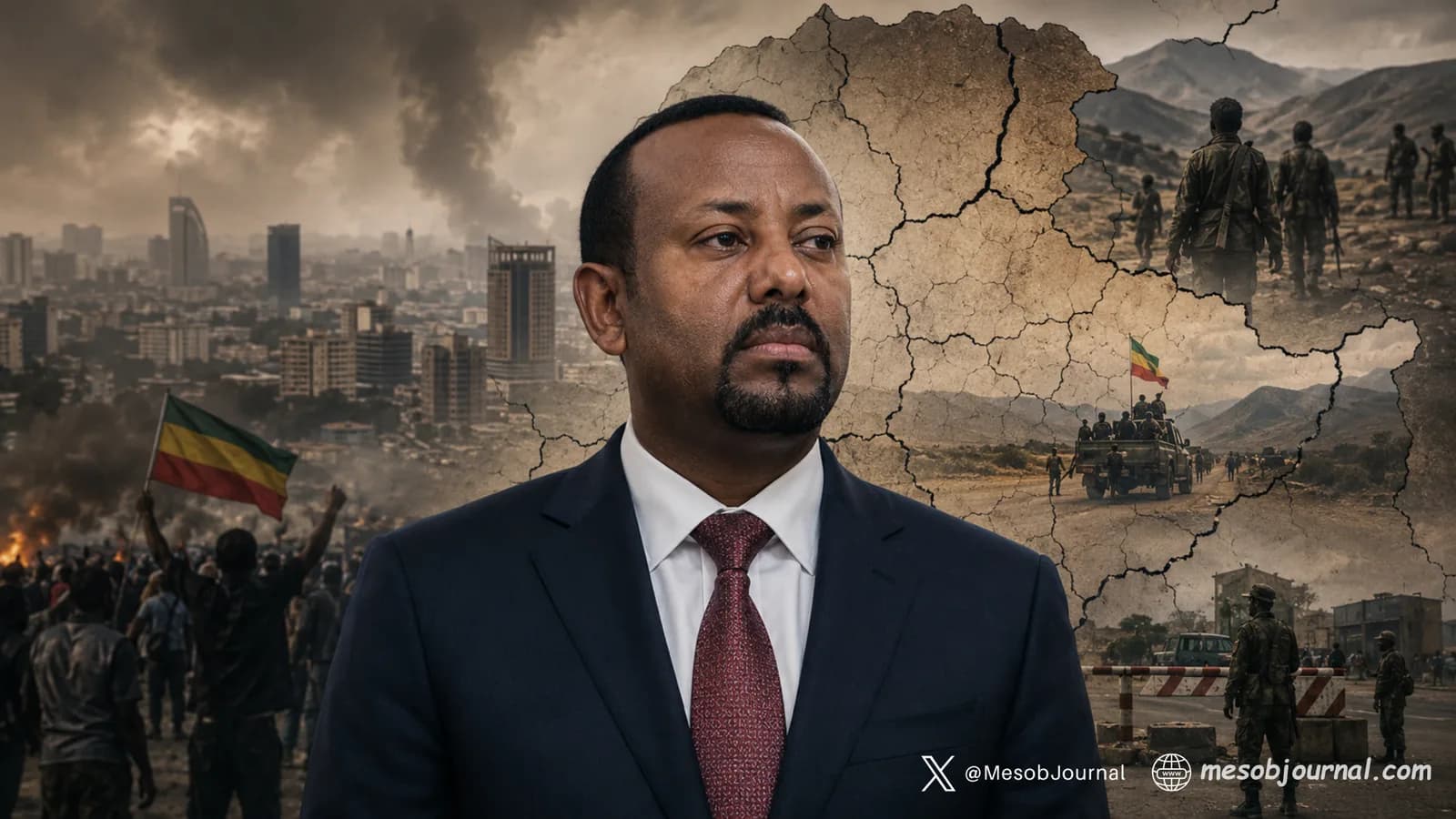
Ethiopia's upcoming election is expected to reaffirm Prime Minister Abiy Ahmed's position amid ongoing internal conflicts and regional tensions. The article explores the implications of Abiy's leadership and the challenges facing Ethiopia's future.
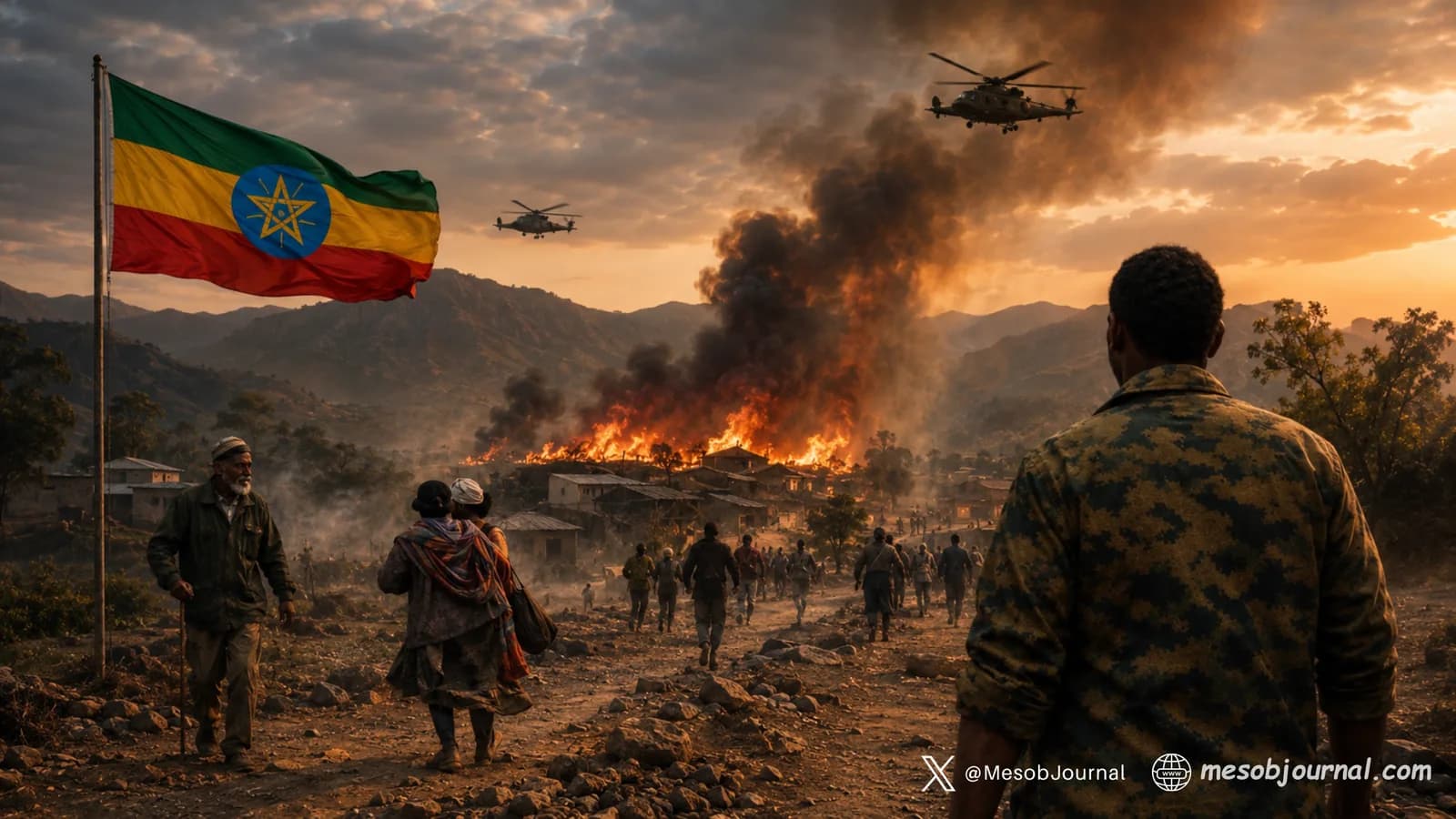
Ethiopia's political landscape is increasingly fragmented and volatile, marked by rising insurgencies and opposition movements. The government's narrative of progress contrasts sharply with the realities of conflict and dissent across the country.