
Ethiopia wakes before dawn now, not because the sun rises early over its highlands but because the country itself no longer sleeps. The hum of anxiety has replaced the rhythm of morning prayer; the air feels heavy with the residue of unspoken fears. In Addis Ababa, the government’s optimism plays on loop Colonel Abiy Ahmed appearing on television, his voice rising over the static, insisting that prosperity has arrived, that the neon - lit economy is proof of progress. Yet the streets tell a different story. The opposition, once a manageable constellation of parties and personalities, has become a sprawling, combustible ecosystem of registered political movements, outlawed factions, and armed insurgencies. It is not an opposition anymore, it is a weather system, unpredictable and vast, sweeping across the country’s fractured terrain.
In the capital, the Coalition for Ethiopian Unity meets in cramped offices above Churchill Avenue, its leaders speaking in low tones about inflation, the price of teff, protein, and the soldiers stationed outside universities. Across town, the Oromo Federalist Congress gathers to discuss detentions and the shrinking space for Oromo political expression, while Balderas for Genuine Democracy dreams of local autonomy and fair elections. They are legal, visible, and vulnerable, operating in a political climate where visibility itself has become a risk. Their meetings feel like acts of defiance, small but deliberate gestures against a state that has grown increasingly intolerant of dissent.
Outside the city, the forests of Oromia thrum with the presence of the Oromo Liberation Army, a force that moves through villages like a shadow. Once the armed wing of the Oromo Liberation Front, it has become its own entity, its own logic. The government calls it terrorism; locals call it inevitability. In towns like Nekemte and Shashamane, nights are punctured by gunfire, and mothers speak of sons who left to join the struggle and never returned. The peaceful Oromo opposition watches helplessly as the political space collapses into rebellion, their electoral strategies rendered almost irrelevant by the realities of insurgency and counterinsurgency.
Far to the north, Tigray’s landscape still bears the scars of the 2020–2022 war. The Pretoria Agreement promised peace, but peace remains elusive. The Tigray People’s Liberation Front, once Ethiopia’s ruling force, has been banned by the National Electoral Board, accused of administrative failures. The TPLF calls it a violation of the peace deal, a provocation, a sign that the federal government is unwilling to allow Tigray meaningful political reintegration. In Mekelle, veteran leaders reassert control over regional structures, even as splinter factions like the Tigray Peace Force emerge, engaging in low level insurgencies. The region is caught between memory and fear, between the war that ended and the one that might return.
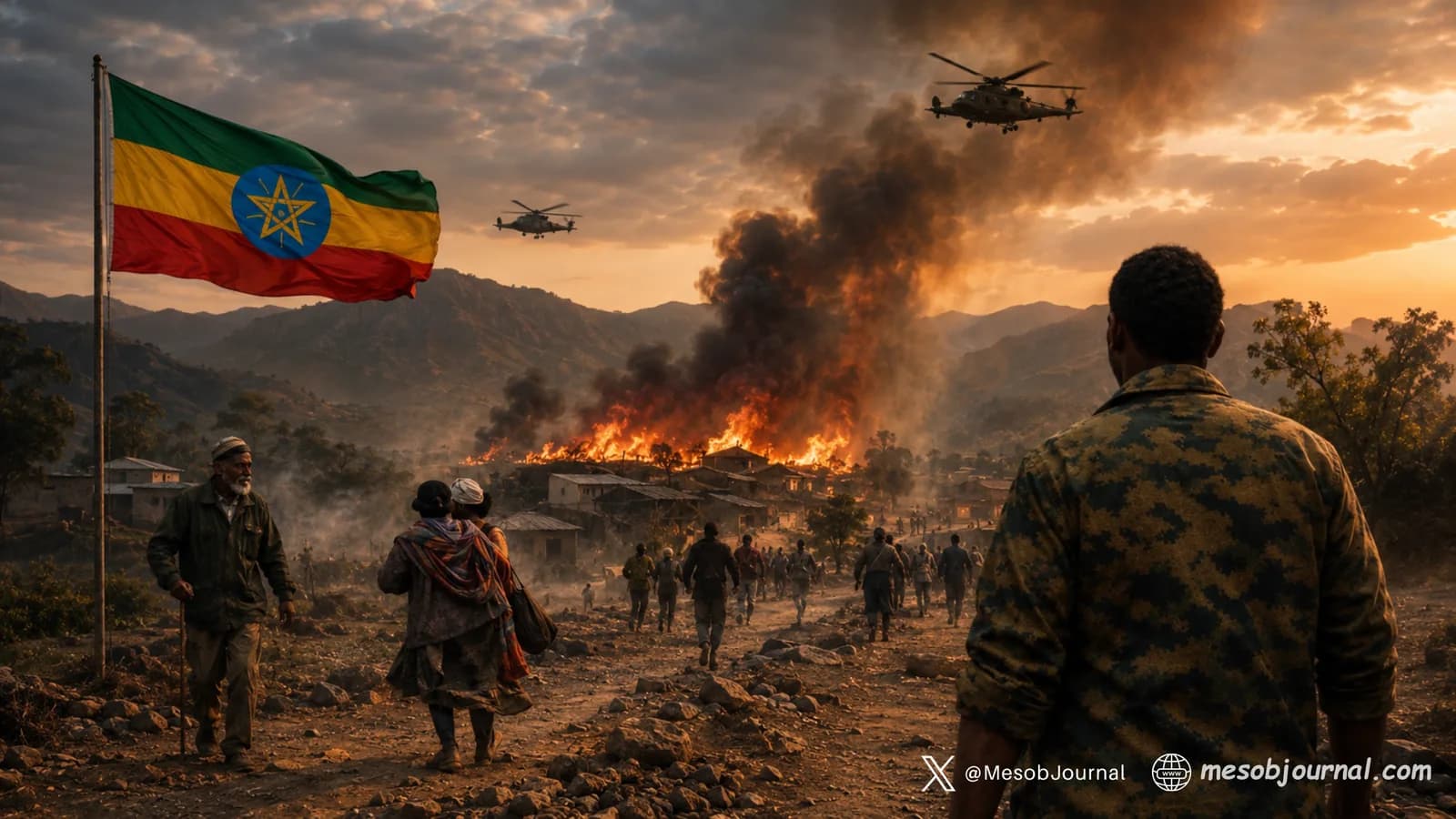
Southward, the Amhara highlands burn. The Fano, once informal self defense groups, have become a full scale insurgency. Their roots stretch back to anti - Italian resistance fighters and student movements, but their modern incarnation was forged in the government’s 2023 decision to dissolve regional special forces. Amhara nationalists saw it as disarmament disguised as reform. In January 2026, multiple factions unified under the Amhara Fano National Movement. Now they control large swaths of the highlands, and the federal government responds with drone strikes. The strikes bring funerals, and the funerals bring recruits. In Lalibela and Debre Tabor, the conflict is not abstract, it is the sound of explosions, the sight of young men carrying rifles, the knowledge that the state no longer governs the land it claims.
Beyond the power centers, Ethiopia’s peripheries stir. In Afar, the People’s Party, ARDUF, and Liberation Front warn of land expropriation and political marginalization. In Gambella, the Liberation Front negotiates peace even as ethnic tensions simmer beneath the surface. In Benishangul - Gumuz, the Boro Democratic Party challenges constitutional amendments that redrew electoral districts without justification, while kidnappings and assassinations haunt the region like a recurring nightmare. In the Somali Region, the Somali People’s Alliance for Self-Determination declares the 2026 elections illegitimate, calling them a manufactured spectacle. Across the periphery, the message is the same: the center no longer holds.
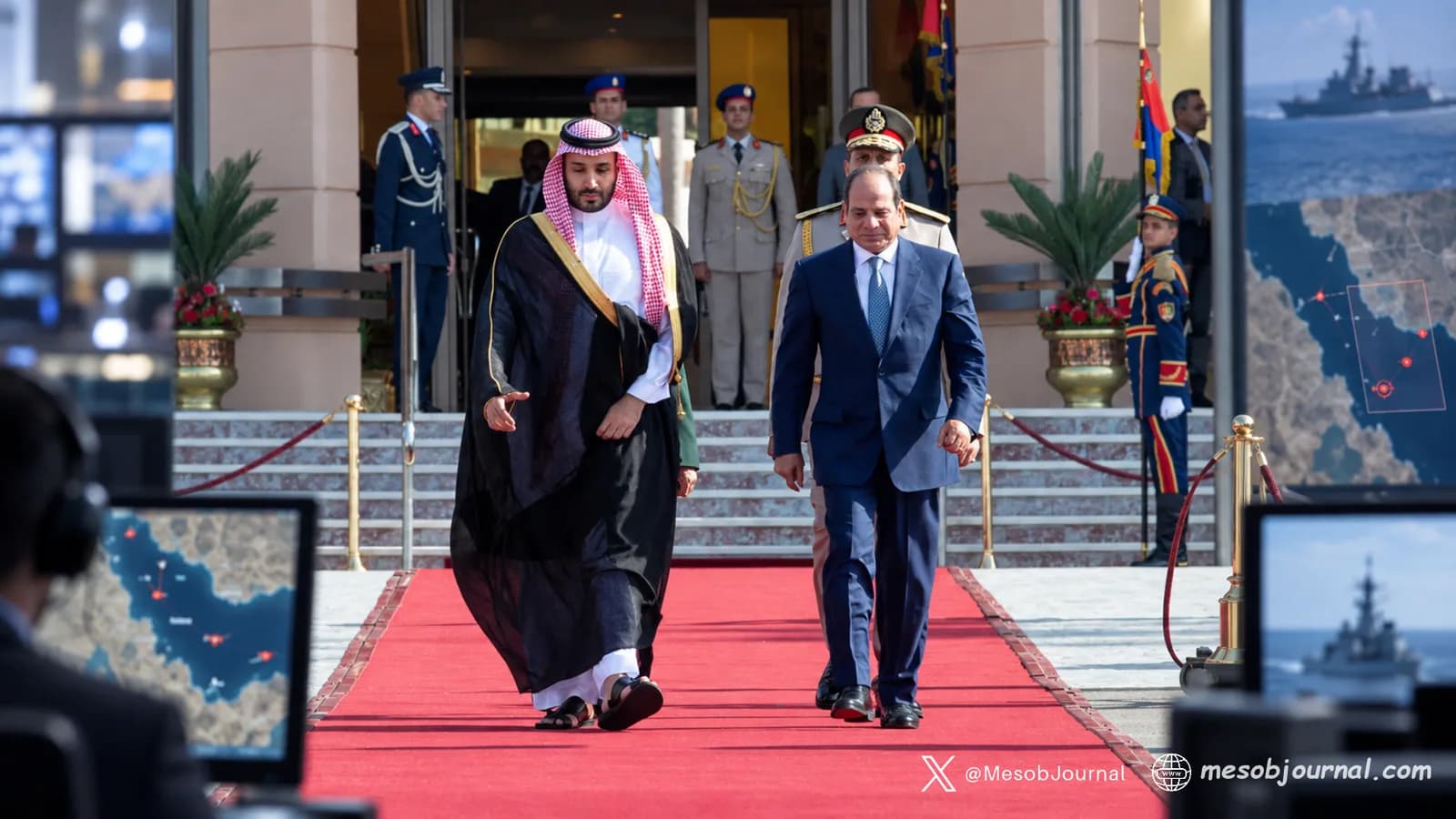
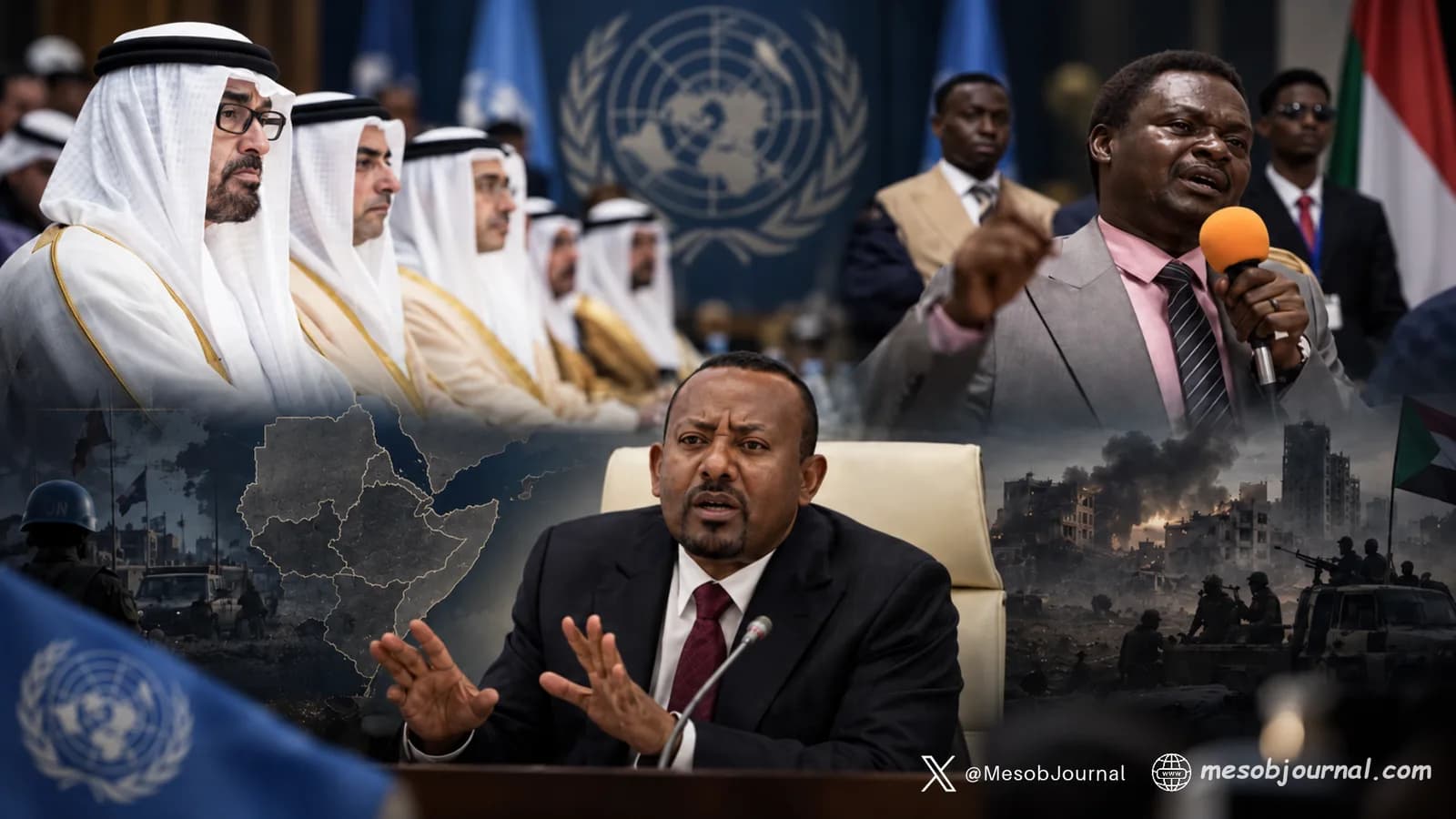
Ethiopia’s internal fractures mirror its external isolation. Sudan masses troops along the border; Egypt expands its influence in the Horn; Somalia grows wary; Djibouti grows uneasy; the United States and Europe recalibrate their policies. Even Tigray appears to be preparing for statehood. The Horn of Africa is shifting, and Ethiopia is no longer its anchor. The country’s diplomatic posture has become reactive, defensive, and increasingly desperate, as if the government itself senses the ground slipping away.
In cafés across Addis, people whisper the same questions: What will Ethiopia look like after Abiy? Will the country survive another rupture? Who will lead it out of this crisis? What will become of Ethiopia? The country wakes early now, earlier than it used to, because the future is uncertain and uncertainty is a kind of insomnia. Ethiopia has been here before on the edge of collapse, on the edge of rebirth. The question now is which direction it will fall.
And yet, as Ethiopia stumbles through this manufactured darkness, one truth becomes impossible to ignore: the crisis consuming the country is not an accident of history, nor an inevitable clash of ancient grievances. It is the direct result of a government that has chosen incompetence as a governing philosophy and denial as a national strategy. The Potemkin Party presides over a nation unraveling at every seam, yet behaves as if the unraveling is a minor administrative inconvenience, something to be managed with press conferences, staged rallies, and Colonel Abiy’s increasingly frantic televised monologues about imaginary economic miracles.
The government’s failures are not abstract. They are visible in the burned out villages of Amhara, in the mass displacement across Oromia, in the suffocating silence of Tigray’s unresolved peace, in the Afar desert where land is taken without compensation, in the Somali Region where elections are dismissed as manufactured spectacles, and in the Gambella lowlands where the state’s presence is felt only in its absence. These are not the symptoms of a country facing misfortune; they are the consequences of a leadership that has abandoned governance in favor of self preservation.
What makes the moment even more chilling is the government’s refusal to acknowledge the scale of the collapse. Instead of confronting the crises it helped create, the administration lashes out at critics, arrests journalists, and blames external enemies for internal failures. It is a government that governs by projection accusing others of the very instability it fuels. It is a government that mistakes stubbornness for strength, propaganda for policy, and silence for stability. And in doing so, it has become the single greatest threat to Ethiopia’s territorial integrity.
The country is not merely drifting toward disaster; it is being driven there by a leadership too insecure to admit error and too inexperienced to correct course. Ethiopia is being asked to endure the consequences of a government that cannot manage its own contradictions, let alone the country’s. Abiy’s insistence that Ethiopia is thriving, his obsession with neon lights, vanity projects, and hollow slogans would be comical if it were not so grotesquely detached from the suffering of millions. It is a performance of leadership, not the practice of it.
And so Ethiopia wakes before dawn, not out of hope but out of vigilance. People rise early because they no longer trust the day to unfold safely. They wake because the state has abdicated its most basic responsibility: to protect its citizens from chaos, hunger, and fear. They wake because the government sleeps through crises it created, dreaming of prosperity while the country burns.
But dawn is also a reckoning. It exposes what the night tries to hide. It reveals the widening gap between the government’s fantasies and the country’s reality. It forces the question that the Poverty Party cannot escape: how long can a nation survive when its leaders refuse to lead?
Ethiopia has endured feudals, emperors, juntas, revolutions, and civil wars. It has been broken before and rebuilt itself with improbable resilience. But resilience is not infinite. A country cannot be expected to survive perpetual mismanagement, perpetual denial, perpetual conflict. At some point, the burden becomes too heavy even for a nation as historically unbreakable as Ethiopia.
The truth is stark: Ethiopia is not at the precipice because of fate. It is at the precipice because its government walked it there and refuses to step back. Whether the country falls or finds a way to pull itself upward will depend on forces far more honest, far more competent, and far more courageous than the ones currently in power.
The dawn Ethiopia wakes to each morning is cold, uncertain, and unforgiving. But it is also a reminder that no government, however incompetent or self deluded, can extinguish a nation’s will to survive. The question now is whether Ethiopia’s leaders will continue dragging the country toward collapse or whether the country will finally decide it has had enough. The country stands at the precipice, but it has not yet stepped over.