
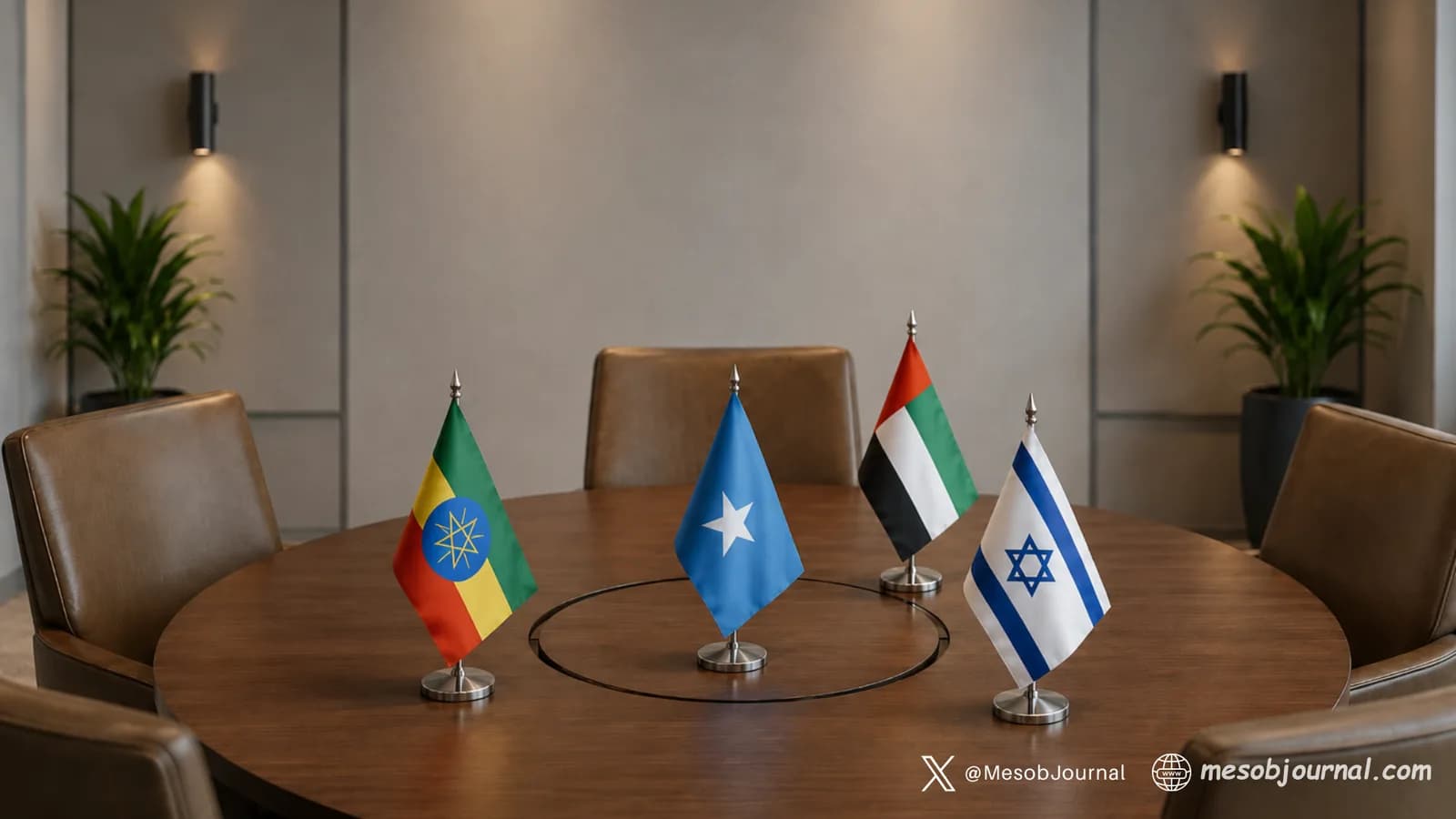
Israel has crossed a dangerous line in the Horn of Africa by receiving Somaliland’s first ambassador in Jerusalem, a move that openly challenges Somalia’s sovereignty and rewards the politics of fragmentation.
Somaliland’s foreign ministry said Dr. Mohamed Omar Hagi Mohamoud presented his letters of credence to Israeli President Isaac Herzog. Israeli Foreign Minister Gideon Sa’ar later said he hosted the envoy at the Foreign Ministry and would continue building relations with Somaliland.
Hargeisa called it a diplomatic milestone.
For Somalia, it is an illegal foreign intervention in its internal affairs.
Somaliland has operated separately for more than three decades, with its own institutions and political system. That reality is not in dispute. But it has not been recognized as an independent state by the African Union, the United Nations or the wider international community. Somalia remains the internationally recognized sovereign state.
Israel’s move cuts directly against that legal order.
This is not quiet engagement, humanitarian support or mediation. It is a foreign state receiving credentials from a representative of a breakaway region as if Somalia’s borders can be ignored. That is a belligerent diplomatic act, dressed up as normal protocol.
It also comes at the expense of the Somali people. Somalia is still rebuilding after decades of war, terrorism, foreign interference and institutional collapse. It needs partners that help strengthen state authority and support a Somali-led political settlement. Instead, Israel has chosen to treat Somalia’s unresolved internal wound as a strategic opportunity.
The reason is not difficult to see.
Somaliland sits near the Gulf of Aden and the Bab el-Mandeb, facing Yemen across one of the world’s most sensitive maritime corridors. With the Houthis targeting Red Sea shipping and Israeli-linked interests, geography has become security currency. Israel wants eyes, access and influence near the corridor.
Somaliland offers that.
But useful geography does not erase international law.
This is the same dangerous logic Ethiopia pushed into the open in January 2024, when it signed its memorandum with Somaliland over Red Sea access. Addis Ababa did not merely pursue trade or port services. It tried to build a strategic arrangement through Hargeisa while bypassing Mogadishu, opening a Pandora’s box in the Horn.
Ethiopia bears heavy responsibility for that precedent. It showed external powers that Somalia’s sovereignty could be tested through Somaliland. It normalized the idea that a breakaway region could be used as a back door to the sea, to military positioning and to regional leverage.
Israel is now walking through that door.
Different flag. Same damage.
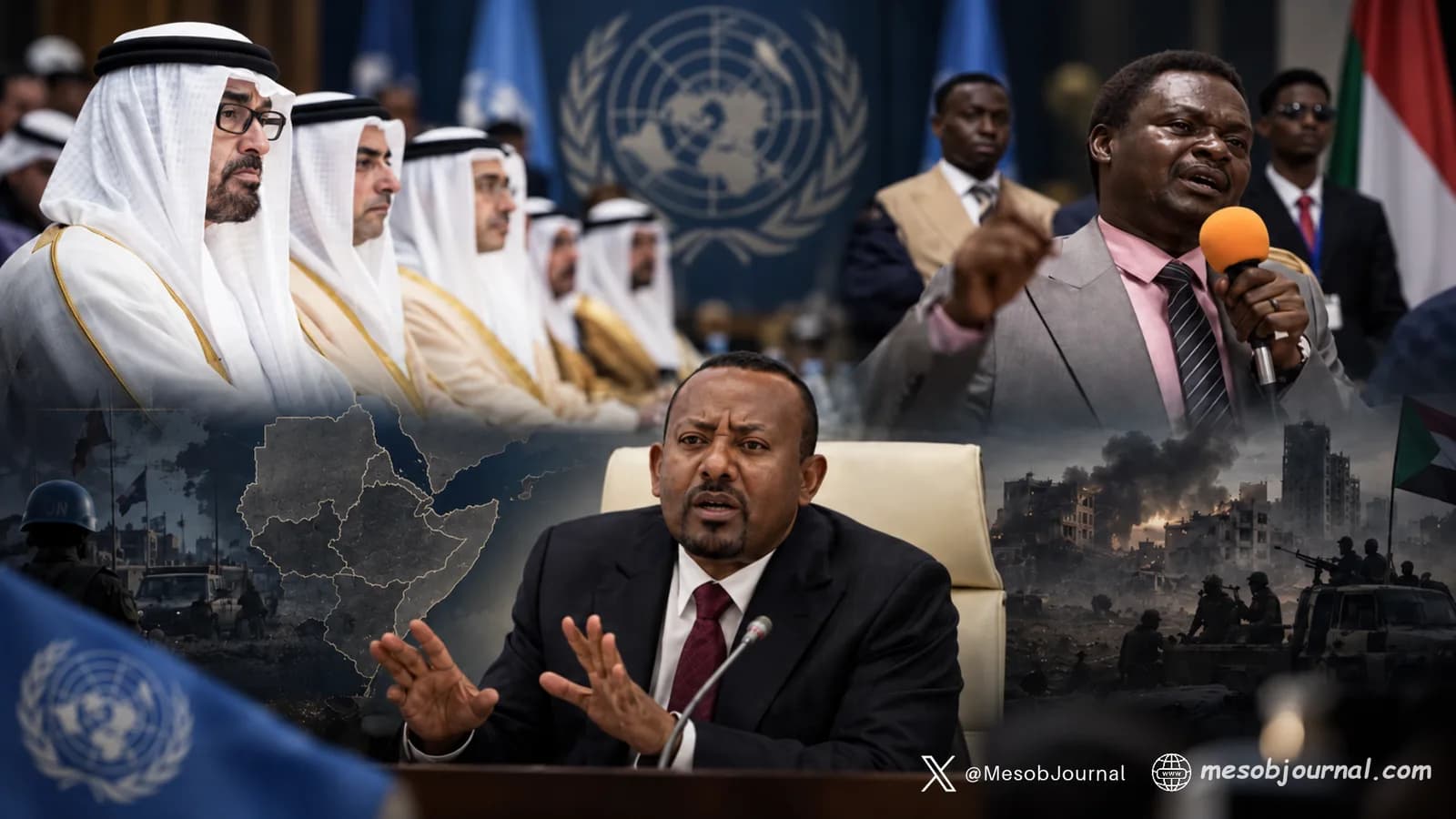
The UAE’s role adds another layer to the region’s disorder. From Sudan’s war to port politics and influence networks along the Red Sea, Abu Dhabi has become associated with a hard-edged regional strategy that often treats fragile states as platforms rather than sovereign nations. Sudan is the warning. Once outside powers decide an armed faction or divided territory is useful, national collapse becomes someone else’s bargaining tool.
That is the danger now facing the Horn.
Ethiopia gave this violation an African cover. Israel has now internationalized it. The UAE’s regional conduct shows where this road can lead: fractured states, militarized coastlines, proxy conflicts and ports turned into instruments of pressure.
Somalia is a sovereign African state with a people who have paid enough for war, disorder and foreign ambition.
No country that claims to respect international law can bypass Mogadishu and pretend it is neutral diplomacy. No external power has the right to profit from Somalia’s fragmentation while speaking the language of partnership. And no Horn of Africa state should mistake short-term tactical gain for regional stability.
Somaliland’s grievances and political reality cannot be dismissed. A serious Somali settlement will have to address them honestly. But that settlement must be Somali-led. It cannot be imposed through recognition games in Jerusalem, maritime deals in Addis Ababa or port calculations in Abu Dhabi.
The Horn of Africa needs peace, not experiments in controlled chaos.
It needs states that respect borders, not actors that turn borders into bargaining chips.
Israel’s move may serve a short-term Red Sea calculation. For Somalia, it is a direct sovereignty challenge. For the wider Horn, it is another reckless step toward a chaotic future being pushed by the same forces now treating the region as a chessboard: Ethiopia, the UAE and Israel.