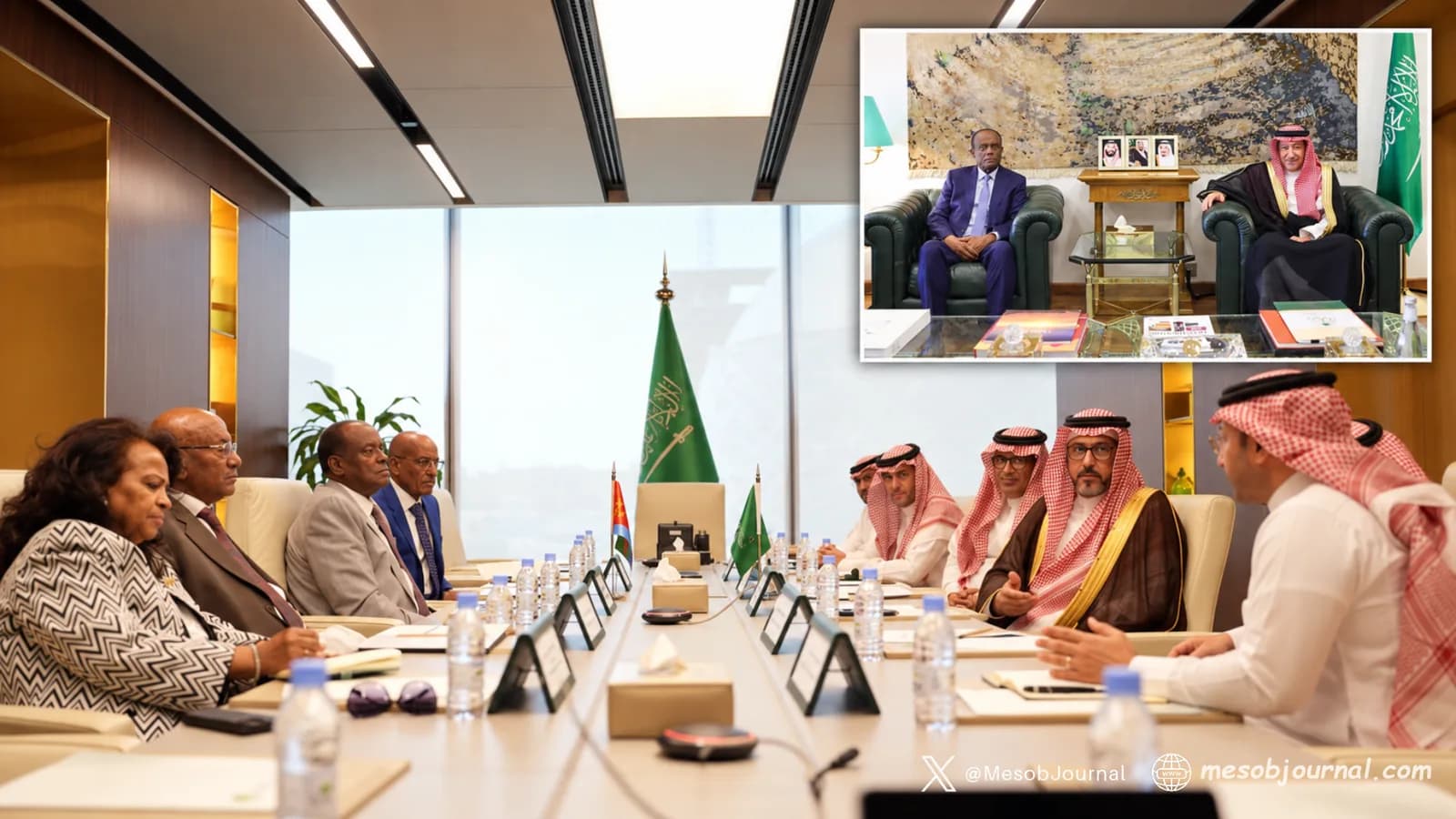

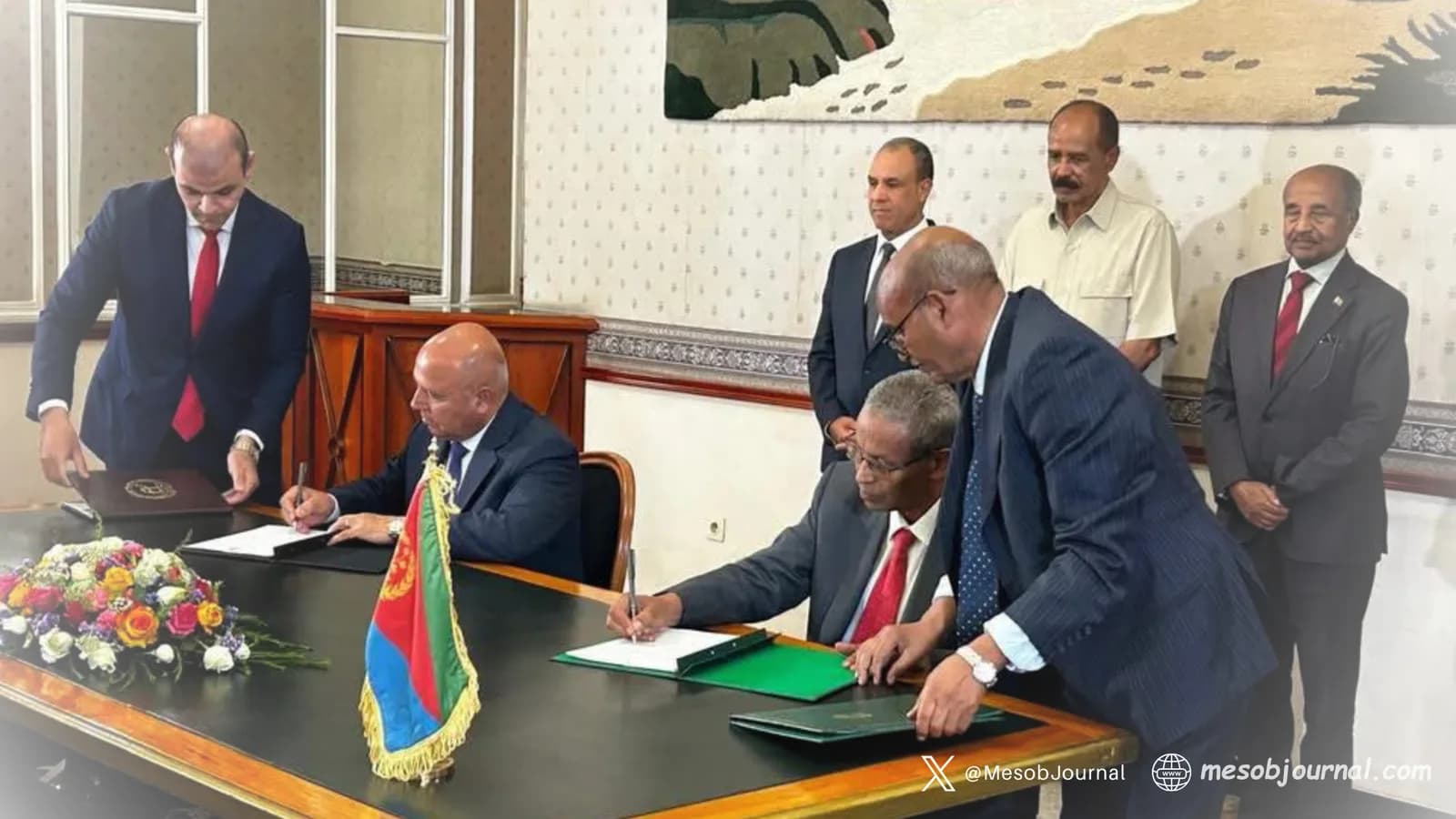
Eritrea and Egypt moved to deepen their strategic and economic partnership on Saturday as President Isaias Afwerki received a senior Egyptian delegation in Asmara led by Foreign Minister Badr Abdelatty and Transport Minister Lt. Gen. Eng. Kamel El-Wazir.
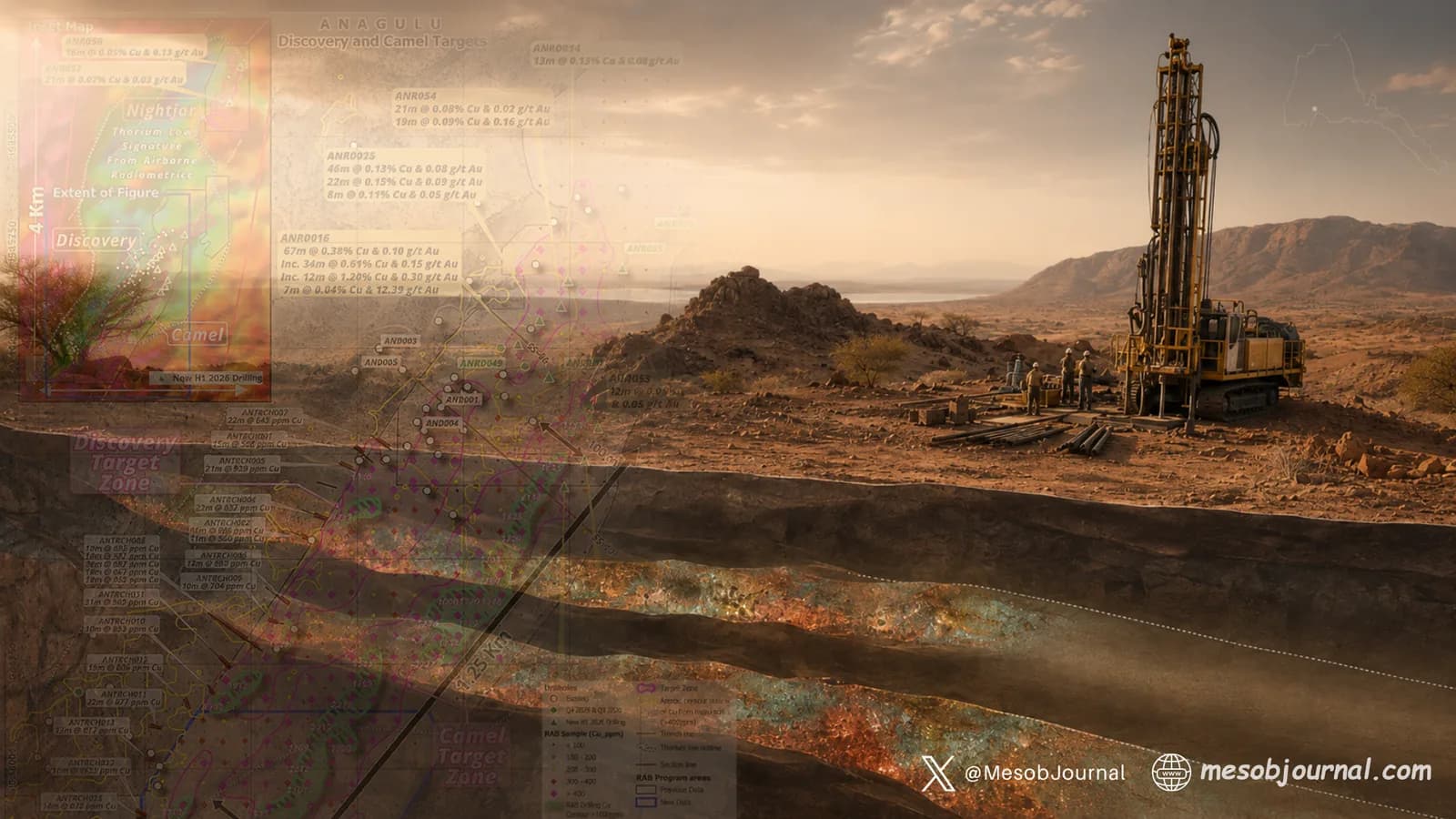
According to Eritrea’s Minister of Information, Yemane G. Meskel, the delegation also included Egyptian business leaders and company executives involved in the transport, energy and mining sectors. The visit focused on expanding cooperation in transport, infrastructure, investment, trade, energy, mining, pharmaceuticals and fisheries.
At the Denden Guest House, President Isaias underlined Eritrea’s readiness to advance practical cooperation with Egyptian economic and trade companies, stressing the importance of consolidating all-rounded ties in a way that serves the interests of both peoples.
Abdelatty said the visit reflected the longstanding friendship between Eritrea and Egypt and was aimed at translating the direction set by President Isaias Afwerki and President Abdel Fattah el-Sisi into concrete economic and trade cooperation.
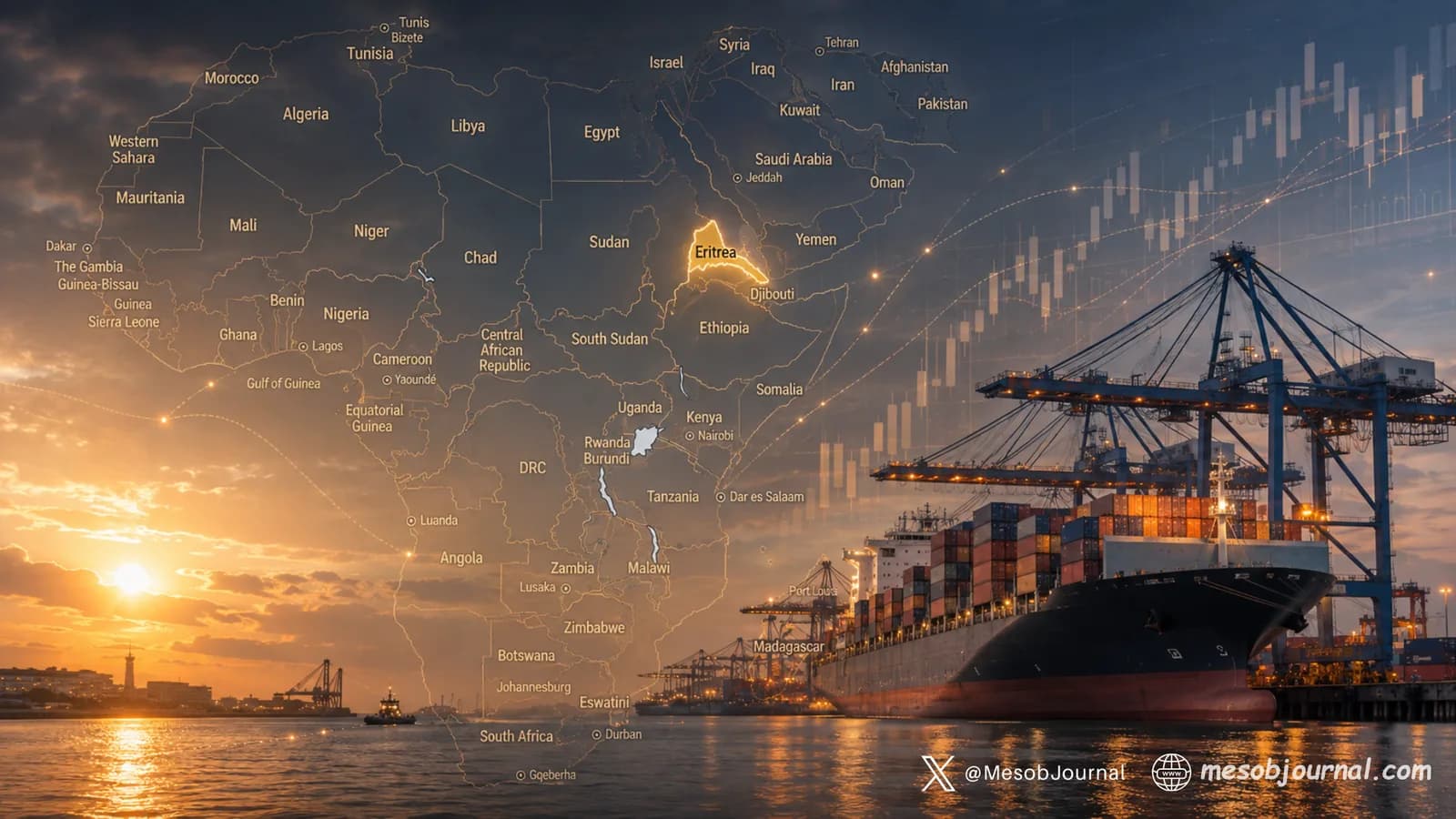
The two countries signed an agreement on maritime transport, designed to strengthen cooperation in the sector and contribute to international shipping on the basis of freedom of navigation. The agreement was signed by Eritrea’s Minister of Transport and Communications, Berhane Tesfaselassie, and Egypt’s Minister of Transport, Kamel El-Wazir.
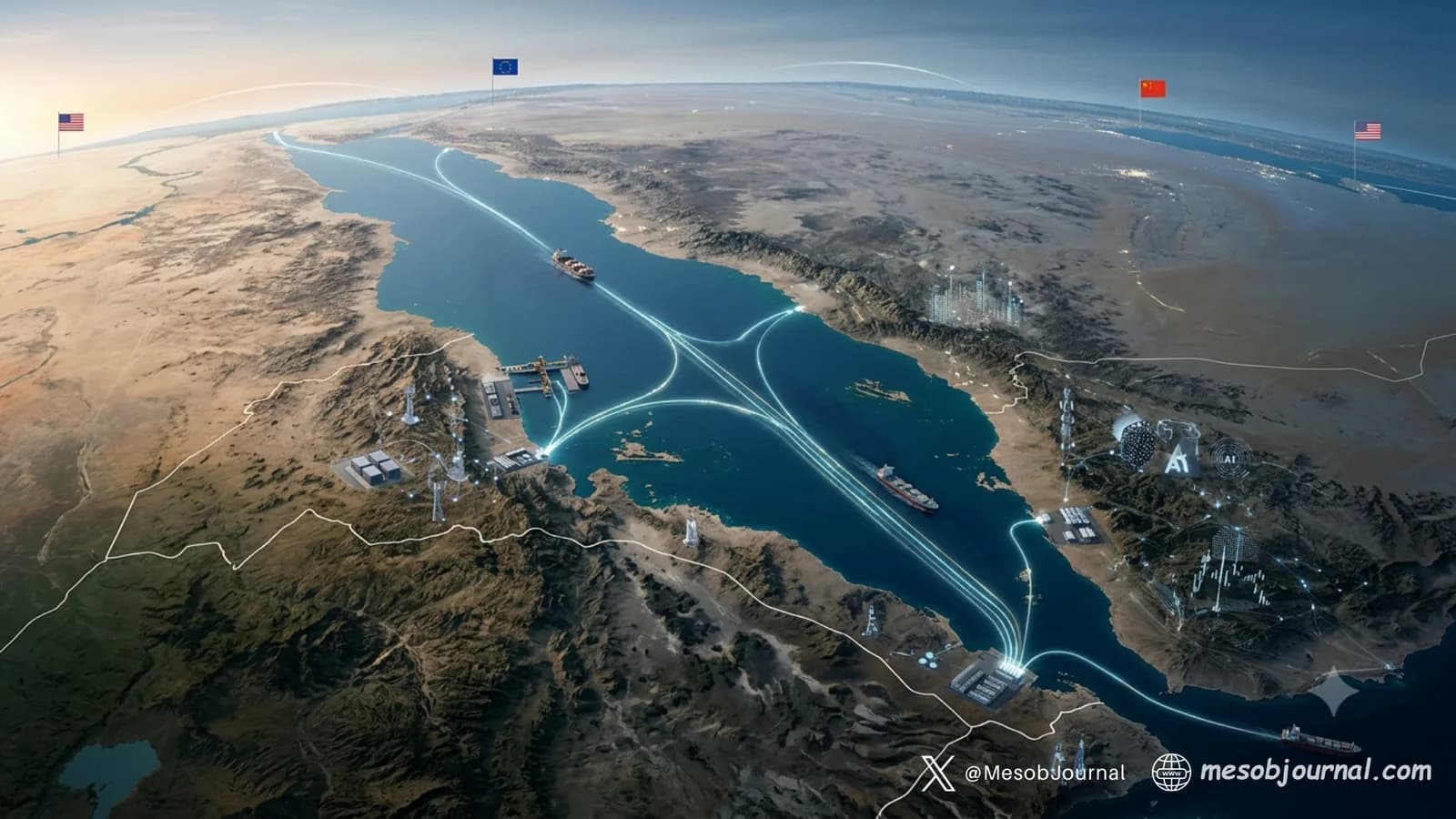
Egypt’s State Information Service said the talks also covered plans for a cargo shipping line linking Egyptian and Eritrean ports through the Red Sea, a step expected to support trade flows, logistics connectivity and broader economic cooperation between the two countries.
The maritime transport agreement gives the visit a practical dimension, moving the relationship beyond political coordination and into trade, logistics and Red Sea connectivity.
Egypt reaffirmed its support for Eritrea’s sovereignty, unity and territorial integrity, while both sides stressed that the governance and security of the Red Sea are the responsibility of coastal states. The position reflects a growing convergence between Asmara and Cairo at a time when the Horn of Africa and Red Sea corridor have become central to regional security calculations.
The discussions also addressed developments in Sudan and Somalia, with emphasis on preserving national institutions, sovereignty and territorial integrity across the region. Eritrea and Egypt both view instability in the Horn of Africa as directly linked to Red Sea security and wider regional stability.
The Asmara visit follows earlier Eritrean-Egyptian economic contacts in April, when Eritrean officials met Egyptian counterparts to discuss cooperation in sea transport, renewable energy, food processing and trade expansion.
For Cairo, the visit signals a stronger economic and strategic push along the Red Sea. For Asmara, it reflects a continued effort to build practical partnerships based on sovereignty, mutual respect and regional stability rather than external pressure or imposed security arrangements.