
Egypt’s Foreign Minister Dr. Badr Abdelatty has described Eritrea as “a pillar of security and stability” in the Horn of Africa, after a high-level Egyptian delegation visited Asmara for talks with President Isaias Afwerki and signed a maritime transport agreement aimed at strengthening port and shipping cooperation.
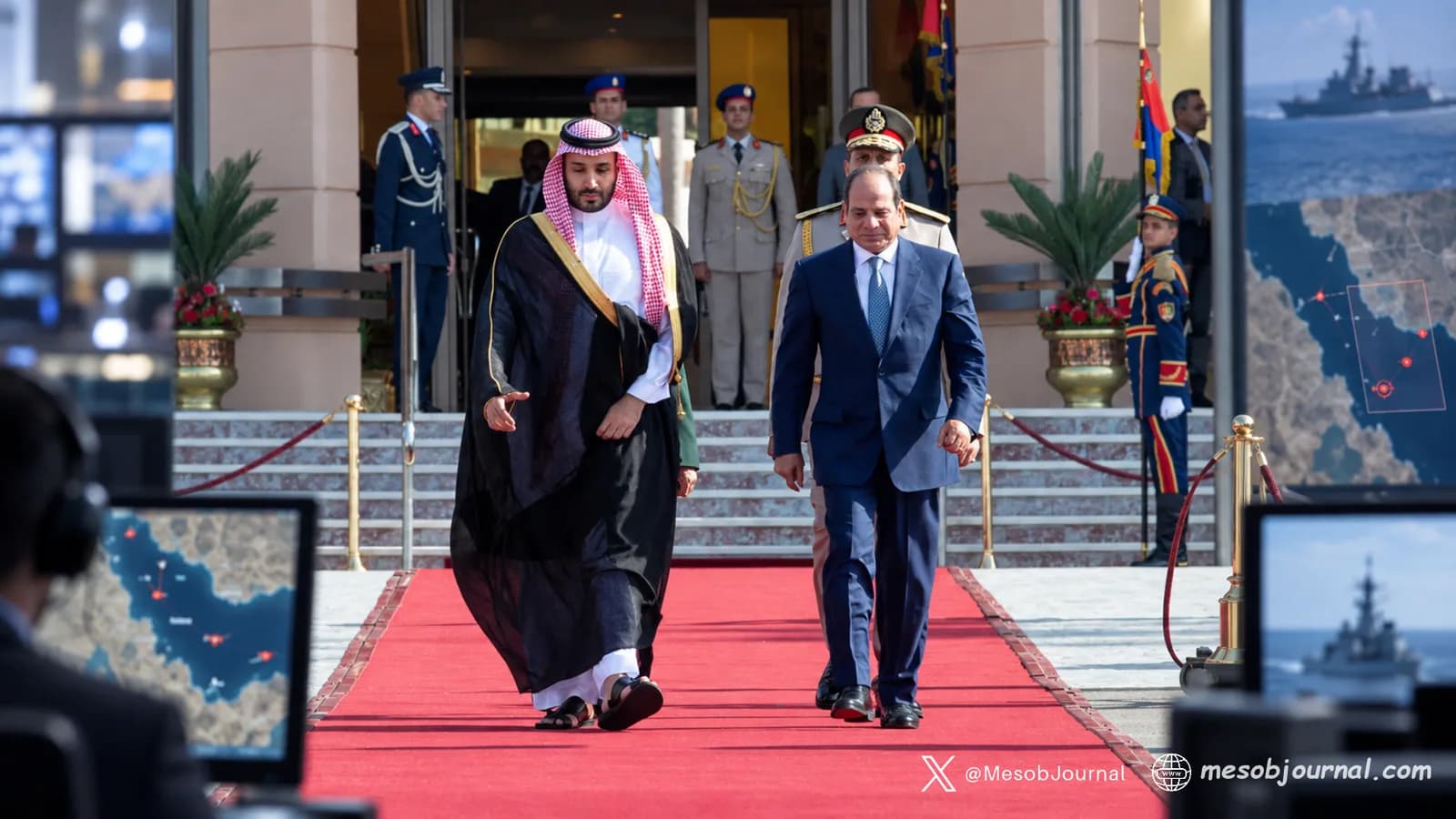
Abdelatty, who was accompanied by Egypt’s Minister of Transport and executives from major Egyptian companies, said the visit came on the direct instructions of President Abdel Fattah El-Sisi and reflected Cairo’s commitment to a “qualitative leap” in relations with Eritrea. The delegation met President Isaias at Denden Guest House, with discussions covering bilateral cooperation, Red Sea security and regional developments.
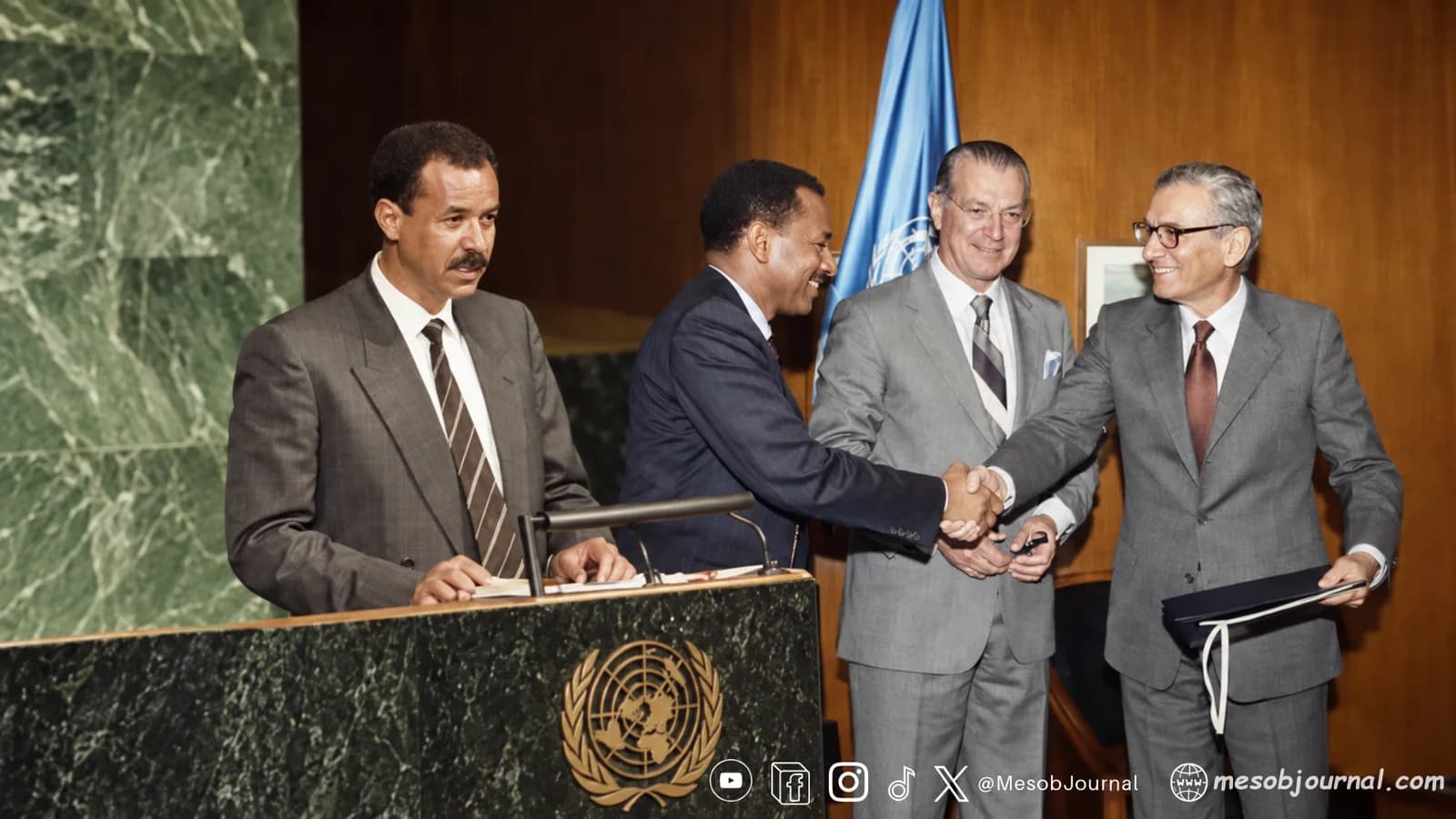
The Egyptian minister said he carried a message of “brotherhood, friendship, support and solidarity” from President El-Sisi to President Isaias, as Eritrea prepares to mark the 35th anniversary of its independence.
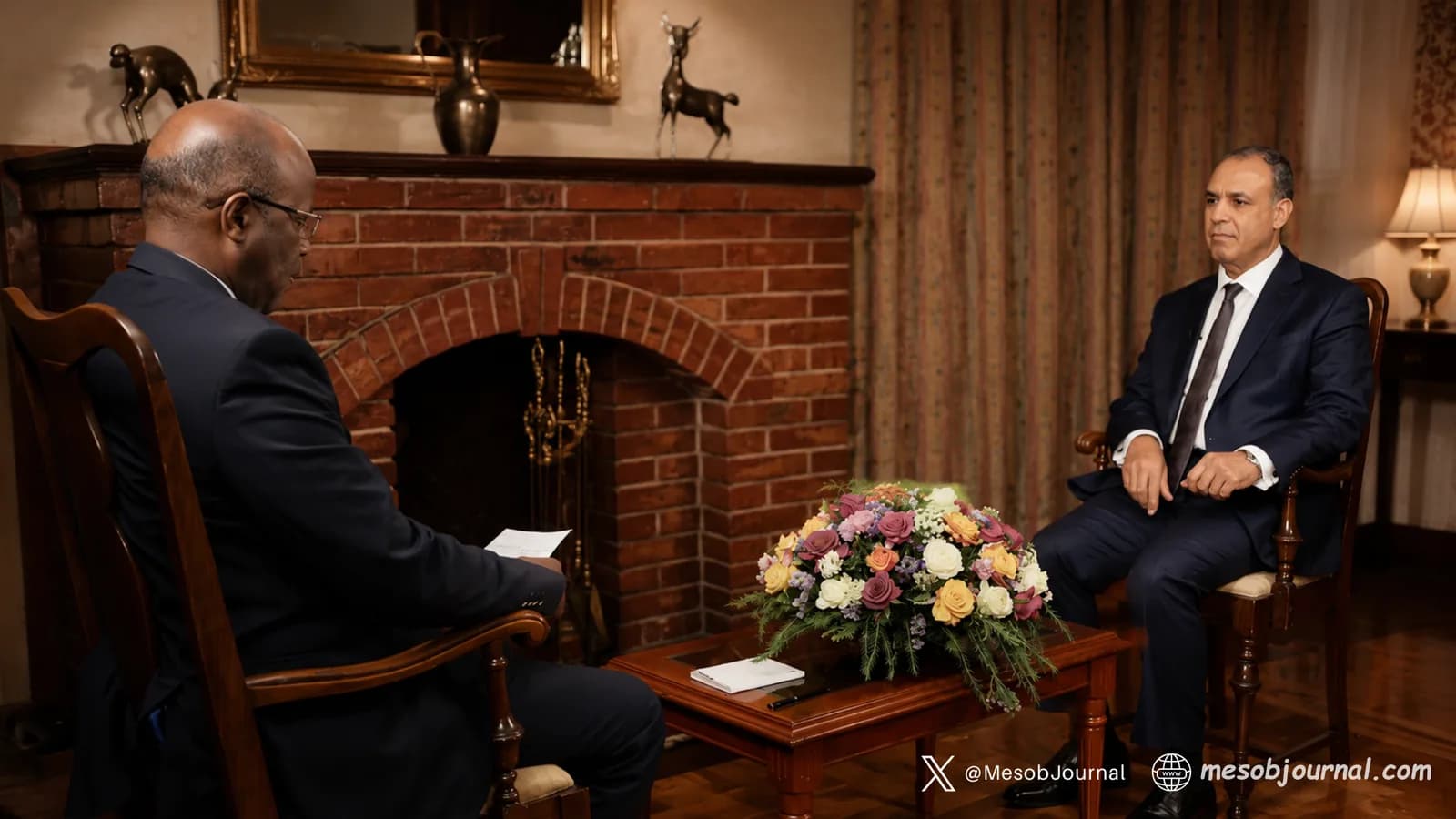
“We consider Eritrea a pillar of security and stability in the Horn of Africa,” Abdelatty said in an interview with Eritrean state media, adding that both governments had a clear political will to expand cooperation.
The visit also produced a maritime transport agreement, signed in the presence of President Isaias. Abdelatty said the agreement would support direct shipping links between Egyptian and Eritrean ports and help expand trade, logistics and economic cooperation.
The Egyptian delegation included companies active in agriculture, mining, manufacturing, pharmaceuticals, electricity, construction and maritime transport. Abdelatty singled out Arab Contractors and Elsewedy Electric, saying Egyptian firms were not looking for short-term commercial deals but long-term investment in Eritrea.
“These Egyptian companies are not here merely for temporary commercial deals, but to invest and remain in Eritrea,” he said, pointing to potential cooperation in mining, pharmaceuticals, construction, electricity and irrigation.
The maritime agreement gives the visit a practical dimension, moving the relationship beyond political coordination and into trade, logistics and Red Sea connectivity. It also comes as Egypt and Eritrea continue to align on the principle that Red Sea security should be handled by the countries bordering the waterway.
Abdelatty said Cairo and Asmara agreed that governance and security of the Red Sea and Gulf of Aden must remain the responsibility of littoral states.
“This is crystal clear and non-negotiable,” he said. He added that discussions were under way among Red Sea states, including Saudi Arabia, Eritrea, Egypt, Jordan, Yemen and Somalia, to activate the Council of Arab and African States Bordering the Red Sea and the Gulf of Aden.
The Egyptian foreign minister also referred to cooperation under Egypt’s “Stream Initiative,” covering environmental cooperation, maritime rescue, logistics and port connectivity.
On wider regional tensions, Abdelatty said Egypt and Eritrea shared a preference for dialogue, de-escalation and peaceful solutions. He warned against “military adventures” and said the region could not afford further instability.
“We must focus on dialogue, de-escalation, and promoting peaceful solutions,” he said.
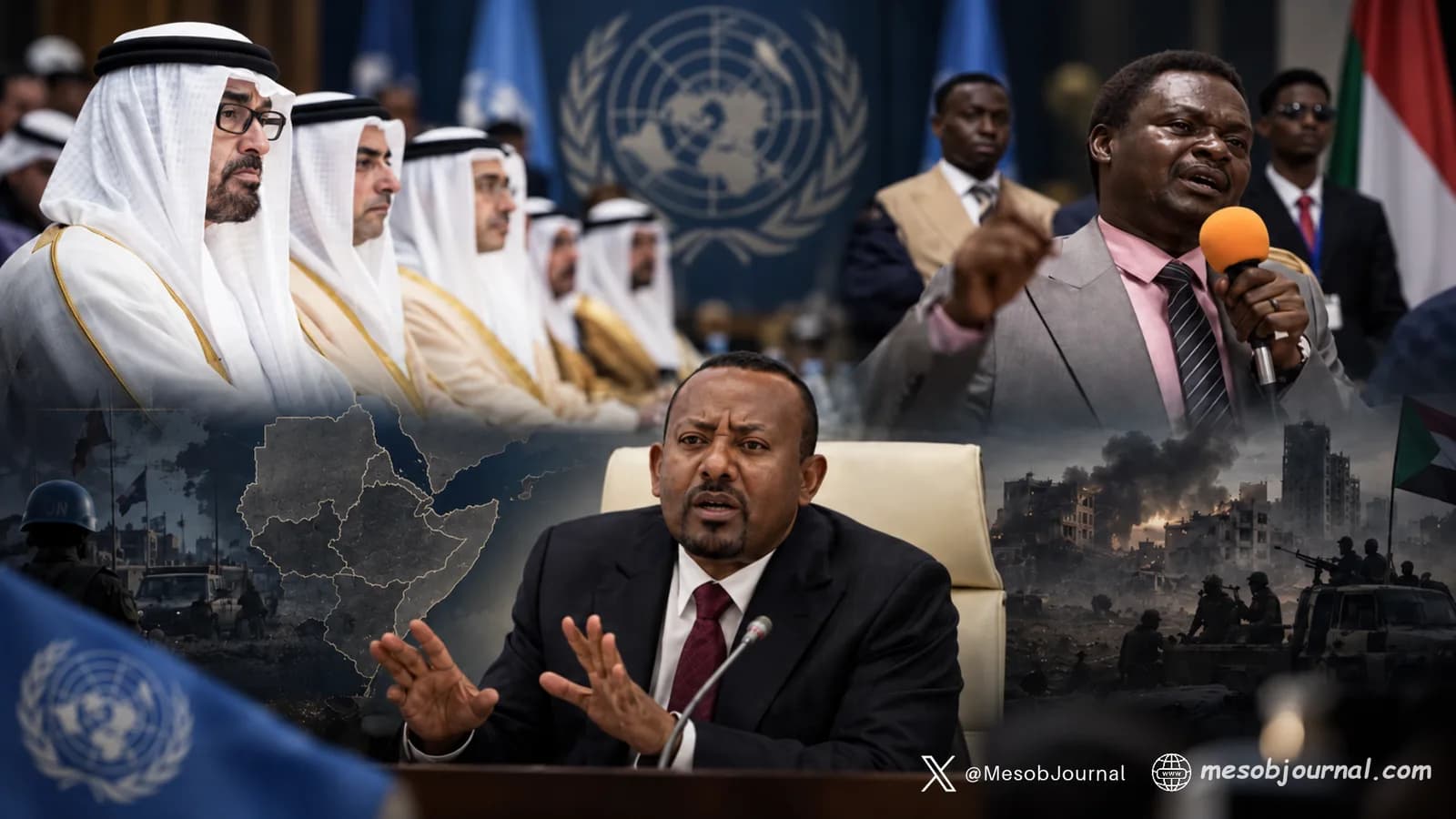
The visit comes at a time of growing diplomatic engagement between Eritrea and Egypt, both Red Sea states with strategic interests in the Horn of Africa, Sudan, the Nile Basin and maritime security.
Abdelatty said President Isaias had accepted an invitation to visit Egypt, describing the expected visit as part of continued high-level coordination between the two governments.
He also congratulated Eritrea on its 35th independence anniversary, saying Egypt wished the Eritrean people “continued progress, prosperity, and stability.”