
The maritime transport agreement signed in Asmara between Eritrea and Egypt should not be treated as another diplomatic headline. It carries a longer history.
For Eritrea, the Red Sea has never been a side issue. Since independence, Asmara has argued that the sea linking Africa, Arabia and the wider world cannot be managed by outsiders alone, or by countries that wake up to its importance only during crisis. The states along its shores carry the first responsibility. They live with the consequences when shipping is disrupted, when foreign interference expands, or when regional tensions are allowed to spill into the water.
That is why this agreement deserves closer attention.
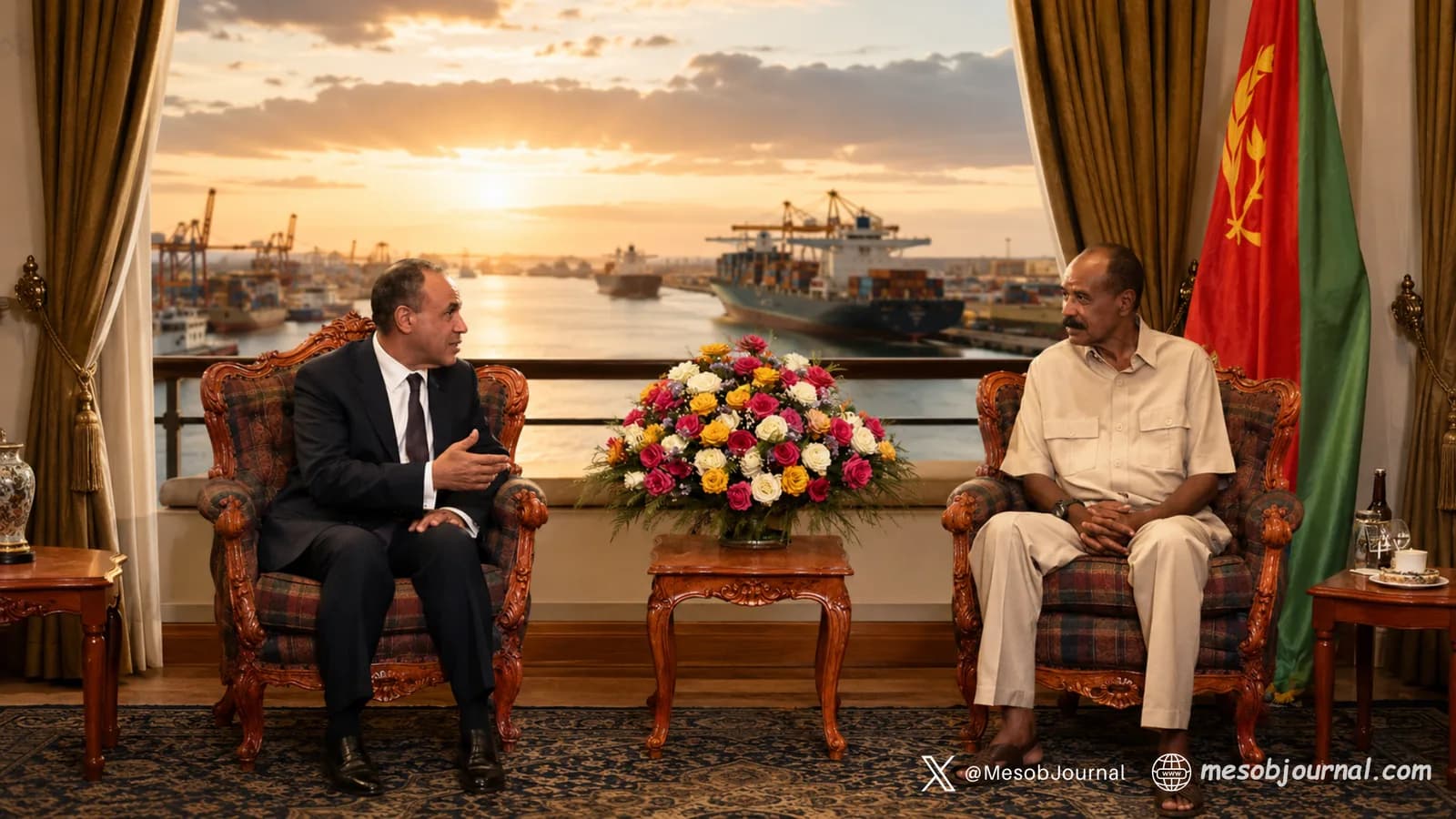
On paper, the deal concerns maritime transport, shipping and cooperation between the two countries. Eritrea’s Ministry of Information said the agreement was signed to develop cooperation in the sector and contribute to international shipping on the basis of freedom of navigation. It was signed by Eritrea’s Minister of Transport and Communications, Berhane Tesfaselassie, and Egypt’s Minister of Transport, Lt. Gen. Kamel Al-Wazir, during the visit of a senior Egyptian delegation to Asmara.
But the agreement also points to something Eritrea has been trying to build for many years: a working Red Sea relationship based on ports, transport, trade and coastal-state responsibility, not just political statements.
This did not begin in 2026.
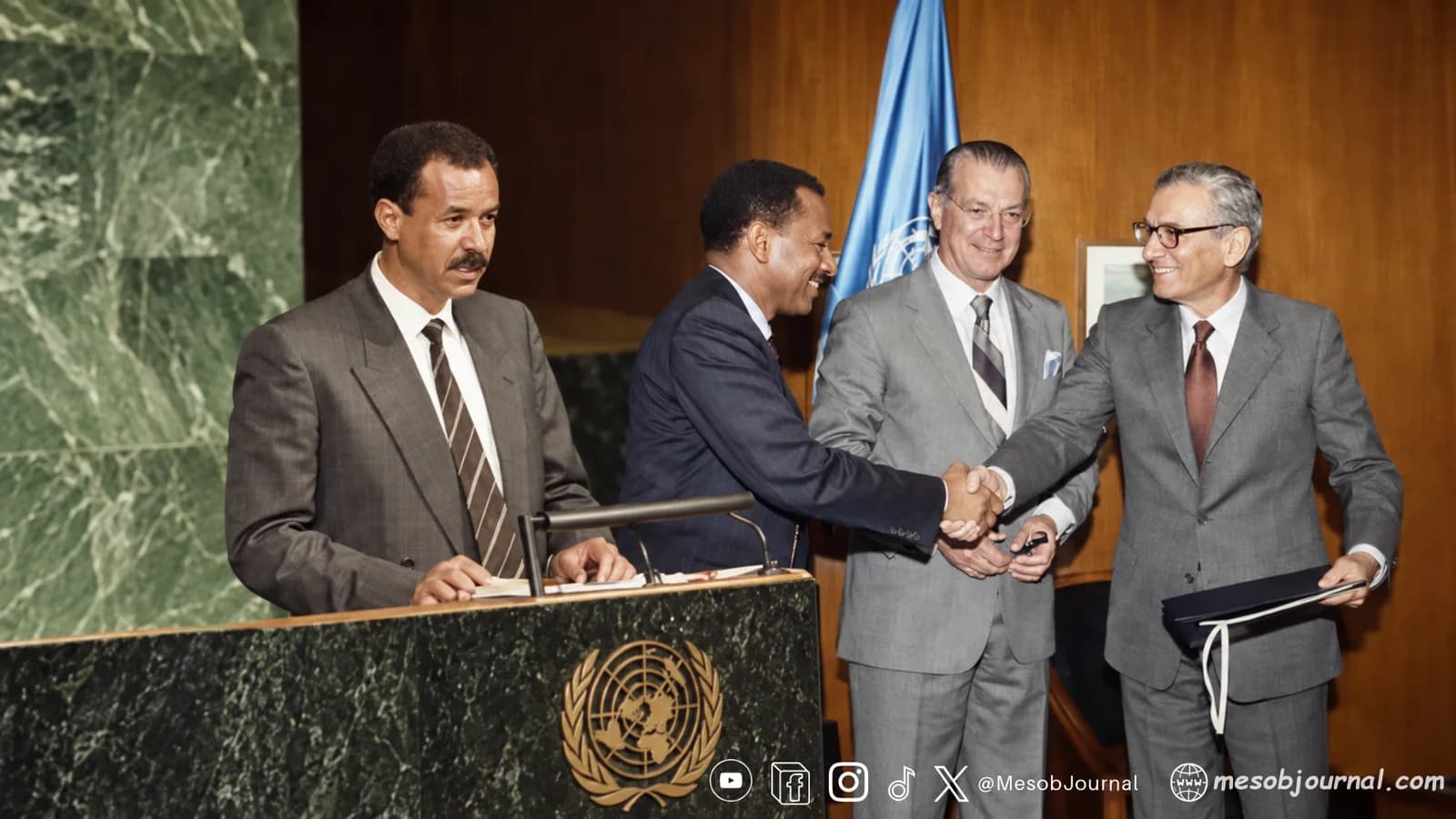
In May 2010, President Isaias Afwerki told Egyptian Television that Eritrea and Egypt had agreed to take “practical action” to strengthen relations in trade, industry, agriculture, investment and other sectors. The same interview dealt with Red Sea security, the role of adjacent countries, the Nile, Sudan, Somalia, Yemen and Eritrean-Ethiopian relations.
Looking back now, that interview was not routine diplomacy. It showed how Eritrea already viewed the region as one connected space. The Red Sea, the Nile, Sudan, Somalia, and Yemen were not separate files in Asmara’s reading. They formed one strategic environment, where a mistake in one place could quickly create pressure somewhere else.
That was the argument Eritrea kept making, even when others were slow to act.
Egypt under Hosni Mubarak did engage Eritrea, but that period was soon overtaken by upheaval in Cairo. The Arab Spring changed Egypt’s internal politics. The war in Yemen pulled the Red Sea into open conflict. Sudan went through partition, instability and then a devastating war. Somalia remained vulnerable to outside interference. Ethiopia’s internal conflicts deepened, while its language around sea access became more direct.
Through those years, Eritrea’s position did not shift much. It kept insisting on sovereignty, coastal-state responsibility, freedom of navigation and regional solutions that do not reduce the Red Sea to a playground for outside powers.
For a long time, that position was ignored or treated as too rigid. Now it looks far less theoretical.
Egypt’s State Information Service said the latest talks in Asmara focused on transport, infrastructure and logistics. It also reported Egyptian interest in cooperation with Eritrea in those areas, including discussion of a cargo shipping line linking Egyptian and Eritrean ports through the Red Sea.
That is the practical part.
A shipping line, port cooperation and maritime transport framework would not transform trade overnight. Nobody should pretend that. But it would give Eritrea-Egypt relations a real economic lane. It would connect political coordination to movement of goods, logistics planning and Red Sea access. That is different from warm language in a joint meeting.
For Eritrea, the matter is even bigger. The country sits on one of Africa’s most important coastlines. Its ports face a maritime route that connects the Mediterranean, the Suez Canal, the Red Sea, the Bab el-Mandeb and the Indian Ocean. Yet Eritrea’s geographic weight was often treated by outsiders as something to manage around, not engage with seriously.
That is changing because the region itself has changed.
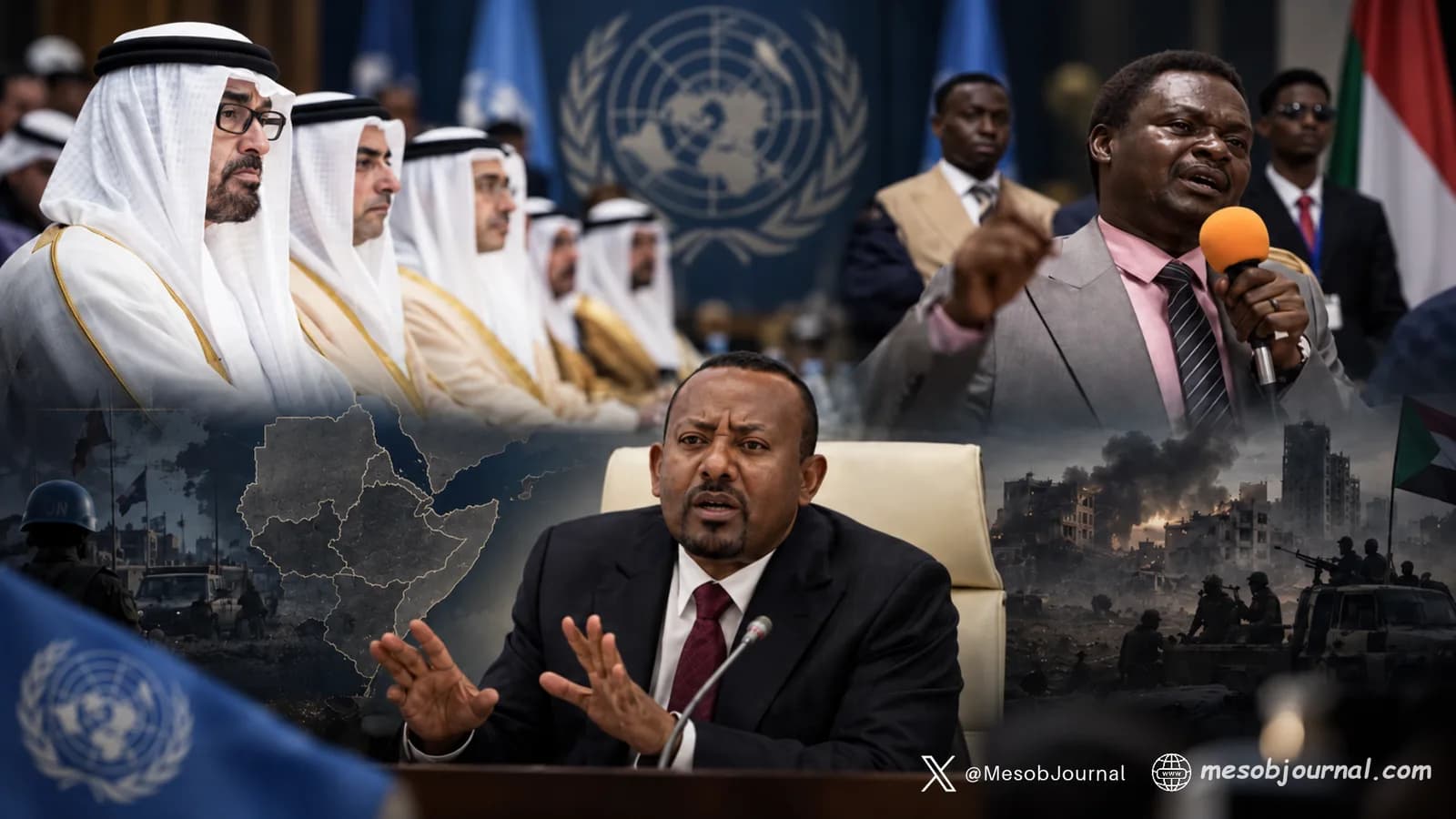
Sudan’s war has shown what happens when state authority weakens along the Red Sea corridor. The war in Yemen showed how quickly conflict can threaten maritime security. Ethiopia’s renewed language about sovereign sea access has raised direct questions about borders, law and regional order. Shipping disruptions in the Red Sea have also reminded governments far beyond Africa that this route is not peripheral.
Eritrea did not need the latest crisis to understand that.
President Isaias’ 2010 interview placed the Red Sea next to Sudan, Somalia, Yemen, the Nile and Ethiopia because that is how the region actually works. Somalia’s instability affects the Gulf of Aden. Sudan’s instability affects the Red Sea. Pressure over the Nile shapes Egypt’s security outlook. Any attempt to confuse commercial access with sovereignty threatens Eritrea directly.
That is the deeper context behind the maritime agreement.
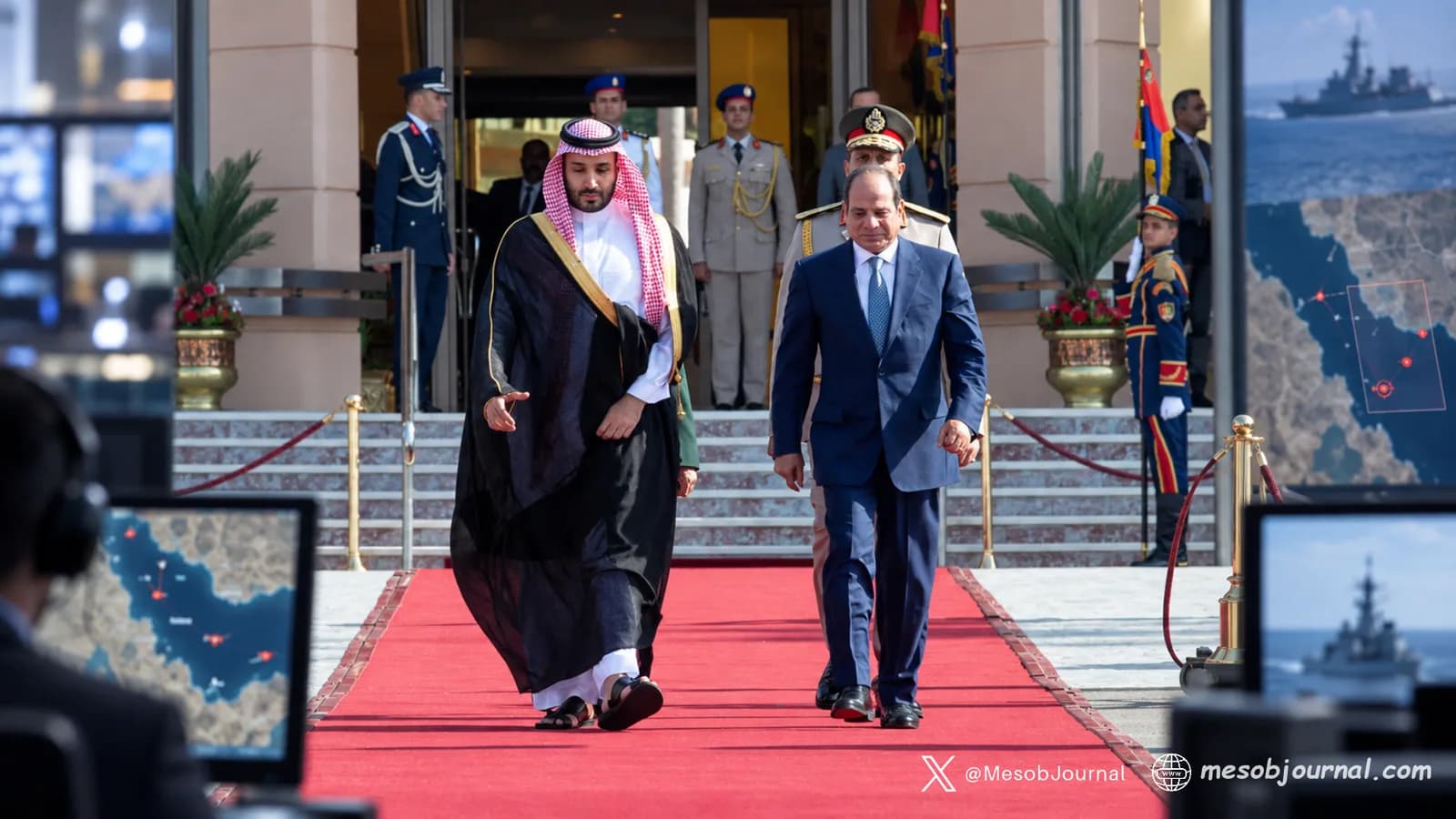
Egypt also has its own reasons for moving closer to Eritrea. Cairo sees the Horn of Africa through the lens of the Nile, Sudan, the Red Sea and national security. Recent Egyptian coverage of the Asmara visit said the two sides reaffirmed that Red Sea governance and security should remain the responsibility of littoral states, while rejecting arrangements imposed by non-coastal actors.
That language is close to Eritrea’s long-held position.
Still, the agreement should be read carefully. It is not a military alliance. It is not a new regional bloc. It does not mean all earlier gaps between the two countries have disappeared. Its value lies in the fact that Eritrea and Egypt are finally putting structure behind a relationship that both sides have discussed for years.
That is why the 2010 record matters.
Eritrea was speaking about these issues before the Red Sea became fashionable in foreign-policy circles. Before the current shipping crisis. Before Ethiopia’s latest maritime rhetoric. Before Sudan’s war turned the western Red Sea flank into a major regional concern.
Asmara’s view was simple: the Red Sea cannot be secured by statements, foreign bases or emergency diplomacy. It needs sovereign coastal states that coordinate with each other, protect navigation, respect territorial integrity and build real economic links.
The new agreement does not complete that project. But it gives it a concrete step.
For Egypt, it opens a stronger channel with a Red Sea state whose location has become harder to overlook. For Eritrea, it confirms a position held through years of pressure, isolation and regional turbulence.
The story, then, is not only that Eritrea and Egypt signed a maritime agreement.
The story is that Eritrea kept its Red Sea vision alive long enough for others to recognize its value.